Unassigned
17 Powerful Nations That Lost Their Global Glory
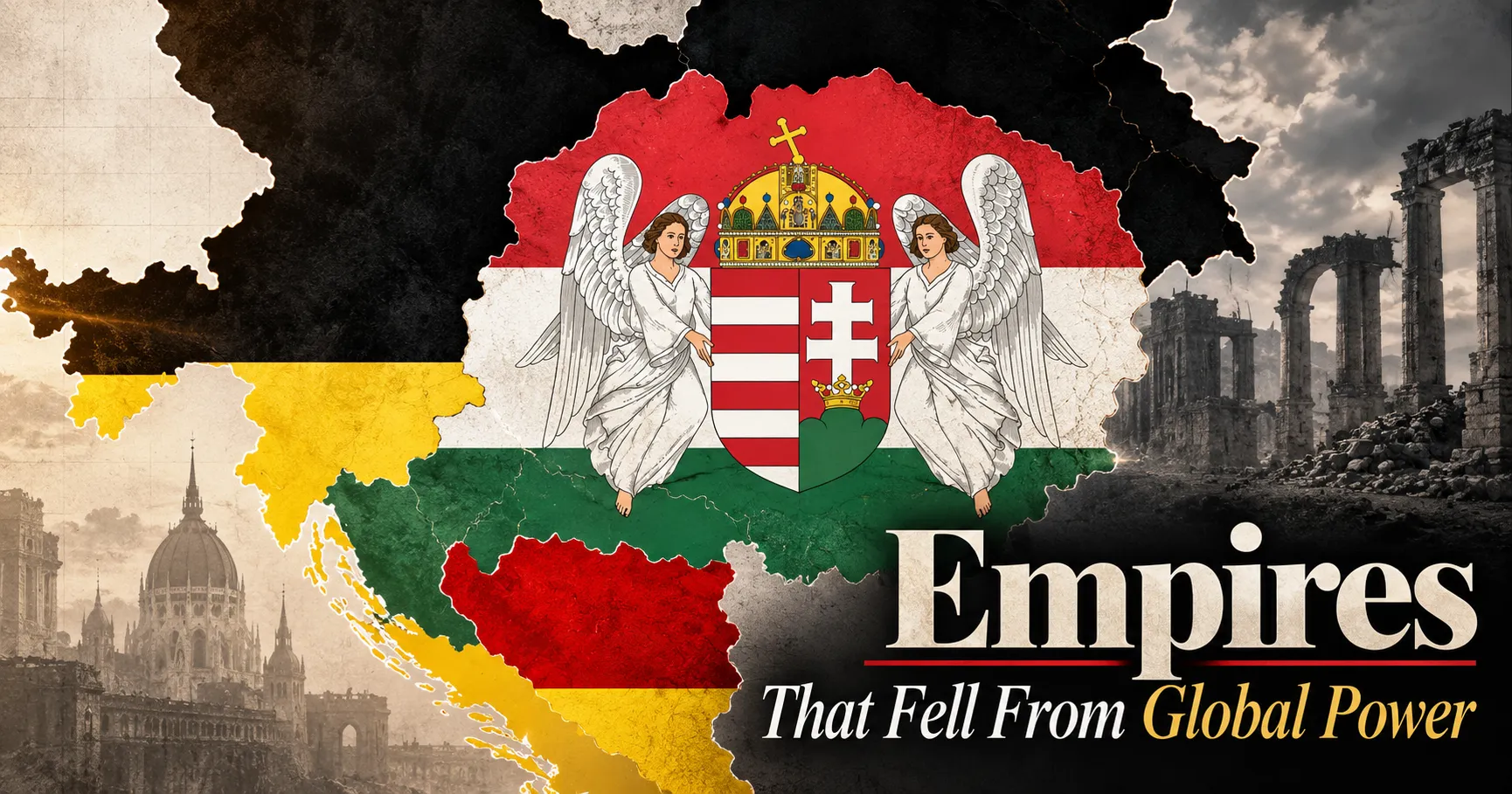
Some nations rise so high that their power seems almost impossible to lose. They build strong armies, control trade routes, collect great wealth, and shape the culture of whole regions. Their capitals become symbols of progress, learning, religion, and political control. People remember these states for their palaces, temples, armies, laws, and famous rulers. Yet history proves that even the most powerful nations can weaken when leadership fails, money runs out, people lose trust, or outside pressure becomes too strong. A country may look stable from the outside while deep problems grow inside its government, economy, and society.
 Via Youtube
The fall of a once-great nation rarely happens because of one mistake. Most collapses come from many problems building over time. Corruption can weaken public trust. Costly wars can drain national wealth. Ethnic tension can divide communities. Poor economic choices can destroy jobs, farms, and public services. Some nations also fail because they grow too large to manage, while others cannot adjust when the world changes around them. When leaders ignore warning signs, small cracks can turn into national collapse. The result is often poverty, migration, conflict, hunger, and the loss of global influence.
These stories include ancient empires, royal kingdoms, colonial powers, and modern states that once had real strength. Austria-Hungary broke apart after ethnic tension and World War I. Zimbabwe suffered after land reforms, farm collapse, hyperinflation, and political repression. Venezuela declined after an economic crisis, political conflict, and the breakdown of basic services. Older powers like Rome, Spain, Persia, Mali, and the Soviet Union also show how glory can fade when systems stop working.
 Via Science
These examples remind people that national greatness is never guaranteed. Power must be protected through fair leadership, stable institutions, smart planning, and unity among citizens. These stories also show the human cost of national collapse. When a state fails, ordinary people face food shortages, job loss, unsafe streets, broken schools, weak hospitals, and forced migration. Ancient empires often collapsed in dramatic fashion, leaving behind crumbling ruins, abandoned cities, and remnants of once-powerful civilizations for future generations to study.
 Via History Collection
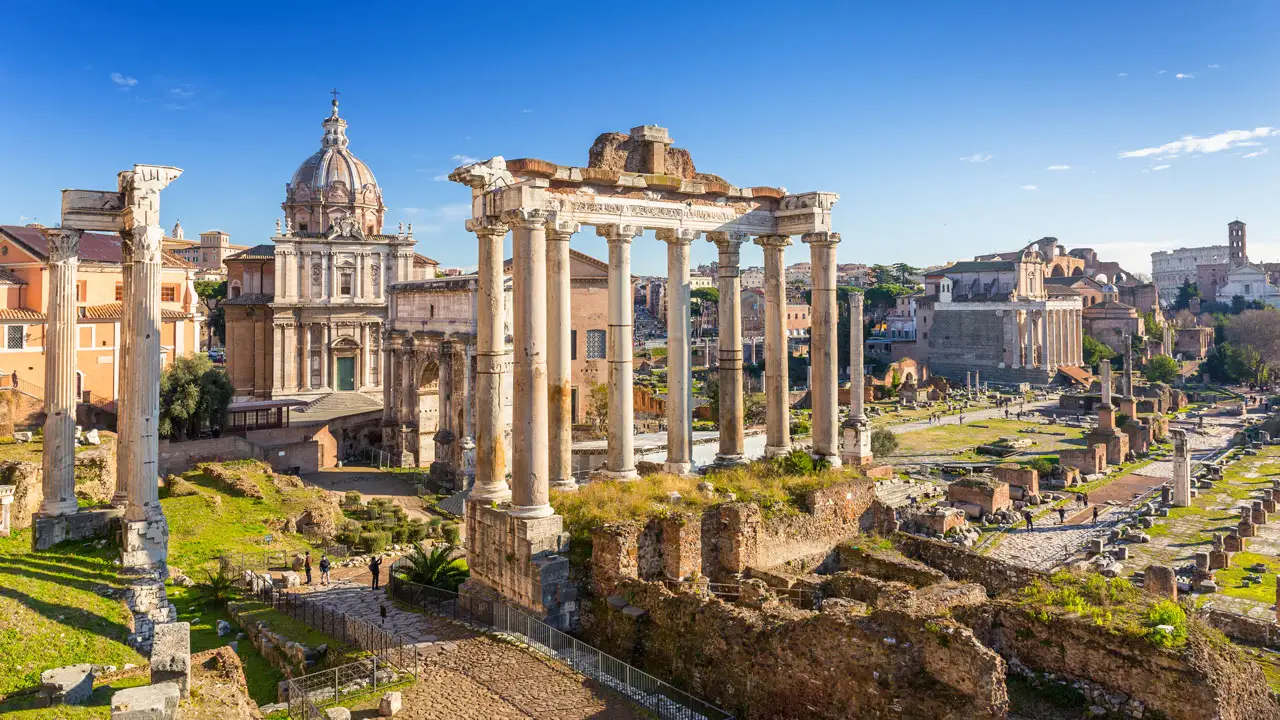
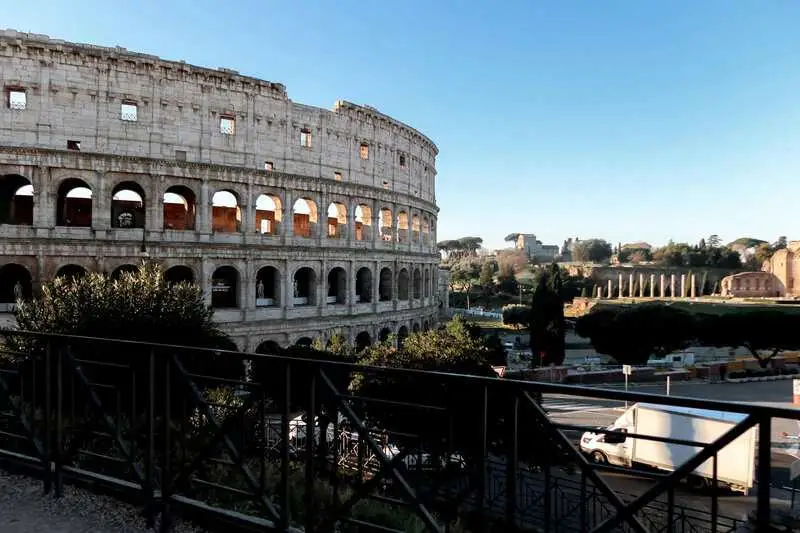
The Roman Empire ruled vast territories, but overspending, corruption, political instability, military pressure, and invasions slowly destroyed its strength and control.
 Via History Collection
The Ottoman Empire controlled lands across three continents, but weak reforms, military defeats, debt, corruption, and European pressure led to its final collapse.
 Via History Collection
The Soviet Union was a major world power, but economic stagnation, heavy military spending, strict rule, public unrest, and failed reforms ended it in 1991.
 Via History Collection
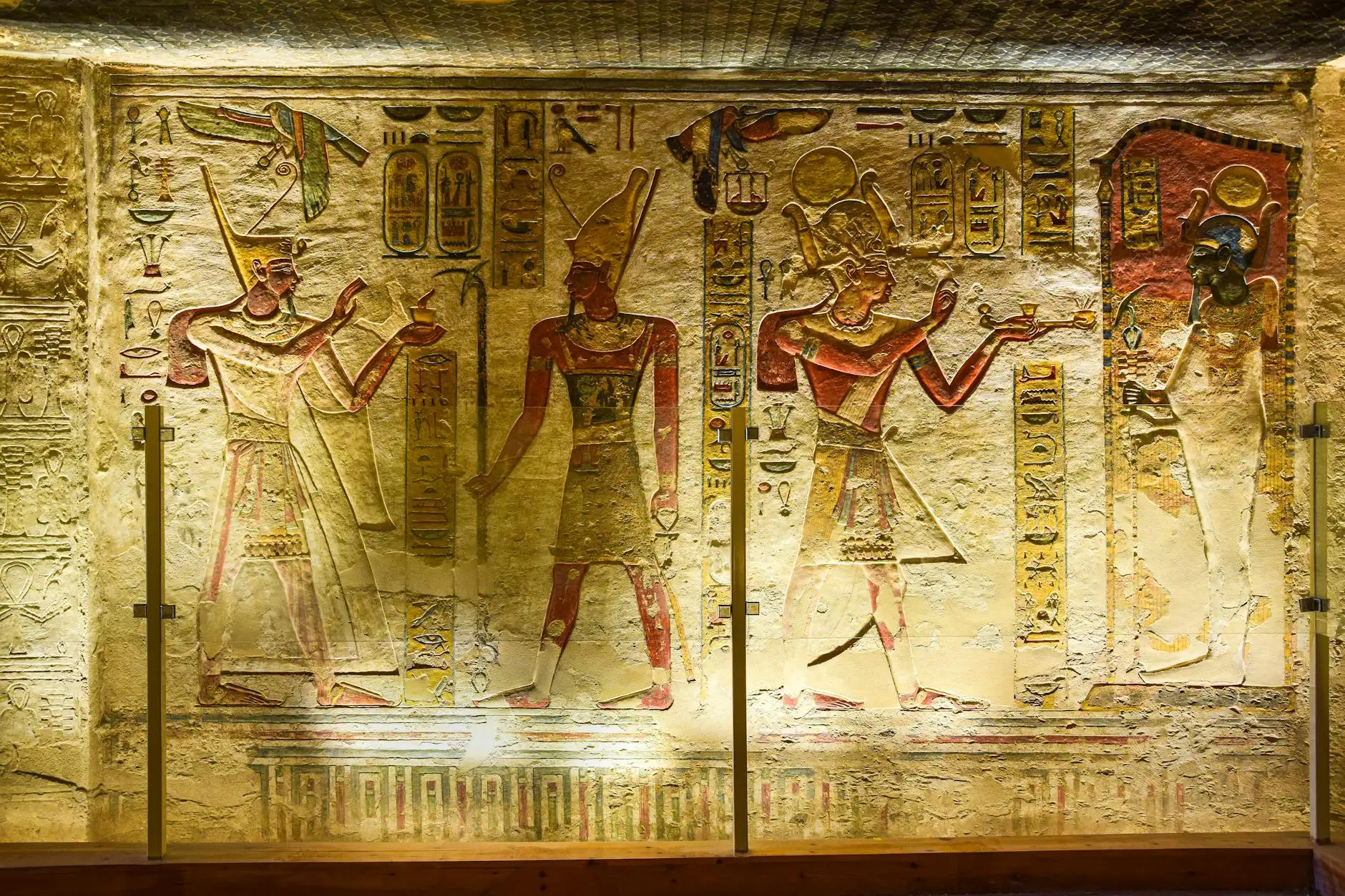
Ancient Egypt shaped early civilization with pyramids, writing, and powerful rulers, but weak leadership, foreign invasions, and financial problems ended its independence.
 Via History Collection
Spain once ruled a vast empire, but costly wars, inflation, poor spending, naval defeats, and colonial losses reduced its global power over time.
 Via History Collection
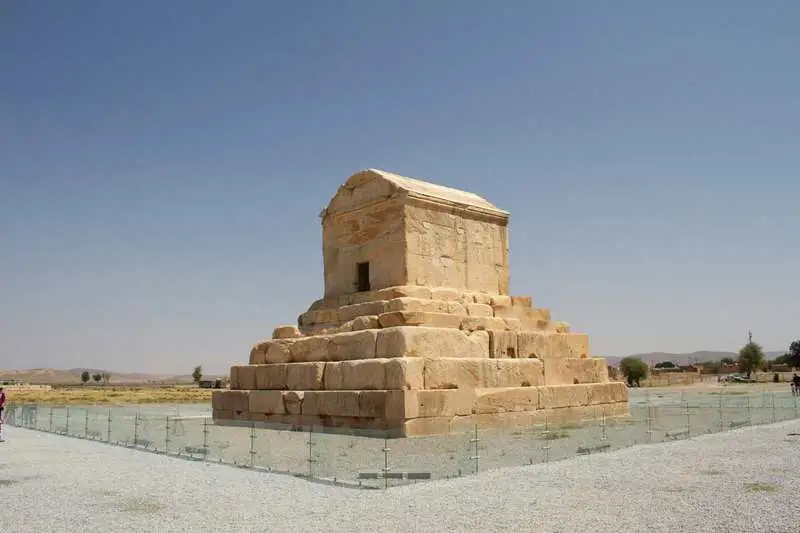
The Persian Empire controlled huge lands and advanced systems of rule, but internal rivalry, military defeats, and Alexander the Great’s conquest ended its dominance.
 Via History Collection
The Byzantine Empire preserved Roman traditions for centuries, but constant wars, religious disputes, political weakness, and Constantinople’s fall ended its historic power.
 Via History Collection
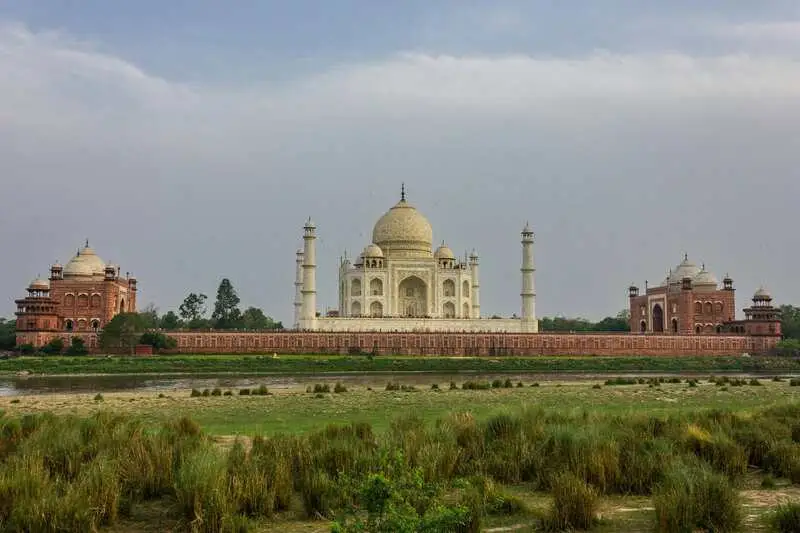
The Mughal Empire ruled much of India, but succession battles, corruption, regional revolts, weak rulers, and British expansion slowly destroyed its authority.
 Via History Collection
The Aztec Empire built a strong civilization in Mexico, but Spanish conquest, deadly disease, and rival native alliances brought its rapid downfall.
 Via History Collection
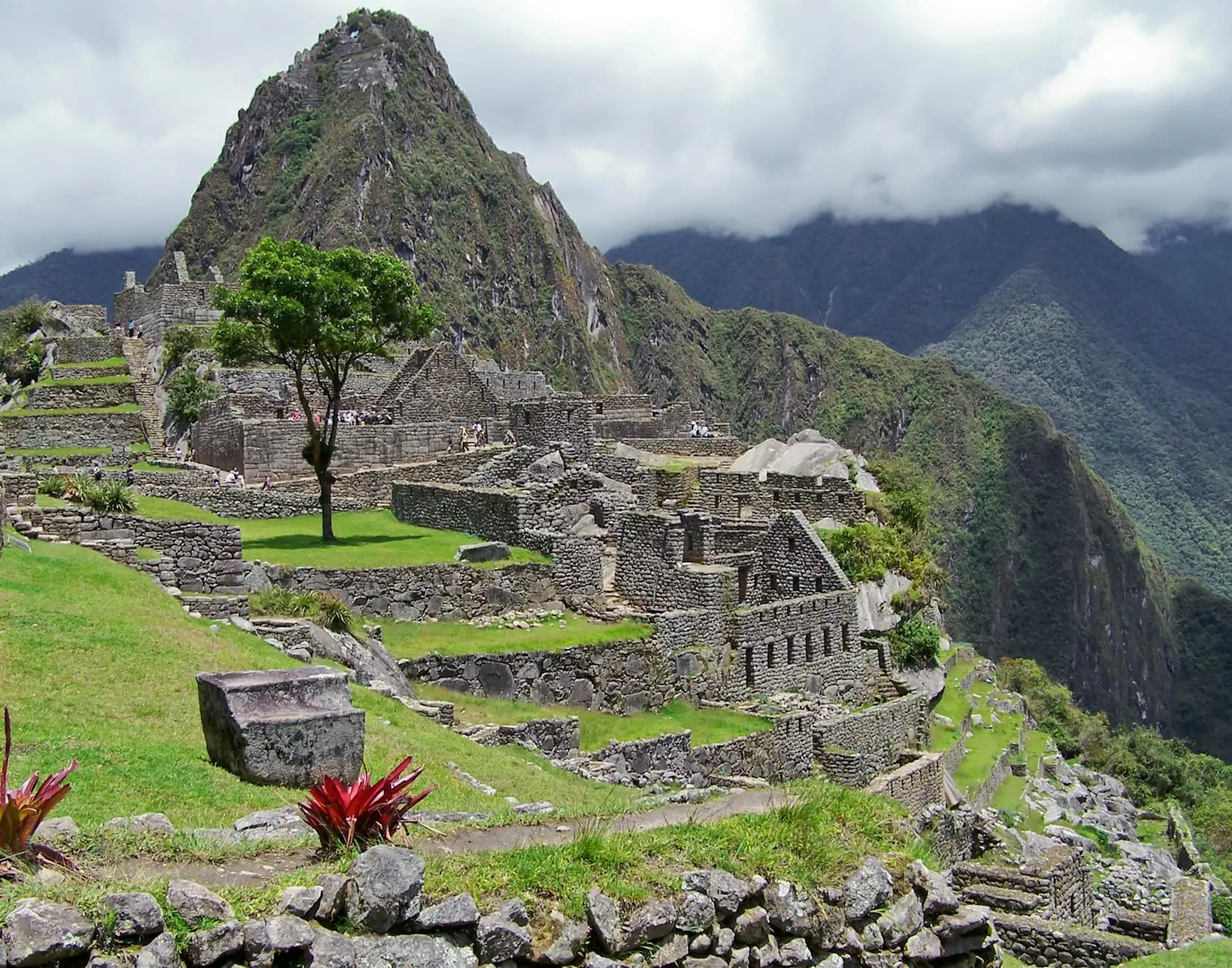
The Inca Empire had strong roads, farming systems, and leadership, but civil war, smallpox, and Spanish conquest caused its sudden collapse.
 Via History Collection
Mali became famous for gold, trade, and learning, but succession disputes, shifting trade routes, invasions, and Songhai’s rise weakened its empire.
 Via History Collection
Yugoslavia united different Balkan groups, but ethnic tension, weak economic policies, rising nationalism, and war broke the country apart during the 1990s.
 Via Family Search
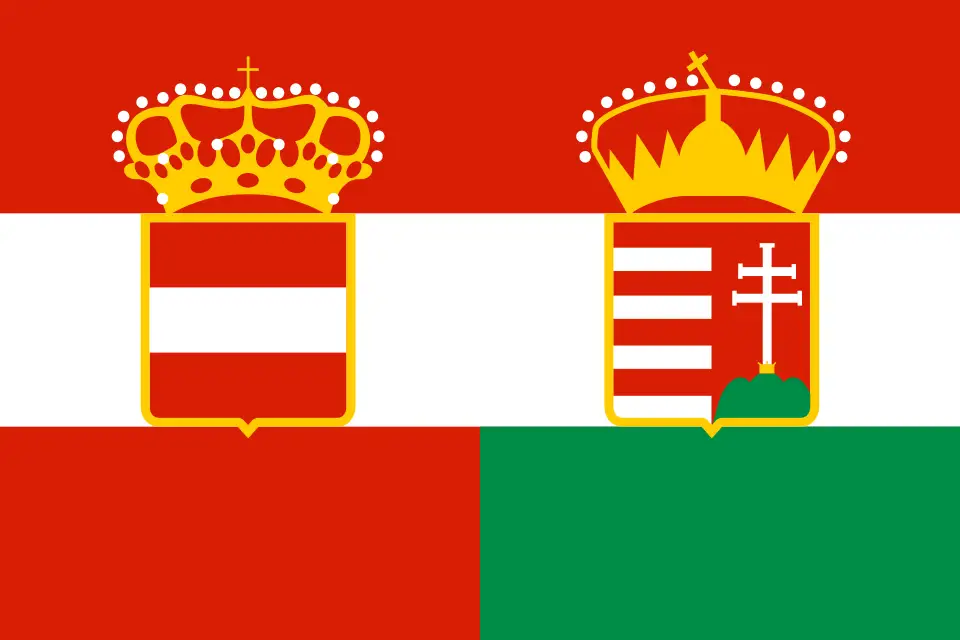
Austria-Hungary was a powerful dual monarchy, but ethnic tensions, nationalist movements, World War I losses, and political divisions caused its breakup in 1918.
 Via Geeska
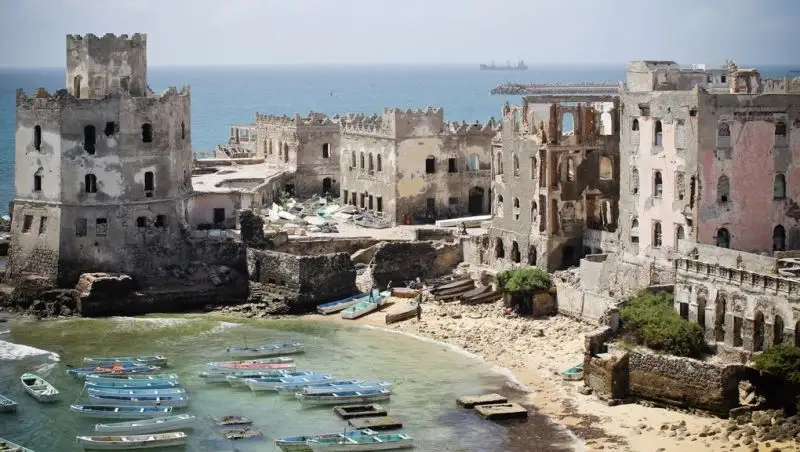
Somalia declined after dictatorship, clan warfare, famine, and the 1991 collapse of central authority, leaving the country trapped in insecurity and weak governance.
 Via Britannica
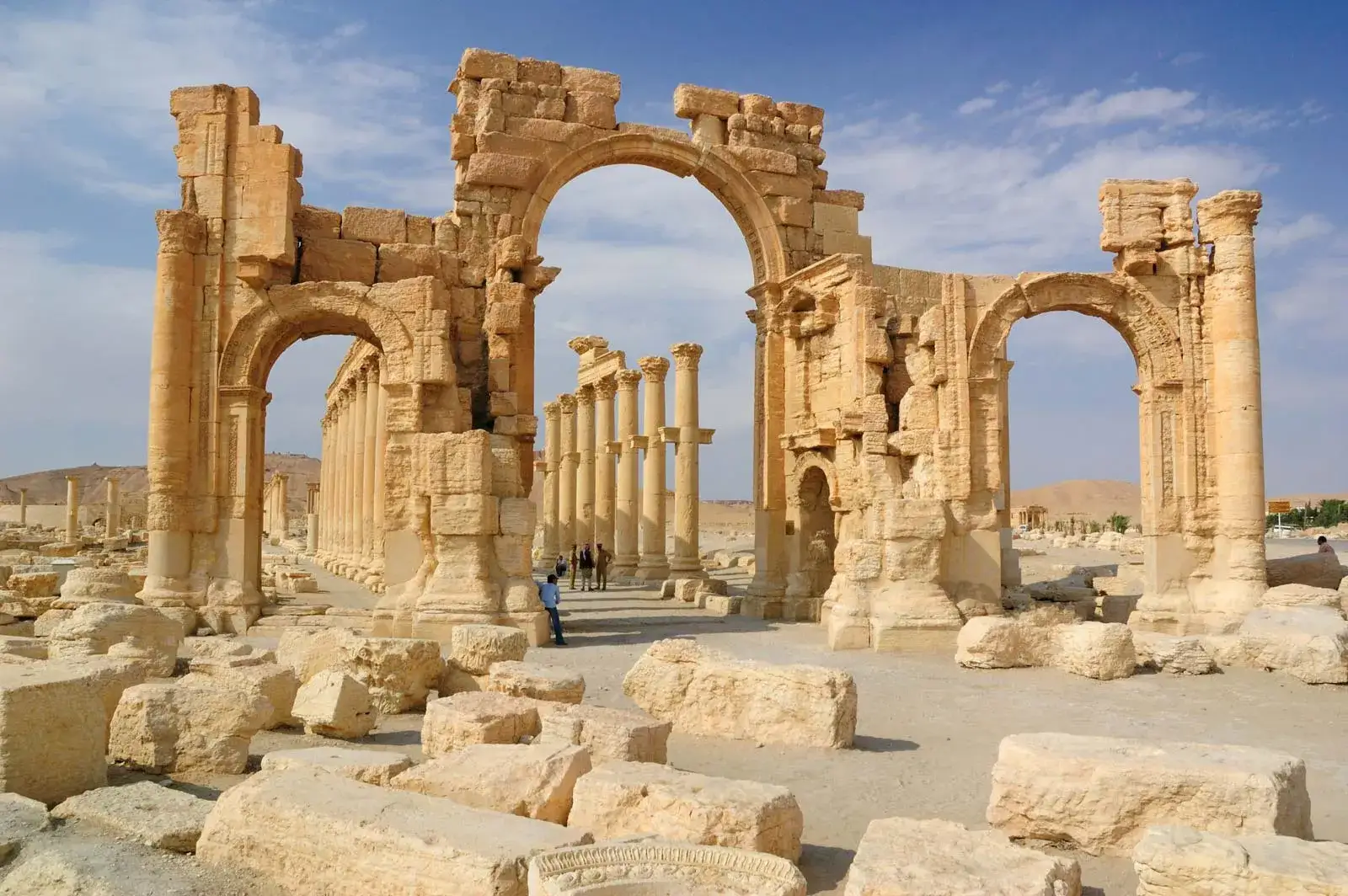
Syria’s crisis deepened after 2011, as civil war, mass displacement, destroyed infrastructure, poverty, and economic collapse turned the country into a long-term humanitarian disaster.
 Via Britannica
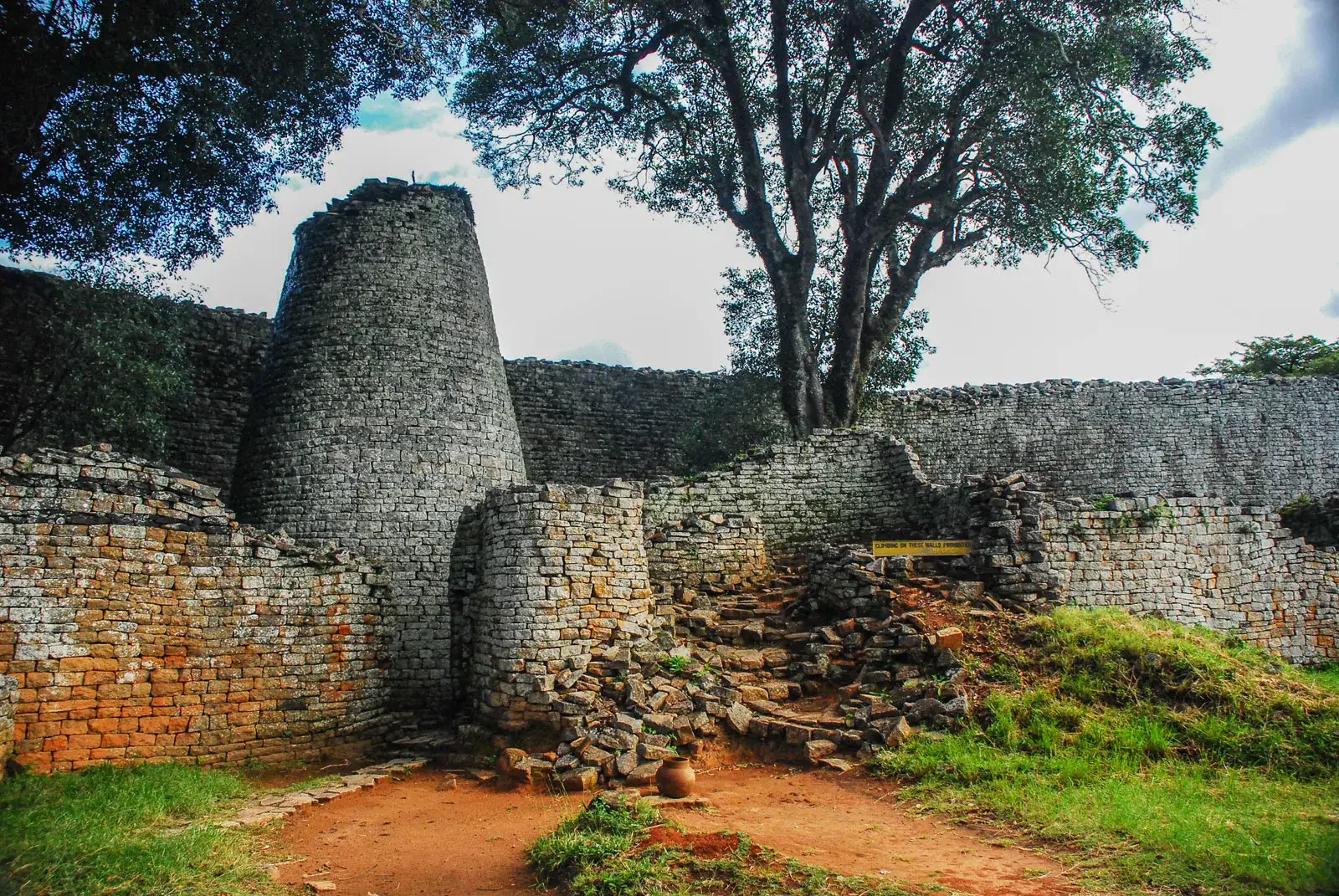
Zimbabwe was once Africa’s breadbasket, but land seizures, farm collapse, hyperinflation, unemployment, and political repression created deep economic and social hardship.
 Via History Collection
Venezuela was once one of South America’s richest nations, but political turmoil, hyperinflation, corruption, service collapse, and mass migration badly weakened the country.
 Via Modern Diplomacy
These examples also show how deeply ordinary people are affected when a nation declines. Political collapse is not only about borders, presidents, kings, or armies. It changes daily life for families, workers, farmers, students, and business owners. Food becomes harder to buy. Jobs disappear. Schools and hospitals suffer. Crime may rise, and people may leave their homeland in search of safety or income. In older empires, collapse often brought invasion, civil war, or foreign rule. In modern states, collapse can bring inflation, mass migration, and long-term poverty. The people pay the highest price when national systems stop serving them.
The biggest lesson is that power must be managed with care. Strong nations need honest institutions, fair treatment of different groups, working economies, and leaders who respond before problems become disasters. History shows that pride in past greatness can become dangerous when it blinds leaders to present failures. Rome, Austria-Hungary, Mali, Yugoslavia, Zimbabwe, and Venezuela each declined in different ways, but their stories point to one truth: a nation survives through balance, trust, and reform. When those foundations break, even a once-great country can fall from power and become a warning for future generations.
Via The Atlantic
The fall of once-great nations shows that power can fade when leadership, unity, and public trust break down. Many of these states had strong armies, rich resources, busy trade routes, and deep cultural influence. Their decline came when internal problems grew too large to control. Corruption weakened institutions, wars drained money, and social divisions made people lose faith in the system. In many cases, leaders failed to act before the damage became permanent.
More in UnassignedVia Youtube
The fall of a once-great nation rarely happens because of one mistake. Most collapses come from many problems building over time. Corruption can weaken public trust. Costly wars can drain national wealth. Ethnic tension can divide communities. Poor economic choices can destroy jobs, farms, and public services. Some nations also fail because they grow too large to manage, while others cannot adjust when the world changes around them. When leaders ignore warning signs, small cracks can turn into national collapse. The result is often poverty, migration, conflict, hunger, and the loss of global influence.
These stories include ancient empires, royal kingdoms, colonial powers, and modern states that once had real strength. Austria-Hungary broke apart after ethnic tension and World War I. Zimbabwe suffered after land reforms, farm collapse, hyperinflation, and political repression. Venezuela declined after an economic crisis, political conflict, and the breakdown of basic services. Older powers like Rome, Spain, Persia, Mali, and the Soviet Union also show how glory can fade when systems stop working.
Via Science
These examples remind people that national greatness is never guaranteed. Power must be protected through fair leadership, stable institutions, smart planning, and unity among citizens. These stories also show the human cost of national collapse. When a state fails, ordinary people face food shortages, job loss, unsafe streets, broken schools, weak hospitals, and forced migration. Ancient empires often collapsed in dramatic fashion, leaving behind crumbling ruins, abandoned cities, and remnants of once-powerful civilizations for future generations to study.
The Roman Empire
Via History Collection
The Roman Empire ruled vast territories, but overspending, corruption, political instability, military pressure, and invasions slowly destroyed its strength and control.
The Ottoman Empire
Via History Collection
The Ottoman Empire controlled lands across three continents, but weak reforms, military defeats, debt, corruption, and European pressure led to its final collapse.
The Soviet Union
Via History Collection
The Soviet Union was a major world power, but economic stagnation, heavy military spending, strict rule, public unrest, and failed reforms ended it in 1991.
Ancient Egypt
Via History Collection
Ancient Egypt shaped early civilization with pyramids, writing, and powerful rulers, but weak leadership, foreign invasions, and financial problems ended its independence.
The Kingdom of Spain
Via History Collection
Spain once ruled a vast empire, but costly wars, inflation, poor spending, naval defeats, and colonial losses reduced its global power over time.
The Persian Empire
Via History Collection
The Persian Empire controlled huge lands and advanced systems of rule, but internal rivalry, military defeats, and Alexander the Great’s conquest ended its dominance.
The Byzantine Empire
Via History Collection
The Byzantine Empire preserved Roman traditions for centuries, but constant wars, religious disputes, political weakness, and Constantinople’s fall ended its historic power.
The Mughal Empire
Via History Collection
The Mughal Empire ruled much of India, but succession battles, corruption, regional revolts, weak rulers, and British expansion slowly destroyed its authority.
The Aztec Empire
Via History Collection
The Aztec Empire built a strong civilization in Mexico, but Spanish conquest, deadly disease, and rival native alliances brought its rapid downfall.
The Inca Empire
Via History Collection
The Inca Empire had strong roads, farming systems, and leadership, but civil war, smallpox, and Spanish conquest caused its sudden collapse.
The Kingdom of Mali
Via History Collection
Mali became famous for gold, trade, and learning, but succession disputes, shifting trade routes, invasions, and Songhai’s rise weakened its empire.
Yugoslavia
Via History Collection
Yugoslavia united different Balkan groups, but ethnic tension, weak economic policies, rising nationalism, and war broke the country apart during the 1990s.
Austria-Hungary
Via Family Search
Austria-Hungary was a powerful dual monarchy, but ethnic tensions, nationalist movements, World War I losses, and political divisions caused its breakup in 1918.
Somalia
Via Geeska
Somalia declined after dictatorship, clan warfare, famine, and the 1991 collapse of central authority, leaving the country trapped in insecurity and weak governance.
Syria
Via Britannica
Syria’s crisis deepened after 2011, as civil war, mass displacement, destroyed infrastructure, poverty, and economic collapse turned the country into a long-term humanitarian disaster.
Zimbabwe
Via Britannica
Zimbabwe was once Africa’s breadbasket, but land seizures, farm collapse, hyperinflation, unemployment, and political repression created deep economic and social hardship.
Venezuela
Via History Collection
Venezuela was once one of South America’s richest nations, but political turmoil, hyperinflation, corruption, service collapse, and mass migration badly weakened the country.
Lessons From Nations That Lost Power
The stories of these failed and weakened nations are not just old history lessons. They still matter because many of the same dangers exist in the modern world. Countries can still suffer from corruption, weak leadership, unfair laws, rising debt, food shortages, inflation, and public anger. A nation may have oil, gold, farmland, industry, or military strength, but those advantages can disappear when leaders make poor choices. Zimbabwe and Venezuela show how quickly economic systems can fall apart when trust, production, and public services collapse. Their struggles prove that natural wealth alone cannot save a country from failure.Via Modern Diplomacy
These examples also show how deeply ordinary people are affected when a nation declines. Political collapse is not only about borders, presidents, kings, or armies. It changes daily life for families, workers, farmers, students, and business owners. Food becomes harder to buy. Jobs disappear. Schools and hospitals suffer. Crime may rise, and people may leave their homeland in search of safety or income. In older empires, collapse often brought invasion, civil war, or foreign rule. In modern states, collapse can bring inflation, mass migration, and long-term poverty. The people pay the highest price when national systems stop serving them.
The biggest lesson is that power must be managed with care. Strong nations need honest institutions, fair treatment of different groups, working economies, and leaders who respond before problems become disasters. History shows that pride in past greatness can become dangerous when it blinds leaders to present failures. Rome, Austria-Hungary, Mali, Yugoslavia, Zimbabwe, and Venezuela each declined in different ways, but their stories point to one truth: a nation survives through balance, trust, and reform. When those foundations break, even a once-great country can fall from power and become a warning for future generations.
Via The Atlantic
The fall of once-great nations shows that power can fade when leadership, unity, and public trust break down. Many of these states had strong armies, rich resources, busy trade routes, and deep cultural influence. Their decline came when internal problems grew too large to control. Corruption weakened institutions, wars drained money, and social divisions made people lose faith in the system. In many cases, leaders failed to act before the damage became permanent.