Unassigned
Zambia's Oldest Wild Lion Reunites with Family

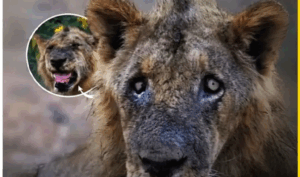
Seventeen years. That’s how long Ginger, Zambia’s oldest known wild lion, defied the laws of nature and survival. In a world where most wild male lions don’t live past 10, Ginger rewrote the rulebook. His story starts in the vast plains of Lower Zambezi National Park, a place full of rivers, thick bushes, and tough challenges.
Born around 2007, Ginger grew into a strong male with a thick golden mane that made him stand out. He wasn't just any lion; he became a symbol of what it means to keep fighting no matter what. Lions live in groups called prides, but males like Ginger often form teams called coalitions. These groups help them take over prides and protect their families.
 Via Geoparks Africa
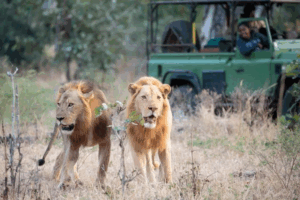
Ginger joined two other males to create a powerful coalition in the west Zambezi area. Together, they ruled over a large territory. They hunted, defended their land from rivals, and fathered many cubs. Ginger's strength came from his size, his sharp instincts, and his ability to work with his partners. For years, they were unbeatable, chasing away intruders and keeping the pride safe.
 Via Power of the Positive
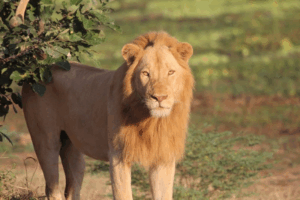
By his prime, around age five or six, Ginger's mane was full and dark, a sign of health and power. Females like strong males because they protect the cubs better. Ginger's coalition took over a pride by defeating the resident males. This is common in lion society. The winners kill or chase away the losers, and sometimes even the young cubs, to start their own family line.
Ginger and his partners did just that. They ruled for several years, siring cubs that would one day grow strong like their father. Life as a pride leader isn't easy. Males must patrol borders every day, marking trees and ground with scent to warn others. They roar to announce their presence, a sound that travels miles.
 Via Zambian Carnivore Program
Ginger's roars echoed through the valleys, keeping enemies at bay. He faced many threats: rival coalitions, human poachers, and even diseases like tuberculosis that spread in wildlife areas. But Ginger adapted. His scars told stories of close calls, deep cuts from claws, bites from fights, and wounds from thorny bushes during chases.
 Via Zambia Tourism
Ginger had a torn ear from one clash, a limp from a hip injury in another. Yet, these marks made him wiser. He learned to pick fights carefully, using strategy over brute force. Once the leader of a powerful coalition of three males in the west Zambezi, Ginger was a lion that even time respected. His partners were key to success. One might be distracted while Ginger attacked from the side.
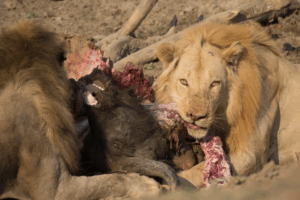
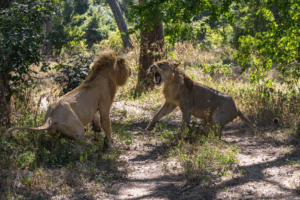
They shared kills, taking turns eating the best parts. This teamwork allowed them to hold the pride longer than most. Average male tenure is two to four years before younger, stronger groups take over. Ginger's group lasted longer, thanks to their bond and skill. Hunting was another daily test. Lions are ambush predators, hiding in the grass to surprise prey.
 Via Zambia Tourism
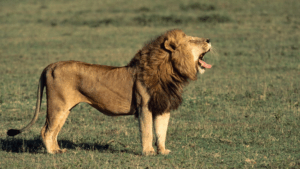
Ginger targeted weak animals in herds, old zebras, injured antelopes, or young buffalo. A successful hunt fed the whole pride, but failures meant hunger. In dry seasons, water holes became battlegrounds with crocodiles and elephants. Ginger navigated these risks, teaching his cubs by example. Cubs watched from afar, learning to stalk and pounce.
 Via National Geographic Kids
His coalition broke. One partner died in the fight, the other vanished. Overthrown, Ginger became a nomad again. Living solo for years, he faced the harshest part of lion life. Alone, he couldn't take down big prey easily. He scavenged kills from hyenas or leopards, ate smaller animals like warthogs, or went days without food.
Solitary males often die young from starvation or fights. But Ginger endured. His experience helped him avoid traps. He knew the best hiding spots, the safest paths along the Zambezi River. These years tested his spirit. Lions are social animals; isolation brings loneliness. Ginger's mane thinned, his muscles ached, but his eyes stayed sharp.
 Via TikTok
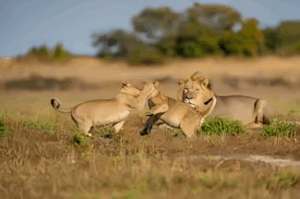
Lions have strong memories and family bonds, though rare in males. The sons allowed Ginger to join. He didn't fight for the top spot; he was too old. Instead, he became a grandfather figure. He rested in the shade, ate from kills the young ones made, and even helped watch cubs. This acceptance broke all rules. Wildlife experts tracking Ginger were stunned.
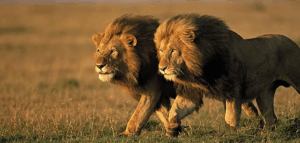 Via Smithsonian Magazine
Mobility was an issue. Old injuries flared up; arthritis likely slowed him. He walked with a stiff gait, avoiding long chases. But his mind stayed keen. Ginger chose battles wisely or avoided them. He let his sons handle defense, conserving energy. In the wild, weakness invites attack. Hyenas sense it, rivals test it. Ginger's presence alone deterred some threats; his legend preceded him.
Health problems mounted. Snaring by poachers is common in Zambia; wires cut into legs. Ginger might have dodged those, but parasites, worms, and infections weaken old lions. Droughts bring thirst; floods trap them. Ginger navigated seasons, finding shade in hot months, water in dry ones.
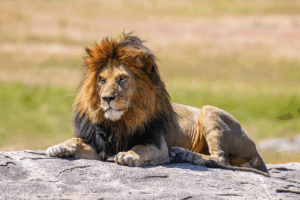 Via Wikipedia
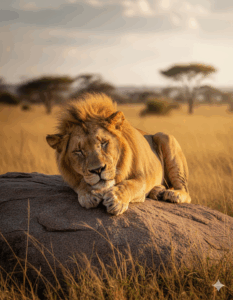 What could have ended him? Old age itself, heart failure, and organ shutdown. Or a quiet injury, infection spreading unseen. Predators rarely kill healthy adults, but a weak one might fall to crocodiles at the water or a hyena pack. Yet, Ginger's smarts make violent death unlikely. He knew when to hide.
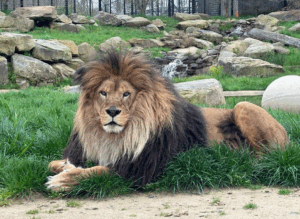 Via Butler Eagle
Wild ones face real tests; Ginger passed them all. He taught about resilience. In a world of quick deaths, he showed adaptation wins. From coalition king to loner to family elder, Ginger changed roles gracefully. His sons' acceptance highlights lion intelligence and possible empathy. Studies show lions recognize kin years later. Ginger's story adds proof. Conservation gets a boost, too.
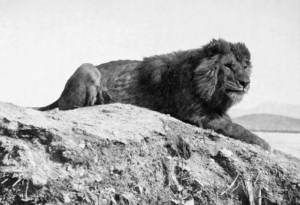 Via Wikipedia
Walk Zambezi trails today; feel his spirit in the wind. Roars at night might echo his voice. Ginger lives in stories, photos, and the wild heart of Africa. His 17 years prove extraordinary feats hide in ordinary struggles. Rest well, old warrior, your throne awaits in legend.
More in Unassigned
Via Geoparks Africa
Ginger joined two other males to create a powerful coalition in the west Zambezi area. Together, they ruled over a large territory. They hunted, defended their land from rivals, and fathered many cubs. Ginger's strength came from his size, his sharp instincts, and his ability to work with his partners. For years, they were unbeatable, chasing away intruders and keeping the pride safe.
Early Life and Rise to Power
Ginger's early days were typical for a young male lion. Cubs stay with their mothers in the pride until they are about two years old. Then, males get kicked out to avoid fights with the adults. Ginger left his birthplace and wandered alone or with his brothers. This nomadic life is dangerous. Young males face starvation, attacks from hyenas, or battles with older lions. But Ginger survived. He built his body, learned to hunt big animals like buffalo, and found allies.
Via Power of the Positive
By his prime, around age five or six, Ginger's mane was full and dark, a sign of health and power. Females like strong males because they protect the cubs better. Ginger's coalition took over a pride by defeating the resident males. This is common in lion society. The winners kill or chase away the losers, and sometimes even the young cubs, to start their own family line.
Ginger and his partners did just that. They ruled for several years, siring cubs that would one day grow strong like their father. Life as a pride leader isn't easy. Males must patrol borders every day, marking trees and ground with scent to warn others. They roar to announce their presence, a sound that travels miles.
Via Zambian Carnivore Program
Ginger's roars echoed through the valleys, keeping enemies at bay. He faced many threats: rival coalitions, human poachers, and even diseases like tuberculosis that spread in wildlife areas. But Ginger adapted. His scars told stories of close calls, deep cuts from claws, bites from fights, and wounds from thorny bushes during chases.
The Battles and Scars of a Warrior
His teeth were worn. His golden mane had faded. His face was a battlefield of scars. But he kept going. He fought, ruled, lost, and still stood tall. Ginger's body showed the price of leadership. Lions fight with powerful paws and jaws that can crush bones. A single battle can leave lasting damage.
Via Zambia Tourism
Ginger had a torn ear from one clash, a limp from a hip injury in another. Yet, these marks made him wiser. He learned to pick fights carefully, using strategy over brute force. Once the leader of a powerful coalition of three males in the west Zambezi, Ginger was a lion that even time respected. His partners were key to success. One might be distracted while Ginger attacked from the side.
They shared kills, taking turns eating the best parts. This teamwork allowed them to hold the pride longer than most. Average male tenure is two to four years before younger, stronger groups take over. Ginger's group lasted longer, thanks to their bond and skill. Hunting was another daily test. Lions are ambush predators, hiding in the grass to surprise prey.
Via Zambia Tourism
Ginger targeted weak animals in herds, old zebras, injured antelopes, or young buffalo. A successful hunt fed the whole pride, but failures meant hunger. In dry seasons, water holes became battlegrounds with crocodiles and elephants. Ginger navigated these risks, teaching his cubs by example. Cubs watched from afar, learning to stalk and pounce.
The Fall from Power and Solitary Years
No reign lasts forever. Around age 12 or 13, Ginger's coalition weakened. Age slowed them down; injuries piled up. A new group of younger males challenged them. These intruders were in their prime, full of energy and aggression. The battle was fierce. Roars turned to snarls, dust flew as bodies collided. Ginger fought hard, but numbers and youth won.
Via National Geographic Kids
His coalition broke. One partner died in the fight, the other vanished. Overthrown, Ginger became a nomad again. Living solo for years, he faced the harshest part of lion life. Alone, he couldn't take down big prey easily. He scavenged kills from hyenas or leopards, ate smaller animals like warthogs, or went days without food.
Solitary males often die young from starvation or fights. But Ginger endured. His experience helped him avoid traps. He knew the best hiding spots, the safest paths along the Zambezi River. These years tested his spirit. Lions are social animals; isolation brings loneliness. Ginger's mane thinned, his muscles ached, but his eyes stayed sharp.
The Unbelievable Return to Family
Here’s where the story gets unreal. After being overthrown and living solo for years, Ginger was later accepted into a pride led by his own sons. Let that sink in. In the cutthroat world of lions, where blood ties don’t guarantee mercy, his cubs welcomed him home. That’s not just rare. That’s legendary. This twist happened around 2023 or so. Ginger's sons, now adults, had formed their own coalition. They overthrew the males who beat their father and took the pride. Normally, sons might see an old father as a threat or rival. But Ginger's boys recognized him. Maybe his scent, his unique roar, or his familiar scars triggered something.
Via TikTok
Lions have strong memories and family bonds, though rare in males. The sons allowed Ginger to join. He didn't fight for the top spot; he was too old. Instead, he became a grandfather figure. He rested in the shade, ate from kills the young ones made, and even helped watch cubs. This acceptance broke all rules. Wildlife experts tracking Ginger were stunned.
Signs of Aging in the Wild
Aging hits wild animals hard. By 17, Ginger was ancient. Most males die by 10 from fights, hunger, or disease. Females live longer, up to 15 years in the wild, because they stay in prides. Ginger's teeth were ground down from years of crunching bones. He couldn't chew tough meat well, relying on softer parts. His mane turned grayish, less impressive but still a crown.
Via Smithsonian Magazine
Mobility was an issue. Old injuries flared up; arthritis likely slowed him. He walked with a stiff gait, avoiding long chases. But his mind stayed keen. Ginger chose battles wisely or avoided them. He let his sons handle defense, conserving energy. In the wild, weakness invites attack. Hyenas sense it, rivals test it. Ginger's presence alone deterred some threats; his legend preceded him.
Health problems mounted. Snaring by poachers is common in Zambia; wires cut into legs. Ginger might have dodged those, but parasites, worms, and infections weaken old lions. Droughts bring thirst; floods trap them. Ginger navigated seasons, finding shade in hot months, water in dry ones.
Via Wikipedia
The Mysterious Disappearance
Since September 2024, Ginger hasn’t been seen. Most believe the old warrior finally lay down for his last rest, somewhere quiet, hidden, and on his own terms. Trackers searched riversides, thickets, and open plains. Nobody, no signs of fight. Lions often die alone, crawling into bushes to pass peacefully. Ginger chose dignity over spectacle. His vanishing fits his character. No dramatic end in battle; just fade into nature. Researchers use collars on some lions, but Ginger was wild and free. Sightings by tourists and guides were the main way to track him. The last photo showed him thin but alert, with sons nearby.
What could have ended him? Old age itself, heart failure, and organ shutdown. Or a quiet injury, infection spreading unseen. Predators rarely kill healthy adults, but a weak one might fall to crocodiles at the water or a hyena pack. Yet, Ginger's smarts make violent death unlikely. He knew when to hide.
Ginger's Lasting Legacy
But his legacy? Untouchable. Ginger wasn’t just a lion. He was a survivor, a symbol of endurance, and a reminder that strength comes in many forms, even in knowing when to rest. His 17 years set records. Zambia's parks host many lions, but none matched his age in the wild. Captive lions live to 20+, with vet care and food.
Via Butler Eagle
Wild ones face real tests; Ginger passed them all. He taught about resilience. In a world of quick deaths, he showed adaptation wins. From coalition king to loner to family elder, Ginger changed roles gracefully. His sons' acceptance highlights lion intelligence and possible empathy. Studies show lions recognize kin years later. Ginger's story adds proof. Conservation gets a boost, too.
Explore the Story of Ginger, Zambia's Oldest Lion
Final thought: Ginger didn’t just live longer than most lions. He earned the rarest honor of all, respect in the animal kingdom. From cub to king to elder, he commanded admiration. Rivals feared him, family embraced him, observers marveled.
Via Wikipedia
Walk Zambezi trails today; feel his spirit in the wind. Roars at night might echo his voice. Ginger lives in stories, photos, and the wild heart of Africa. His 17 years prove extraordinary feats hide in ordinary struggles. Rest well, old warrior, your throne awaits in legend.