
Unassigned
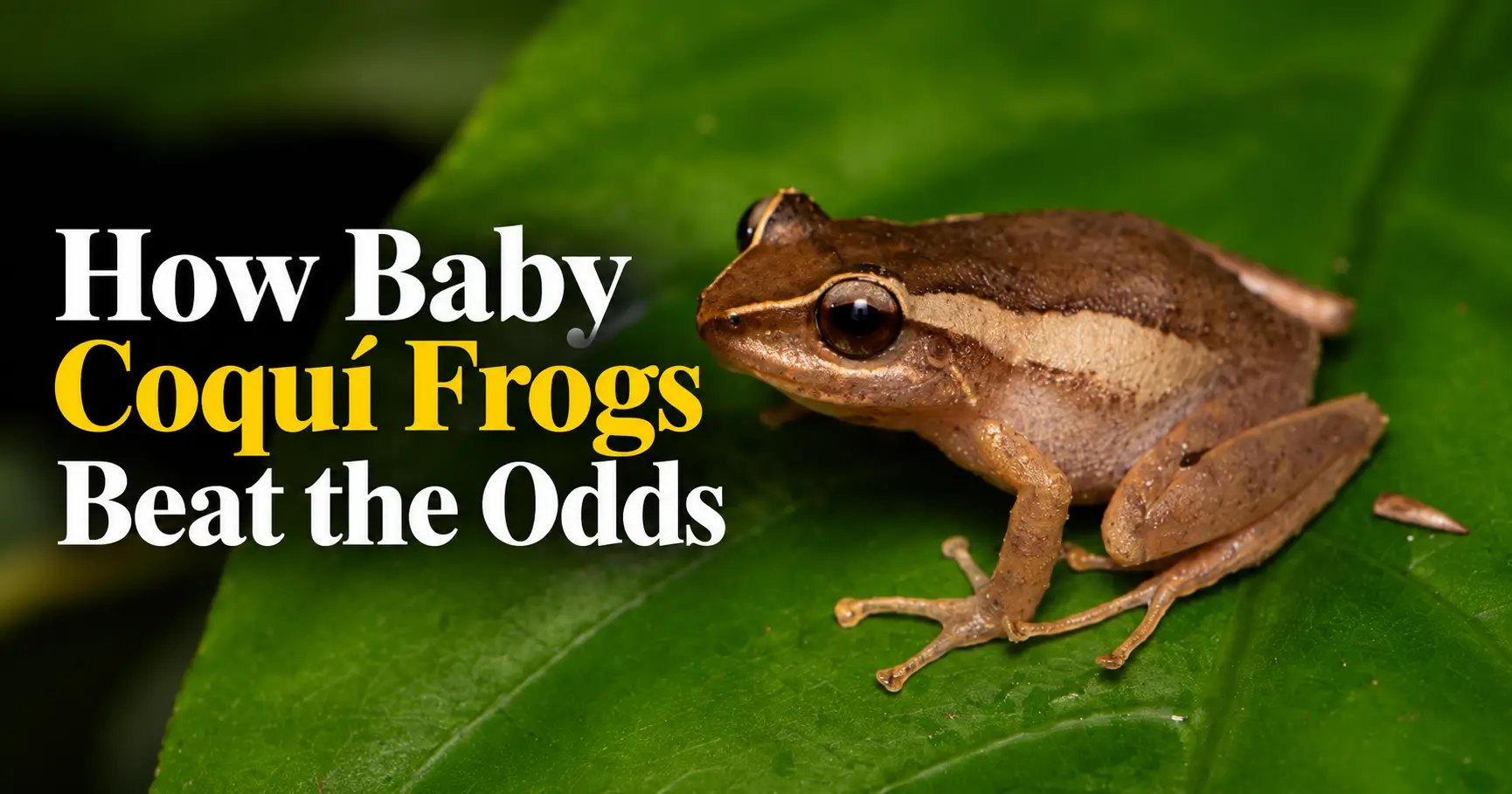
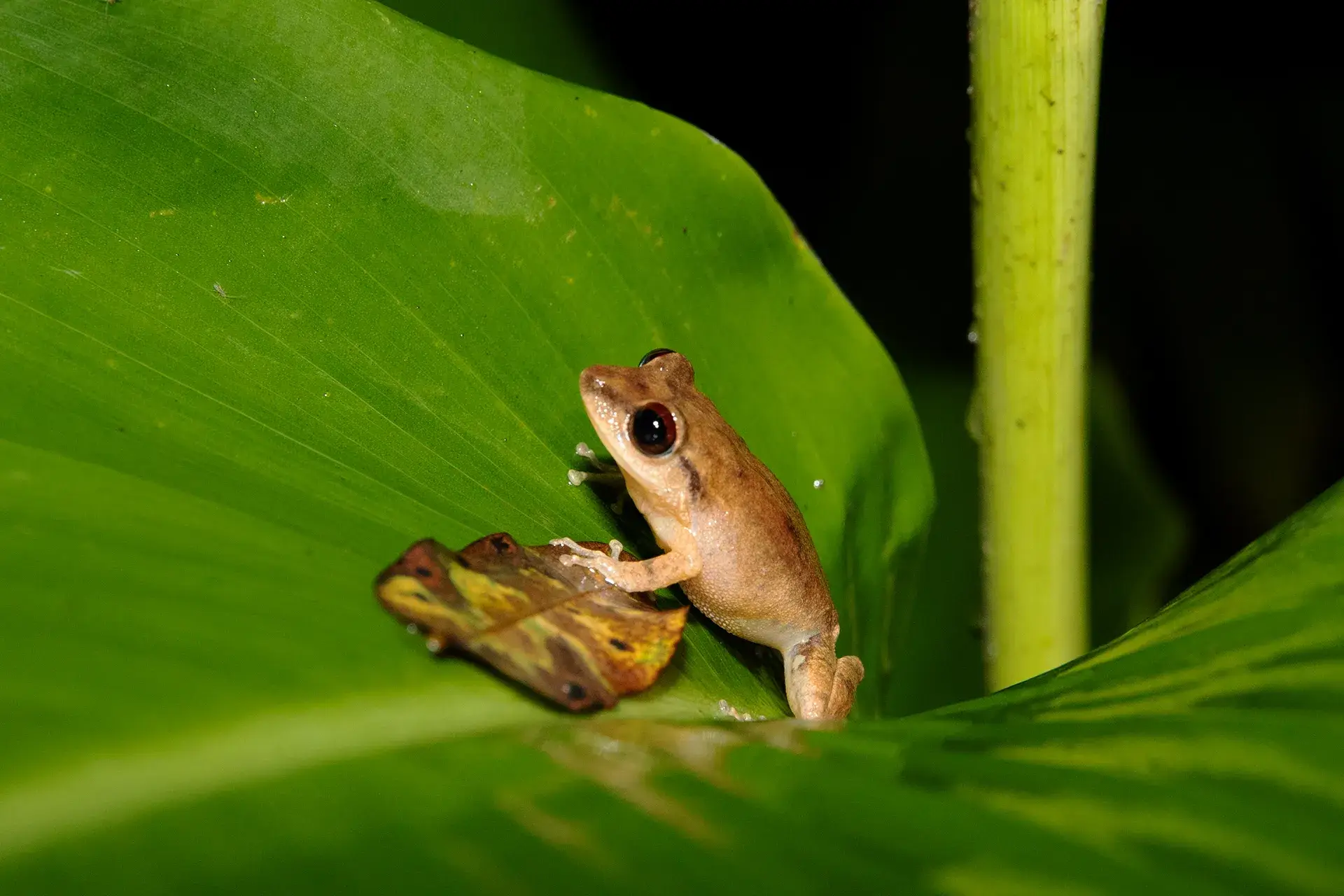
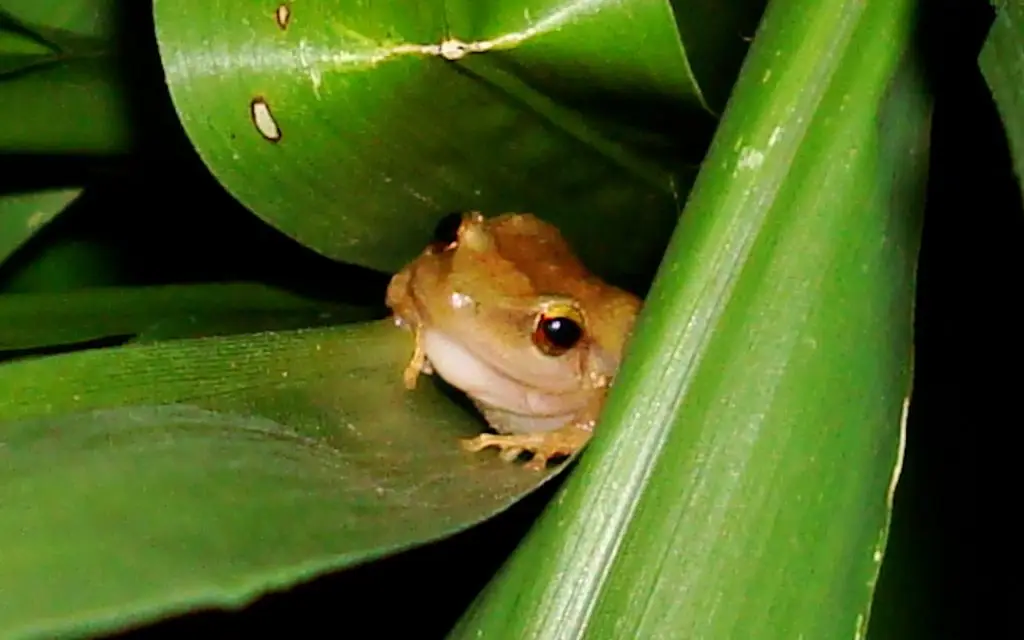
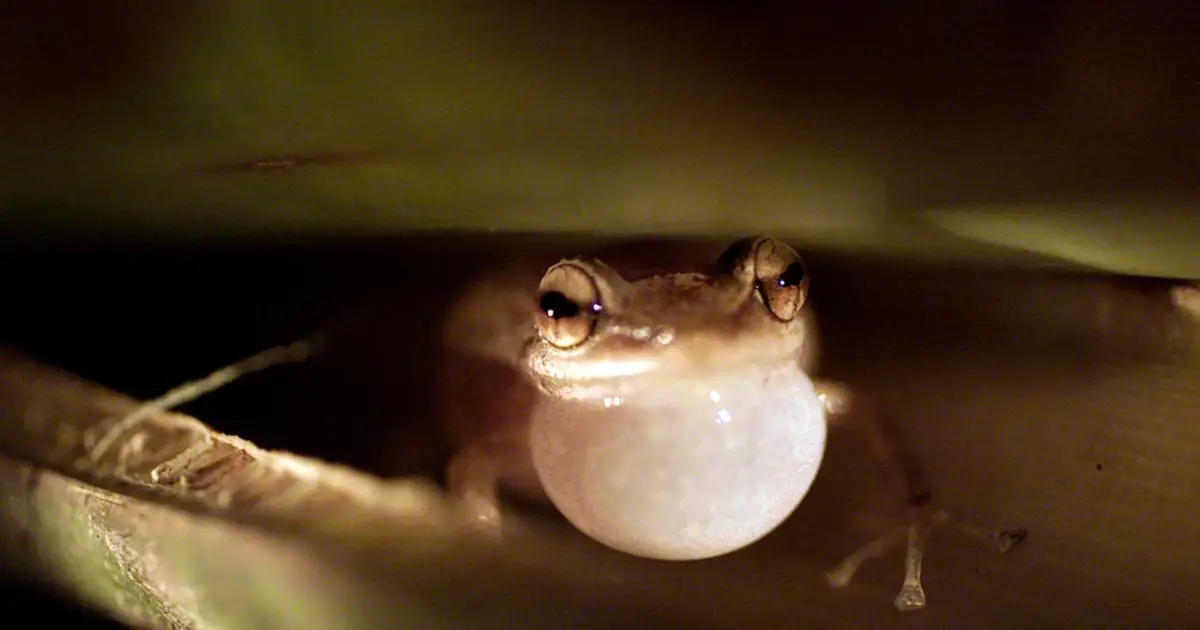
The coquí frog is a small amphibian best known for its distinctive nighttime call and remarkable life cycle. Although tiny in size, this species faces several challenges from the moment it hatches, making early development one of the most important stages for long-term survival.
Young frogs must grow quickly while dealing with constant environmental pressures. Limited food supplies, changing habitat conditions, predators, and harmful pathogens all compete for the energy needed to support healthy growth during the first months of life.
 Via Vox
Scientists have found that survival depends on how efficiently these frogs use their available energy. Every stage of development requires a careful balance between building a stronger body and protecting oneself from diseases that could slow growth or threaten survival.
 Via animals
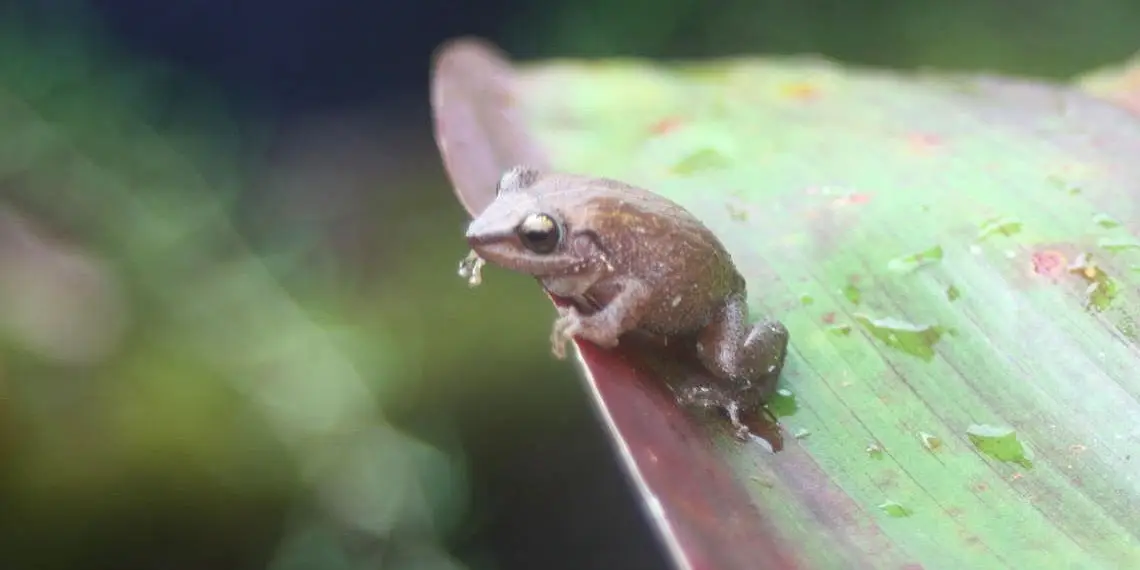
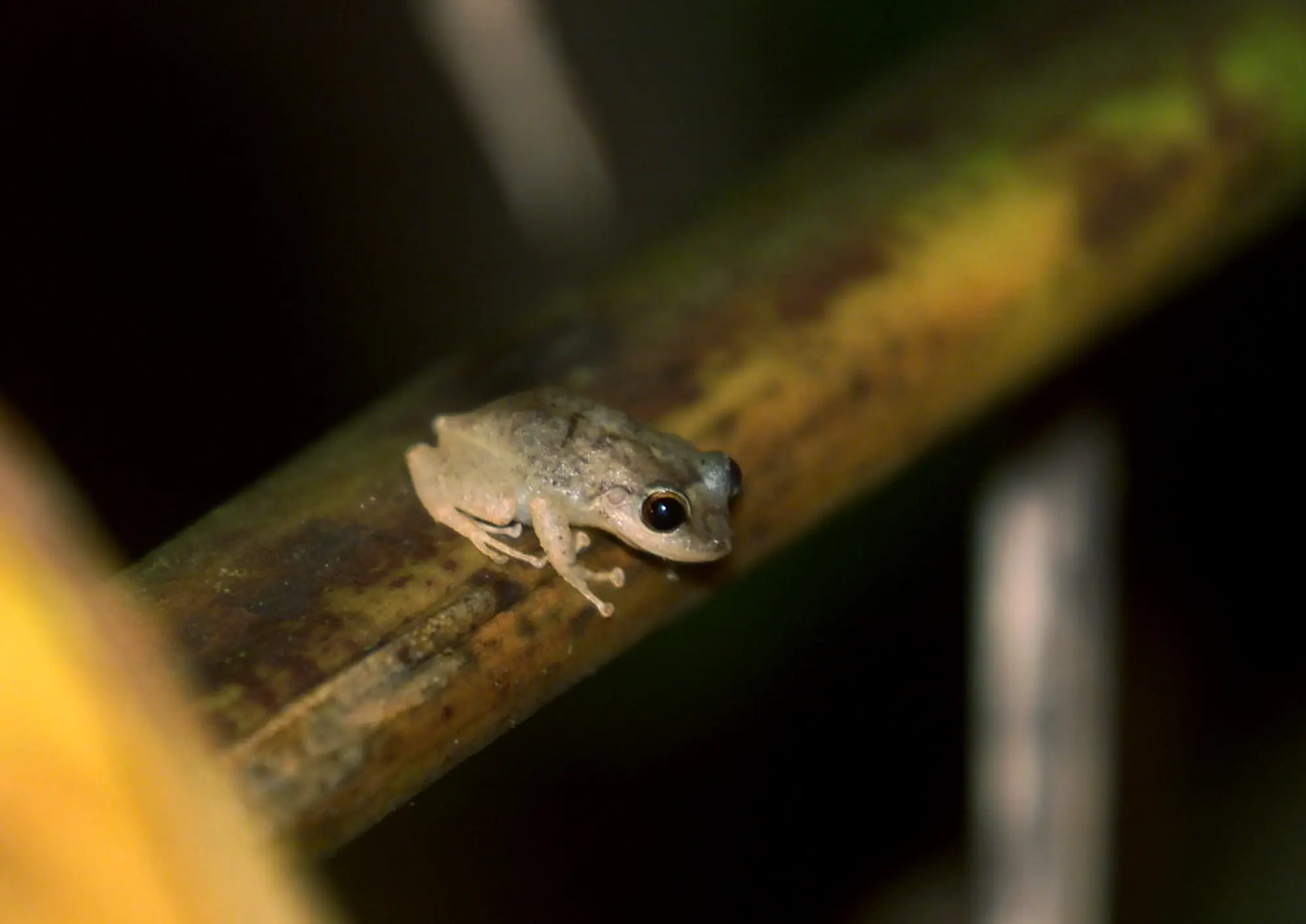
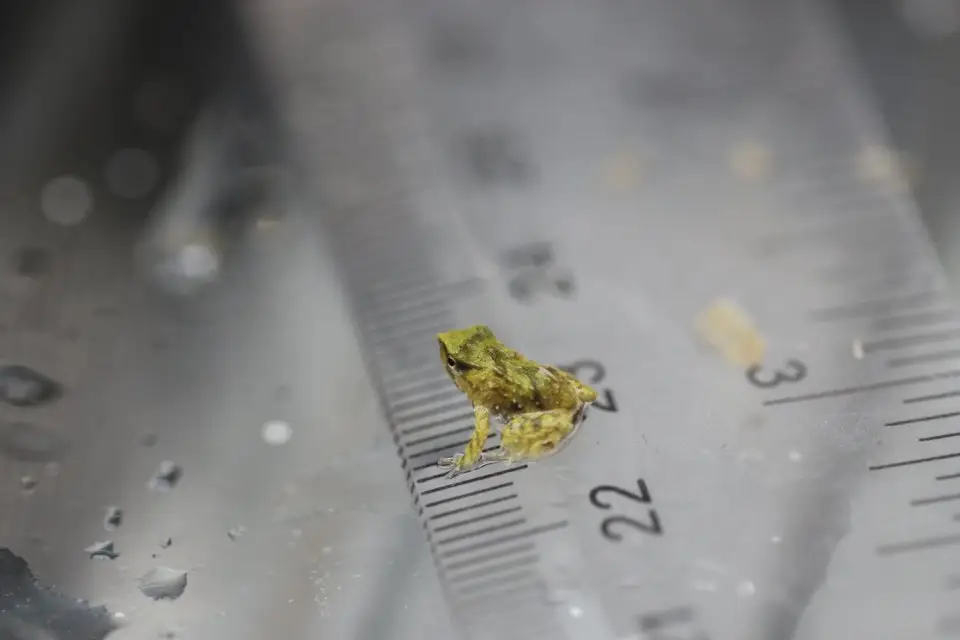
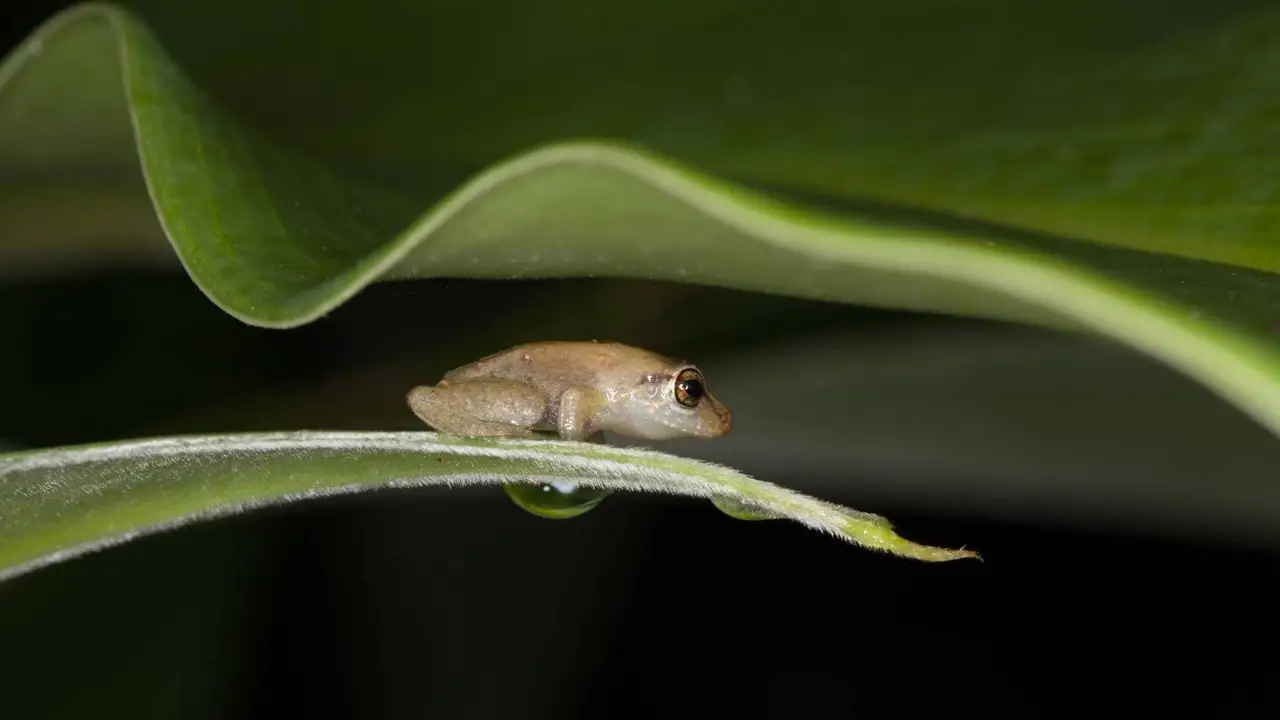
These newly hatched froglets are incredibly small, measuring less than a centimeter in length. Their tiny size makes them vulnerable to predators and environmental stress, creating a period where successful growth becomes essential for reaching adulthood.
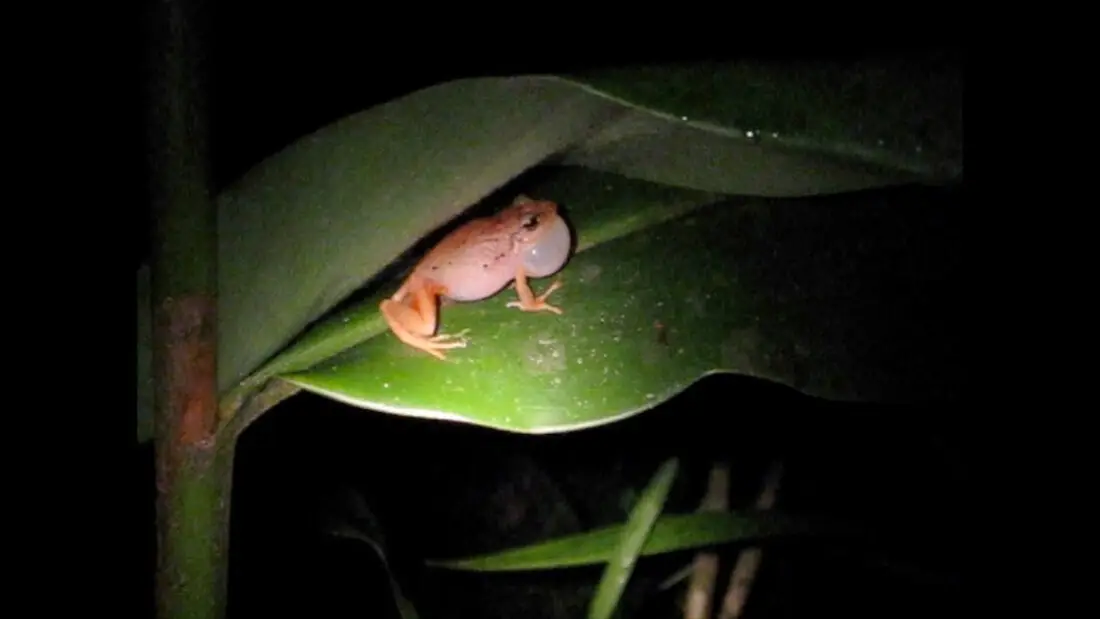
Male coquí frogs also display unusual parental care by guarding their eggs until they hatch. This protection increases the chances of survival during the earliest stage of development, giving young froglets a better opportunity to begin growing in a relatively safe environment.
 Via WRLN
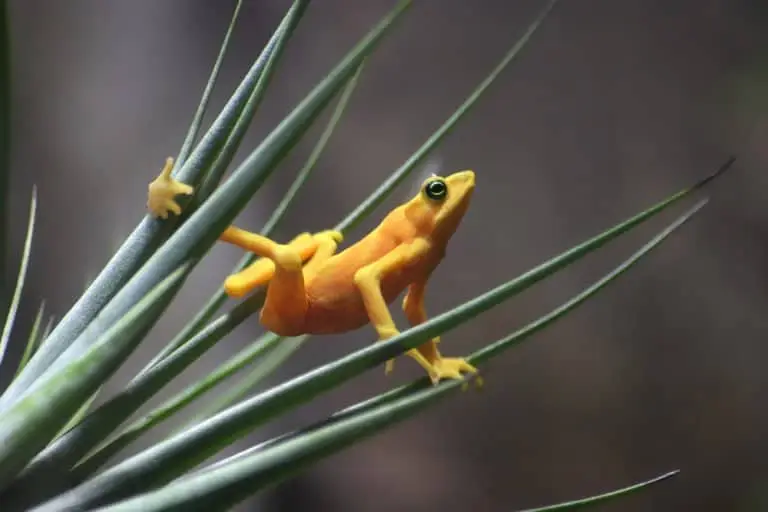 Via A-Z Animals
Growth requires a significant amount of energy, making nutrition especially important during early life. Every meal supports body development, muscle formation, and overall health, helping young frogs prepare for the many environmental challenges they will encounter as they mature.
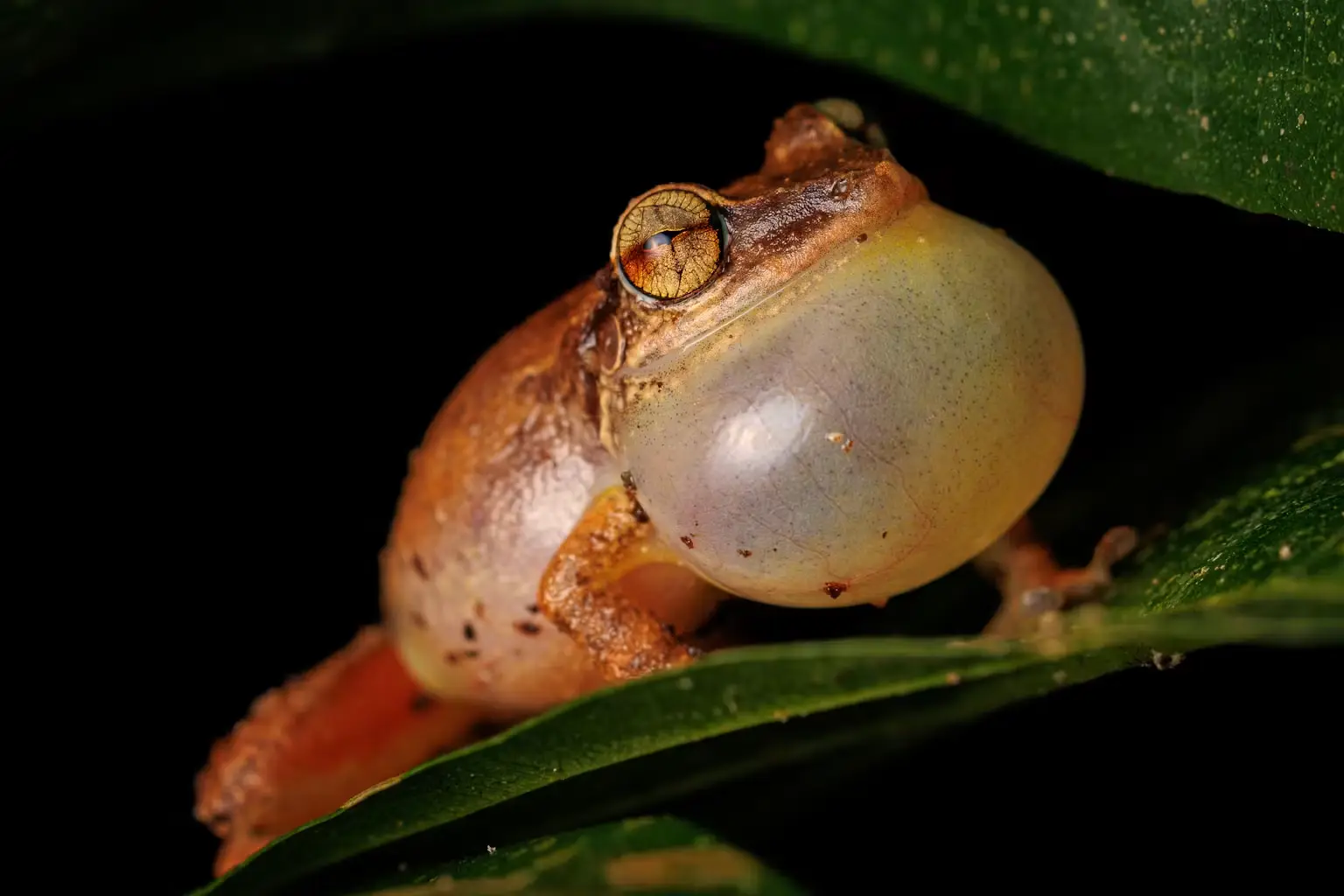 Via The Conversation
Research has shown that infected frogs are often smaller than healthy individuals because illness diverts valuable energy away from normal development. Instead of using available resources for growth, the body must spend more energy supporting immune responses that help fight infection.
This connection between disease and body size demonstrates that infections can influence much more than immediate survival. Even frogs that continue living after becoming infected may experience slower growth, delayed maturity, and reduced opportunities for successful reproduction later in life.
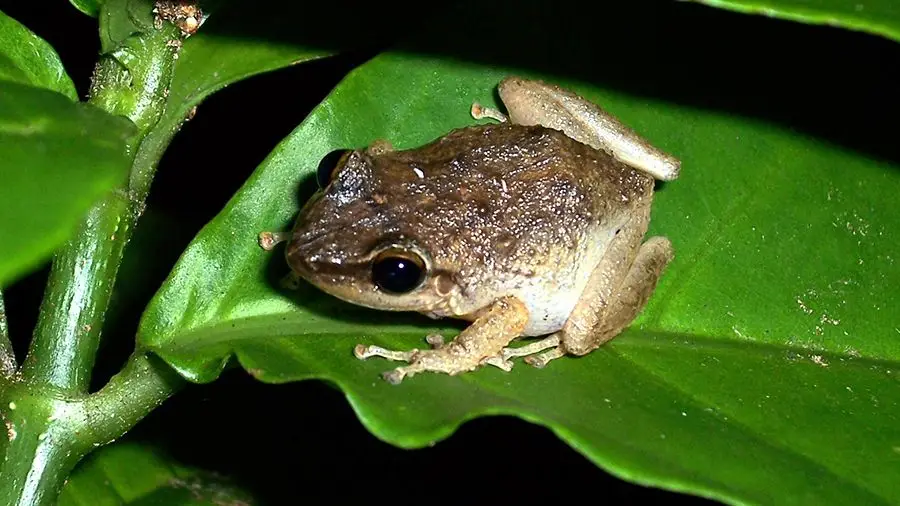 Via Spectrum News
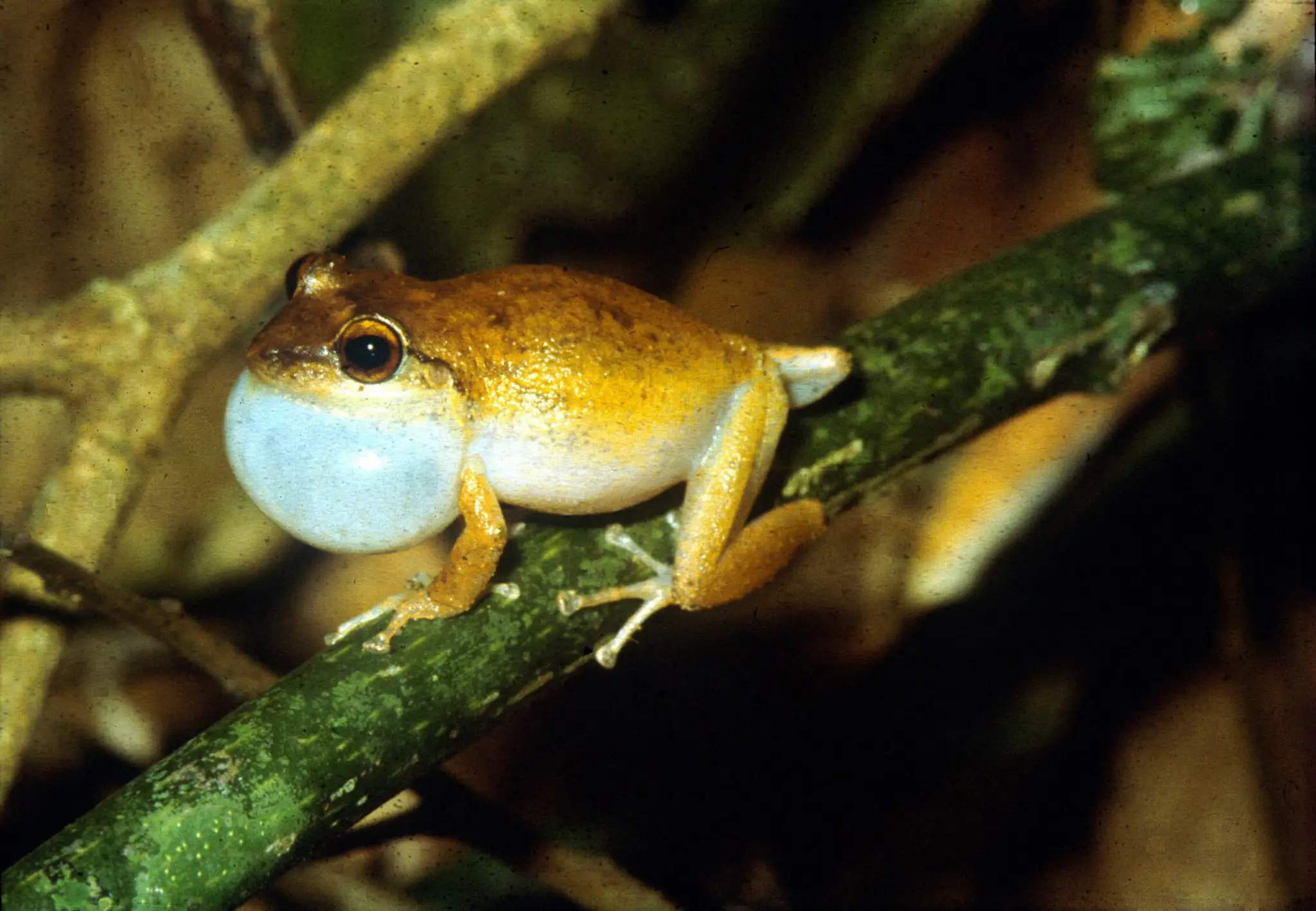 Via Phys
As the disease becomes more serious, this balance begins to change because the immune system requires additional energy to defend the body. Although this shift improves the ability to resist infection, it often slows growth and delays maturity, creating a difficult trade-off between immediate health and future development.
 Via Westlock
To better understand these early life stages, researchers combine observations from the field with mathematical models that simulate different environmental conditions. These models help estimate how frogs respond when food availability, disease risk, or survival pressures change over time.
By comparing simulated outcomes with real-world observations, scientists can recognize patterns that would otherwise remain hidden. This approach provides valuable insights into how growth, disease, and environmental conditions interact throughout the frog's development without disturbing natural populations.
 Via Natural History
 Via animals
These natural adaptations help explain why frogs respond differently as conditions change. Their bodies automatically adjust energy use according to environmental pressures, allowing growth to continue whenever possible while increasing immune activity when disease presents a greater threat.
 Via The Conversation
Frogs experiencing slower development remain smaller for longer periods, increasing their exposure to predators and other environmental dangers. Delayed maturity may also reduce future breeding opportunities, limiting the number of offspring produced during the frog's lifetime and affecting overall population health.
These hidden consequences show that disease influences far more than short-term survival. Understanding these long-lasting effects helps scientists recognize why healthy growth is closely connected with disease resistance and why both processes are essential for maintaining stable amphibian populations.
 Via Muai
 Via Spectrum News
Less favorable conditions create greater challenges because frogs must work harder to obtain food while also coping with environmental pressures. These combined difficulties may slow development, reduce survival rates, and increase the impact of diseases on young individuals who are still growing.
 Via NBC News
Young frogs that experience poor nutrition or repeated illness often require more time to reach maturity. This slower development may reduce their chances of surviving long enough to reproduce, limiting both individual success and the long-term stability of local frog populations.
Healthy early development also improves overall resilience by allowing frogs to build stronger bodies before facing additional environmental challenges. These early advantages often continue throughout adulthood, demonstrating how important the first stages of life are for long-term survival and reproductive success.
 Via Maui News
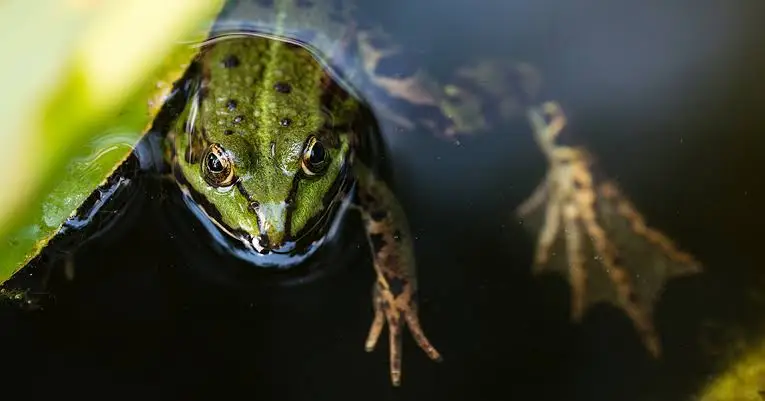 Via NC State
The combination of field observations and scientific modeling allows researchers to predict how environmental changes may affect future generations. These findings help conservation teams prepare more effective strategies for protecting vulnerable species while preserving healthy ecosystems for years to come.
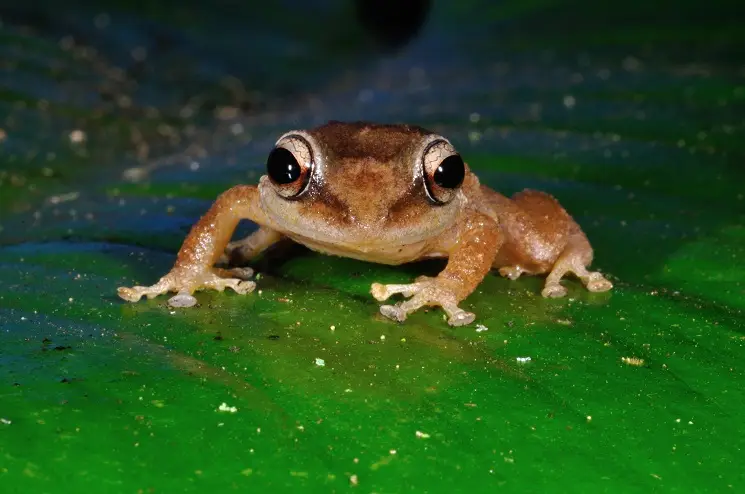 Via Natural History
Although these frogs do not consciously make decisions, their bodies follow survival strategies refined through evolution over countless generations. This natural balance allows them to invest energy where it is needed most, improving the likelihood of living long enough to reproduce successfully.
The story of the coquí frog highlights the remarkable resilience found throughout nature. Even one of the smallest amphibians depends on a complex relationship between growth, health, and environmental conditions, offering valuable lessons about adaptation, survival, and the delicate balance that supports life.
More in UnassignedVia Vox
Scientists have found that survival depends on how efficiently these frogs use their available energy. Every stage of development requires a careful balance between building a stronger body and protecting oneself from diseases that could slow growth or threaten survival.
The Unique Life Cycle of Coquí Frogs
Unlike many amphibians, coquí frogs do not pass through a free-swimming tadpole stage before becoming adults. Instead, they hatch directly from eggs as fully formed miniature frogs, allowing them to begin life on land immediately after emerging.Via animals
These newly hatched froglets are incredibly small, measuring less than a centimeter in length. Their tiny size makes them vulnerable to predators and environmental stress, creating a period where successful growth becomes essential for reaching adulthood.
Male coquí frogs also display unusual parental care by guarding their eggs until they hatch. This protection increases the chances of survival during the earliest stage of development, giving young froglets a better opportunity to begin growing in a relatively safe environment.
Via WRLN
Why Growth Is Essential for Long-Term Survival
Growing quickly provides several important advantages for young coquí frogs. Larger individuals are generally better equipped to escape predators, compete for food, and tolerate changing environmental conditions than smaller frogs that remain vulnerable for longer periods. Reaching adulthood also depends on steady physical development. Frogs that grow efficiently become capable of reproducing sooner, allowing them to contribute to healthy populations and continue the natural life cycle of the species across future generations.
Via A-Z Animals
Growth requires a significant amount of energy, making nutrition especially important during early life. Every meal supports body development, muscle formation, and overall health, helping young frogs prepare for the many environmental challenges they will encounter as they mature.
Disease Creates an Additional Challenge
While growth remains a top priority, young coquí frogs must also defend themselves against harmful diseases. One of the greatest threats comes from a fungal pathogen that has affected hundreds of amphibian species around the world and continues to influence frog populations.Via The Conversation
Research has shown that infected frogs are often smaller than healthy individuals because illness diverts valuable energy away from normal development. Instead of using available resources for growth, the body must spend more energy supporting immune responses that help fight infection.
This connection between disease and body size demonstrates that infections can influence much more than immediate survival. Even frogs that continue living after becoming infected may experience slower growth, delayed maturity, and reduced opportunities for successful reproduction later in life.
Via Spectrum News
How Frogs Divide Energy Between Growth and Immunity
Every living organism has a limited amount of energy available for daily survival, and young coquí frogs are no exception. The energy obtained from food must be shared among several important functions, including growth, movement, body maintenance, and protection against harmful diseases. When infection levels remain relatively low, most available energy is directed toward physical development because growing larger improves the chances of surviving future challenges. A stronger body also helps young frogs avoid predators and reach adulthood more quickly than individuals that grow at a slower pace.Via Phys
As the disease becomes more serious, this balance begins to change because the immune system requires additional energy to defend the body. Although this shift improves the ability to resist infection, it often slows growth and delays maturity, creating a difficult trade-off between immediate health and future development.
How Scientists Study Tiny Frogs
Studying young coquí frogs in their natural habitat is extremely difficult because they are so small and often remain hidden among leaves, soil, and forest vegetation. Their secretive behavior makes direct observation challenging during the stages when growth and survival are most important.
Via Westlock
To better understand these early life stages, researchers combine observations from the field with mathematical models that simulate different environmental conditions. These models help estimate how frogs respond when food availability, disease risk, or survival pressures change over time.
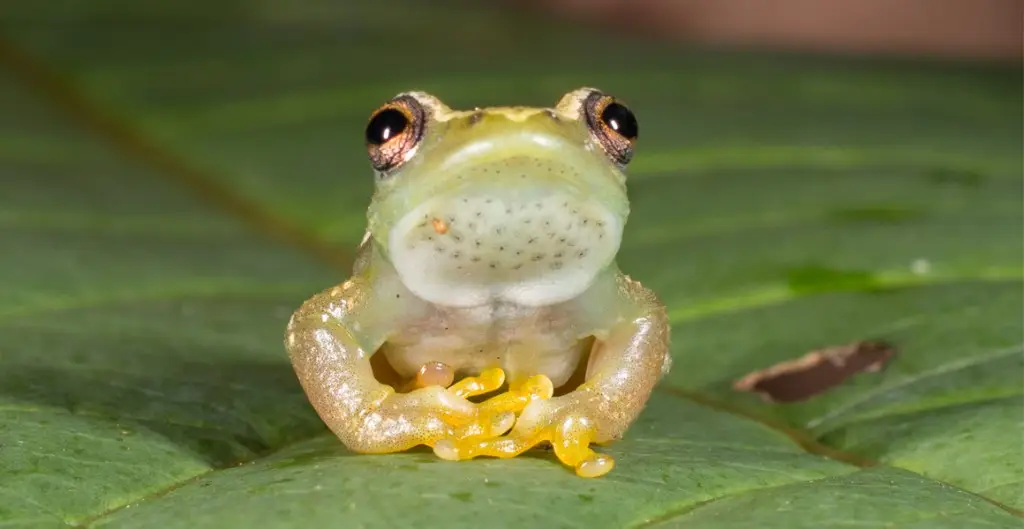
By comparing simulated outcomes with real-world observations, scientists can recognize patterns that would otherwise remain hidden. This approach provides valuable insights into how growth, disease, and environmental conditions interact throughout the frog's development without disturbing natural populations.
Via Natural History
How Evolution Shapes Survival Strategies
Young coquí frogs do not consciously choose how to divide their energy between growing and fighting disease. Instead, these survival patterns are the result of evolutionary processes that have gradually shaped behaviors, improving the chances of living long enough to reproduce. Over countless generations, frogs that naturally used energy more efficiently were more likely to survive challenging conditions and produce offspring. Those successful traits gradually became more common, allowing future generations to inherit biological strategies that support survival under similar circumstances.
Via animals
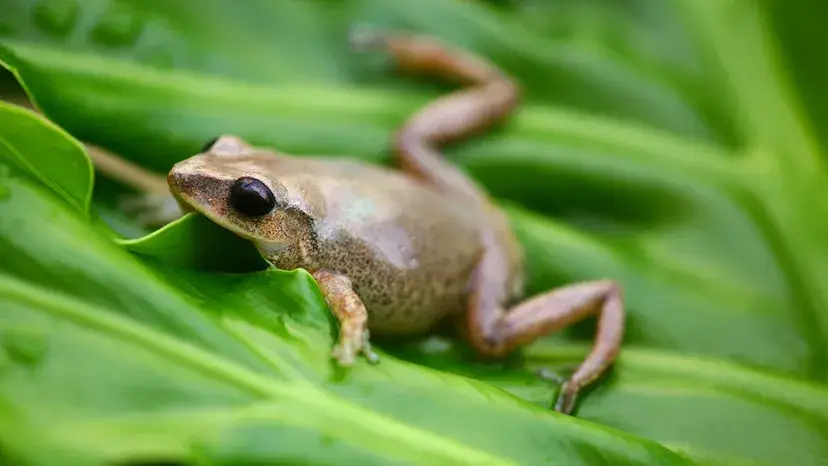
These natural adaptations help explain why frogs respond differently as conditions change. Their bodies automatically adjust energy use according to environmental pressures, allowing growth to continue whenever possible while increasing immune activity when disease presents a greater threat.
The Hidden Effects of Disease on Development
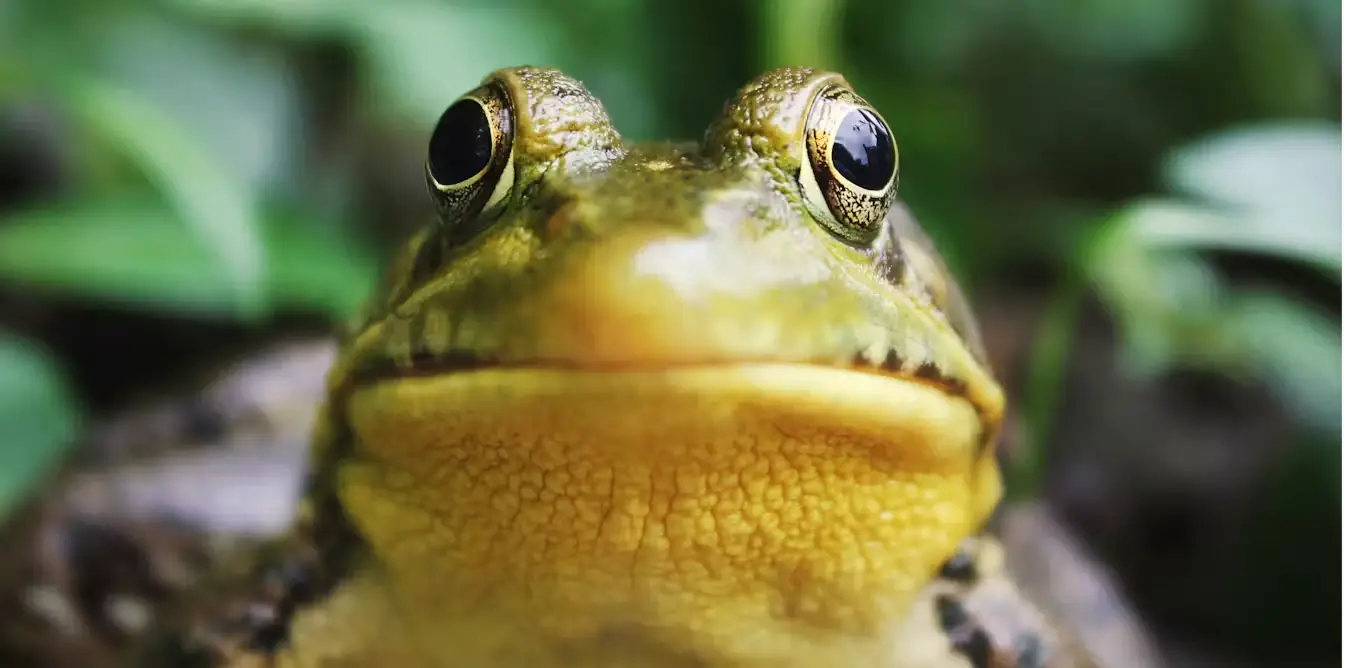
Disease does not always cause immediate death, yet its long-term effects can significantly influence the future of young frogs. Even mild infections may reduce growth rates, delay physical development, and lower the chances of reaching full maturity within a normal period.Via The Conversation
Frogs experiencing slower development remain smaller for longer periods, increasing their exposure to predators and other environmental dangers. Delayed maturity may also reduce future breeding opportunities, limiting the number of offspring produced during the frog's lifetime and affecting overall population health.
These hidden consequences show that disease influences far more than short-term survival. Understanding these long-lasting effects helps scientists recognize why healthy growth is closely connected with disease resistance and why both processes are essential for maintaining stable amphibian populations.
Via Muai
Environmental Conditions Influence Survival
The environment plays an important role in shaping the lives of young coquí frogs because food availability, habitat quality, temperature, and moisture all affect their ability to grow and remain healthy. Favorable conditions allow froglets to find enough food while reducing unnecessary physical stress during development. When insects and other small prey are plentiful, young frogs gain the nutrients needed to build stronger bodies and support healthy immune systems. Better nutrition provides additional energy that can be divided between steady growth and natural disease resistance without placing excessive strain on the body.Via Spectrum News
Less favorable conditions create greater challenges because frogs must work harder to obtain food while also coping with environmental pressures. These combined difficulties may slow development, reduce survival rates, and increase the impact of diseases on young individuals who are still growing.
Why Early Development Shapes Adult Life
The earliest stages of life have lasting effects on the future health of coquí frogs because successful growth during youth creates a stronger foundation for adulthood. Individuals that develop steadily are generally better prepared to reproduce, avoid predators, and withstand changing environmental conditions throughout their lives.Via NBC News
Young frogs that experience poor nutrition or repeated illness often require more time to reach maturity. This slower development may reduce their chances of surviving long enough to reproduce, limiting both individual success and the long-term stability of local frog populations.
Healthy early development also improves overall resilience by allowing frogs to build stronger bodies before facing additional environmental challenges. These early advantages often continue throughout adulthood, demonstrating how important the first stages of life are for long-term survival and reproductive success.
Via Maui News
How Research Supports Wildlife Conservation
Understanding the relationship between growth and disease provides valuable information for scientists working to protect amphibian species. By identifying the conditions that improve survival, conservation programs can make better decisions when restoring habitats, managing breeding efforts, and supporting healthy wild populations. Research also shows that diseases influence wildlife in ways that are not always immediately visible. Animals may survive an infection but still experience slower growth, delayed maturity, or reduced reproductive success, making long-term monitoring essential for evaluating population health accurately.
Via NC State
The combination of field observations and scientific modeling allows researchers to predict how environmental changes may affect future generations. These findings help conservation teams prepare more effective strategies for protecting vulnerable species while preserving healthy ecosystems for years to come.
The Remarkable Balance Between Growth and Survival
Young coquí frogs demonstrate that survival depends on carefully balancing many biological processes at the same time. Every meal, every stage of growth, and every immune response contribute to their ability to overcome challenges and eventually reach adulthood in a constantly changing environment.
Via Natural History
Although these frogs do not consciously make decisions, their bodies follow survival strategies refined through evolution over countless generations. This natural balance allows them to invest energy where it is needed most, improving the likelihood of living long enough to reproduce successfully.
The story of the coquí frog highlights the remarkable resilience found throughout nature. Even one of the smallest amphibians depends on a complex relationship between growth, health, and environmental conditions, offering valuable lessons about adaptation, survival, and the delicate balance that supports life.

