Unassigned
Your Lungs Make Blood & Hide Stem Cells, Study Reveals

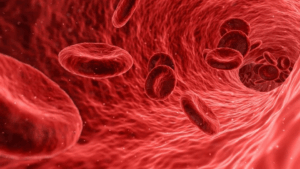
Blood is vital for life. It carries oxygen, fights infections, and helps heal wounds. For a long time, scientists believed that all blood cells come from the bone marrow, the soft tissue inside the bones. This idea made sense because bone marrow is full of stem cells that turn into red blood cells, white blood cells, and platelets. Platelets are tiny pieces that help blood clot when you get cut.
But recent research has changed this view. Scientists at the University of California, San Francisco (UCSF) found that the lungs also make blood cells. This discovery shows that the body has more ways to produce blood than you thought. It could lead to better treatments for blood problems. The lungs are mainly known for breathing.
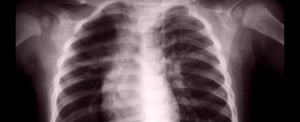 Via Science Alert
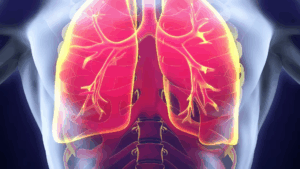
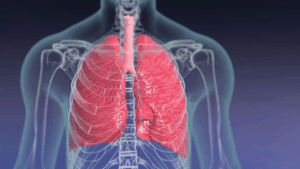
They take in oxygen and release carbon dioxide. But now you know they do more. They help make platelets, which are key to stopping bleeding. The UCSF study used special imaging to watch this happen in mice. They saw that lungs produce millions of platelets every hour. This finding surprised many experts. It means the lungs are like a factory for blood cells. Understanding this can help explain why some lung issues affect blood health.
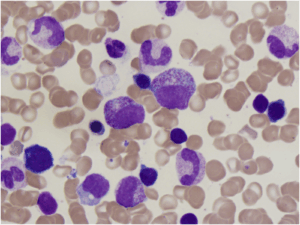 Via Diagnostic Histopathology
This process is called hematopoiesis. It starts early in life and keeps going. Every day, the body makes billions of new blood cells to replace old ones. If bone marrow gets damaged by disease or treatment, it can cause anemia, infections, or bleeding problems. Doctors treat this with transplants or drugs. But sometimes, these fixes don't work well. That's why finding other blood-making spots is exciting.
For years, no one thought lungs could do this job. Textbooks taught that only bone marrow handles it. But clues from patients hinted otherwise. People with lung diseases sometimes have odd blood counts. And after lung transplants, some blood issues improve. These hints led researchers to look closer.
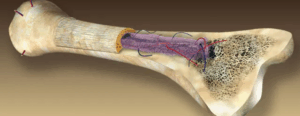 Via Gowing Life
 Via University of Central Florida
This discovery was surprising. It shows the body is more connected than you knew. Lungs aren't just for air; they're part of the blood system. This could explain mysteries in medicine. For example, why do some people with lung problems bleed easily? Or why does fixing the lungs help blood disorders?
 Via Wikipedia
The imaging showed megakaryocytes stuck in tiny lung tubes called capillaries. These cells were busy making platelets. The team counted how many platelets came out. It was over 10 million per hour in mice. Scaling that to humans, it's even more. They also found stem cells hiding in lung tissue.
The study was careful. They checked many mice and repeated tests. This made sure the results were real. They published in a top journal, and other labs confirmed parts of it. This method sets a new standard for studying organs.
 Via OECD
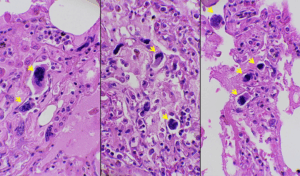 Via Hematology
Why do they go to the lungs? Blood flows through the lungs to get oxygen. Megakaryocytes hitch a ride there. The environment in the lungs helps them mature. Low oxygen or other signals might trigger platelet release. This link ties breathing to blood health.
 Via Technology Networks
Having stems in the lungs adds safety. If bone marrow fails, lungs step in. This dual system evolved for survival. Animals with this trait might handle injuries better. In humans, it could mean new ways to boost stem cells.
 Via Consult QD
The donor lung provides new blood-makers. This wasn't understood before. Doctors can now watch blood changes in lung patients. Inflammation plays a role. Lungs deal with air germs, so they're inflammation hubs. This affects blood production. When lungs are inflamed, it signals more platelets for clotting. But too much can cause issues like clots in the veins.
 Via Willis-Knighton Health
This system is smart. It spreads risk. If one organ fails, another helps. Evolution likely favored this in active creatures. Humans, with big lungs, benefit a lot. Understanding this can improve care. For example, protecting the lungs during cancer treatment could save blood cells. Or, drugs that boost lung production might aid recovery.
 Via National Geographic
After chemo, blood drops low. Lungs might speed rebuild. Therapies could activate lung reservoirs. Even for anemia, if the lungs make some red cells, it helps. Research is early, but promising. Trials might start soon.
 Via EMJ
Diet and lifestyle matter. Smoking hurts the lungs, and so does blood. Quitting helps both. These discoveries could transform how diseases are treated in the future. Understanding that the lungs play a major role in blood production and immune defense opens doors for new therapies. Doctors might one day target lung health to boost platelet counts or fight infections more effectively.
It also raises possibilities for treating disorders like thrombocytopenia or autoimmune diseases by focusing on lung function rather than just bone marrow. This interconnected view of the body highlights how one organ’s health can directly shape another’s performance, redefining preventive care and treatment strategies.
 Via Tech Explorist
 Via Online Learning College
This UCSF finding redefines lungs. Not just breathers, but blood factories. It explains disease links and offers hope for treatments. As research grows, patient outcomes improve. The body is full of surprises, and this is one big one.
More in Unassigned
Via Science Alert
They take in oxygen and release carbon dioxide. But now you know they do more. They help make platelets, which are key to stopping bleeding. The UCSF study used special imaging to watch this happen in mice. They saw that lungs produce millions of platelets every hour. This finding surprised many experts. It means the lungs are like a factory for blood cells. Understanding this can help explain why some lung issues affect blood health.
The Traditional View of Bone Marrow
Bone marrow has always been seen as the main source of blood cells. It sits in the center of bones like the hip and thigh. There are two types: red and yellow. Red bone marrow makes blood cells, while yellow stores fat. Stem cells in the red marrow divide and change into different blood cells. Red blood cells carry oxygen, white ones fight germs, and platelets clot blood.
Via Diagnostic Histopathology
This process is called hematopoiesis. It starts early in life and keeps going. Every day, the body makes billions of new blood cells to replace old ones. If bone marrow gets damaged by disease or treatment, it can cause anemia, infections, or bleeding problems. Doctors treat this with transplants or drugs. But sometimes, these fixes don't work well. That's why finding other blood-making spots is exciting.
For years, no one thought lungs could do this job. Textbooks taught that only bone marrow handles it. But clues from patients hinted otherwise. People with lung diseases sometimes have odd blood counts. And after lung transplants, some blood issues improve. These hints led researchers to look closer.
Via Gowing Life
The Groundbreaking UCF Discovery
The UCSF team made a big breakthrough. They found that lungs produce over 10 million platelets per hour. That's a huge number. Platelets make up half of the body's supply from the lungs alone. This changes how you see blood production. The study came out a few years ago, but it still impacts science today. Researchers used mice to study this. Mice are like humans in many ways, so they're good for tests. The team watched blood cells form in real time. They saw special cells called megakaryocytes in the lungs. These cells break apart to make platelets. Before, experts thought megakaryocytes only lived in bone marrow. Now, you know they travel to the lungs and work there too.
Via University of Central Florida
This discovery was surprising. It shows the body is more connected than you knew. Lungs aren't just for air; they're part of the blood system. This could explain mysteries in medicine. For example, why do some people with lung problems bleed easily? Or why does fixing the lungs help blood disorders?
How the Study Was Conducted
To make this find, scientists used advanced tools. They chose two-photon microscopy. This lets them see deep into living tissue without harm. It's like a super camera that captures fast events. In mice, they labeled cells with glowing markers. Then, they watched as blood flowed through lung vessels.
Via Wikipedia
The imaging showed megakaryocytes stuck in tiny lung tubes called capillaries. These cells were busy making platelets. The team counted how many platelets came out. It was over 10 million per hour in mice. Scaling that to humans, it's even more. They also found stem cells hiding in lung tissue.
The study was careful. They checked many mice and repeated tests. This made sure the results were real. They published in a top journal, and other labs confirmed parts of it. This method sets a new standard for studying organs.
Via OECD
Megakaryocytes in the Lungs
Megakaryocytes are giant cells. Their name means "big nucleus makers." They start in the bone marrow but move around. In the lungs, they sit in blood vessels. There, they stretch and break into platelets. Each megakaryocyte can make thousands of platelets. The UCSF research showed networks of these cells in the lungs. They're not random; they're organized. This setup lets them work fast. When the body needs more platelets, like after injury, the lungs ramp up production. It's like having extra workers on shift.
Via Hematology
Why do they go to the lungs? Blood flows through the lungs to get oxygen. Megakaryocytes hitch a ride there. The environment in the lungs helps them mature. Low oxygen or other signals might trigger platelet release. This link ties breathing to blood health.
Blood Stem Cells in Lung Tissue
Even cooler, lungs have their own stem cells for blood. These are called hematopoietic progenitors. They're like backups to bone marrow stems. The study found them in lung walls. They can leave the lungs and enter the blood. Then, they travel to the bone marrow if needed. This reservoir is hidden but important. In healthy times, it stays quiet. But during stress, like infection or blood loss, it activates. Stem cells from lungs can rebuild bone marrow. This explains why lung transplants fix some blood diseases. The new lung brings fresh stems.
Via Technology Networks
Having stems in the lungs adds safety. If bone marrow fails, lungs step in. This dual system evolved for survival. Animals with this trait might handle injuries better. In humans, it could mean new ways to boost stem cells.
Connections to Lung Diseases and Transplants
Lung problems often mess with blood. For instance, in chronic obstructive pulmonary disease (COPD), platelet counts can drop. Now you know why: damaged lungs can't make platelets well. Infections like pneumonia might harm megakaryocytes, too. Transplants show this link clearly. Some patients with blood disorders get better after lung transplants.
Via Consult QD
The donor lung provides new blood-makers. This wasn't understood before. Doctors can now watch blood changes in lung patients. Inflammation plays a role. Lungs deal with air germs, so they're inflammation hubs. This affects blood production. When lungs are inflamed, it signals more platelets for clotting. But too much can cause issues like clots in the veins.
The Lungs as a Backup System
Think of lungs as a spare tire for blood. When bone marrow tires out from chemo or leukemia, the lungs help. This backup keeps blood flowing. In trauma, like big accidents, lungs might produce extra platelets to stop bleeding.
Via Willis-Knighton Health
This system is smart. It spreads risk. If one organ fails, another helps. Evolution likely favored this in active creatures. Humans, with big lungs, benefit a lot. Understanding this can improve care. For example, protecting the lungs during cancer treatment could save blood cells. Or, drugs that boost lung production might aid recovery.
Potential New Treatments
This discovery opens doors for cures. For leukemia, where bone marrow goes wrong, lung stem cells could replace bad ones. Doctors might harvest lung cells for transplants. In thrombocytopenia, low platelets cause bruising. Stimulating lung megakaryocytes could raise counts. New drugs might target this.
Via National Geographic
After chemo, blood drops low. Lungs might speed rebuild. Therapies could activate lung reservoirs. Even for anemia, if the lungs make some red cells, it helps. Research is early, but promising. Trials might start soon.
Broader Implications for Health
Lungs are tied to immunity. Platelets help fight germs. Lung-made ones might be special for lung infections. This links breathing, blood, and defense. Inflammation in the lungs affects the whole body. Conditions like asthma might change the blood. This holistic view improves medicine. Aging affects this. Older lungs might make fewer platelets, leading to issues. Exercise, keeping lungs healthy, could maintain blood health.
Via EMJ
Diet and lifestyle matter. Smoking hurts the lungs, and so does blood. Quitting helps both. These discoveries could transform how diseases are treated in the future. Understanding that the lungs play a major role in blood production and immune defense opens doors for new therapies. Doctors might one day target lung health to boost platelet counts or fight infections more effectively.
It also raises possibilities for treating disorders like thrombocytopenia or autoimmune diseases by focusing on lung function rather than just bone marrow. This interconnected view of the body highlights how one organ’s health can directly shape another’s performance, redefining preventive care and treatment strategies.
Via Tech Explorist
Discover How Your Lungs Act as a Hidden Blood Factory
More studies are needed. Human tests, not just mice. Imaging in people is harder, but possible. What controls lung blood-making? Genes, hormones? Finding out could lead to controls. Other organs? Maybe liver or spleen helps too. Exploring could find more backups. Tech like organoids, mini organs in labs, can model this. It speeds discoveries without animals. Global impact: In poor areas, lung diseases are common. This knowledge could save lives.
Via Online Learning College
This UCSF finding redefines lungs. Not just breathers, but blood factories. It explains disease links and offers hope for treatments. As research grows, patient outcomes improve. The body is full of surprises, and this is one big one.