Unassigned
World First - Stem Cells Reverse Woman's Type 1 Diabetes

Type 1 diabetes is a lifelong condition where the body's immune system attacks and destroys insulin-producing cells in the pancreas. These cells, called beta cells, are crucial because they make insulin, a hormone that helps control blood sugar levels. Without enough insulin, sugar builds up in the blood, leading to high glucose levels that can damage organs over time.
People with Type 1 diabetes must check their blood sugar often and inject insulin several times a day to stay healthy. This disease usually starts in childhood or young adulthood, but it can happen at any age. It affects about 1.6 million Americans and millions more around the world. The exact cause is not fully known, but genes and environmental factors play a role.
 Via Good News Network
Unlike Type 2 diabetes, which is linked to lifestyle and can often be managed with diet and exercise, Type 1 requires daily medical intervention. Symptoms include extreme thirst, frequent urination, weight loss, and fatigue. Early diagnosis is key to preventing complications like heart disease, kidney failure, and nerve damage.
 Via AllCells
Hypoglycemia, or low blood sugar, is a risk from too much insulin, causing shakiness, confusion, or even seizures. Hyperglycemia, or high blood sugar, harms the body long-term. Many people struggle with the emotional toll, feeling restricted by diet and constant monitoring. Insulin pumps offer more precision but are expensive and require training.
Islet cell transplants from donors have been tried, but donor shortages and the need for lifelong drugs to prevent rejection limit their use. These drugs suppress the immune system, raising infection risks. Overall, current methods manage the disease but don't cure it, leaving patients dependent on external insulin forever.
 Via Amsbio
 Via MIT Technology Reviews
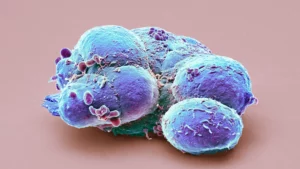
Early animal studies showed these cells could control blood sugar in mice with diabetes. Human trials are now testing safety and effectiveness. Stem cell tech also explores editing genes to make cells resistant to immune attacks, a key hurdle in Type 1 diabetes.
 Via South China Morning Post
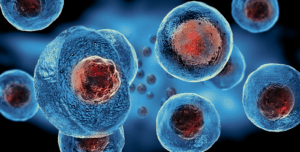
They then used chemicals and growth factors to guide these into insulin-secreting beta cells. After rigorous testing for purity and function, about 1.5 million cells were encapsulated in a device to shield them from immune attack and implanted into her abdomen. Just 75 days later, her body started producing insulin naturally.
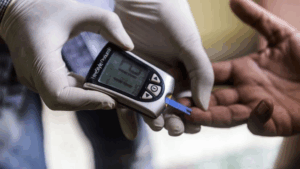
Within a year, she stopped needing injections entirely, with stable blood sugar levels confirmed by C-peptide tests, a marker of insulin production. This is the first reported case of full insulin independence from autologous stem cell therapy in a human with Type 1 diabetes. The procedure highlights precise control over cell differentiation and safe implantation methods.
 Via Business Standard
 Via Medical News Today
Surgery under local anesthesia inserts them into the omentum, a fold of abdominal tissue rich in blood vessels. Post-implant monitoring includes imaging and blood tests. In this case, vascularization helped cells thrive, leading to quick insulin output. The whole timeline from collection to independence was about 13 weeks, showing feasibility.
 Via The Conversation
The other two showed partial improvements, with reduced insulin needs and detectable C-peptide, but not full reversal yet. No serious side effects occurred, like infections or tumors. Researchers used advanced protocols to ensure cells were free of off-target mutations.
Follow-up included regular checkups to assess graft function and immune response. This small-scale study proves the concept but needs larger trials for broader proof. Success factors included the patient's young age, stable health, and optimized cell maturation techniques. Outcomes suggest the therapy restores endogenous insulin, mimicking a cure.
 Via Futurism
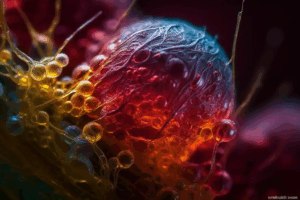 Via DVC Stem
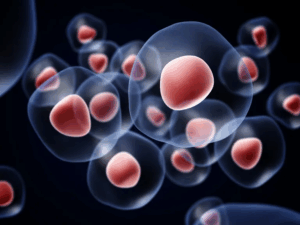
For autoimmune diseases, shielding devices or tolerogenic cells could prevent attacks. This work inspires global research, potentially accelerating approvals for similar therapies. It shifts focus from symptom management to root-cause repair, transforming chronic care.
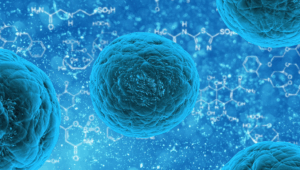 Via Vital Record
C-peptide, a byproduct of insulin making, confirms activity. In the patient, fasting and post-meal tests showed proper function. Challenges include ensuring long-term survival and scaling production. Vascular support and anti-fibrotic coatings help grafts last. This restores physiological control, reducing complications from artificial insulin.
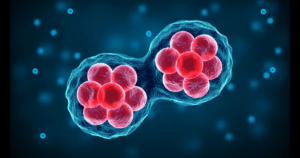 Via Chicago Stem Cell Therapy
Long-term monitoring for overgrowth or loss of function is essential. Genetic stability checks prevent mutations. Ethical oversight ensures informed consent and trial safety. Early data show no adverse events, but vigilance continues.
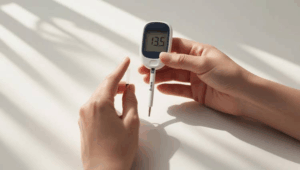 Via Abcam
Cost reductions through manufacturing advances are crucial. Regulatory bodies like the FDA watch closely for approvals. This could lead to cures for Type 2 aspects, too. Type 1 affects 8-10% of diabetes cases worldwide, with rising numbers. A cure would slash healthcare costs, estimated at billions yearly. It frees patients from burdens, improving their quality of life. Developing countries could benefit from simplified production.
 Via Harvard Health
Autologous therapy sidesteps embryo use, but access equity and high costs raise concerns. Informed consent and long-term tracking are vital. Balancing innovation with safety guides progress.
 Via DVC Stem
Unlike pancreas transplants, this avoids major surgery and immunosuppression. Islet transplants share similarities but face donor limits. Stem cells offer an unlimited supply and personalization. China's lead sparks global partnerships, sharing data and tech. WHO involvement could standardize care.
While not curable for all yet, healthy habits complement therapy. Research into triggers aids prevention. This stem cell success heralds a future where Type 1 diabetes becomes history for many. Ongoing work promises broader cures, blending science and hope.
More in Unassigned
Via Good News Network
Unlike Type 2 diabetes, which is linked to lifestyle and can often be managed with diet and exercise, Type 1 requires daily medical intervention. Symptoms include extreme thirst, frequent urination, weight loss, and fatigue. Early diagnosis is key to preventing complications like heart disease, kidney failure, and nerve damage.
The Challenges of Current Treatments
Treating Type 1 diabetes today means relying on insulin therapy. Patients use pumps or syringes to deliver insulin, matching doses to meals, exercise, and blood sugar readings. Continuous glucose monitors help track levels in real time, but they don't replace insulin. This routine is demanding and can lead to errors.
Via AllCells
Hypoglycemia, or low blood sugar, is a risk from too much insulin, causing shakiness, confusion, or even seizures. Hyperglycemia, or high blood sugar, harms the body long-term. Many people struggle with the emotional toll, feeling restricted by diet and constant monitoring. Insulin pumps offer more precision but are expensive and require training.
Islet cell transplants from donors have been tried, but donor shortages and the need for lifelong drugs to prevent rejection limit their use. These drugs suppress the immune system, raising infection risks. Overall, current methods manage the disease but don't cure it, leaving patients dependent on external insulin forever.
Via Amsbio
The Rise of Stem Cell Technology
Stem cells are special cells that can turn into many different types, like a blank slate for the body. They hold promise for regenerative medicine, which aims to repair or replace damaged tissues. In diabetes research, scientists focus on induced pluripotent stem cells, or iPSCs. These are made by reprogramming adult cells, such as skin or blood cells, back to an embryonic-like state. The process involves adding certain genes to "reset" the cells without using embryos, avoiding ethical issues. Once reprogrammed, iPSCs can be directed to become beta cells that produce insulin. This patient-specific approach reduces rejection risks since the cells come from the person's own body. Advances in lab techniques have improved efficiency, making more functional beta cells.
Via MIT Technology Reviews
Early animal studies showed these cells could control blood sugar in mice with diabetes. Human trials are now testing safety and effectiveness. Stem cell tech also explores editing genes to make cells resistant to immune attacks, a key hurdle in Type 1 diabetes.
The Chinese Stem Cell Breakthrough
In a landmark study, Chinese researchers achieved a major win by reversing Type 1 diabetes in a 25-year-old woman using her own stem cells. Diagnosed 11 years earlier, she had been on insulin injections daily. The team at Shanghai's Changzheng Hospital collected her peripheral blood cells and reprogrammed them into iPSCs.
Via South China Morning Post
They then used chemicals and growth factors to guide these into insulin-secreting beta cells. After rigorous testing for purity and function, about 1.5 million cells were encapsulated in a device to shield them from immune attack and implanted into her abdomen. Just 75 days later, her body started producing insulin naturally.
Within a year, she stopped needing injections entirely, with stable blood sugar levels confirmed by C-peptide tests, a marker of insulin production. This is the first reported case of full insulin independence from autologous stem cell therapy in a human with Type 1 diabetes. The procedure highlights precise control over cell differentiation and safe implantation methods.
Via Business Standard
Step-by-Step Procedure Explained
The process starts with collecting a small blood sample from the patient, avoiding invasive biopsies. Labs use viruses or non-viral methods to insert reprogramming factors, turning mature cells into iPSCs. This takes weeks in controlled environments with nutrients. Next, scientists mimic pancreas development using signals like proteins and small molecules to push iPSCs toward beta cell fate. They sort cells to ensure high purity, often over 90%, to minimize risks like tumor formation. The beta cells are tested in dishes to confirm insulin release in response to glucose. For implantation, cells are placed in biocompatible capsules or scaffolds that allow nutrient flow but block immune cells.
Via Medical News Today
Surgery under local anesthesia inserts them into the omentum, a fold of abdominal tissue rich in blood vessels. Post-implant monitoring includes imaging and blood tests. In this case, vascularization helped cells thrive, leading to quick insulin output. The whole timeline from collection to independence was about 13 weeks, showing feasibility.
Study Details and Patient Outcomes
The trial involved three patients with long-standing Type 1 diabetes, all insulin-dependent. The first woman mentioned achieved insulin freedom after 75 days and maintained it for over a year. Her HbA1c, a long-term blood sugar measure, dropped to normal levels without hypoglycemia episodes.
Via The Conversation
The other two showed partial improvements, with reduced insulin needs and detectable C-peptide, but not full reversal yet. No serious side effects occurred, like infections or tumors. Researchers used advanced protocols to ensure cells were free of off-target mutations.
Follow-up included regular checkups to assess graft function and immune response. This small-scale study proves the concept but needs larger trials for broader proof. Success factors included the patient's young age, stable health, and optimized cell maturation techniques. Outcomes suggest the therapy restores endogenous insulin, mimicking a cure.
Via Futurism
Implications for Regenerative Medicine
This breakthrough extends beyond diabetes, paving the way for cell therapies in other diseases. Regenerative medicine could treat Parkinson's by replacing dopamine neurons or heart failure with new muscle cells. Using patient-derived iPSCs personalizes treatment, cutting rejection risks and drug needs. It challenges traditional transplants reliant on donors. Scalability is key; automating cell production could make therapies affordable. Combining with gene editing, like CRISPR, might engineer immune-resistant cells.
Via DVC Stem
For autoimmune diseases, shielding devices or tolerogenic cells could prevent attacks. This work inspires global research, potentially accelerating approvals for similar therapies. It shifts focus from symptom management to root-cause repair, transforming chronic care.
How Stem Cells Restore Insulin Production
Beta cells sense rising blood glucose and release insulin to lower it. In Type 1, their loss means no natural regulation. Lab-grown stem cell beta cells replicate this: they express glucose transporters and secrete insulin proportionally. Encapsulation protects them while allowing insulin diffusion. Once implanted, they integrate with blood vessels, responding to meals like native cells.
Via Vital Record
C-peptide, a byproduct of insulin making, confirms activity. In the patient, fasting and post-meal tests showed proper function. Challenges include ensuring long-term survival and scaling production. Vascular support and anti-fibrotic coatings help grafts last. This restores physiological control, reducing complications from artificial insulin.
Risks and Safety Measures
Stem cell therapies carry risks like incomplete differentiation leading to teratomas, tumors from pluripotent cells. Rigorous purification and testing mitigate this. Immune rejection is low with autologous cells, but encapsulation adds safety. Surgical implantation risks infection, addressed by sterile techniques.
Via Chicago Stem Cell Therapy
Long-term monitoring for overgrowth or loss of function is essential. Genetic stability checks prevent mutations. Ethical oversight ensures informed consent and trial safety. Early data show no adverse events, but vigilance continues.
Future Directions in Diabetes Research
Larger trials will test scalability and durability. Combining with immunomodulators could enhance success rates. Off-the-shelf cells from universal donors might speed access. AI could optimize protocols. International collaborations aim for global standards. Pediatric trials could expand reach.
Via Abcam
Cost reductions through manufacturing advances are crucial. Regulatory bodies like the FDA watch closely for approvals. This could lead to cures for Type 2 aspects, too. Type 1 affects 8-10% of diabetes cases worldwide, with rising numbers. A cure would slash healthcare costs, estimated at billions yearly. It frees patients from burdens, improving their quality of life. Developing countries could benefit from simplified production.
Patient Stories and Hope
While specific stories vary, many with Type 1 share frustration with pumps and fears of complications. This breakthrough offers real hope, showing reversal is possible. Support groups buzz with optimism, emphasizing resilience.
Via Harvard Health
Autologous therapy sidesteps embryo use, but access equity and high costs raise concerns. Informed consent and long-term tracking are vital. Balancing innovation with safety guides progress.
Discover the Stem Cell Therapy That Reversed Diabetes
Bioreactors for mass cell culture and 3D printing for scaffolds boost efficiency. CRISPR edits enhance cell resilience. Wearables integrate with therapy monitoring. High costs, manufacturing scale, and regulatory hurdles slow rollout. Training surgeons and standardizing protocols are needed. Funding and trials in diverse populations address gaps.
Via DVC Stem
Unlike pancreas transplants, this avoids major surgery and immunosuppression. Islet transplants share similarities but face donor limits. Stem cells offer an unlimited supply and personalization. China's lead sparks global partnerships, sharing data and tech. WHO involvement could standardize care.
While not curable for all yet, healthy habits complement therapy. Research into triggers aids prevention. This stem cell success heralds a future where Type 1 diabetes becomes history for many. Ongoing work promises broader cures, blending science and hope.