Unassigned
Why Mosquito Bites Itch More for Some People
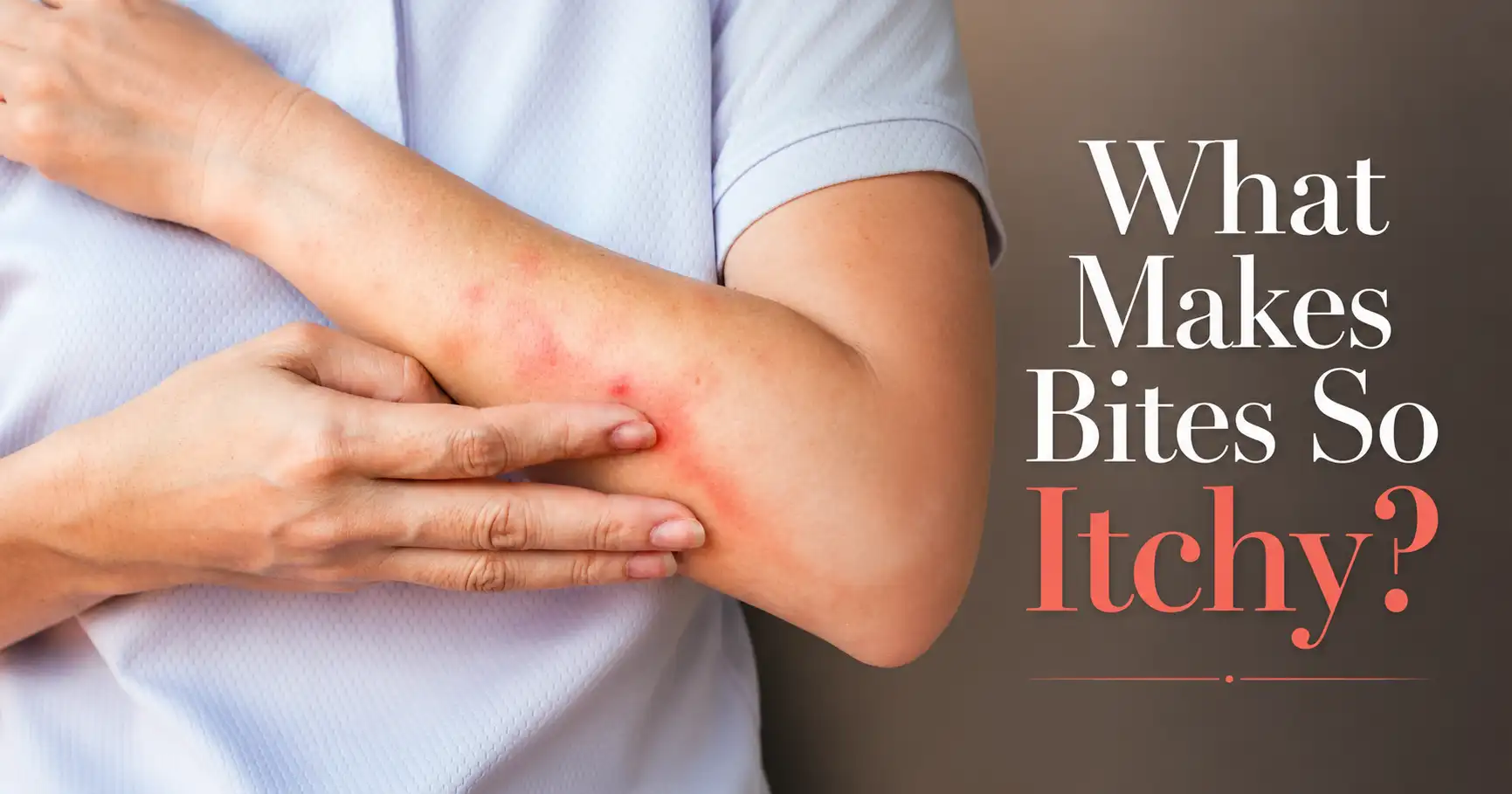
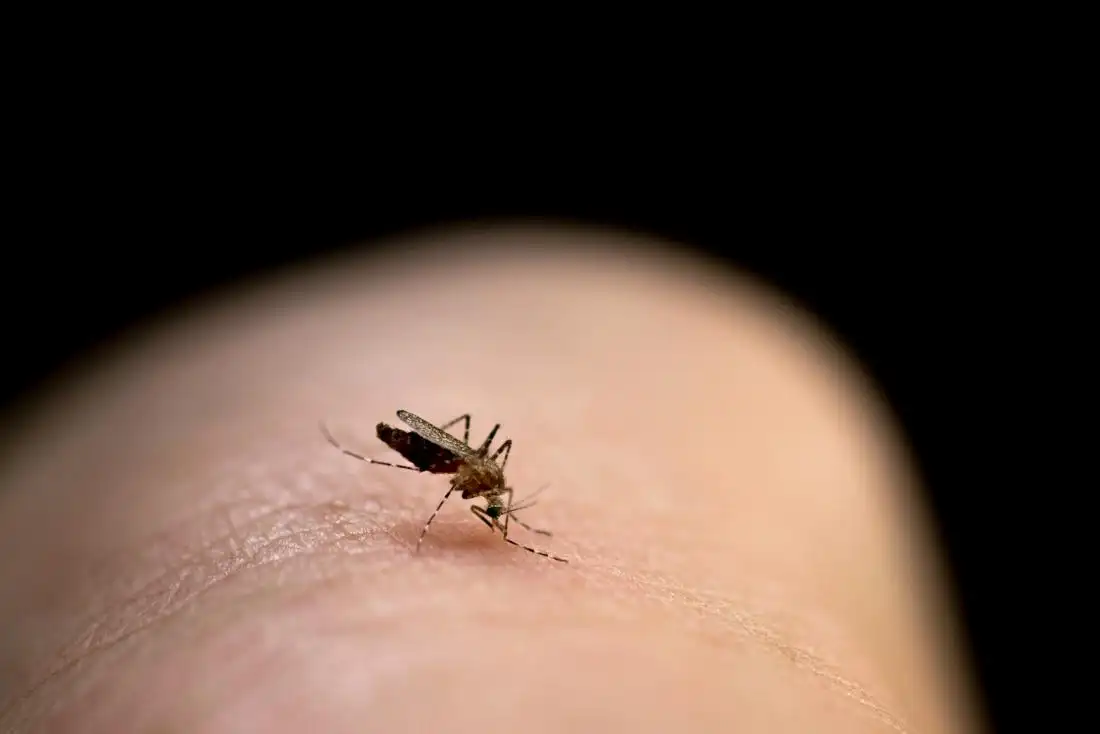
Mosquito bites are a common part of life, especially in warm climates where these insects thrive. Yet, people often notice that reactions to bites can vary widely from one person to another. Some individuals barely feel any discomfort, while others experience intense itching, redness, and swelling that can last for days.
Recent scientific findings suggest that the answer lies in the body’s immune response and how certain cells interact with nerve endings in the skin. The skin is not just a protective layer but also a highly active sensory organ. It contains specialized nerve cells that detect changes and trigger sensations like pain or itchiness.
 Via Medical News Net
New research has uncovered that a specific type of immune cell may play a key role in making some people feel itchier than others. This discovery could help explain why reactions differ so much and may even lead to new treatments for allergies and chronic itching conditions in the future.
 Via AARP
Sensory neurons in the skin are responsible for detecting these foreign substances. These specialized nerve cells send signals to the brain, which are interpreted as itchiness or irritation. At the same time, nearby immune cells are activated and release chemicals that cause inflammation.
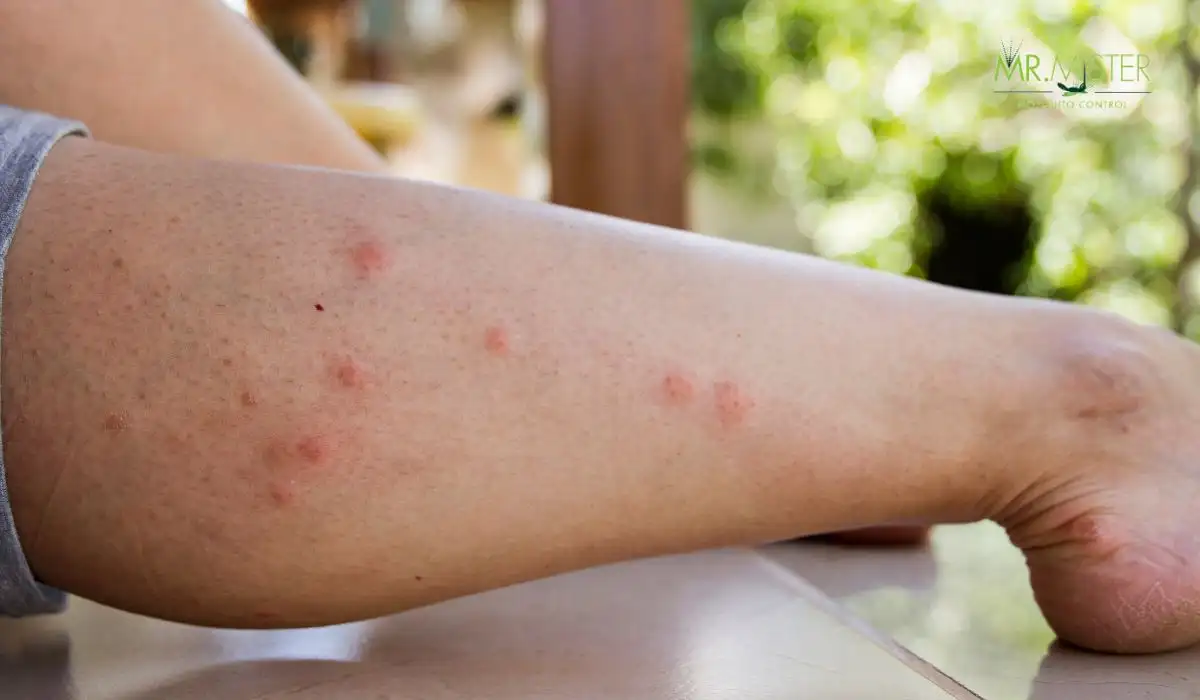
Not every person’s skin reacts in the same way because the sensitivity of these neurons and immune cells can vary. Some individuals have nerve cells that are more easily triggered, causing stronger itch signals. Others may have a milder response, which explains why mosquito bites can feel barely noticeable for some people while extremely irritating for others.
 Via GoodRx
 Via Mr. Mister Mosquito
Differences in immune system behavior explain why some individuals develop strong allergic reactions while others do not. The balance between immune activity and nerve sensitivity is key to understanding why itching varies so much between people.
 Via Labroots
Experiments conducted on mice showed that when these particular immune cells were absent, the animals did not exhibit the usual scratching behavior after exposure to itch-inducing substances. This finding suggested that these cells are directly involved in triggering the sensation of itchiness.
Scientists believe that these cells act as a bridge between the immune system and the nervous system. By influencing how sensory neurons respond to allergens, they determine whether a person will feel intense itching or only mild discomfort after a mosquito bite.
 Via Sci Tech Daily
 Via Respirotary Therapy
Interestingly, IL-3 does not directly cause itching on its own. Instead, it enhances the response when an allergen is present. This makes it a crucial factor in determining the severity of itchiness and highlights its importance in the body’s overall reaction to mosquito bites.
 Via Britannica
When neurons are highly responsive to IL-3, they send stronger signals to the brain, resulting in more intense itching. This can lead to frequent scratching, which may further irritate the skin and prolong the healing process. In contrast, individuals with less sensitive neurons may barely notice the bite, as their nerves do not send strong itch signals.
This variation in nerve sensitivity is influenced by both genetic and environmental factors. It shows that itching is not just a simple reaction but the result of a complex interaction between the immune system and the nervous system.
 Via Neuropathy Pain
 Via Baptist Health
Understanding how chronic inflammation affects nerve sensitivity is important for developing better treatments. It highlights the need to address both the immune response and the nerve signals involved in itching. It marked an important step toward understanding the biological processes behind allergic reactions.
 Via Liv Hospital
Future treatments could involve blocking the activity of IL-3 or preventing it from interacting with nerve cells. This approach could help people who suffer from severe allergic reactions or chronic itching disorders. It may also lead to new ways of predicting who is more likely to experience strong reactions to mosquito bites.
These findings represent a promising step forward in understanding and managing itch-related conditions. They show that even small changes in the immune system can have a significant impact on how the body responds to everyday triggers.
 Via Blue Gene Biotech
 Via Medline Plus
Despite these limitations, the study offers a strong foundation for future research. It provides a clearer understanding of the factors that influence itchiness and sets the stage for further discoveries in the field. More research is needed to confirm whether the same mechanisms apply to humans.
 Via WashU Medicine
Lifestyle factors, such as overall health and skin condition, can also affect how the body responds to insect bites. People with certain allergies or skin conditions may experience stronger reactions due to heightened immune activity. Others may have a naturally lower sensitivity, leading to milder symptoms.
These variations highlight the complexity of the human body and how it interacts with the environment. They show that there is no single reason why some people experience more itching than others, but rather a combination of biological and environmental influences.
 Via Cleveland Clinic
 Via The Pink Foundary
People experience different levels of itchiness because of variations in immune activity, nerve sensitivity, and environmental exposure. These findings show that even a small mosquito bite can involve a highly complex biological response, making it an important area of study for future medical advancements.
More in UnassignedVia Medical News Net
New research has uncovered that a specific type of immune cell may play a key role in making some people feel itchier than others. This discovery could help explain why reactions differ so much and may even lead to new treatments for allergies and chronic itching conditions in the future.
How the Skin Detects and Responds to Mosquito Bites
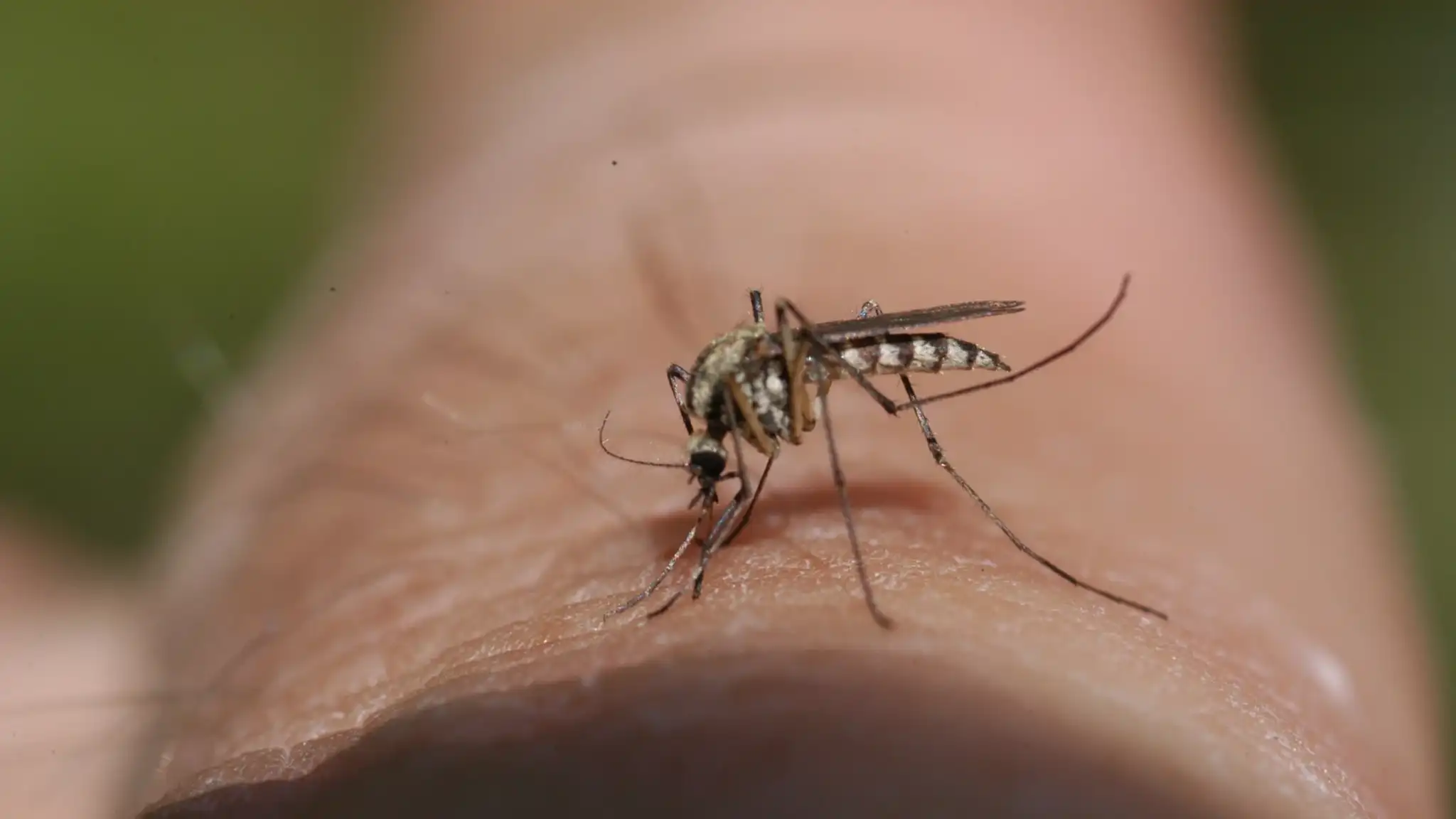
The skin acts as the body’s first line of defense against external threats, including insect bites. When a mosquito bites, it injects saliva into the skin, which contains proteins that prevent blood clotting. These proteins are recognized by the body as foreign substances, triggering a response from both the nervous system and the immune system.
Via AARP
Sensory neurons in the skin are responsible for detecting these foreign substances. These specialized nerve cells send signals to the brain, which are interpreted as itchiness or irritation. At the same time, nearby immune cells are activated and release chemicals that cause inflammation.
Not every person’s skin reacts in the same way because the sensitivity of these neurons and immune cells can vary. Some individuals have nerve cells that are more easily triggered, causing stronger itch signals. Others may have a milder response, which explains why mosquito bites can feel barely noticeable for some people while extremely irritating for others.
Via GoodRx
The Role of the Immune System in Itching
The immune system plays a crucial role in determining how the body reacts to mosquito bites. When the body detects an allergen like mosquito saliva, immune cells release substances known as cytokines. These molecules help coordinate the body’s defense response but can also increase inflammation and sensitivity in the affected area. Repeated exposure to mosquito bites can cause the immune system to adapt or become more reactive. In some cases, the body develops a heightened sensitivity, leading to stronger allergic reactions over time. This can result in more severe itching, larger swelling, and longer-lasting discomfort. On the other hand, some people may become less sensitive with repeated exposure, experiencing milder symptoms.Via Mr. Mister Mosquito
Differences in immune system behavior explain why some individuals develop strong allergic reactions while others do not. The balance between immune activity and nerve sensitivity is key to understanding why itching varies so much between people.
Discovery of a New Type of Immune Cell
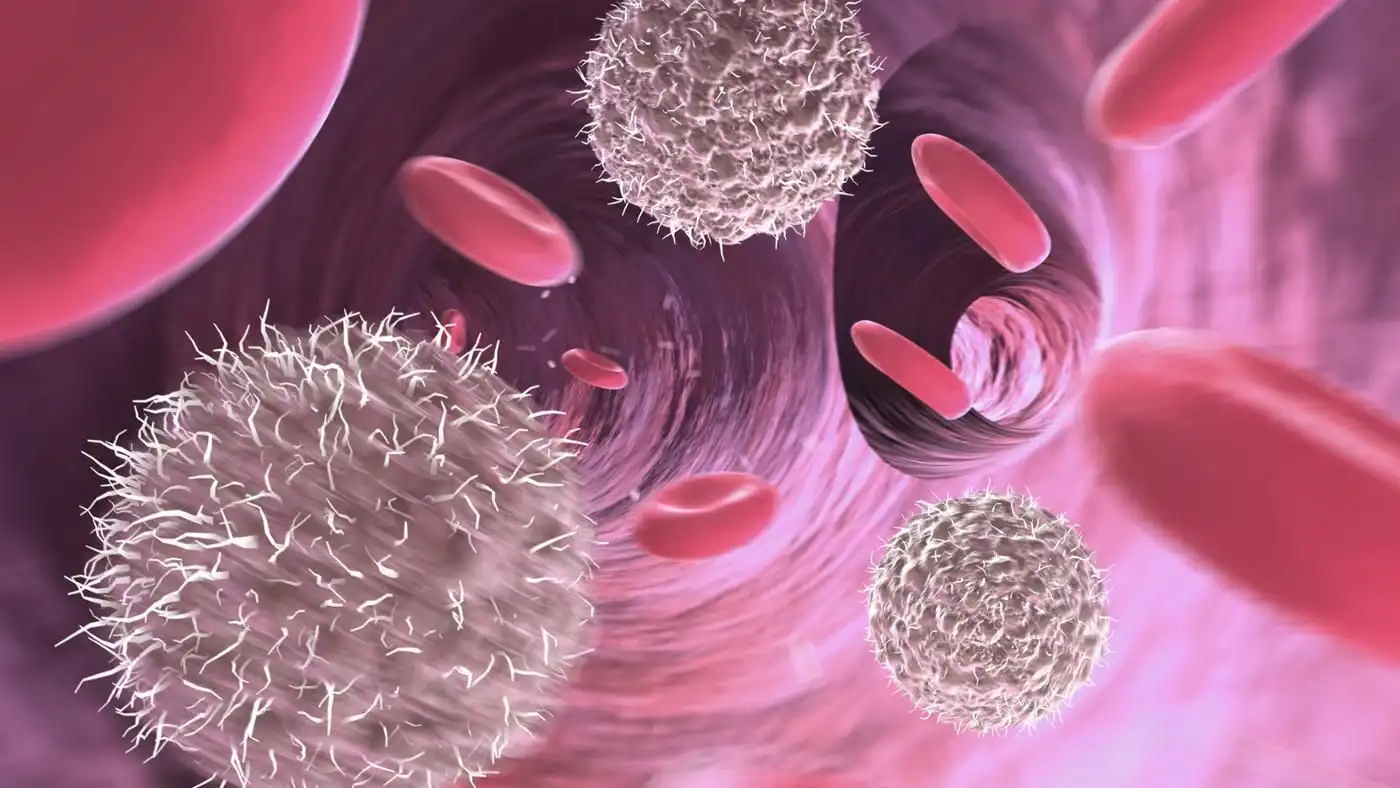
Recent scientific research has identified a previously unknown type of immune cell that may influence how itchy a mosquito bite feels. These cells belong to a group of T cells, which are known for their role in fighting infections and regulating immune responses.Via Labroots
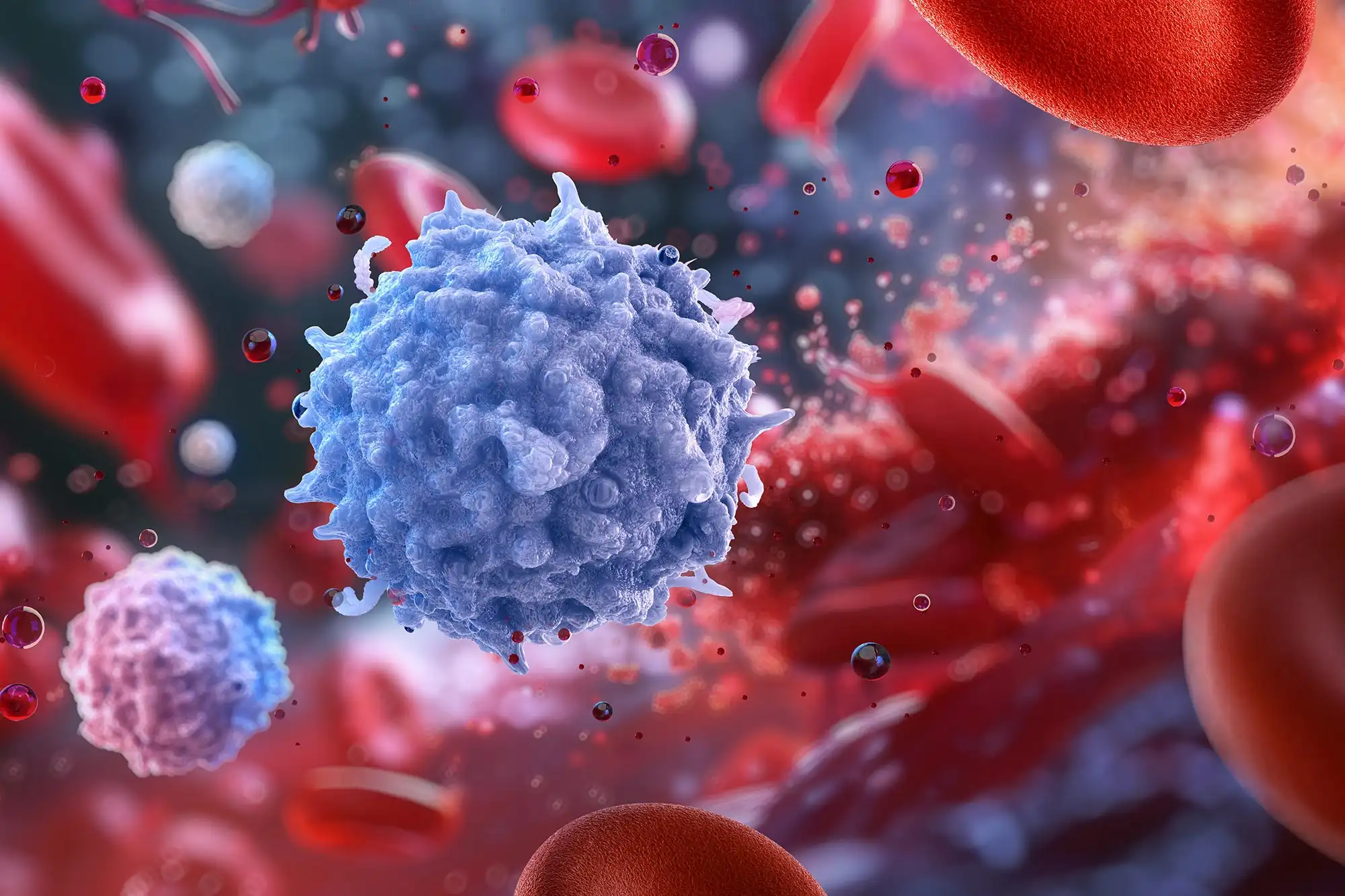
Experiments conducted on mice showed that when these particular immune cells were absent, the animals did not exhibit the usual scratching behavior after exposure to itch-inducing substances. This finding suggested that these cells are directly involved in triggering the sensation of itchiness.
Scientists believe that these cells act as a bridge between the immune system and the nervous system. By influencing how sensory neurons respond to allergens, they determine whether a person will feel intense itching or only mild discomfort after a mosquito bite.
Via Sci Tech Daily
The Importance of Interleukin-3 in Itch Response
Further research revealed that these immune cells release a specific signaling molecule called interleukin-3, or IL-3. This molecule plays a key role in regulating inflammation and immune activity. Scientists discovered that IL-3 has a unique effect on certain sensory neurons in the skin, making them more likely to trigger an itch response. When IL-3 interacts with these neurons, it essentially prepares or “primes” them to react more strongly to allergens. This means that even a small exposure to mosquito saliva can result in a powerful itching sensation if these neurons are already sensitized. This process helps explain why some people experience intense itching while others do not.Via Respirotary Therapy
Interestingly, IL-3 does not directly cause itching on its own. Instead, it enhances the response when an allergen is present. This makes it a crucial factor in determining the severity of itchiness and highlights its importance in the body’s overall reaction to mosquito bites.
How Nerve Sensitivity Influences Itching
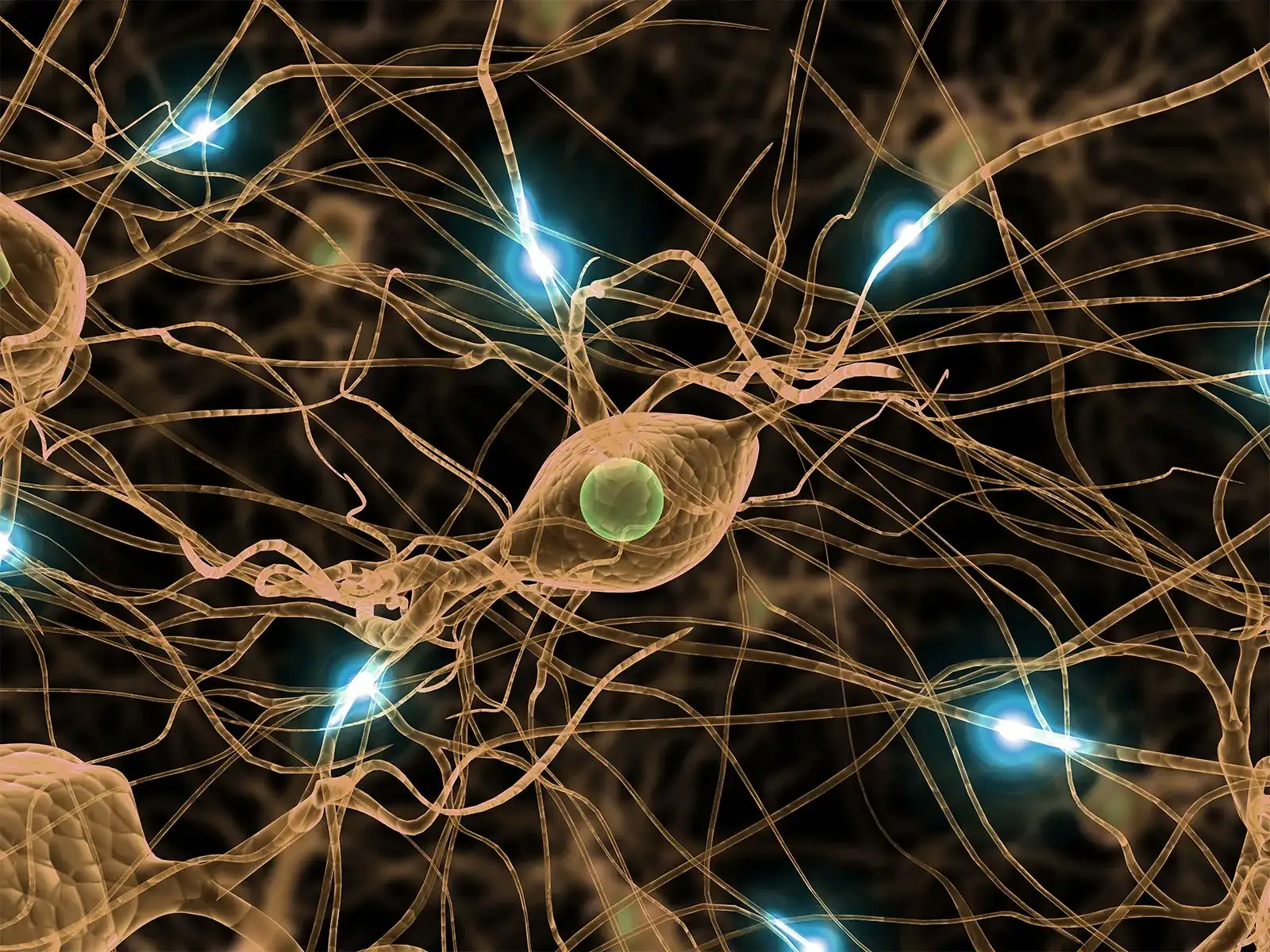
Not all sensory neurons respond to IL-3 in the same way. Some neurons are more sensitive to this molecule, while others remain unaffected. This difference in sensitivity is a major factor in why people experience varying levels of itchiness after a mosquito bite.Via Britannica
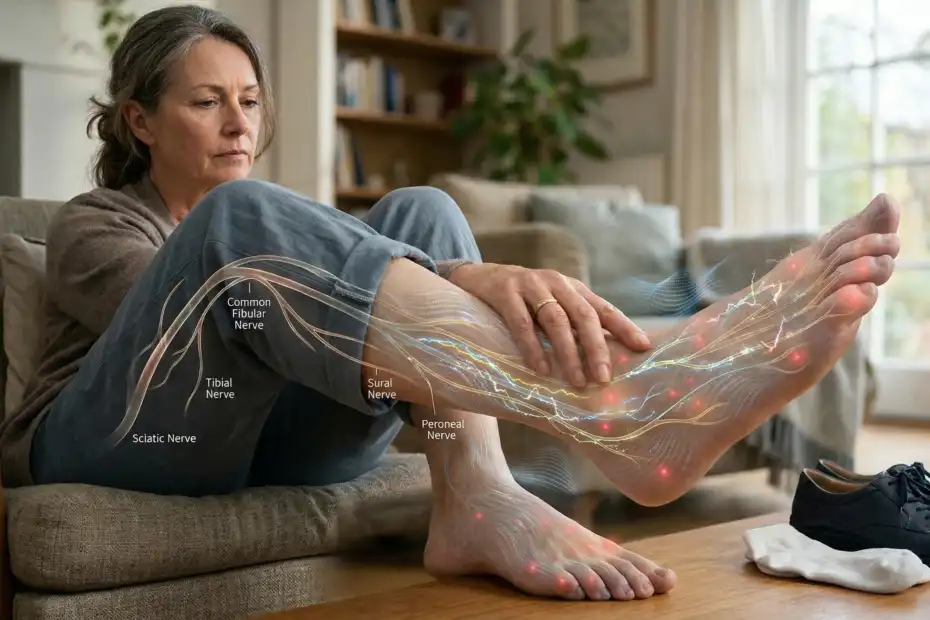
When neurons are highly responsive to IL-3, they send stronger signals to the brain, resulting in more intense itching. This can lead to frequent scratching, which may further irritate the skin and prolong the healing process. In contrast, individuals with less sensitive neurons may barely notice the bite, as their nerves do not send strong itch signals.
This variation in nerve sensitivity is influenced by both genetic and environmental factors. It shows that itching is not just a simple reaction but the result of a complex interaction between the immune system and the nervous system.
Via Neuropathy Pain
Allergic Reactions and Chronic Inflammation
In some individuals, repeated exposure to allergens like mosquito bites can lead to chronic inflammation. This condition occurs when the immune system remains active even after the initial threat has passed. Over time, this ongoing inflammation can change the structure and function of the affected tissues. Chronic inflammation can make sensory neurons more sensitive, increasing the likelihood of severe itching. It can also lead to conditions such as eczema or other allergic skin disorders. People with these conditions often experience stronger reactions to mosquito bites and other allergens.Via Baptist Health
Understanding how chronic inflammation affects nerve sensitivity is important for developing better treatments. It highlights the need to address both the immune response and the nerve signals involved in itching. It marked an important step toward understanding the biological processes behind allergic reactions.
Potential Treatments Based on New Findings
The discovery of the IL-3 pathway and its role in itching opens new possibilities for treating allergic reactions and chronic itch conditions. By targeting this pathway, scientists may be able to reduce the sensitivity of sensory neurons and decrease the intensity of itching.Via Liv Hospital
Future treatments could involve blocking the activity of IL-3 or preventing it from interacting with nerve cells. This approach could help people who suffer from severe allergic reactions or chronic itching disorders. It may also lead to new ways of predicting who is more likely to experience strong reactions to mosquito bites.
These findings represent a promising step forward in understanding and managing itch-related conditions. They show that even small changes in the immune system can have a significant impact on how the body responds to everyday triggers.
Via Blue Gene Biotech
Limitations of Current Research
Although the recent study provides valuable insights, it is important to note that the research has so far been conducted in mice. While mouse models are useful for studying biological processes, they do not always perfectly reflect how the human body works. Scientists are now focusing on studying human immune cells to determine if they behave in the same way as those observed in mice. This step is essential for translating these findings into practical treatments or preventive measures. Without this confirmation, it is difficult to apply the results directly to human health.Via Medline Plus
Despite these limitations, the study offers a strong foundation for future research. It provides a clearer understanding of the factors that influence itchiness and sets the stage for further discoveries in the field. More research is needed to confirm whether the same mechanisms apply to humans.
Why Reactions Vary Between Individuals
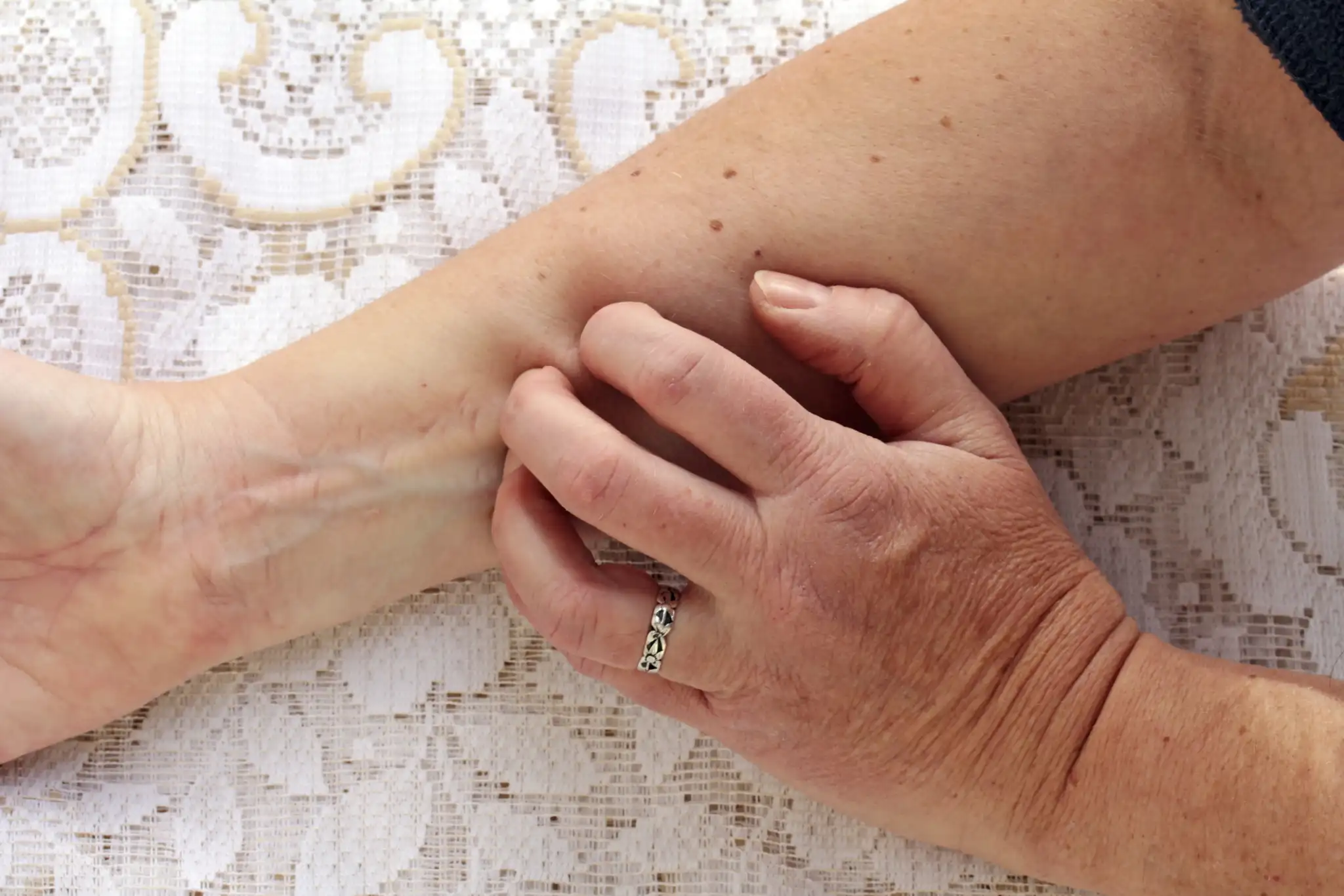
Differences in how people react to mosquito bites are influenced by a combination of factors. Genetics play a significant role in determining how the immune system and sensory neurons function. Environmental exposure also matters, as repeated contact with allergens can either increase or decrease sensitivity over time.Via WashU Medicine
Lifestyle factors, such as overall health and skin condition, can also affect how the body responds to insect bites. People with certain allergies or skin conditions may experience stronger reactions due to heightened immune activity. Others may have a naturally lower sensitivity, leading to milder symptoms.
These variations highlight the complexity of the human body and how it interacts with the environment. They show that there is no single reason why some people experience more itching than others, but rather a combination of biological and environmental influences.
Via Cleveland Clinic
What This Means for Everyday Health and Comfort
Mosquito bites may seem like a simple nuisance, but they reveal a complex interaction between the immune system and the nervous system. Recent research has identified specific immune cells and signaling molecules that influence how strongly a person reacts to these bites. This discovery helps explain why some people experience intense itching while others feel little to no discomfort. Understanding these processes opens the door to new treatments that could reduce itching and improve quality of life for those affected by allergies or chronic skin conditions. Although more research is needed to confirm these findings in humans, the progress made so far provides valuable insights into how the body responds to allergens.Via The Pink Foundary
People experience different levels of itchiness because of variations in immune activity, nerve sensitivity, and environmental exposure. These findings show that even a small mosquito bite can involve a highly complex biological response, making it an important area of study for future medical advancements.