Unassigned
Why Kids Playing in Dirt May Be Healthy
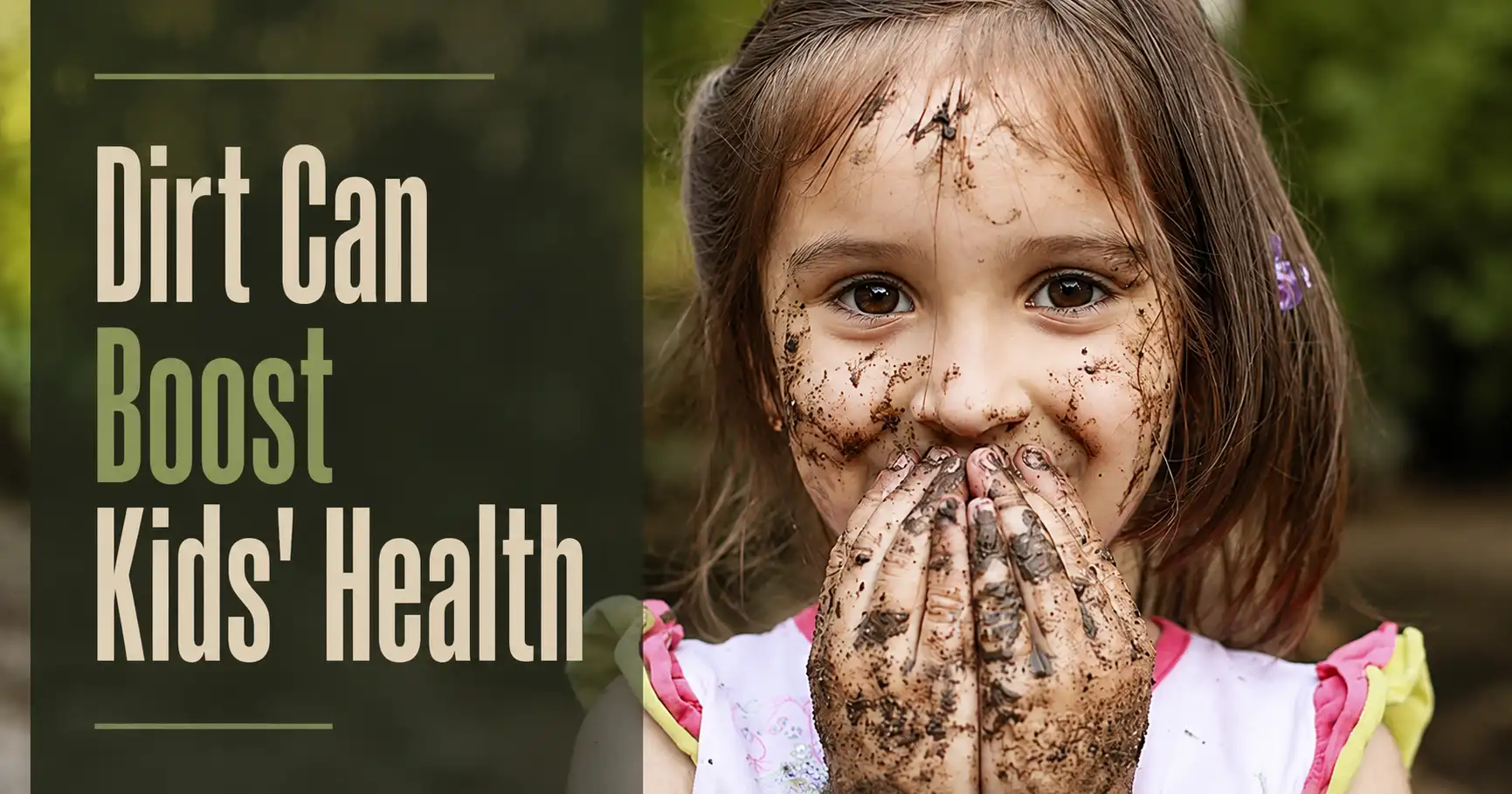
A child’s immune system begins forming from the moment of birth and continues to grow stronger during the early years. This system works like a defense army, learning how to protect the body from harmful germs while ignoring harmless substances. During this phase, exposure to different environments plays a key role in shaping how effectively the immune system responds to threats. Without enough exposure, the system may struggle to tell the difference between safe and harmful triggers.
The body relies on immune cells to identify bacteria, viruses, and other foreign elements. These cells must be trained to react correctly, and that training happens through regular interaction with microbes. These microbes are found everywhere, especially in natural environments such as soil, plants, and fresh air. When children interact with these elements, their immune systems gain experience, helping them build stronger defenses over time.
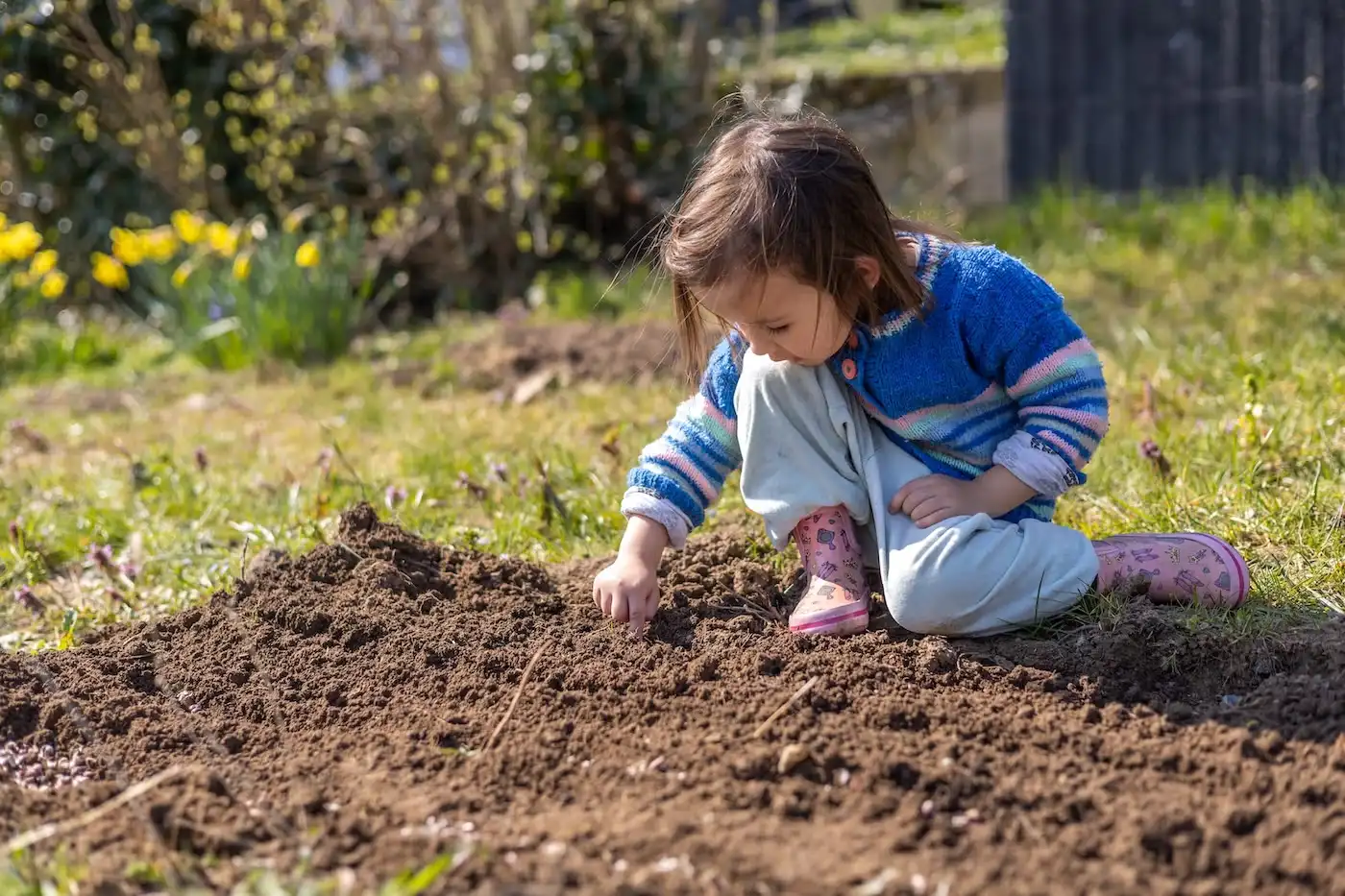 Via Happiest Baby
Modern lifestyles often limit children’s exposure to natural environments, which may affect how their immune systems mature. Indoor living, excessive sanitation, and limited outdoor play can reduce contact with helpful microbes. While cleanliness is important, a complete lack of exposure to natural elements may slow down the immune system’s learning process, making it less prepared to handle everyday challenges.
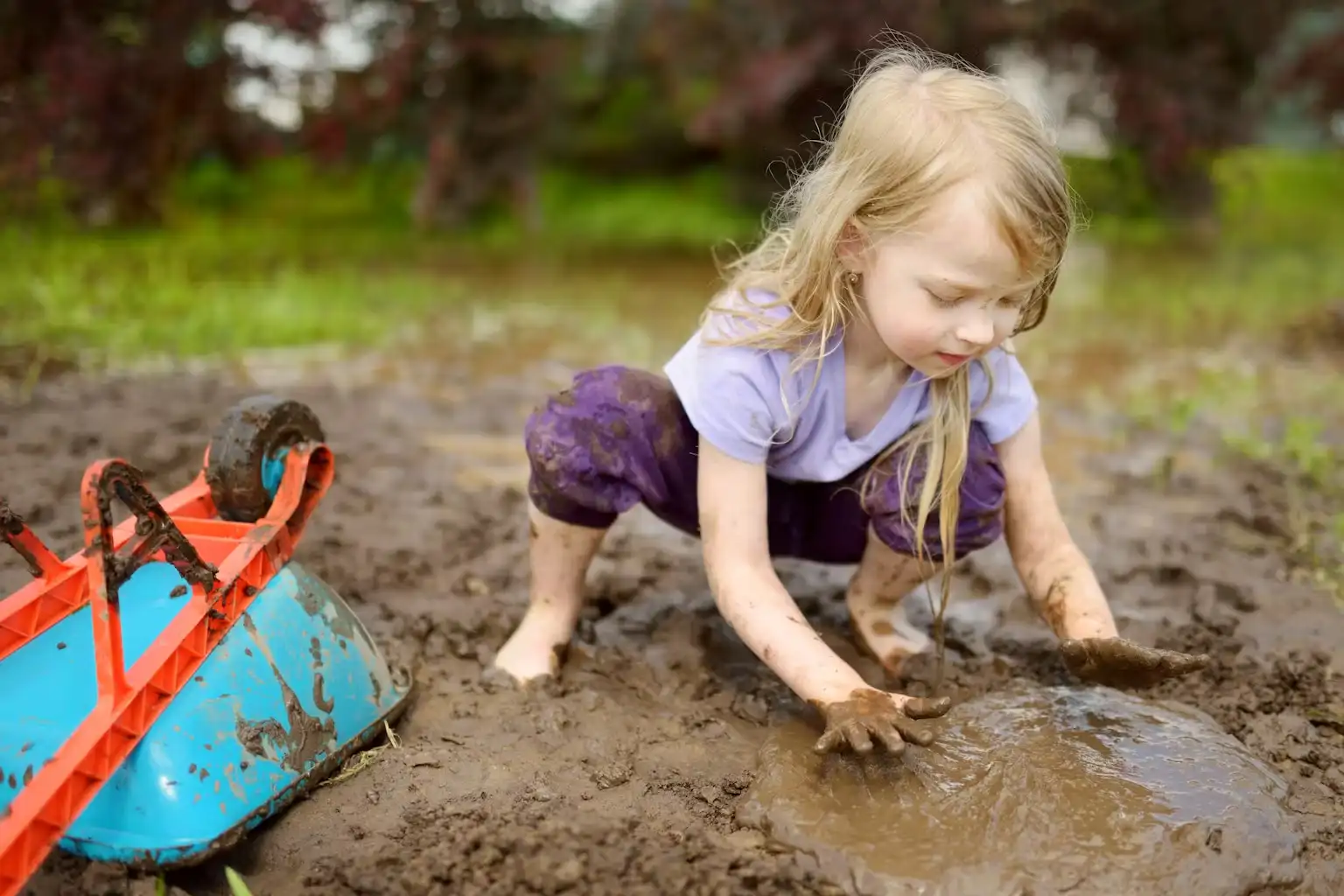 Via The Conversation
The human body hosts a collection of microbes known as the microbiome, especially in the gut. This microbiome supports digestion, produces essential nutrients, and helps regulate immune responses. Contact with soil microbes may increase the diversity of this microbiome, which is linked to better health outcomes. A more diverse microbiome is often associated with stronger immunity and a lower risk of certain illnesses.
Outdoor play also allows children to experience different types of bacteria that are not present in indoor environments. These beneficial microbes can help the immune system develop tolerance to harmless substances. This means the body is less likely to overreact to everyday elements such as dust or pollen, which are common triggers for allergies.
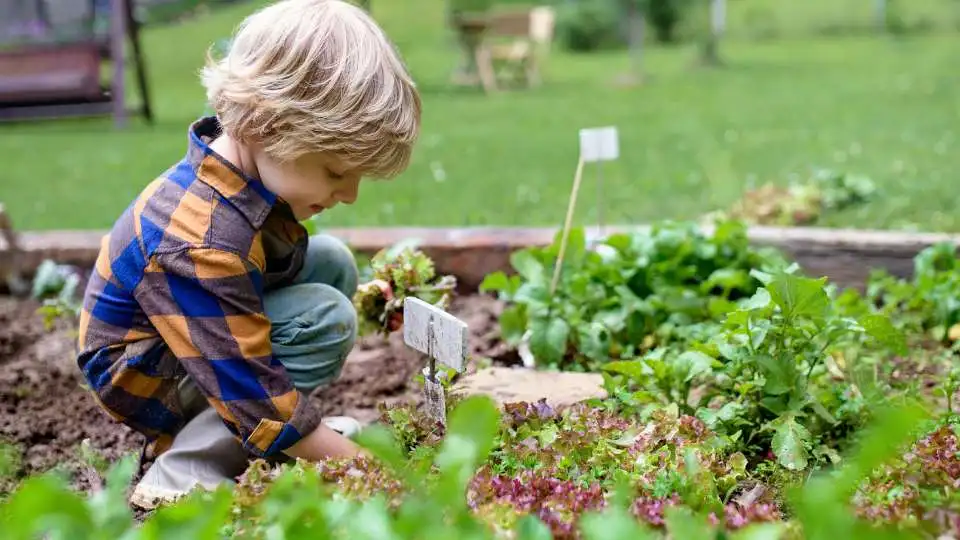 Via Knox County
 Via Children & Nature
The idea suggests that limited exposure to these helpful microbes may increase the risk of immune-related issues. Urban living, reduced outdoor time, and overuse of disinfectants can reduce contact with these natural organisms. Encouraging safe outdoor activities may help restore this balance and support healthier immune development in children.
 Via Motherly
When the immune system is not exposed to enough harmless microbes, it may become overly reactive. This can lead to allergic reactions, where the body treats harmless substances like pollen or dust as threats. Exposure to dirt and natural surroundings may help reduce this risk by teaching the immune system to stay balanced.
Studies have also suggested that children who play in soil-rich environments may show improvements in immune markers. These markers indicate a more regulated immune response, which may help protect against allergies and other immune-related conditions. While this does not guarantee prevention, it highlights the potential benefits of outdoor play.
 Via Live Science
 Via HealthLine
Early life is a critical period for microbiome development. Factors such as diet, environment, and lifestyle all influence how this system forms. Encouraging outdoor play and exposure to nature may support the growth of a healthy microbiome, which can have long-term benefits for immune health and overall well-being.
 Via Happy Day Nursery
Children today often spend more time indoors compared to previous generations. This shift may reduce opportunities for exposure to diverse environments. While it is important to avoid harmful germs, balanced exposure to natural elements is also necessary for healthy immune development.
The key is finding a balance between hygiene and natural exposure. Basic cleanliness practices, such as handwashing before meals, remain important. At the same time, allowing children to play outside and interact with nature can provide valuable benefits without compromising safety.
 Via FitPage
 Via Kidsville Pediatrics
Outdoor play also supports physical and mental health. It encourages movement, creativity, and social interaction, all of which contribute to overall well-being. When combined with immune benefits, it becomes clear that spending time in natural environments plays a valuable role in a child’s growth.
 Via Children & Nature
Children should be supervised to ensure they do not ingest soil or inhale dust excessively. Simple safety measures, such as washing hands after outdoor play, can reduce potential risks. Choosing clean, safe environments for play is essential to ensure that children gain benefits without exposure to harmful elements.
Parents and caregivers should also be aware of parasites or bacteria that may exist in certain areas. Regular hygiene practices and awareness of surroundings can help prevent these risks while still allowing children to enjoy outdoor activities.
 Via Poison Control
 Via The Zoo Family
A balanced approach helps children build stronger immune systems while maintaining overall health. Outdoor play, combined with proper care, can provide long-term advantages that support both physical and immune development.
 Via Home Triangle
Modern lifestyles often limit exposure to natural environments, making it important to encourage outdoor play. Safe interaction with nature can help improve immune function, support the microbiome, and promote overall well-being. These benefits highlight the value of allowing children to explore the outdoors.
Balancing hygiene with natural exposure is essential for maintaining health. Children can safely enjoy playing in dirt when proper precautions are taken. By supporting outdoor activities, people can help children develop stronger immune systems and healthier futures.
More in UnassignedVia Happiest Baby
Modern lifestyles often limit children’s exposure to natural environments, which may affect how their immune systems mature. Indoor living, excessive sanitation, and limited outdoor play can reduce contact with helpful microbes. While cleanliness is important, a complete lack of exposure to natural elements may slow down the immune system’s learning process, making it less prepared to handle everyday challenges.
The Role of Microbes Found in Soil
Soil contains a wide variety of microorganisms, many of which are beneficial to human health. These microbes include bacteria, fungi, and other tiny organisms that play a role in maintaining balance within the body. When children play in dirt, they come into contact with these microbes, which may help train their immune systems to function more effectively. This exposure is a natural way for the body to learn and adapt.Via The Conversation
The human body hosts a collection of microbes known as the microbiome, especially in the gut. This microbiome supports digestion, produces essential nutrients, and helps regulate immune responses. Contact with soil microbes may increase the diversity of this microbiome, which is linked to better health outcomes. A more diverse microbiome is often associated with stronger immunity and a lower risk of certain illnesses.
Outdoor play also allows children to experience different types of bacteria that are not present in indoor environments. These beneficial microbes can help the immune system develop tolerance to harmless substances. This means the body is less likely to overreact to everyday elements such as dust or pollen, which are common triggers for allergies.
Via Knox County
Understanding the “Old Friends” Concept
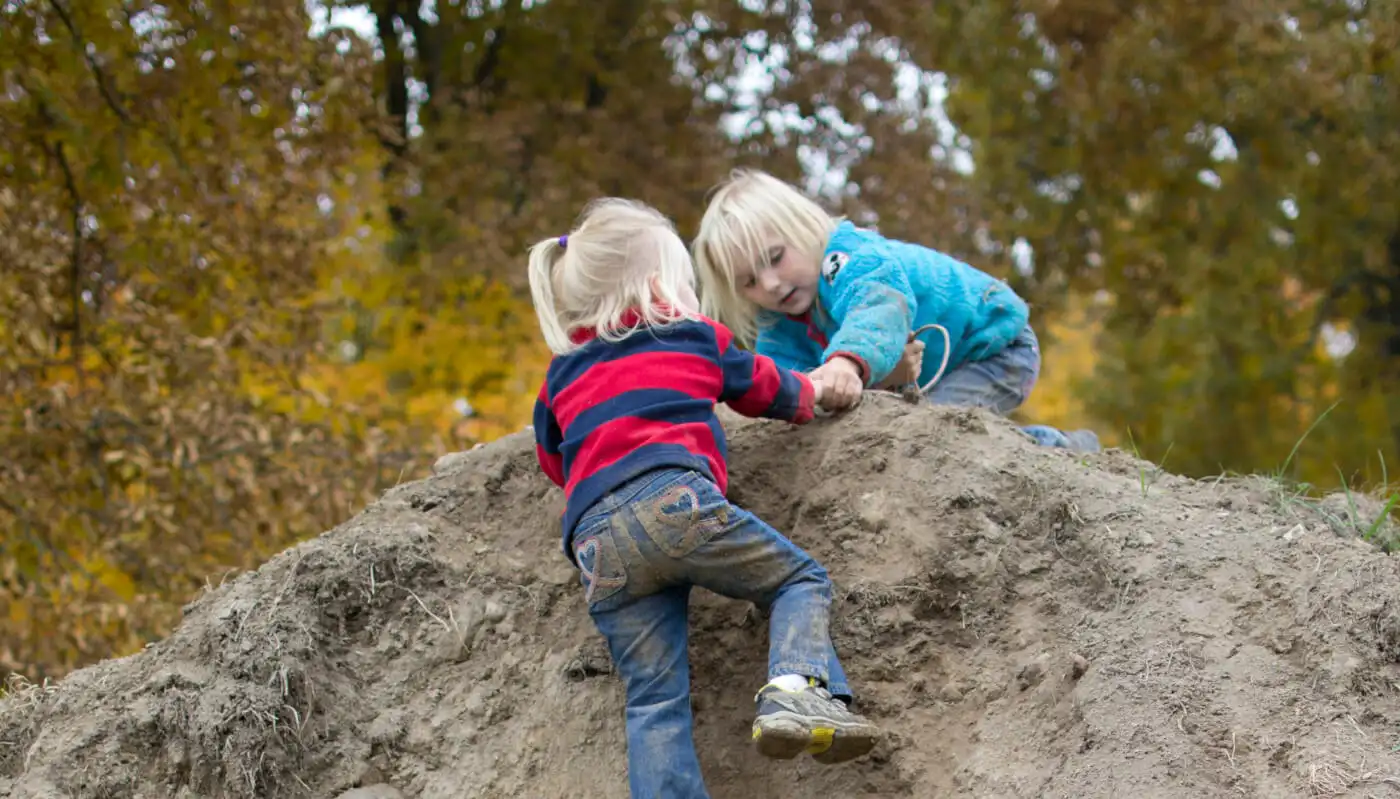
Scientists have introduced a concept often called the “old friends” idea, which explains the importance of early exposure to helpful microbes. These “old friends” are harmless microorganisms that humans have evolved alongside for thousands of years. Regular contact with these microbes helps the immune system develop properly and maintain balance. Children who grow up with exposure to natural environments, pets, or outdoor play tend to have more contact with these beneficial microbes. This can help their immune systems learn to distinguish between harmless and harmful substances. When the immune system becomes too sensitive, it may react to things that are not dangerous, leading to allergies or autoimmune conditions.Via Children & Nature
The idea suggests that limited exposure to these helpful microbes may increase the risk of immune-related issues. Urban living, reduced outdoor time, and overuse of disinfectants can reduce contact with these natural organisms. Encouraging safe outdoor activities may help restore this balance and support healthier immune development in children.
Connection Between Dirt Exposure and Allergy Risk
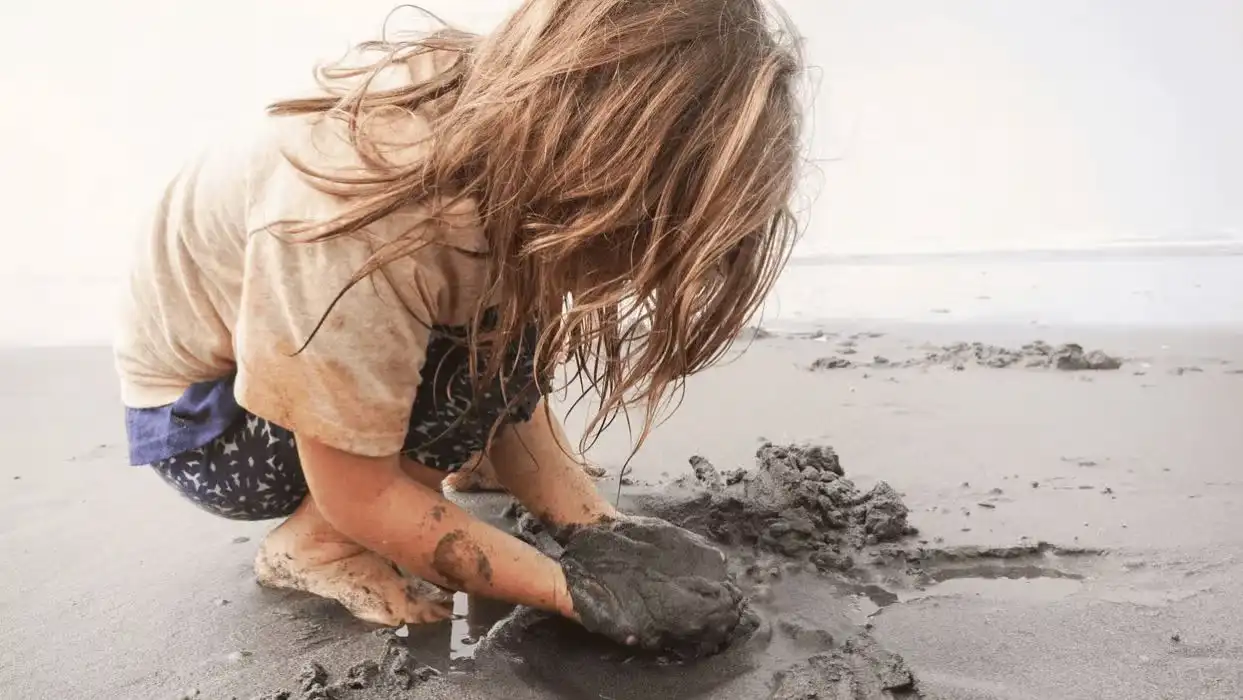
Research has shown that children who are exposed to a variety of natural environments may have a lower risk of developing allergies. This includes children who grow up on farms, live with pets, or spend more time playing outside. These environments provide regular exposure to diverse microbes, which may help train the immune system to respond appropriately.Via Motherly
When the immune system is not exposed to enough harmless microbes, it may become overly reactive. This can lead to allergic reactions, where the body treats harmless substances like pollen or dust as threats. Exposure to dirt and natural surroundings may help reduce this risk by teaching the immune system to stay balanced.
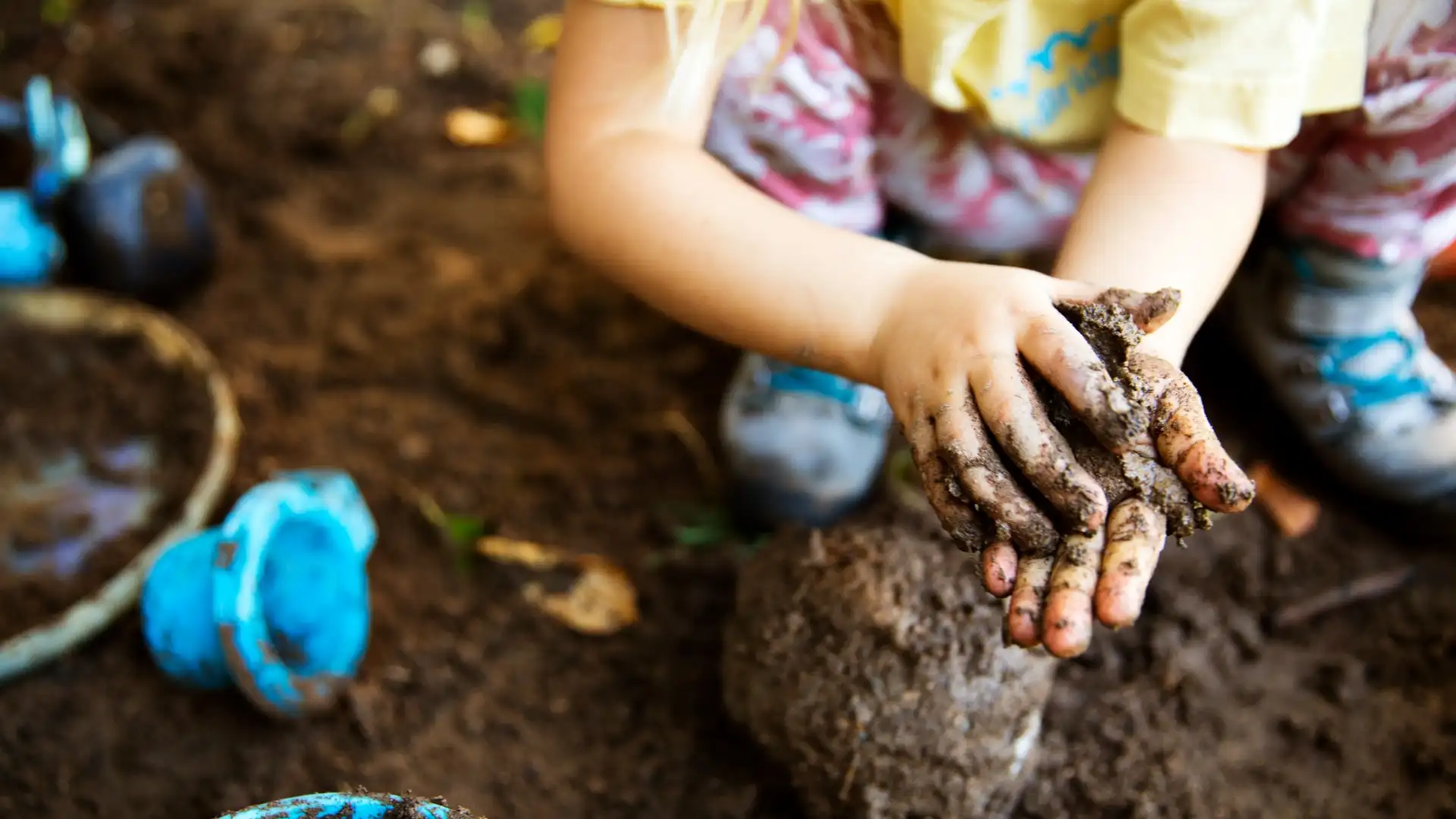
Studies have also suggested that children who play in soil-rich environments may show improvements in immune markers. These markers indicate a more regulated immune response, which may help protect against allergies and other immune-related conditions. While this does not guarantee prevention, it highlights the potential benefits of outdoor play.
Via Live Science
The Importance of the Gut Microbiome
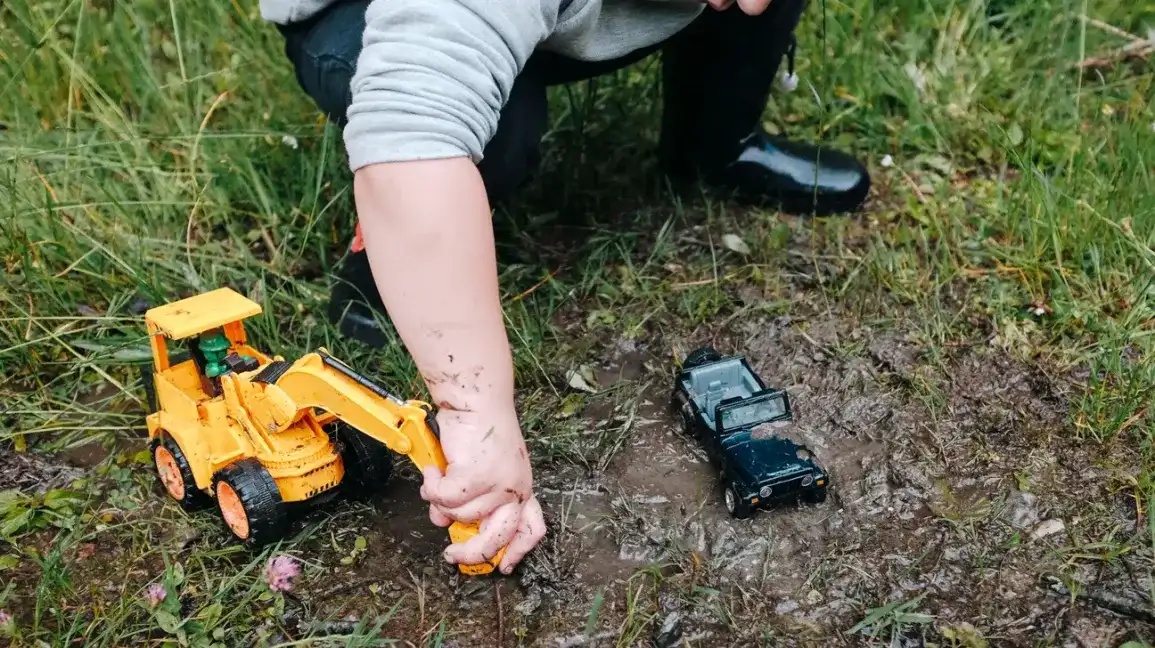
The gut microbiome plays a central role in overall health, especially in regulating the immune system. This community of microorganisms helps break down food, produce vitamins, and support the body’s defense mechanisms. A healthy microbiome is diverse, meaning it contains a wide range of beneficial bacteria. Exposure to natural environments, including dirt, can help increase this diversity. When children come into contact with different microbes, some of these organisms may become part of their microbiome. This can strengthen the gut’s ability to support immune function and reduce inflammation in the body.Via HealthLine
Early life is a critical period for microbiome development. Factors such as diet, environment, and lifestyle all influence how this system forms. Encouraging outdoor play and exposure to nature may support the growth of a healthy microbiome, which can have long-term benefits for immune health and overall well-being.
Modern Hygiene and Its Impact on Immunity
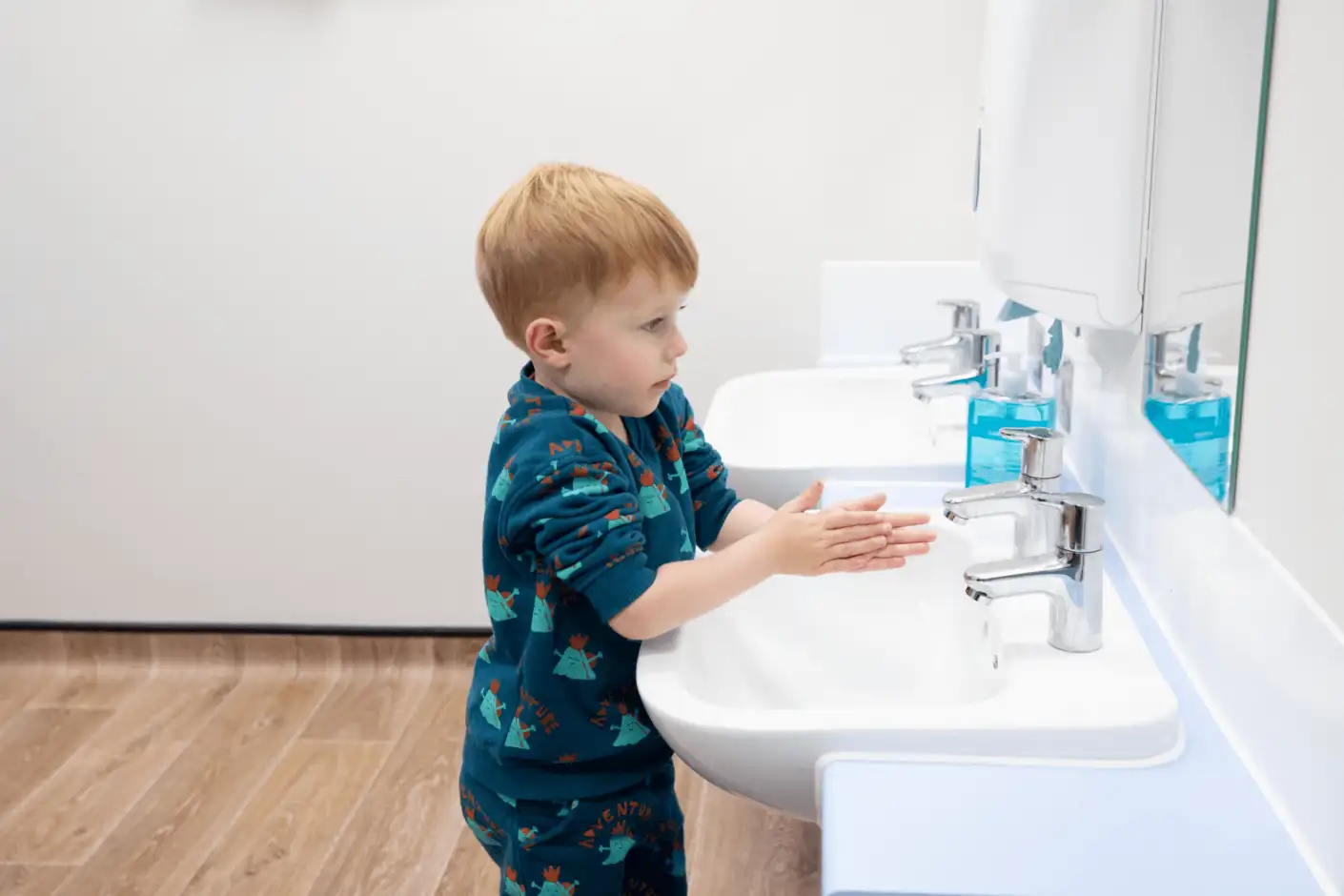
Cleanliness is essential for preventing infections and maintaining health. However, excessive hygiene practices may limit exposure to beneficial microbes. Constant use of antibacterial products and limited outdoor activity can reduce the natural interactions that help train the immune system.Via Happy Day Nursery
Children today often spend more time indoors compared to previous generations. This shift may reduce opportunities for exposure to diverse environments. While it is important to avoid harmful germs, balanced exposure to natural elements is also necessary for healthy immune development.
The key is finding a balance between hygiene and natural exposure. Basic cleanliness practices, such as handwashing before meals, remain important. At the same time, allowing children to play outside and interact with nature can provide valuable benefits without compromising safety.
Via FitPage
Scientific Evidence Supporting Outdoor Play
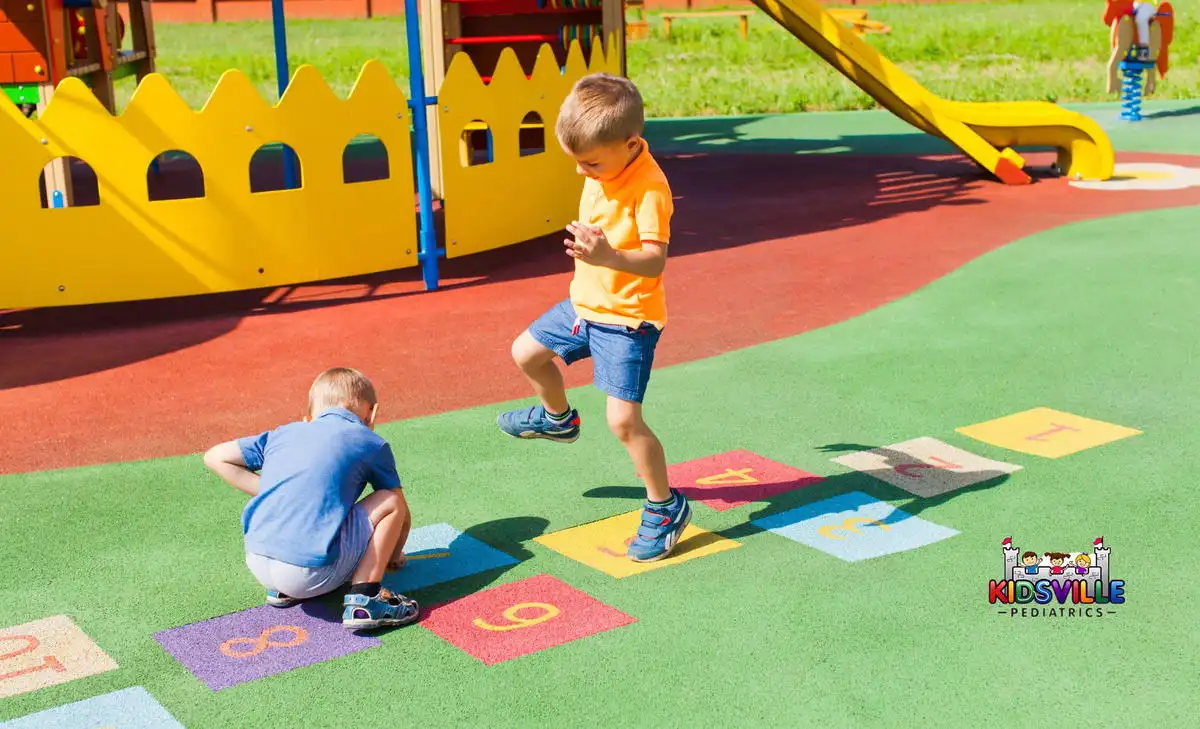
Several studies have explored the effects of environmental exposure on children’s immune systems. Findings suggest that children who interact with natural elements like soil and plants may develop stronger immune responses. These improvements are often linked to increased microbial diversity on the skin and in the gut. Research has also shown that children exposed to greener environments may have better immune regulation. This means their bodies are more capable of controlling inflammation and responding appropriately to potential threats. These benefits highlight the importance of regular outdoor activity in childhood development.Via Kidsville Pediatrics
Outdoor play also supports physical and mental health. It encourages movement, creativity, and social interaction, all of which contribute to overall well-being. When combined with immune benefits, it becomes clear that spending time in natural environments plays a valuable role in a child’s growth.
Potential Risks of Playing in Dirt
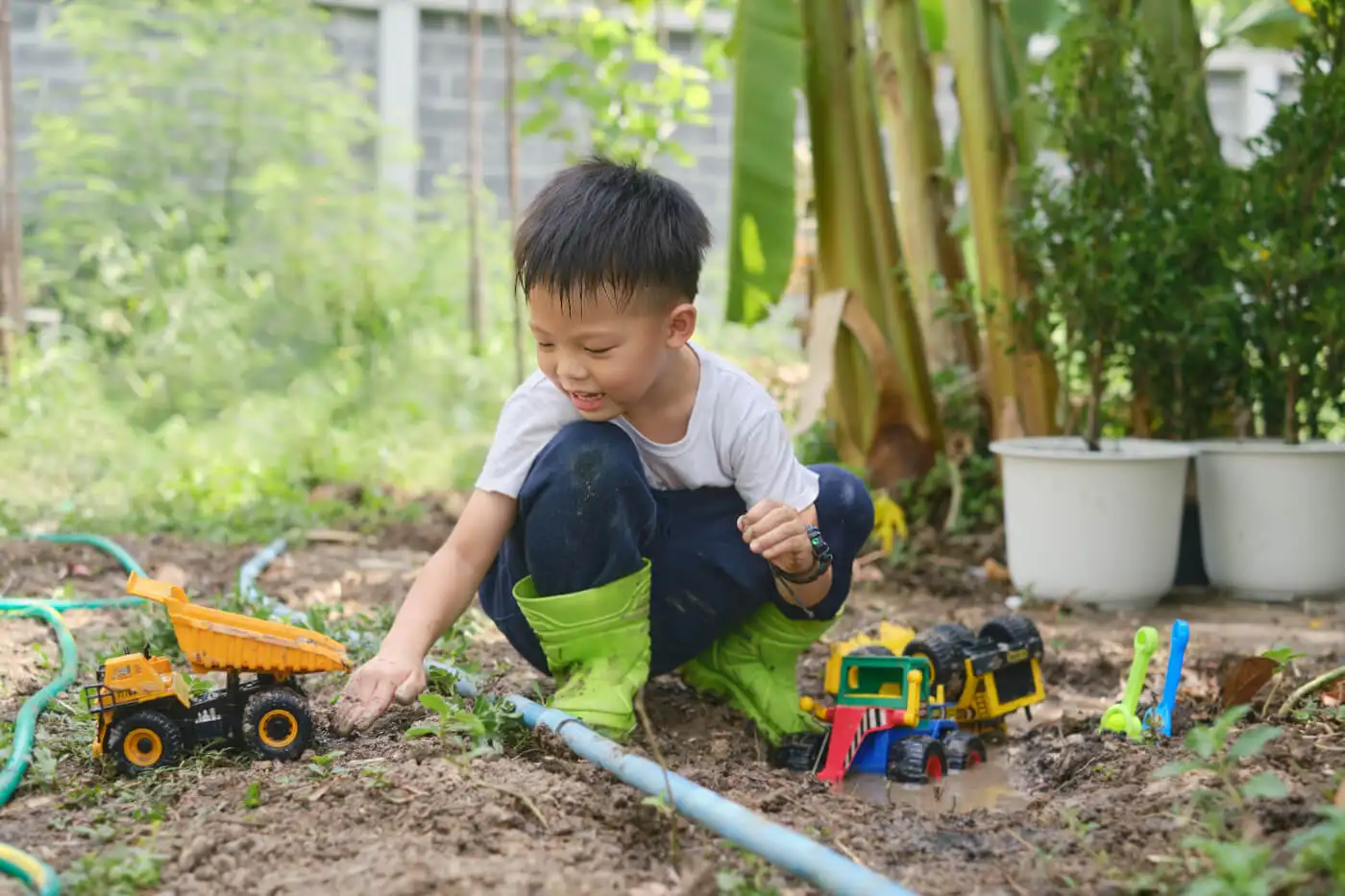
While playing in dirt offers benefits, certain precautions are necessary. Not all soil is safe, especially in areas with pollution or contamination. Dirt in urban or industrial locations may contain harmful substances such as heavy metals or chemicals that can pose health risks.Via Children & Nature
Children should be supervised to ensure they do not ingest soil or inhale dust excessively. Simple safety measures, such as washing hands after outdoor play, can reduce potential risks. Choosing clean, safe environments for play is essential to ensure that children gain benefits without exposure to harmful elements.
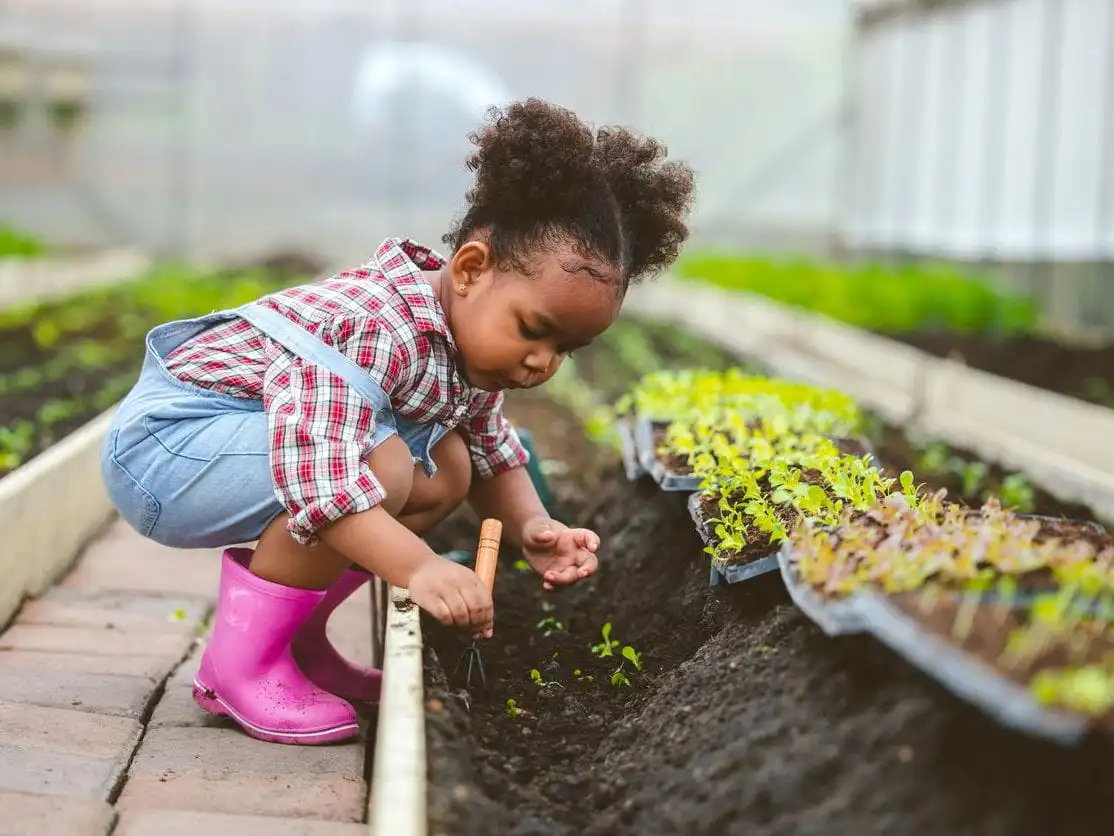
Parents and caregivers should also be aware of parasites or bacteria that may exist in certain areas. Regular hygiene practices and awareness of surroundings can help prevent these risks while still allowing children to enjoy outdoor activities.
Via Poison Control
Balancing Safety and Natural Exposure
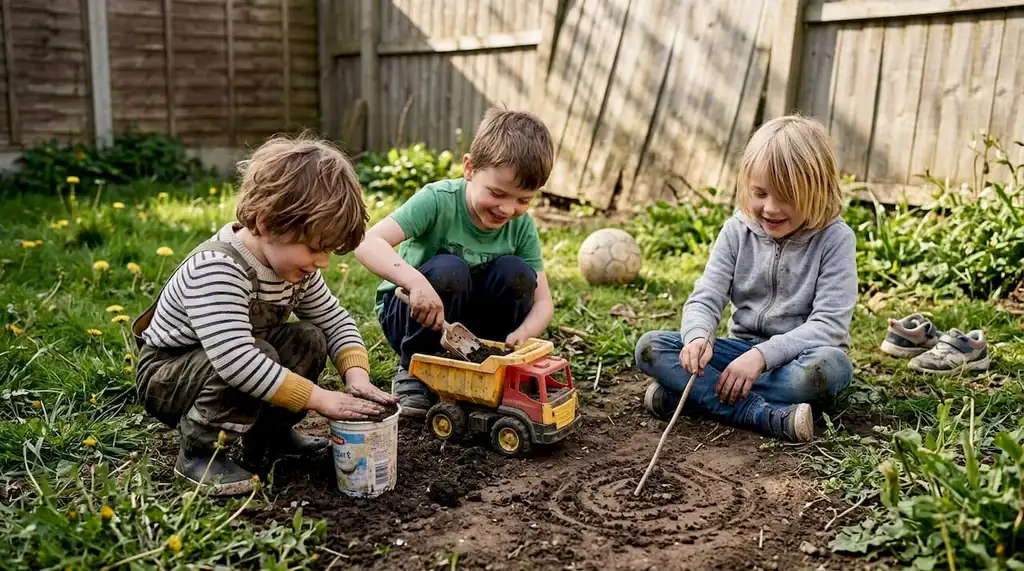
Encouraging children to play outside does not mean ignoring safety. It involves creating opportunities for safe interaction with nature while maintaining basic hygiene practices. Parks, gardens, and natural play areas are ideal environments where children can explore without significant risk. Supervision and awareness are key factors in ensuring safe outdoor play. Simple habits such as cleaning hands before eating and avoiding heavily polluted areas can make a significant difference. These measures allow children to benefit from natural exposure while staying protected.Via The Zoo Family
A balanced approach helps children build stronger immune systems while maintaining overall health. Outdoor play, combined with proper care, can provide long-term advantages that support both physical and immune development.
Final Thoughts on Dirt and Immune Health
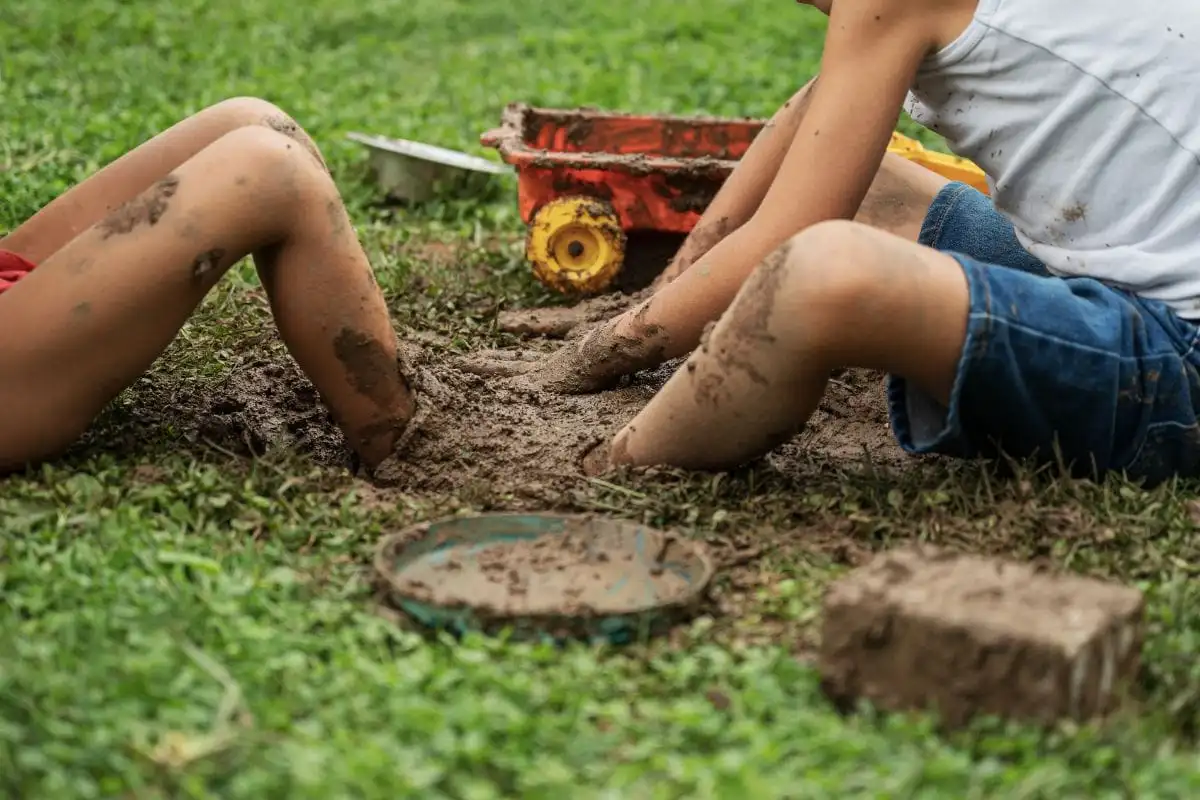
Playing in dirt can support the development of a stronger immune system by exposing children to beneficial microbes. This natural interaction helps the body learn how to respond to different substances, reducing the likelihood of overreactions such as allergies. While it is not a guaranteed solution, it plays an important role in overall health.Via Home Triangle
Modern lifestyles often limit exposure to natural environments, making it important to encourage outdoor play. Safe interaction with nature can help improve immune function, support the microbiome, and promote overall well-being. These benefits highlight the value of allowing children to explore the outdoors.
Balancing hygiene with natural exposure is essential for maintaining health. Children can safely enjoy playing in dirt when proper precautions are taken. By supporting outdoor activities, people can help children develop stronger immune systems and healthier futures.