Trending
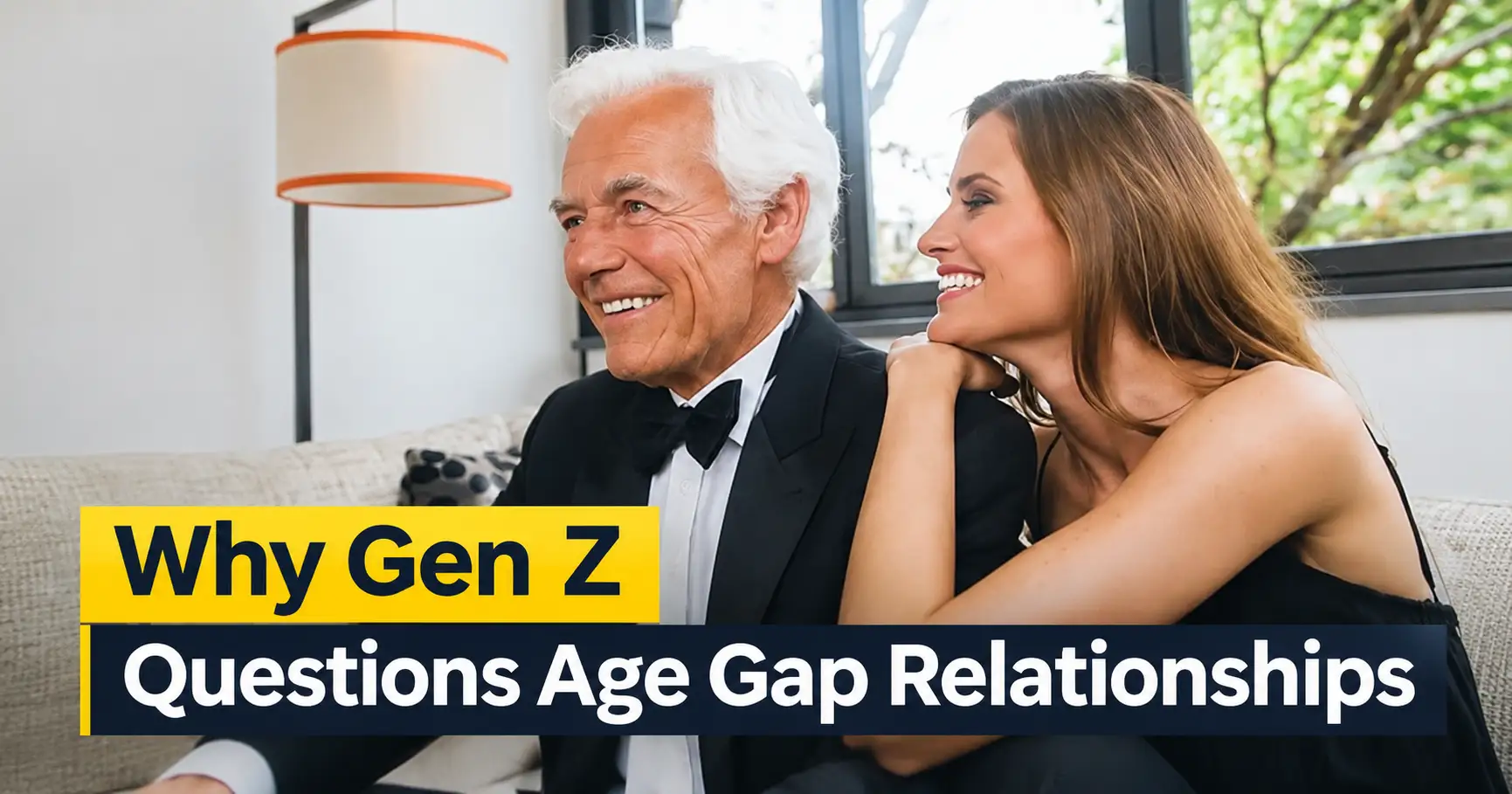
Why Gen Z Feels So Strongly About Age Gaps in Relationships
Age gaps in relationships have become one of the hottest topics among Gen Z, especially for young people who spend a lot of time online. A five-year difference between partners might seem normal to older generations, but many younger people now question even smaller gaps. On social media, debates about whether a relationship is fair or healthy often focus on age alone, and these conversations can quickly turn heated and personal.
Many Gen Zers argue that a relationship can be fully legal and still feel wrong. For them, the fact that both partners are adults does not settle the question. They look closely at who holds more power, who has more life experience, and who might be easier to influence. This way of thinking has turned age gaps into a moral issue rather than just a personal choice made by two people.

Via Yahoo
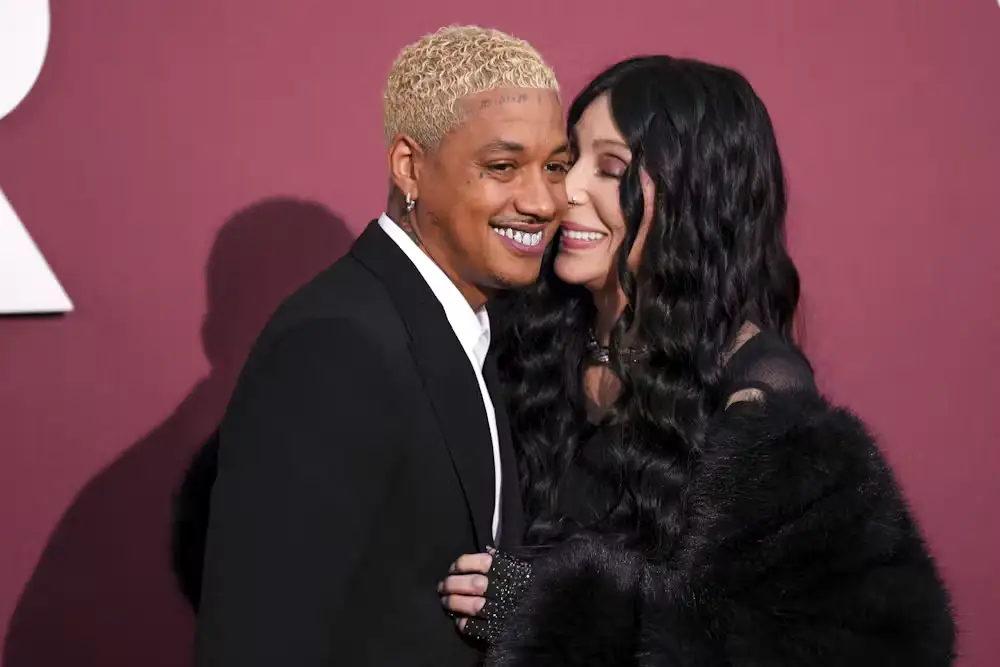
Part of this comes from the world Gen Z grew up in. This generation came of age during the #MeToo movement, which brought public attention to abuse, unequal power, and consent. As a result, many young people learned to spot unbalanced dynamics early and talk about them openly. Celebrity couples with large age differences have given them plenty of real-life examples to examine and discuss.
Celebrity Couples Under the Spotlight
Some celebrity relationships have drawn especially strong reactions online. One example is the brief romance between Aoki Lee Simmons, the daughter of Russell and Kimora Lee Simmons, and restaurateur Vittorio Assaf. She was 21 at the time and he was 65. Even though both were adults, many critics called the pairing uncomfortable, and some argued that “they are both of age” is not a strong enough defense.
Via The Conversation
Critics often bring up brain development in these debates. A common argument online is that the part of the brain tied to judgment and planning is not fully formed in the early twenties. Because of this, some people believe that a young adult may not be on equal footing with a much older partner. The idea that legal adulthood and mental maturity are two different things comes up again and again in these discussions.
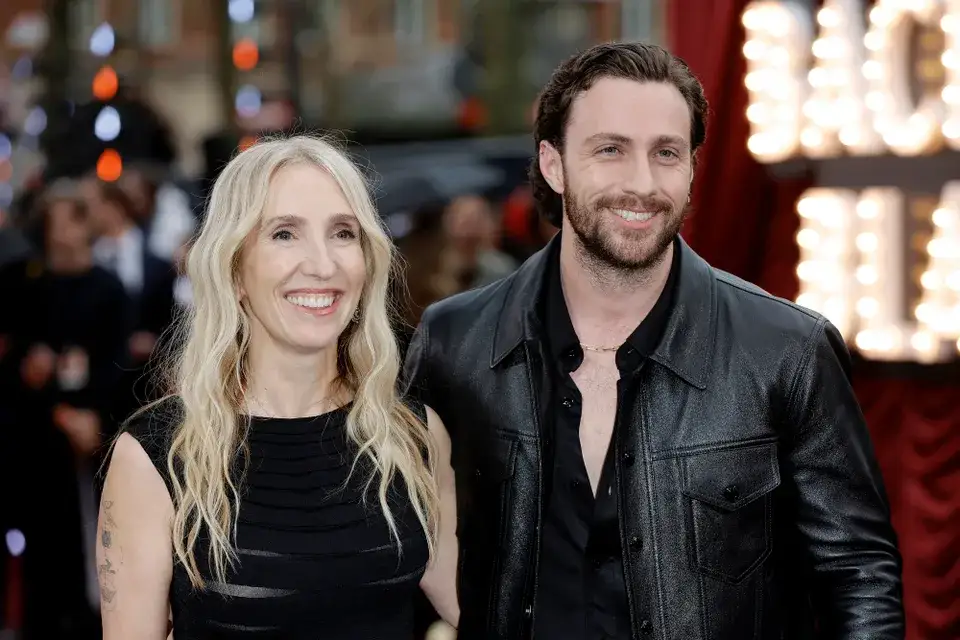
The criticism does not only target older men with younger women. Actor Aaron Taylor-Johnson and filmmaker Sam Taylor-Johnson met on the set of the 2009 John Lennon film “Nowhere Boy,” when he was in his late teens and she was a mother of two in her early forties. He has said he felt more connected to her than to people his own age. Still, some fans online have argued that men can also be victims of unhealthy relationships and deserve the same concern.
Via Huffpost
Even Small Gaps Face Scrutiny
Surprisingly, some young people now question gaps that once seemed completely normal. One widely shared post suggested that a 25-year-old should not even date a 21-year-old, and it gained tens of thousands of likes. This shows how much the conversation has shifted. A four-year difference, which many older adults would barely notice, is now treated by some as a possible warning sign.
Larger gaps draw even more attention. When Billie Eilish revealed in 2022 that she was dating musician Jesse Rutherford, she was 20 and he was in his early thirties. Fans reacted strongly, and viral posts pointed out that he was alive during an earlier presidency while she was not yet old enough to drink legally in the United States. The jokes spread fast and showed how closely fans watch the personal lives of their favorite stars.

Via Bored Panda
Long-term couples are not safe from this either. The 11-year age difference between Ryan Reynolds and Blake Lively has been questioned online. Some members of Beyoncé’s fan base have even debated whether she was treated unfairly because she was 19 when she began dating Jay-Z, who was in his early thirties. Everyday couples face similar comments, sometimes even from their own children, who have picked up the same language from social media.
The Long History of Age Gap Stigma
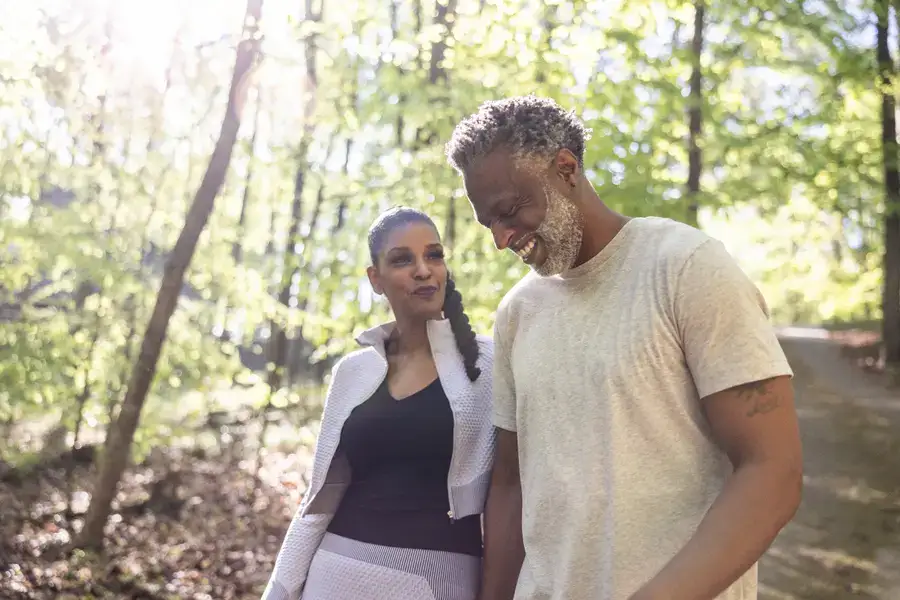
Many people assume Gen Z is simply more strict about dating than earlier generations, but experts say the picture is more complicated. Justin Lehmiller, a research fellow at the Kinsey Institute and host of the “Sex and Psychology Podcast,” has studied age-gap relationships for about 20 years. He has explained that negative views about these couples have existed for a very long time and are nothing new.
Via Buzzfeed
In 2008, Lehmiller worked on a study that looked at how much social disapproval different types of couples faced. The results showed that couples with large age differences reported more judgment than gay or interracial couples at that time. Back then, terms like “cradle robber” and “cougar” were common ways to mock these relationships. The discomfort was already there, even if people expressed it differently than they do today.
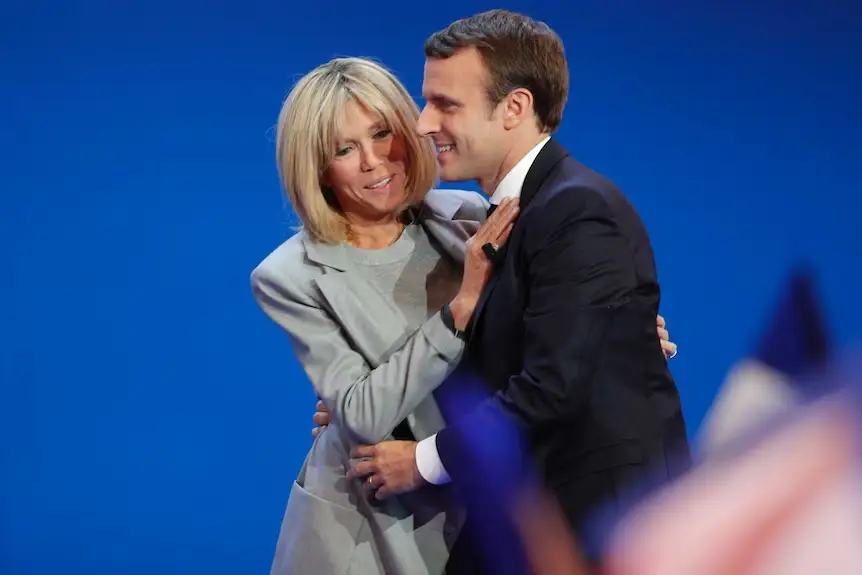
What has changed is how openly Gen Z shares its disapproval. Young people today feel comfortable posting criticism directly on celebrities’ social media pages. Aaron and Sam Taylor-Johnson have spoken out against the strange level of online judgment they receive. Billie Eilish and Jesse Rutherford took a lighter approach and mocked the criticism by dressing up as a baby and an old man for Halloween.
Via ABC News
Why the Word “Grooming” Keeps Coming Up
A major shift in this debate is who gets blamed. In the past, younger partners, especially women, were often labeled “gold diggers,” as if they were using the older partner for money or status. Lehmiller has noted that this view has mostly disappeared among Gen Z. Instead, younger partners are now often seen as victims who have been taken advantage of by someone older and more powerful.
According to Lehmiller, many in Gen Z believe that any age difference automatically creates a power imbalance that favors the older partner. This belief explains why the word “grooming” appears so often in online discussions. To these critics, a large gap is not just unusual but a sign that something unfair may be happening, even if both partners say they are happy and equal.

Via Northwestern Medicine
Some experts worry that the word is being used too freely. Gigi Engle, a certified sex and relationship psychotherapist and intimacy expert for the dating app 3Fun, has said that the term is being overused and losing its true meaning. She has pointed out that the same label has been unfairly aimed at trans people, gay people, and older adults dating younger ones. In her view, this reflects a fearful moment rather than a careful one.
Personal Experiences Shape Strong Opinions
Engle believes age itself plays a role in why Gen Z focuses so much on this topic. Younger people may be more open to manipulation, so they may also feel more afraid of it. A woman in her mid-thirties is less likely to feel threatened by interest from a man in his fifties than a woman in her early twenties would be. Engle also noted that age-gap relationships have existed throughout human history and that most of them involve nothing harmful.
Via Bored Panda
When young people are asked directly, their views are often more balanced than what appears online. Layla, a 23-year-old, prefers dating people within two or three years of her age. In her early twenties, she tried dating men over 30 but found it awkward. They had far more life experience, and their jokes and references did not match hers. Her memes and videos were met with blank stares, while their favorite old comedies did not interest her.
Mona, a 21-year-old college student in Georgia, holds an even firmer view. She sees her own parents’ 11-year age gap as somewhat uncomfortable and believes a relationship between an 18-year-old and a 25-year-old is not acceptable. She is also wary of people who mostly date much younger partners, pointing to Leonardo DiCaprio, whose past girlfriends have often been 25 or younger. She also believes the COVID-19 pandemic left many young adults feeling younger than their actual age.

Via Your Tango
Life Stage Matters More Than Numbers for Some
Amelia, 24, believes the stage of life matters more than the exact age. She sees no issue with a successful 28-year-old dating a successful 40-year-old, since both are established adults. In her view, grooming only applies when an adult meets a future partner while that person is still underage. She pointed to comedian Dane Cook, who met his wife Kelsi Taylor when she was in her late teens, as a troubling example.
Via The Times
Amelia also thinks some Gen Z critics go too far. She describes their attitude as a protective kind of feminism that treats grown women as if they cannot make their own choices. She compared it to how some Taylor Swift fans act as if the billionaire singer needs to be shielded from her relationship with NFL star Travis Kelce. To Amelia, this kind of worry can take away women’s independence instead of protecting it.
Still, Amelia understands where the concern comes from. Many in her generation had unsupervised internet access at a young age and spent time in chatrooms and online spaces that were not meant for kids. That made it easy for adult strangers to reach them. Growing up with that risk, or seeing friends treated that way, naturally shapes how young people view older adults showing interest in younger partners.

Via Time
Final Thoughts on Gen Z and Age Gaps
The age gap debate reflects larger shifts in how Gen Z thinks about power, consent, and fairness. These views are tied to the “puriteen” label that has followed this generation, as studies suggest they are having less sex than earlier generations and prefer fewer sex scenes in movies. For many young people, questioning age gaps is part of a wider effort to protect themselves and others from harm.

Via Herway
Experts remind people that the full picture is more balanced. Lehmiller has noted that research often finds more equality, not less, in age-gap relationships than many assume. There are likely just as many happy couples with large age differences as there are unhappy ones. A number alone rarely tells the whole story of how two partners treat each other day to day.

Via Business Insider
In the end, most young adults agree on one key point. Two consenting adults have the right to choose their own partners, even if others find the match unusual. People can raise concerns when real warning signs appear, but they should also respect the choices adults make. A healthy relationship depends on trust, respect, and equal care, and those qualities matter far more than the years between them.