Lifestyle / Health
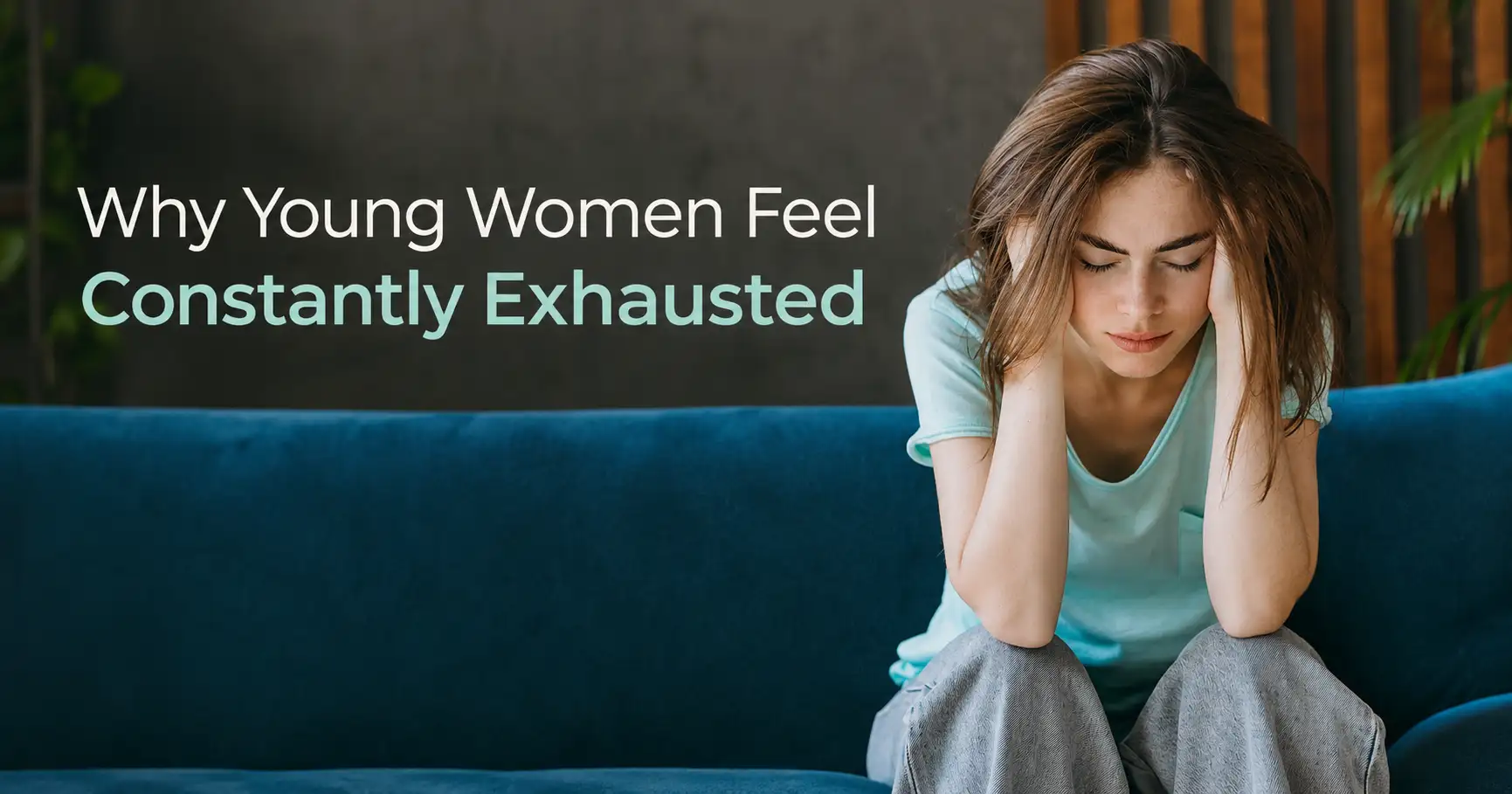
Why Young Women Feel Tired All the Time and What Can Help
Feeling worn out now and then is a normal part of modern life. A tight deadline at work, a few nights of broken sleep, or a packed social calendar can leave anyone feeling drained. In most cases, this kind of tiredness fades after a weekend of good rest and a return to a normal routine.
The body bounces back, energy returns, and life carries on as usual without much trouble. Doctors and health experts, however, are now noticing a different pattern. A growing number of young women are reporting a deep, steady tiredness that does not go away with sleep.

Via Health
This is not the same as burnout, which has been the main topic in recent talks about exhaustion among women. Instead, it is a quieter, low-level fatigue that lingers for weeks or even months at a time. What surprises many specialists is the type of woman who seems most affected.
Many are successful, driven, and busy professionals who look healthy and capable from the outside. Behind that polished image, they often struggle with constant low energy, foggy thinking, poor sleep, and a reduced ability to cope with daily stress. Because they keep functioning, the problem often goes unnoticed for a long time.

Via Healthline
How Fatigue Differs From Normal Tiredness
Ordinary tiredness usually has a clear cause and a clear fix. Fatigue, on the other hand, is a lasting drop in physical, mental, or emotional energy that feels much heavier than the effort a person has actually put in. Rest does not fully restore it. Someone might sleep eight or nine hours and still wake up feeling as if they never went to bed at all.

Via CHemist4U
The signs of fatigue can show up in many parts of daily life. In the mind, it often appears as brain fog, trouble focusing, or forgetting simple tasks. In the body, women describe low stamina, weak muscles, or a strange feeling of heaviness in their arms and legs. On the emotional side, motivation tends to fade, and activities that once felt exciting can start to feel like heavy chores.
One of the hardest parts about fatigue is that it often has no obvious trigger. There may be no single event, illness, or habit that explains why it started. This makes the condition difficult to spot and even harder to treat. Many women brush it off as a busy phase, and without proper attention, the exhaustion quietly continues and slowly affects work, relationships, and overall well-being.

Via Legacy For Women
Rubber Band Effect on the Body and Mind
A simple way to understand fatigue is to picture a rubber band. A rubber band can stretch very wide without breaking, and the human body works in a similar way. It can handle a great deal of pressure, change, and demand. The real issue is not how far it stretches but how long it stays stretched. Constant tension over a long period slowly wears down its strength.
When a rubber band is held tight for too long, it begins to lose its ability to return to its normal shape. Sometimes it snaps, but more often it simply becomes loose and weak. Fatigue works much the same way in the body. It acts as a warning signal that the system has been pushed past what it can safely handle for an extended period of time.

Via Everyday Health
Experts explain that the main problem behind fatigue is a loss of balance, often called regulation. The nervous system, hormones, metabolism, and the body’s response to inflammation can all fall out of sync. Modern life adds pressure to all of these at once. Endless screen time, blurred work schedules, and disrupted sleep cycles combine to place a heavy load on both the body and the mind.
Stress, Isolation, and Money Worries Behind the Exhaustion
Stress levels among young women have climbed sharply in recent years. A large survey in the United Kingdom found that about half of women aged 18 to 24 often or always feel high or extreme levels of pressure. Nearly the same share of women aged 25 to 34 reported similar feelings. These numbers show that heavy stress has become a regular part of life for many young adults.

Via Simply Psychology
Loneliness also plays a surprising role. The early twenties are often seen as a fun time filled with friends and new memories, yet many young women say they feel isolated. About six in ten reported that loneliness was driving their stress. Money pressure adds even more weight, as half of these women said that working extra hours or taking a second job to cover rising costs left them feeling stressed.
Job security is another major worry. Around four in ten women in the 25 to 34 age group reported fears about losing their jobs. When stress stays constant over a long period, it changes how the nervous system works. The body stays slightly stuck in fight-or-flight mode, sleep becomes lighter, inflammation increases, and the immune system weakens, making real recovery much harder to reach.

Via Business Insider
How Screens Keep the Nervous System on Alert
Hybrid and remote work have changed the way many people live and earn a living. These setups offer real benefits, such as more freedom, less time spent commuting, and flexible schedules. Many young women enjoy the ability to manage their own hours and work from the comfort of home. Yet this same flexibility comes with a hidden cost that is easy to overlook.
When work moves into the home, the line between job time and personal time starts to fade. The nervous system no longer receives a clear message that the workday has ended. Checking emails late at night or answering messages on weekends keeps the brain partly switched on. Over time, this constant connection creates a background sense of alertness that never fully turns off.

Via Your Path Therapy
Experts describe this state as mild hyperarousal, where the body stays slightly tense even during moments meant for rest. Phones, laptops, and endless notifications feed this cycle throughout the day and night. Health specialists stress that fatigue is not a sign of weak character. It reflects a real, measurable loss of balance in the body, and recovery needs to be planned on purpose to prevent long-term depletion.
Simple Sleep and Food Habits That Restore Energy
Good sleep habits are one of the strongest tools for calming the nervous system. Health experts suggest dimming the lights at least two hours before bedtime to help the brain prepare for rest. Adults should aim for seven to nine hours of sleep each night. A calm wind-down routine, followed at the same time every day, including weekends, helps the body find a steady rhythm.

Via Healthline
Food choices and eating habits matter just as much for energy. Skipping meals or eating quickly on the go can upset blood sugar levels, hunger hormones, and the body’s internal clock. These changes often lead to sudden energy crashes, strong cravings, and mood swings throughout the day. Many busy young women also fall short on protein and fiber, which leaves the body undernourished and more prone to fatigue.
Small, steady changes can make a big difference over time. Eating a proper breakfast instead of relying only on coffee helps keep blood sugar and stress hormones balanced. Choosing a few healthy go-to meals and rotating them during the week can reduce decision fatigue. Getting enough daily protein and fiber, or using a supplement when needed, supports steadier energy and better overall health.

Via American Association For Nutrition
When to See a Doctor and Which Tests Matter
These healthy habits may sound simple and familiar, but sticking to them every day is often the real challenge. Busy schedules, work pressure, and social demands make routines easy to break. Experts agree that the key to recovery is not a dramatic change but steady consistency. Small habits repeated daily tend to bring far better results than short bursts of strict effort.
Ignoring ongoing exhaustion can lead to serious health problems over time. Long-term fatigue has been linked to a higher risk of heart disease, metabolic problems, anxiety, and depression. It can also weaken the immune system and greatly reduce quality of life. For these reasons, health experts warn against treating constant tiredness as a normal part of being busy or young.

Via The Conversation
Anyone whose tiredness affects daily life, or who cannot find a clear reason for it, should speak with a health professional. Early help often makes recovery faster and easier. A doctor may look at sleep quality, menstrual and hormone history, mental health, and diet. Common blood tests include a full blood count, iron levels, thyroid function, vitamin B12, vitamin D, and HbA1c, which checks long-term blood sugar.
Signs of Progress and Hopeful Path
The good news is that real progress is being made in understanding and treating fatigue in women. Many companies are setting clearer rules around work hours and personal time. This helps employees protect their evenings and weekends, giving the nervous system a much-needed chance to rest. These workplace changes are slowly creating healthier patterns for young professionals.

Via Science Daily
Research into women’s health is also growing faster than ever before. Scientists are studying female hormones in greater detail and paying more attention to health issues that mainly affect women. There is also wider recognition of the mental and emotional work that many women carry every day. This growing awareness is helping doctors spot fatigue earlier and offer more useful treatment options.

Via Fox Health
On a personal level, more people are embracing steady routines for sleep, meals, and movement. Health experts believe the future of preventive care will focus less on pushing harder and more on restoring balance. For young women facing constant exhaustion, the path forward is about making room for rest, listening to the body’s signals, and building simple habits that bring energy back over time.