Lifestyle / Health
What Is Ozempic Hair? Causes, Recovery, and Prevention Tips
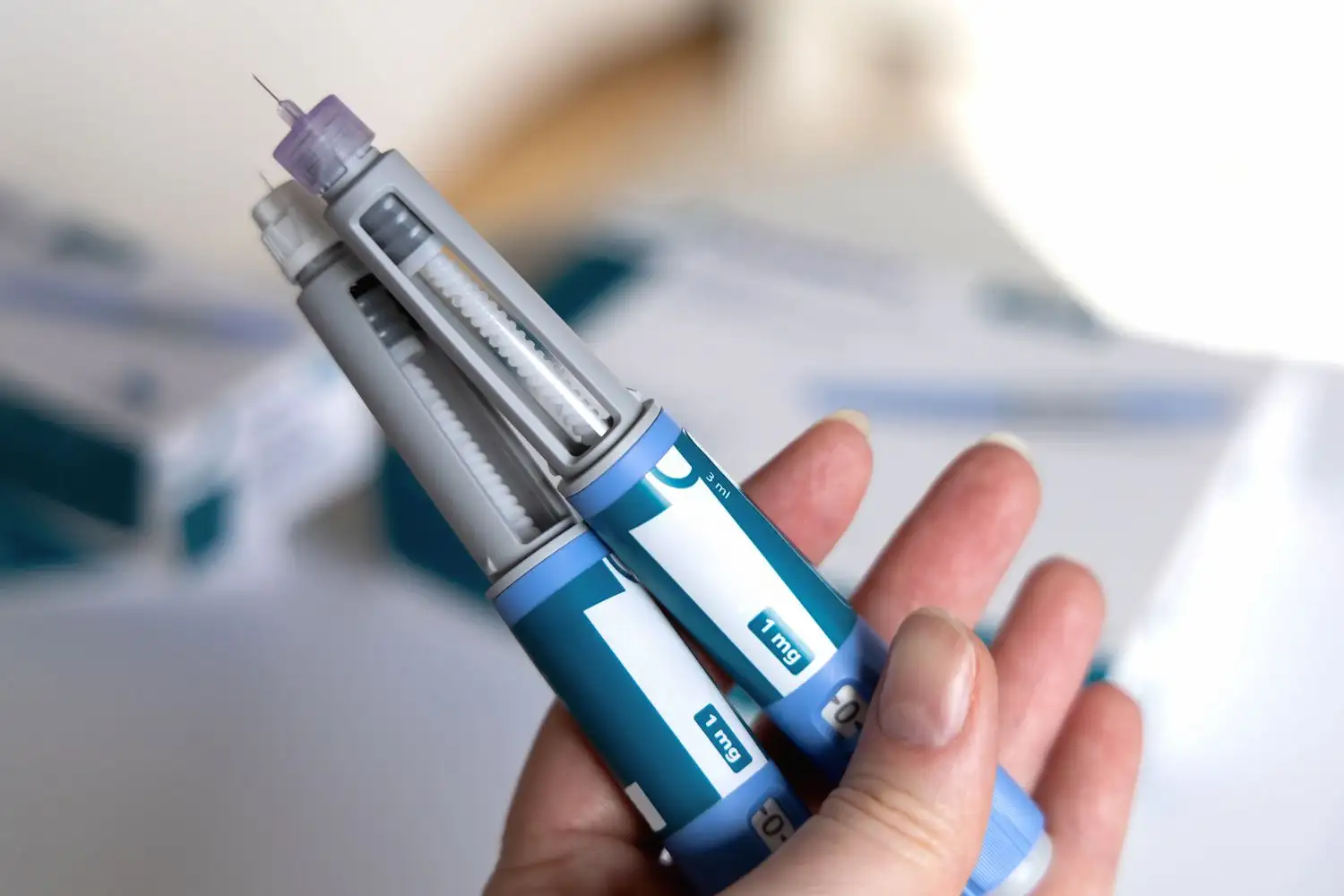
GLP-1 medications have changed the way many people approach weight loss, and their impact on health and fitness will be discussed for years. Drugs such as Ozempic, Wegovy, Mounjaro, and Zepbound help people lose weight by reducing appetite and slowing digestion.
Along with these results, a new set of cosmetic side effects has drawn attention online, especially in forums and social media groups where users share their experiences. One of the first changes to get a nickname was “Ozempic face,” which describes a hollow or aged look that can appear after fast weight loss.
Via Health
Now a second term has joined the list. “Ozempic hair” refers to noticeable hair thinning and shedding that some people report after starting these medications, and it has become a common worry for anyone considering treatment. Doctors and patients are now working through these new beauty concerns together.
Hair is closely tied to how people feel about their appearance, so even temporary shedding can be upsetting. Understanding why it happens, how long it lasts, and what can be done about it helps people make calm, informed decisions instead of panicking at the first sign of extra hair in the brush.

Via UC Davis
What the Term Actually Means
“Ozempic hair” is not an official medical diagnosis. It is a casual label that borrows the name of the best-known GLP-1 brand, even though the same issue can show up with any drug in this class. Dermatologists use the phrase to describe increased hair shedding that some people notice a few months after beginning medications such as semaglutide or tirzepatide.
The name can be misleading because it suggests the drug itself attacks the hair. In reality, the shedding pattern looks very similar to hair loss seen after crash diets, major surgery, illness, or childbirth. What links these situations is a sudden stress on the body, and fast weight loss is one of the most common stressors in modern life.
Via The Well By Northwell
Some clinical trial data on these medications has noted hair loss in a small share of participants, usually those who lost the most weight. Experts point out that this does not prove a direct chemical effect on hair follicles. Instead, it supports the idea that the speed and size of weight loss, along with eating far less food, are the main drivers behind the problem.
The Real Cause Behind the Shedding
The medical name for this type of hair loss is telogen effluvium. It is a temporary condition in which more hairs than usual stop growing and enter a resting stage at the same time. Triggers include rapid weight loss, sharp changes in diet, low nutrient intake, and other physical stress, rather than any direct damage from the medication to the hair root.
Via Head & Shoulders
Every hair on the scalp moves through a cycle of growing, resting, and shedding. Normally, most hairs are in the growth phase, while only a small portion rest and fall out each day. When the body suddenly receives fewer calories, it focuses its energy on vital organs like the heart, brain, and kidneys. Hair growth is not essential for survival, so it gets pushed down the priority list.
Nutrition plays a major role in this shift. People on GLP-1 drugs often eat much smaller meals, which can lead to low protein, iron, zinc, and other key nutrients. Since hair is built mostly from a protein called keratin, a shortage of building blocks can push even more follicles into the resting phase. Appetite suppression makes it easy to fall short without realizing it.
Via Root MD
Why Hair Falls Out Months Later
One confusing part of telogen effluvium is the delay. Hair does not start falling out the moment weight loss begins. Specialists explain that it usually takes about two to four months after the trigger before shedding becomes visible. By then, many people have already forgotten when the stress started, so the connection is not always obvious.
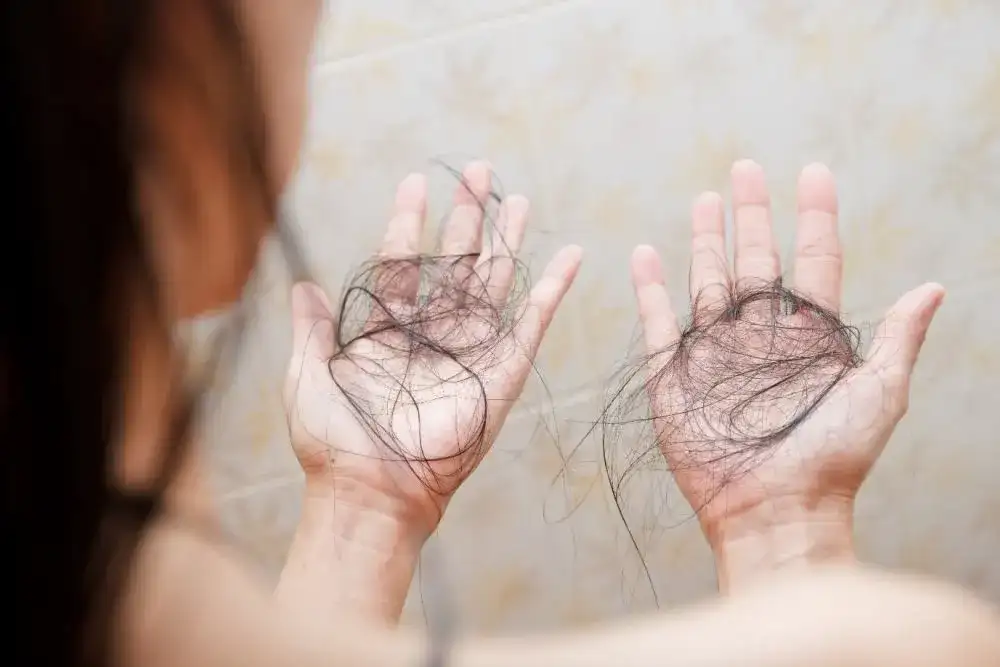
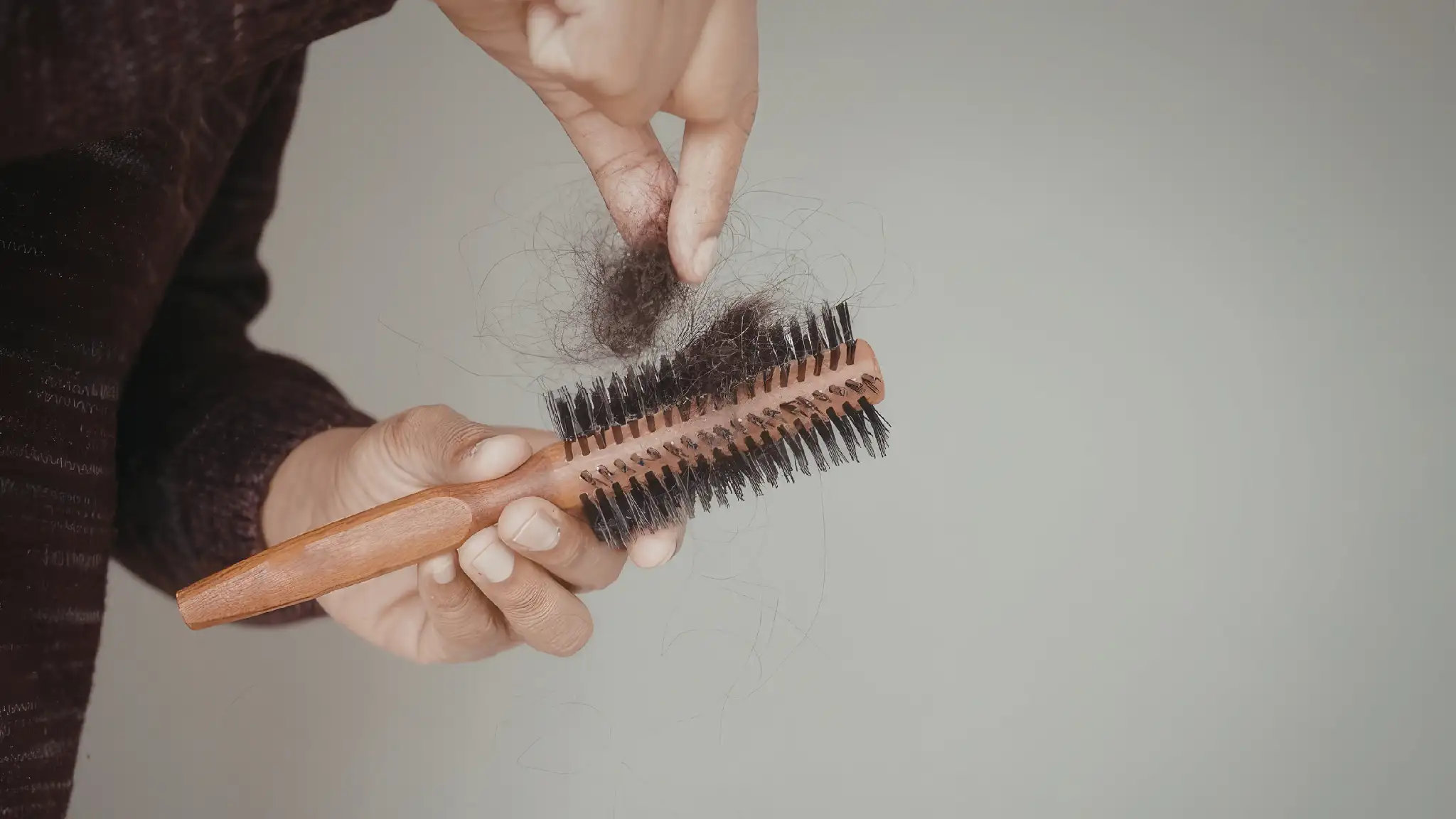
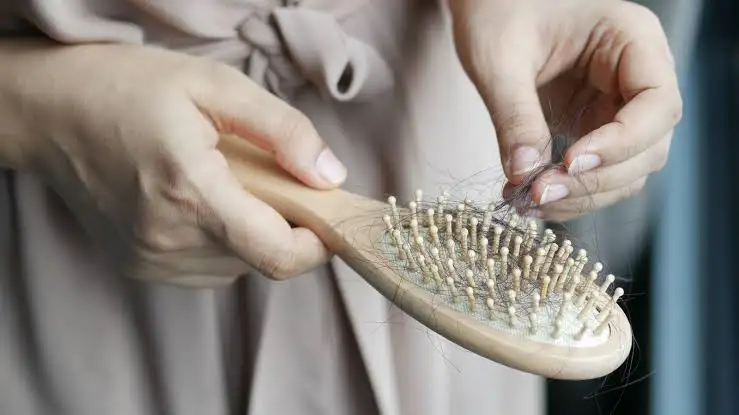
During that waiting period, affected hairs sit quietly in the resting phase while new hairs slowly form beneath them. Once the new growth pushes forward, the old hairs are released. Because many follicles entered the resting stage around the same time, a large number tend to shed together, often showing up in the shower drain, on pillows, or in hairbrushes.
Via NBC News
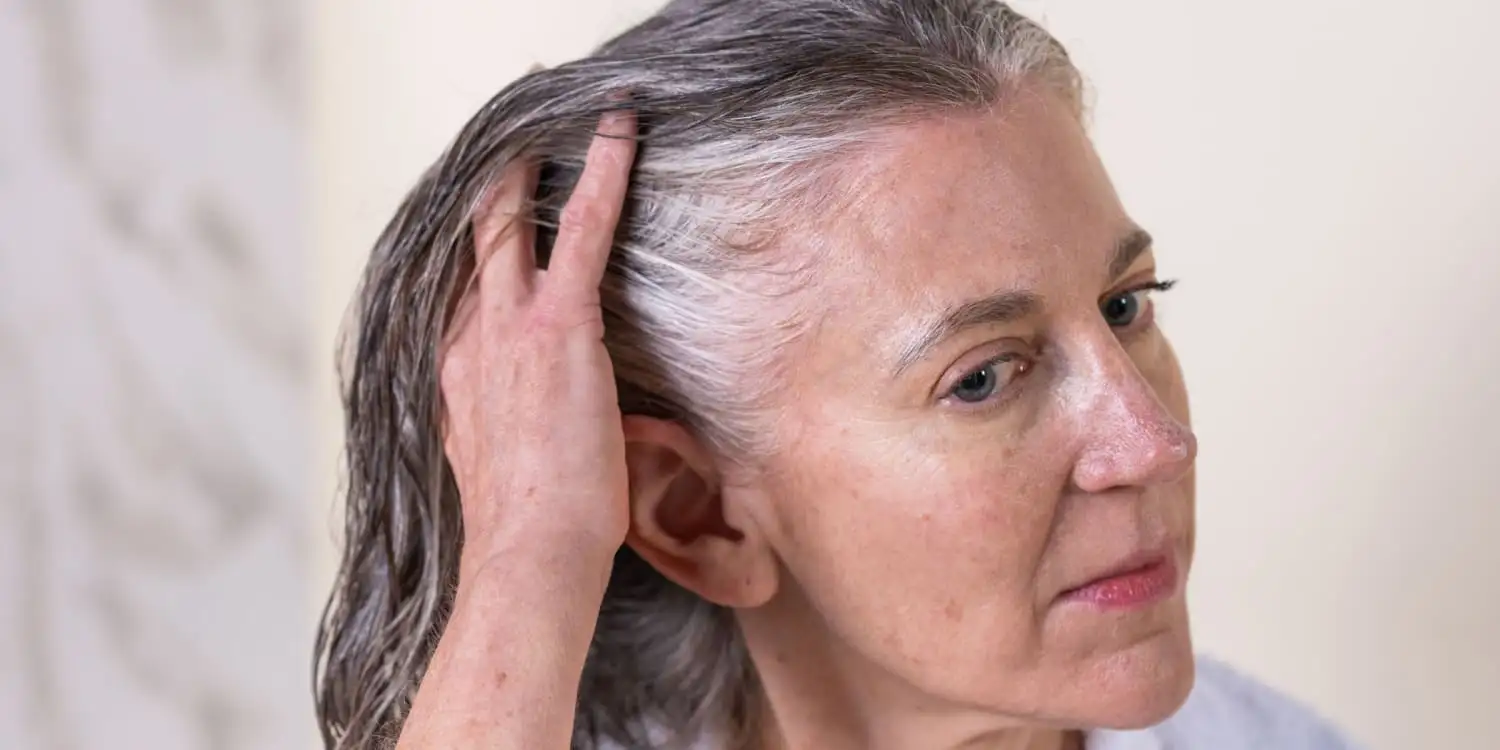
This sudden wave can be alarming, especially for people who were feeling good about their weight loss progress. It often shows as overall thinning across the scalp rather than bald patches. Knowing that the shedding reflects something that happened months earlier can ease anxiety and help people avoid quick, unproven fixes that may not help at all.
Is the Hair Loss Permanent?
For most people, the answer is reassuring. Telogen effluvium is a non-scarring form of hair loss, which means the follicles stay alive and capable of growing new hair. Unlike conditions that destroy follicles permanently, this type of shedding usually improves on its own once the body adjusts to its new state.
Via Watermans Hair Loss
Dermatologists note that when weight levels off or the medication is stopped, there is a good chance the hair will return. Regrowth is gradual, and it can take several months before fullness is noticeable, since hair grows only about half an inch per month. Patience is an important part of recovery, as new strands need time to reach a visible length.
There is one catch. Many GLP-1 treatments are designed for long-term use to keep weight from coming back. Stopping the drug simply to protect hair may not be the right choice for a person’s overall health. This is why the focus usually shifts toward supporting hair while continuing treatment, rather than giving up the medication entirely.
Via Medical News Today
Steps to Take Before and During Treatment
Any change to diet, hair care, or medication schedule should begin with a conversation with a doctor. Some experts even suggest raising the topic before starting a GLP-1, so that hair health becomes part of the overall treatment plan from day one. This allows doctors to watch for early signs and offer guidance before problems grow.
A scalp exam is not always needed before beginning treatment. Dermatologists say it becomes more important for people who already have thinning hair or a history of hair loss. Conditions such as genetic pattern hair loss, thyroid problems, or low iron can be made more noticeable by rapid weight loss, so identifying them early helps doctors plan the right approach.

Via MdHair
Following the dosing schedule set by a physician is also important. Rushing to higher doses or combining medication with extreme dieting can speed up weight loss beyond what the body handles well. Experts agree that slow, steady progress is the safest way to reduce the risk of heavy shedding while still getting the health benefits these drugs offer.
Nutrition That Supports Healthy Regrowth
Restoring a normal hair cycle often starts from the inside. Getting enough protein every day is one of the most important steps, because hair depends on protein to grow. Lean meats, fish, eggs, dairy, beans, lentils, and tofu are all helpful choices, even when appetite is low and portion sizes are small.

Via Supplements Wise
A balanced diet should also include iron, zinc, vitamin D, and other key nutrients that support healthy follicles. Leafy greens, nuts, seeds, whole grains, and fortified foods can help fill the gaps. Doctors may order blood tests to check for deficiencies, since low iron or vitamin D levels are common and can be corrected with the right supplements under medical guidance.
People who are eating far less than usual may benefit from speaking with a registered dietitian. A professional can design a meal plan that fits reduced hunger while still meeting nutritional needs. Paying attention to nutrition early in the weight loss journey gives hair the best possible chance of staying strong and full throughout treatment.

Via Dr Axe
External Care and Treatments for Thinning Hair
Some outside treatments can help keep remaining hair healthy and may reduce shedding. Certain dermatologists recommend hair growth supplements for patients with thinning, but only after any underlying nutritional problems have been found and fixed. Taking supplements without knowing the cause can waste money and, in some cases, interfere with lab test results.
Topical serums designed to support the scalp and follicles are another option experts mention. Red light therapy applied to the scalp is also believed to help stimulate follicles and encourage growth. For more noticeable thinning, a dermatologist may discuss proven treatments such as topical minoxidil, which can help shorten the time it takes for hair to recover.
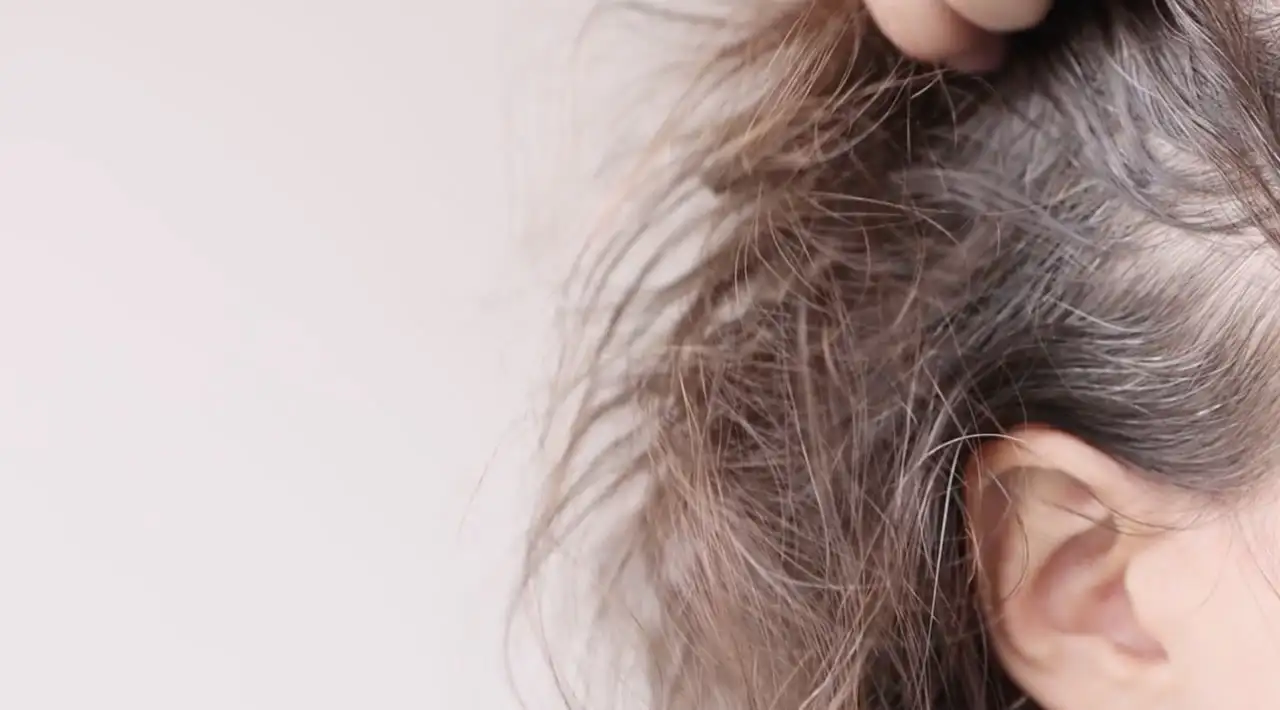
Via Health
Daily hair care matters as well. Using a moisturizing conditioner and a leave-in treatment can prevent existing strands from becoming dry, brittle, and prone to breakage. Gentle brushing, fewer heat tools, and avoiding tight hairstyles can also protect fragile hair while the growth cycle returns to normal.
Protecting Hair Through the Weight Loss Journey
Experts across the board agree on one main point. The best way to lower the risk of heavy shedding from GLP-1 medications is to aim for gradual, sustainable weight loss rather than rapid drops. A slower pace puts less stress on the body, giving hair follicles a better chance to stay in their growth phase.

Via Prevention
Sticking closely to the dosing plan set by a physician is just as important as diet. Regular checkups allow doctors to track progress, spot early warning signs, and adjust treatment if needed. Maintaining enough protein and screening for nutritional gaps are considered two of the most valuable preventive measures people can take.

Via Everyday Health
“Ozempic hair” can feel frightening, but it is usually temporary and manageable. With good nutrition, patience, gentle hair care, and support from healthcare providers, most people see their hair recover over time. Understanding the cause allows people to focus on their health goals without losing confidence in how they look and feel.