Lifestyle / Health
Great Skin at Every Age: 7 Proven Expert Strategies
The word “longevity” now shows up almost everywhere. It appears on skin care bottles, in fitness studio ads, and even on packages of pet food. This trend reflects a bigger change in how people think about growing older. Instead of treating age as a problem to hide, more people now see it as a natural part of life that can be managed with care, science, and smart daily choices.
For a long time, women were taught never to reveal their age. The idea was that admitting to a certain number was somehow embarrassing, as if surviving many years was something to be ashamed of. The old “anti-aging” message carried a similar tone.
Via No 7 Beauty
That message has started to feel tired and out of date. Women spend the majority of their lives at ages they are often told are “too old,” so the constant battle against time can feel pointless. A growing number of people now want something more honest and realistic. They want skin that looks healthy and strong at their current age, not skin that pretends a decade or two never happened.
Why the Anti-Aging Message Is Fading
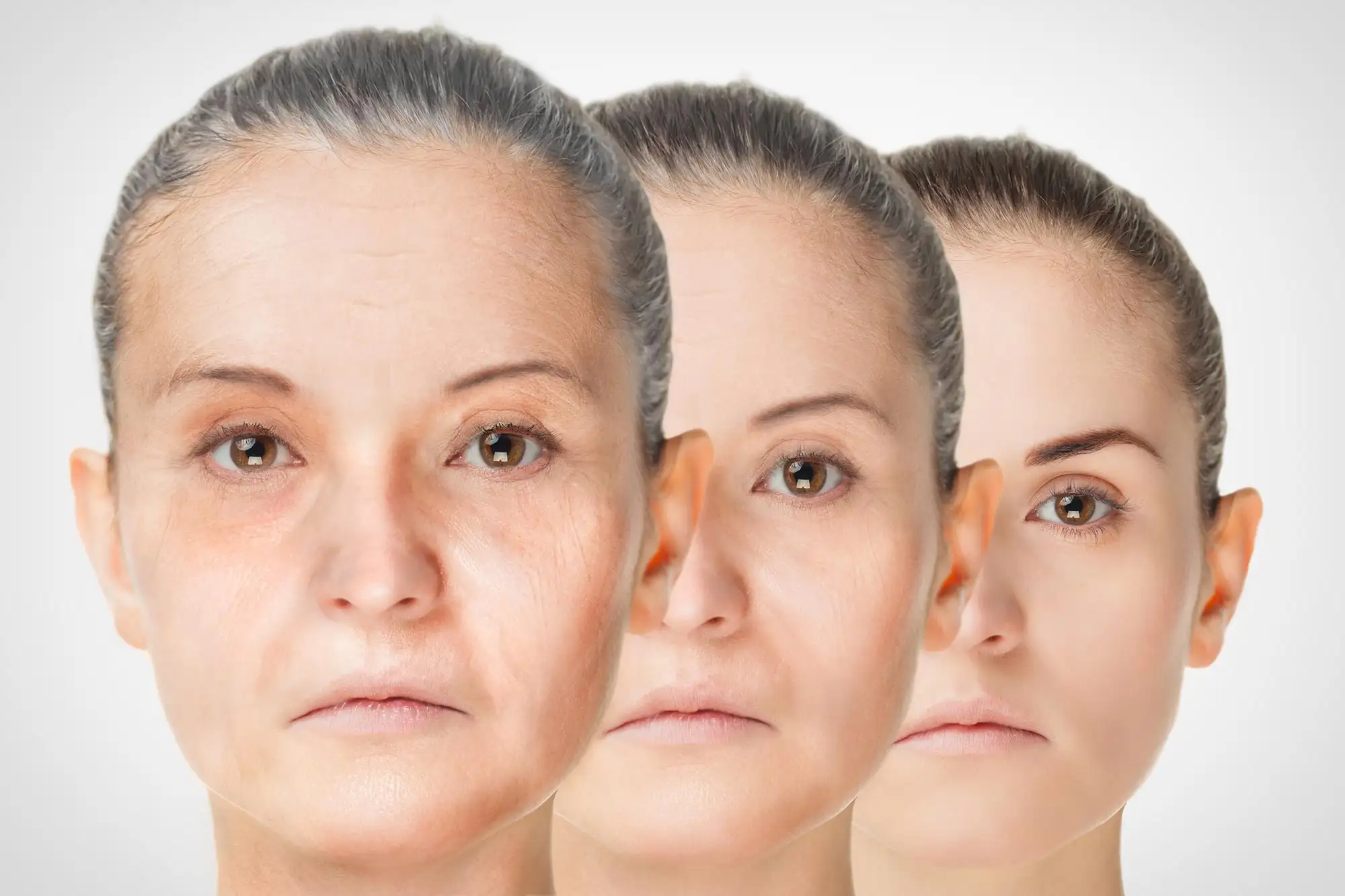
Social media has played a surprising role in this shift. Even with its many harmful messages about beauty, it has shown that audiences of every gender enjoy and respond to images of older women. Advertisers from earlier generations never expected this level of interest. It has proven that people find real, mature faces appealing, and that there is a strong demand for beauty that does not depend on looking young.
Via Science Tech Daily
The wellness and longevity movements have also gone mainstream. Many people now believe that looking good should be a reflection of feeling good and being healthy on the inside. At the same time, cosmetic procedures have become far more powerful than before.
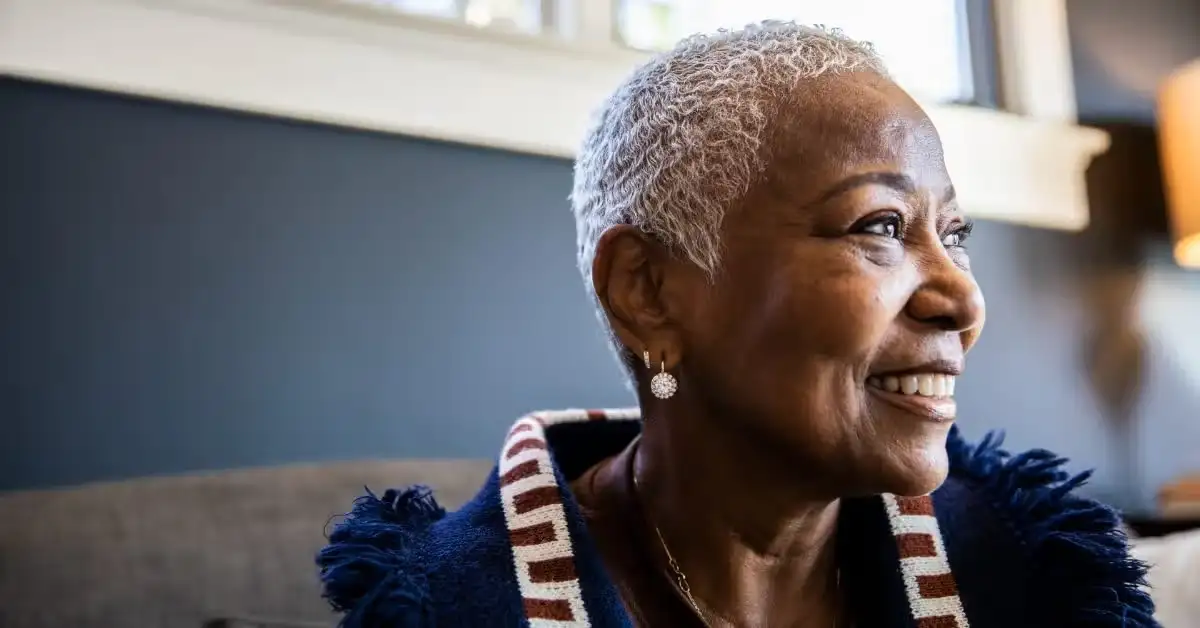
All of these changes have pushed the old slogans aside. Topics that were once avoided, such as menopause, are now discussed openly. The new focus is on looking good at a certain age rather than looking good for that age. Experts describe this as a move from fighting age to owning it, with aging treated as a journey that can be guided through knowledge, choice, and self-respect.
Via Medical News Today
What Skin Longevity Really Means
Skin longevity is the beauty industry’s newest promise, and like anti-aging, it has no official definition. The idea follows the same logic as general longevity. Nobody expects to keep a young body forever, and everyone accepts that the body will eventually slow down. Skin longevity is about aging well, with skin that stays healthy, strong, and full of life over many years.
This approach does not chase a perfectly smooth face with no lines at all. Freezing the skin at one moment in time, even if it were possible, would ignore the natural growth and change that come with life. Skin longevity accepts aging as a fact.

Via Seppic
Experts also agree that no single product can deliver these results. The belief in one miracle cream, one special device, or one surgery is considered outdated thinking. Just as overall health depends on exercise, sleep, diet, and mental wellbeing, healthy skin depends on many factors working together. The smartest plan combines several proven habits into everyday life.
Understanding the Role of Inflammation
Inflammation sits at the center of new research in skin care and overall health. It has long been seen as a major driver of aging. Scientists explain that the immune system works like a sensor, picking up signals from the environment and reacting to them. It developed to fight germs and infections, which caused short bursts of reaction that faded once the threat was gone.
Via Synergie Skin
Modern life has changed that pattern. The body now faces constant exposure to things it never evolved to handle, such as plastics and polluting chemicals in the air and water. Because these signals never stop, the immune reaction never fully shuts off. Over time, this ongoing inflammation builds up and damages organs throughout the body.
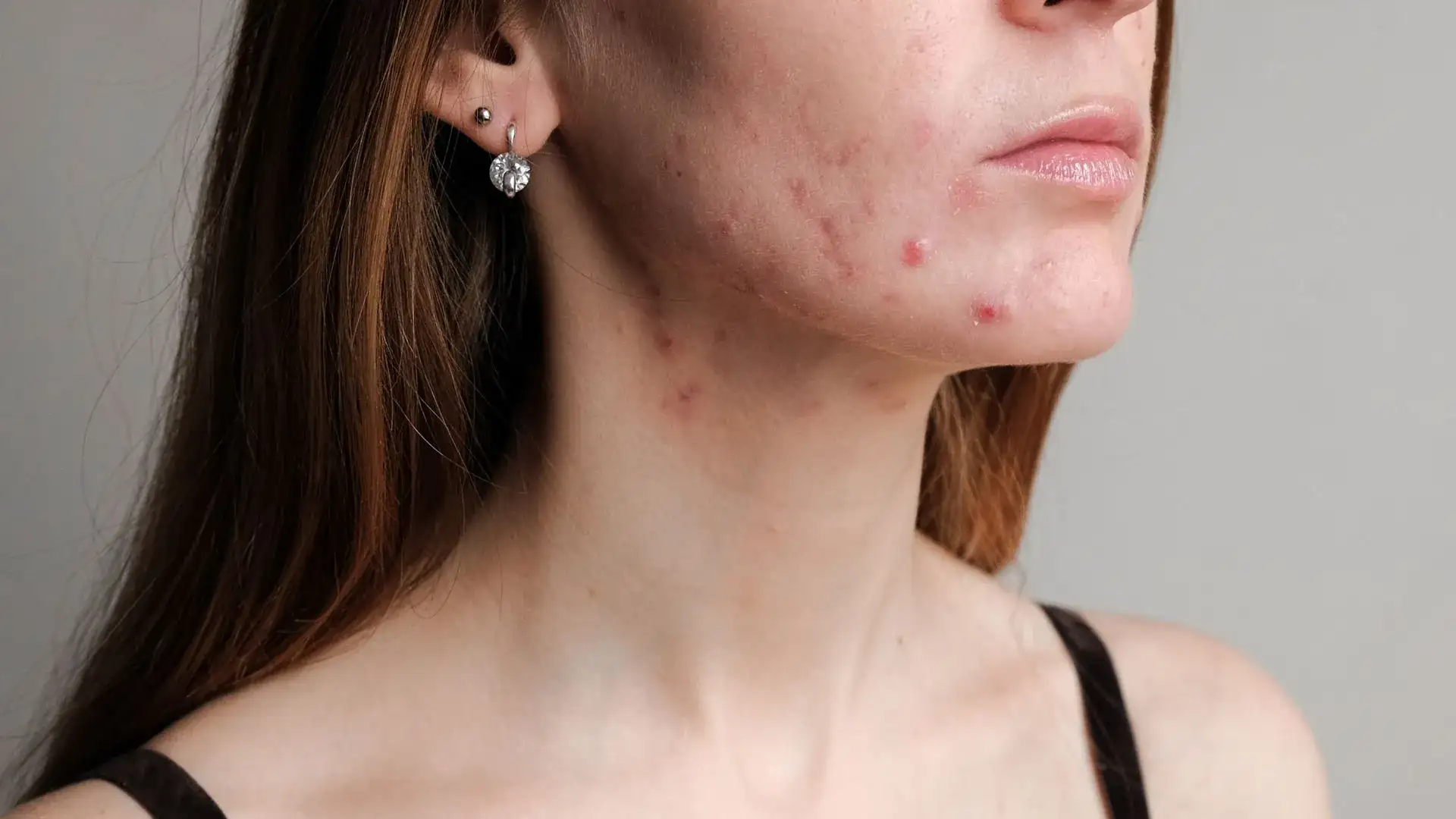
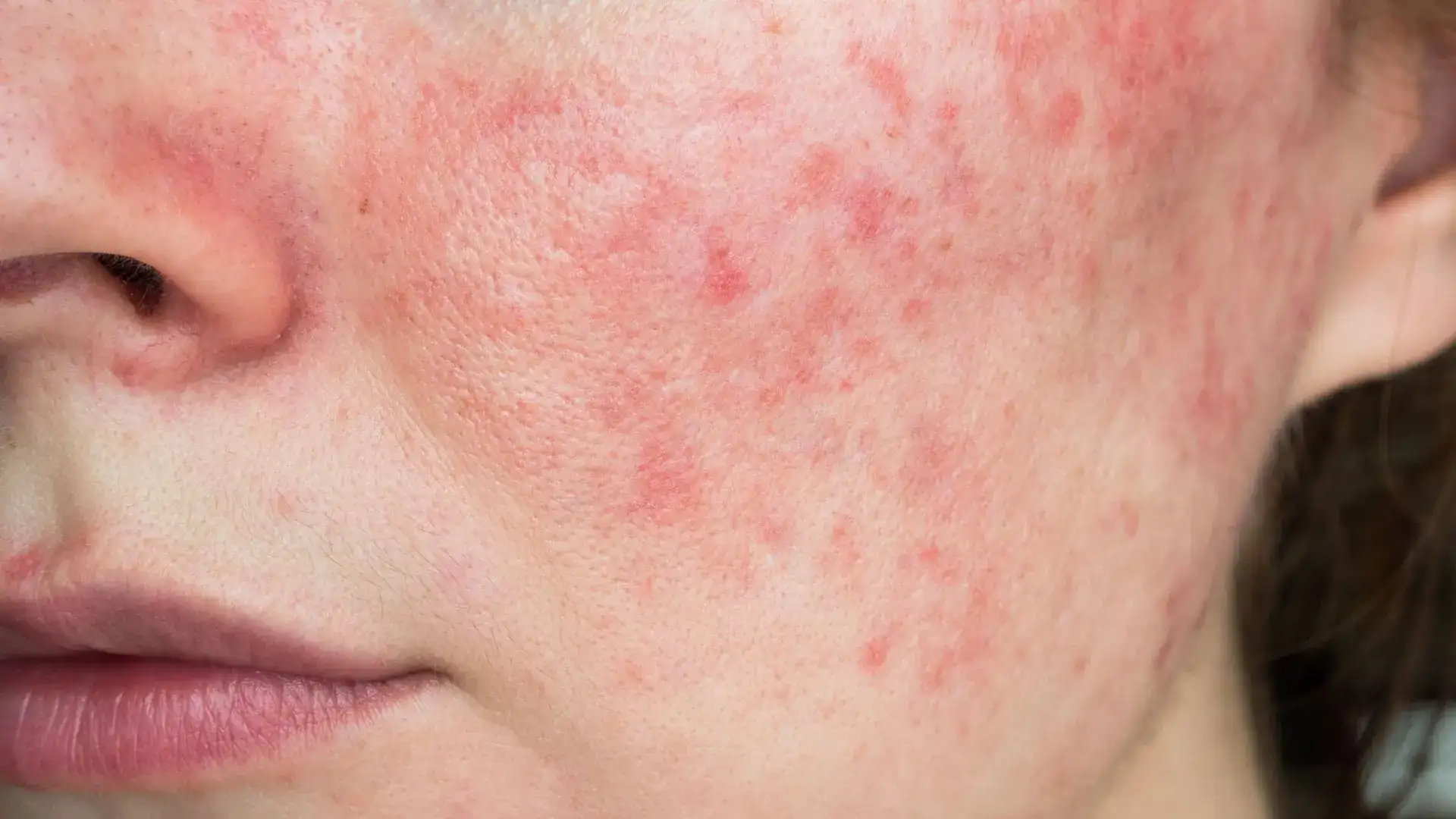
This chronic inflammation breaks down collagen and elastin, which keep skin firm and bouncy. It also weakens the skin’s natural barrier and can trigger extra pigment, leading to wrinkles and brown spots. Researchers believe the connection runs both ways, since skin can also reveal what is happening inside the body.
Via Synergie Skin
Avoiding the Biggest Skin Damagers
What a person avoids may matter more than any treatment they add. Dermatologists point to three major threats to healthy skin: the sun, tanning beds, and cigarettes. No cream, serum, or treatment can make up for regular exposure to these. Cutting them out is the strongest foundation for any skin plan, and it costs nothing at all.
Smoking is especially harmful. It causes nearly every visible sign of aging, including wrinkles, dryness, dark spots, and stiffness in the skin. It can also worsen inflammatory skin conditions such as psoriasis. The good news is that the skin can recover. A well-known study found that when women stopped smoking for nine months, the biological age of their skin dropped by an average of 13 years.
Via Symtten
That result shows how quickly the body can respond to positive change. Quitting harmful habits gives the skin a real chance to repair itself. It also means that it is never too late to start making better choices. Removing these damaging factors lays the groundwork so that every other healthy habit can work much more effectively.
Building a Smart Skin Care Routine
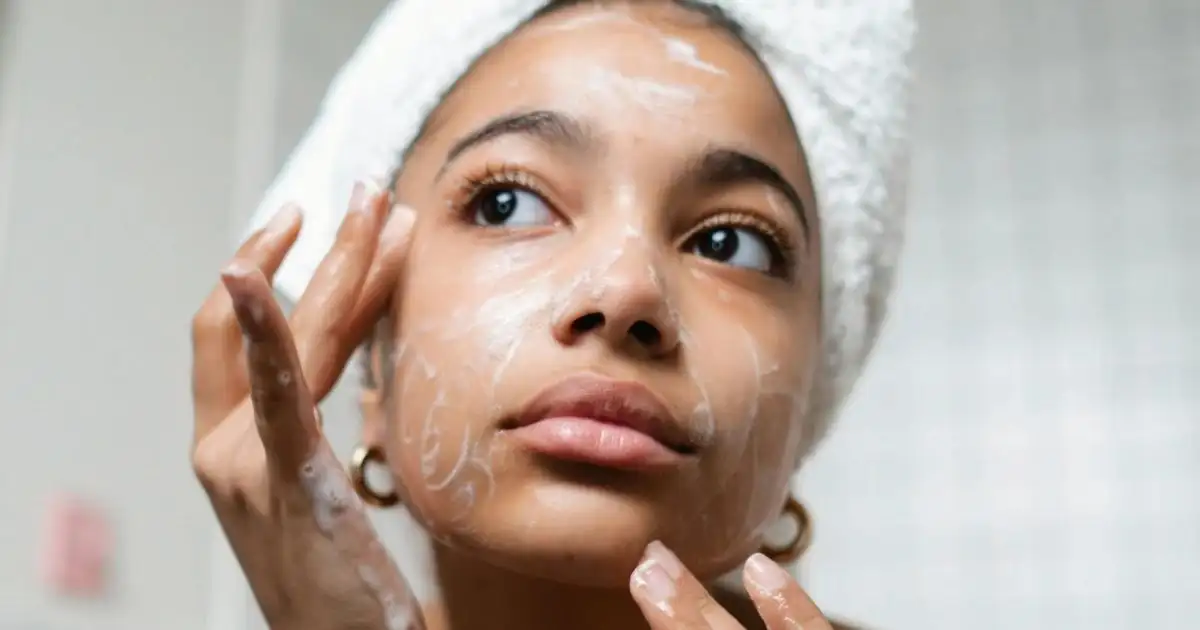
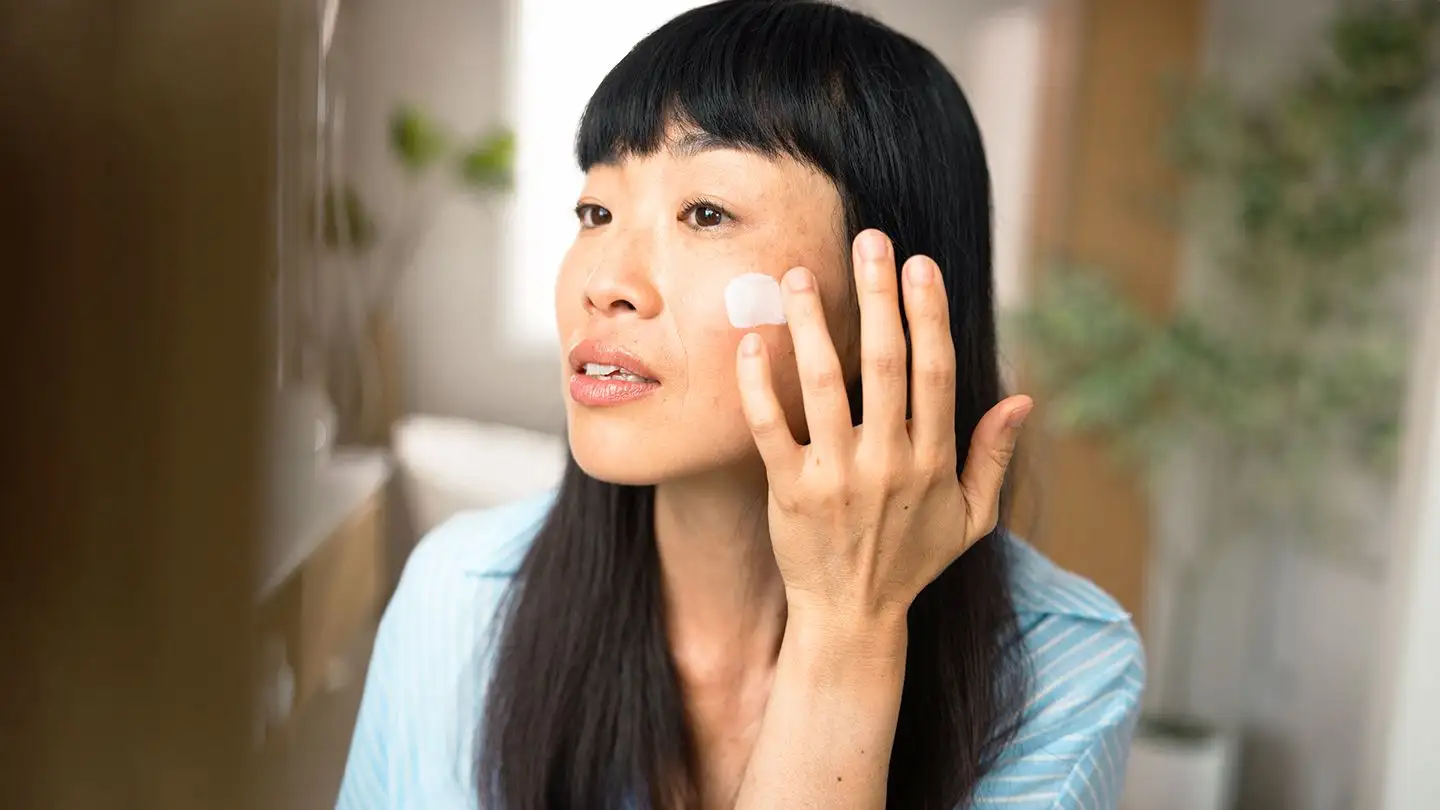
Some skin care ingredients have decades of solid research behind them. Retinol stands out as the most trusted option, and experts widely call it the gold standard for long-term skin health. Retinoids help improve skin texture and reduce fine lines. Antioxidants work alongside them by helping the skin defend itself against daily environmental stress, which is one of the main causes of aging.
Via Everyday Health
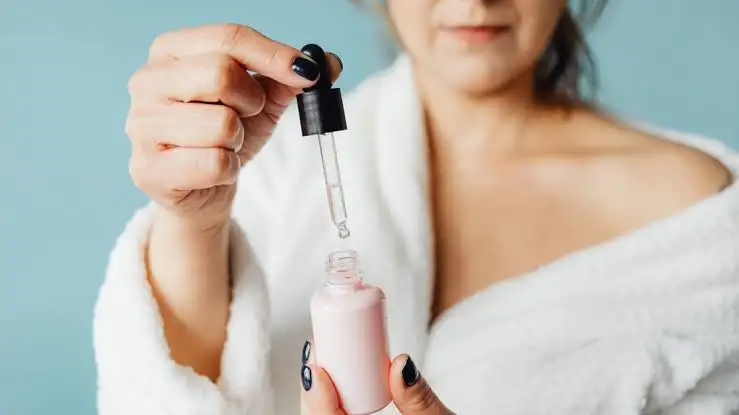
Peptides make a strong addition to retinol and antioxidants. They help support the skin’s natural communication systems and its long-term function. Many specialists recommend combining retinoids, vitamin C, and peptides to boost the skin’s ability to restore itself. Gentle cleansing and moisture-holding products are also important. Some experts warn against harsh toners, since they can strip away natural oils and helpful bacteria that protect the skin.
Newer ingredients are also showing promise. Compounds such as PDRN, urolithin A, NAD+, and nicotinamide have produced encouraging early results. Scientists are learning how to replace substances like NAD+ that naturally decline with age. Researchers have even worked with NASA to study how simulated low gravity speeds up aging in tissue samples, which helps them test compounds that could slow the process in skin and other organs.
Via Watermans
Making Sun Protection a Daily Habit
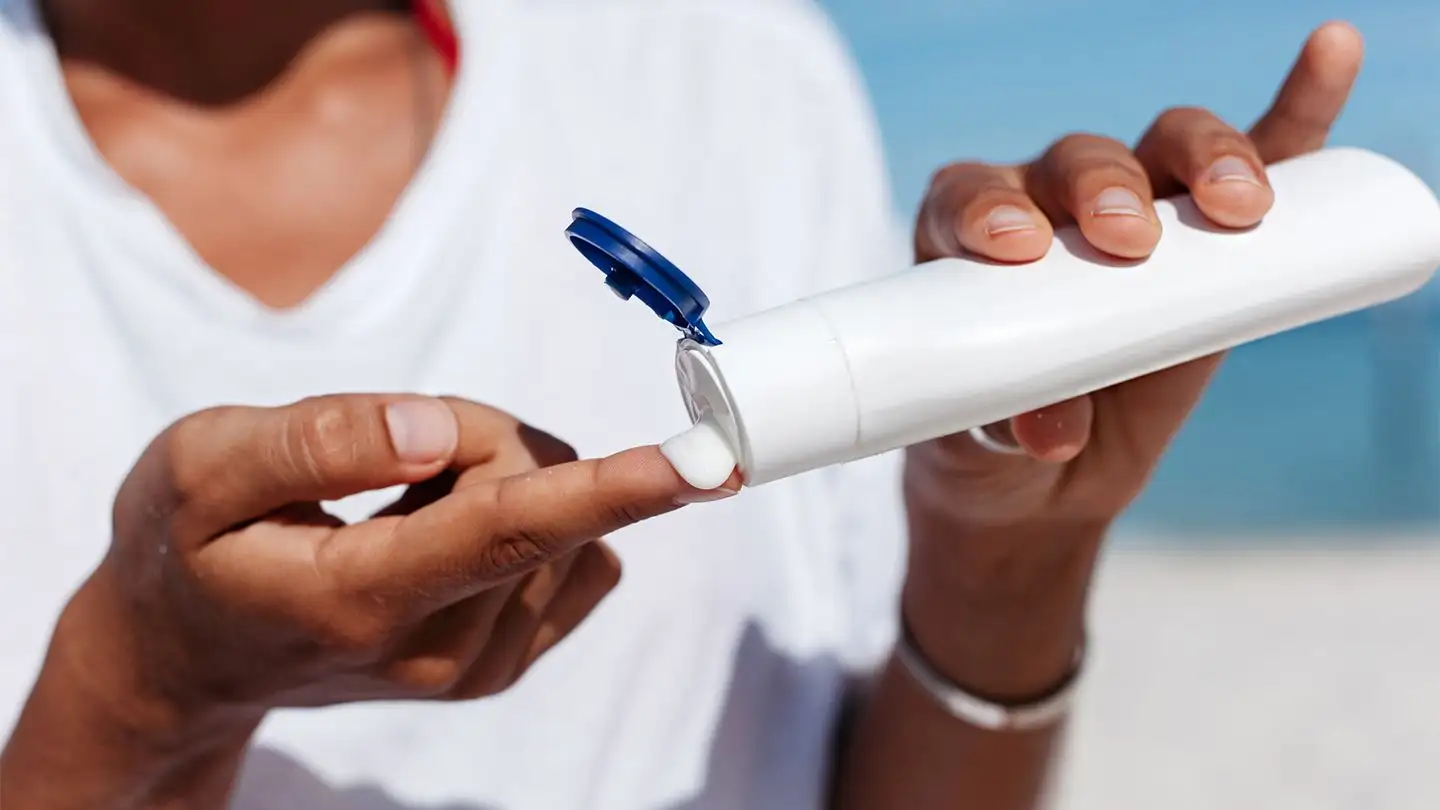
Sunscreen is the closest thing to a true miracle product for skin longevity. Every expert agrees on its value for keeping skin healthy and vibrant for years. Tanning, and tanning beds in particular, work directly against long-lasting skin health. Daily protection is one of the simplest and most effective habits a person can build into a morning routine.
Many specialists prefer physical sunscreens, which use minerals to block the sun’s rays. Some chemical sunscreens can irritate the skin, and that irritation may add to inflammation. Since skin is the body’s largest organ, it receives more environmental signals than any other part of the body. Protecting it from sun damage may help reduce inflammation that can affect overall health, not just appearance.
Via Everyday Health
The basic advice is easy to follow. Staying out of strong sunlight when possible and using a broad-spectrum SPF 30 or higher every day makes a major difference. Experts estimate that up to 80 percent of visible facial aging comes from UV exposure rather than natural aging. That means a large share of wrinkles and spots can be prevented with consistent protection.
Getting Better Sleep and Managing Stress
Looking well-rested starts with actually being well-rested, and nothing can replace good sleep. Research shows that sleeping five hours or less can cause the skin to lose more moisture and slow its ability to heal. One study found that poor sleepers had about 30 percent weaker barrier recovery three days after a minor skin injury, along with more signs of natural aging.

Via The Conversation
Healthy sleep habits also help keep inflammation under control. Disruptions to the body clock, such as travel across time zones, restless nights, or late screen use, can trigger an immune response. Building a steady bedtime routine, limiting screens before sleep, and keeping a regular schedule can all support calmer, healthier skin over time.
Stress creates its own set of problems. It often makes sleep worse, which then affects the skin, but it also causes damage directly. Research has linked ongoing stress to faster biological aging through changes inside cells and increased inflammation. Finding ways to relax, such as walking, deep breathing, or spending time with loved ones, can benefit both the mind and the skin.

Via Virtua
Staying Active With Cardio
Exercise seems like an obvious boost for skin, since a healthy glow often appears after a workout. Proving the long-term benefits is harder than it sounds. People who begin and stick with fitness routines often improve other habits at the same time, such as eating better or sleeping more. That makes it difficult to know exactly which change is helping the skin.

Via Glowverse
Even so, there is good evidence that better circulation from exercise supports healthy skin. Research has not clearly shown whether cardio or strength training is better. A 2023 study found that both types of exercise improved skin elasticity and structure in a meaningful way. Strength training also increased the thickness of the deeper skin layer, which may help skin look firmer.

Via Base skncare
Staying inactive, on the other hand, clearly increases inflammation. The body treats a lack of movement much like a sign of illness. Experts suggest taking every small chance to move, such as parking farther from store entrances or choosing the stairs. Walking just 10 to 20 minutes a day has been linked to major benefits for overall health and lifespan.