Lifestyle / Health
Why Alcohol Remains One of the Most Dangerous Drugs
Alcohol has been part of human culture for centuries and continues to play a major role in social gatherings across the world. It is commonly served during celebrations, family dinners, business events, vacations, sporting occasions, and many other activities where people come together to relax and connect with others.
For many people, drinking alcohol is viewed as a normal social activity rather than a harmful behavior. A glass raised during a celebration or a drink shared among friends is often seen as a symbol of enjoyment, making alcohol one of the most socially accepted substances in modern society.

Via Sky News
Its widespread presence can sometimes make people forget that alcohol is a powerful drug capable of affecting both the body and the brain. Because drinking is so deeply connected with traditions and social customs, many individuals overlook the serious health risks that may develop over time.
Why Alcohol Is Considered a Dangerous Drug
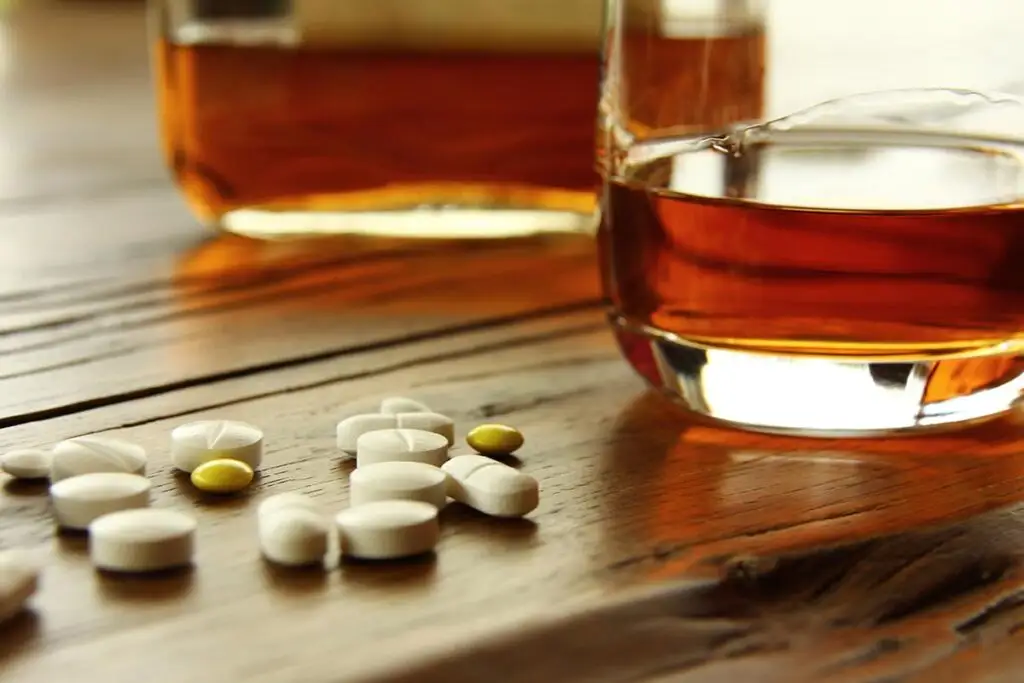
Although alcohol is legal in many countries, it affects the brain in ways similar to other addictive substances. It changes mood, slows reaction time, reduces judgment, and affects decision-making, which is why health experts classify it as a psychoactive drug with significant health risks.
Via Zelus
Unlike many illegal drugs that are used by a smaller number of people, alcohol is easily available and widely consumed. This combination of accessibility and social acceptance allows harmful drinking habits to develop gradually without attracting the same level of concern from friends, families, or even the individuals themselves.
The danger of alcohol does not depend only on heavy drinking. Regular consumption over long periods may slowly damage the body without producing immediate warning signs, making it possible for health problems to develop before a person realizes the effects of continued alcohol use.

Via Unlock Food
How Alcohol Affects the Brain and Mental Health
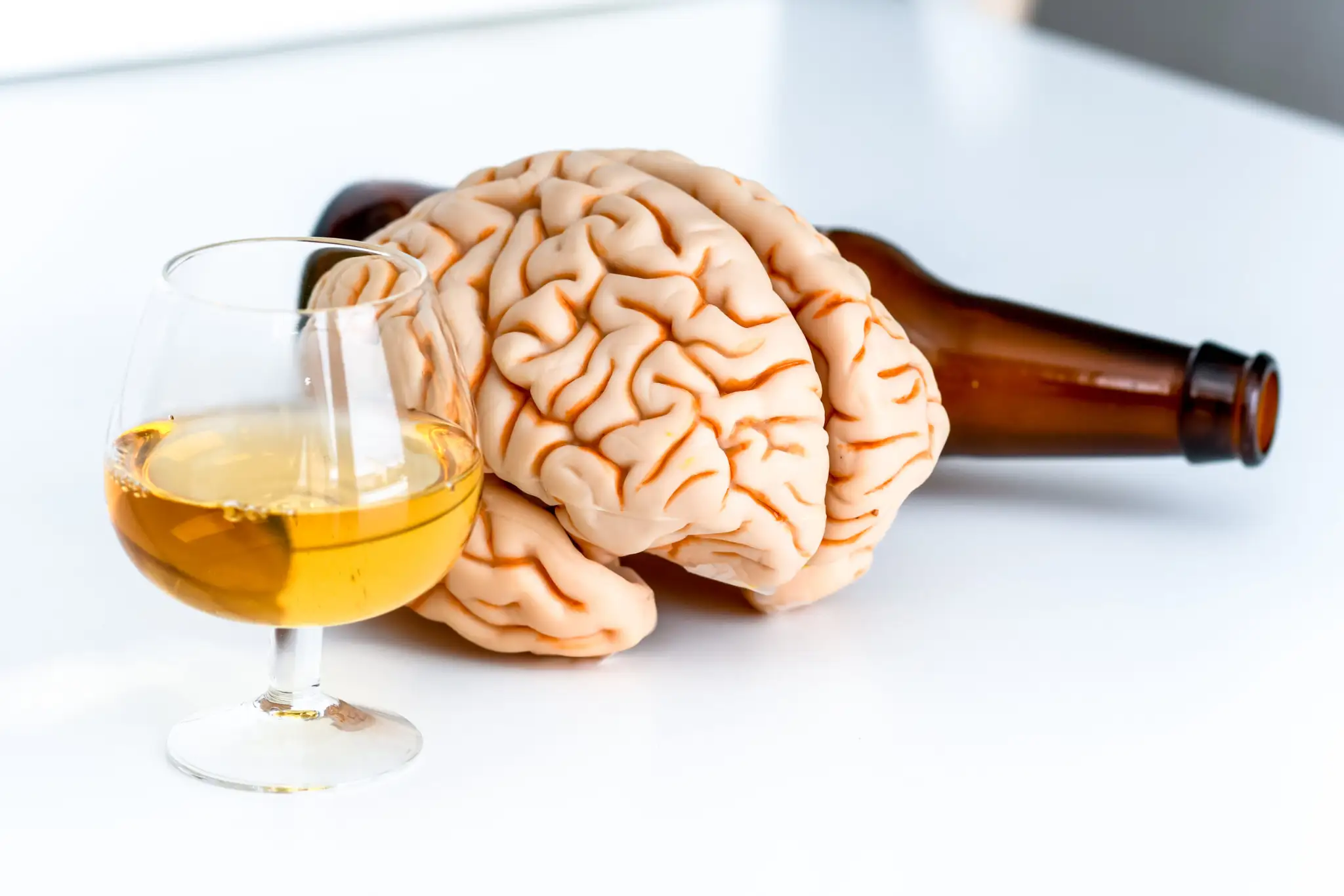
Alcohol reaches the brain within minutes after consumption and begins changing the way brain cells communicate. It may temporarily create feelings of relaxation, confidence, or happiness, but these short-term effects are followed by reduced coordination, slower thinking, and weaker decision-making abilities.
Frequent drinking can gradually affect emotional well-being by increasing the risk of anxiety, depression, mood changes, and poor concentration. People may begin relying on alcohol to reduce stress or social discomfort, creating a cycle that becomes increasingly difficult to break over time.
Via Zinnia
Long-term alcohol use can also interfere with memory, learning, and sleep quality. Although some people believe alcohol helps them sleep better, it often reduces restful sleep, leaving the body and mind feeling tired even after spending enough hours in bed.
The Hidden Impact on the Human Body
Many people immediately associate alcohol with liver disease, but its effects extend far beyond a single organ. Nearly every major body system can be influenced by long-term alcohol use, including the heart, digestive system, immune system, nervous system, and reproductive health.

Via GERDHELP
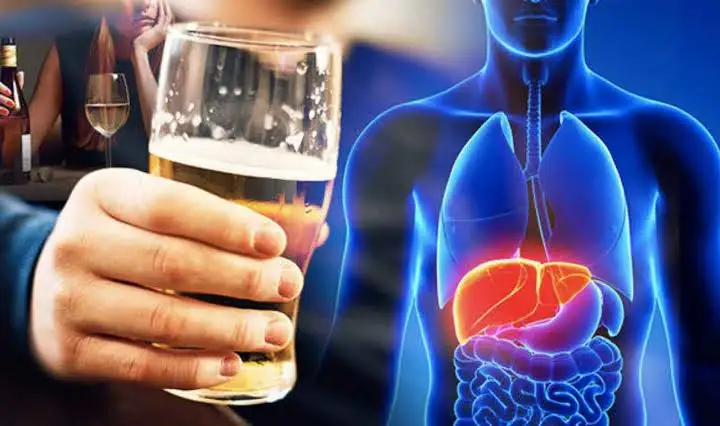
Alcohol places additional strain on the liver because it must process and remove the substance from the bloodstream. Continuous exposure over many years increases the likelihood of liver inflammation, fatty liver disease, scarring, and other serious conditions that may reduce the organ's ability to function properly.
The digestive system can also experience lasting damage through irritation of the stomach lining, increased acid production, and reduced nutrient absorption. These changes may contribute to stomach discomfort, digestive disorders, vitamin deficiencies, and other health problems that gradually become more noticeable.
Via NET News
Alcohol and the Risk of Serious Diseases
Scientific research has shown that alcohol consumption is linked to several long-term health conditions beyond liver disease. Regular drinking may increase the risk of heart problems, high blood pressure, weakened immunity, and other chronic illnesses that can affect overall quality of life.
Health organizations also recognize alcohol as a substance that can increase the likelihood of developing certain types of cancer. Research has found connections between alcohol use and cancers affecting areas such as the mouth, throat, esophagus, liver, colon, and breast, even among people who do not consider themselves heavy drinkers.

Via Truth Doctor
The level of risk generally increases with greater alcohol consumption, yet evidence suggests that no amount of drinking can be considered completely free from health concerns. Reducing alcohol intake is widely regarded as one of the practical ways to lower the risk of alcohol-related diseases over time.
Understanding the Myth of Safe Drinking
For many years, moderate alcohol consumption was often believed to be harmless or even beneficial in certain situations. More recent scientific evidence has challenged many of those earlier assumptions, leading researchers to take a closer look at alcohol's overall impact on long-term health.
Via MultiCare
Experts now emphasize that drinking should not be viewed as a health-promoting habit because even relatively small amounts may carry certain risks. The effects can differ from one person to another depending on age, genetics, medical conditions, medications, and overall lifestyle choices.
Rather than focusing only on daily drinking limits, health professionals increasingly encourage people to understand the broader picture of alcohol use. Making informed decisions, reducing unnecessary drinking, and recognizing personal risk factors can contribute to better physical and mental well-being throughout life.

Va Liehigh Center
Alcohol, Addiction, and Dependence
One of the greatest concerns surrounding alcohol is its ability to create dependence over time. What may begin as occasional social drinking can gradually turn into a regular habit, especially when alcohol is repeatedly used to cope with stress, loneliness, anxiety, or emotional challenges.
Alcohol affects the brain's reward system by producing temporary feelings of pleasure and relaxation. As drinking becomes more frequent, the brain may begin to rely on alcohol to experience those feelings, making it increasingly difficult to reduce or stop consumption without professional support.

Via Dr Ashwin
Addiction develops differently for every individual, but it often affects relationships, work performance, physical health, and emotional well-being. Recognizing unhealthy drinking patterns early can make recovery easier and reduce the likelihood of long-term health complications associated with alcohol dependence.
The Link Between Alcohol and Accidents
Alcohol reduces coordination, balance, reaction time, and clear thinking, increasing the chances of accidents in everyday life. Even small amounts can affect judgment, making routine activities more dangerous than they would normally be without the influence of alcohol.

Via Primerose
Motor vehicle crashes are among the most recognized consequences of impaired driving, but alcohol-related injuries extend much further. Falls, burns, drowning incidents, workplace injuries, and household accidents are also more likely when a person's physical and mental abilities have been affected by drinking.
These risks are not limited to heavy drinkers alone. Any level of impairment can reduce awareness of surroundings and slow important decisions during emergencies, highlighting why responsible choices and avoiding risky situations after drinking remain essential for personal and public safety.

Via Alcohol Help
Social Pressure and the Normalization of Drinking
Alcohol is often presented as an expected part of celebrations, social gatherings, and entertainment, making it easy for people to believe that drinking is necessary to enjoy themselves. Friends, advertising, and cultural traditions can sometimes reinforce this belief without recognizing the potential long-term consequences.
Many individuals feel pressure to accept a drink simply to fit in with others or avoid uncomfortable questions. This social expectation can make it difficult for people who choose not to drink or those trying to reduce their alcohol intake for health or personal reasons.

Via Payaras Swear
Changing these attitudes begins with understanding that enjoying social events does not require alcohol. Respecting personal choices and creating inclusive environments where nonalcoholic options are equally accepted can help reduce unnecessary pressure and encourage healthier habits.
Building Healthier Habits Without Alcohol
Many enjoyable activities do not depend on alcohol to create meaningful experiences or lasting memories. Spending time with family, participating in sports, enjoying hobbies, traveling, or sharing meals can provide connection and relaxation without exposing the body to alcohol-related health risks.

Via a loss
People looking to reduce alcohol consumption often benefit from replacing drinking routines with healthier alternatives. Choosing flavored sparkling water, fresh fruit drinks, herbal tea, or other nonalcoholic beverages allows individuals to participate comfortably in social occasions while supporting better overall health.
Healthy lifestyle habits such as regular exercise, balanced nutrition, quality sleep, and effective stress management also reduce the desire to rely on alcohol for relaxation. Over time, these positive routines contribute to stronger physical health, improved emotional well-being, and greater confidence in everyday life.

Via My Health
Why Awareness Matters for Better Health
Many people understand that excessive alcohol use can be harmful, yet fewer recognize that long-term health risks may begin even with lower levels of regular consumption. Greater awareness helps individuals make informed decisions instead of relying on outdated beliefs or common misconceptions.
Learning about alcohol's effects on the brain, heart, liver, digestive system, and cancer risk encourages a more balanced understanding of its impact. Education also helps families, schools, healthcare providers, and communities support healthier choices through accurate information and open conversations.

Via Mount Elizabeth
Knowledge does not require fear or judgment. Instead, it allows people to evaluate their own habits, understand potential risks, and make decisions that align with their personal health goals while reducing the likelihood of preventable alcohol-related illnesses in the future.