Unassigned
White House Releases New Artificial Intelligence Policy Framework

The Trump administration has revealed a thorough 28-page AI Action Plan that outlines over 90 policy steps to advance artificial intelligence research, in a daring attempt to ensure U.S. domination in the global AI race.
This ambitious strategy, which was unveiled on July 25, 2025, aims to break down ideological prejudices and bureaucratic obstacles that could impede development while promoting international alliances, expanding key infrastructure, and accelerating innovation. The strategy, which was shaped by more than 10,000 public submissions, aims to keep the US at the forefront of AI technology while promoting economic competitiveness and preserving national security.
 Via Yahoo Finance
The Trump administration has revealed a thorough 28-page AI Action Plan that outlines over 90 policy steps to advance artificial intelligence research, in a daring attempt to ensure U.S. domination in the global AI race.
This ambitious strategy, which was unveiled on July 25, 2025, aims to break down ideological prejudices and bureaucratic obstacles that could impede development while promoting international alliances, expanding key infrastructure, and accelerating innovation.
 Via Forbes
 Via Fierce Healthcare
The administration believes that in order to fully realise AI's promise and create cutting-edge applications that have the potential to revolutionise sectors like manufacturing and healthcare, regulatory change is crucial. The goal of cutting red tape is to draw in investment, encourage entrepreneurship, and use AI-powered solutions to boost economic growth.
In order to guarantee that AI development is in line with national interests, the emphasis on innovation also entails encouraging cooperation between the public and private sectors. It is anticipated that this approach will strengthen the United States' competitive advantage in the global AI race, especially when compared to countries like China that are making significant investments in comparable technologies.
 Via beamstart
The administration aims to build a strong pipeline for AI developments that can have a major positive impact on the economy and society by giving priority to a regulatory framework that encourages rather than inhibits innovation.
 Via medium
The plan acknowledges that strong infrastructure, which provides the processing power and storage capacity needed for sophisticated AI systems, is the foundation of AI innovation. New national programs will be introduced to assist this expansion by increasing the number of workers in high-demand occupations like HVAC technicians and electricians, which are crucial for the construction and upkeep of these facilities.
These programs seek to alleviate the labour shortage and guarantee a trained labour force that can sustain the expansion of the infrastructure. The administration aims to build a sustainable ecosystem that can grow with the quick developments in AI technology by making investments in both human and physical resources. In order to keep the United States ahead of rivals like China in the global AI race, this emphasis on infrastructure is also viewed as a calculated strategic manoeuvre.
 Via Bloomberg
 Via dzen
By facilitating the international adoption of American AI technologies, these packages hope to establish American standards as the industry standard. The United States aims to offset the increasing influence of hostile countries in the field of artificial intelligence by providing allies with safe and dependable AI systems.
This approach creates a global ecosystem where American AI solutions predominate, in addition to strengthening diplomatic and technological ties. In order to protect intellectual property and stop technology leaks, the initiative incorporates strict security measures that guarantee exported AI stays in line with American interests.
 Via nbcnews
In order to foster interoperability and trust, cooperative efforts will concentrate on customising these packages to match the unique requirements of allied countries. The United States hopes to influence international policies and practices by establishing the benchmark for AI deployment, thus solidifying its leadership in the quickly changing field of artificial intelligence.
 Via unite.ai
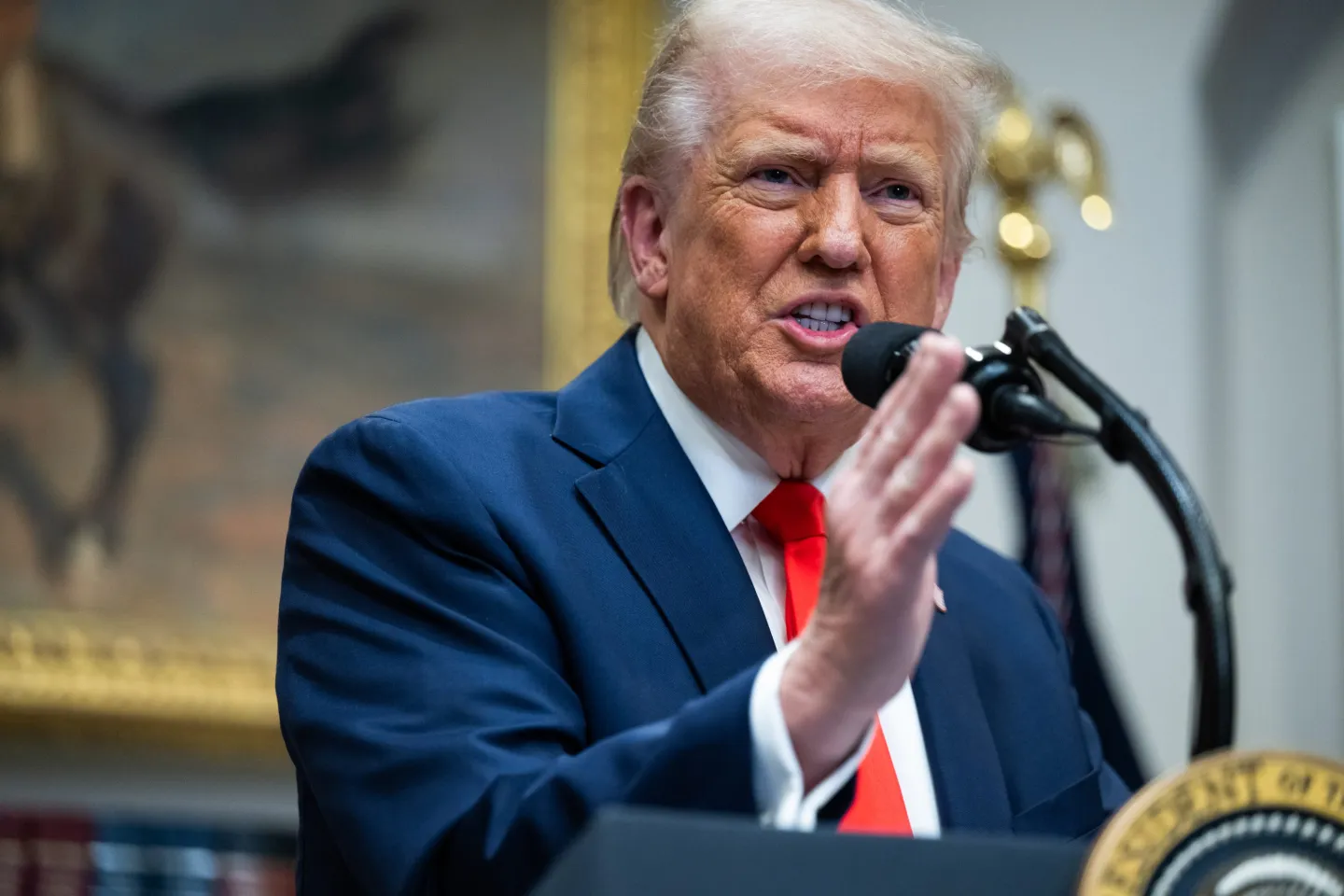
In order to protect free expression and advance neutrality, this policy seeks to stop the incorporation of what the administration refers to as "woke" or biased views into AI models. By placing a strong emphasis on objectivity, the government hopes to guarantee that AI applications produce impartial and equitable results in a range of use cases, from national security to public services.
To ensure that AI outputs are objective, developers will need to put strict testing procedures in place to find and remove biases in training data and algorithms. As part of this project, developers will be required to record their neutrality-maintenance procedures, and explicit transparency criteria will be established.
 Via Fortune
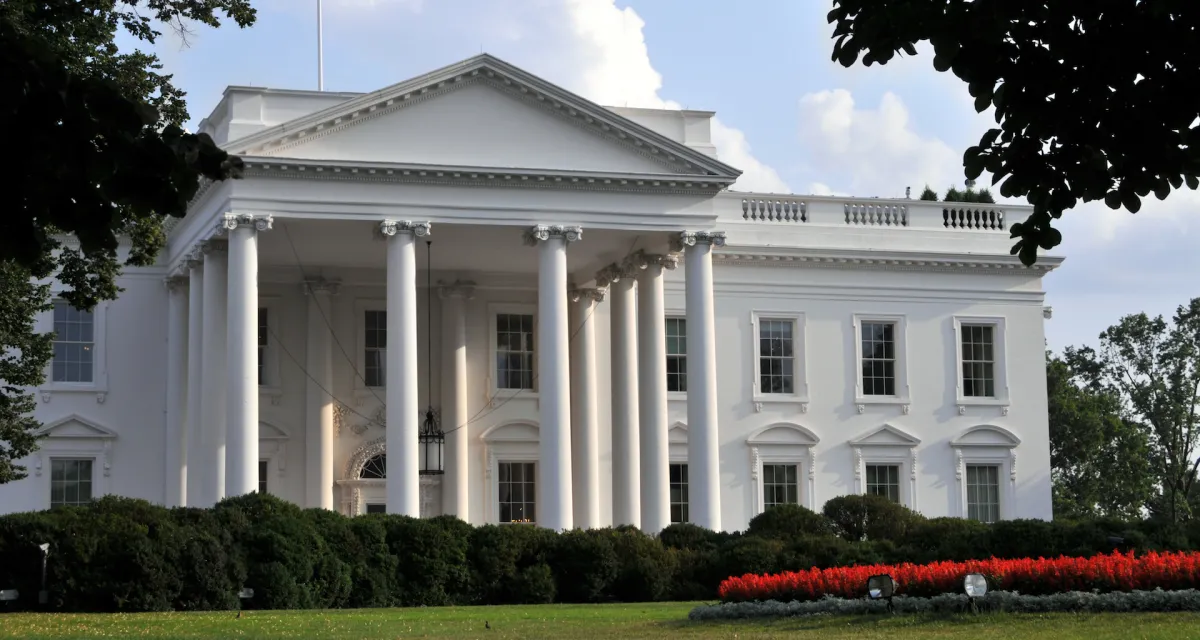
To promote accountability in the sector, federal agencies will assess AI systems according to how well they conform to these requirements. By reducing worries about manipulation or partiality, the emphasis on objectivity also seeks to increase public trust in AI technologies and promote wider adoption.
 Via FedScoop
To protect sensitive AI models and data, the plan sets stringent access controls, encryption standards, and secure development protocols. Inter-agency cooperation between intelligence communities and the Department of Defence improves oversight and threat identification. The goal of routine audits and stress tests of AI systems is to find weaknesses before they are exploited.
In order to prevent adversaries from obtaining unauthorised access to cutting-edge technologies, the administration places a strong focus on international collaboration and is collaborating with allies to create global standards for AI security. Research investments in cybersecurity strengthen defences against dangers unique to AI, like model inversion or adversarial attacks. In order to ensure alignment with national interests, public-private partnerships promote the adoption of best practices by the industry.
 Via znanierussia
By closely screening and keeping an eye on those who have access to vital AI systems, the strategy also combats insider threats. The administration aims to reduce risks and preserve American leadership in AI by striking a balance between innovation and vigilance. This involves safeguarding intellectual property and halting the development of potentially weaponised AI capabilities.
 Via AI News
They caution that this corporate bias may worsen inequality and undermine public confidence. Jim Secreto, a former official, points out the dangers of removing prudent measures, arguing that easing regulation—for example, by permitting Nvidia to start selling AI chips to China again—endangers national security. Critics contend that this choice could give foes more influence, sparking a discussion about how to strike a balance between innovation and strategic control.
The plan's proponents argue that allowing international competition spurs technical development and keeps the United States from lagging. They claim that the strategy has strong safeguards against strategic risks, such as risk assessments and export controls. Critics note that these regulations might not be strictly enforced, which could let hostile entities access key technologies.
 Via Fox Business
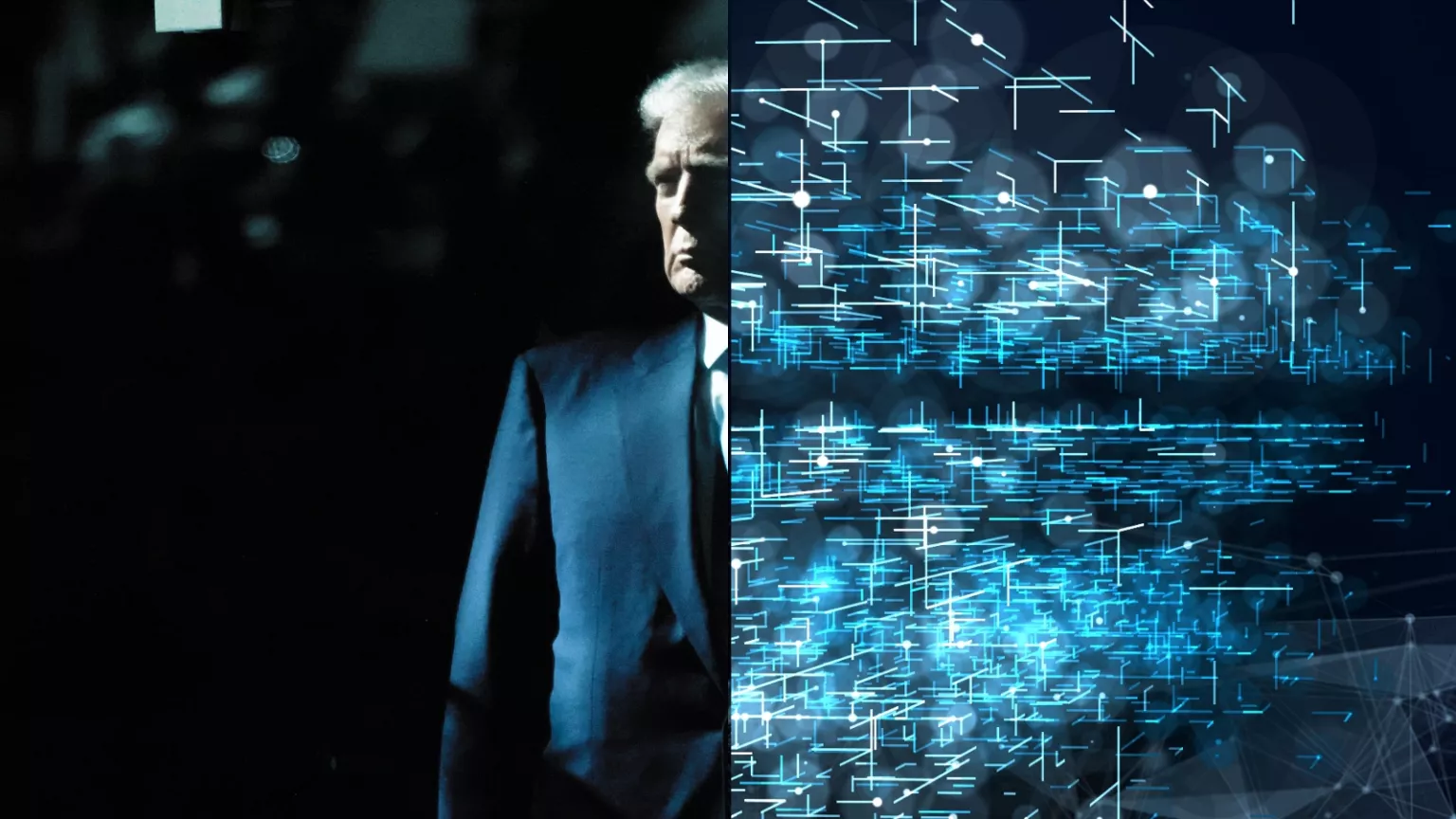
Stakeholder consultations and other forms of public participation are meant to address issues, but their ability to change policy is questioned by some. Concerns about unforeseen repercussions, like unregulated algorithmic biases or autonomous systems faults, are also raised by the plan's emphasis on quick AI implementation.
 Via Euronews
Through investments in research, workforce development, and critical infrastructure, the plan seeks to harness AI’s transformative potential while safeguarding democratic values. By cultivating public-private partnerships and promoting global cooperation, the U.S. aims to set the pace for AI advancements, ensuring they align with principles of fairness, transparency, and security.
More in UnassignedVia Yahoo Finance
The Trump administration has revealed a thorough 28-page AI Action Plan that outlines over 90 policy steps to advance artificial intelligence research, in a daring attempt to ensure U.S. domination in the global AI race.
This ambitious strategy, which was unveiled on July 25, 2025, aims to break down ideological prejudices and bureaucratic obstacles that could impede development while promoting international alliances, expanding key infrastructure, and accelerating innovation.
Via Forbes
Accelerating AI Innovation
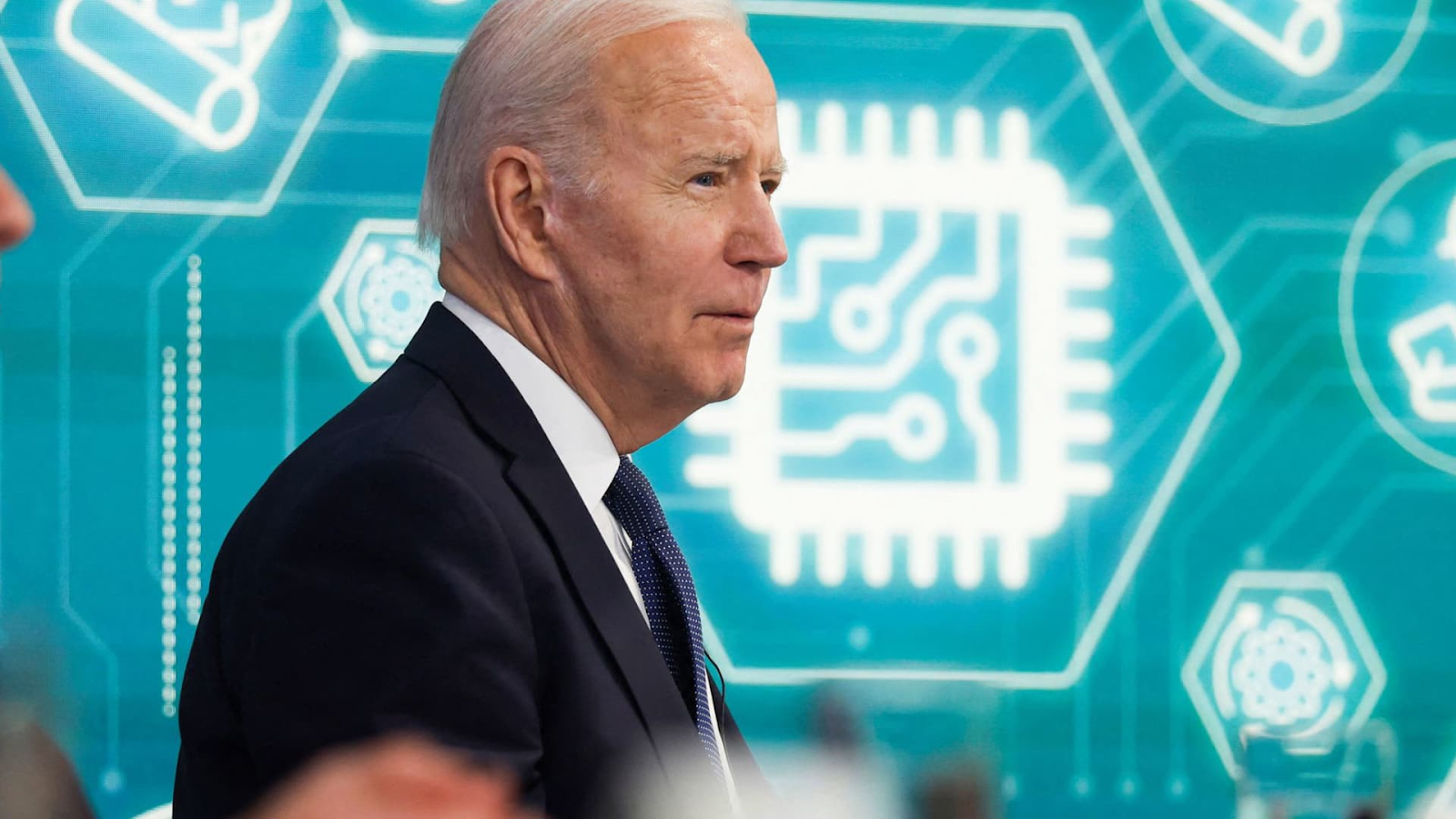
Destroying federal regulations that obstruct the advancement and uptake of artificial intelligence is a key component of the Trump administration's AI Action Plan. The initiative aims to create a favourable atmosphere where government agencies and private sector companies can innovate more quickly by simplifying bureaucratic procedures. Federal authorities are instructed to thoroughly examine current regulations in order to find and remove those that needlessly impede the development of AI. The goal of this proactive strategy is to create a vibrant environment that promotes quick technical advancements and establishes the US as a world leader in cutting-edge AI technologies.Via Fierce Healthcare
The administration believes that in order to fully realise AI's promise and create cutting-edge applications that have the potential to revolutionise sectors like manufacturing and healthcare, regulatory change is crucial. The goal of cutting red tape is to draw in investment, encourage entrepreneurship, and use AI-powered solutions to boost economic growth.
In order to guarantee that AI development is in line with national interests, the emphasis on innovation also entails encouraging cooperation between the public and private sectors. It is anticipated that this approach will strengthen the United States' competitive advantage in the global AI race, especially when compared to countries like China that are making significant investments in comparable technologies.
Via beamstart
The administration aims to build a strong pipeline for AI developments that can have a major positive impact on the economy and society by giving priority to a regulatory framework that encourages rather than inhibits innovation.
Building Robust AI Infrastructure
In order to meet the increasing demands of artificial intelligence, the AI Action Plan places a high priority on the rapid expansion of critical AI infrastructure, with a particular emphasis on the construction of data centres and semiconductor fabrication facilities. The administration hopes to speed up the building of this essential infrastructure by modernising regulatory frameworks and accelerating permitting procedures, guaranteeing that they can be quickly deployed to meet technological demands.Via medium
The plan acknowledges that strong infrastructure, which provides the processing power and storage capacity needed for sophisticated AI systems, is the foundation of AI innovation. New national programs will be introduced to assist this expansion by increasing the number of workers in high-demand occupations like HVAC technicians and electricians, which are crucial for the construction and upkeep of these facilities.
These programs seek to alleviate the labour shortage and guarantee a trained labour force that can sustain the expansion of the infrastructure. The administration aims to build a sustainable ecosystem that can grow with the quick developments in AI technology by making investments in both human and physical resources. In order to keep the United States ahead of rivals like China in the global AI race, this emphasis on infrastructure is also viewed as a calculated strategic manoeuvre.
Via Bloomberg
Promoting Global AI Leadership
In order to solidify America's standing as a global leader in AI innovation, the AI Action Plan places a high priority on enhancing international collaborations by exporting safe, American-developed AI technologies to allies. In order to develop complete AI export packages that incorporate state-of-the-art hardware, sophisticated AI models, reliable software, and standardised protocols, the Commerce and State Departments will collaborate closely with industry partners.Via dzen
By facilitating the international adoption of American AI technologies, these packages hope to establish American standards as the industry standard. The United States aims to offset the increasing influence of hostile countries in the field of artificial intelligence by providing allies with safe and dependable AI systems.
This approach creates a global ecosystem where American AI solutions predominate, in addition to strengthening diplomatic and technological ties. In order to protect intellectual property and stop technology leaks, the initiative incorporates strict security measures that guarantee exported AI stays in line with American interests.
Via nbcnews
In order to foster interoperability and trust, cooperative efforts will concentrate on customising these packages to match the unique requirements of allied countries. The United States hopes to influence international policies and practices by establishing the benchmark for AI deployment, thus solidifying its leadership in the quickly changing field of artificial intelligence.
Ensuring Objectivity in AI Systems
The administration is dedicated to promoting AI trust by making sure that systems are not influenced by social objectives or ideological bias. Federal procurement criteria will be updated by an impending presidential order to provide preference to contracts with AI developers who exhibit a dedication to objectivity in their systems.Via unite.ai
In order to protect free expression and advance neutrality, this policy seeks to stop the incorporation of what the administration refers to as "woke" or biased views into AI models. By placing a strong emphasis on objectivity, the government hopes to guarantee that AI applications produce impartial and equitable results in a range of use cases, from national security to public services.
To ensure that AI outputs are objective, developers will need to put strict testing procedures in place to find and remove biases in training data and algorithms. As part of this project, developers will be required to record their neutrality-maintenance procedures, and explicit transparency criteria will be established.
Via Fortune
To promote accountability in the sector, federal agencies will assess AI systems according to how well they conform to these requirements. By reducing worries about manipulation or partiality, the emphasis on objectivity also seeks to increase public trust in AI technologies and promote wider adoption.
Safeguarding AI Against Misuse
The AI Action Plan aligns development with national security objectives by placing a high priority on security to stop malicious actors from abusing or stealing AI technologies. Strong safeguards include constant observation for new threats, guaranteeing that AI developments are safeguarded while encouraging creativity.Via FedScoop
To protect sensitive AI models and data, the plan sets stringent access controls, encryption standards, and secure development protocols. Inter-agency cooperation between intelligence communities and the Department of Defence improves oversight and threat identification. The goal of routine audits and stress tests of AI systems is to find weaknesses before they are exploited.
In order to prevent adversaries from obtaining unauthorised access to cutting-edge technologies, the administration places a strong focus on international collaboration and is collaborating with allies to create global standards for AI security. Research investments in cybersecurity strengthen defences against dangers unique to AI, like model inversion or adversarial attacks. In order to ensure alignment with national interests, public-private partnerships promote the adoption of best practices by the industry.
Via znanierussia
By closely screening and keeping an eye on those who have access to vital AI systems, the strategy also combats insider threats. The administration aims to reduce risks and preserve American leadership in AI by striking a balance between innovation and vigilance. This involves safeguarding intellectual property and halting the development of potentially weaponised AI capabilities.
Addressing Criticisms and Controversies
The AI Action Plan has drawn criticism for possibly prioritising corporate interests over the interests of the broader public, according to critics like Sarah Myers West of the AI Now Institute. They argue that the plan prioritises economic and strategic gains over the societal effects of AI, such as employment displacement, prejudice amplification, or privacy degradation.Via AI News
They caution that this corporate bias may worsen inequality and undermine public confidence. Jim Secreto, a former official, points out the dangers of removing prudent measures, arguing that easing regulation—for example, by permitting Nvidia to start selling AI chips to China again—endangers national security. Critics contend that this choice could give foes more influence, sparking a discussion about how to strike a balance between innovation and strategic control.
The plan's proponents argue that allowing international competition spurs technical development and keeps the United States from lagging. They claim that the strategy has strong safeguards against strategic risks, such as risk assessments and export controls. Critics note that these regulations might not be strictly enforced, which could let hostile entities access key technologies.
Via Fox Business
Stakeholder consultations and other forms of public participation are meant to address issues, but their ability to change policy is questioned by some. Concerns about unforeseen repercussions, like unregulated algorithmic biases or autonomous systems faults, are also raised by the plan's emphasis on quick AI implementation.
U.S. Government Unveils AI Policy Blueprint to Guide Future Innovation
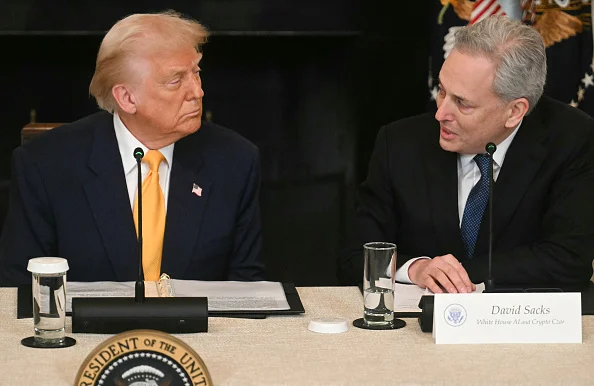
The crucial role that artificial intelligence plays in safeguarding America's economic prosperity and national security is highlighted in the White House's AI Action Plan, "Winning the AI Race: America's AI Action Plan." Supported by prominent individuals such as Secretary of State Marco Rubio and AI and Crypto Czar David Sacks, the plan lays out a thorough plan to guarantee American leadership in the world of artificial intelligence. The administration hopes to surpass rivals like China by emphasising innovation, strong infrastructure, and international cooperation, creating a technology ecosystem that boosts economic expansion and fortifies national defence. In addition to meeting urgent technological demands, this strategic vision establishes the US as a leader in the development of moral AI worldwide.Via Euronews
Through investments in research, workforce development, and critical infrastructure, the plan seeks to harness AI’s transformative potential while safeguarding democratic values. By cultivating public-private partnerships and promoting global cooperation, the U.S. aims to set the pace for AI advancements, ensuring they align with principles of fairness, transparency, and security.