Unassigned
What’s Really Behind High Grocery Prices?
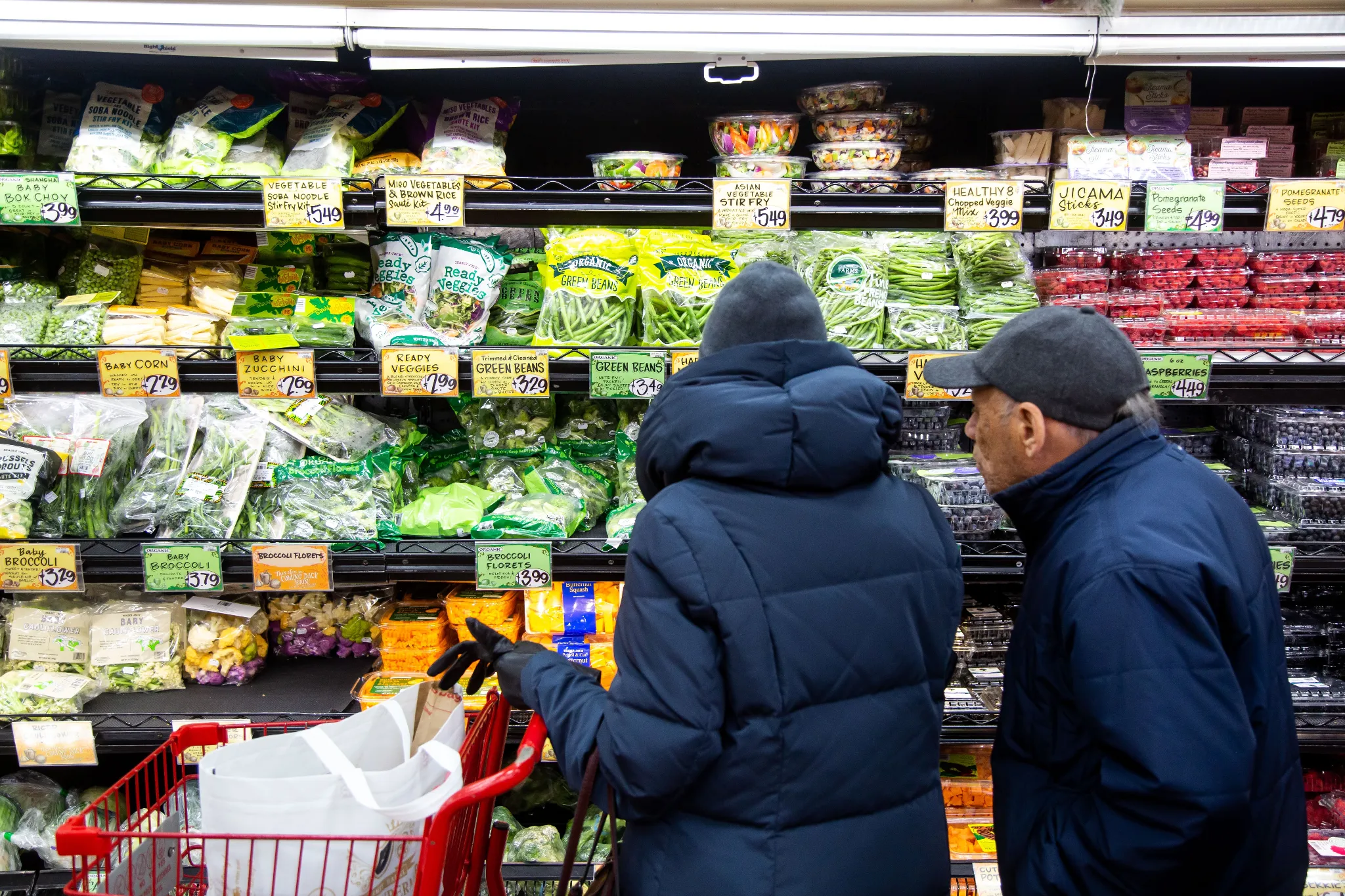
Grocery prices have remained one of the biggest financial concerns for American families in recent years. Everyday essentials such as milk, eggs, bread, vegetables, and meat now cost much more than they did only a few years ago. Many shoppers have noticed that weekly grocery trips require larger budgets, forcing households to reconsider spending habits and prioritize necessities over convenience.
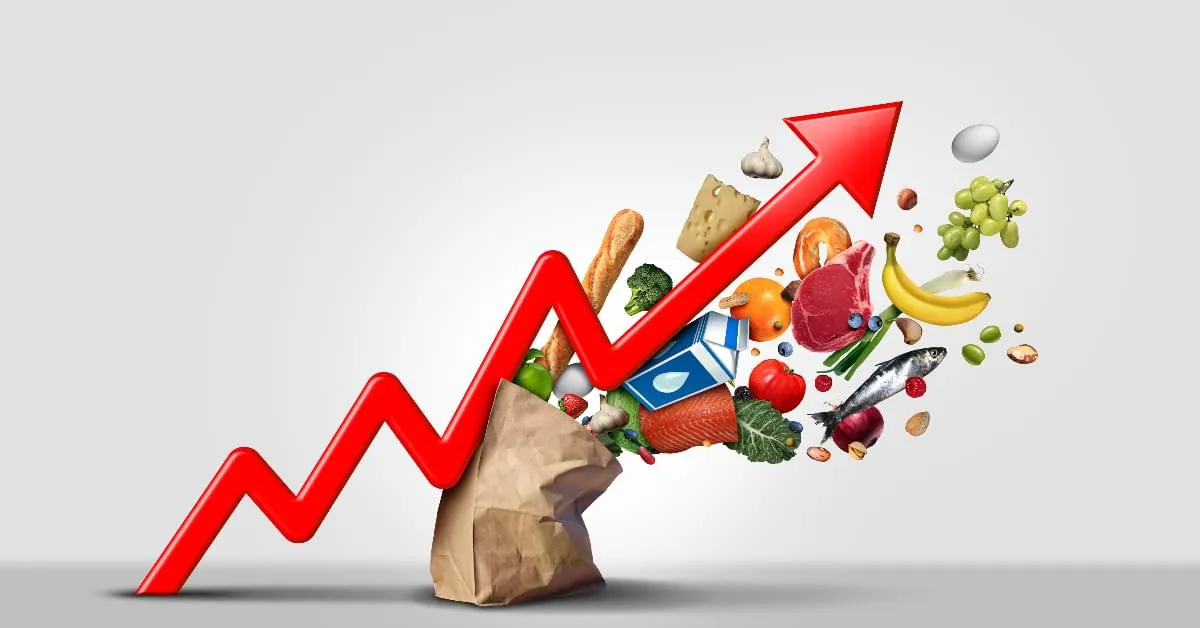
The increase in grocery prices is often linked to inflation, but inflation alone does not fully explain why supermarket bills have risen so sharply. Several economic and business-related factors have combined to create a situation where food costs continue to remain elevated even as inflation in other areas begins to slow.
 Via TIME
Understanding the reasons behind expensive groceries requires looking beyond simple economic headlines. Corporate pricing strategies, industry concentration, supply chain challenges, technology, climate-related disruptions, and global events all contribute to the current situation.
 Via University of Delaware
The impact is especially severe for lower-income households. According to data from the United States Department of Agriculture, food insecurity increased from 12.8 percent in 2022 to 13.5 percent in 2023. This means that roughly one out of every eight Americans experiences uncertainty about having enough food to maintain a healthy lifestyle.
Middle-income families have also felt the effects of higher food costs. Even households with stable employment are spending a greater share of their income on groceries while also managing rising housing, healthcare, transportation, and utility expenses.
 Via American Physological Association
 Via Profit By Pakistan Today
Consumers often assume higher prices automatically reflect higher production expenses. While this may be true in many situations, grocery pricing has become more complicated. Businesses may choose prices based not only on operating costs but also on market conditions, consumer expectations, and opportunities to improve profitability during times when shoppers expect prices to increase.
 Via Money Digest
A notable example involved a senior executive at Kroger acknowledging during legal proceedings that prices for products such as eggs and milk had increased faster than the company's own costs. Internal communications reportedly indicated that retail inflation exceeded cost inflation for certain products.
Financial markets have rewarded many major grocery chains during this period. Strong stock performance among several large retailers suggests that investors have viewed these pricing strategies positively. While successful businesses benefit shareholders.
 Via Trending in Social
 Via Babypips
Market concentration extends beyond supermarkets themselves. Food production, processing, distribution, and wholesale operations have also become increasingly concentrated among relatively few large companies.
 Via FOODTECH PAKISTAN
Recent legal actions involving data analytics firms and major meat processors have focused attention on whether shared information allowed companies to coordinate production and pricing decisions. The largest poultry, pork, and turkey producers control substantial portions of their respective markets, giving these companies considerable influence over national food prices.
Government agencies have previously fined several large food and agribusiness companies billions of dollars for anti-competitive practices. These enforcement actions demonstrate that unlawful coordination has occurred in portions of the food industry before.
 Via Infoplease
 Via Dreamstime
Critics worry that the same technology could make dynamic pricing more common. Prices could increase during periods of high demand, severe weather, holidays, or busy shopping hours. Although companies may present these systems as efficiency improvements, consumers remain concerned that technology could make grocery shopping less predictable and place additional financial pressure on families already managing tight budgets.
 Via PA Future
Transportation remains an important factor because food often travels long distances before reaching supermarket shelves. Higher fuel prices, shipping expenses, warehouse costs, and labor shortages increase the total cost of moving products from farms to consumers.
Supply chains have also become more vulnerable because many industries rely on centralized production systems. When disruptions occur at a small number of major facilities, the effects spread quickly across national markets.
 Via UNFSS
 Via NASA Science
Animal diseases have created further challenges. Bird flu outbreaks reduced poultry populations and significantly affected egg production, leading to rapid increases in egg prices. Livestock diseases, changing environmental conditions, and shifting global trade patterns all demonstrate how interconnected the modern food system has become.
 Via Forbes Books
Investigations into pandemic-related practices found that certain meat companies allegedly overstated shortages while continuing to generate strong financial results. Such findings reinforced concerns that extraordinary circumstances may have provided opportunities for some businesses to increase profits while consumers faced growing financial difficulties.
Economists have noted that prolonged periods of unusually high corporate profits during widespread economic hardship can weaken public confidence in markets. Maintaining transparency, fair competition, and responsible pricing practices remains important for preserving consumer trust while ensuring businesses continue operating successfully.
 Via Importify
 Via AIA
Long-term financial stress can also influence nutrition and health. Some households reduce purchases of fresh produce, lean proteins, and other nutritious foods because they cost more than processed alternatives. This trade-off demonstrates that grocery prices affect not only budgets but also long-term well-being and public health.
 Via Mashed
Greater competition within the grocery industry could encourage more competitive pricing over time. Regulatory oversight of mergers, enforcement against anti-competitive practices, and increased market transparency may help create conditions where prices better reflect actual production costs rather than excessive market power.
Consumers will likely continue adapting through smarter shopping habits, comparing prices across retailers, reducing food waste, and taking advantage of seasonal discounts. While grocery prices may eventually stabilize, understanding the many forces behind food costs provides valuable insight into one of the most important financial challenges facing households today.
More in UnassignedVia TIME
Understanding the reasons behind expensive groceries requires looking beyond simple economic headlines. Corporate pricing strategies, industry concentration, supply chain challenges, technology, climate-related disruptions, and global events all contribute to the current situation.
The Growing Financial Pressure on Families
Food prices have increased dramatically since 2020, rising by approximately 26 percent. This growth has outpaced general inflation and placed additional strain on household budgets across the United States. Families that once managed grocery expenses comfortably now find themselves making difficult decisions about what they can afford to buy each week.
Via University of Delaware
The impact is especially severe for lower-income households. According to data from the United States Department of Agriculture, food insecurity increased from 12.8 percent in 2022 to 13.5 percent in 2023. This means that roughly one out of every eight Americans experiences uncertainty about having enough food to maintain a healthy lifestyle.
Middle-income families have also felt the effects of higher food costs. Even households with stable employment are spending a greater share of their income on groceries while also managing rising housing, healthcare, transportation, and utility expenses.
Via American Physological Association
Inflation Is Only Part of the Story
Inflation certainly contributed to higher grocery prices during and after the pandemic. Increased costs for fuel, transportation, labor, and raw materials affected nearly every stage of food production. Farmers paid more for fertilizer and equipment, manufacturers faced rising operational costs, and retailers experienced higher expenses in delivering products to stores. Despite these genuine cost increases, evidence suggests that inflation cannot explain every price increase seen on grocery shelves. Some retailers raised prices beyond what their own costs required. Reports examining the grocery industry found that certain companies used periods of economic uncertainty to increase prices more aggressively than necessary.Via Profit By Pakistan Today
Consumers often assume higher prices automatically reflect higher production expenses. While this may be true in many situations, grocery pricing has become more complicated. Businesses may choose prices based not only on operating costs but also on market conditions, consumer expectations, and opportunities to improve profitability during times when shoppers expect prices to increase.
Corporate Pricing Strategies and Higher Profits
Large grocery retailers have experienced significant revenue growth during the period of rising food prices. While businesses naturally aim to earn profits, critics argue that some companies have taken advantage of changing market conditions by charging customers more than rising costs alone would justify.
Via Money Digest
A notable example involved a senior executive at Kroger acknowledging during legal proceedings that prices for products such as eggs and milk had increased faster than the company's own costs. Internal communications reportedly indicated that retail inflation exceeded cost inflation for certain products.
Financial markets have rewarded many major grocery chains during this period. Strong stock performance among several large retailers suggests that investors have viewed these pricing strategies positively. While successful businesses benefit shareholders.
Via Trending in Social
Market Consolidation Reduces Competition
Competition usually helps keep prices reasonable because businesses must compete for customers. When fewer companies dominate an industry, they often gain greater influence over pricing decisions, supplier negotiations, and market conditions. The grocery industry has experienced increasing consolidation over many years, reducing the number of major competitors. One of the most widely discussed examples involves the proposed merger between Kroger and Albertsons. If completed, the combined company would control a substantial share of the American grocery market..Via Babypips
Market concentration extends beyond supermarkets themselves. Food production, processing, distribution, and wholesale operations have also become increasingly concentrated among relatively few large companies.
Price Fixing Concerns Across Food Industries
Competition laws exist to prevent companies from secretly coordinating prices instead of competing fairly. Allegations of price fixing have appeared across several parts of the food industry over the past two decades, raising concerns that some consumers may have paid more than necessary for essential products.Via FOODTECH PAKISTAN
Recent legal actions involving data analytics firms and major meat processors have focused attention on whether shared information allowed companies to coordinate production and pricing decisions. The largest poultry, pork, and turkey producers control substantial portions of their respective markets, giving these companies considerable influence over national food prices.
Government agencies have previously fined several large food and agribusiness companies billions of dollars for anti-competitive practices. These enforcement actions demonstrate that unlawful coordination has occurred in portions of the food industry before.
Via Infoplease
Technology Is Changing Grocery Pricing
Modern supermarkets increasingly rely on advanced technology to manage inventory, monitor customer demand, and adjust pricing more efficiently. Artificial intelligence allows retailers to analyze purchasing patterns, weather conditions, seasonal trends, and local demand in ways that were impossible only a few years ago. Some grocery chains have introduced electronic shelf labels capable of updating prices automatically throughout the day. Supporters argue that these systems improve efficiency, reduce waste, and allow stores to respond quickly to changing market conditions.
Via Dreamstime
Critics worry that the same technology could make dynamic pricing more common. Prices could increase during periods of high demand, severe weather, holidays, or busy shopping hours. Although companies may present these systems as efficiency improvements, consumers remain concerned that technology could make grocery shopping less predictable and place additional financial pressure on families already managing tight budgets.
Supply Chain Disruptions Continue to Influence Prices
The global food supply chain experienced unprecedented disruptions during the COVID-19 pandemic. Factory shutdowns, transportation delays, labor shortages, and changing consumer demand created shortages across many product categories. Although many supply chains have recovered, lingering effects continue to influence grocery pricing today.
Via PA Future
Transportation remains an important factor because food often travels long distances before reaching supermarket shelves. Higher fuel prices, shipping expenses, warehouse costs, and labor shortages increase the total cost of moving products from farms to consumers.
Supply chains have also become more vulnerable because many industries rely on centralized production systems. When disruptions occur at a small number of major facilities, the effects spread quickly across national markets.
Via UNFSS
Climate Change and Global Events Add More Pressure
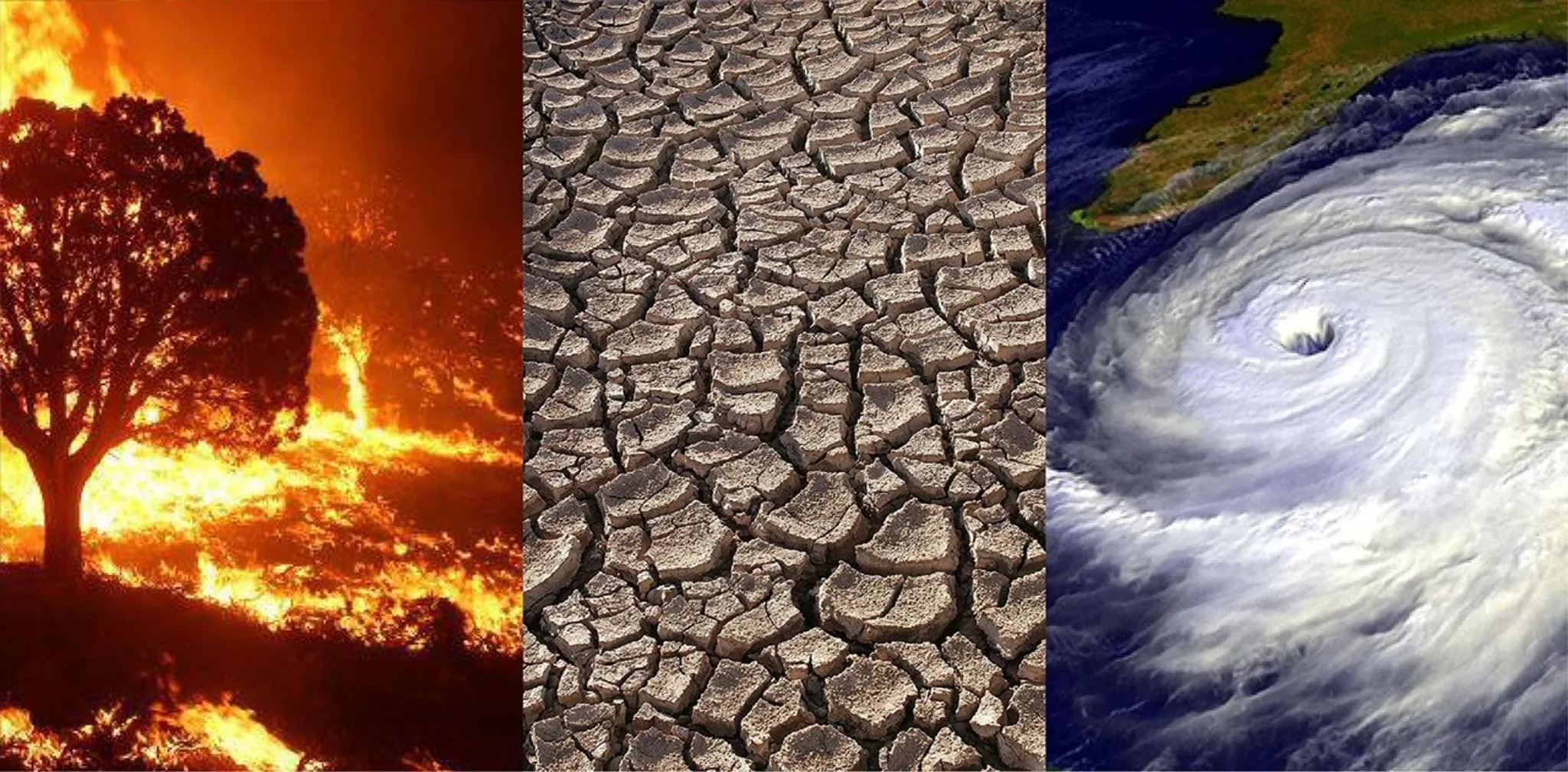
Agriculture depends heavily on stable weather conditions, making food production especially vulnerable to climate-related disruptions. Extended droughts, flooding, wildfires, hurricanes, and extreme temperatures reduce crop yields while increasing production costs for farmers. These losses eventually affect grocery prices as supplies become more limited. Global conflicts have also disrupted agricultural markets. Russia's war in Ukraine affected exports of grain, fertilizer, and other agricultural products that many countries depend upon. Reduced supplies created additional uncertainty in international food markets, contributing to higher prices for several important commodities.Via NASA Science
Animal diseases have created further challenges. Bird flu outbreaks reduced poultry populations and significantly affected egg production, leading to rapid increases in egg prices. Livestock diseases, changing environmental conditions, and shifting global trade patterns all demonstrate how interconnected the modern food system has become.
Consumer Trust and Corporate Responsibility
Public trust becomes especially important during periods of economic hardship. Many consumers expect businesses to balance profitability with responsible pricing, particularly when selling essential goods such as food. Allegations that some companies exaggerated shortages or used crises to justify unnecessary price increases have damaged confidence in parts of the food industry.
Via Forbes Books
Investigations into pandemic-related practices found that certain meat companies allegedly overstated shortages while continuing to generate strong financial results. Such findings reinforced concerns that extraordinary circumstances may have provided opportunities for some businesses to increase profits while consumers faced growing financial difficulties.
Economists have noted that prolonged periods of unusually high corporate profits during widespread economic hardship can weaken public confidence in markets. Maintaining transparency, fair competition, and responsible pricing practices remains important for preserving consumer trust while ensuring businesses continue operating successfully.
Via Importify
The Lasting Impact on Household Budgets
Higher grocery prices affect nearly every aspect of household financial planning. Families often respond by purchasing fewer premium products, reducing restaurant visits, buying store brands, or searching more carefully for discounts and promotions. While these adjustments help manage expenses.C Food represents a significant share of household spending. Although American households generally spend a smaller percentage of disposable income on food than many European households, the combination of expensive housing, healthcare, childcare, education, and transportation creates considerable financial pressure.Via AIA
Long-term financial stress can also influence nutrition and health. Some households reduce purchases of fresh produce, lean proteins, and other nutritious foods because they cost more than processed alternatives. This trade-off demonstrates that grocery prices affect not only budgets but also long-term well-being and public health.
Looking Ahead at the Future of Grocery Prices
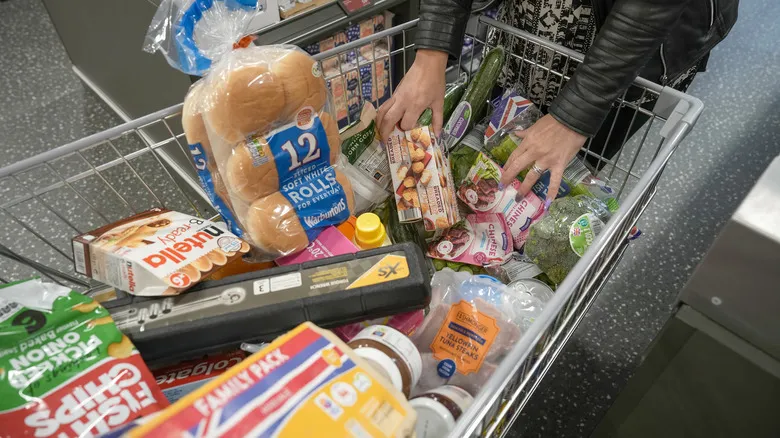
Future grocery prices will depend on many interconnected factors. Inflation may continue easing, but supply chain resilience, climate conditions, global stability, technological developments, corporate pricing decisions, and government competition policies will all influence what consumers ultimately pay at checkout.
Via Mashed
Greater competition within the grocery industry could encourage more competitive pricing over time. Regulatory oversight of mergers, enforcement against anti-competitive practices, and increased market transparency may help create conditions where prices better reflect actual production costs rather than excessive market power.
Consumers will likely continue adapting through smarter shopping habits, comparing prices across retailers, reducing food waste, and taking advantage of seasonal discounts. While grocery prices may eventually stabilize, understanding the many forces behind food costs provides valuable insight into one of the most important financial challenges facing households today.