Unassigned
Make Humble Cabbage Taste Incredible at Home
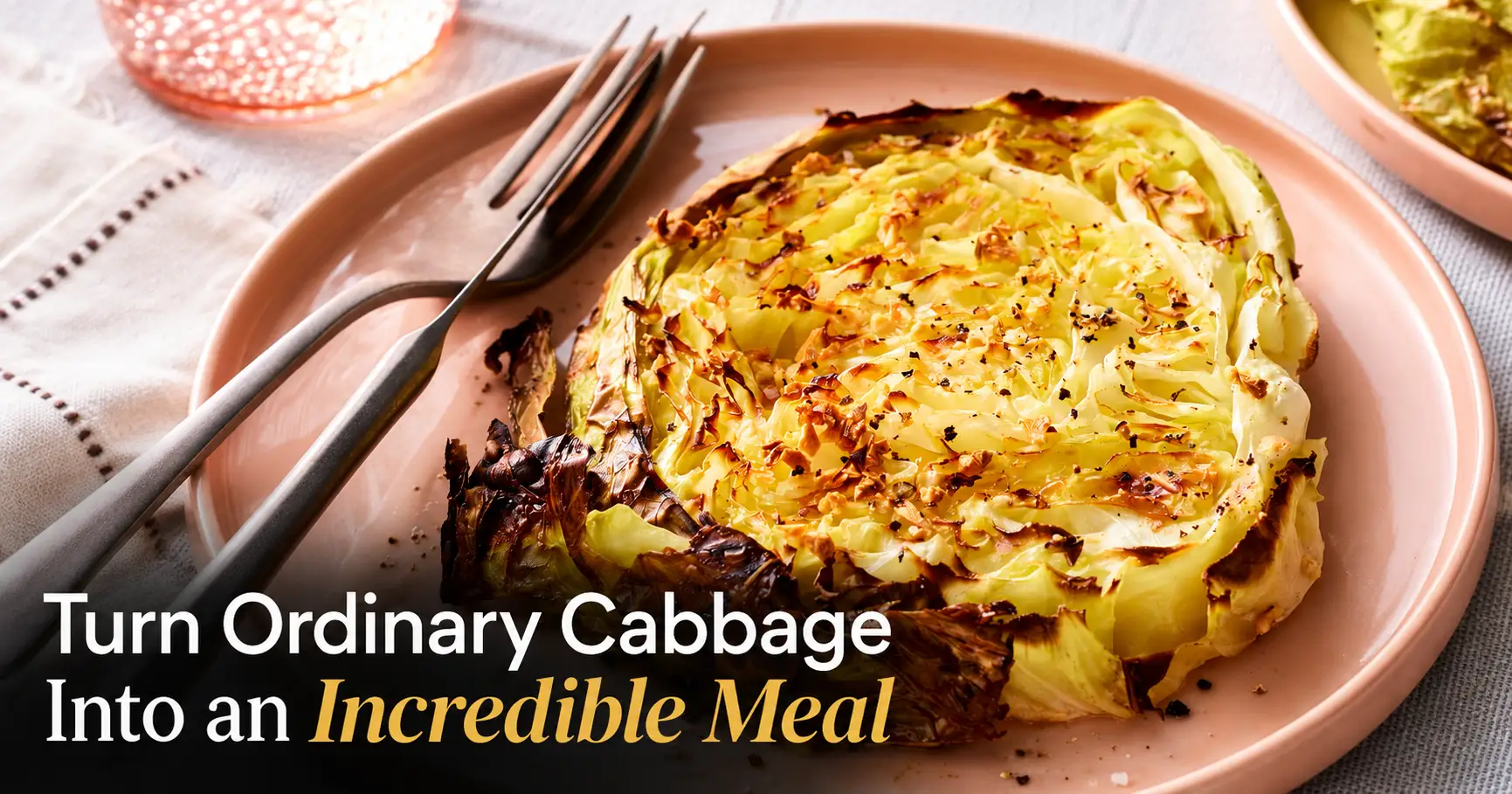
Cabbage once brought back memories of soft, watery sides or plain soups for many people who grew up in earlier decades. Those old dishes often carried a strong smell and little appeal, leading some to avoid the vegetable for years after trying them. The sulfurous notes and limp texture left a lasting impression that made the humble head seem unworthy of attention on modern plates.
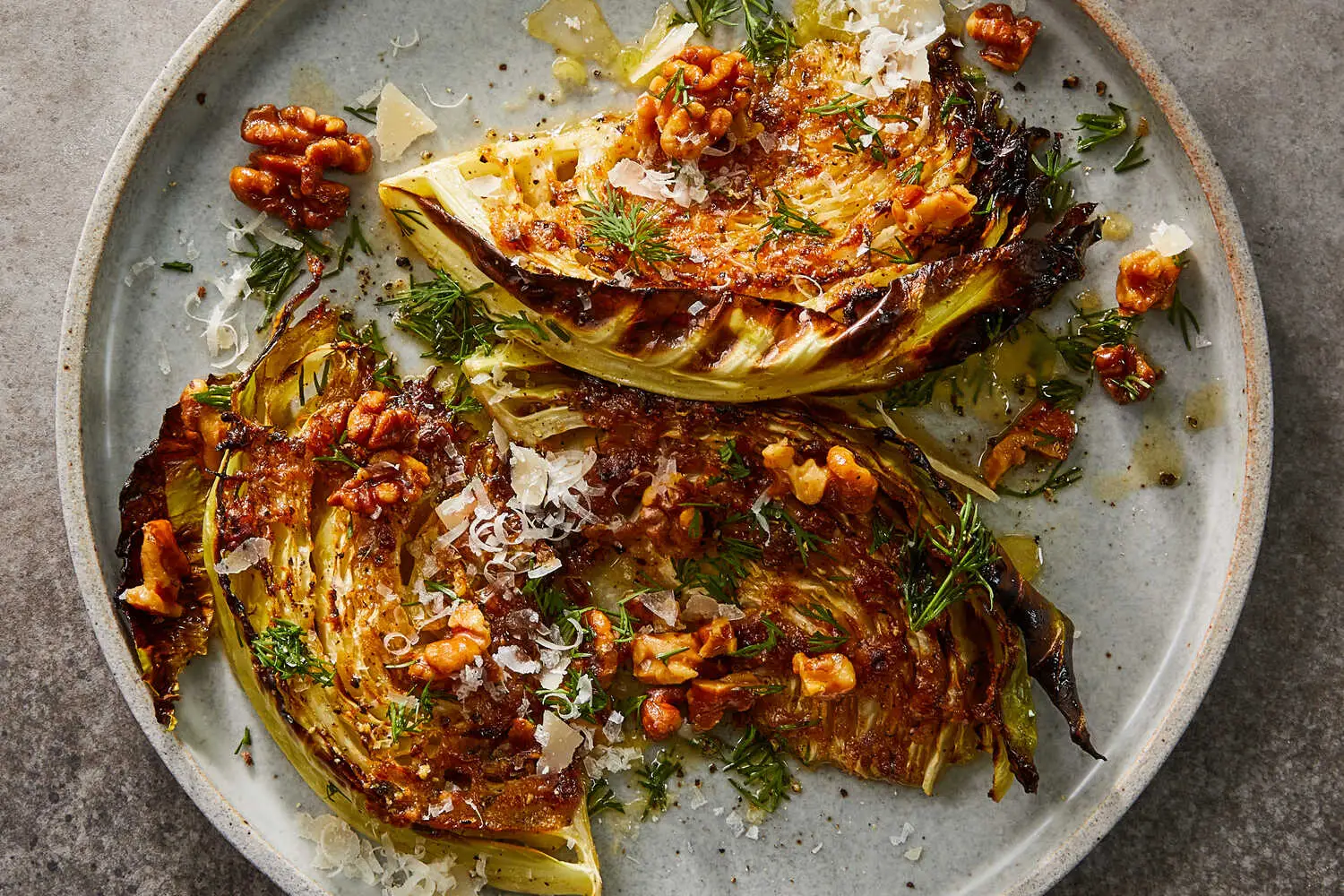
Today the story has changed in restaurants and home kitchens alike as skilled cooks rediscover its potential. Dense green or red heads now appear roasted or grilled until they develop a deep toasty char and get served as shareable starters or satisfying vegetarian mains that stand on their own. Chefs focus on a short list of core elements that completely transform the vegetable from something people merely tolerate into a dish they actively crave.
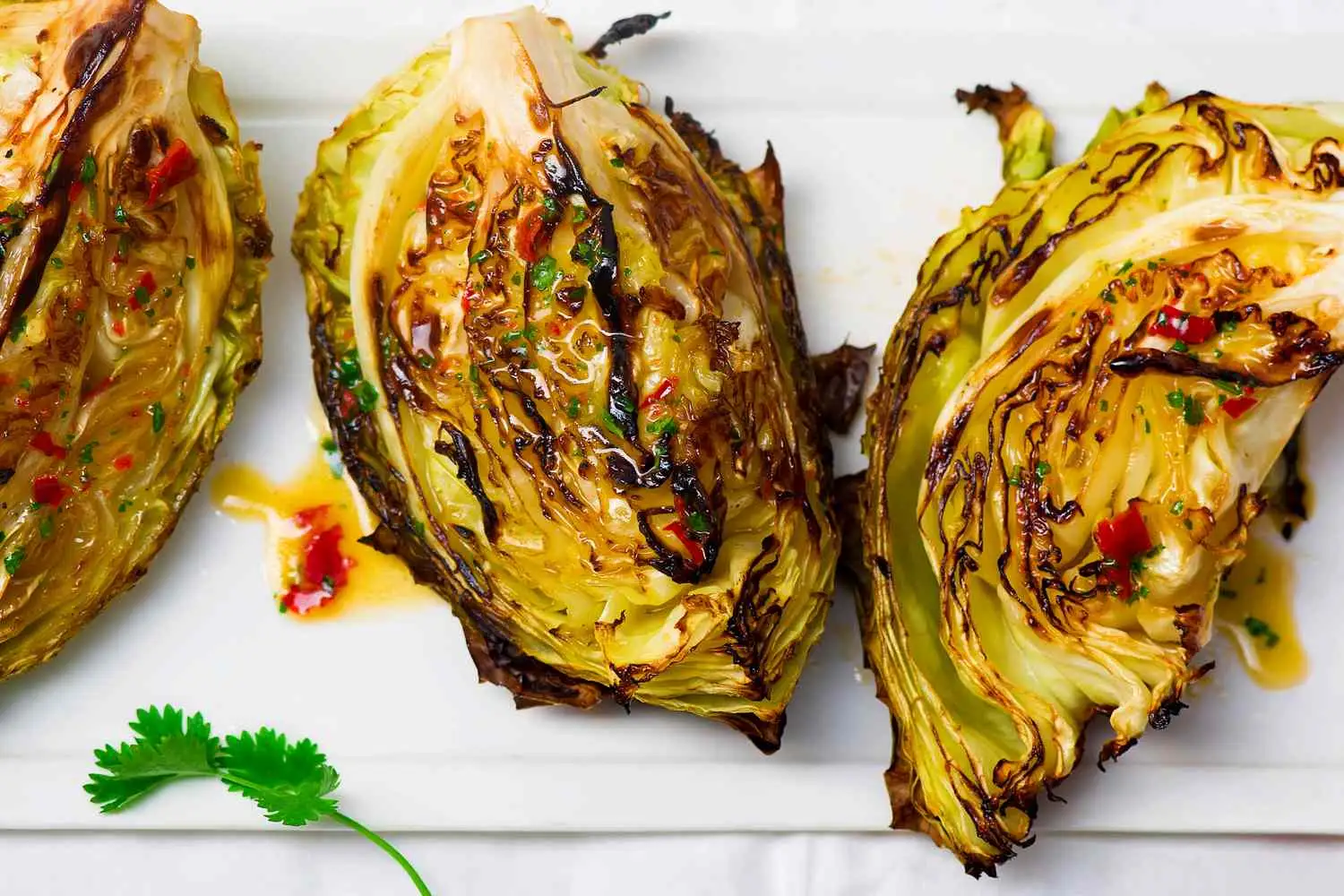 Via Food & Wine
Caramelization builds deep color and brings out natural sweetness while aromatics add layers of interest and salt draws out excess moisture. A touch of sweetness balances any remaining bitterness and a final note of acid brightens every bite so the finished plate feels complete.
People who follow cooking ideas online see cabbage named as a top kitchen choice for the year ahead because it offers both value and versatility. Home cooks can now follow the same path professionals use and enjoy restaurant-quality results without complicated tools or rare ingredients. Treating the vegetable with respect from the start allows its natural qualities to shine through in every preparation.
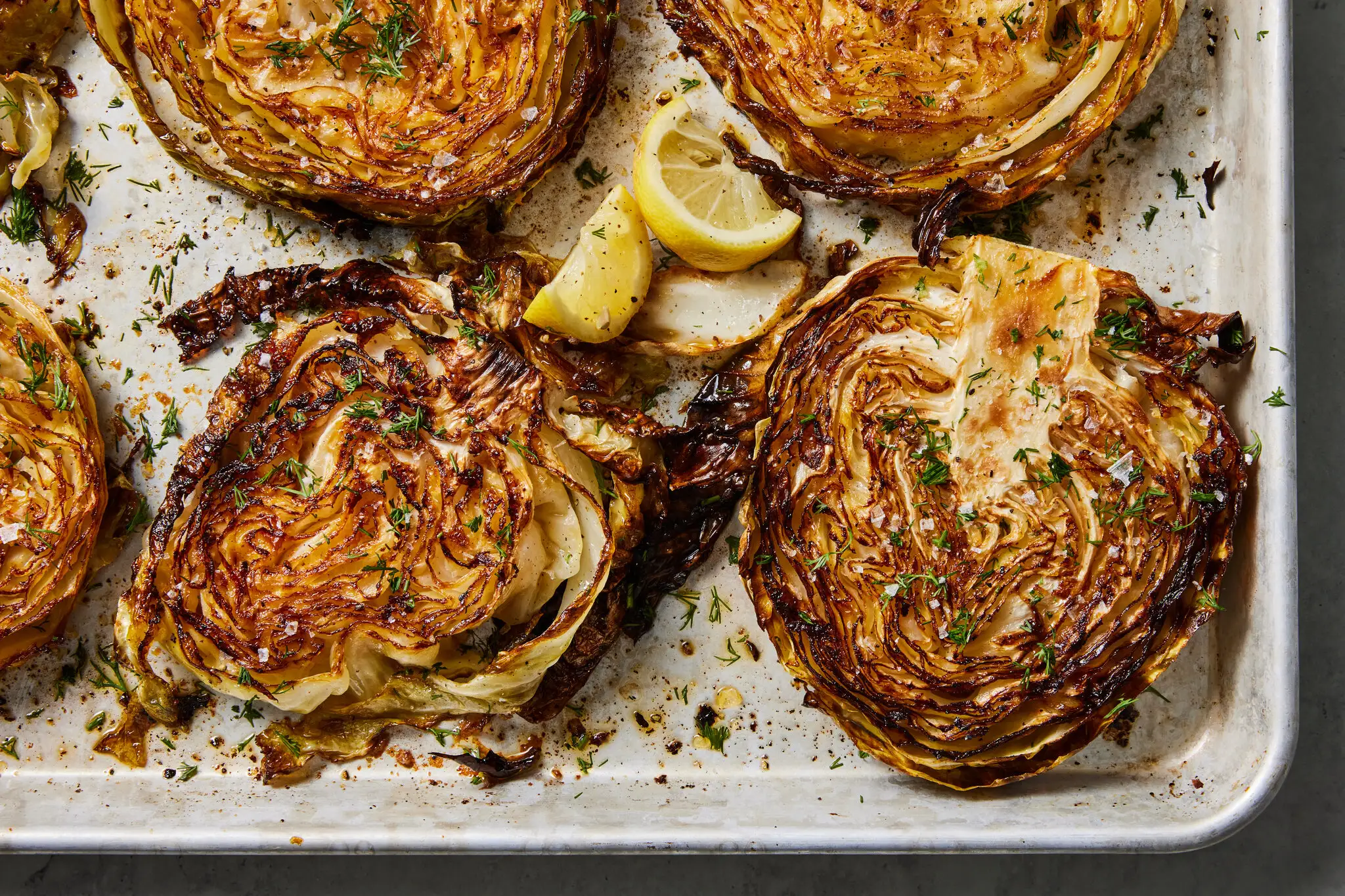 Via NYT Cooking
 Via Organic Authority
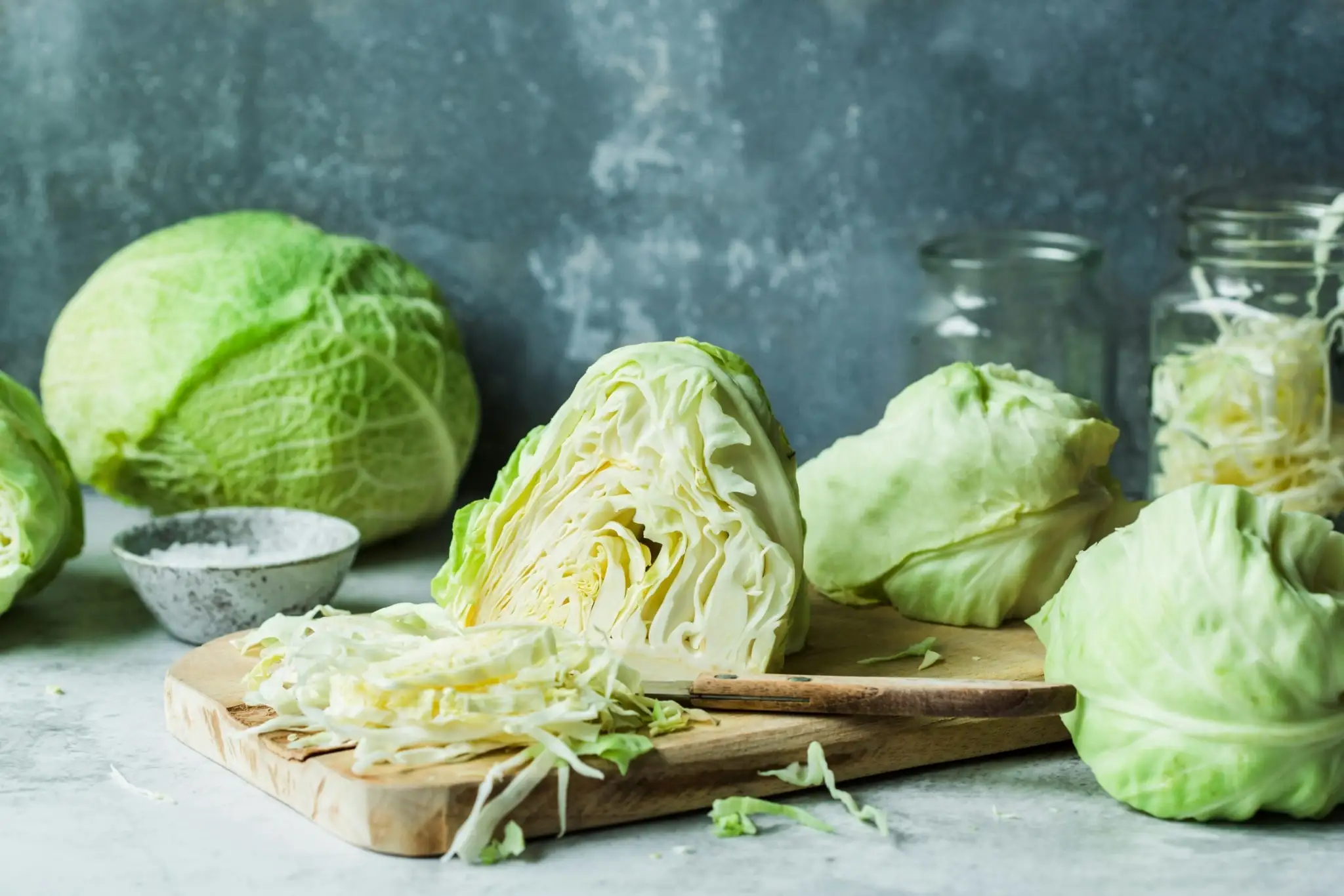
A quality head provides better flavor and texture once heat is applied because the leaves contain less excess water. Inspecting the outer layers carefully helps ensure the interior remains crisp and ready for seasoning and searing. Once selected, the cabbage benefits from careful handling before any heat touches it.
A clean, dry surface allows oil and seasoning to stick evenly so browning happens uniformly across each piece. This early attention supports the deep caramelization that turns mild cabbage into something rich and appealing. Proper selection and basic care create a strong foundation that carries through every later step.
 Via NYT Cooking
 Via Delish
The dense structure benefits from this early seasoning so the final taste stays balanced and interesting rather than bland. Proper salt levels turn the vegetable into something that truly satisfies. A light coating of neutral high-heat oil such as grapeseed or avocado prepares the surface for even contact with a hot pan or grill.
Pressing the pieces gently with a spatula ensures full contact so color develops uniformly without burning in scattered spots. This careful preparation allows the searing stage to build the deep caramelization that chefs rely on. Every early step works together to set the cabbage up for success once it meets the heat.
 Via Homes & Gardens
 Via Tasting Table
Grilling follows a similar path when the heat stays moderately high, and the pieces receive even exposure. Light charring on the outside creates the same desirable crust that a hot skillet produces. The same careful attention keeps the leaves from over-darkening before the center begins to soften. High heat applied with control remains the key that changes cabbage from ordinary to craveable.
 Via NYT Cooking
These liquids and seasonings work together to create a balanced base for the gentle cooking that follows. Covering the pan and cooking gently for fifteen to twenty minutes allows the cabbage to absorb the liquid while the outer leaves keep some texture. The process can happen on the stovetop over low heat or in a three hundred degree oven depending on what equipment is available.
A fork inserted into the center should meet only slight resistance when the pieces reach the right point. This timing keeps the cabbage tender yet still able to hold its shape on the plate. One autumn-style approach begins with deep charring, then moves into a longer gentle braise in an aromatic apple cider-based liquid.
 Via Great British Chefs
The combination softens the structure and lets the cabbage take on complex flavor without turning mushy or losing its character. The same principle of searing first and braising second appears across different kitchens because it reliably delivers both color and tenderness. Following this sequence produces results that feel complete and satisfying.
 Via Daily Meal
People often stop enjoying cabbage at that point because the texture becomes unappealing and the flavor turns dull. Careful attention during the final minutes protects the qualities that make the dish successful. After a short braise,e a brief return to a very hot oven can deepen the caramelization without further softening the center.
The pieces should stay firm enough to hold their shape when moved to the plate. Checking with a fork at the end of the gentle cooking stage helps avoid crossing into the mushy range. This final check keeps the contrast between crisp outer edges and tender interior that defines a well-cooked result.
 Via Mashed
Overcooking is the step where many home efforts fall short, so watching the clock and testing doneness become essential habits. The goal stays a texture that offers some resistance rather than complete softness. Maintaining that balance preserves the sweetness and structure that turn cabbage into a dish worth repeating.
 Via Martha Stewart
Small adjustments in liquid aromatics or finishing fat keep the process interesting while staying true to the core methods that make cabbage shine. Each step builds on the last so the final dish offers deep flavor, appealing texture, and lasting satisfaction. People who practice the sequence discover how an everyday ingredient can deliverrestaurant-qualityy results without special equipment. The approach rewards attention and care with plates that feel both simple and special.
 Via Simply Recipes
When these steps come together, the humble vegetable delivers the kind of taste and texture that make it a regular favorite. Treating cabbage with the same respect given to any main ingredient unlocks its full potential every time. The finished dishes prove that careful technique turns ordinary produce into something people truly enjoy and request again.
More in UnassignedVia Food & Wine
Caramelization builds deep color and brings out natural sweetness while aromatics add layers of interest and salt draws out excess moisture. A touch of sweetness balances any remaining bitterness and a final note of acid brightens every bite so the finished plate feels complete.
People who follow cooking ideas online see cabbage named as a top kitchen choice for the year ahead because it offers both value and versatility. Home cooks can now follow the same path professionals use and enjoy restaurant-quality results without complicated tools or rare ingredients. Treating the vegetable with respect from the start allows its natural qualities to shine through in every preparation.
Via NYT Cooking
Selecting the Right Cabbage for Cooking
Dense heads of standard green or red cabbage work best for high heat methods because their firm leaves hold shape during cooking. These varieties develop good color on the outside while the inside softens gradually without falling apart. Looser types such as napa cabbage tend to collapse more easily under aggressive heat and suit gentler styles of preparation instead. Choosing the right head from the start sets up success for the rest of the process and avoids disappointment later when the pieces need to stay intact. Shoppers should look for firm, heavy heads with tight leaves and no soft spots, yellowing, or cracks. Fresh cabbage feels solid when lifted and stores well in the refrigerator for several days when kept whole.Via Organic Authority
A quality head provides better flavor and texture once heat is applied because the leaves contain less excess water. Inspecting the outer layers carefully helps ensure the interior remains crisp and ready for seasoning and searing. Once selected, the cabbage benefits from careful handling before any heat touches it.
A clean, dry surface allows oil and seasoning to stick evenly so browning happens uniformly across each piece. This early attention supports the deep caramelization that turns mild cabbage into something rich and appealing. Proper selection and basic care create a strong foundation that carries through every later step.
Via NYT Cooking
Proper Preparation Steps for Best Results
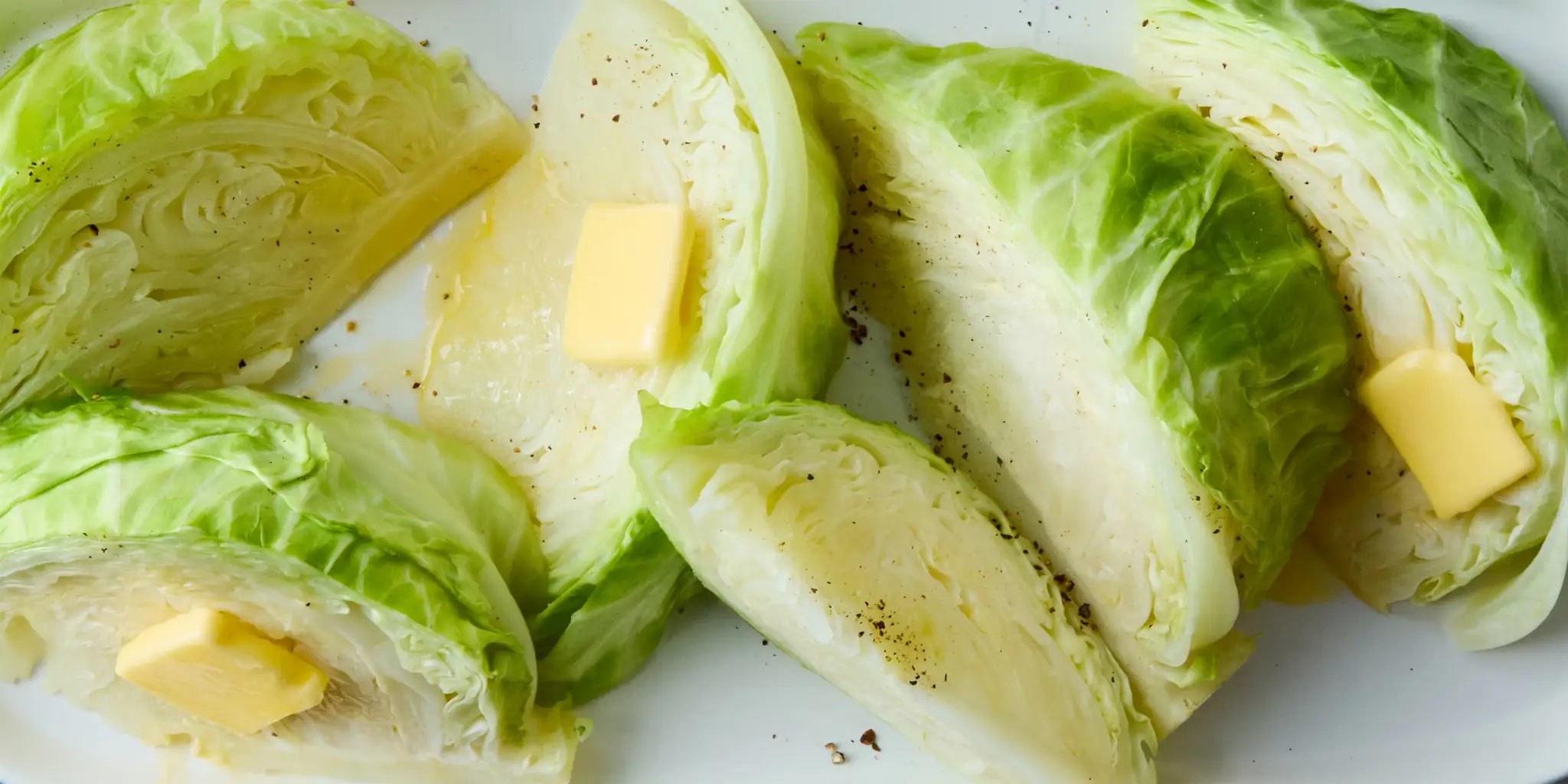
Trimming the stem end slightly while leaving most of the core attached keeps wedges or thick steaks from falling apart. Cutting pieces at least one inch thick allows the outer layers to char nicely while the center stays supported by the remaining core. Drying the cut surfaces thoroughly with a clean kitchen towel removes excess moisture that can prevent proper browning and cause steaming instead of searing. These simple cuts and drying steps make a noticeable difference in how the cabbage responds to heat. Seasoning early makes a clear and important difference because cabbage holds a lot of water and needs more salt than many people expect. Applying a generous amount of kosher salt and black pepper helps draw out moisture and concentrates the natural flavors as cooking begins.Via Delish
The dense structure benefits from this early seasoning so the final taste stays balanced and interesting rather than bland. Proper salt levels turn the vegetable into something that truly satisfies. A light coating of neutral high-heat oil such as grapeseed or avocado prepares the surface for even contact with a hot pan or grill.
Pressing the pieces gently with a spatula ensures full contact so color develops uniformly without burning in scattered spots. This careful preparation allows the searing stage to build the deep caramelization that chefs rely on. Every early step works together to set the cabbage up for success once it meets the heat.
Via Homes & Gardens
Using High Heat for Caramelization
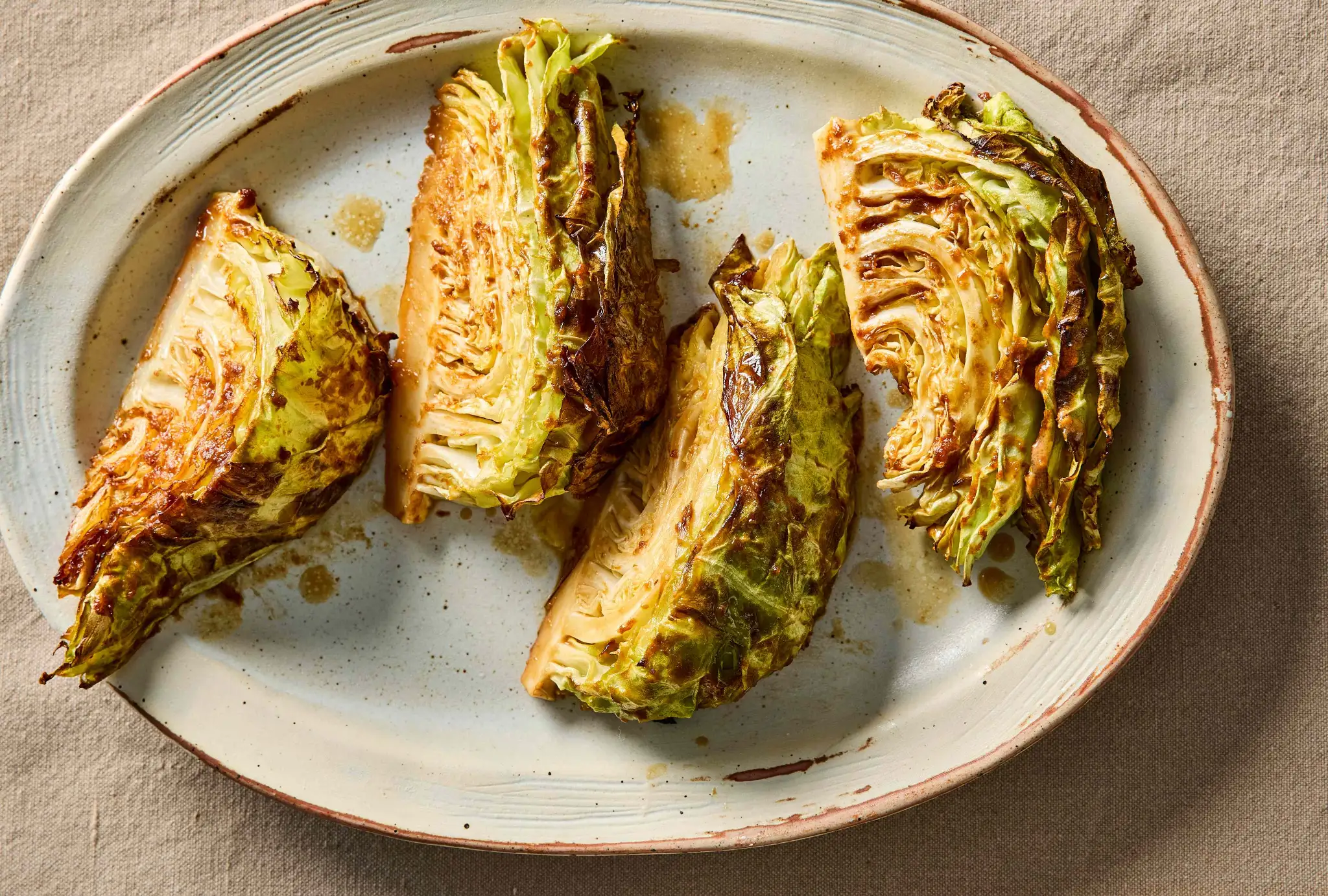
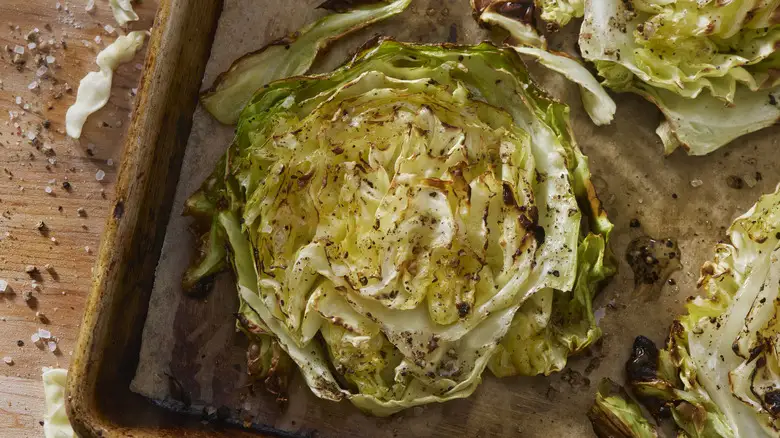
High heat drives the process that turns mild cabbage into something rich and appealing by creating deep browning on the surface. Direct contact with a hot pan or grill develops color that tempers any raw bitterness and unlocks the natural sugars inside the leaves. This stage forms the foundation for the finished dish and gives the vegetable its appealing toasty character. Without strong caramelization, the results stay closer to the soft dishes of the past. A heavy-bottomed pot or cast iron skillet over moderately high heat works especially well for building that color. The cut sides need steady pressure so they brown fully before flipping to the other side. The goal remains a well-developed, even color without any blackened or bitter areas that would overpower the natural sweetness. Careful monitoring during this phase prevents the outer leaves from going too far while the interior stays firm.
Via Tasting Table
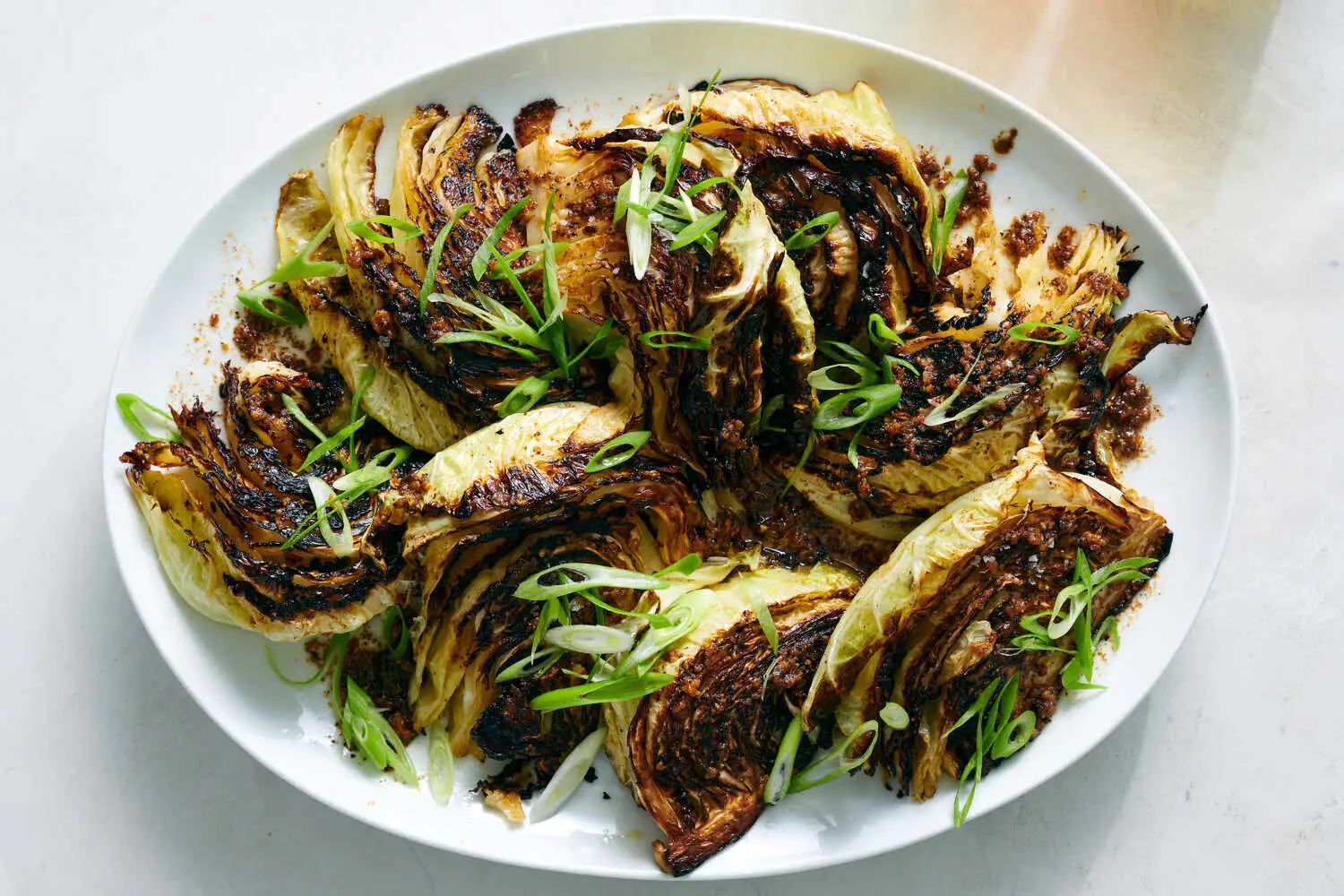
Grilling follows a similar path when the heat stays moderately high, and the pieces receive even exposure. Light charring on the outside creates the same desirable crust that a hot skillet produces. The same careful attention keeps the leaves from over-darkening before the center begins to soften. High heat applied with control remains the key that changes cabbage from ordinary to craveable.
The Char and Braise Cooking Method
After building a strong sear on the flat surfaces, the next stage softens the inner layers without losing structure. Deglazing the pan with white wine or a flavorful stock releases the browned bits stuck to the bottom and adds immediate depth. Adding aromatics such as shallots, garlic, thyme, and bay leaf builds a layered taste that soaks into the cabbage as it cooks.Via NYT Cooking
These liquids and seasonings work together to create a balanced base for the gentle cooking that follows. Covering the pan and cooking gently for fifteen to twenty minutes allows the cabbage to absorb the liquid while the outer leaves keep some texture. The process can happen on the stovetop over low heat or in a three hundred degree oven depending on what equipment is available.
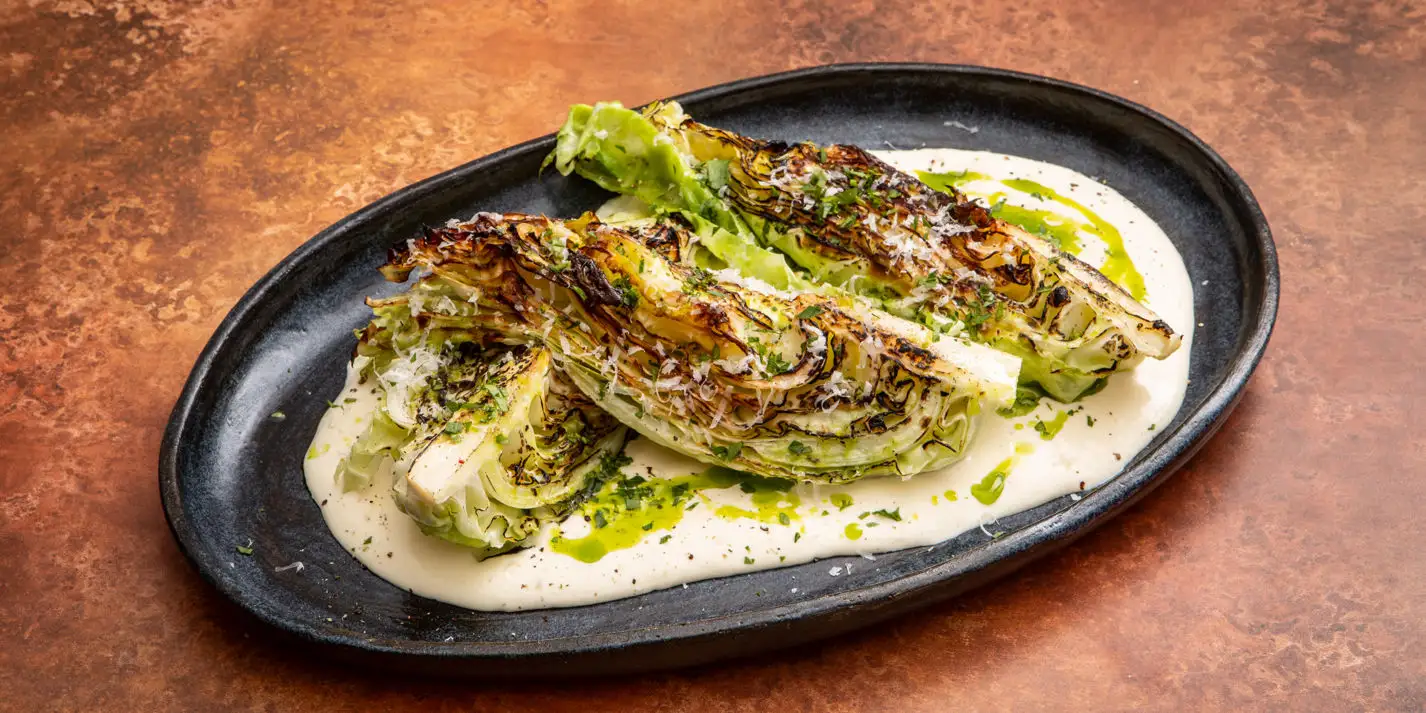
A fork inserted into the center should meet only slight resistance when the pieces reach the right point. This timing keeps the cabbage tender yet still able to hold its shape on the plate. One autumn-style approach begins with deep charring, then moves into a longer gentle braise in an aromatic apple cider-based liquid.
Via Great British Chefs
The combination softens the structure and lets the cabbage take on complex flavor without turning mushy or losing its character. The same principle of searing first and braising second appears across different kitchens because it reliably delivers both color and tenderness. Following this sequence produces results that feel complete and satisfying.
Preventing Overcooking Issues
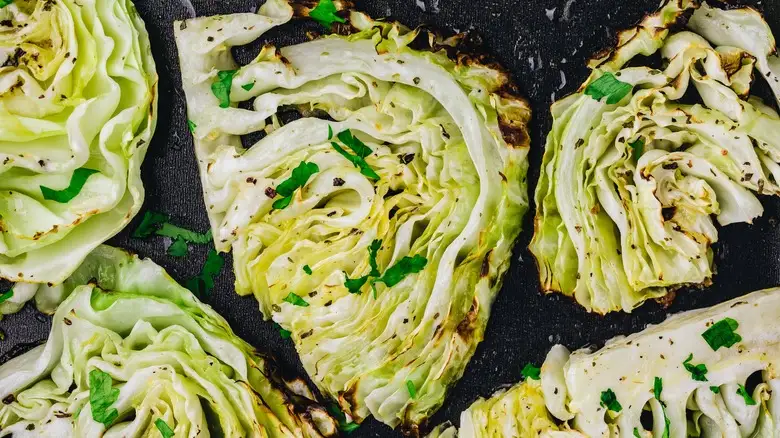
Timing remains critical no matter which finishing approach is chosen because cabbage loses its appeal when it cooks too long. When the vegetable turns fully soft or mushy, it loses both its natural sweetness and the structure that makes it interesting to eat.
Via Daily Meal
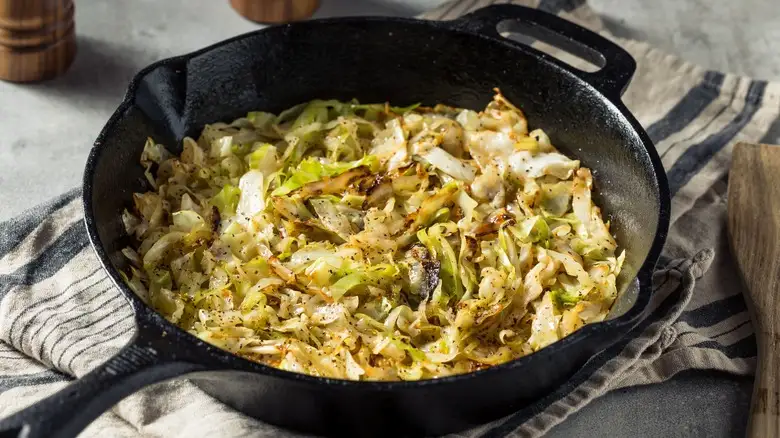
People often stop enjoying cabbage at that point because the texture becomes unappealing and the flavor turns dull. Careful attention during the final minutes protects the qualities that make the dish successful. After a short braise,e a brief return to a very hot oven can deepen the caramelization without further softening the center.
The pieces should stay firm enough to hold their shape when moved to the plate. Checking with a fork at the end of the gentle cooking stage helps avoid crossing into the mushy range. This final check keeps the contrast between crisp outer edges and tender interior that defines a well-cooked result.
Via Mashed
Overcooking is the step where many home efforts fall short, so watching the clock and testing doneness become essential habits. The goal stays a texture that offers some resistance rather than complete softness. Maintaining that balance preserves the sweetness and structure that turn cabbage into a dish worth repeating.
Creating Craveable Cabbage Dishes
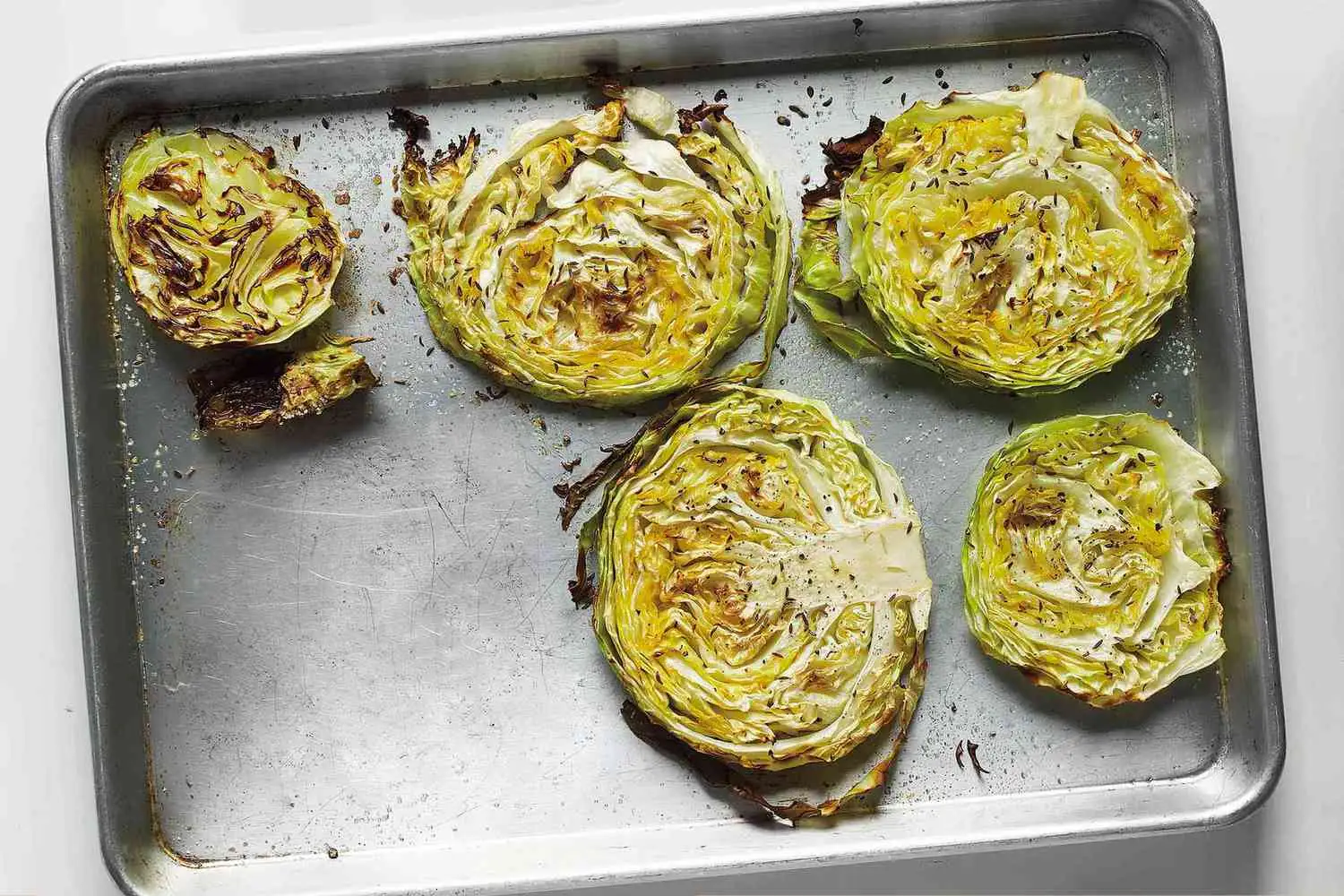
Following the full sequence of careful selection, thorough drying,g generous seasoning, high-heat searing, gentle finishing, ng and thoughtful layering produces results that stand on their own. Dense cabbage becomes the center of the plate rather than a background item that people overlook. Those who once avoided the vegetable often change their view after tasting it prepared with these methods. The techniques remain flexible enough for regular home kitchens using a skillet, a grill, or an oven.Via Martha Stewart
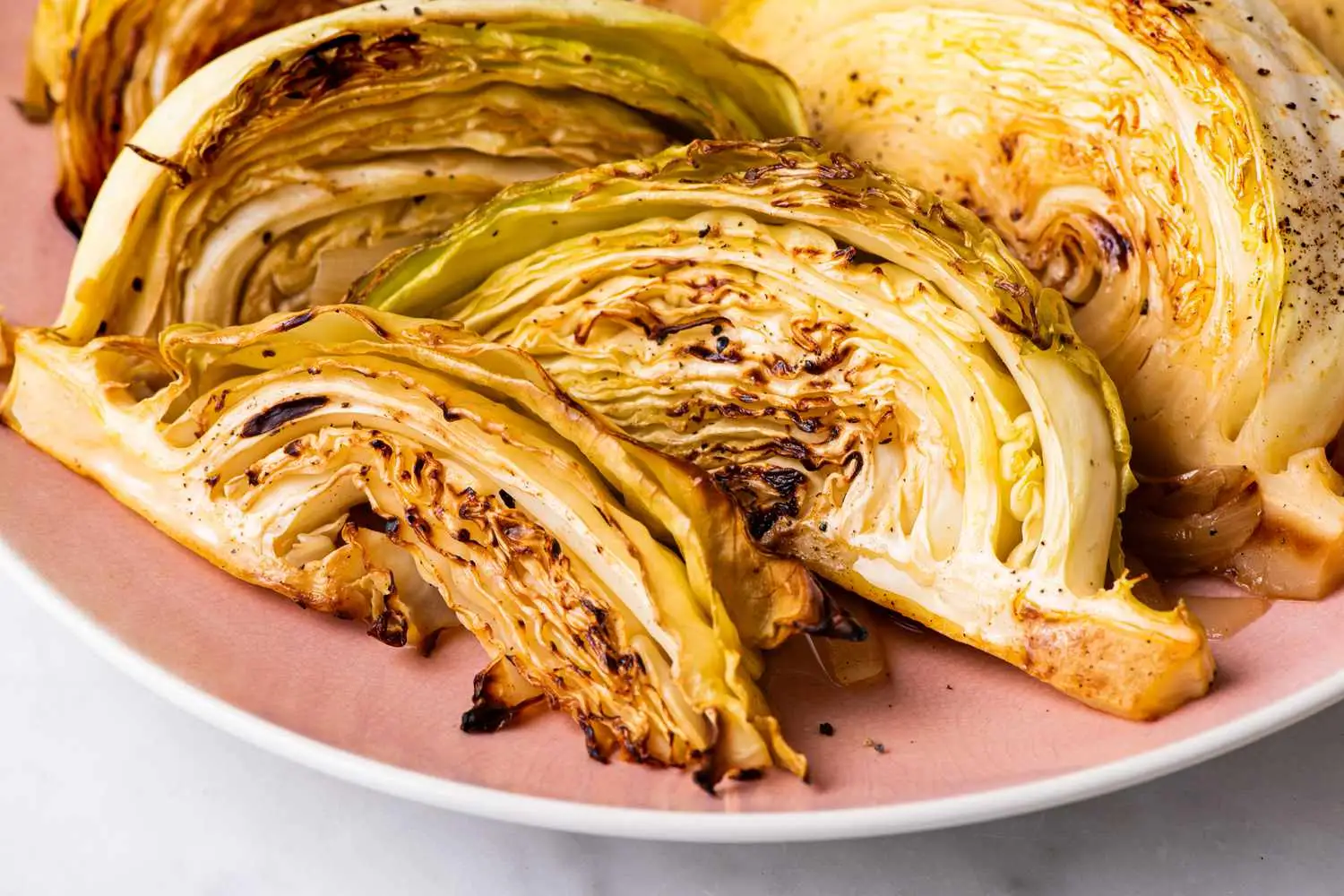
Small adjustments in liquid aromatics or finishing fat keep the process interesting while staying true to the core methods that make cabbage shine. Each step builds on the last so the final dish offers deep flavor, appealing texture, and lasting satisfaction. People who practice the sequence discover how an everyday ingredient can deliverrestaurant-qualityy results without special equipment. The approach rewards attention and care with plates that feel both simple and special.
Via Simply Recipes
When these steps come together, the humble vegetable delivers the kind of taste and texture that make it a regular favorite. Treating cabbage with the same respect given to any main ingredient unlocks its full potential every time. The finished dishes prove that careful technique turns ordinary produce into something people truly enjoy and request again.