Unassigned
7 Cases Where Tipping Under 20% at a Restaurant Makes Sense

Restaurant tips exist to reward the work servers perform during a meal. Guests judge the experience based on how attentive, polite, and helpful the person taking orders and delivering food proves to be. Factors outside a server’s control, such as kitchen mistakes or seating layout, do not belong in the tipping decision.
Careful attention to what the server actually does during the visit creates a more accurate measure of the effort shown. Servers move between tables, manage requests, and try to keep the flow of a busy dining room smooth. When they meet basic expectations of courtesy and responsiveness, most diners consider a standard tip appropriate.
 Via Dining Well
Guests who focus on observable behavior rather than overall restaurant impressions reach more consistent and reasonable choices. Watching how quickly and kindly needs are met helps form a fair view of the service given. Many people who work in restaurants view tips as the direct result of effort shown on the floor.
Guests who remember this principle avoid punishing staff for problems they cannot fix. Clear standards about what counts as service help both sides of the exchange. The goal remains straightforward: match the tip to the care and professionalism displayed by the person serving the table.
 Via Restaurant Dive
 Via Bankrate
The more useful approach involves noting such problems for a future decision about returning to the restaurant. That choice belongs to management and ownership rather than the person carrying plates. Keeping these areas distinct allows tips to stay focused on the work done at the table.
Guests who keep these distinctions clear protect the people whose income depends on tips. Fair evaluation looks only at how the server responds once a problem becomes known. Clear communication with a manager about food or policy concerns often produces better results than reducing the tip alone.
 Via MSU Denver RED
 Via Fox News
Reducing the tip to a lower percentage signals that the behavior was unacceptable while still acknowledging that some payment occurred. This measured response marks the offense without erasing all recognition of the labor involved. Servers who choose insulting language damage the basic trust required in any service exchange.
Guests who encounter this treatment can also speak with a manager so the issue receives attention beyond the single meal. The reduced tip itself remains a limited response that matches the seriousness of the offense without eliminating all recognition of the work performed. Reporting the incident helps the restaurant address the problem and prevents similar experiences for others.
 Via Ladder
 Via Food Republic
Three or four ignored requests for the same item move beyond ordinary memory slips into open disinterest. Guests who experience this level of disengagement reasonably adjust the tip downward. Consistent lack of effort removes the foundation for a full standard gratuity. Servers who display consistent apathy undermine the purpose of their role.
Guests who respond with a reduced tip still leave some amount rather than nothing at all. That choice maintains a baseline of respect for service work while marking the specific failure. Speaking with a manager about the repeated oversights can also help the restaurant address training or staffing issues.
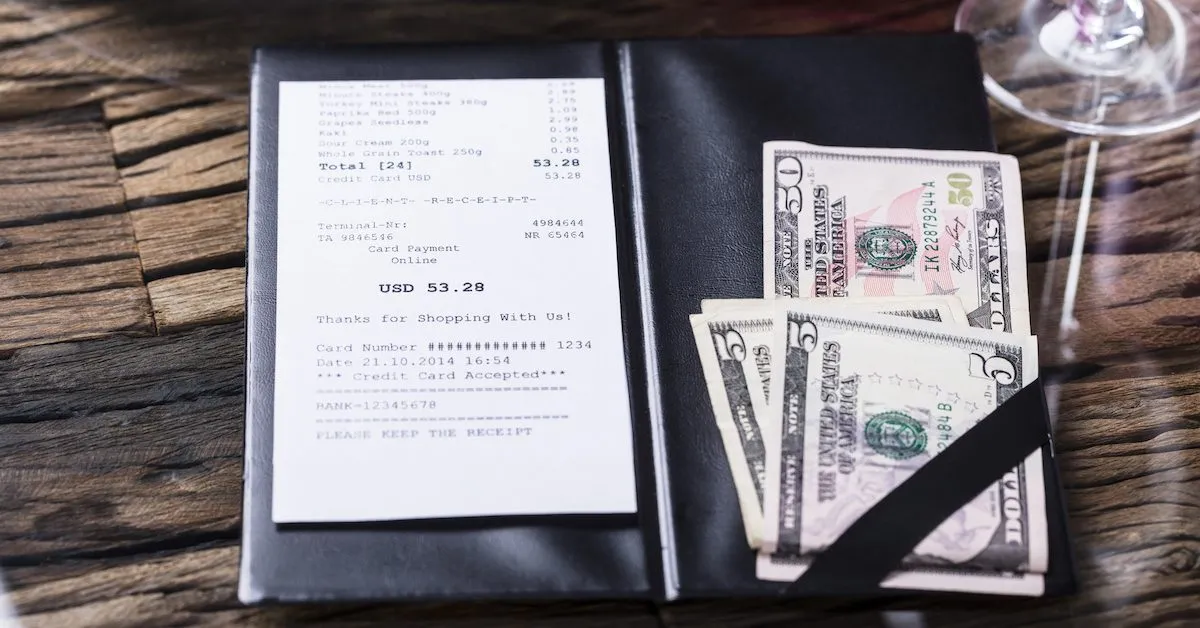 Via Finance Buzz
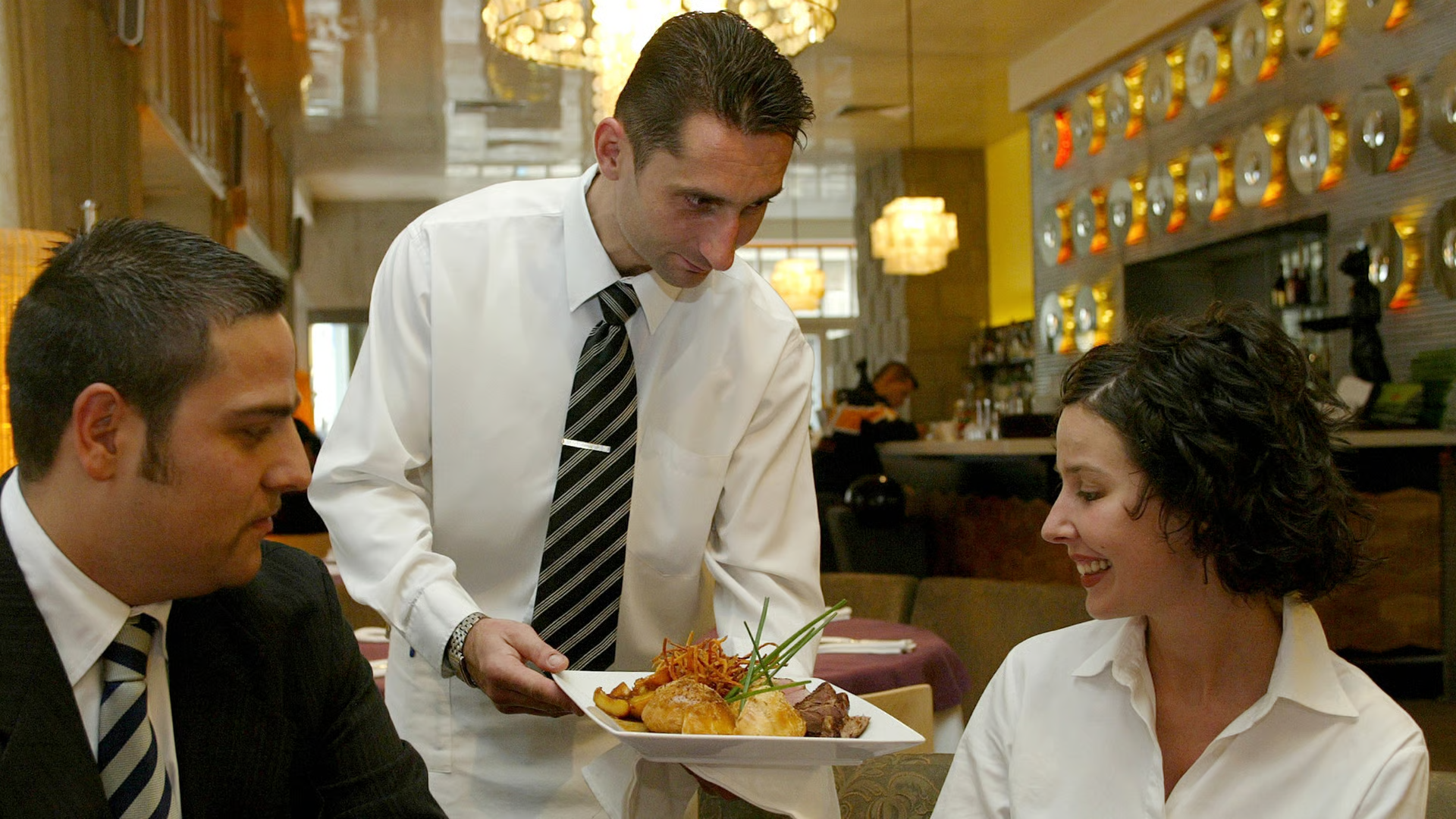 Via Quartz
Bringing management into the conversation allows facts to surface and protects both the guest and the remaining staff. Clear discussion of what happened supports fair handling of the issue by those in charge. Restaurants cannot function properly when bias appears at the table. Guests who reduce the tip and report the incident contribute to accountability.
Leaving a smaller amount rather than zero still recognizes that labor occurred while refusing to reward harmful conduct. Clear documentation of what happened supports any later review by those in charge. This approach upholds standards of respect while allowing the business to correct serious problems.
 Via The Independent
 Via Tasting Table
Guests who follow this path protect their own standards while treating the occupation with basic respect. The combination of adjusted payment and open discussion offers a practical way to address rare serious failures. Most dining experiences never reach the level of seriousness that justifies a lower tip.
Guests who reserve that option for rare cases of rudeness, open apathy, or bias keep the practice meaningful. Consistent attention to service quality rather than external frustrations supports a healthier system for both diners and the people who serve them. Thoughtful decisions in these uncommon situations help maintain reasonable expectations across the industry.
 Via CNBC
 Via Your Tango
Facts about timing, repeated failures, or disrespectful words create a record that can guide future improvements. Direct conversation turns a single negative experience into a chance for the business to respond practically.
Many service issues improve once they reach the right level of attention inside the restaurant. Guests who take this route protect their own standards while allowing the workplace to address the problem. Clear feedback paired with a reduced tip when needed keeps the focus on behavior rather than unrelated factors.
 Via Touch Bistro
 Via Daily Meal
Most visits never reach the point where a reduced tip becomes necessary. Guests who reserve that option for rare cases of insult, apathy, or bias help keep the practice meaningful. Attention to actual server actions rather than kitchen delays or policy matters strengthens the overall tipping process. Thoughtful decisions in these uncommon moments support reasonable expectations for everyone involved in the dining experience.
More in UnassignedVia Dining Well
Guests who focus on observable behavior rather than overall restaurant impressions reach more consistent and reasonable choices. Watching how quickly and kindly needs are met helps form a fair view of the service given. Many people who work in restaurants view tips as the direct result of effort shown on the floor.
Guests who remember this principle avoid punishing staff for problems they cannot fix. Clear standards about what counts as service help both sides of the exchange. The goal remains straightforward: match the tip to the care and professionalism displayed by the person serving the table.
Via Restaurant Dive
Food Problems Stay Separate from Tips
Overcooked meals, missing menu items, or slow kitchen times frustrate diners, yet these issues usually originate beyond the server’s reach. Guests who withhold money because of seasoning mistakes or long waits for an entrée place the cost of kitchen delays on the wrong person. Servers often lack authority over cooking schedules or ingredient availability. Holding them financially responsible for those matters creates unfair pressure. Separating kitchen results from service actions protects the people whose income depends on tips. Ambiance, parking difficulties, or high prices also fall outside the direct control of the individual who greets a table. Guests who factor those elements into the tip amount blur the line between service quality and broader business decisions.Via Bankrate
The more useful approach involves noting such problems for a future decision about returning to the restaurant. That choice belongs to management and ownership rather than the person carrying plates. Keeping these areas distinct allows tips to stay focused on the work done at the table.
Guests who keep these distinctions clear protect the people whose income depends on tips. Fair evaluation looks only at how the server responds once a problem becomes known. Clear communication with a manager about food or policy concerns often produces better results than reducing the tip alone.
Via MSU Denver RED
Rude or Insulting Behavior from Servers
Verbal insults directed at guests cross a clear line. No one visits a restaurant expecting personal comments about appearance, background, or living situation. When a server makes such remarks, the interaction shifts from service to disrespect. Direct insults remove the basic courtesy expected in any dining exchange and justify adjusting the gratuity downward. Examples of direct insults remain memorable because they feel personal and unnecessary. A comment that mocks a guest’s choice of food or style of speech demonstrates contempt rather than hospitality.Via Fox News
Reducing the tip to a lower percentage signals that the behavior was unacceptable while still acknowledging that some payment occurred. This measured response marks the offense without erasing all recognition of the labor involved. Servers who choose insulting language damage the basic trust required in any service exchange.
Guests who encounter this treatment can also speak with a manager so the issue receives attention beyond the single meal. The reduced tip itself remains a limited response that matches the seriousness of the offense without eliminating all recognition of the work performed. Reporting the incident helps the restaurant address the problem and prevents similar experiences for others.
Via Ladder
Clear Signs of Server Apathy or Indifference
Repeated failure to fulfill simple requests points to a lack of care. Asking several times for a spoon, a water refill, or a correction to an order without results shows that attention has drifted elsewhere. Guests who watch a server walk past needed items to chat with coworkers recognize the pattern. Patterns of neglect stand out clearly against normal busy-service moments. Forgetfulness happens in busy restaurants, yet patterns of neglect stand out. When a wrong dish arrives, and the server offers no attempt to fix it, the message becomes clear that the guest’s needs rank low.Via Food Republic
Three or four ignored requests for the same item move beyond ordinary memory slips into open disinterest. Guests who experience this level of disengagement reasonably adjust the tip downward. Consistent lack of effort removes the foundation for a full standard gratuity. Servers who display consistent apathy undermine the purpose of their role.
Guests who respond with a reduced tip still leave some amount rather than nothing at all. That choice maintains a baseline of respect for service work while marking the specific failure. Speaking with a manager about the repeated oversights can also help the restaurant address training or staffing issues.
Via Finance Buzz
Discriminatory Actions and Bias in Service
Any display of racial bias or similar prejudice has no place in a restaurant. Guests who encounter such behavior face a situation that goes far beyond ordinary service mistakes. Withholding a full tip in these cases becomes an appropriate response because the offense attacks basic dignity. Bias of this kind damages the entire dining experience and demands a firm response. Situations involving perceived or real discrimination create lasting discomfort. Guests may feel singled out or treated differently based on appearance or background. Even if a misunderstanding occurs, the perception alone damages the experience.Via Quartz
Bringing management into the conversation allows facts to surface and protects both the guest and the remaining staff. Clear discussion of what happened supports fair handling of the issue by those in charge. Restaurants cannot function properly when bias appears at the table. Guests who reduce the tip and report the incident contribute to accountability.
Leaving a smaller amount rather than zero still recognizes that labor occurred while refusing to reward harmful conduct. Clear documentation of what happened supports any later review by those in charge. This approach upholds standards of respect while allowing the business to correct serious problems.
Via The Independent
Handling Difficult Experiences Beyond the Tip Alone
Talking with a manager often produces more lasting change than a reduced tip by itself. Guests who describe specific problems give the restaurant a chance to correct training gaps or address individual performance. A calm conversation focused on facts helps everyone involved understand the issue without unnecessary conflict. Many problems improve once they reach the right level of attention. Direct communication frequently leads to better outcomes for future diners as well. Leaving some tip amount, even a lower one, acknowledges that service work remains demanding. Complete refusal to tip can feel extreme and may not communicate the intended message. A reduced percentage paired with a clear explanation to management balances fairness with accountability.
Via Tasting Table
Guests who follow this path protect their own standards while treating the occupation with basic respect. The combination of adjusted payment and open discussion offers a practical way to address rare serious failures. Most dining experiences never reach the level of seriousness that justifies a lower tip.
Guests who reserve that option for rare cases of rudeness, open apathy, or bias keep the practice meaningful. Consistent attention to service quality rather than external frustrations supports a healthier system for both diners and the people who serve them. Thoughtful decisions in these uncommon situations help maintain reasonable expectations across the industry.
Via CNBC
Speaking with Managers About Service Issues
Speaking with a manager about service problems often leads to clearer results than adjusting a tip alone. Guests who describe exact events such as ignored requests or rude remarks give the restaurant useful details for review. Calm and specific comments help staff understand what went wrong during the meal. This step allows ownership or supervisors to look into training needs or individual actions that affected the visit. Managers hold the authority to correct patterns that individual servers cannot fix on their own. Guests who share concerns in a straightforward way support better standards across the dining room.Via Your Tango
Facts about timing, repeated failures, or disrespectful words create a record that can guide future improvements. Direct conversation turns a single negative experience into a chance for the business to respond practically.
Many service issues improve once they reach the right level of attention inside the restaurant. Guests who take this route protect their own standards while allowing the workplace to address the problem. Clear feedback paired with a reduced tip when needed keeps the focus on behavior rather than unrelated factors.
Via Touch Bistro
Leaving Some Tip Shows Basic Respect
Even when service falls far short of expectations, leaving a reduced amount rather than nothing at all recognizes that labor took place. Guests who choose a lower percentage mark serious failures such as open rudeness or clear indifference without erasing all payment. This approach balances accountability with the understanding that restaurant work remains demanding. Complete refusal of any tip can send a message that feels extreme and may not highlight the specific problems that occurred. Guests who leave at least a modest sum keep the exchange grounded in basic respect for the occupation. The lower figure still reflects the quality of the interaction while avoiding total dismissal of the work done.
Via Daily Meal
Most visits never reach the point where a reduced tip becomes necessary. Guests who reserve that option for rare cases of insult, apathy, or bias help keep the practice meaningful. Attention to actual server actions rather than kitchen delays or policy matters strengthens the overall tipping process. Thoughtful decisions in these uncommon moments support reasonable expectations for everyone involved in the dining experience.