Unassigned
What Controls Appetite - Hunger, Stress, or Habit?

Hunger and appetite often feel like the same thing, yet they work in very different ways inside the body. Hunger is a physical signal that tells the body it needs energy to function. It builds slowly and becomes stronger when the body lacks fuel. Appetite, on the other hand, is more complex and involves emotions, habits, and external triggers that influence the desire to eat even when energy needs are met.
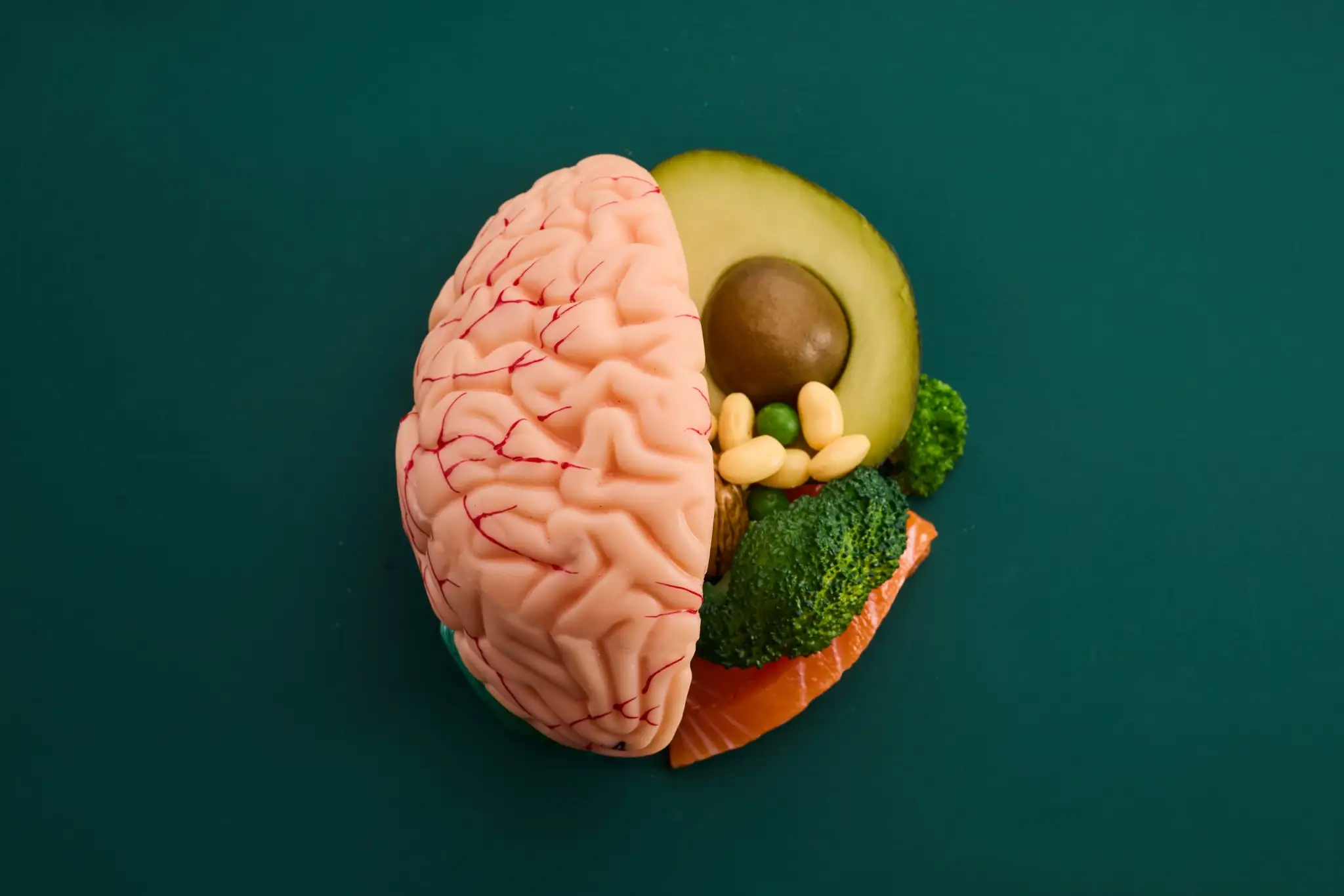
Hunger is controlled by a region deep in the brain that monitors energy levels and hormone activity. When blood sugar drops or certain hormones increase, the body sends a clear message to eat. Appetite includes not just hunger but also fullness and the pleasure linked to eating. These three elements work together but rely on different parts of the brain, creating a dynamic system that shapes eating behavior.
 Via Khabar
People respond differently to food because appetite varies from one individual to another. Some people eat only when truly hungry, while others feel drawn to food more often due to emotional or environmental cues. Understanding this difference helps explain why eating patterns can vary widely and why some individuals struggle more with cravings than others.
 Via Girouard
Fullness is managed by another part of the brain that receives signals from the stomach. As food enters and stretches the stomach, nerve signals travel to the brain to indicate that the body has had enough. This system works well when eating slowly and mindfully, allowing time for signals to register before overeating occurs.
Reward is another powerful factor controlled by a network of brain pathways linked to pleasure. Dopamine plays a key role in making food enjoyable and motivating repeated behavior. Even when fullness signals are active, the reward system can override them, especially when appealing foods are present. This explains why dessert often feels tempting even after a full meal.
 Via Poradnia
 Via Psychiatry Redefined
Genetics does not fully determine eating behavior, but it creates a baseline that interacts with lifestyle and environment. Awareness of these differences can help people better understand personal eating patterns. Recognizing that appetite is not the same for everyone can also reduce judgment and support more balanced approaches to food choices.
 Via CNRS News
This type of response is known as hedonic hunger, where the desire to eat is driven by pleasure rather than physical need. The brain reacts to food cues by releasing dopamine, which enhances the appeal of eating. Over time, repeated exposure to these cues can create strong habits, making it difficult to ignore food even when full.
Sound also plays a surprising role in appetite. The crunch of chips or the sizzle of food cooking can become linked with enjoyment through repeated experiences. These associations strengthen over time, making certain foods more tempting simply because of the sensory experience they provide. This highlights how powerful external cues can be in shaping eating behavior.
 Via Food Navigator
 Via LinkedIn
Long-term stress can create patterns where food becomes a coping mechanism. Over time, this can weaken the body's natural ability to regulate hunger and fullness. Recognizing the link between stress and eating can help in developing healthier strategies to manage both emotions and food choices.
 Via Nestle
Repeated consumption of these foods can affect how the body responds to hunger and fullness hormones. Over time, the signals that indicate satiety may become weaker, making it harder to recognize when to stop eating. This can lead to a cycle of overeating and reduced sensitivity to internal cues.
Food environments also play a role in shaping behavior. Easy access to snacks, constant advertising, and strong sensory cues make it difficult to avoid eating. The combination of biological responses and environmental factors creates a situation where managing appetite becomes more challenging than ever before.
 Via Integral Wellness
 Via Cohesion Pharma
Understanding the role of habit helps explain why people may eat without thinking. Identifying triggers and creating new routines can gradually reshape behavior. This process supports more intentional eating and helps align food choices with actual needs rather than automatic responses.
 Via Galway Nutrition
Mindful eating is another useful strategy that focuses on slowing down and paying attention to the experience of food. Noticing taste, texture, and portion size can improve satisfaction and reduce overeating. Eating without distractions, such as screens or multitasking, helps the body register fullness signals more accurately and prevents mindless consumption.
Small changes in daily routines can also support better control over appetite. Keeping regular meal times, staying hydrated, and managing stress levels can reduce unnecessary cravings. Over time, these adjustments help strengthen the body’s natural signals, allowing people to respond to food in a more balanced and intentional way.
 Via UK Rehab
 Via Werbylo
Creating a balanced approach to food involves understanding how the body and brain interact. Recognizing the role of hunger, stress, and habit helps people make more informed choices. Over time, this awareness supports healthier relationships with food and more consistent eating patterns.
More in Unassigned
Via Khabar
People respond differently to food because appetite varies from one individual to another. Some people eat only when truly hungry, while others feel drawn to food more often due to emotional or environmental cues. Understanding this difference helps explain why eating patterns can vary widely and why some individuals struggle more with cravings than others.
How the Brain Regulates Hunger and Fullness
The brain plays a central role in deciding when to eat and when to stop. Hunger signals begin in a small area that tracks energy levels and hormone activity. When the body needs fuel, hormones like ghrelin increase, encouraging food intake. At the same time, other hormones such as leptin help signal when enough energy has been consumed, reducing the urge to eat.Via Girouard
Fullness is managed by another part of the brain that receives signals from the stomach. As food enters and stretches the stomach, nerve signals travel to the brain to indicate that the body has had enough. This system works well when eating slowly and mindfully, allowing time for signals to register before overeating occurs.
Reward is another powerful factor controlled by a network of brain pathways linked to pleasure. Dopamine plays a key role in making food enjoyable and motivating repeated behavior. Even when fullness signals are active, the reward system can override them, especially when appealing foods are present. This explains why dessert often feels tempting even after a full meal.
Via Poradnia
The Role of Genetics in Appetite Control
Genetics influences how appetite works and how strongly people respond to food. Some individuals naturally feel hungry less often and eat only when necessary. Others experience stronger cravings and find it harder to resist food, even when not physically hungry. These differences are partly shaped by inherited traits that affect how the brain responds to food signals. Research shows that many genes are linked to appetite regulation. These genes affect hormone levels, reward sensitivity, and how the body processes energy. As a result, some people may feel satisfied with smaller portions, while others need more food to achieve the same sense of fullness. This variation explains why eating habits differ widely across individuals.Via Psychiatry Redefined
Genetics does not fully determine eating behavior, but it creates a baseline that interacts with lifestyle and environment. Awareness of these differences can help people better understand personal eating patterns. Recognizing that appetite is not the same for everyone can also reduce judgment and support more balanced approaches to food choices.
How Sensory Cues Trigger Appetite
Sight, smell, and even sound can activate appetite, often without any real need for food. Seeing a plate of fresh cookies or smelling food cooking can trigger a strong desire to eat. These sensory signals interact with brain pathways linked to reward, increasing motivation to consume food regardless of hunger levels.Via CNRS News
This type of response is known as hedonic hunger, where the desire to eat is driven by pleasure rather than physical need. The brain reacts to food cues by releasing dopamine, which enhances the appeal of eating. Over time, repeated exposure to these cues can create strong habits, making it difficult to ignore food even when full.
Sound also plays a surprising role in appetite. The crunch of chips or the sizzle of food cooking can become linked with enjoyment through repeated experiences. These associations strengthen over time, making certain foods more tempting simply because of the sensory experience they provide. This highlights how powerful external cues can be in shaping eating behavior.
Via Food Navigator
Stress and Its Impact on Eating Habits
Stress can significantly disrupt appetite and decision-making around food. When stress levels rise, the brain shifts focus toward quick energy sources, often increasing the desire for sugary or high-fat foods. At the same time, the part of the brain responsible for self-control becomes less effective, making it harder to resist cravings. During stressful moments, the body seeks fast and reliable fuel to support mental and physical demands. This often leads to a preference for processed foods that deliver quick energy. These foods activate reward pathways strongly, providing temporary comfort but often leading to overeating.Via LinkedIn
Long-term stress can create patterns where food becomes a coping mechanism. Over time, this can weaken the body's natural ability to regulate hunger and fullness. Recognizing the link between stress and eating can help in developing healthier strategies to manage both emotions and food choices.
How Modern Foods Affect Appetite Regulation
Modern diets often include foods that combine sugar, refined carbohydrates, and fats in ways that strongly stimulate the brain’s reward system. These foods are designed to be highly appealing and easy to consume in large amounts. As a result, they can override natural signals that usually help regulate intake.
Via Nestle
Repeated consumption of these foods can affect how the body responds to hunger and fullness hormones. Over time, the signals that indicate satiety may become weaker, making it harder to recognize when to stop eating. This can lead to a cycle of overeating and reduced sensitivity to internal cues.
Food environments also play a role in shaping behavior. Easy access to snacks, constant advertising, and strong sensory cues make it difficult to avoid eating. The combination of biological responses and environmental factors creates a situation where managing appetite becomes more challenging than ever before.
Via Integral Wellness
Why Habits Influence Eating Behavior
Habits form when behaviors are repeated over time, often triggered by specific cues. Eating at certain times, snacking while watching television, or grabbing food during work breaks can become automatic actions. These patterns can persist even when hunger is not present. Once habits are established, they operate with little conscious thought. The brain learns to associate certain situations with eating, creating a routine that feels natural. Breaking these habits requires awareness and effort, as they are deeply embedded in daily life.Via Cohesion Pharma
Understanding the role of habit helps explain why people may eat without thinking. Identifying triggers and creating new routines can gradually reshape behavior. This process supports more intentional eating and helps align food choices with actual needs rather than automatic responses.
Practical Ways to Improve Awareness Around Eating
Building awareness around eating habits can help create a healthier relationship with food over time. One effective approach is to pause briefly before eating and consider the reason behind the urge. This moment of reflection allows the brain to shift from automatic behavior to conscious decision-making, helping identify whether hunger, stress, or habit is driving the action.Via Galway Nutrition
Mindful eating is another useful strategy that focuses on slowing down and paying attention to the experience of food. Noticing taste, texture, and portion size can improve satisfaction and reduce overeating. Eating without distractions, such as screens or multitasking, helps the body register fullness signals more accurately and prevents mindless consumption.
Small changes in daily routines can also support better control over appetite. Keeping regular meal times, staying hydrated, and managing stress levels can reduce unnecessary cravings. Over time, these adjustments help strengthen the body’s natural signals, allowing people to respond to food in a more balanced and intentional way.
Via UK Rehab
Balancing Hunger, Stress, and Habit for Better Choices
Managing appetite requires awareness of the different factors that influence eating. Hunger signals should guide when to eat, while recognizing stress and habit patterns helps prevent unnecessary consumption. Taking a moment to pause before eating can help identify the true reason behind the urge. Simple strategies such as eating slowly, paying attention to fullness cues, and reducing exposure to strong food triggers can make a meaningful difference. Building awareness around eating patterns allows better control over decisions and reduces the likelihood of overeating.Via Werbylo
Creating a balanced approach to food involves understanding how the body and brain interact. Recognizing the role of hunger, stress, and habit helps people make more informed choices. Over time, this awareness supports healthier relationships with food and more consistent eating patterns.