Unassigned
Vitamin D - A Hormone That Regulates Immunity & Genes

Vitamin D earns its status as a steroid hormone because of its chemical makeup and powerful effects in the body. It comes from cholesterol, just like testosterone and estrogen, which are famous for shaping growth and development. When sunlight hits your skin, it sparks a chain reaction, turning that cholesterol into Vitamin D3. This form then heads to the liver and kidneys for activation into calcitriol, the real worker.
Calcitriol doesn't just help with bones; it dives deep into cells and grabs onto vitamin D receptors, or VDRs. These receptors sit on the DNA inside almost every cell, flipping switches on hundreds of genes. This gene controls everything from immune responses to cell repair. It's like Vitamin D acts as a conductor, directing your body's orchestra at the molecular level.
 Via Levels
People often overlook this hormone side because they think of vitamins as simple helpers from food. But its steroid nature means it travels through the blood and crosses cell membranes easily. This allows broad influence, making Vitamin D key for overall health balance. Without it, many systems falter, from energy production to fighting off illness.
 Via Vibrant Skin Bar
The whole process happens naturally during time outdoors, especially midday when UVB rays peak. From there, Vitamin D3 enters the bloodstream bound to proteins for transport to the liver. Enzymes there add a hydroxyl group, forming 25-hydroxyvitamin D, or calcidiol, the main circulating form. Kidneys then add another hydroxyl to make active calcitriol.
This two-step activation ensures only what's needed gets turned on, regulated by hormones like parathyroid. Factors like skin color affect efficiency; melanin in darker skin absorbs UVB, slowing production and requiring longer exposure. Age thins skin and reduces cholesterol stores, cutting output in older folks.
 Via Baylor College of Medicine
 Via Ayushman Hospital
Long-term, Vitamin D fights osteoporosis by maintaining density, especially post-menopause when estrogen drops. It influences osteoblasts, cells that build bone, and osteoclasts that break it down. Balanced activity keeps the skeleton strong for mobility. Weight-bearing exercise pairs well, as Vitamin D aids muscle support during activity.
 Via News-Medical
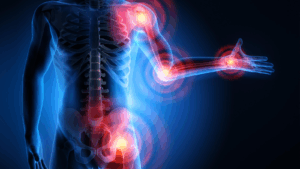
For adaptive immunity, it fine-tunes T cells and dendritic cells to avoid overkill. This prevents autoimmune flares where the body attacks itself, as in lupus or MS. Regulatory T cells, promoted by Vitamin D, calm inflammation and promote tolerance. During outbreaks like flu seasons, sufficient levels correlate with milder symptoms.
Research ties deficiency to higher respiratory illness risks, including COVID-19 severity. It modulates cytokines, signaling molecules that coordinate immune attacks. Balanced cytokines fight threats without cytokine storms harming tissues. Seasonal drops in winter explain why colds surge then, underscoring sunlight's role.
 Via Proathlix
 Via Gladiator Therapeutics
Chronic low-grade inflammation ties to obesity and diabetes; Vitamin D counters it by improving fat cell function. It influences macrophages, immune scavengers, to shift from pro- to anti-inflammatory states. This systemic control supports healing over harm, key to longevity.
 Via Technology Networks
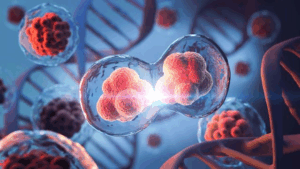
For healthy growth, it supports stem cells in skin and gut renewal. Muscle satellite cells repair fibers post-workout, aided by Vitamin D signaling. Differentiation, where cells specialize, also relies on it for proper organ function. Imbalance tips toward proliferation issues.
Epidemiology links higher levels to lower cancer incidence, especially colorectal cancer. It inhibits angiogenesis, new blood vessel growth feeding tumors, and metastasis enzymes. While not a standalone treatment, optimal Vitamin D acts preventively alongside diet and screening.
 Via SciTechDaily
 Via Morocco Gold
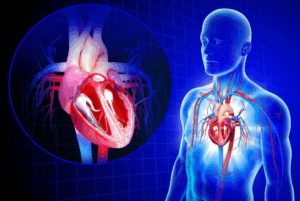
Studies show that supplemented groups have fewer cardiac events, especially in deficient patients. It supports the muscle in the heart walls for efficient pumping. Combined with omega-3s from fish, dual benefits emerge for rhythm and strength.
 Via NASM Blog
Athletes gain endurance and power; supplementation cuts injury time. It aids ATP production for energy during workouts. Post-exercise, it speeds repair by reducing oxidative damage. Proximal muscles, like thighs, suffer most in deficiency.
 Via Sweat App
Serotonin synthesis rises, lifting mood and curbing depression. Seasonal dips explain winter blues; light therapy mimics sun gains. Anxiety reduces as GABA balance improves. Cognitive tests show better scores with sufficiency. In kids, it aids brain development, preventing delays. Adults maintain sharpness through vascular brain health. Emerging links to Parkinson's suggest dopamine protection.
 Via Healio
Pancreatic function strengthens, with fewer autoimmune attacks in type 1. Fat cells release less resistance, a blocker. Weight loss efforts succeed better with optimal levels. Metabolic syndrome features, like high triglycerides, improve. Gestational diabetes drops with maternal sufficiency, protecting baby growth.
 Via Lomibao
Type 1 diabetes onset delays in at-risk kids supplemented early. Its barrier-strengthening aids celiac recovery. Genetic variations in VDR affect response, but levels help most. Therapies combine with drugs for synergy.
 Via StoryMD
Photoaging wrinkles fade with gene control. Deficiency worsens rosacea flares. Topical forms are treated without systemic doses. Fetal bones mineralize properly, avoiding rickets. Preeclampsia risks fall via vessel health. Immune tolerance prevents allergies in babies. Lung surfactants mature, cutting respiratory distress.
 Via Total Performance Physical Therapy
Midday exposure is 15 minutes for light skin, longer for dark skin. Arms, legs are uncovered. Seasons matter; winter supplements are needed north. Sunscreen SPF 30 cuts 95% production. Safe tanning builds stores lasting months. Latitude 37 north borderline year-round.
 Via Healthshots
Obese people store fat, needing higher doses. Malabsorption, like Crohn's, steals. Dark skin, veiled, indoor workers are deficient. Infan, elderly prime. 25-OH D test standard; under 20 ng/mL act. Retest quarterly. Myth: All sunscreens block fully, moderately, or ok. Diet alone no; sun primary. Toxicity easy? No, wide safety. Tips: Walk lunch, eat fish twice weekly, and supplement in winter. Track levels yearly for a tune-up.
More in Unassigned
Via Levels
People often overlook this hormone side because they think of vitamins as simple helpers from food. But its steroid nature means it travels through the blood and crosses cell membranes easily. This allows broad influence, making Vitamin D key for overall health balance. Without it, many systems falter, from energy production to fighting off illness.
Formation Process in the Skin
Sunlight provides the starting point for Vitamin D synthesis right in your skin. Ultraviolet B rays penetrate the outer layers and react with 7-dehydrocholesterol, a cholesterol byproduct. This creates previtamin D3, which warms up and shifts into Vitamin D3 without needing extra heat.
Via Vibrant Skin Bar
The whole process happens naturally during time outdoors, especially midday when UVB rays peak. From there, Vitamin D3 enters the bloodstream bound to proteins for transport to the liver. Enzymes there add a hydroxyl group, forming 25-hydroxyvitamin D, or calcidiol, the main circulating form. Kidneys then add another hydroxyl to make active calcitriol.
This two-step activation ensures only what's needed gets turned on, regulated by hormones like parathyroid. Factors like skin color affect efficiency; melanin in darker skin absorbs UVB, slowing production and requiring longer exposure. Age thins skin and reduces cholesterol stores, cutting output in older folks.
Via Baylor College of Medicine
Bone Health and Mineral Absorption
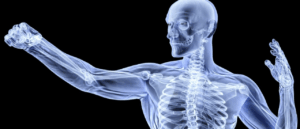
Vitamin D shines in bone health by boosting calcium and phosphorus uptake from the gut. Calcitriol binds to intestinal cells, opening channels for these minerals to enter the blood. This keeps blood levels stable, vital for bone mineralization, where calcium crystals harden the structure. Without it, bones stay soft, risking breaks and deformities. It teams up with parathyroid hormone to release stored calcium from bones if the diet lacks it. This teamwork prevents hypocalcemia, which could cause muscle spasms or heart issues. In kids, deficiency leads to rickets with bowed legs; adults get osteomalacia, with painful, weak bones. Regular levels support remodeling, where old bone breaks down and new forms are formed.
Via Ayushman Hospital
Long-term, Vitamin D fights osteoporosis by maintaining density, especially post-menopause when estrogen drops. It influences osteoblasts, cells that build bone, and osteoclasts that break it down. Balanced activity keeps the skeleton strong for mobility. Weight-bearing exercise pairs well, as Vitamin D aids muscle support during activity.
Immune System Regulation
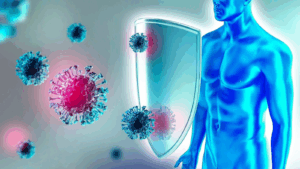
Vitamin D trains your immune cells like a drill sergeant, enhancing defenses against invaders. It ramps up production of cathelicidin and defensins, peptides that punch holes in bacteria and viruses. These antimicrobial agents guard skin, lungs, and gut linings, the body's front lines. Low levels weaken this barrier, raising infection odds.
Via News-Medical
For adaptive immunity, it fine-tunes T cells and dendritic cells to avoid overkill. This prevents autoimmune flares where the body attacks itself, as in lupus or MS. Regulatory T cells, promoted by Vitamin D, calm inflammation and promote tolerance. During outbreaks like flu seasons, sufficient levels correlate with milder symptoms.
Research ties deficiency to higher respiratory illness risks, including COVID-19 severity. It modulates cytokines, signaling molecules that coordinate immune attacks. Balanced cytokines fight threats without cytokine storms harming tissues. Seasonal drops in winter explain why colds surge then, underscoring sunlight's role.
Via Proathlix
Inflammation Control Mechanisms
Excess inflammation damages tissues over time, but Vitamin D dials it back smartly. It blocks pro-inflammatory pathways by downregulating NF-kB, a key switch for cytokines like IL-6 and TNF-alpha. Instead, it boosts anti-inflammatory IL-10, restoring balance. This helps in acute responses turning chronic, like in allergies or injuries. In joints, it eases arthritis pain by curbing immune cell infiltration. For gut issues like IBD, it strengthens mucosal barriers and reduces flare-ups. Vascular inflammation, linked to heart disease, also calms under Vitamin D's watch. Its steroid-like action mimics cortisol's dampening without side effects.
Via Gladiator Therapeutics
Chronic low-grade inflammation ties to obesity and diabetes; Vitamin D counters it by improving fat cell function. It influences macrophages, immune scavengers, to shift from pro- to anti-inflammatory states. This systemic control supports healing over harm, key to longevity.
Cell Growth and Cancer Links
Vitamin D guides cell division to stay orderly, preventing runaway growth seen in tumors. It activates p21 and p27 genes that halt cell cycles at checkpoints, letting DNA repair happen. In precancerous cells, it triggers apoptosis, self-destruction, to stop the progression. This protective role shows in lab studies on breast and colon tissues.
Via Technology Networks
For healthy growth, it supports stem cells in skin and gut renewal. Muscle satellite cells repair fibers post-workout, aided by Vitamin D signaling. Differentiation, where cells specialize, also relies on it for proper organ function. Imbalance tips toward proliferation issues.
Epidemiology links higher levels to lower cancer incidence, especially colorectal cancer. It inhibits angiogenesis, new blood vessel growth feeding tumors, and metastasis enzymes. While not a standalone treatment, optimal Vitamin D acts preventively alongside diet and screening.
Via SciTechDaily
Cardiovascular Benefits
Heart health improves with Vitamin D through vessel relaxation and pressure control. It boosts nitric oxide, dilating arteries for better flow and lower hypertension risk. Stiff arteries from calcification lessen as Vitamin D directs calcium to bones, not plaques. This reduces atherosclerosis buildup. Endothelial cells lining vessels stay healthy, preventing clots and strokes. Deficiency is associated with irregular heartbeats and failure. Vitamin D modulates renin, part of blood pressure regulation, avoiding overload. Inflammation in heart tissue also drops.
Via Morocco Gold
Studies show that supplemented groups have fewer cardiac events, especially in deficient patients. It supports the muscle in the heart walls for efficient pumping. Combined with omega-3s from fish, dual benefits emerge for rhythm and strength.
Muscle Strength and Recovery
Muscles contract via calcium signals, and Vitamin D optimizes this by enhancing receptor sensitivity. It promotes myosin and actin proteins for force generation. Weakness from deficiency causes myopathy, with aches and fatigue. Older adults fall more without it, fracturing hips.
Via NASM Blog
Athletes gain endurance and power; supplementation cuts injury time. It aids ATP production for energy during workouts. Post-exercise, it speeds repair by reducing oxidative damage. Proximal muscles, like thighs, suffer most in deficiency.
Brain Function and Mood
Neurons host VDRs, where Vitamin D supports synapse formation and myelin sheaths. It boosts BDNF, a growth factor for learning and memory. Low levels link to fog and decline, possibly Alzheimer's, via amyloid buildup. Anti-inflammatory effects protect against neuroinflammation.
Via Sweat App
Serotonin synthesis rises, lifting mood and curbing depression. Seasonal dips explain winter blues; light therapy mimics sun gains. Anxiety reduces as GABA balance improves. Cognitive tests show better scores with sufficiency. In kids, it aids brain development, preventing delays. Adults maintain sharpness through vascular brain health. Emerging links to Parkinson's suggest dopamine protection.
Diabetes and Metabolic Role
Insulin sensitivity heightens with Vitamin D, aiding glucose uptake in muscles and fat. Beta cells in the pancreas produce more under its influence. Inflammation from deficiency impairs signaling, raising type 2 risks. Supplementation stabilizes HbA1c in prediabetics.
Via Healio
Pancreatic function strengthens, with fewer autoimmune attacks in type 1. Fat cells release less resistance, a blocker. Weight loss efforts succeed better with optimal levels. Metabolic syndrome features, like high triglycerides, improve. Gestational diabetes drops with maternal sufficiency, protecting baby growth.
Autoimmune Disease Modulation
Vitamin D fosters tolerance via Treg cells, halting attacks on the thyroid or joints. In MS, it preserves myelin, slowing progression. RA inflammation eases, with less joint erosion. Lupus flares are reduced through cytokine balance.
Via Lomibao
Type 1 diabetes onset delays in at-risk kids supplemented early. Its barrier-strengthening aids celiac recovery. Genetic variations in VDR affect response, but levels help most. Therapies combine with drugs for synergy.
Skin Protection and Disorders
Skin produces and uses Vitamin D for UV defense, upregulating repair enzymes. Psoriasis scales lessen with analogs mimicking calcitriol. Eczema barriers thicken, cutting infections. Acne bacteria die faster from peptides. Wound healing speeds via fibroblast activity.
Via StoryMD
Photoaging wrinkles fade with gene control. Deficiency worsens rosacea flares. Topical forms are treated without systemic doses. Fetal bones mineralize properly, avoiding rickets. Preeclampsia risks fall via vessel health. Immune tolerance prevents allergies in babies. Lung surfactants mature, cutting respiratory distress.
Aging and Deficiency Prevention
Skin output halves after 70, and kidney activation slows. Sarcopenia accelerates, and frailty rises. Cognitive slips are linked to low levels. Supplements preserve function, cut hospital stays. Screening annually for seniors. Lifestyle mixes sun, diet.
Via Total Performance Physical Therapy
Midday exposure is 15 minutes for light skin, longer for dark skin. Arms, legs are uncovered. Seasons matter; winter supplements are needed north. Sunscreen SPF 30 cuts 95% production. Safe tanning builds stores lasting months. Latitude 37 north borderline year-round.
Discover Why Vitamin D Is Classified as a Steroid Hormone
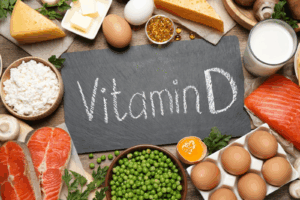
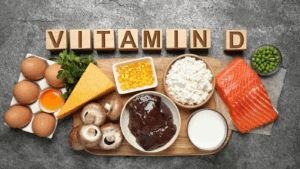
Salmon 600 IU per serving, eggs 40 IU yolk. Fortified milk 100 IU cup. Mushrooms UV-treated rival fish. Liver, tuna provided. Vegans use D2 yeast. A varied diet covers partial needs. D3 cholecalciferol absorbs best, 1000-2000 IU daily, safely. Blood tests guide; aim 40 ng/mL. Fat-soluble, take with meals. Kids' drops prevent rickets.
Via Healthshots
Obese people store fat, needing higher doses. Malabsorption, like Crohn's, steals. Dark skin, veiled, indoor workers are deficient. Infan, elderly prime. 25-OH D test standard; under 20 ng/mL act. Retest quarterly. Myth: All sunscreens block fully, moderately, or ok. Diet alone no; sun primary. Toxicity easy? No, wide safety. Tips: Walk lunch, eat fish twice weekly, and supplement in winter. Track levels yearly for a tune-up.