
Unassigned
Van Gogh’s Café Terrace At Night With Hidden Art Details
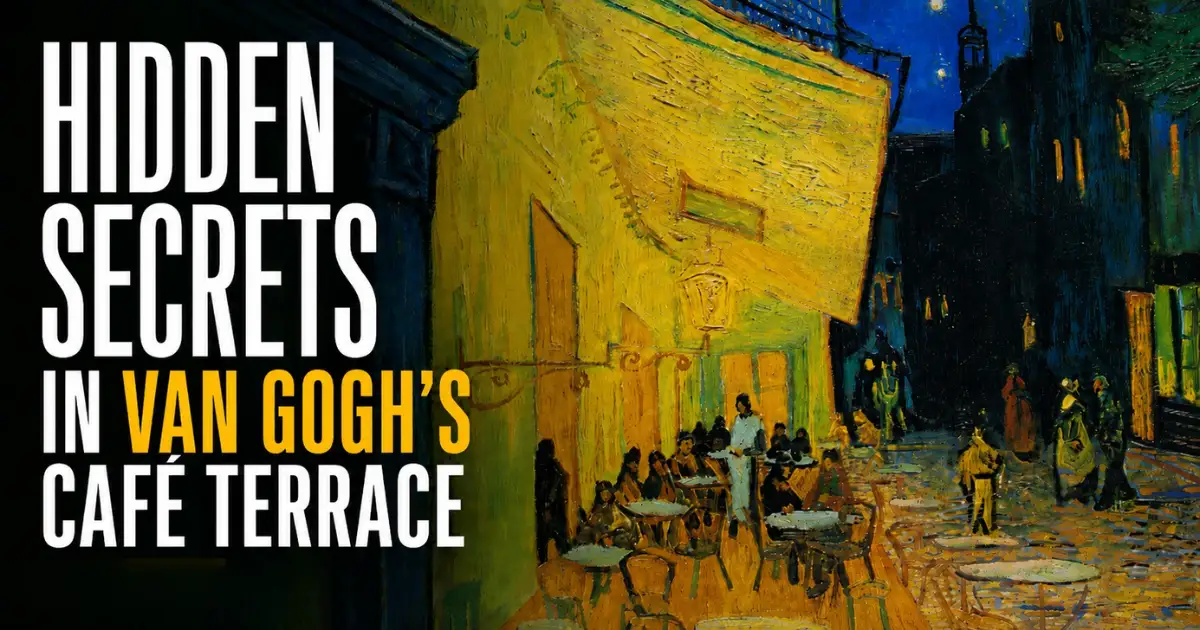
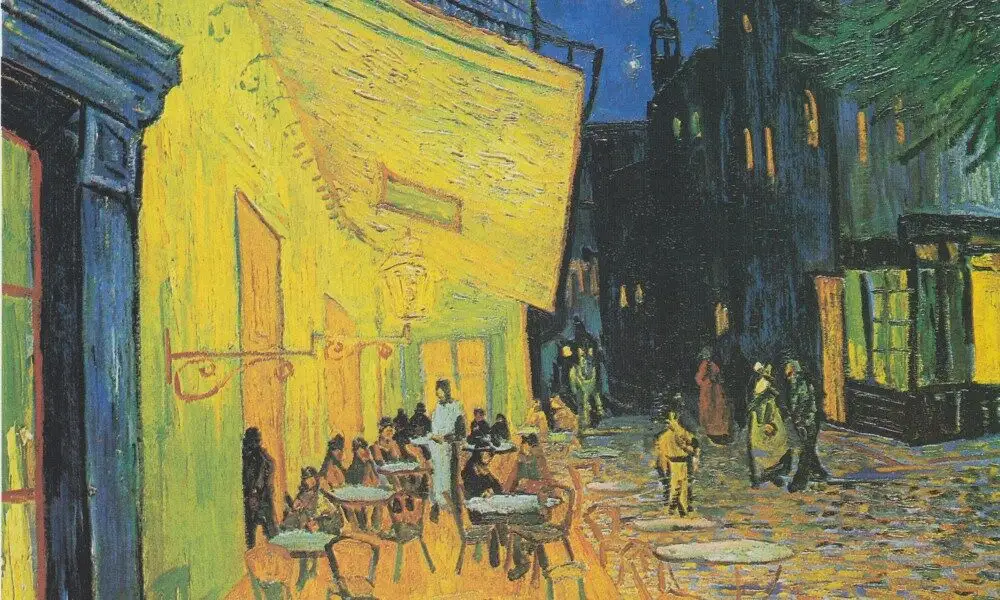
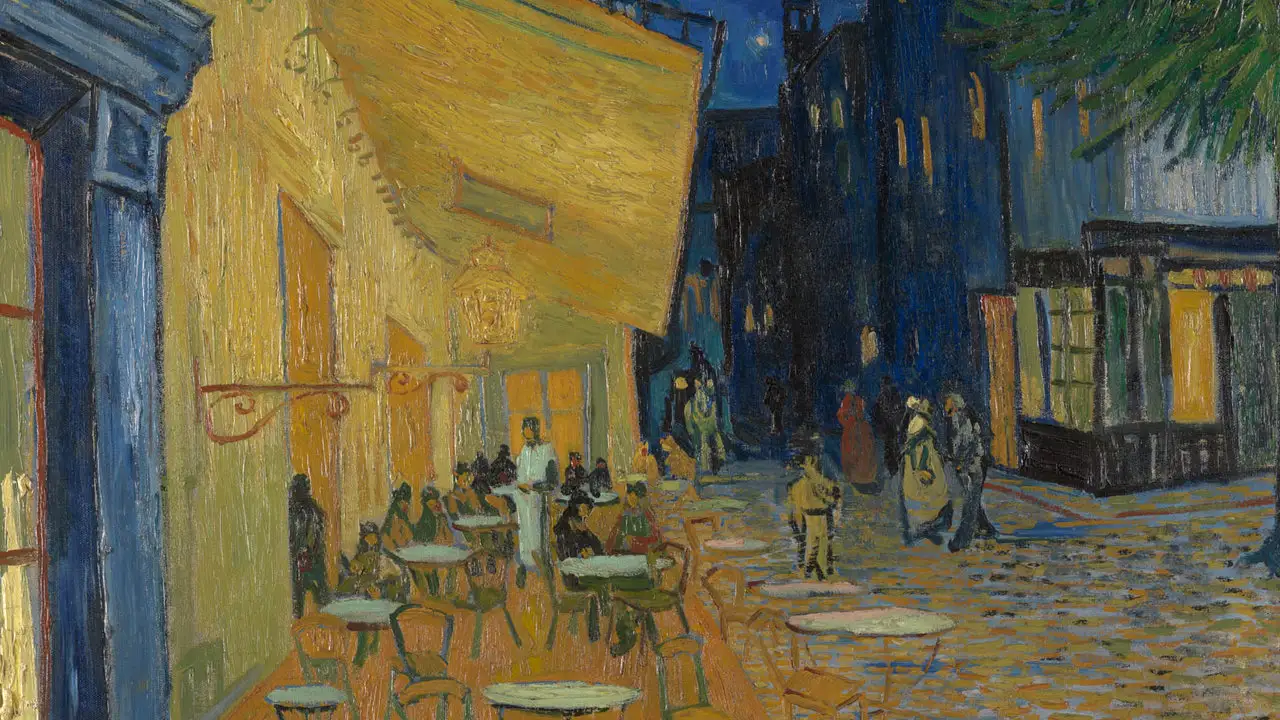
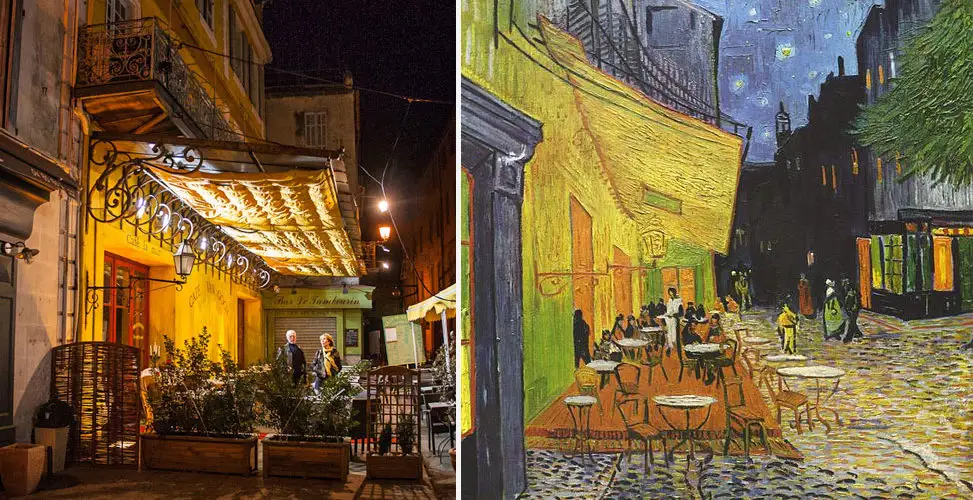
Vincent van Gogh painted Café Terrace at Night in September 1888, during his time in Arles, a city in the south of France. The painting shows a bright café under a deep blue sky filled with stars. At first glance, the scene looks peaceful and simple.
A glowing terrace, small figures, empty chairs, cobblestones, and nearby buildings fill the square with quiet life. The painting became important because it was Van Gogh’s first major night scene with stars. Many people know The Starry Night, but Café Terrace at Night came earlier.
 Via IAFOR
This work showed that Van Gogh was already thinking deeply about night, light, color, and the sky. He did not paint darkness as black. He turned night into a world of blue, yellow, green, and violet. Arles gave Van Gogh a fresh start. He had moved there from Paris because he wanted stronger light, warmer colors, and a new way to paint.
The city helped him move away from darker early works. In this painting, he used the street, the café, and the sky to show more than a real place. He created a dreamlike scene where daily life and the wider universe seem connected.
 Via The Collector
 Via Vincent Van Gogh
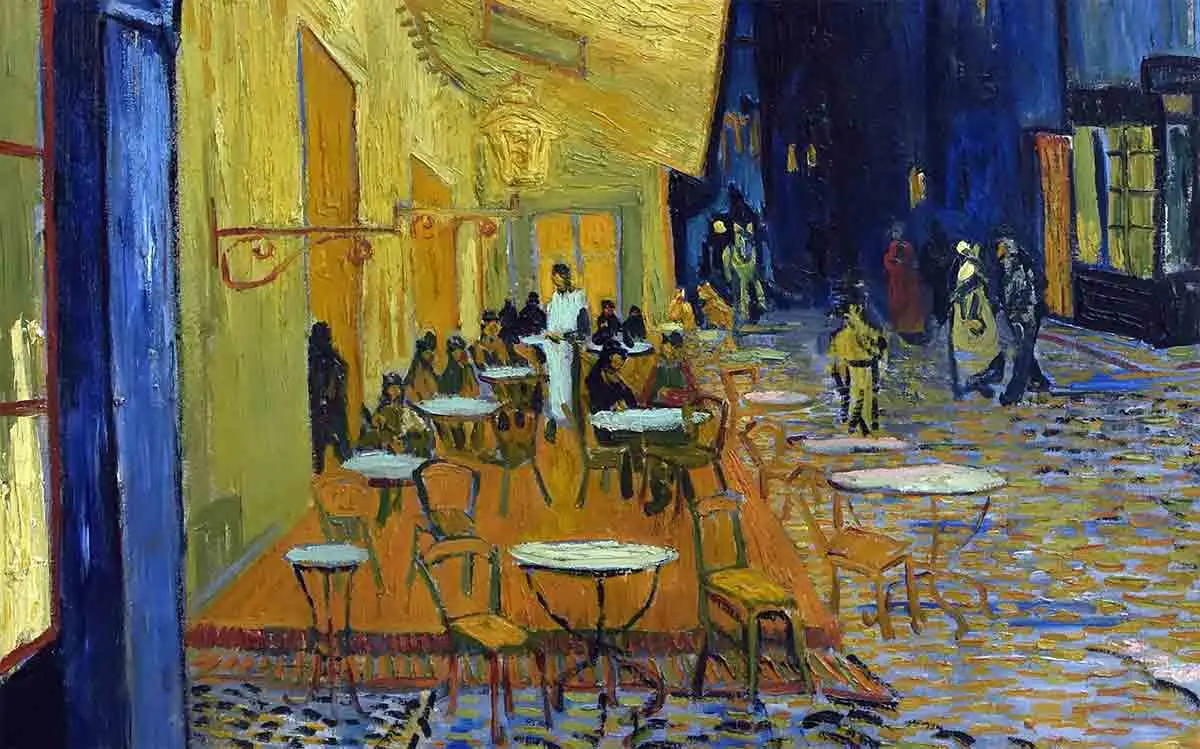
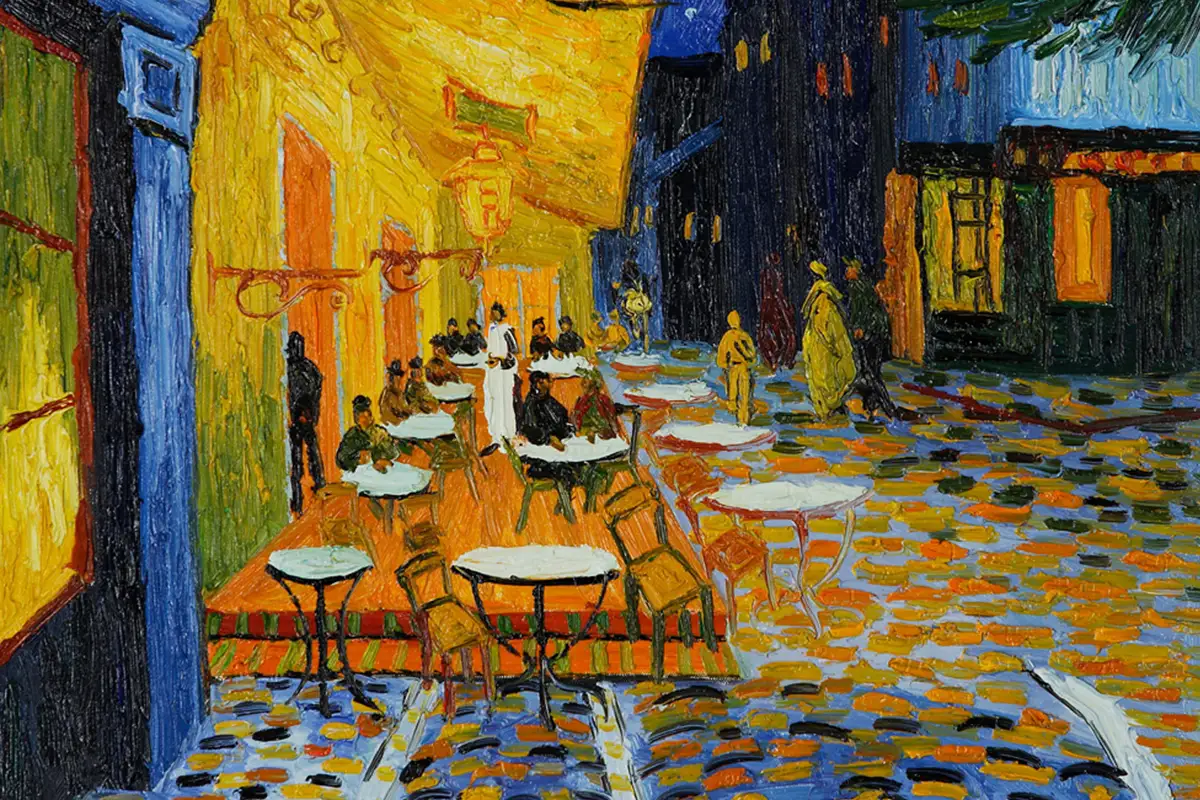
The strong contrast between yellow and blue gives the painting emotional power. The colors do not only show what the eye sees. They also show mood, hope, and wonder. Van Gogh’s color choices helped him express feeling without making the scene dramatic.
The square looks calm, but the brushwork gives it movement. The stones seem to ripple, the stars seem to pulse, and the buildings feel slightly alive. This style helped Van Gogh turn a normal café scene into something much deeper. The painting becomes a study of light, feeling, and imagination.
 Via Vincent Van Gogh
 Via Architectural Digest
Van Gogh did not paint these hidden remains directly, but the sense of history still adds meaning. The viewer sees a modern café, yet the place holds older memories below. This mix of present and past gives the painting quiet depth.
The people in the café belong to one short moment, while the stones and ground suggest centuries of change. Van Gogh often painted places that felt emotionally charged. In Café Terrace at Night, the cobblestones are more than street detail. They become a surface where light, memory, and time meet.
 Via Pinterest
Via The Art Newspaper
The buildings create strong lines that pull the eye deeper into the scene. The café wall, the street edges, and the tables all guide attention toward the back of the square. This gives the painting a sense of depth and movement. Even though the figures are small, the whole space feels active. The architecture becomes part of the emotional rhythm of the painting.
 Via Draw Paint Academy
These chairs also help shape the viewer’s position. They make the foreground feel like a stage area. The viewer is not placed inside the café but just outside it, looking in. This creates distance between the viewer and the people under the lights. The painting feels welcoming, but also slightly unreachable. That mix gives the work its dreamlike quality.
The empty seating may also suggest the passing nature of human life. People gather, leave, return, and disappear. The café remains, the street remains, and the stars remain above. Van Gogh used small details like chairs and tables to show this feeling without spelling it out. The scene is peaceful, but it carries a quiet sense of time moving on.
 Via Upworthy
 Via The Collector
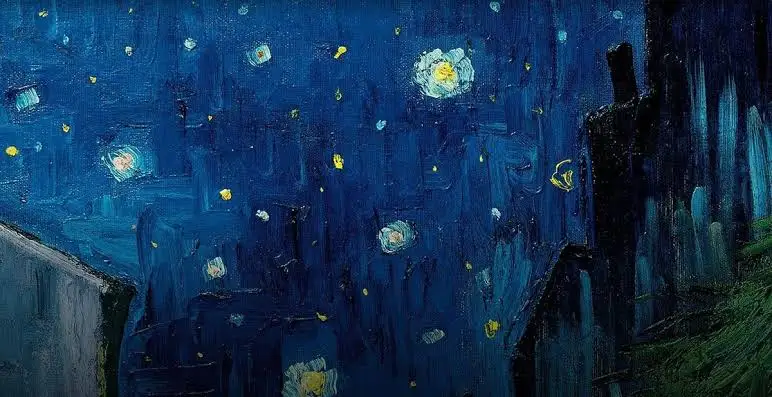
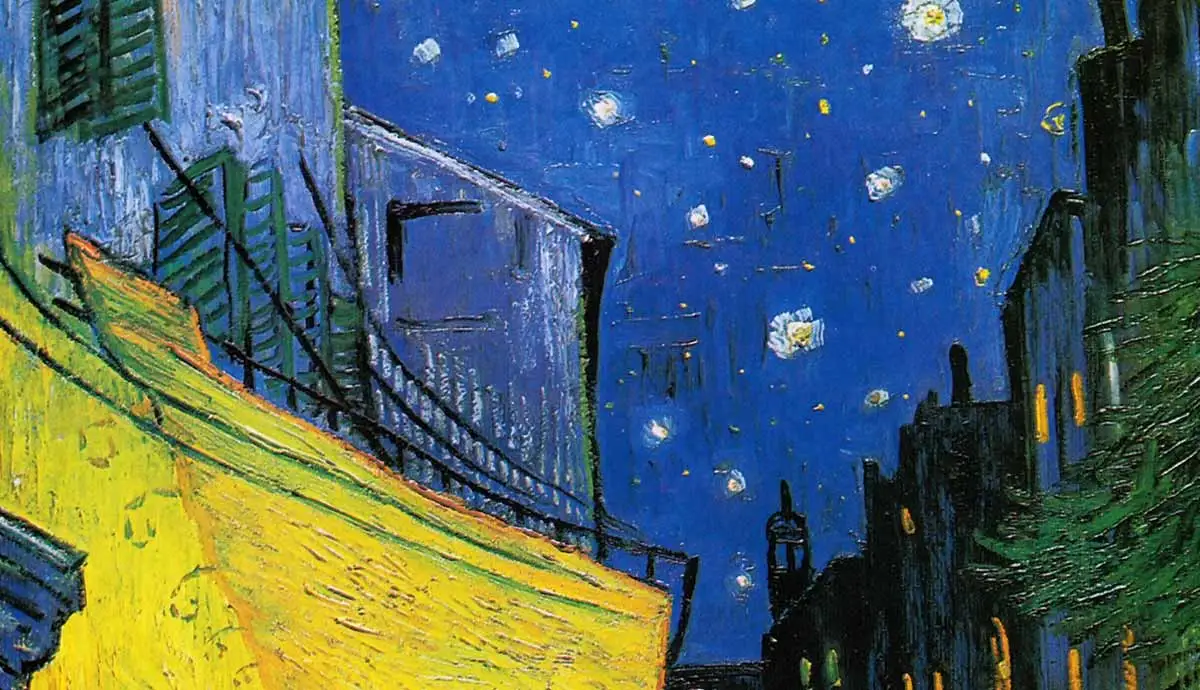
This interest in stars became one of Van Gogh’s most famous themes. In Café Terrace at Night, the stars are calm and clear. Later, in The Starry Night, the sky became more swirling and intense. This earlier painting shows the beginning of that journey. It reveals Van Gogh’s growing desire to paint not only places, but also the deep feelings those places awakened.
 Via Van Gogh Museum
His move to Arles gave him a chance to rebuild his style. The bright southern light helped him use stronger colors and bolder brushstrokes. He no longer wanted to copy the world exactly as it looked. He wanted to paint the feeling behind the scene. This made the painting more emotional and more personal.
This new vision helped shape the art that came after him. Van Gogh showed that color could carry meaning, not just decoration. A yellow wall could feel warm and hopeful. A blue sky could feel endless and spiritual. A simple café could become a place where human life and the universe seem to meet.
 Via Overstock Art
 Via The Collector
People still admire this painting because it feels warm, peaceful, and deeply human. The glowing café suggests comfort, while the stars suggest something far greater than human life. This balance gives the artwork lasting beauty. It reminds viewers that even a quiet street at night can hold wonder, history, and emotional depth.
More in Unassigned
Via IAFOR
This work showed that Van Gogh was already thinking deeply about night, light, color, and the sky. He did not paint darkness as black. He turned night into a world of blue, yellow, green, and violet. Arles gave Van Gogh a fresh start. He had moved there from Paris because he wanted stronger light, warmer colors, and a new way to paint.
The city helped him move away from darker early works. In this painting, he used the street, the café, and the sky to show more than a real place. He created a dreamlike scene where daily life and the wider universe seem connected.
Via The Collector
Colors Without Black
One of the most striking things about Café Terrace at Night is the way Van Gogh painted darkness without using heavy black tones. The night sky is deep blue, the street glows with violet and pink shades, and the café shines with bright yellow light. This choice made the painting feel alive instead of dull. The city does not sleep in darkness. It glows softly from every side. The yellow café light plays a major role in the scene. It spreads across the terrace, touches the walls, and reaches the cobblestones. This warm light makes the café look inviting, almost like a safe place in the middle of the night.
Via Vincent Van Gogh
The strong contrast between yellow and blue gives the painting emotional power. The colors do not only show what the eye sees. They also show mood, hope, and wonder. Van Gogh’s color choices helped him express feeling without making the scene dramatic.
The square looks calm, but the brushwork gives it movement. The stones seem to ripple, the stars seem to pulse, and the buildings feel slightly alive. This style helped Van Gogh turn a normal café scene into something much deeper. The painting becomes a study of light, feeling, and imagination.
Via Vincent Van Gogh
Cobblestones And Memory
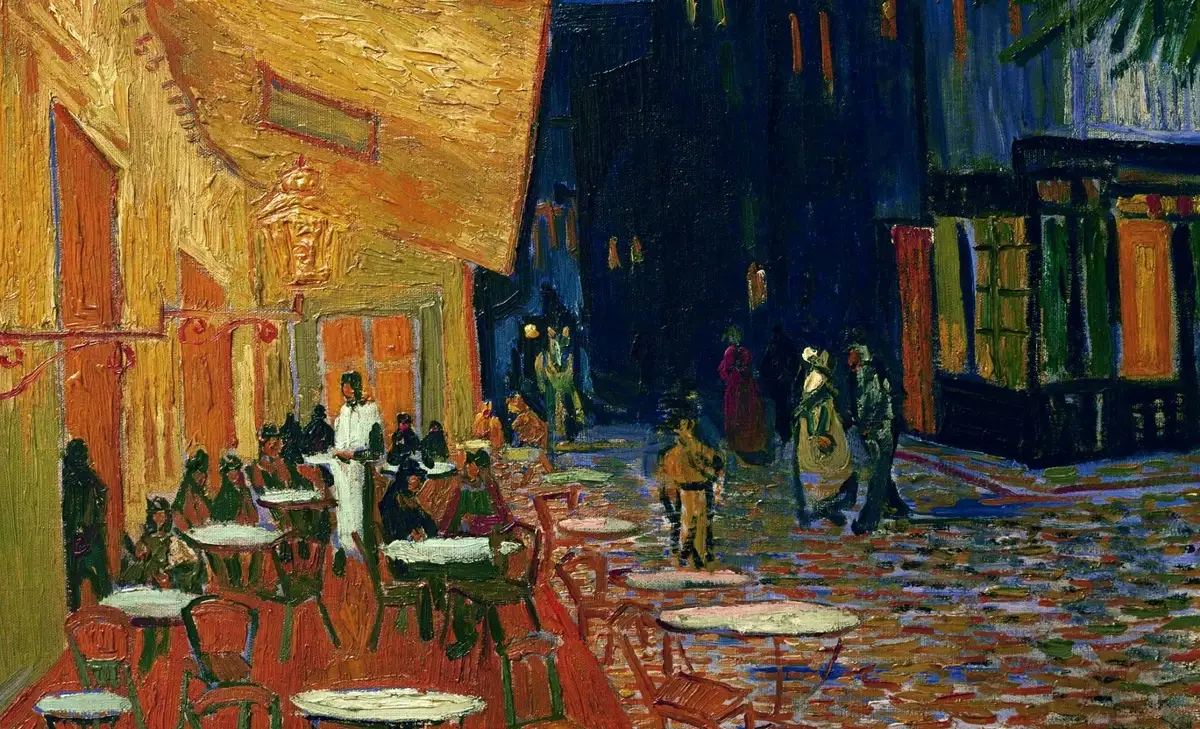
The cobblestones in the lower part of the painting take up a large space. They guide the eye toward the café, but they also have their own beauty. Van Gogh painted them with many small strokes of color. Violet, pink, green, and yellow tones appear across the street. These tones do not look flat. They feel like a moving surface filled with reflected light. The street also carries hidden history. The square in Arles had ancient Roman roots, and older structures once stood beneath and around the area. This means the bright stones in the painting sit above layers of the past.Via Architectural Digest
Van Gogh did not paint these hidden remains directly, but the sense of history still adds meaning. The viewer sees a modern café, yet the place holds older memories below. This mix of present and past gives the painting quiet depth.
The people in the café belong to one short moment, while the stones and ground suggest centuries of change. Van Gogh often painted places that felt emotionally charged. In Café Terrace at Night, the cobblestones are more than street detail. They become a surface where light, memory, and time meet.
Via Pinterest
Buildings And Lost History
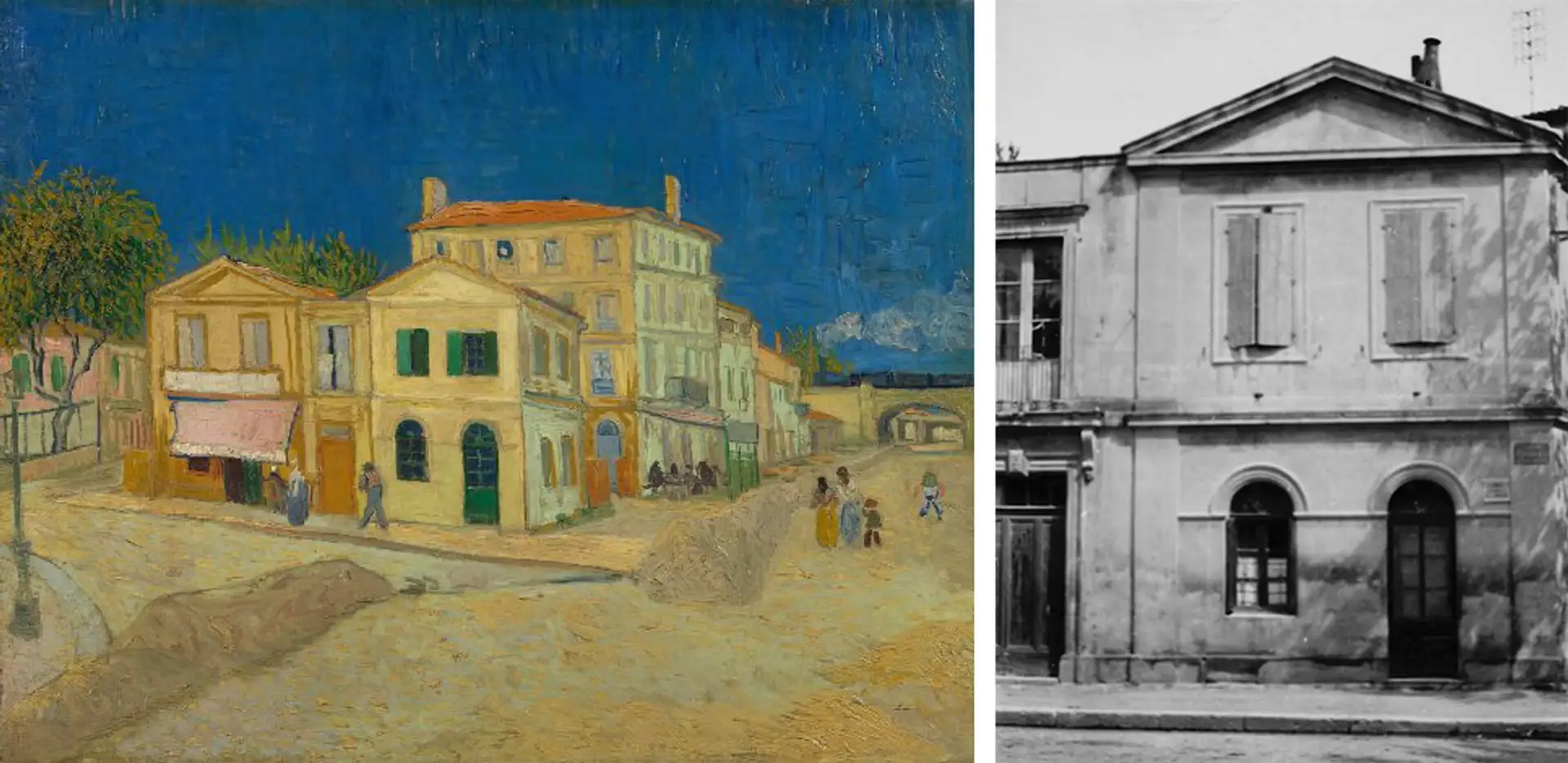
The buildings in the painting may look simple, but Van Gogh shaped them with care. Some details from the real square were changed or softened. He did not try to copy every object exactly. His goal was not to make a perfect record of the street. He wanted the scene to feel balanced, glowing, and full of meaning. Ancient Roman pieces were part of the real location, but Van Gogh chose not to make them the main focus. This choice matters because many artists may have highlighted such old details. Van Gogh moved attention away from ruins and toward light, color, and the living moment. The painting looks forward instead of being trapped by the past.Via The Art Newspaper
The buildings create strong lines that pull the eye deeper into the scene. The café wall, the street edges, and the tables all guide attention toward the back of the square. This gives the painting a sense of depth and movement. Even though the figures are small, the whole space feels active. The architecture becomes part of the emotional rhythm of the painting.
Empty Chairs And Silence
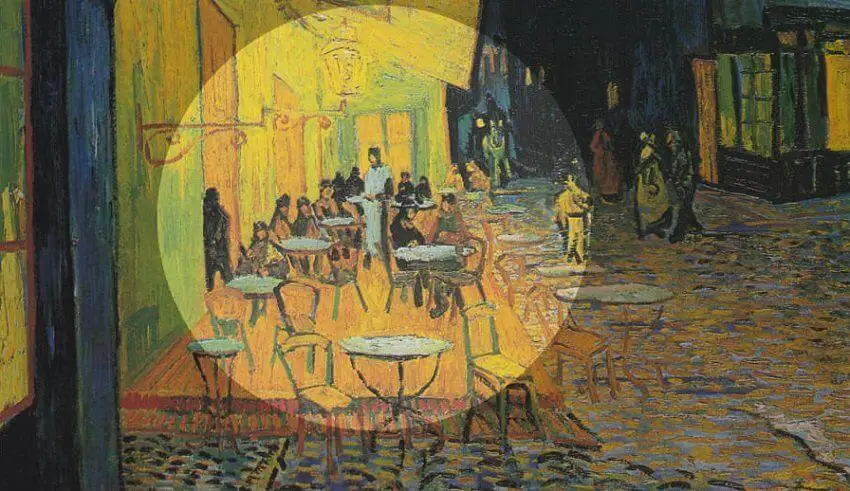
The empty chairs near the front of the painting are easy to miss, but they add mystery. Many seats are placed close to the viewer, yet few people are sitting there. The café looks open and social, but the empty tables create a strange pause. The scene feels ready for something to happen. This quiet space makes the painting more powerful.Via Draw Paint Academy
These chairs also help shape the viewer’s position. They make the foreground feel like a stage area. The viewer is not placed inside the café but just outside it, looking in. This creates distance between the viewer and the people under the lights. The painting feels welcoming, but also slightly unreachable. That mix gives the work its dreamlike quality.
The empty seating may also suggest the passing nature of human life. People gather, leave, return, and disappear. The café remains, the street remains, and the stars remain above. Van Gogh used small details like chairs and tables to show this feeling without spelling it out. The scene is peaceful, but it carries a quiet sense of time moving on.
Via Upworthy
Tower And Stars
In the distance, a dark tower rises under the blue sky. It helps lead the eye upward from the street toward the stars. This small background detail gives the painting height and spiritual feeling. The tower connects the everyday world below with the wide sky above. It stands between human history and the mystery of the universe. The stars are among the most important parts of the painting. Van Gogh placed them carefully in the sky, not randomly. They glow with small points of light above the café and street. The stars make the scene feel larger than a simple city square. They suggest that daily life is happening under something endless and timeless.
Via The Collector
This interest in stars became one of Van Gogh’s most famous themes. In Café Terrace at Night, the stars are calm and clear. Later, in The Starry Night, the sky became more swirling and intense. This earlier painting shows the beginning of that journey. It reveals Van Gogh’s growing desire to paint not only places, but also the deep feelings those places awakened.
Artist’s New Vision
Van Gogh used Café Terrace at Night to show a new way of seeing the world. He was not only painting a café or a street corner. He was showing how a normal place could feel full of life, memory, and mystery. The glowing lights, quiet figures, and deep blue sky all work together to create a scene that feels larger than daily life.Via Van Gogh Museum
His move to Arles gave him a chance to rebuild his style. The bright southern light helped him use stronger colors and bolder brushstrokes. He no longer wanted to copy the world exactly as it looked. He wanted to paint the feeling behind the scene. This made the painting more emotional and more personal.
This new vision helped shape the art that came after him. Van Gogh showed that color could carry meaning, not just decoration. A yellow wall could feel warm and hopeful. A blue sky could feel endless and spiritual. A simple café could become a place where human life and the universe seem to meet.
Via Overstock Art
Lasting Art Legacy
Café Terrace at Night still matters because it shows Van Gogh’s skill at turning everyday life into lasting art. The painting does not show a royal event, a battle, or a famous person. It shows people sitting near a café on a calm night. This simple subject became powerful because Van Gogh filled it with color, movement, and feeling. The painting also helped prepare the way for modern art. Van Gogh’s bold lines, bright colors, and emotional brushwork inspired many later artists. He proved that a painting did not need to look perfectly realistic to feel true. His work made space for artists to express inner feeling, personal vision, and mood through shape and color.
Via The Collector
People still admire this painting because it feels warm, peaceful, and deeply human. The glowing café suggests comfort, while the stars suggest something far greater than human life. This balance gives the artwork lasting beauty. It reminds viewers that even a quiet street at night can hold wonder, history, and emotional depth.
