
Unassigned
How John le Carré’s Father Shaped His Spy Novels
John le Carré was known across the world for spy novels filled with secrets, betrayal, fear, and moral doubt. Long before he became a famous author, he lived inside a world where truth was often hidden. His real name was David Cornwell, and his early life gave him many of the tools that later shaped his writing.
His father, Ronnie Cornwell, was charming, bold, and deeply dishonest. He lived as a con man, moved through wealthy circles, and often created a grand image that did not match reality. For a young child, this created confusion. Life could look polished from the outside, while danger and shame waited underneath.
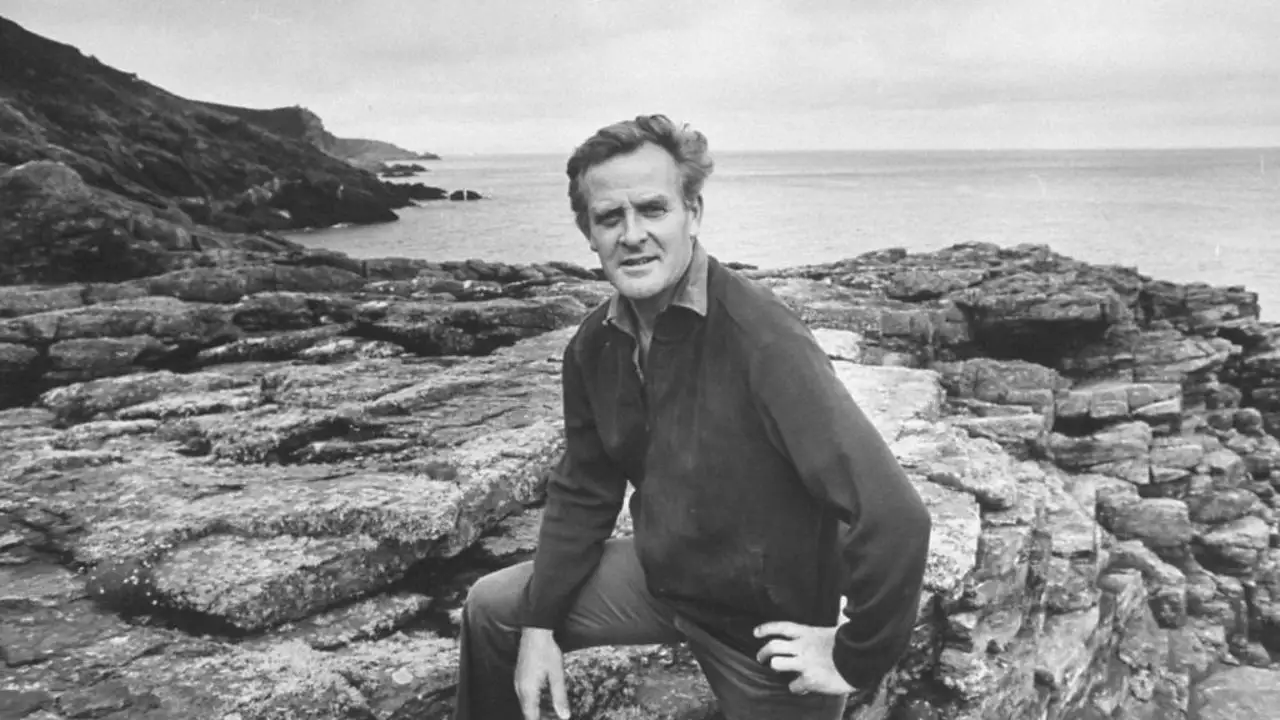 Via BBC
That unstable childhood became one of the strongest forces behind le Carré’s fiction. His novels did not treat spying as glamorous fun. They showed it as lonely, tense, and morally painful. The world he wrote about was full of people pretending to be something else, much like the world he had known as a boy.
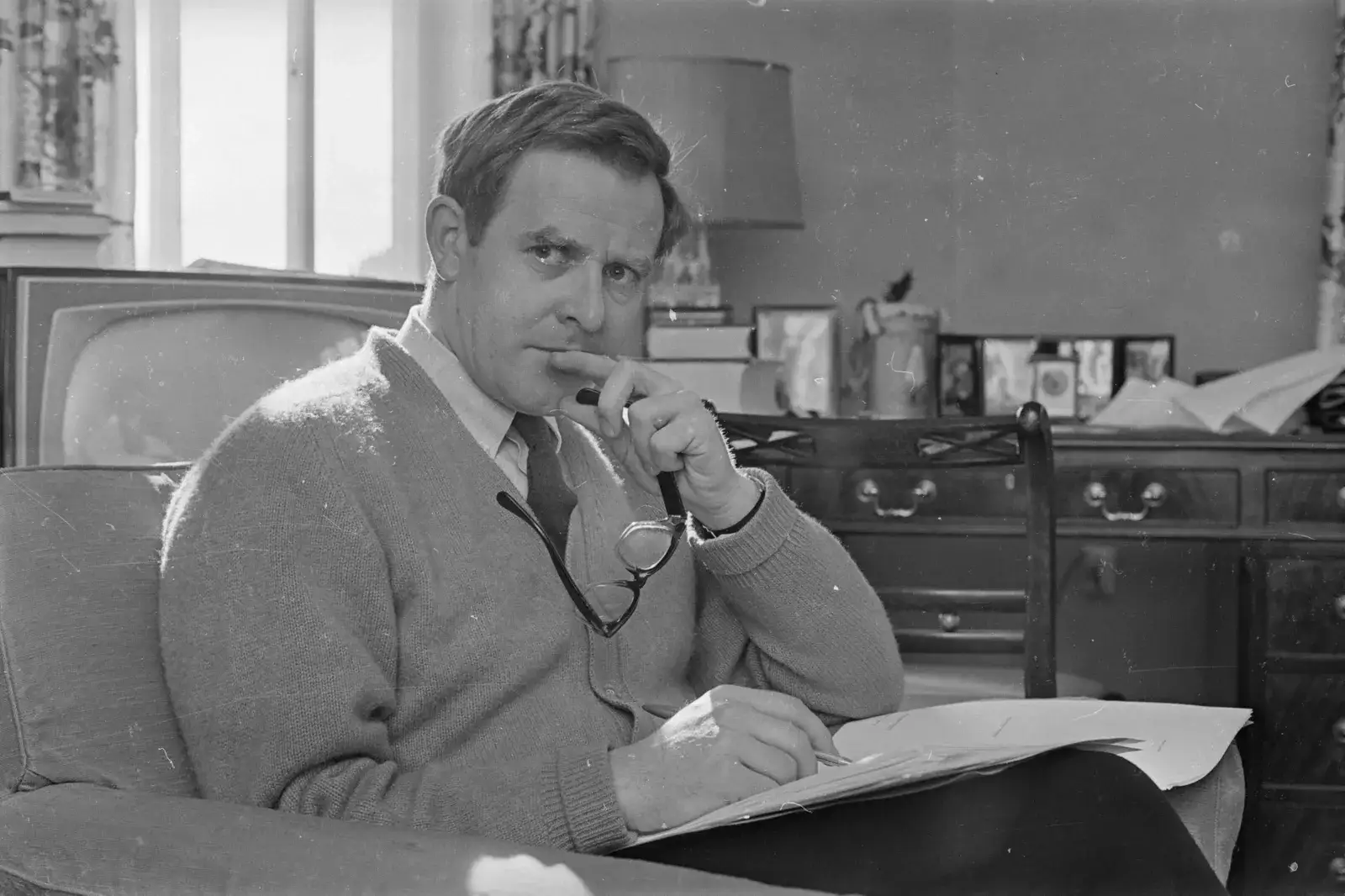 Via Smithsonian Magazine
Le Carré grew up watching his father move between charm and disaster. Ronnie could be loving one moment and deeply unreliable the next. He drove fine cars, mixed with high society, and created stories about himself, yet he also faced prison, bankruptcy, and public shame. This split between image and truth became a key theme in le Carré’s books.
Many of his characters live in the same kind of divided world. They have public roles, secret duties, and private wounds. They speak carefully, hide feelings, and carry guilt. Ronnie’s double life gave le Carré an early lesson in masks, lies, and survival, which later became the heart of his spy fiction.
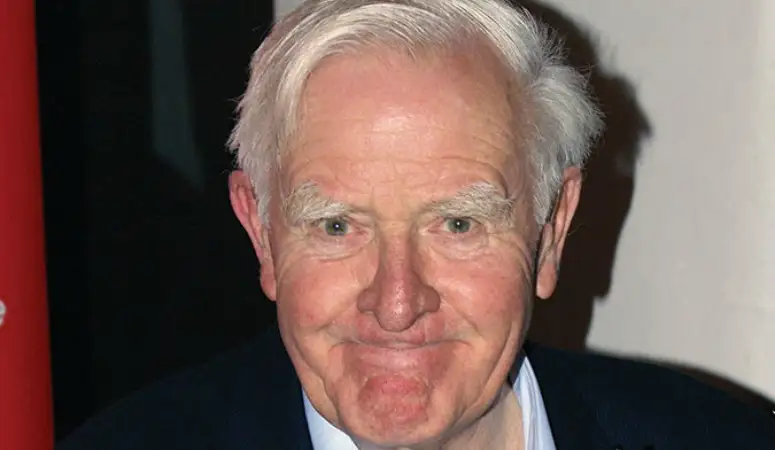 Via Commonweal Magazine
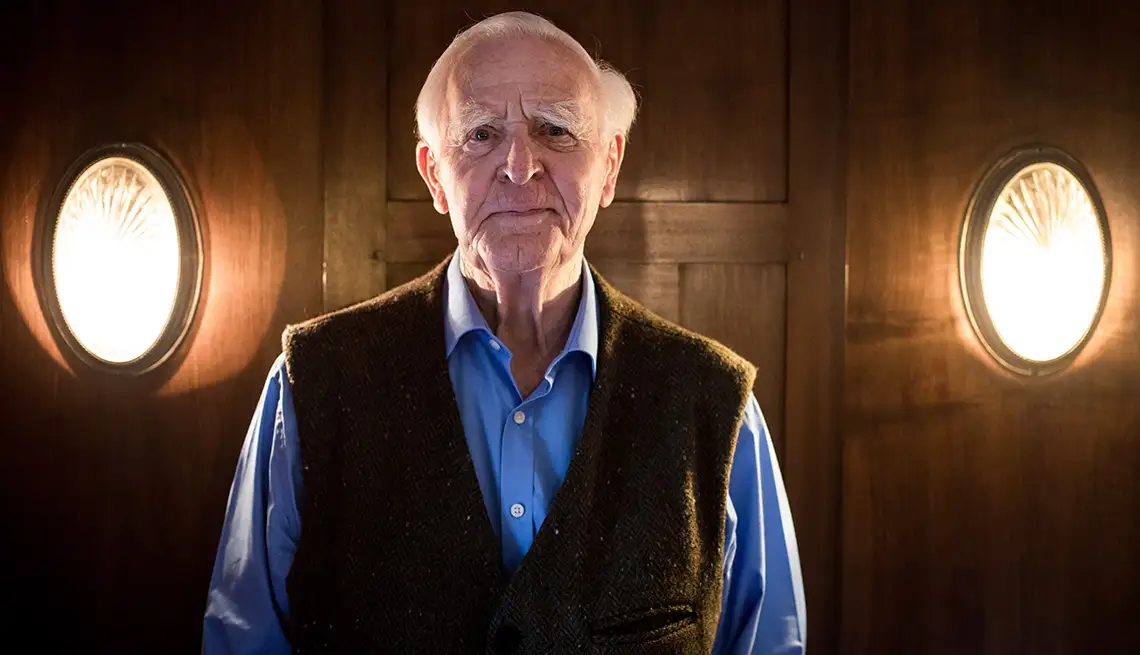 Via AARP
That moment later seemed almost like a spy lesson. A meeting failed. A lie had to be made. A public face had to be saved. Le Carré understood that deception was not only something found in secret agencies. It could also live inside families, schools, class systems, and childhood shame.
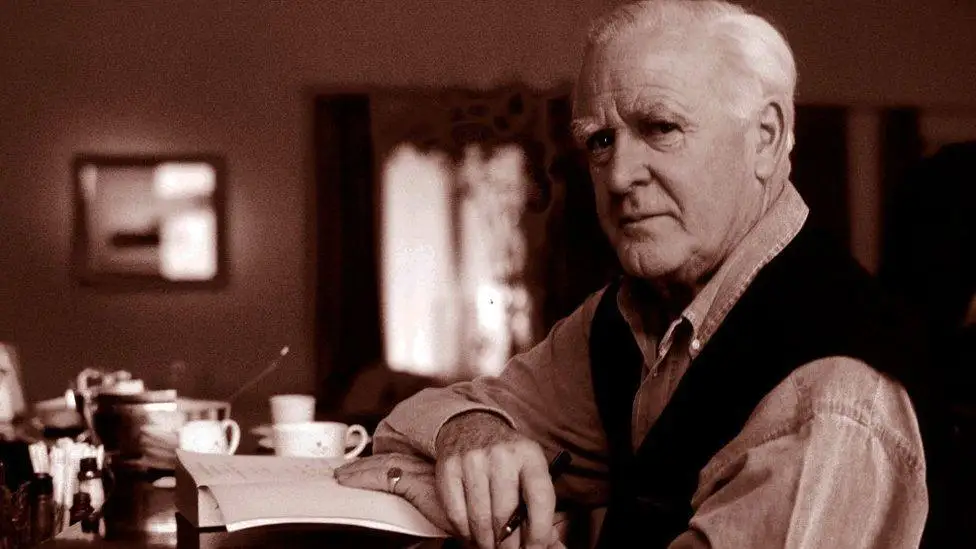 Via BBC
To protect himself, le Carré began to invent a better story. He imagined his father as a secret agent. This childhood fantasy helped him hide shame, but it also trained his imagination. It taught him how stories could cover pain and how fiction could create a safer version of reality.
That habit of invention later became part of his art. His novels often show people building false lives to survive. Some lie for duty. Some lie for greed. Some lie because truth is too painful. Le Carré knew from childhood that lies could be both protection and poison.
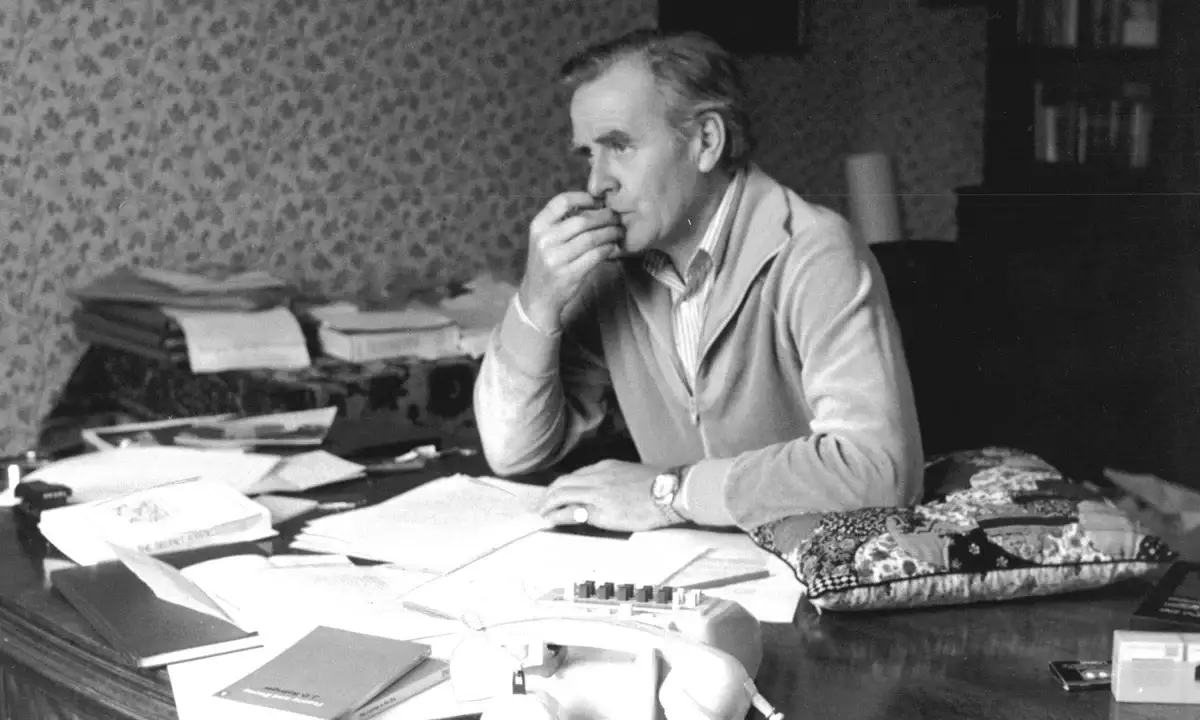 Via The Guardian
 Via Variety
His personal background made this world feel natural to him. As a child, he had already learned how to hide family trouble, change behavior, and speak in ways that suited different social spaces. By the time he entered intelligence work, secrecy was not new to him. It had already shaped his life.
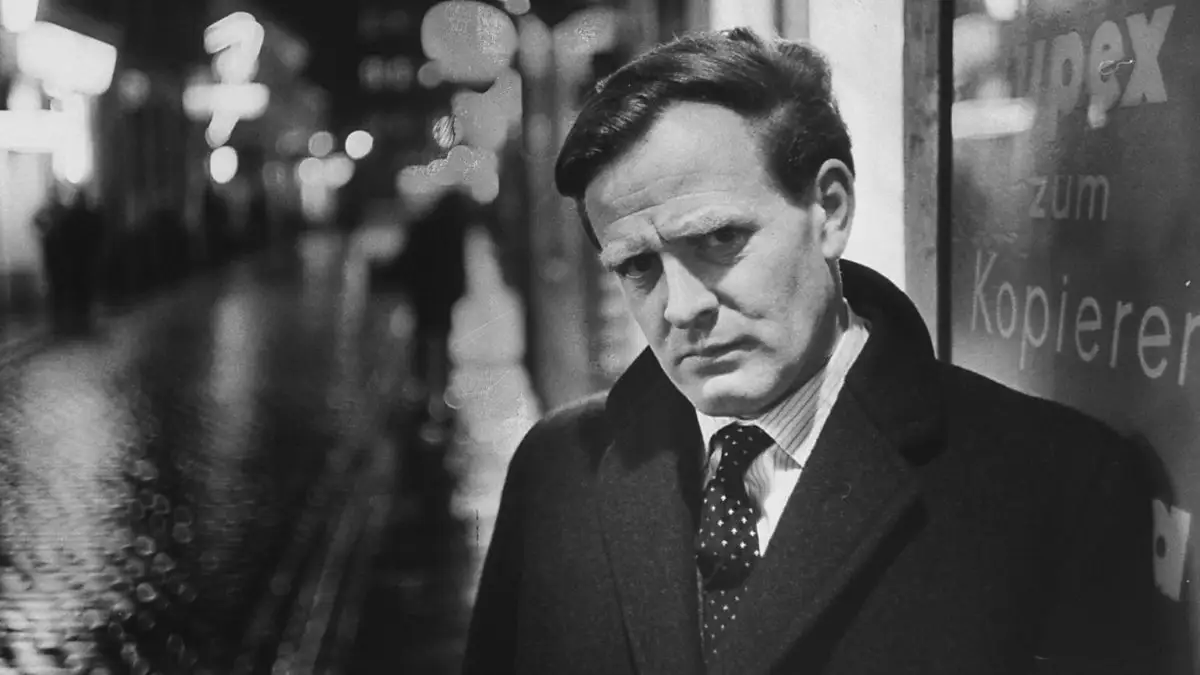 Via BBC
He understood that class in Britain could be a kind of code. Accent, manners, dress, and confidence all carried meaning. People judged one another through small signs. Le Carré learned to read those signs carefully, and this skill became useful both in intelligence work and in fiction.
His novels often show institutions with polished surfaces and hidden rot. Offices, clubs, schools, and government departments appear respectable, yet they may protect betrayal or cruelty. This sharp view of class and power came from a man who had learned early that belonging could be performed.
 Via The Times
 Via Crime Records
This connection helps explain why his novels feel so layered. They are full of false names, secret motives, and shifting identities. His father’s influence did not simply give him material. It gave him a way to understand how people create stories to gain trust, power, or protection.
 Via Grunge
This moral complexity likely grew from his own family life. Ronnie could be loving and harmful at the same time. He could charm people while deceiving them. He could care for his sons yet repeatedly disappoint them. Such contradictions made it hard to see people as purely good or bad.
That same emotional truth shaped le Carré’s fictional world. His spies do not live in a clean battle between right and wrong. They move through systems where good people do bad things and bad people sometimes show tenderness. This made his novels feel mature, serious, and deeply human.
 Via American Magazine
 Via Bleeding Cool News
His fiction shows the heavy cost of secrecy. Secret work may protect a nation, but it can damage the people who carry it out. Love, friendship, and trust become harder when life depends on silence. That sadness gives his novels their lasting emotional power.
 Via Engelsberg Ideas
Ronnie Cornwell was a painful figure in his son’s life, but his influence cannot be separated from le Carré’s success. The lies, shame, danger, and performance of childhood became raw material for fiction. Le Carré turned family wounds into stories that still feel sharp and honest.
His life shows how difficult experiences can shape lasting art. The boy who once hid his father’s failures became a writer who understood hidden lives better than most. Through George Smiley and many other characters, le Carré gave spy fiction a deeper voice, one filled with memory, moral doubt, and human truth.
More in UnassignedVia BBC
That unstable childhood became one of the strongest forces behind le Carré’s fiction. His novels did not treat spying as glamorous fun. They showed it as lonely, tense, and morally painful. The world he wrote about was full of people pretending to be something else, much like the world he had known as a boy.
His Father’s Double Life
Ronnie Cornwell lived with style, risk, and constant invention. He could present himself as a man of class and success, even when money problems, unpaid debts, and legal trouble followed him. This kind of life taught his son that appearances could be false and that respectability could hide crime.Via Smithsonian Magazine
Le Carré grew up watching his father move between charm and disaster. Ronnie could be loving one moment and deeply unreliable the next. He drove fine cars, mixed with high society, and created stories about himself, yet he also faced prison, bankruptcy, and public shame. This split between image and truth became a key theme in le Carré’s books.
Many of his characters live in the same kind of divided world. They have public roles, secret duties, and private wounds. They speak carefully, hide feelings, and carry guilt. Ronnie’s double life gave le Carré an early lesson in masks, lies, and survival, which later became the heart of his spy fiction.
Via Commonweal Magazine
Lessons In Deception
One painful childhood memory stayed with le Carré for life. His father once told him and his brother to wait outside their boarding school because he would collect them for a day out. The boys waited with their suitcases, but Ronnie never arrived. The real reason was that he had not paid the school bill. The boys had no food, no money, and no clear plan. Still, they did not return to school during the day because they wanted to avoid embarrassment. When they finally went back, they pretended everything had gone well. They created a cover story to hide the truth from others.Via AARP
That moment later seemed almost like a spy lesson. A meeting failed. A lie had to be made. A public face had to be saved. Le Carré understood that deception was not only something found in secret agencies. It could also live inside families, schools, class systems, and childhood shame.
Shame And Imagination
During World War Two, many boys at school talked proudly about their fathers’ service. For le Carré, this was difficult. His father was not a war hero. Ronnie was involved in dishonest schemes and black-market activity, which made his son feel embarrassed among classmates.
Via BBC
To protect himself, le Carré began to invent a better story. He imagined his father as a secret agent. This childhood fantasy helped him hide shame, but it also trained his imagination. It taught him how stories could cover pain and how fiction could create a safer version of reality.
That habit of invention later became part of his art. His novels often show people building false lives to survive. Some lie for duty. Some lie for greed. Some lie because truth is too painful. Le Carré knew from childhood that lies could be both protection and poison.
Via The Guardian
Real Spy Experience
Le Carré did not write only from imagination. He also worked in British intelligence before becoming a full-time novelist. His time with MI5 and MI6 gave him direct knowledge of secrecy, discipline, and the hidden systems behind official power. This experience helped give his books a strong sense of realism. His spy novels often focus on paperwork, suspicion, waiting, and office politics. They show people listening, watching, doubting, and making hard choices. This was very different from action-heavy spy stories. Le Carré cared more about pressure, betrayal, and the damage caused by secret work.
Via Variety
His personal background made this world feel natural to him. As a child, he had already learned how to hide family trouble, change behavior, and speak in ways that suited different social spaces. By the time he entered intelligence work, secrecy was not new to him. It had already shaped his life.
Class And Disguise
Le Carré came from a background that was not fully at home in the upper-class world of private schools and elite institutions. At school, he learned how to speak, behave, and present himself in ways that helped him fit in. This was another form of disguise.Via BBC
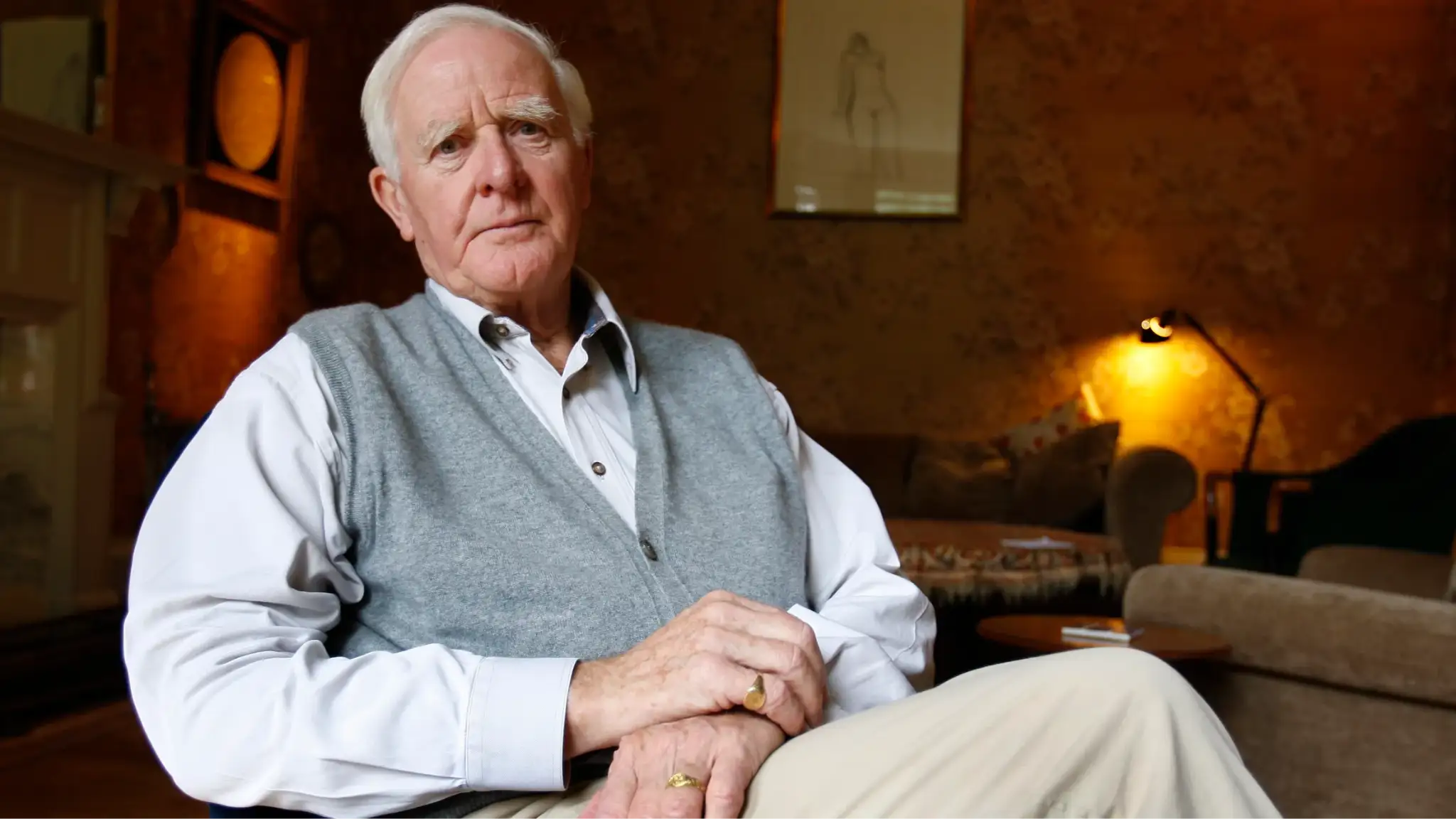
He understood that class in Britain could be a kind of code. Accent, manners, dress, and confidence all carried meaning. People judged one another through small signs. Le Carré learned to read those signs carefully, and this skill became useful both in intelligence work and in fiction.
His novels often show institutions with polished surfaces and hidden rot. Offices, clubs, schools, and government departments appear respectable, yet they may protect betrayal or cruelty. This sharp view of class and power came from a man who had learned early that belonging could be performed.
Via The Times
Ronnie’s Creative Shadow
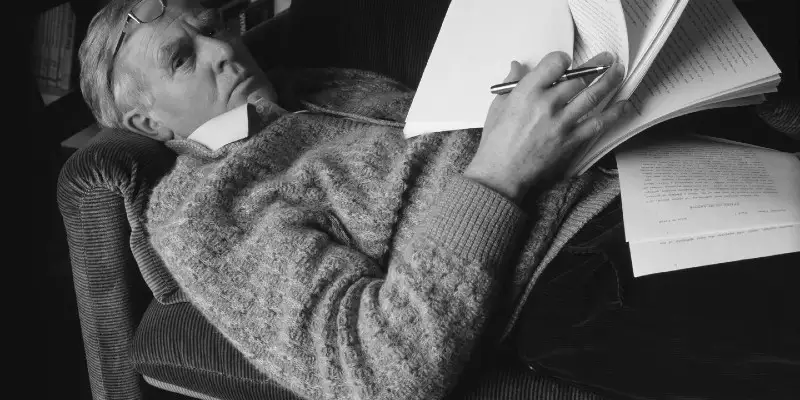
Ronnie Cornwell caused his son deep pain, but he also gave him a strange inheritance. He was a gifted storyteller in his own way. He could invent identities, create confidence, and make people believe in impossible promises. His talent was dangerous, but it was also theatrical. Le Carré saw that his father’s criminal life depended on imagination. Ronnie built false worlds and invited others to believe in them. Fiction writing also builds worlds, but with a different purpose. Le Carré turned the same power of invention into literature instead of fraud.
Via Crime Records
This connection helps explain why his novels feel so layered. They are full of false names, secret motives, and shifting identities. His father’s influence did not simply give him material. It gave him a way to understand how people create stories to gain trust, power, or protection.
Moral Gray Areas
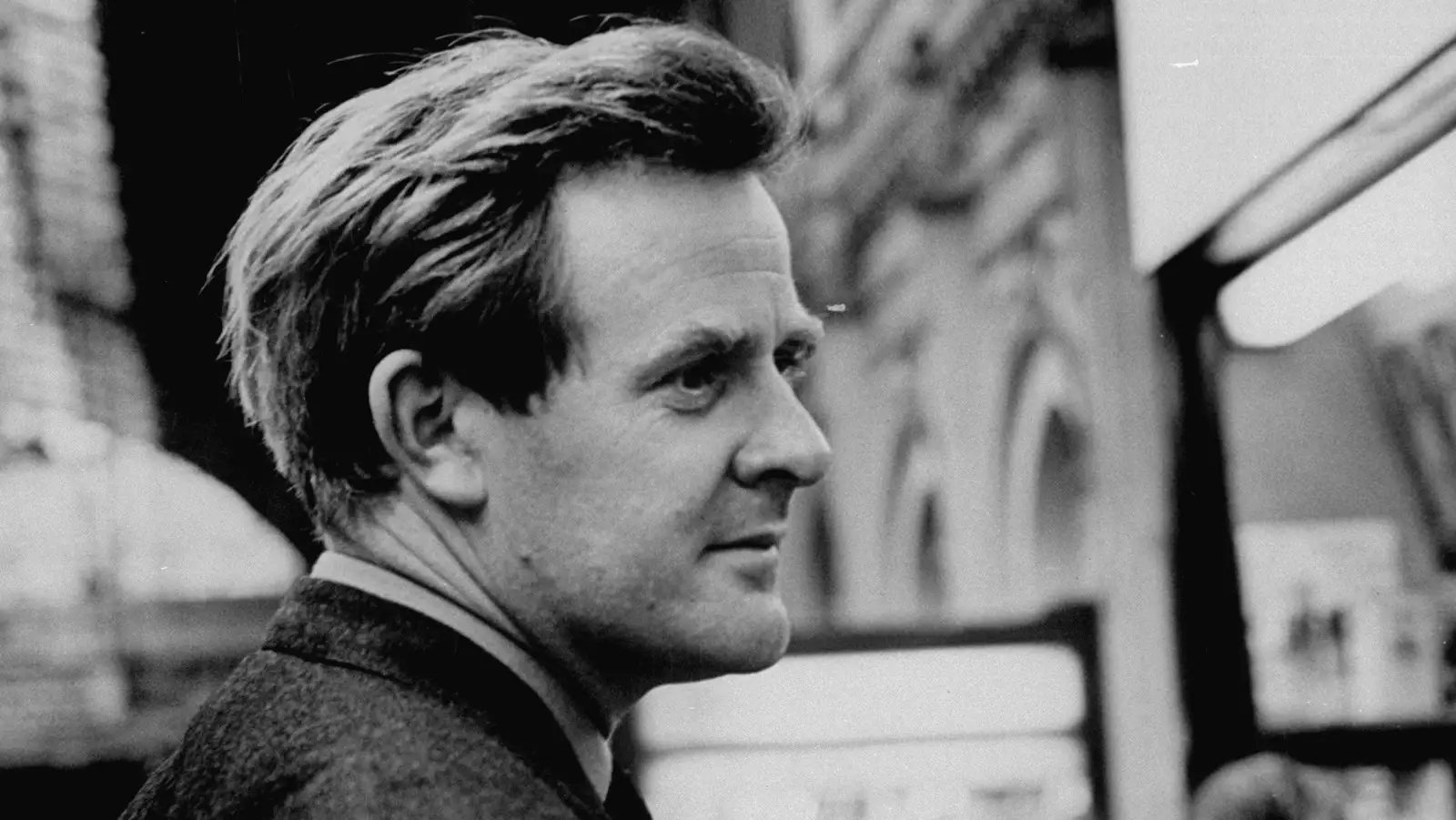
Le Carré’s spy fiction is famous for avoiding simple heroes and villains. His characters often work for causes they doubt. They may serve their country while questioning the methods used in its name. Loyalty in his books is rarely clean, and betrayal is rarely simple.Via Grunge
This moral complexity likely grew from his own family life. Ronnie could be loving and harmful at the same time. He could charm people while deceiving them. He could care for his sons yet repeatedly disappoint them. Such contradictions made it hard to see people as purely good or bad.
That same emotional truth shaped le Carré’s fictional world. His spies do not live in a clean battle between right and wrong. They move through systems where good people do bad things and bad people sometimes show tenderness. This made his novels feel mature, serious, and deeply human.
Via American Magazine
Loneliness In His Books
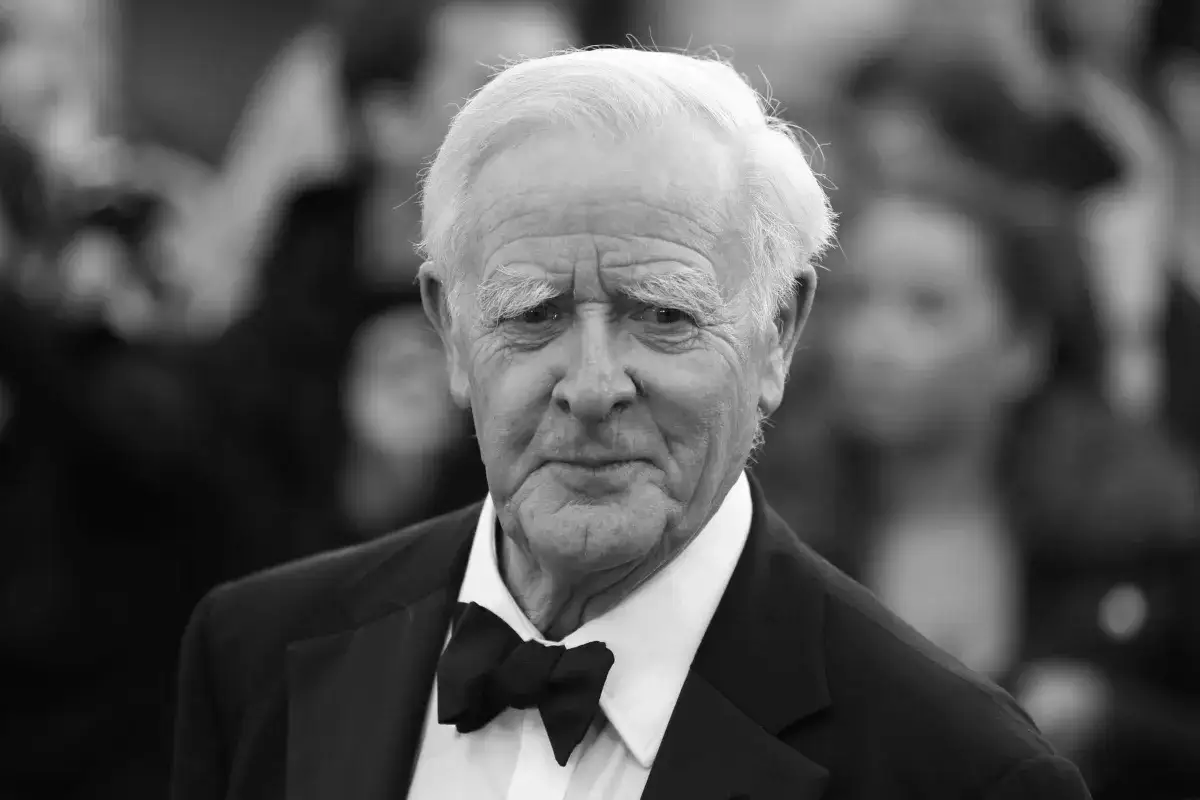
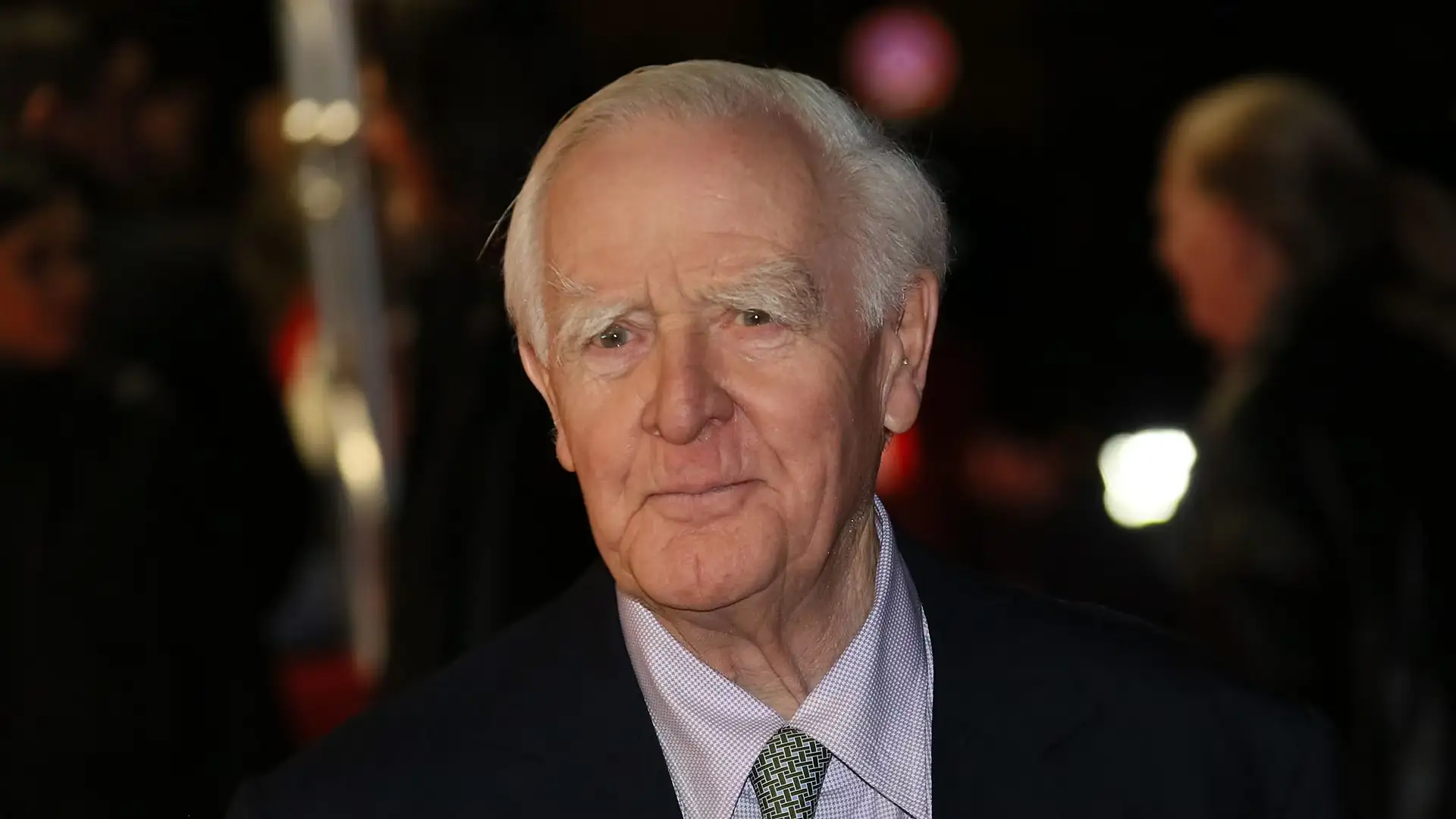
Many of le Carré’s greatest novels carry a strong feeling of loneliness. His spies may be surrounded by colleagues, files, and missions, but they are often emotionally isolated. They cannot fully share what they know. They cannot fully trust those closest to them. This loneliness connects strongly to his childhood. A child who must hide family shame learns to keep feelings private. A boy who cannot rely on his father learns self-protection. These early habits can become emotional armor, and le Carré turned that armor into art.Via Bleeding Cool News
His fiction shows the heavy cost of secrecy. Secret work may protect a nation, but it can damage the people who carry it out. Love, friendship, and trust become harder when life depends on silence. That sadness gives his novels their lasting emotional power.
Why His Story Matters
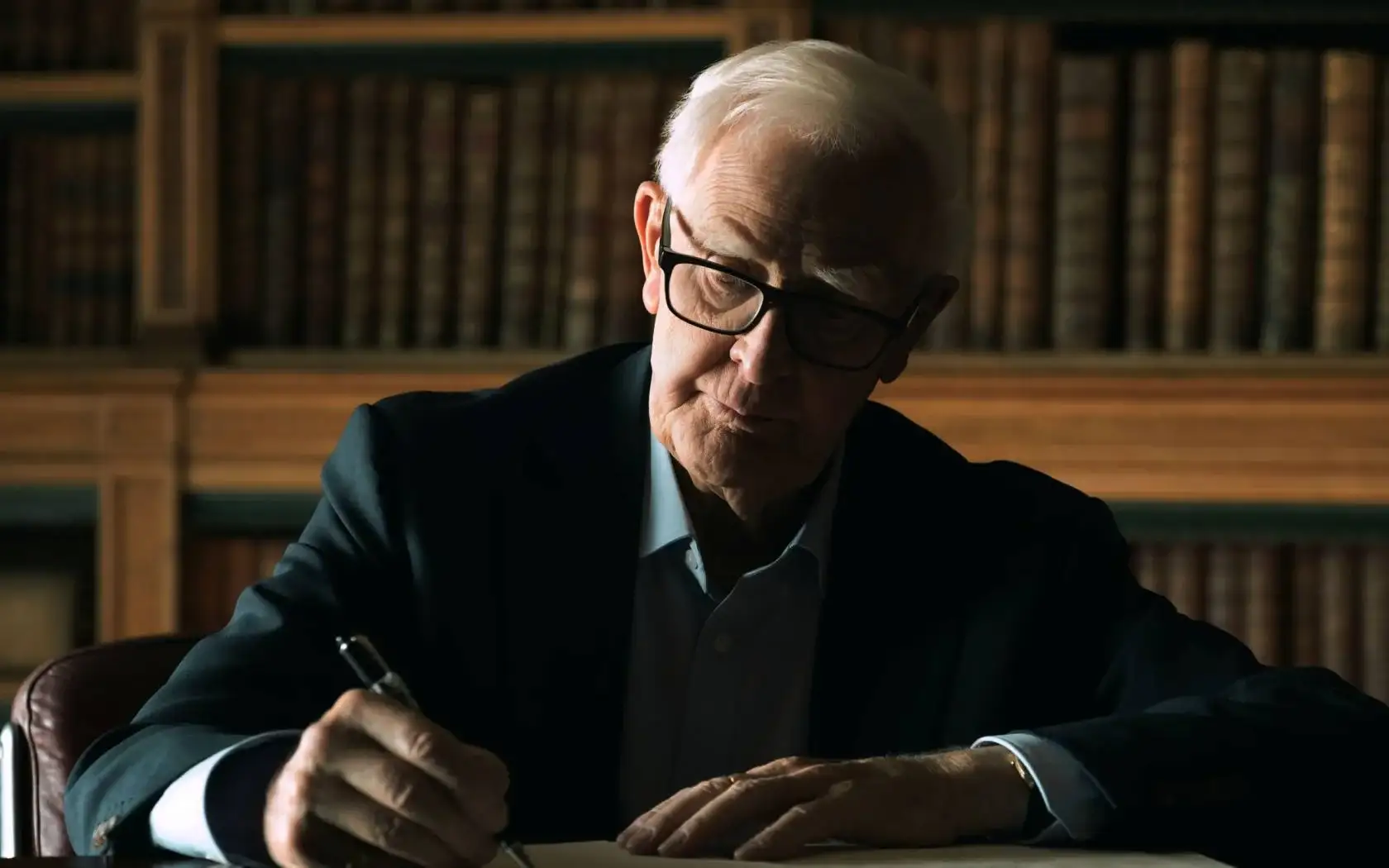
John le Carré changed spy fiction because he understood that secrets are not only political. They are also personal. His books took readers behind the surface of intelligence work and showed the fear, doubt, and loneliness beneath it. His own life gave him the emotional truth needed to write that world well.Via Engelsberg Ideas
Ronnie Cornwell was a painful figure in his son’s life, but his influence cannot be separated from le Carré’s success. The lies, shame, danger, and performance of childhood became raw material for fiction. Le Carré turned family wounds into stories that still feel sharp and honest.
His life shows how difficult experiences can shape lasting art. The boy who once hid his father’s failures became a writer who understood hidden lives better than most. Through George Smiley and many other characters, le Carré gave spy fiction a deeper voice, one filled with memory, moral doubt, and human truth.
