Unassigned
Using Fungi to Grow Biodegradable Computer Memory

Deep under forests, fungi build invisible cities. Thin white threads called mycelium stretch for miles, linking trees and plants. These networks share water, food, and danger signals. A tree attacked by bugs sends warnings through the threads. Nearby plants get ready to fight back. This system works without a central brain. Each part senses and reacts on its own.
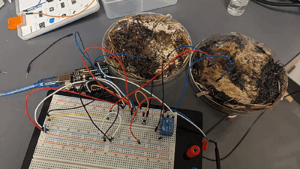 Via Interesting Engineering
Scientists study these natural webs to copy them. The signals in mycelium are tiny electrical pulses. They travel like data in wires. Researchers saw a chance to use this for computers. Instead of metal paths, living threads could carry information. This idea sparked fungal computing, a way to make machines from mushrooms.
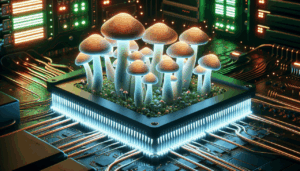 Via Phys
Fungi also handle stress well. They live through floods, freezes, and dry spells. Some break down wood or oil spills. This toughness hints that they can take electrical loads without breaking. Early tests showed mycelium changes when zapped with voltage. The threads swell or shrink, altering how current flows. This shift stores a bit of data, like a 0 or 1 in binary code.
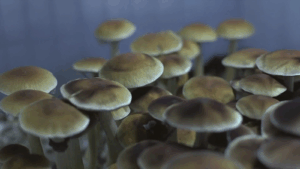 Via 10TV
This created memory loops. Graphs of the data showed smooth curves, proof of reliable switching. Linking two mats boosted performance. Signals passed between them, mimicking brain synapses. The accuracy hit ninety-five percent over thousands of cycles. The setup used less than a watt of power, far below silicon chips.
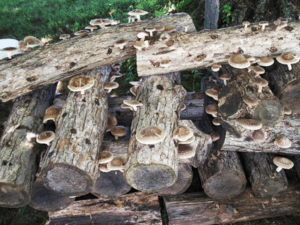 Via Ohioline
Temperature affects speed. Warmer mats react faster but tire sooner. Room temperature gave the best balance. Humidity mattered too. Too dry, and signals stalled. A light spray fixed it in seconds. This hydration trick makes storage easy. Dry a mat for shipping, then wake it on arrival.
 Via Popular Science
Manufacturing differs wildly. Chip factories burn energy equal to small cities. Fungal labs run on LED lights and fans. Waste is compost, not toxic sludge. Repair is unique; cut a damaged section, and new growth fills in. Silicon cracks stay broken.
 Via Earth’s Attraction
Structure held; conductivity dipped only ten percent. In vacuum chambers simulating space, mats survived months. Hydration before launch restored full power. Cold storage at minus twenty Celsius paused activity. Thawing brought instant recovery. This robustness suits remote sensors in Arctic or desert outposts.
 Via Hamilton’s Mushrooms
Standardization ensures every batch matches. Sensors monitor pH, temperature, and growth rate. Spores from proven strains guarantee performance. Factories could run on solar power, staying green from start to finish.
 Via Alchimia
Software translates biological signals into code. Pulses become bytes; resistance shifts trigger algorithms. Early prototypes run simple neural networks. They recognize patterns in sensor data with half the energy of GPU setups.
 Via Volico Data Centers
Brain-machine interfaces demand biocompatible parts. Metal implants scar tissue over time. Fungal electrodes grow with nerves. They sense signals and are stimulated gently. Tests on rat brains show seamless integration. Drug delivery patches could be used. Embedded mycelium monitors skin chemistry. When glucose spikes, it releases insulin from tiny reservoirs. No batteries, just body heat for power.
 Via Harvard SEAS
Forests face fires and pests. Sensor webs track conditions. Fungal nodes sprout from compostable pods. They measure CO2, humidity, and temperature. Data beams to satellites via low-power radio. After seasons, nodes degrade into soil. No cleanup crews needed. This closed loop fits rewilding projects. Mushrooms monitor and then feed the land.
 Via Phys
Teams worldwide join in. Swedish labs use reishi for radiation shielding. Japanese groups culture enoki in 3D printers. Brazilian scientists test Amazon species for humidity resistance. Conferences share data. Open-source designs spread fast. A shared database tracks strains and growth recipes. Collaboration speeds standards.
 Via Earth
Living tech raises questions. Could engineered fungi escape? Containment uses kill switches, salt, or heat to stop growth. Field tests stay in sealed greenhouses. Allergies matter. Dried mats lose spores, reducing risk. Labels warn sensitive users. Long-term studies track worker health. Ethics guide design. No animal testing unless vital. Transparency builds trust. Public input shapes rules.
 Via NYC Resistor
People rethink machines. From cold metal to warm life. Art blends circuits and fungi. Installations glow with living light. Philosophy questions intelligence. If mushrooms compute, where is the line? Debates enrich society. Tech feels less alien, more part of nature. Governments race to regulate the new biotech economy. Tax codes struggle to define living processors. Are they machines, or organisms?
Environmental agencies demand oversight to prevent ecosystem leaks. Nations investing early in bio-computing gain trade advantages, attracting talent and startups. Traditional tech hubs face competition from regions with agricultural expertise. Global power dynamics shift, linking innovation to biology instead of silicon.
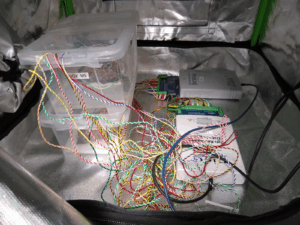 Via Popular Science
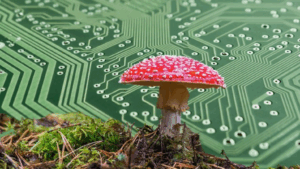 Via Inquirer Technology
Mushrooms started as food and mystery. Now they challenge tech giants. Their networks prove life computes efficiently. Resilience, sustainability, and simplicity win hearts. The digital age enters a biological chapter. Devices grow, learn, and return to earth. What began in damp forests could power smart cities. Fungi remind us: the best ideas often root in soil.
More in Unassigned
Via Interesting Engineering
Scientists study these natural webs to copy them. The signals in mycelium are tiny electrical pulses. They travel like data in wires. Researchers saw a chance to use this for computers. Instead of metal paths, living threads could carry information. This idea sparked fungal computing, a way to make machines from mushrooms.
Why Mushrooms Caught Scientists' Attention
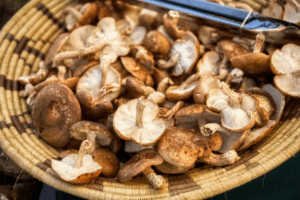
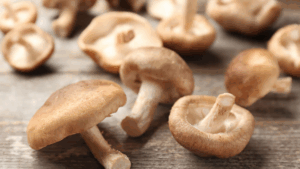
Mushrooms grow fast and cheaply. A handful of spores on damp grain becomes a thick mat in days. No need for clean rooms or billion-dollar plants. Shiitake, oyster, and button types work best. Their mycelium forms dense layers perfect for testing.
Via Phys
Fungi also handle stress well. They live through floods, freezes, and dry spells. Some break down wood or oil spills. This toughness hints that they can take electrical loads without breaking. Early tests showed mycelium changes when zapped with voltage. The threads swell or shrink, altering how current flows. This shift stores a bit of data, like a 0 or 1 in binary code.
Step-by-Step Look at Ohio State's Experiments
The Ohio State team started small. They filled plastic trays with wheat germ and hay. Mushroom spores sprinkled on top grew into white fuzz. After ten days, the mats were thick enough to handle. Sun-drying locked the shape but kept the inner paths intact. A quick mist of water revived conductivity. They poked thin wires into the dried mats. One wire sent pulses; another read the response.
Via 10TV
This created memory loops. Graphs of the data showed smooth curves, proof of reliable switching. Linking two mats boosted performance. Signals passed between them, mimicking brain synapses. The accuracy hit ninety-five percent over thousands of cycles. The setup used less than a watt of power, far below silicon chips.
Inside the Fungal Memristor
A memristor remembers resistance even when power is off. Silicon versions exist but need rare metals. Fungal ones form naturally. The mycelium's hyphae, tiny tubes, fill with ions during pulses. These charged particles block or open paths. The effect lasts until reversed by the opposite voltage.
Via Ohioline
Temperature affects speed. Warmer mats react faster but tire sooner. Room temperature gave the best balance. Humidity mattered too. Too dry, and signals stalled. A light spray fixed it in seconds. This hydration trick makes storage easy. Dry a mat for shipping, then wake it on arrival.
Comparing Fungal Chips to Traditional Semiconductors
Silicon chips pack billions of transistors in a square inch. Fungal mats cover a palm but hold less data. Speed lags, kilohertz versus gigahertz. Yet for many tasks, raw speed isn't key. Sensors in farms or homes process slow changes like soil moisture. Fungal chips excel there with tiny power draws.
Via Popular Science
Manufacturing differs wildly. Chip factories burn energy equal to small cities. Fungal labs run on LED lights and fans. Waste is compost, not toxic sludge. Repair is unique; cut a damaged section, and new growth fills in. Silicon cracks stay broken.
Real-World Durability Tests on Shiitake
The team exposed mats to extremes. UV lamps mimicked sunlight for weeks. Silicon controls yellowed and failed. Fungal samples darkened but kept switching. Lentinan, a sugar in shiitake, absorbed the energy. Melanin pigments added extra armor. Radiation trials used cobalt sources. Doses that kill electronics leave fungi functional.
Via Earth’s Attraction
Structure held; conductivity dipped only ten percent. In vacuum chambers simulating space, mats survived months. Hydration before launch restored full power. Cold storage at minus twenty Celsius paused activity. Thawing brought instant recovery. This robustness suits remote sensors in Arctic or desert outposts.
Scaling Up from Lab to Factory
Small trays prove the concept. Larger growth needs control. Steel tanks with nutrient mist can yield meter-wide sheets. Automated arms harvest and dry them. Templates press circuits into wet mats before drying. The result: ready-to-wire boards.
Via Hamilton’s Mushrooms
Standardization ensures every batch matches. Sensors monitor pH, temperature, and growth rate. Spores from proven strains guarantee performance. Factories could run on solar power, staying green from start to finish.
Integrating Fungi with Existing Electronics
Pure fungal computers are far off. Hybrid systems come first. A silicon brain handles fast math; fungal layers manage memory and learning. Interfaces use graphene electrodes, thin, flexible, and biocompatible.
Via Alchimia
Software translates biological signals into code. Pulses become bytes; resistance shifts trigger algorithms. Early prototypes run simple neural networks. They recognize patterns in sensor data with half the energy of GPU setups.
Power Savings in Data Centers
Servers gulp electricity, two percent of global use. Cooling adds more. Fungal memory runs at body temperature. Stack trays in racks with airflow. No chillers needed. Idle states sip microwatts. Edge devices benefit most. A weather station in a field needs years on one battery. Fungal chips log wind, rain, and soil data without recharge. Farmers access info via phone apps.
Via Volico Data Centers
Brain-machine interfaces demand biocompatible parts. Metal implants scar tissue over time. Fungal electrodes grow with nerves. They sense signals and are stimulated gently. Tests on rat brains show seamless integration. Drug delivery patches could be used. Embedded mycelium monitors skin chemistry. When glucose spikes, it releases insulin from tiny reservoirs. No batteries, just body heat for power.
Soft Robotics and Wearable Tech
Robots with rigid frames limit movement. Soft bots mimic octopuses. Fungal circuits bend without breaking. Skin-like sensors track stretch and pressure. A glove helps stroke patients relearn grip by adapting feedback. Smart bandages detect infection. Color-changing mycelium signals pH shifts. Doctors get alerts before wounds worsen. The bandage dissolves when healing finishes.
Via Harvard SEAS
Forests face fires and pests. Sensor webs track conditions. Fungal nodes sprout from compostable pods. They measure CO2, humidity, and temperature. Data beams to satellites via low-power radio. After seasons, nodes degrade into soil. No cleanup crews needed. This closed loop fits rewilding projects. Mushrooms monitor and then feed the land.
Educational Kits for Classrooms and Homes
Curiosity drives progress. Kits let students grow circuits. A plastic box, spores, grains, and wires cost under twenty dollars. Instructions guide pulse tests with a phone app. Kids see living tech in action. Schools teach biology and coding together. Graphs of fungal memory become math lessons. Fair projects win prizes and spark careers in bioengineering.
Via Phys
Teams worldwide join in. Swedish labs use reishi for radiation shielding. Japanese groups culture enoki in 3D printers. Brazilian scientists test Amazon species for humidity resistance. Conferences share data. Open-source designs spread fast. A shared database tracks strains and growth recipes. Collaboration speeds standards.
Overcoming Biological Variability
Nature isn't uniform. One mat might conduct better than another. Genetic tweaks create stable lines. CRISPR edits key genes for consistent hyphae thickness. Selective breeding works too; pick top performers for spores. Sterile techniques prevent contamination. UV booths and airflow hoods keep labs clean. Quality checks scan every batch with microscopes.
Via Earth
Living tech raises questions. Could engineered fungi escape? Containment uses kill switches, salt, or heat to stop growth. Field tests stay in sealed greenhouses. Allergies matter. Dried mats lose spores, reducing risk. Labels warn sensitive users. Long-term studies track worker health. Ethics guide design. No animal testing unless vital. Transparency builds trust. Public input shapes rules.
Economic Impacts on Tech Industries
Cheap bio-chips disrupt markets. Mining companies lose rare-earth demand. Factory towns shift to mushroom farms. Jobs grow in rural areas with space for greenhouses. Startups sprout. Venture funds backing bio-computing. Patents cover growth methods and interfaces. Licensing spreads tech globally.
Via NYC Resistor
People rethink machines. From cold metal to warm life. Art blends circuits and fungi. Installations glow with living light. Philosophy questions intelligence. If mushrooms compute, where is the line? Debates enrich society. Tech feels less alien, more part of nature. Governments race to regulate the new biotech economy. Tax codes struggle to define living processors. Are they machines, or organisms?
Environmental agencies demand oversight to prevent ecosystem leaks. Nations investing early in bio-computing gain trade advantages, attracting talent and startups. Traditional tech hubs face competition from regions with agricultural expertise. Global power dynamics shift, linking innovation to biology instead of silicon.
Via Popular Science
Timeline for Commercial Products
Five years for niche sensors. Ten for consumer wearables. Twenty for data center modules. Prototypes guide the path. Each milestone refines reliability. Regulations evolve. The FDA approves medical uses first. FCC tests radio emissions. Standards ensure interoperability. Young minds see possibilities. A girl grows a circuit for her science fair. It powers an LED with pulse patterns. She dreams of space probes with fungal brains. Teachers weave fungi into lessons. The history of computing includes silicon and now spores. Future textbooks show both paths.
Via Inquirer Technology
Mushrooms started as food and mystery. Now they challenge tech giants. Their networks prove life computes efficiently. Resilience, sustainability, and simplicity win hearts. The digital age enters a biological chapter. Devices grow, learn, and return to earth. What began in damp forests could power smart cities. Fungi remind us: the best ideas often root in soil.