Unassigned
Trunk Sucking - The Baby Elephant's Thumb

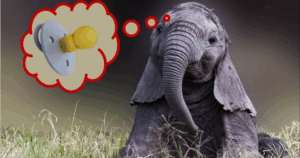
Baby elephants capture hearts worldwide with their playful antics and oversized ears. Among their most charming behaviors is sucking on their own trunks. This simple action mirrors how human toddlers suck their thumbs for comfort. It serves a deep purpose beyond cuteness. Young calves use this habit to soothe emotions and sharpen vital skills.
This cross-species similarity highlights shared needs among young mammals for security and growth. Trunk-sucking also helps calves explore their senses. Through gentle suction, they learn textures, tastes, and smells, crucial tools for survival.
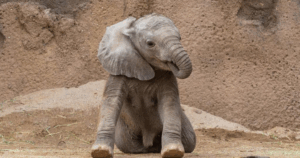 Via Reddit
The behavior strengthens coordination, preparing them to grasp food, drink water, and communicate as they mature. What seems like innocent play is actually early training for the complex life of an elephant, blending comfort with curiosity in perfect harmony.
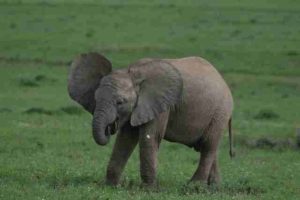 Via Reddit
In the wild, birth attracts the entire herd. Aunts, sisters, and grandmothers gather to touch and rumble greetings. Amid the excitement, the newborn might feel overwhelmed. The trunk provides an instant way to self-calm. Mothers do not discourage it. Instead, they continue nursing and protecting while the calf explores this new comfort source.
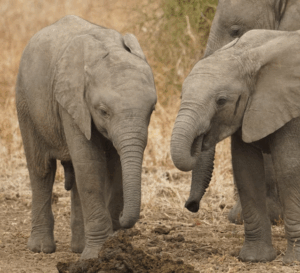 Hot afternoons bring rest under shady trees. Calves lie down in piles, trunks often inserted for a quick nap aid. Evening brings more movement as the family searches for water. Thirsty calves waiting their turn at a muddy pool use sucking to stay patient. These moments show how woven into routine the habit becomes.
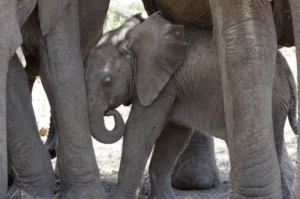 Coordination improves, too. Early trunks swing unpredictably, knocking over buckets in zoos or startling birds in the bush. Regular sucking teaches precise curling and uncurling. By three months, calves pick up small clumps of grass without dropping them. This progression happens faster in frequent suckers.
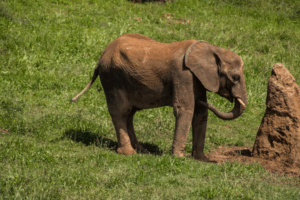 Herd members notice this. An older sister might nudge a sucking calf gently, encouraging play once composure returns. Mothers rumble low soothing sounds while the behavior occurs. This family support reinforces the habit as a healthy coping tool rather than a problem.
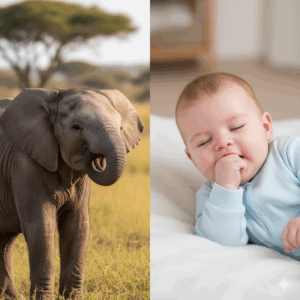 Growth timelines differ. Human children might suck thumbs until age four or five. Elephant calves typically stop by eighteen months. Faster maturation matches their larger size and shorter childhood relative to lifespan. Yet the purpose, comfort plus skill, remains identical.
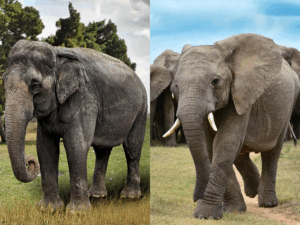 Via Britannica
Sanctuary records reveal orphaned Asian calves suckle longer than mother-raised ones. Extra human care cannot fully replace herd dynamics. African calves in drought areas increase frequency during scarce seasons. Water stress heightens the need for any available comfort.
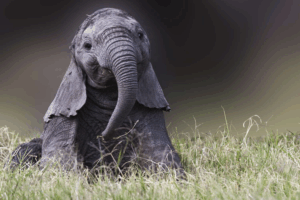 Via Treehugger
Heart rate monitors on collared calves measure stress drops during sucking episodes. Saliva samples check for calm-inducing hormones. All data points to clear benefits without drawbacks. No dental issues arise, unlike prolonged human thumb-sucking.
 Via YouTube
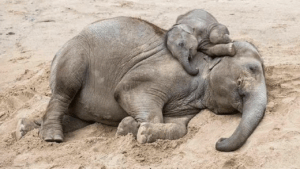
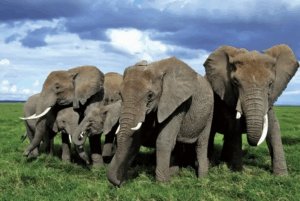
Night vigils reveal herds forming protective circles. Inner calves sleep deeply, trunks often in mouths. Outer adults stay alert. This arrangement lets young ones recharge fully, building resilience for tomorrow’s long marches.
 Via The Doda
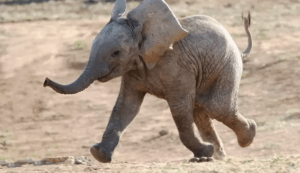
This cycle shows how the habit bridges learning gaps. Play groups reinforce skills. Tag games involve trunk tugs. Losers comfort-suck, winners trumpet victory. The pattern teaches emotional balance alongside physical prowess.
 Via Reddit
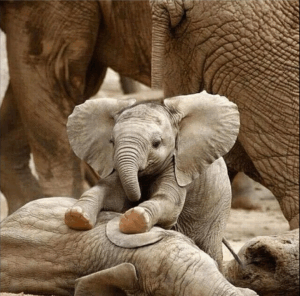
Weaning around age three ends easily for confident calves. Those still sucking heavily at two receive extra forage training. Keepers note smooth transitions when comfort needs are already met internally.
 Via A-Z Animals
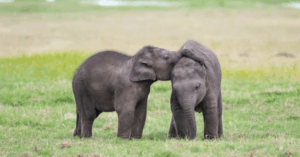
Adult bulls show no remnant behaviors. Cows occasionally touch trunks to their mouths in extreme distress, like after losing a calf. The infant habit thus evolves into rare adult coping. Tourist vehicles sometimes startle herds. Calves dash to mothers, trunks flying to mouths mid-run.
Guides trained in low-impact viewing minimize this. Quiet approaches let natural behaviors continue undisturbed. Poaching zones show higher rates. Motherless calves suck almost constantly at first. Rehabilitation centers report gradual decreases as trust builds with human caregivers and peer elephants.
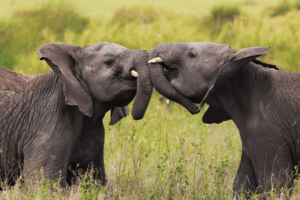 Via Anne McKinnell Photography
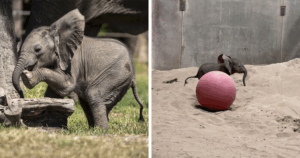 Via Bored Panda
Early self-soothing probably aided survival in predator-rich landscapes. Genetic studies compare comfort behaviors across mammals. Shared neural pathways confirm common ancestry benefits. Trunk-sucking fits a long line of adaptive infant strategies.
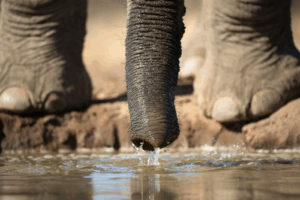 Via New Scientist
Healthy habitats allow natural development. Deforestation fragments families, increasing orphan rates. Protected corridors let herds roam freely, reducing stress-induced sucking. Anti-poaching patrols save mothers, preventing trauma. Community education turns locals into allies. Shared land benefits both elephants and people.
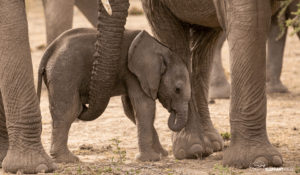 Via ETHOGRAM TABLE
No scars or weaknesses result from infant sucking. Adult trunks function perfectly regardless of early frequency. Strength comes from diverse later uses, uprooting trees, and greeting friends delicately. Veterinary exams confirm tissue health. Flexibility tests show a full range in former suckers and non-suckers alike. The habit leaves only positive preparation.
 Via New Scientist
Schools near reserves host “Elephant Days.” Kids watch calves, learn trunk facts, and draw comparisons to thumbs. Take-home crafts include paper trunks to curl. Online modules reach global classrooms. Interactive quizzes reinforce soothing and practice concepts accessible.
 Via YouTube
From playgrounds to savannas, infants seek anchors. Thumbs and trunks serve as bridges from dependence to mastery. Recognizing these parallels deepens compassion across species boundaries. Tiny habits carry big meaning. Sucking for solace today enables trumpeting triumphs tomorrow. Life unfolds one gentle pull at a time.
In both humans and elephants, such gestures reveal emotional intelligence from the start. Comfort-seeking behaviors build neural pathways for trust and security. A calf’s trunk or a child’s thumb becomes the first tool of self-regulation, shaping future resilience. These small acts show that nurturing instincts are universal, proof that empathy begins not with words, but with touch.
More in Unassigned
Via Reddit
The behavior strengthens coordination, preparing them to grasp food, drink water, and communicate as they mature. What seems like innocent play is actually early training for the complex life of an elephant, blending comfort with curiosity in perfect harmony.
The First Moments of Trunk-Sucking
Newborn elephant calves enter the world weighing around 200 to 250 pounds. Within minutes, they attempt to stand on wobbly legs. Their trunks, though present at birth, hang awkwardly like loose hoses. Almost immediately, many calves curl the tip of the trunk into their mouths and begin sucking. This happens even before their first full meal from mom.
Via Reddit
In the wild, birth attracts the entire herd. Aunts, sisters, and grandmothers gather to touch and rumble greetings. Amid the excitement, the newborn might feel overwhelmed. The trunk provides an instant way to self-calm. Mothers do not discourage it. Instead, they continue nursing and protecting while the calf explores this new comfort source.
Daily Life Triggers for the Behavior
Throughout the day, various situations prompt trunk-sucking. Morning feeds end, and the herd starts walking. A calf trailing behind might suck its trunk to keep pace without fussing. Playtime with siblings can turn rough. After a tumble or mock charge, the loser retreats with trunk in mouth.
Hot afternoons bring rest under shady trees. Calves lie down in piles, trunks often inserted for a quick nap aid. Evening brings more movement as the family searches for water. Thirsty calves waiting their turn at a muddy pool use sucking to stay patient. These moments show how woven into routine the habit becomes.
Physical Benefits Beyond Comfort
The elephant's trunk contains thousands of tiny muscle fibers. Sucking engages these fibers in rhythmic patterns. Each pull and release works the tip, midsection, and base differently. Over weeks, this builds strength and flexibility. Calves gain better control, reducing accidental slaps to their own faces.
Coordination improves, too. Early trunks swing unpredictably, knocking over buckets in zoos or startling birds in the bush. Regular sucking teaches precise curling and uncurling. By three months, calves pick up small clumps of grass without dropping them. This progression happens faster in frequent suckers.
Emotional Regulation in Young Calves
Elephants experience complex emotions from infancy. Joy shows in floppy runs and tail wags. Fear appears when thunder rolls or strangers approach. Trunk-sucking acts as an emotional reset button. It lowers stress hormones, allowing the calf to rejoin the group calmly.
Herd members notice this. An older sister might nudge a sucking calf gently, encouraging play once composure returns. Mothers rumble low soothing sounds while the behavior occurs. This family support reinforces the habit as a healthy coping tool rather than a problem.
Comparing Trunk and Thumb Development
Human thumbs oppose fingers, enabling grip from birth. Elephant trunks lack bones but achieve similar dexterity through muscle alone. Both body parts demand practice for mastery. Thumb-sucking refines hand-to-mouth coordination in toddlers. Trunk-sucking does the same for future foraging precision.
Growth timelines differ. Human children might suck thumbs until age four or five. Elephant calves typically stop by eighteen months. Faster maturation matches their larger size and shorter childhood relative to lifespan. Yet the purpose, comfort plus skill, remains identical.
Variations Across Elephant Species
African and Asian elephants both display trunk-sucking. African bush elephant calves, larger at birth, start the habit robustly. Forest elephants, smaller and shyer, suck more discreetly in dense vegetation. Asian calves in captivity show it openly during feed times.
Via Britannica
Sanctuary records reveal orphaned Asian calves suckle longer than mother-raised ones. Extra human care cannot fully replace herd dynamics. African calves in drought areas increase frequency during scarce seasons. Water stress heightens the need for any available comfort.
Observation Methods in Research
Scientists use multiple ways to study this behavior. Camera traps in national parks capture nighttime footage. Daytime followed by a vehicle allows direct counts. Zoo enrichment logs track changes after introducing new toys or herd members.
Via Treehugger
Heart rate monitors on collared calves measure stress drops during sucking episodes. Saliva samples check for calm-inducing hormones. All data points to clear benefits without drawbacks. No dental issues arise, unlike prolonged human thumb-sucking.
Trunk-Sucking and Sleep Patterns
Many calves suck trunks while drifting to sleep. Standing naps, common in adults, begin as trunk-supported dozes in babies. The rhythmic motion mimics nursing pulses, easing the transition from awake to rest.
Via YouTube
Night vigils reveal herds forming protective circles. Inner calves sleep deeply, trunks often in mouths. Outer adults stay alert. This arrangement lets young ones recharge fully, building resilience for tomorrow’s long marches.
Social Learning Through Imitation
Younger calves watch older ones. A two-year-old no longer sucking demonstrates advanced trunk use, spraying water backward over its back to cool off. The observer tries, fails, then reverts to sucking briefly before another attempt.
Via The Doda
This cycle shows how the habit bridges learning gaps. Play groups reinforce skills. Tag games involve trunk tugs. Losers comfort-suck, winners trumpet victory. The pattern teaches emotional balance alongside physical prowess.
Nutritional Ties to the Habit
Milk from elephant mothers is rich and fatty. Nursing sessions are spaced out as solids increase. Between meals, hunger pangs strike. Trunk-sucking eases oral fixation without calories. It prevents frantic rooting that might annoy busy moms.
Via Reddit
Weaning around age three ends easily for confident calves. Those still sucking heavily at two receive extra forage training. Keepers note smooth transitions when comfort needs are already met internally.
Gender Differences in Duration
Female calves often stop sooner than males. Girls stay tighter with family, gaining security from constant female presence. Boys explore the edges of the herd, facing mild scuffles. Extra stress prolongs trunk-sucking slightly.
Via A-Z Animals
Adult bulls show no remnant behaviors. Cows occasionally touch trunks to their mouths in extreme distress, like after losing a calf. The infant habit thus evolves into rare adult coping. Tourist vehicles sometimes startle herds. Calves dash to mothers, trunks flying to mouths mid-run.
Guides trained in low-impact viewing minimize this. Quiet approaches let natural behaviors continue undisturbed. Poaching zones show higher rates. Motherless calves suck almost constantly at first. Rehabilitation centers report gradual decreases as trust builds with human caregivers and peer elephants.
Via Anne McKinnell Photography
Enrichment Strategies in Captivity
Zoos hang tire swings and puzzle feeders to occupy trunks. Calves mastering these reduce sucking faster. Mud wallows invite full-body play, distracting from oral needs. Rotational exhibits mimic migration, preventing boredom-linked habits. Sanctuaries pair orphans with surrogate mothers when possible. Physical contact trumps any toy. Trunk intertwining during rests replaces solo sucking efficiently. Ancient proboscideans likely displayed similar traits. Fossil jaw structures suggest flexible lip precursors. Modern elephants refined this into the ultimate multi-tool.
Via Bored Panda
Early self-soothing probably aided survival in predator-rich landscapes. Genetic studies compare comfort behaviors across mammals. Shared neural pathways confirm common ancestry benefits. Trunk-sucking fits a long line of adaptive infant strategies.
Trunk-Sucking in Popular Media
Documentaries zoom in on tiny trunks curling cutely. Slow-motion replays highlight muscle ripples. Narrators explain dual benefits, educating viewers gently. Clips go viral, boosting conservation donations. Children’s books feature characters like “Trunky the Comfort Seeker.” Simple stories teach empathy across species. Classroom discussions follow, linking to human experiences.
Via New Scientist
Healthy habitats allow natural development. Deforestation fragments families, increasing orphan rates. Protected corridors let herds roam freely, reducing stress-induced sucking. Anti-poaching patrols save mothers, preventing trauma. Community education turns locals into allies. Shared land benefits both elephants and people.
Seasonal Influences on Behavior
Rainy seasons bring lush food. Calves suck less, busy grazing. Dry periods concentrate herds at waterholes. Competition sparks minor tensions, raising comfort needs. Dust baths replace some sucking episodes. Rolling coats trunks in cooling mud, offering sensory relief. Seasonal shifts thus modulate the habit naturally.
Via ETHOGRAM TABLE
No scars or weaknesses result from infant sucking. Adult trunks function perfectly regardless of early frequency. Strength comes from diverse later uses, uprooting trees, and greeting friends delicately. Veterinary exams confirm tissue health. Flexibility tests show a full range in former suckers and non-suckers alike. The habit leaves only positive preparation.
Parallels with Other Pachyderms
Extinct relatives like mammoths probably had trunk-like appendages. Modern tapirs, distant cousins, mouth-breathe but lack true trunks. Manatees use split lips for comfort nursing extended periods. Elephants remain unique in combining nose and hand into one soothe-and-skill organ. The adaptation peaks in their lineage.
Via New Scientist
Schools near reserves host “Elephant Days.” Kids watch calves, learn trunk facts, and draw comparisons to thumbs. Take-home crafts include paper trunks to curl. Online modules reach global classrooms. Interactive quizzes reinforce soothing and practice concepts accessible.
Explore Why Baby Elephants Suck Their Trunks
All young creatures navigate uncertainty. Comfort objects vary: blankets, pacifiers, tails, trunks. The core requirement unites them: feeling safe enough to learn. Elephant calves model a graceful transition. They release the habit when ready, stepping confidently into vast landscapes. Humans can emulate this patient self-trust.
Via YouTube
From playgrounds to savannas, infants seek anchors. Thumbs and trunks serve as bridges from dependence to mastery. Recognizing these parallels deepens compassion across species boundaries. Tiny habits carry big meaning. Sucking for solace today enables trumpeting triumphs tomorrow. Life unfolds one gentle pull at a time.
In both humans and elephants, such gestures reveal emotional intelligence from the start. Comfort-seeking behaviors build neural pathways for trust and security. A calf’s trunk or a child’s thumb becomes the first tool of self-regulation, shaping future resilience. These small acts show that nurturing instincts are universal, proof that empathy begins not with words, but with touch.