Unassigned
Top 10 World’s Busiest Airports in 2025 By Passenger Volume

Air travel in 2025 reached a remarkable milestone as global passenger numbers climbed to nearly 9.8 billion. This growth reflects a steady recovery and expansion of the aviation sector following earlier disruptions. Airports across continents experienced increased activity, with both international and domestic routes contributing to the surge.
Economic stability played a major role in this upward trend, as improved global GDP encouraged more people to travel. Lower fuel prices also made airline operations more efficient, allowing carriers to expand routes and maintain competitive fares.
 Via Britannica
Passenger growth also showed how interconnected the modern world has become. People traveled for work, education, leisure, and family reasons, creating consistent demand across regions. Airports had to adapt quickly by improving services, enhancing technology, and expanding facilities.
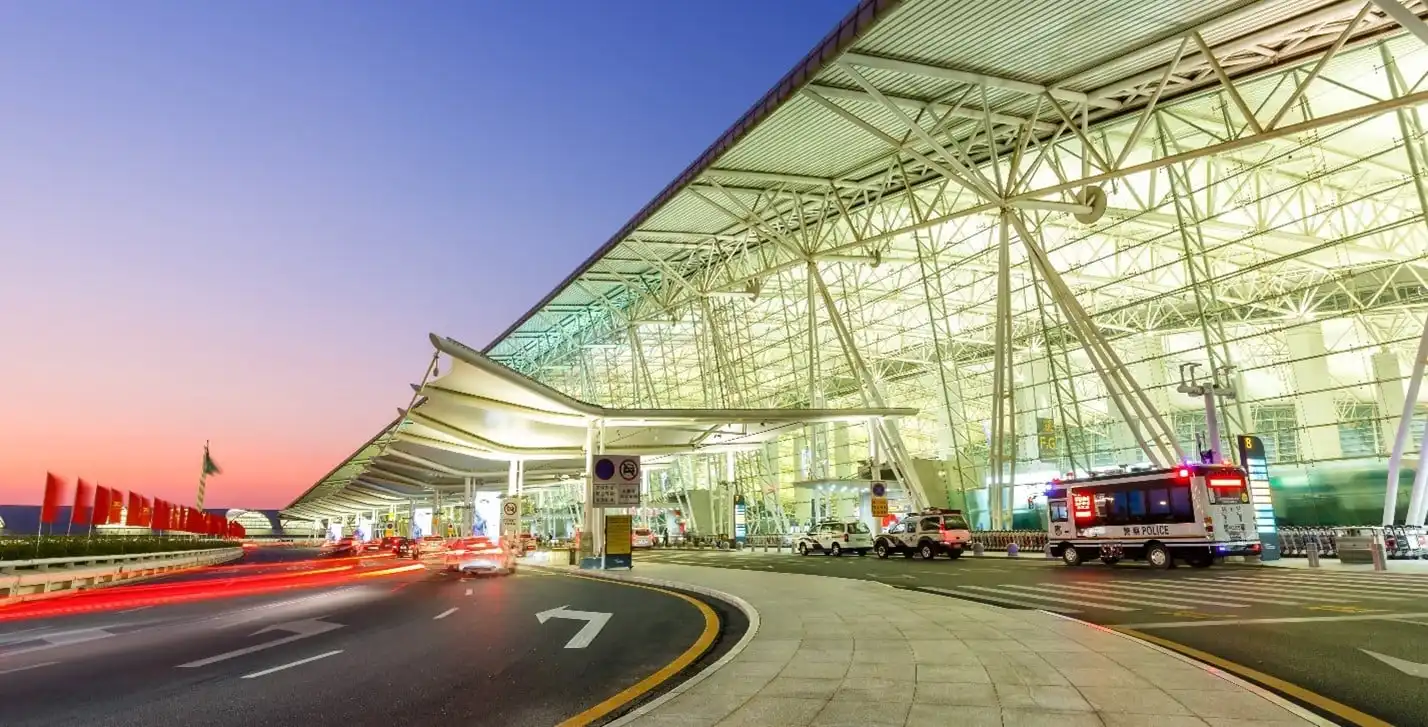 Via HOK
Strong airline partnerships and efficient scheduling systems continue to support Atlanta’s leadership. The airport’s ability to manage large volumes of traffic without significant delays demonstrates its operational excellence. Its extensive network of routes and frequent flight operations through key airlines continue to make it a central connecting point for passengers traveling across continents.
The airport has held this position for 27 of the past 28 years, showing remarkable consistency. Its success lies in serving as a major hub for domestic and international flights. High connectivity allows passengers to transfer easily between destinations, making it a preferred choice for airlines and travelers alike.
 Via CNN
 Via Rent A Car In Dubai
Tokyo Haneda Airport also ranked among the busiest airports, benefiting from strong domestic travel demand and increasing international connectivity. Japan’s efficient transportation network supports smooth passenger flow, making Haneda a preferred gateway.
 Via Conde NAST Traveler
These airports demonstrate the balance between established aviation markets and rapidly growing regions. Their performance highlights how global travel demand is distributed across different continents. Continuous development ensures that they remain competitive in handling future growth.
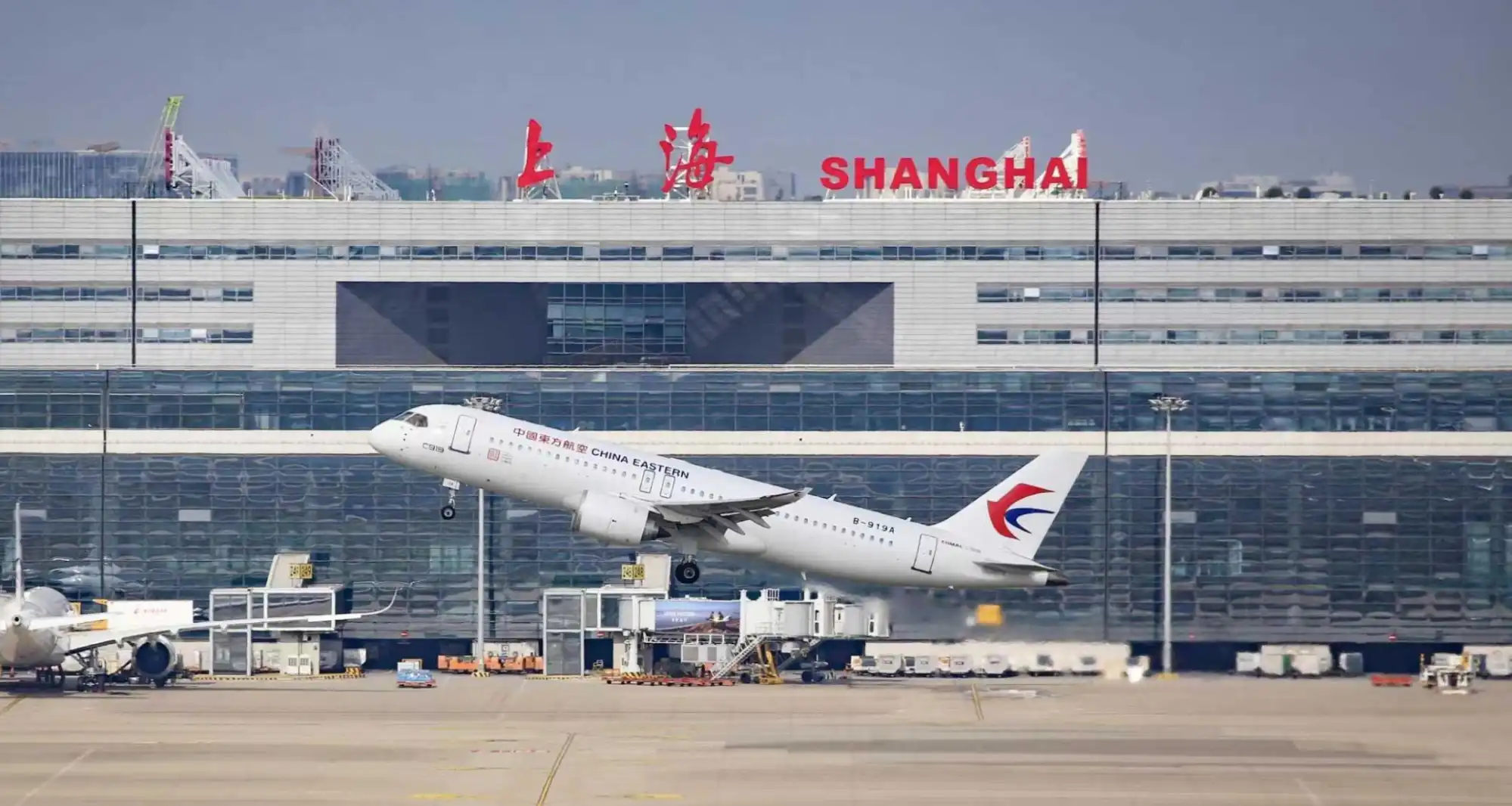
Shanghai Pudong International Airport also secured a top position, driven by China’s growing travel demand. Increased economic activity and expanding tourism contributed to its high passenger numbers. The airport plays a key role in connecting Asia with the rest of the world.
 Via Wheelchair Travel
 Via Interior Design Magazine
London Heathrow Airport continues to serve as Europe’s major international gateway. Strong transatlantic routes and global connections keep passenger numbers high. Its role in international travel remains critical despite capacity constraints.
 Via ACI World
Easing inflation further supported travel growth by stabilizing prices across industries. Passengers felt more confident in planning trips, leading to consistent demand throughout the year. These economic factors combined to create a favorable environment for the aviation sector. This growth trend is expected to continue as economies in the region expand further.
Lower fuel prices helped airlines operate more efficiently, reducing operational costs. This allowed carriers to expand routes and offer competitive ticket prices. Increased affordability encouraged more travelers to choose air transport over other options. Airlines also introduced new services to attract passengers. Air transport remained a critical component of modern commerce, supporting industries worldwide.
 Via Los Angeles Times
 Via Simple Flying
Air navigation systems also experienced pressure due to increased air traffic. Managing flight paths efficiently became more complex, requiring advanced technology and coordination. Addressing these challenges remains essential for sustaining long-term growth in aviation. New terminals, improved services, and advanced technology enhanced the passenger experience.
 Via Travel and Tour World
Despite these challenges, the industry demonstrated resilience by adapting quickly. Airlines and airports worked together to maintain connectivity and minimize disruptions. Continued cooperation remains essential for handling future uncertainties. Expanding middle-class populations contributed to higher travel frequency.
 Via Contiki
This achievement reflects decades of efficient operations, strong infrastructure, and strategic location advantages. The slight decrease in passenger numbers compared to 2024 did not affect its top ranking. Continuous upgrades and investments ensure that it remains competitive in an evolving global aviation landscape.
High passenger traffic demonstrates its role in linking global markets and cultures. These disruptions created challenges for both airlines and passengers. The steady rise in traffic made 2025 a defining year for global aviation progress. Improved infrastructure allowed for faster processing and reduced delays. Airports adapted by enhancing cargo handling facilities and streamlining operations.
 Via Thrillist
 Via Timeout
Sustainability efforts will also become increasingly important. Airports and airlines are focusing on reducing carbon emissions and adopting eco-friendly practices. These initiatives aim to balance growth with environmental responsibility, ensuring a sustainable future for global aviation.
More in UnassignedVia Britannica
Passenger growth also showed how interconnected the modern world has become. People traveled for work, education, leisure, and family reasons, creating consistent demand across regions. Airports had to adapt quickly by improving services, enhancing technology, and expanding facilities.
Atlanta Retains the Top Spot
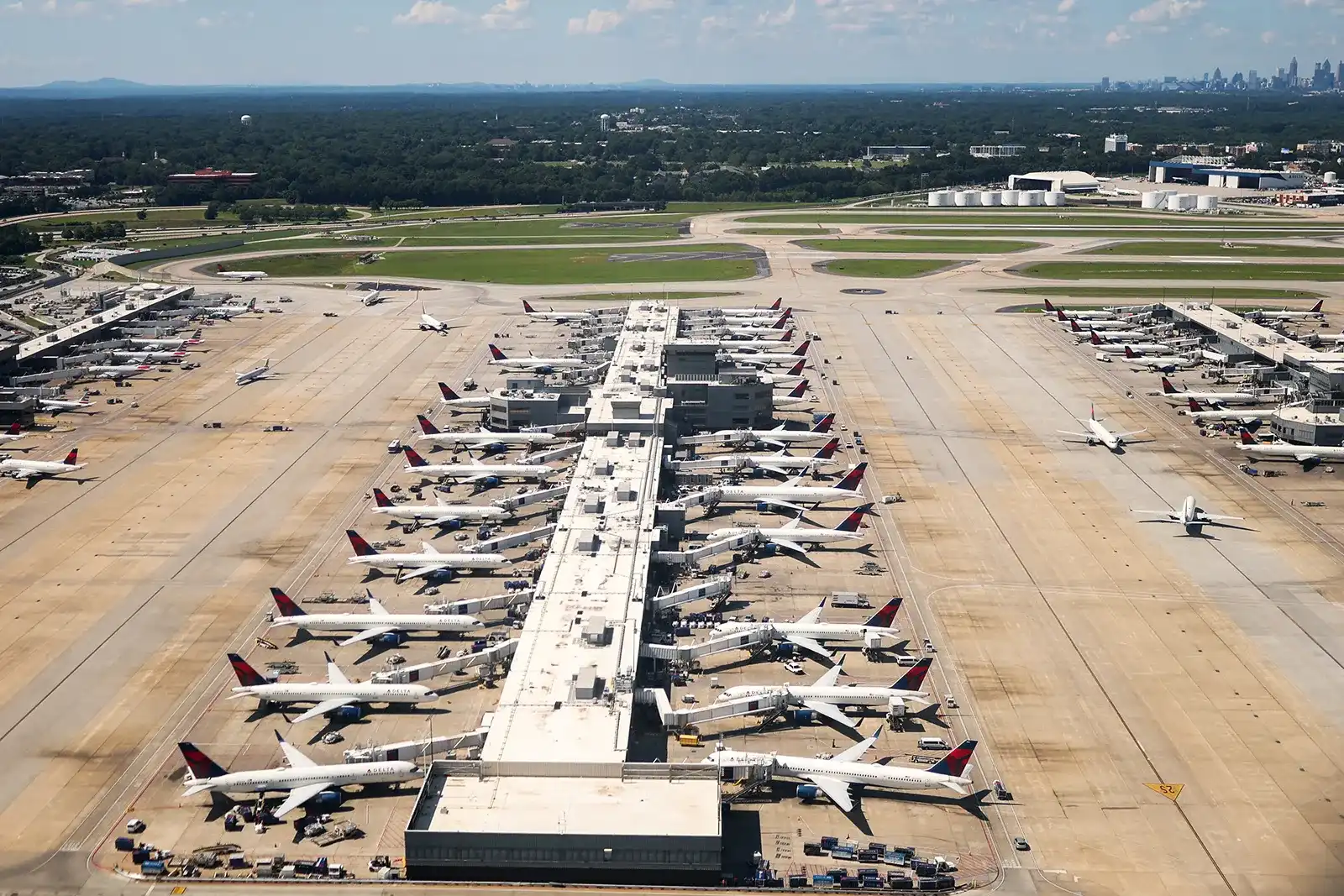
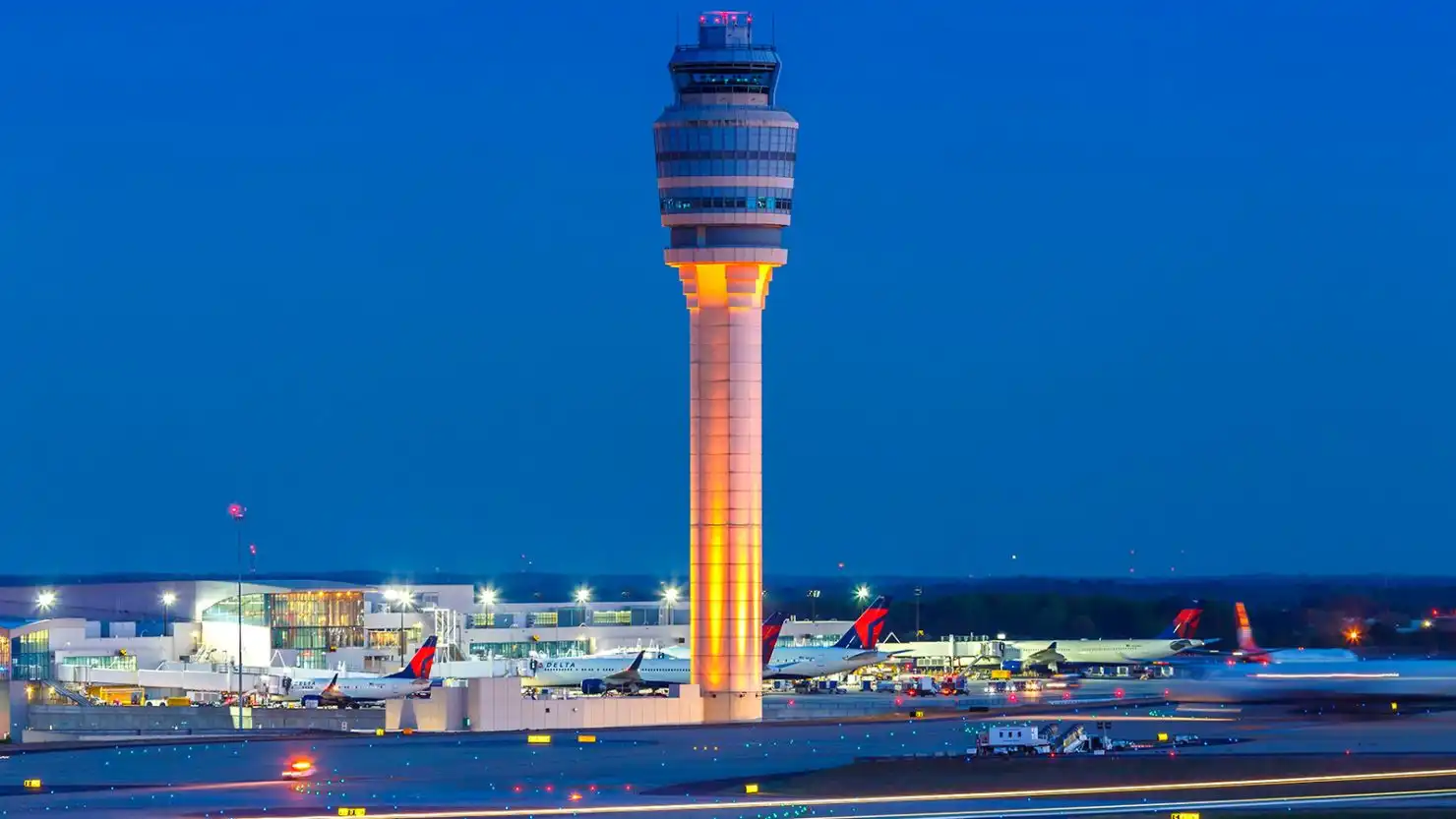
Hartsfield-Jackson Atlanta International Airport once again secured its position as the world’s busiest airport in 2025, reinforcing its long-standing dominance in global aviation. The airport handled approximately 106 million passengers over the year, a figure that reflects both strong domestic travel demand in the United States and its role as a major international transit hub.Via HOK
Strong airline partnerships and efficient scheduling systems continue to support Atlanta’s leadership. The airport’s ability to manage large volumes of traffic without significant delays demonstrates its operational excellence. Its extensive network of routes and frequent flight operations through key airlines continue to make it a central connecting point for passengers traveling across continents.
The airport has held this position for 27 of the past 28 years, showing remarkable consistency. Its success lies in serving as a major hub for domestic and international flights. High connectivity allows passengers to transfer easily between destinations, making it a preferred choice for airlines and travelers alike.
Via CNN
Dubai and Tokyo Strengthen Their Positions
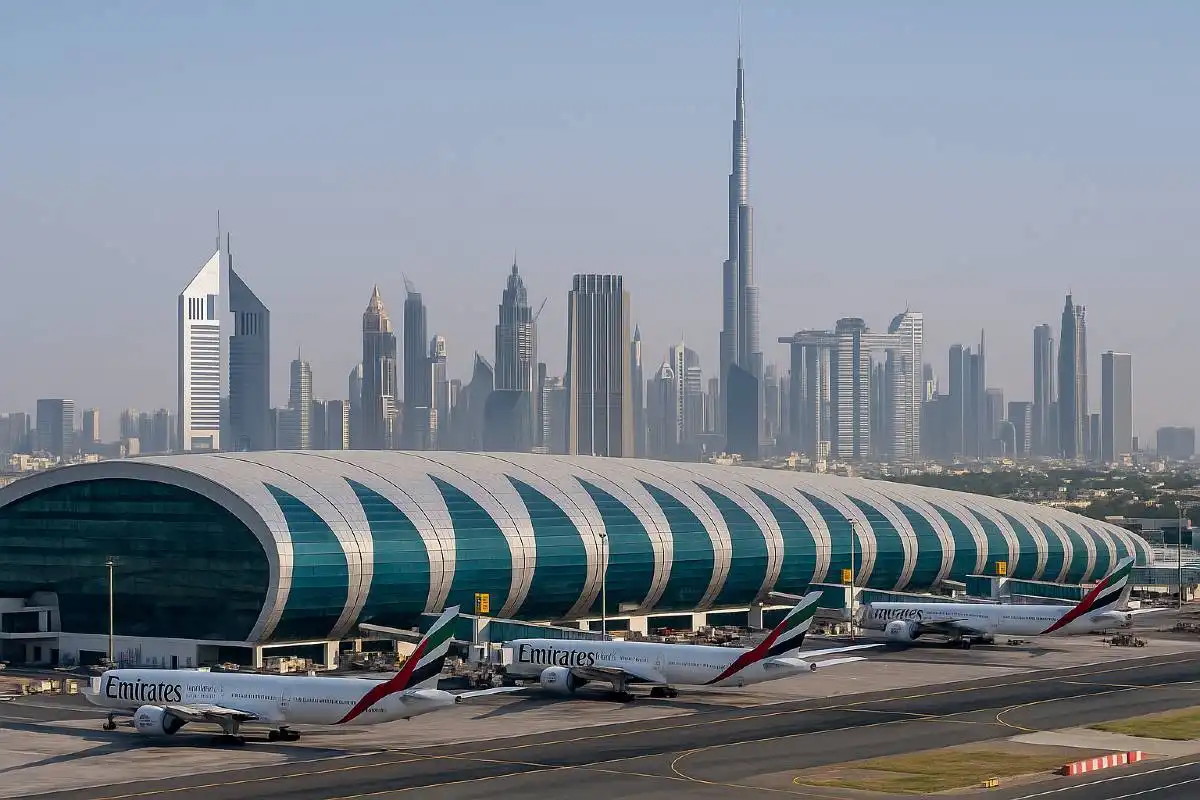
Dubai International Airport secured its place among the top airports worldwide, reflecting its importance as a major international transit hub. Its location between Europe, Asia, and Africa makes it a key connection point for long-haul flights. Both airports showcase how strategic positioning and modern infrastructure drive growth. Investments in technology, passenger services, and expansion projects help them handle increasing demand. Their consistent performance highlights the growing importance of Asia and the Middle East in global aviation.Via Rent A Car In Dubai
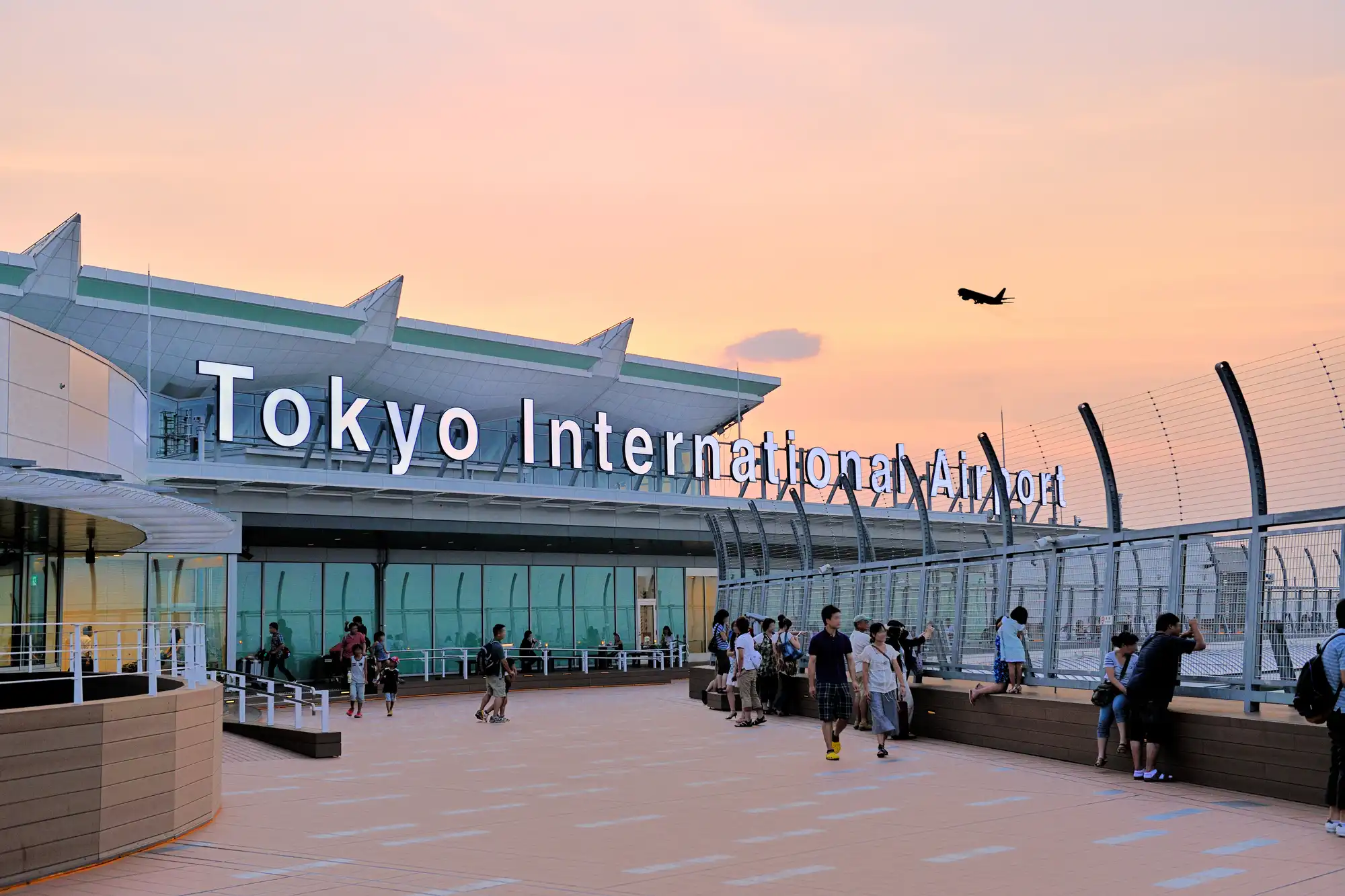
Tokyo Haneda Airport also ranked among the busiest airports, benefiting from strong domestic travel demand and increasing international connectivity. Japan’s efficient transportation network supports smooth passenger flow, making Haneda a preferred gateway.
Dallas and Shanghai Complete the Top Five
Dallas-Fort Worth International Airport ranked among the top five busiest airports, reflecting the strong aviation market in the United States. Its central location allows it to serve as a major connecting hub for domestic and international flights. Efficient operations and large capacity support high passenger volumes throughout the year.Via Conde NAST Traveler
These airports demonstrate the balance between established aviation markets and rapidly growing regions. Their performance highlights how global travel demand is distributed across different continents. Continuous development ensures that they remain competitive in handling future growth.
Shanghai Pudong International Airport also secured a top position, driven by China’s growing travel demand. Increased economic activity and expanding tourism contributed to its high passenger numbers. The airport plays a key role in connecting Asia with the rest of the world.
Via Wheelchair Travel
Other Major Airports in the Top Ten
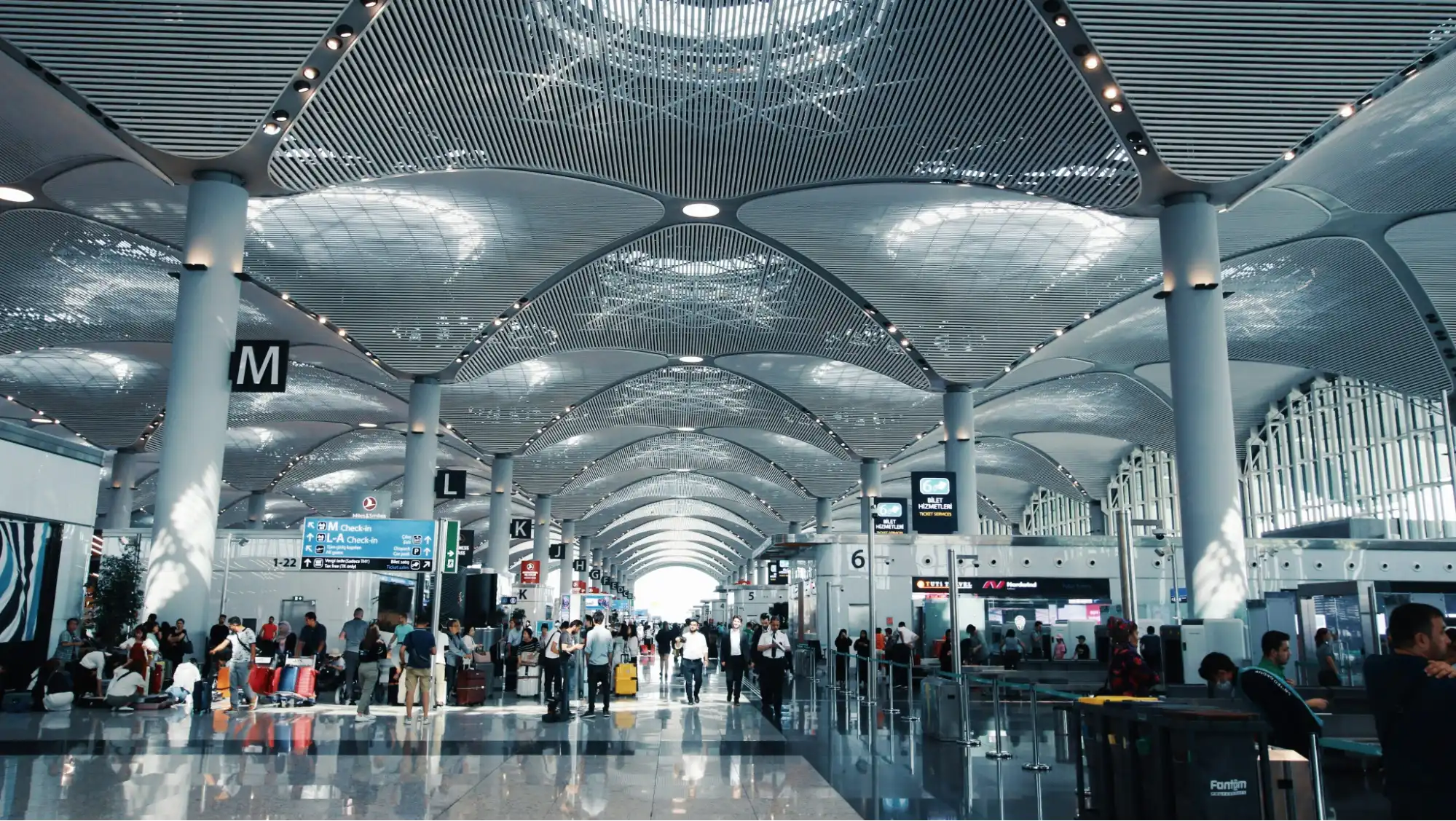
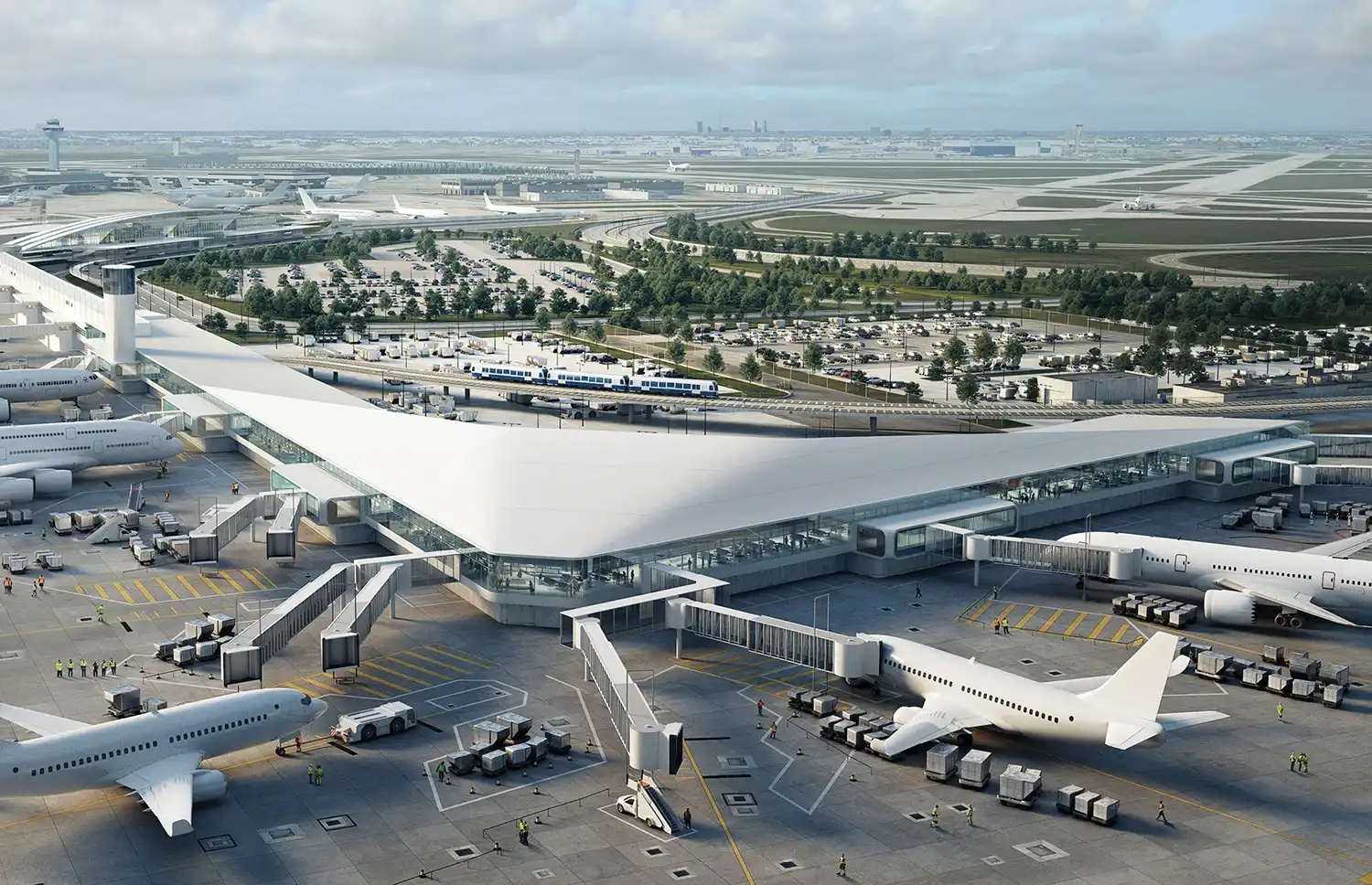
Chicago O'Hare International Airport ranked first in aircraft movements and sixth in passenger traffic. Its high number of takeoffs and landings shows its importance in airline operations. The airport remains one of the busiest in terms of the flight activity, supporting both passenger and cargo transport. Istanbul Airport and Guangzhou Baiyun International Airport also feature prominently, reflecting growth in Europe and Asia. Denver International Airport rounds out the top ten, benefiting from strong domestic travel demand within the United States.Via Interior Design Magazine
London Heathrow Airport continues to serve as Europe’s major international gateway. Strong transatlantic routes and global connections keep passenger numbers high. Its role in international travel remains critical despite capacity constraints.
Economic Factors Driving Passenger Growth
Global economic conditions played a significant role in boosting air travel demand in 2025. Strong GDP growth in many regions encouraged both business and leisure travel. People had more disposable income, allowing them to explore new destinations and maintain international connections. Airports in this region invested heavily in infrastructure to accommodate rising demand.Via ACI World
Easing inflation further supported travel growth by stabilizing prices across industries. Passengers felt more confident in planning trips, leading to consistent demand throughout the year. These economic factors combined to create a favorable environment for the aviation sector. This growth trend is expected to continue as economies in the region expand further.
Lower fuel prices helped airlines operate more efficiently, reducing operational costs. This allowed carriers to expand routes and offer competitive ticket prices. Increased affordability encouraged more travelers to choose air transport over other options. Airlines also introduced new services to attract passengers. Air transport remained a critical component of modern commerce, supporting industries worldwide.
Via Los Angeles Times
Infrastructure Challenges and Capacity Limits
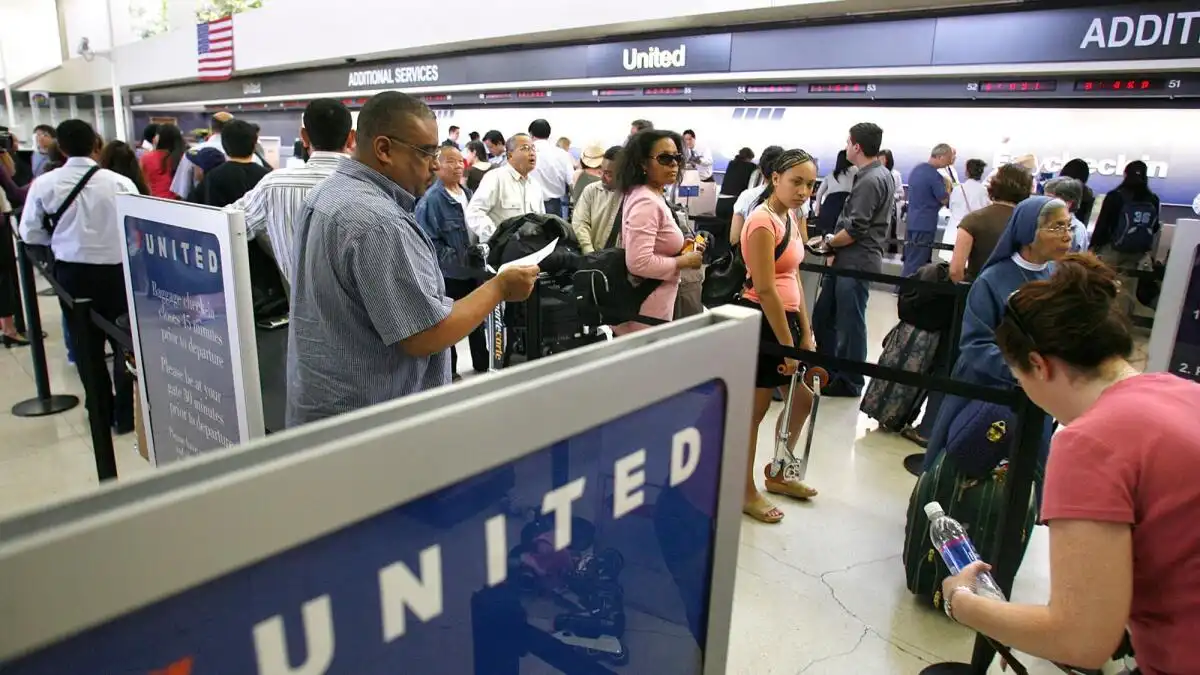
Rapid growth in passenger numbers brought significant challenges for airports worldwide. Many facilities struggled with capacity limits, leading to congestion and delays. Expanding infrastructure requires time, investment, and careful planning to meet rising demand. This lack of flexibility not only affects airline growth but also limits connectivity options for passengers. Airports faced limitations in runway availability, terminal space, and aircraft parking. Slot constraints made it difficult to accommodate additional flights during peak hours. These issues highlighted the need for modernization and expansion projects across major hubs. Expansion projects, including additional runways and larger terminals, are increasingly being planned or implemented at major aviation hubs to enhance capacity, reduce delays, and support future demand.Via Simple Flying
Air navigation systems also experienced pressure due to increased air traffic. Managing flight paths efficiently became more complex, requiring advanced technology and coordination. Addressing these challenges remains essential for sustaining long-term growth in aviation. New terminals, improved services, and advanced technology enhanced the passenger experience.
Impact of Global Events on Air Travel
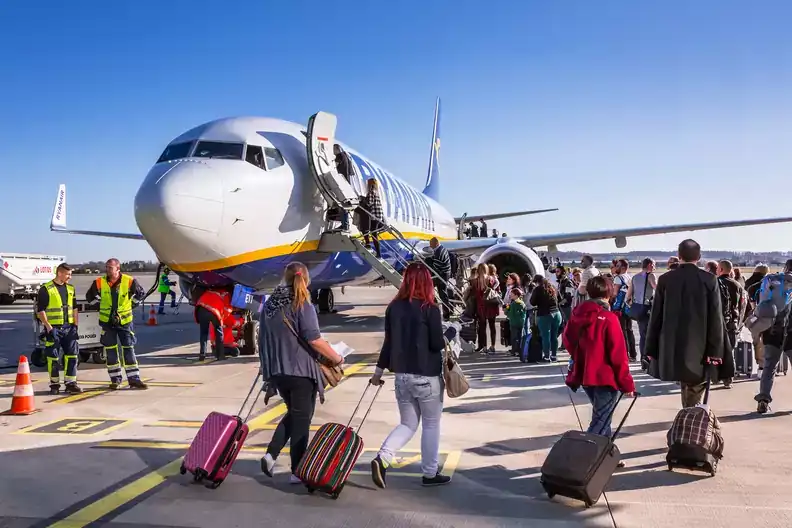
Geopolitical factors influenced air travel patterns in 2025, affecting routes and operational costs. Airspace closures and regional conflicts forced airlines to reroute flights, increasing travel time and fuel consumption. Fast delivery expectations required efficient logistics and reliable transportation networks. More direct flights allowed travelers to reach destinations faster and more conveniently.Via Travel and Tour World
Despite these challenges, the industry demonstrated resilience by adapting quickly. Airlines and airports worked together to maintain connectivity and minimize disruptions. Continued cooperation remains essential for handling future uncertainties. Expanding middle-class populations contributed to higher travel frequency.
Strong Growth and Resilience in Global Aviation
Rising demand highlights how essential air travel has become for business, tourism, and global connectivity. These favorable conditions created an environment where airports could handle larger volumes of passengers than in previous years. The aviation sector benefited from renewed confidence among travelers.Via Contiki
This achievement reflects decades of efficient operations, strong infrastructure, and strategic location advantages. The slight decrease in passenger numbers compared to 2024 did not affect its top ranking. Continuous upgrades and investments ensure that it remains competitive in an evolving global aviation landscape.
High passenger traffic demonstrates its role in linking global markets and cultures. These disruptions created challenges for both airlines and passengers. The steady rise in traffic made 2025 a defining year for global aviation progress. Improved infrastructure allowed for faster processing and reduced delays. Airports adapted by enhancing cargo handling facilities and streamlining operations.
Via Thrillist
Future Outlook for Global Airports
Airports are expected to continue evolving as passenger demand grows in the coming years. Investments in infrastructure, technology, and sustainability will play a key role in shaping the future of aviation. Expanding capacity and improving efficiency remain top priorities for airport authorities. Technological advancements such as automation and digital services will enhance the passenger experience. Faster check-ins, biometric systems, and improved security processes will reduce waiting times. These innovations will make travel more convenient and efficient. This efficiency supported global supply chains and international trade.Via Timeout
Sustainability efforts will also become increasingly important. Airports and airlines are focusing on reducing carbon emissions and adopting eco-friendly practices. These initiatives aim to balance growth with environmental responsibility, ensuring a sustainable future for global aviation.