Unassigned
22 Weird Laws Travelers Should Know Before Trips
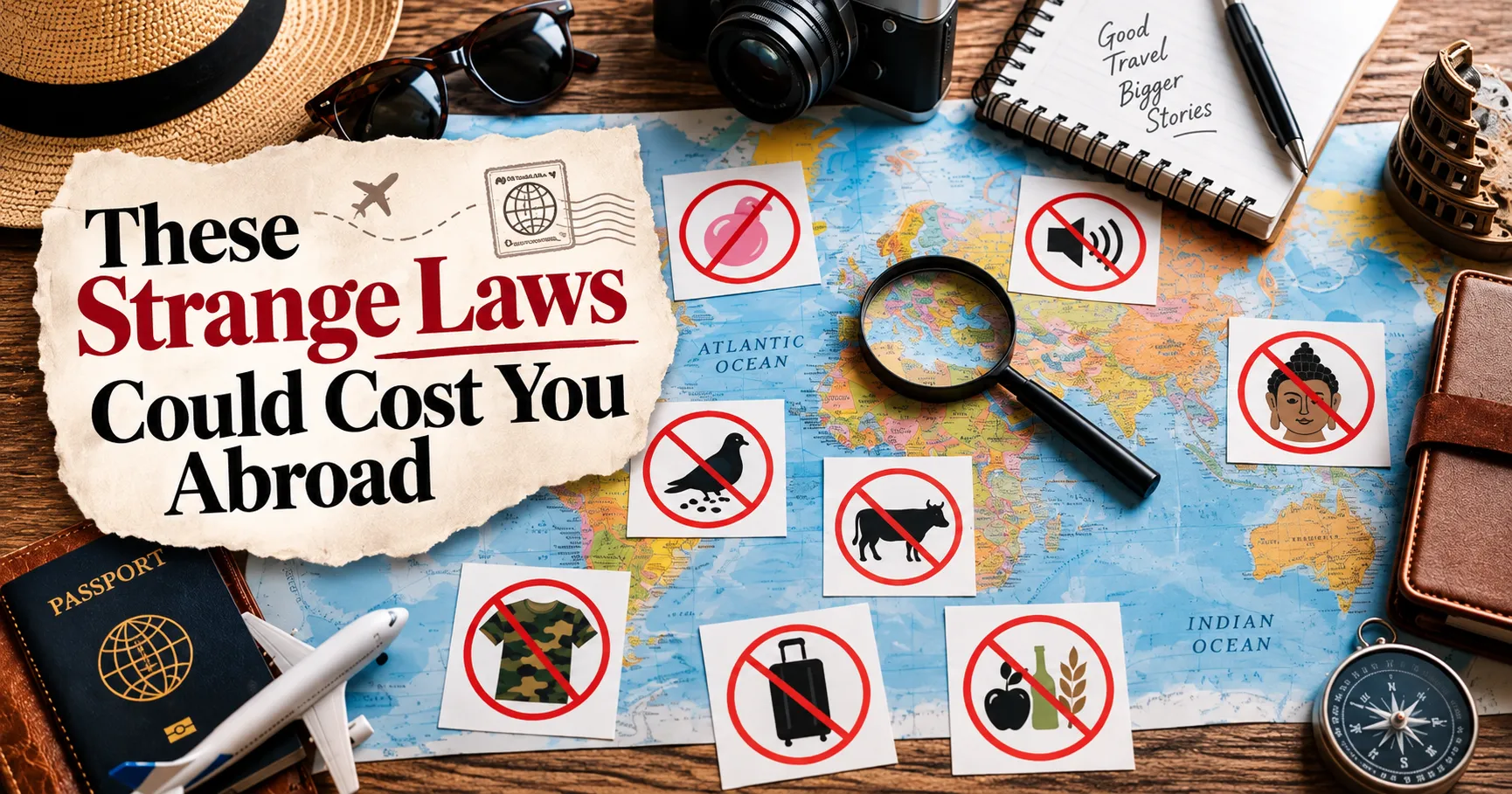
The world is full of rules that may sound strange at first, but many of them come from real social, cultural, health, or safety concerns. Some laws were made to protect old buildings, keep public places clean, prevent public disorder, or respect religious beliefs. Others seem unusual because they are old rules that stayed in legal records long after daily life changed. For travelers, these laws can be funny to read, but they also show how different places protect their values.
A rule that feels odd in one country may make sense in another. Singapore’s chewing gum ban supports public cleanliness. Greece limits high heels at ancient sites to protect priceless ruins. Venice bans feeding pigeons because bird waste damages historic buildings. These examples prove that “weird” laws often have a practical reason behind them, even when the rule sounds surprising.
 Via Travel & Leisure Asia
Learning about unusual laws can also help travelers avoid awkward or costly mistakes. Local customs, dress rules, public behavior, and respect for religious places matter in many destinations. Some laws are rarely enforced, while others can lead to fines, jail, or serious trouble. Before visiting a new place, travelers should check updated local rules and understand basic customs. These 25 weird laws show that travel is not only about seeing new places, but also about respecting how people live, worship, dress, and protect their culture.
 Via CNBC TV
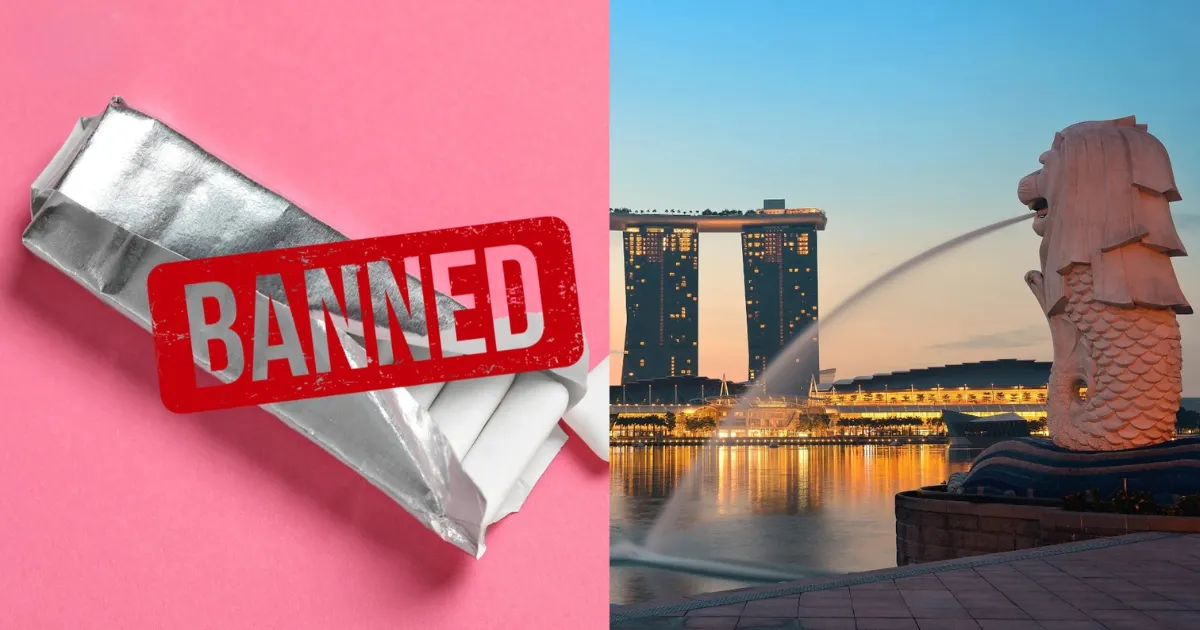
Singapore banned most chewing gum sales in 1992 to keep streets, trains, and public spaces clean. Therapeutic gum is allowed in limited cases, but casual chewing gum remains tightly controlled.
 Via Island
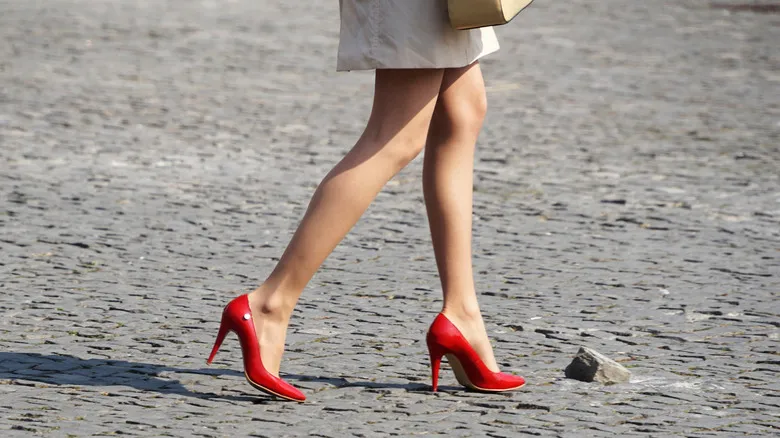
Greece does not allow high heels at ancient sites like the Acropolis because high heels can damage historic stones. Comfortable flat shoes are safer for walking and preservation.
 Via Drive
Western Australia once restricted people from holding more than 50 kilograms of potatoes. The rule came from old market controls under the Marketing of Potatoes Act.
 Via CBC
Turin, Italy, requires dog owners to walk their pets at least once a day. The rule supports animal welfare and can lead to fines for neglectful owners.
 Via The Mayor EU
Milan has an old law that once required people to smile in public, except at funerals or hospitals. The rule is not seriously enforced today.
 Via Exodus Travel
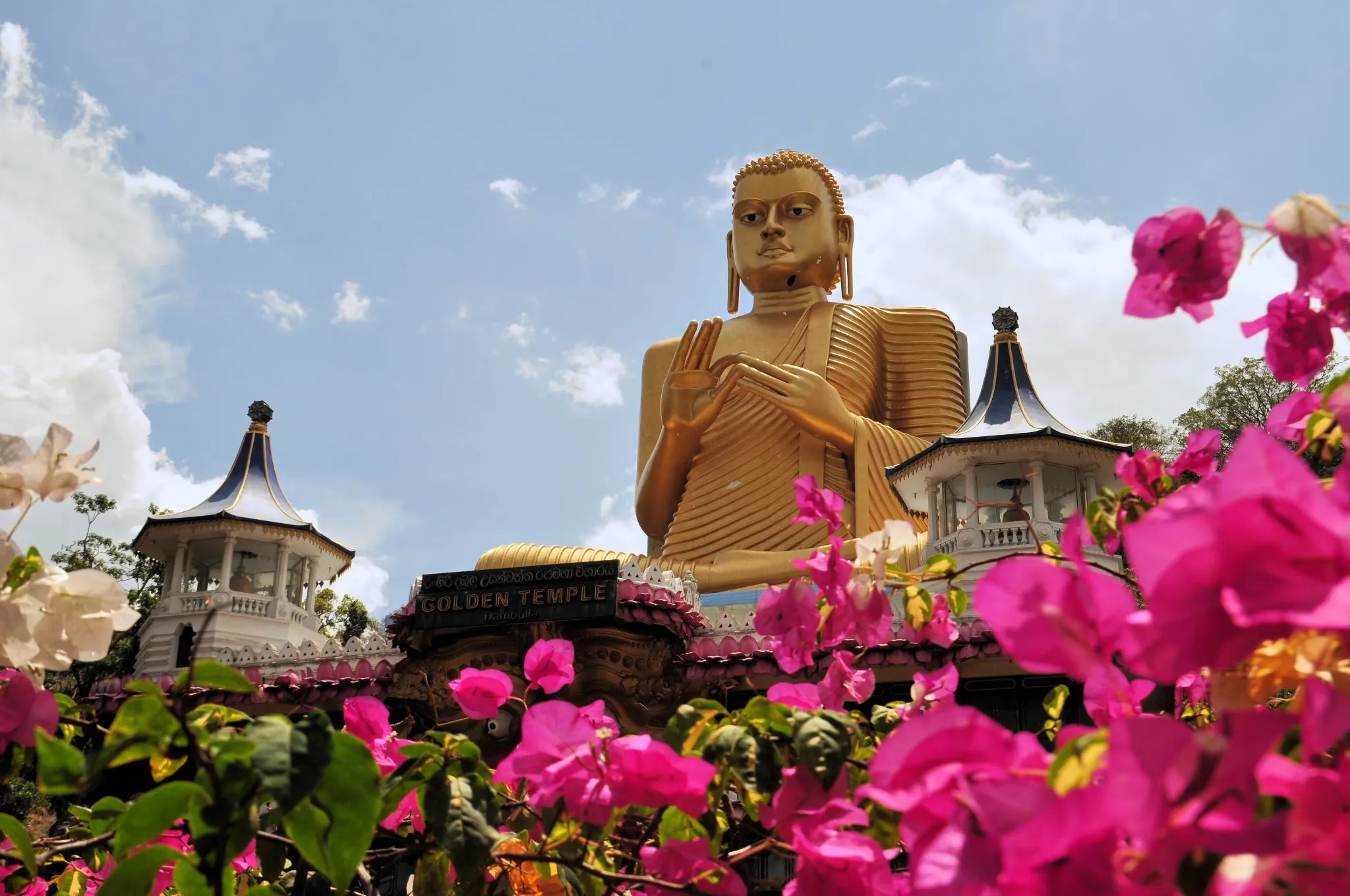
Sri Lanka treats turning one's back toward Buddha statues as disrespectful. Taking selfies in that pose can cause trouble because religious respect is taken seriously.
 Via BBC
Japan’s Metabo Law requires adults in certain age groups to have waistlines checked. The goal is to reduce health risks linked to obesity and poor diet.
 Via Buddy Tales
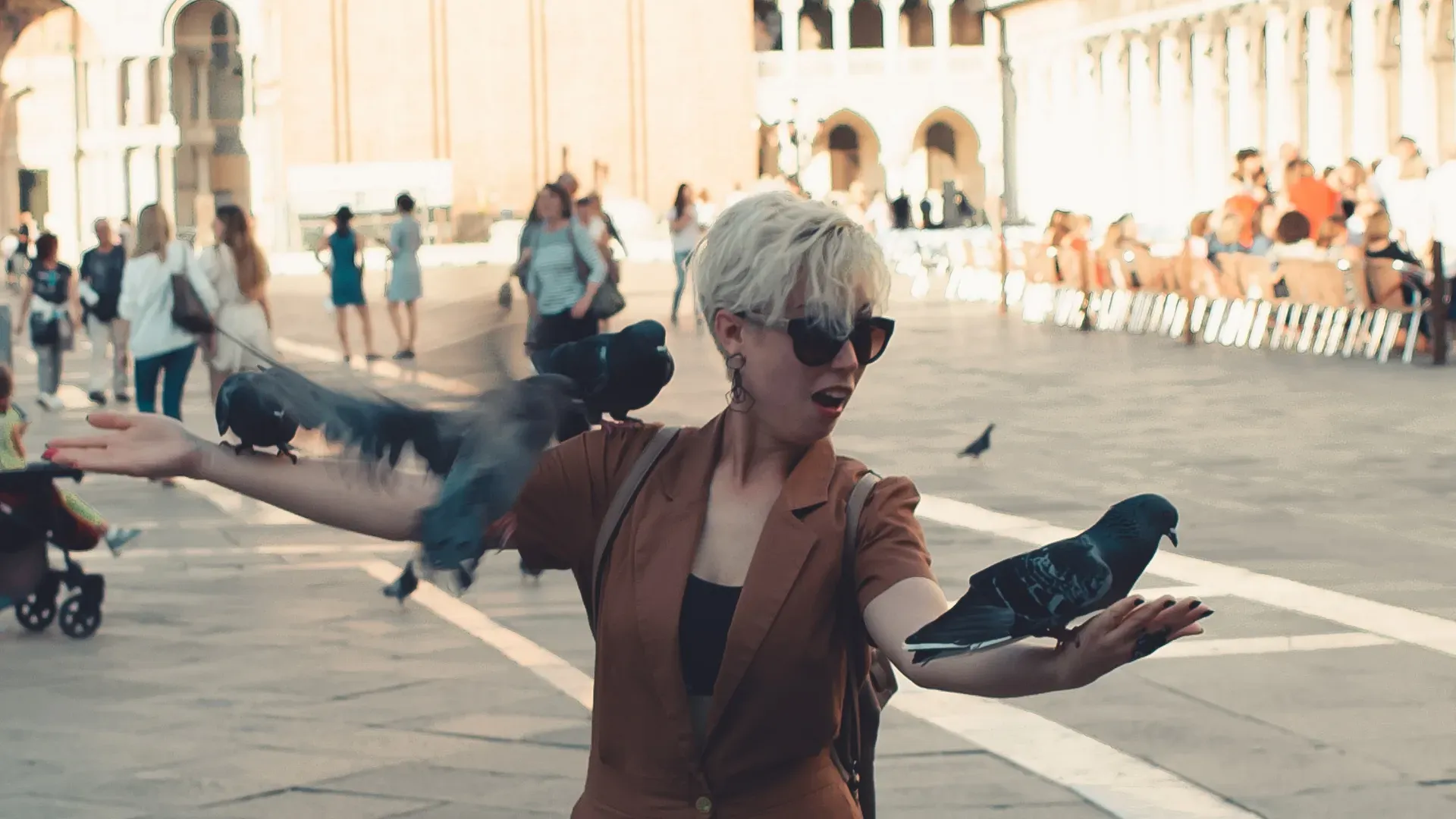
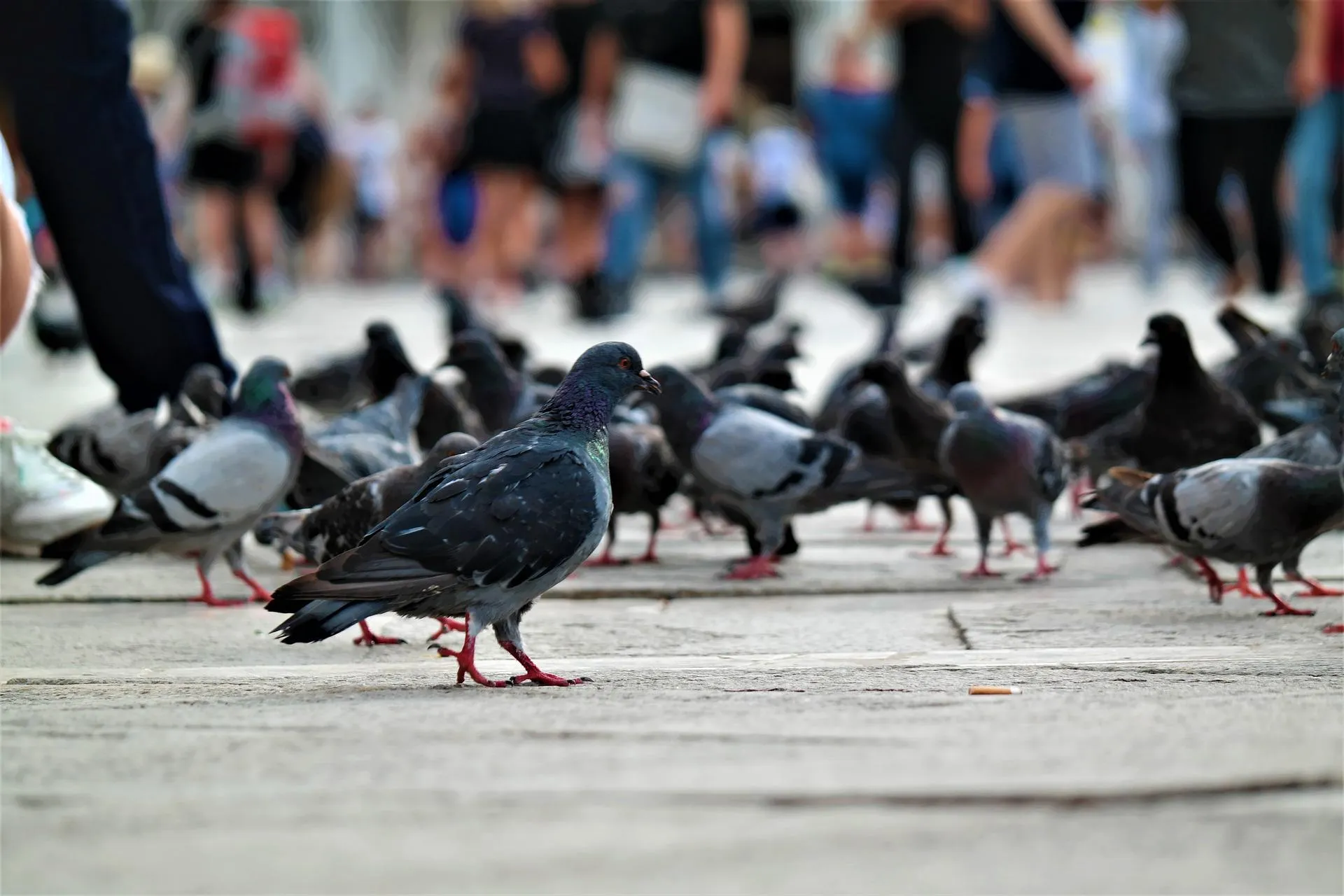
Venice bans feeding pigeons in key public areas, especially near famous monuments. The rule helps protect buildings from bird waste and reduces damage to historic sites.
 Via Yahoo
Sweden has strict baby name rules to protect children from names that may cause discomfort. Names such as Metallica and unusual spellings have been rejected before.
 Via South China Morning Post
Longyearbyen does not allow normal burials because the frozen ground stops bodies from decomposing. Very sick residents are usually moved to mainland Norway.
 Via The Philadelphia Tribune
Several Caribbean nations ban camouflage clothing because it can be confused with military uniforms. Tourists may face fines or other penalties for wearing it.
 Via Splash Travel
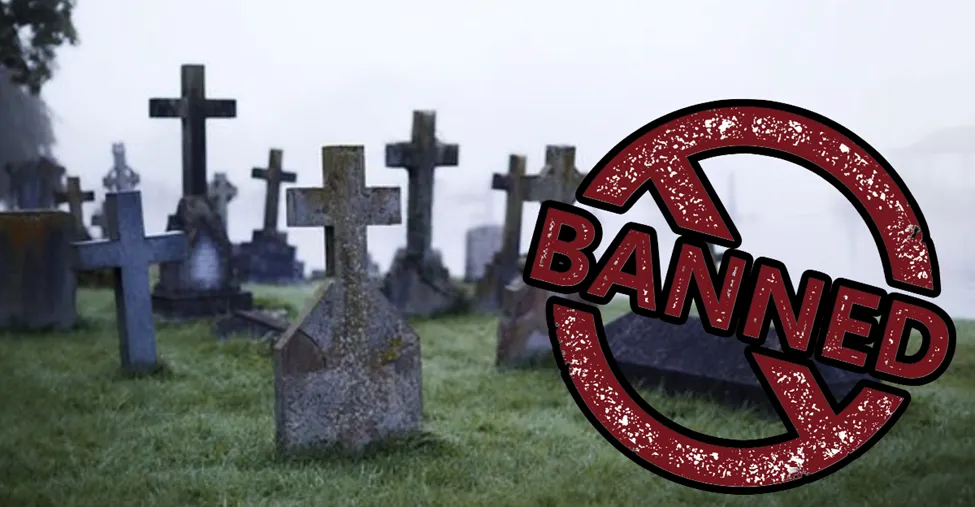
The French village of Sarpourenx once made headlines for saying people could not die there without a burial plot. The rule reflected limited cemetery space.
 Via The Swiss Times
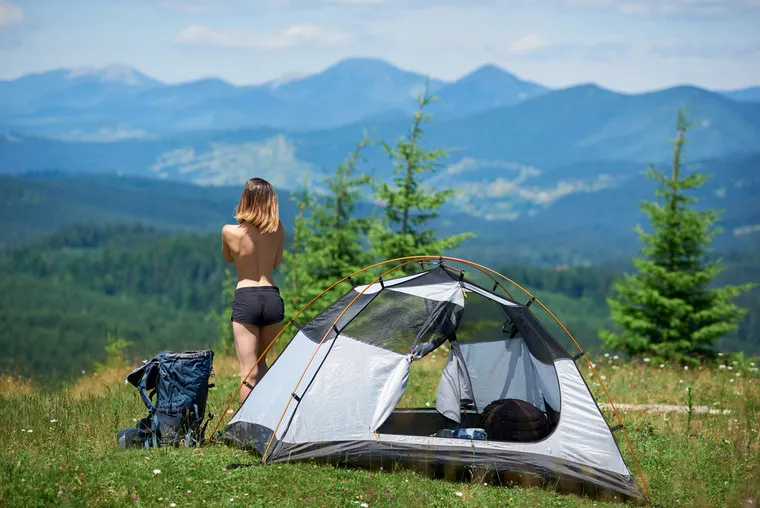
Switzerland does not have one national rule against all public nudity, but local public decency rules can apply. Naked hikers have been fined before.
 Via Innova Care
Scottish tradition is linked to hospitality rules that say a person in need may be allowed bathroom access. The idea comes from older common law customs.
 Via National Today
Thailand is often said to ban leaving home without underwear, though enforcement is rare. The rule is usually shared as a quirky travel warning.
 Via Vocal Media
Scotland’s older licensing law bans the drunken handling or riding of animals, including cows. The rule shows how public safety laws once covered transport animals.
 Via Smithsonian Magazine
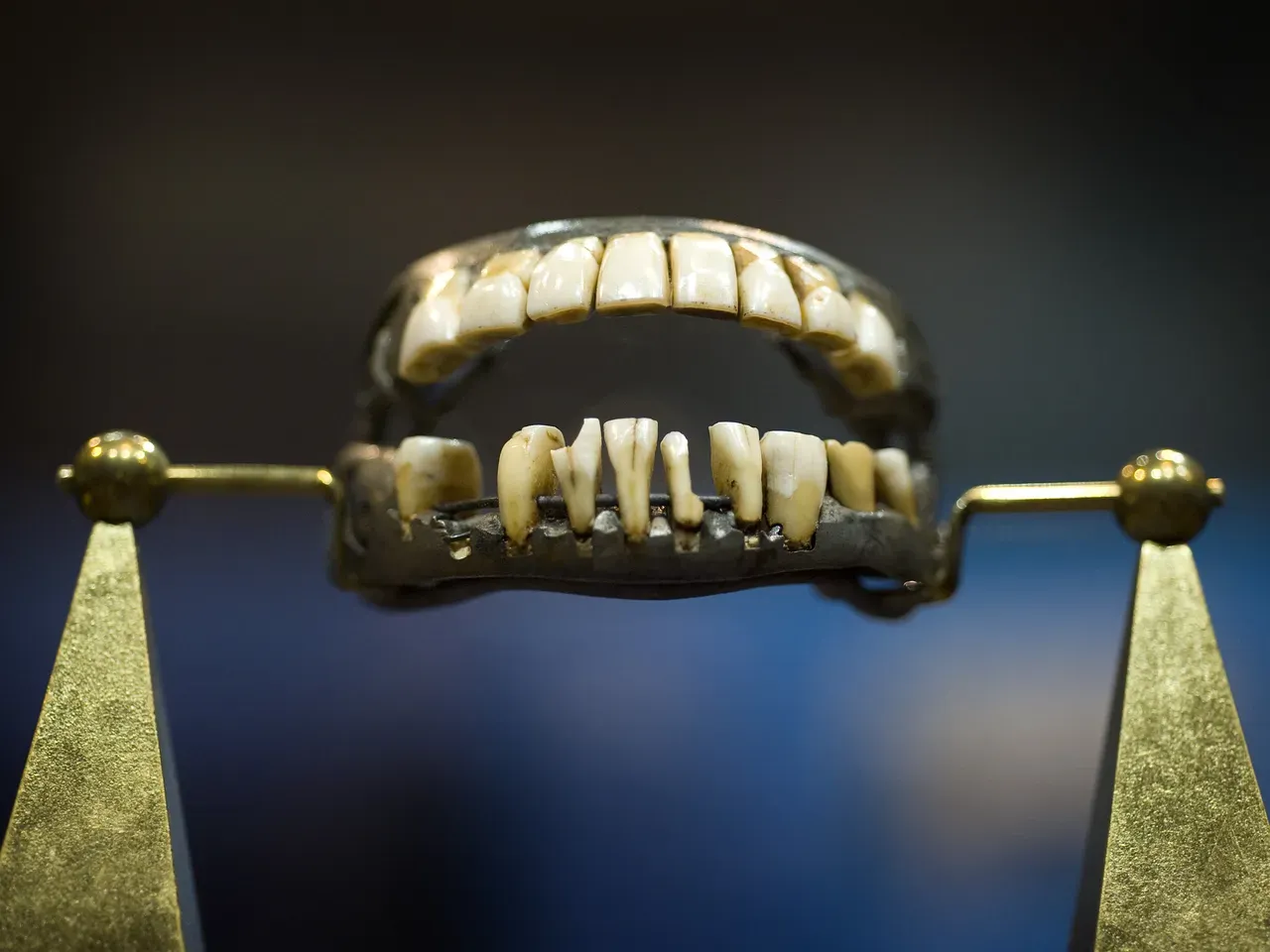
Vermont is known for an odd claim that women needed a husband’s permission for false teeth. It is widely repeated as a strange old rule.
 Via The Today Show
Denmark has approved baby name lists, and parents need approval for unusual names. The rule aims to protect children from names seen as harmful.
 Via Mix 106
France permits marriage to a deceased person in rare cases if strong proof shows the couple planned to marry. Government approval is required.
 Via MSN
Alabama is often linked to a rule against wearing a fake mustache in church if it causes laughter. It reflects old concerns about disturbing worship.
 Via Car Wale
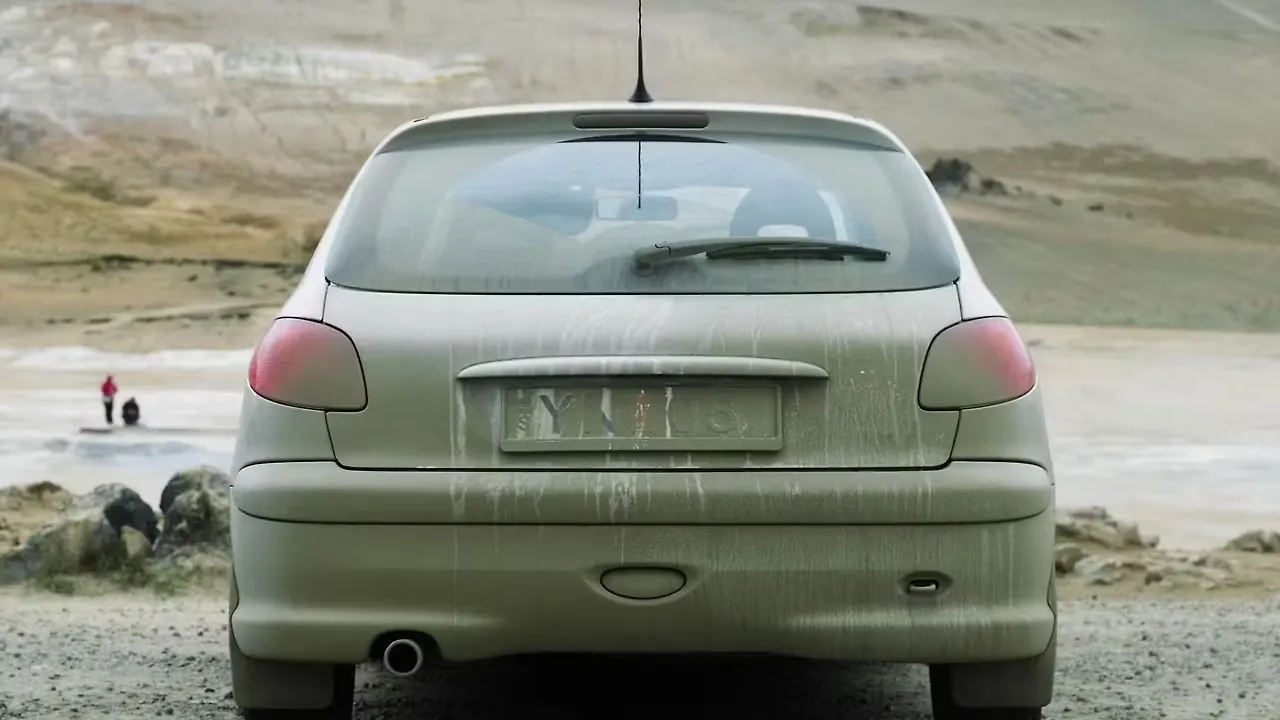
Drivers in Russia may be fined if a car is so dirty that the plates or important details are hard to see. Clean vehicles support road safety.
 Via Business In Vancouver
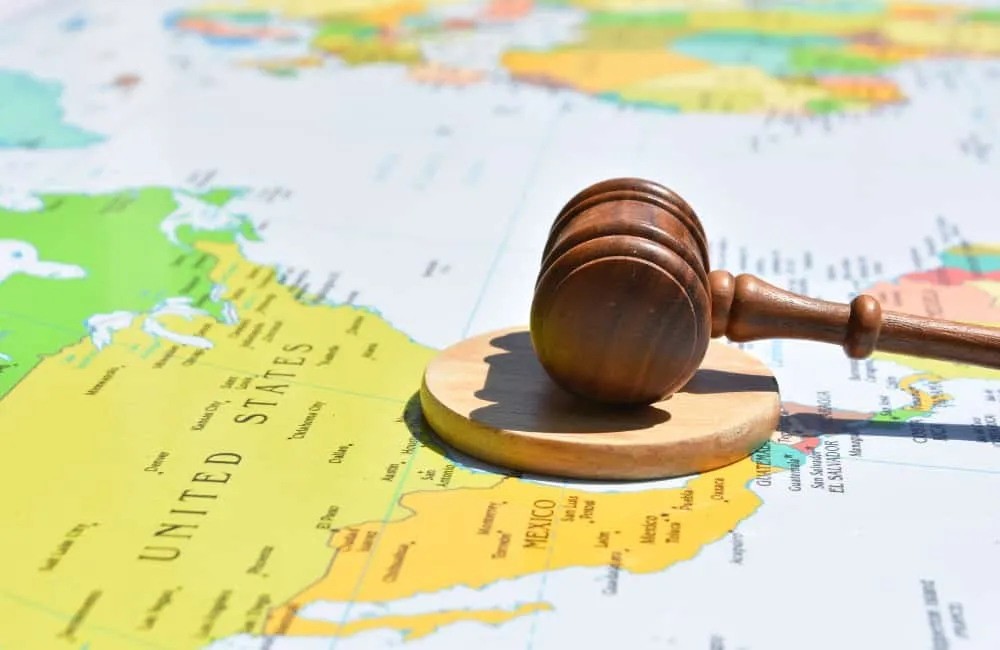
The United Arab Emirates treats public swearing, rude gestures, and offensive online language seriously. Bad language can lead to fines, deportation, or imprisonment.
 Via The Visa Bureau
The world stays interesting because every place has its own customs and rules. Some laws are old and rarely used. Others are active and important. Travelers who learn before they go show respect for the people and places they visit. Strange laws may sound amusing, but they offer a useful lesson: every destination has its own way of protecting culture, safety, and public life.
More in UnassignedVia Travel & Leisure Asia
Learning about unusual laws can also help travelers avoid awkward or costly mistakes. Local customs, dress rules, public behavior, and respect for religious places matter in many destinations. Some laws are rarely enforced, while others can lead to fines, jail, or serious trouble. Before visiting a new place, travelers should check updated local rules and understand basic customs. These 25 weird laws show that travel is not only about seeing new places, but also about respecting how people live, worship, dress, and protect their culture.
Chewing Gum Is Restricted in Singapore
Via CNBC TV
Singapore banned most chewing gum sales in 1992 to keep streets, trains, and public spaces clean. Therapeutic gum is allowed in limited cases, but casual chewing gum remains tightly controlled.
High Heels Are Banned at Ancient Greek Sites
Via Island
Greece does not allow high heels at ancient sites like the Acropolis because high heels can damage historic stones. Comfortable flat shoes are safer for walking and preservation.
Western Australia Once Limited Potato Ownership
Via Drive
Western Australia once restricted people from holding more than 50 kilograms of potatoes. The rule came from old market controls under the Marketing of Potatoes Act.
Dogs Must Be Walked Daily in Turin
Via CBC
Turin, Italy, requires dog owners to walk their pets at least once a day. The rule supports animal welfare and can lead to fines for neglectful owners.
Milan Has an Old Smile Rule
Via The Mayor EU
Milan has an old law that once required people to smile in public, except at funerals or hospitals. The rule is not seriously enforced today.
Buddha Selfies Can Be Disrespectful in Sri Lanka
Via Exodus Travel
Sri Lanka treats turning one's back toward Buddha statues as disrespectful. Taking selfies in that pose can cause trouble because religious respect is taken seriously.
Japan Measures Waistlines Under Health Rules
Via BBC
Japan’s Metabo Law requires adults in certain age groups to have waistlines checked. The goal is to reduce health risks linked to obesity and poor diet.
Feeding Pigeons Is Banned in Venice
Via Buddy Tales
Venice bans feeding pigeons in key public areas, especially near famous monuments. The rule helps protect buildings from bird waste and reduces damage to historic sites.
Sweden Reviews Unusual Baby Names
Via Yahoo
Sweden has strict baby name rules to protect children from names that may cause discomfort. Names such as Metallica and unusual spellings have been rejected before.
Burial Is Restricted in Longyearbyen, Norway
Via South China Morning Post
Longyearbyen does not allow normal burials because the frozen ground stops bodies from decomposing. Very sick residents are usually moved to mainland Norway.
Camouflage Clothing Is Banned in Some Caribbean Countries
Via The Philadelphia Tribune
Several Caribbean nations ban camouflage clothing because it can be confused with military uniforms. Tourists may face fines or other penalties for wearing it.
Sarpourenx Required Burial Space Before Death
Via Splash Travel
The French village of Sarpourenx once made headlines for saying people could not die there without a burial plot. The rule reflected limited cemetery space.
Naked Hiking Can Lead to Fines in Switzerland
Via The Swiss Times
Switzerland does not have one national rule against all public nudity, but local public decency rules can apply. Naked hikers have been fined before.
Scotland Has an Old Bathroom Hospitality Rule
Via Innova Care
Scottish tradition is linked to hospitality rules that say a person in need may be allowed bathroom access. The idea comes from older common law customs.
Thailand Has an Underwear Rule
Via National Today
Thailand is often said to ban leaving home without underwear, though enforcement is rare. The rule is usually shared as a quirky travel warning.
Drunk Cow Riding Is Illegal in Scotland
Via Vocal Media
Scotland’s older licensing law bans the drunken handling or riding of animals, including cows. The rule shows how public safety laws once covered transport animals.
Vermont Has a False Teeth Legend
Via Smithsonian Magazine
Vermont is known for an odd claim that women needed a husband’s permission for false teeth. It is widely repeated as a strange old rule.
Denmark Controls Baby Names
Via The Today Show
Denmark has approved baby name lists, and parents need approval for unusual names. The rule aims to protect children from names seen as harmful.
France Allows Posthumous Marriage
Via Mix 106
France permits marriage to a deceased person in rare cases if strong proof shows the couple planned to marry. Government approval is required.
Alabama Has a Fake Mustache Rule
Via MSN
Alabama is often linked to a rule against wearing a fake mustache in church if it causes laughter. It reflects old concerns about disturbing worship.
Dirty Cars Can Bring Fines in Russia
Via Car Wale
Drivers in Russia may be fined if a car is so dirty that the plates or important details are hard to see. Clean vehicles support road safety.
Public Swearing Is Illegal in the UAE
Via Business In Vancouver
The United Arab Emirates treats public swearing, rude gestures, and offensive online language seriously. Bad language can lead to fines, deportation, or imprisonment.
Strange Laws and Smart Travel Choices
Weird laws are more than funny travel facts. Many of them show how countries protect public order, history, religion, health, and shared spaces. A chewing-gum rule may help keep trains clean. A shoe ban may protect ancient stone. A pigeon-feeding ban may save historic buildings from damage. Even the strangest rules often begin with a local problem that needs a clear answer. These laws also remind travelers that common behavior at home may not be acceptable abroad. Clothes, jokes, photos, language, and public actions can carry different meanings in different places. A tourist may see a Buddha selfie as harmless, while locals may see it as disrespectful. Camouflage may feel like fashion in one place, but it can be illegal in another. Simple research before a trip can prevent fines, embarrassment, or legal trouble.
Via The Visa Bureau
The world stays interesting because every place has its own customs and rules. Some laws are old and rarely used. Others are active and important. Travelers who learn before they go show respect for the people and places they visit. Strange laws may sound amusing, but they offer a useful lesson: every destination has its own way of protecting culture, safety, and public life.