Unassigned
30 Haunting Ghost Towns Tourists Still Visit
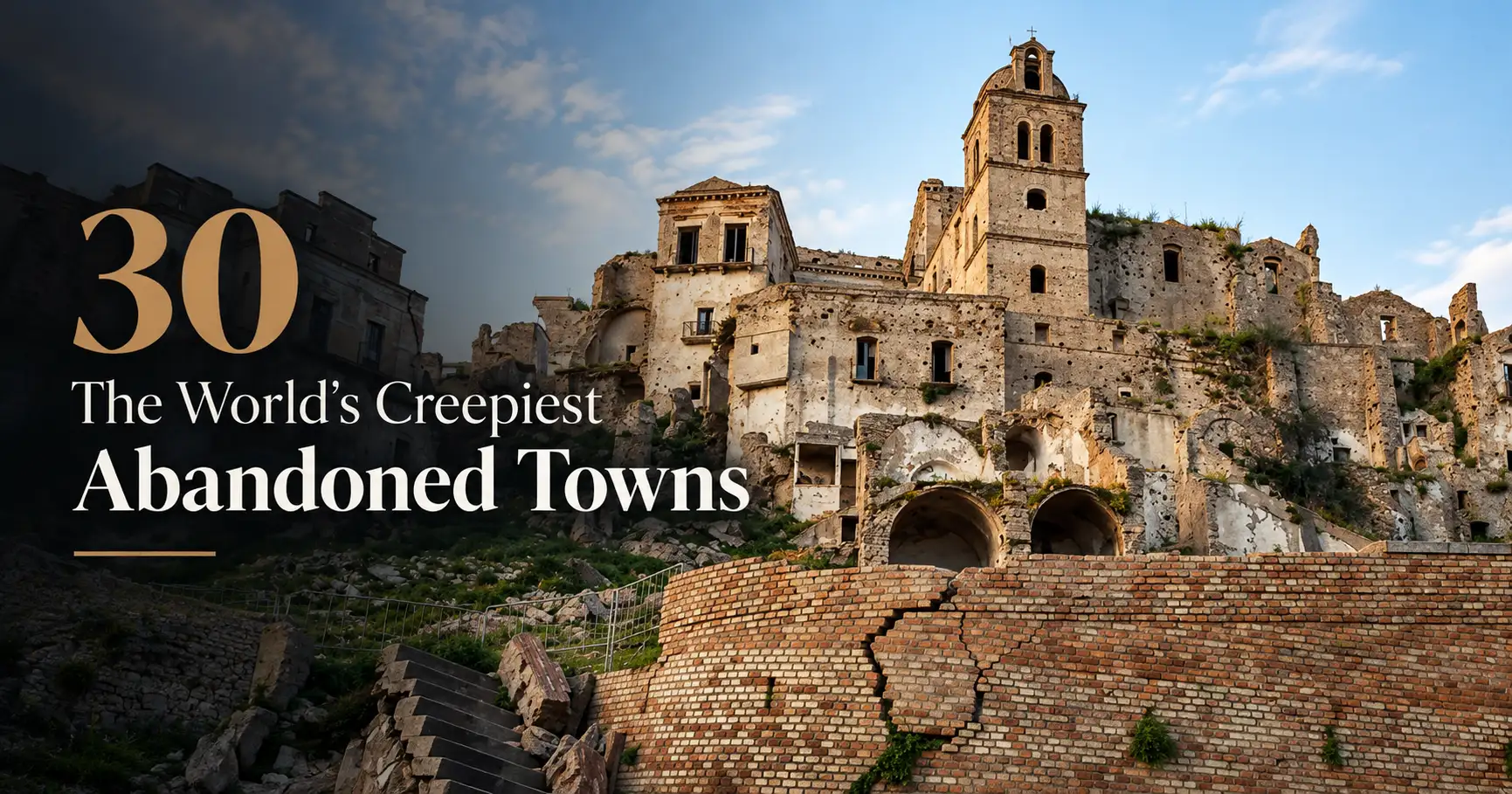
Abandoned cities and ghost towns have a strange power over the imagination. Empty streets, broken windows, silent churches, rusted rides, and homes swallowed by weeds make these places feel frozen between life and death. Some were once busy mining towns, resort villages, military zones, or royal capitals. Others were shaped by war, floods, fire, disease, nuclear disaster, or economic collapse.
These places are more than spooky travel spots. They show how quickly life can change when nature, politics, money, or conflict turn against a community. A town filled with workers, families, shops, schools, and markets can become silent within a few years. Some ruins are protected as historic sites, while others remain dangerous, restricted, or almost forgotten.
 Via History
Each ghost town tells a different story. Centralia still burns underground. Pripyat carries the memory of a nuclear disaster. Oradour-sur-Glane stands as a memorial to wartime horror. Kolmanskop is slowly buried by desert sand. These abandoned places remind people that cities are never permanent without safety, resources, peace, and care.
 Via Reader’s Digest
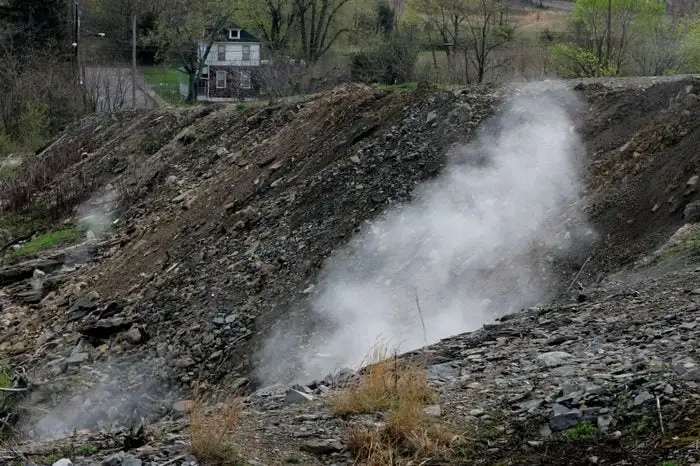
Centralia became infamous after an underground coal fire began in 1962. Toxic gases and unstable ground forced most residents to leave, though a few stayed behind.
 Via Reader’s Digest
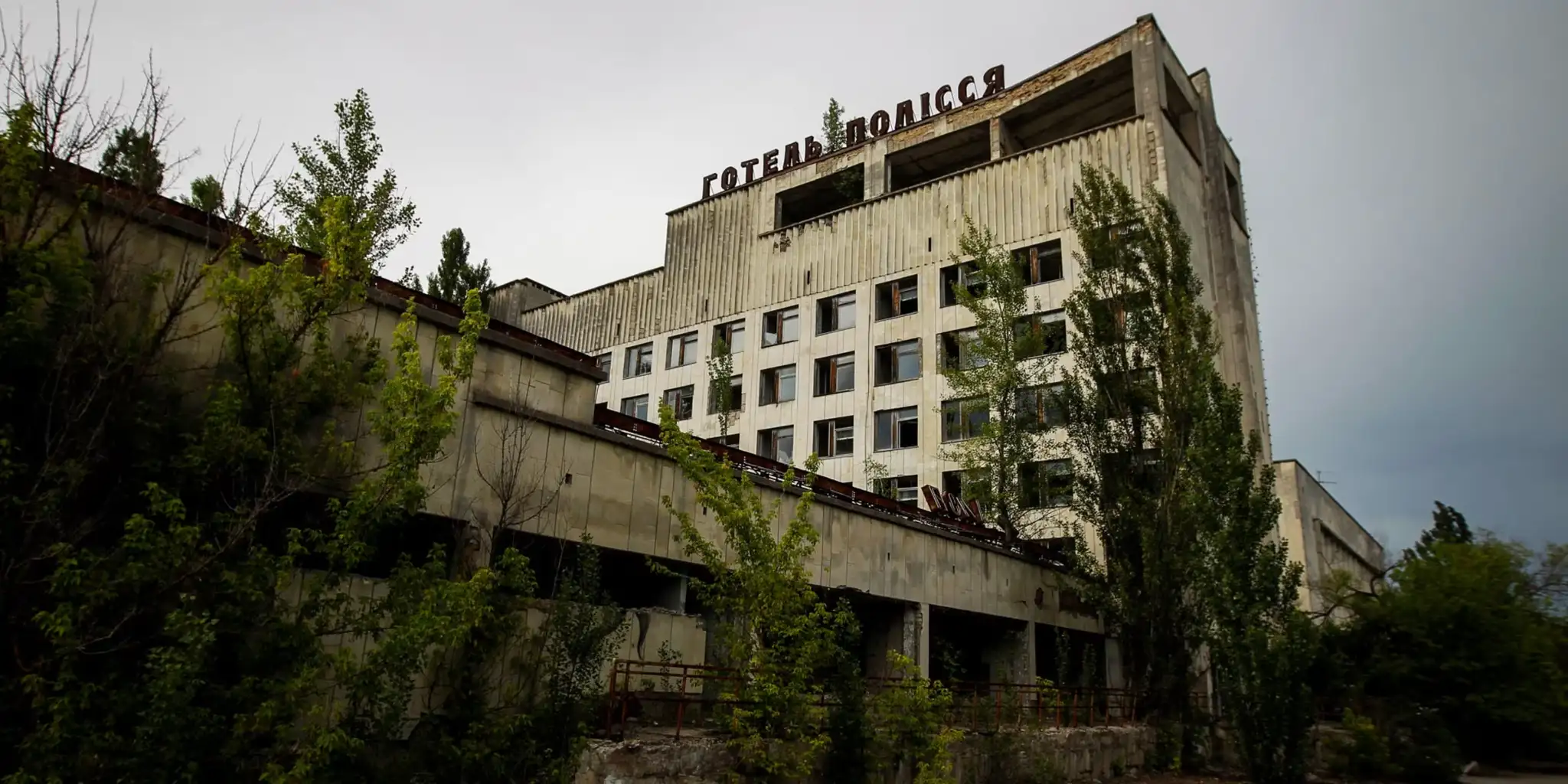
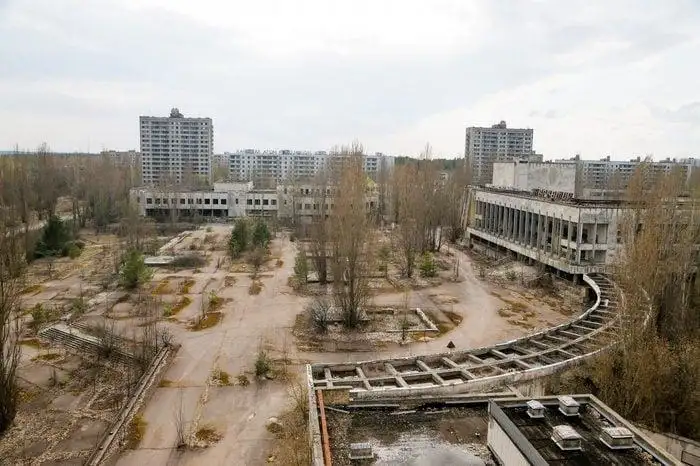
Pripyat was evacuated after the 1986 Chornobyl nuclear disaster. Its empty schools, apartments, and amusement areas still show the sudden fear of radiation.
 Via Reader’s Digest
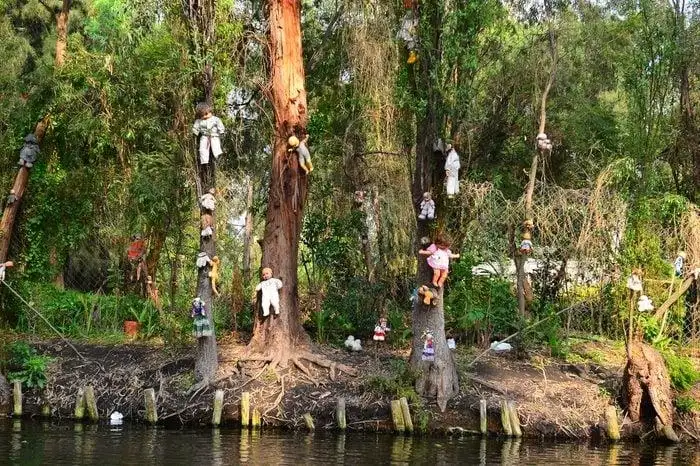
This eerie island is filled with hanging dolls placed by Don Julian Santana. Local legends connect the dolls to a drowned girl and restless spirits.
 Via Reader’s Digest
Okpo Land closed after a fatal accident on a duck-themed ride in 1999. The owner disappeared, leaving the amusement park to decay.
 Via Reader’s Digest
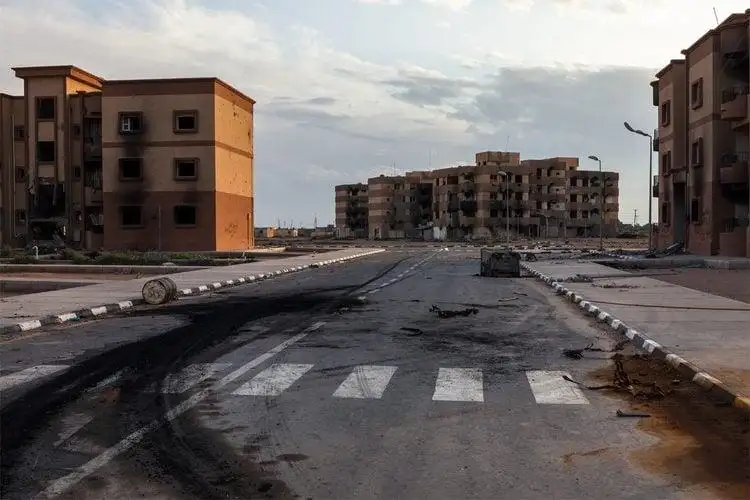
Tawergha was emptied during Libya’s civil conflict after residents were accused of supporting Gaddafi. Many homes remain damaged despite some families returning.
 Via Reader’s Digest
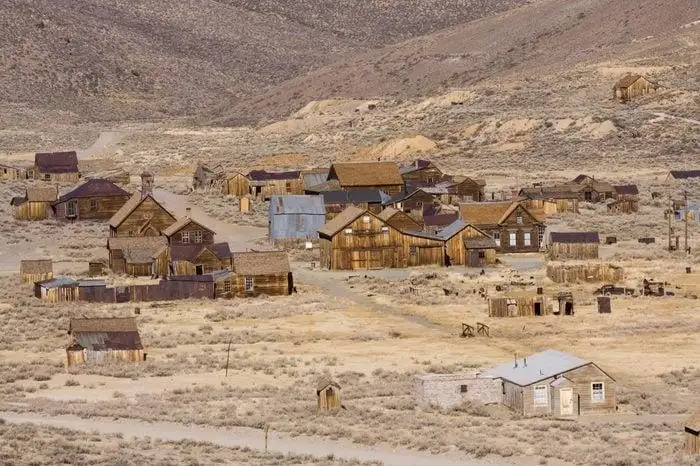
Bodie was a wild gold-mining town with saloons, crime, and fortune seekers. Fires and fading businesses turned it into a preserved ghost town.
 Via Reader’s Digest
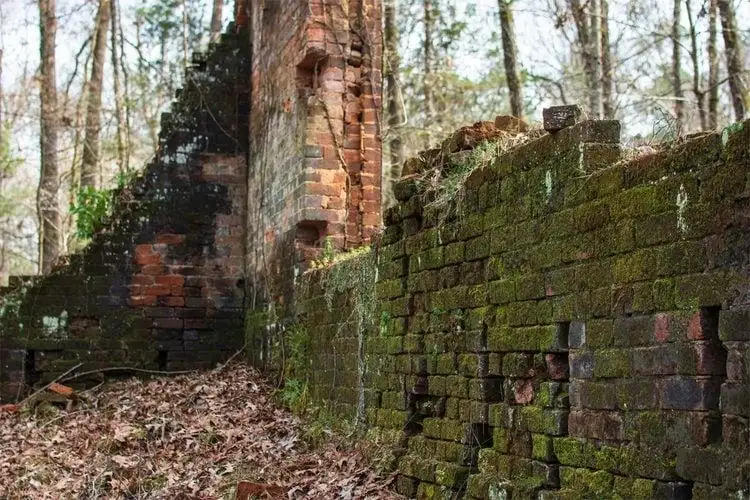
Cahawba was Alabama’s first state capital, but floods and economic problems weakened it. Today, its ruins serve as an archaeological and historic site.
 Via Reader’s Digest
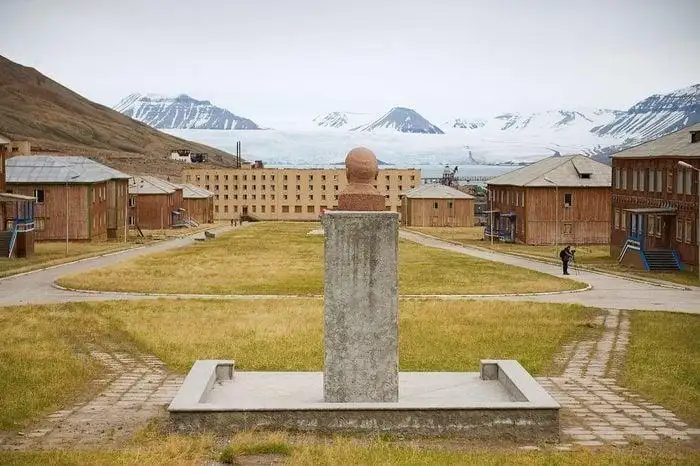
Pyramiden was a Soviet mining settlement in the Arctic. After coal profits fell and residents left in 1998, Lenin’s statue remained watching over the silence.
 Via Reader’s Digest
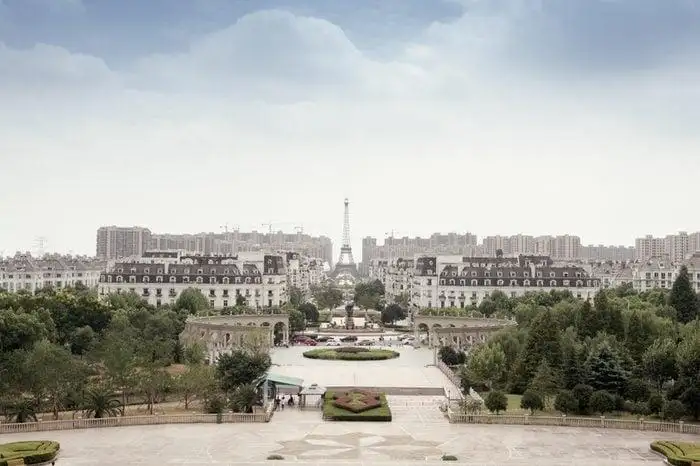
Tianducheng was built as a small Paris-style city with an Eiffel Tower replica. Few residents moved in, making it a strange modern ghost town.
 Via Reader’s Digest
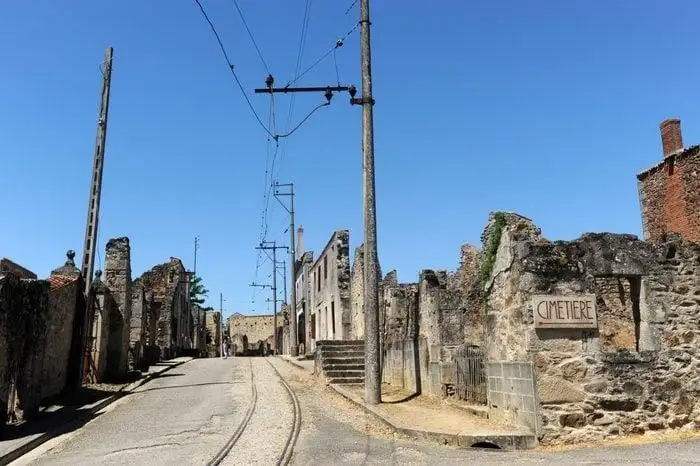
Oradour-sur-Glane was destroyed by Nazi forces in 1944. France preserved the ruined village as a memorial to the civilians killed there.
 Via Reader’s Digest
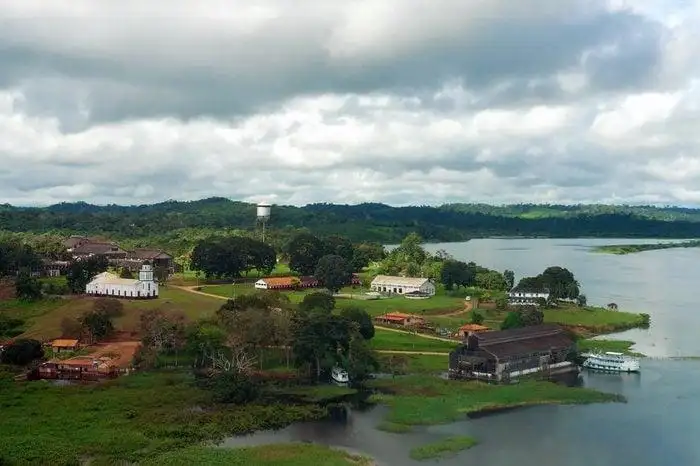
Fordlandia was Henry Ford’s failed rubber town in the Amazon. Disease, poor planning, and worker unrest caused the project to collapse.
 Via Reader’s Digest
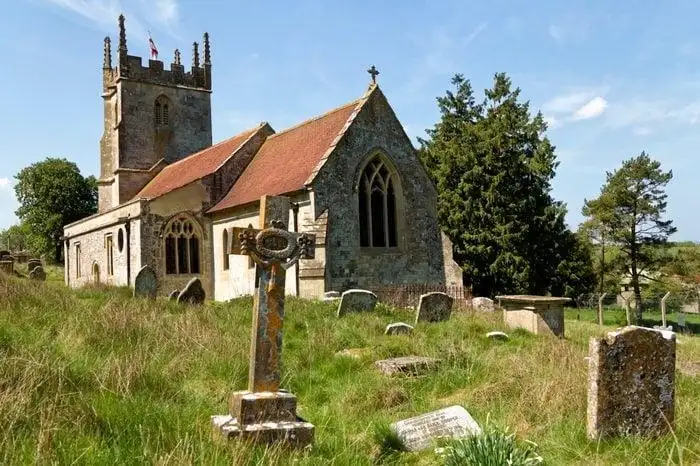
Villages such as Imber were emptied during World War II for military training. Residents never returned, though visitors can sometimes tour the area.
 Via Reader’s Digest
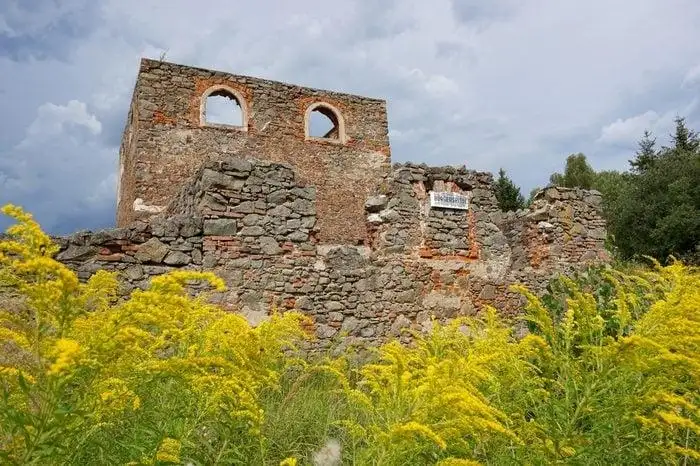
Döllersheim was linked to Adolf Hitler’s family history. After Germany took Austria, villagers were removed, and the settlement was heavily damaged.
 Via Reader’s Digest
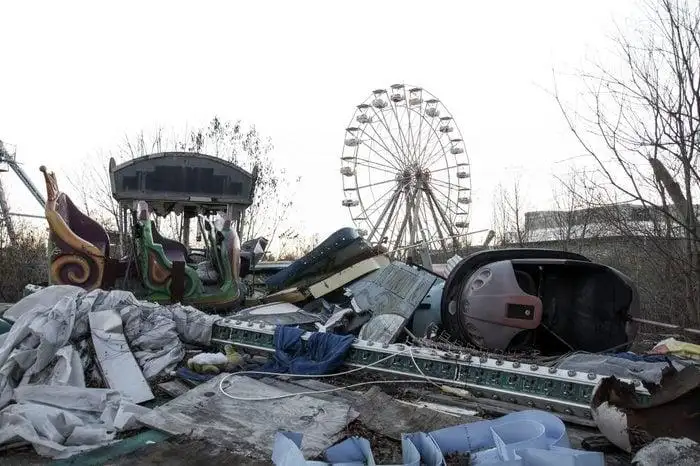
Six Flags New Orleans was flooded during Hurricane Katrina in 2005. The abandoned rides, signs, and buildings now form a chilling amusement park ruin.
 Via Reader’s Digest
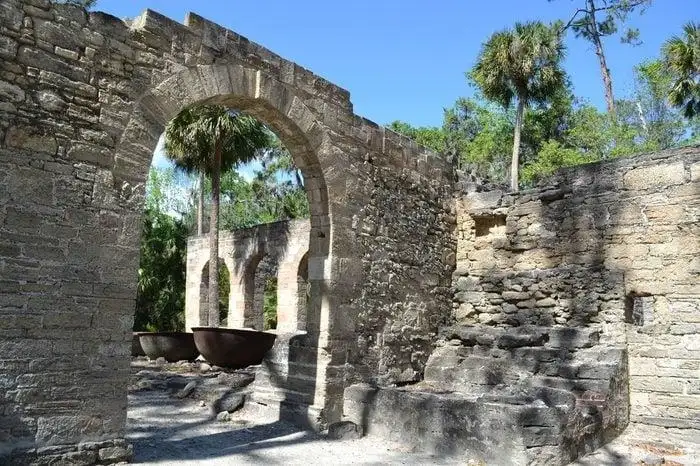
Bulowville was destroyed during the Second Seminole War. Its plantation ruins now reveal a painful history of slavery, conflict, and resistance.
 Via Reader’s Digest
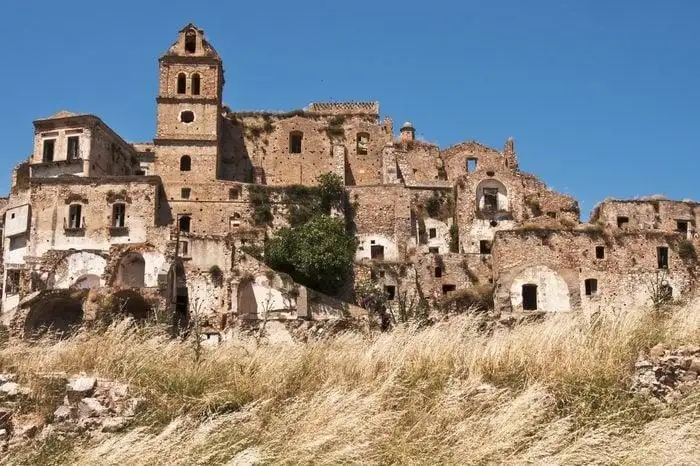
Craco survived for centuries before landslides and earthquakes made it unsafe. Its dramatic stone ruins later became a popular filming location.
 Via Reader’s Digest
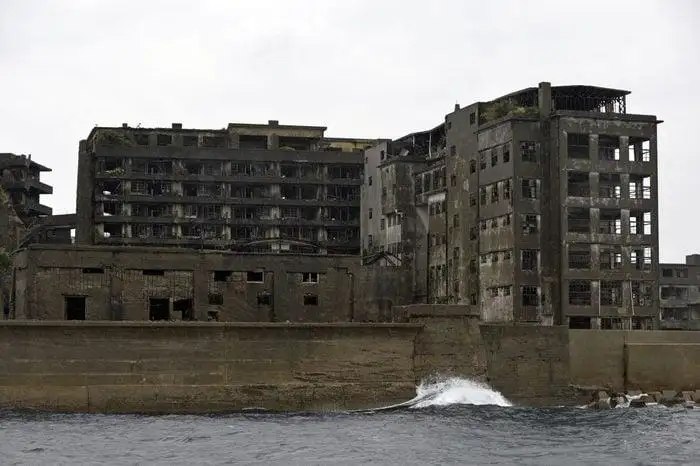
Hashima Island was once packed with coal workers and families. After the mines closed in 1974, the island became an empty concrete shell.
 Via Reader’s Digest
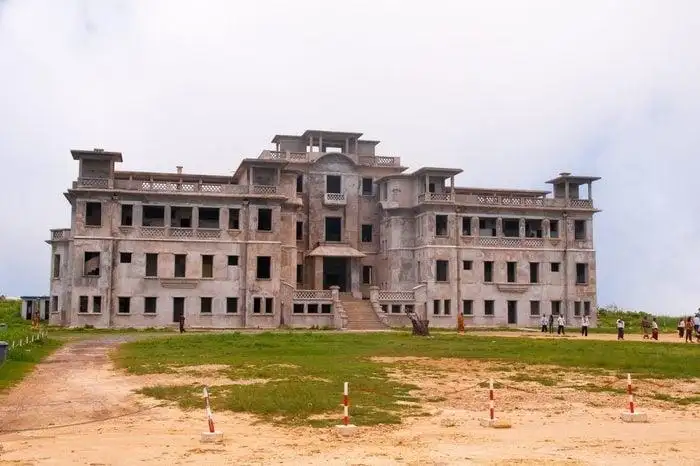
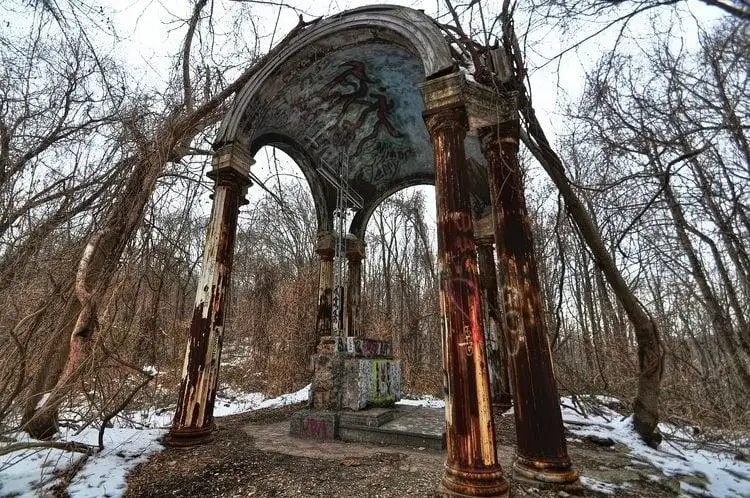
Bokor Hill Station was built as a colonial resort through forced labor. It was later abandoned again during Cambodia’s violent political unrest.
 Via Reader’s Digest
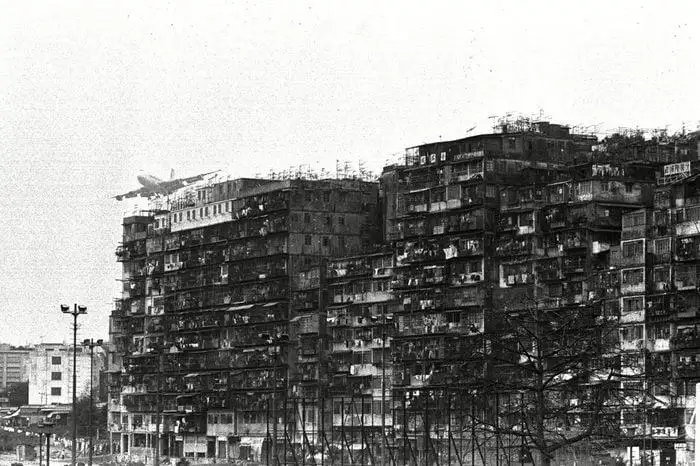
Known as “Hell House,” the old St. Mary’s College ruins became linked to ghost stories after fire damage and abandonment.
 Via Reader’s Digest
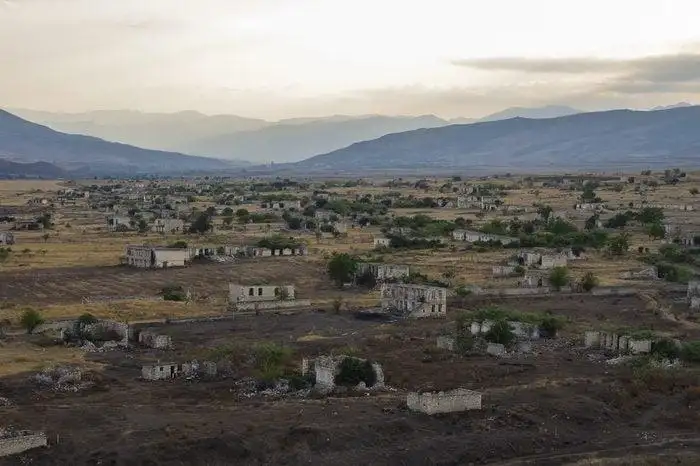
Kowloon Walled City was once extremely crowded and filled with unlicensed businesses. It was demolished in the 1990s after residents were removed.
 Via Reader’s Digest
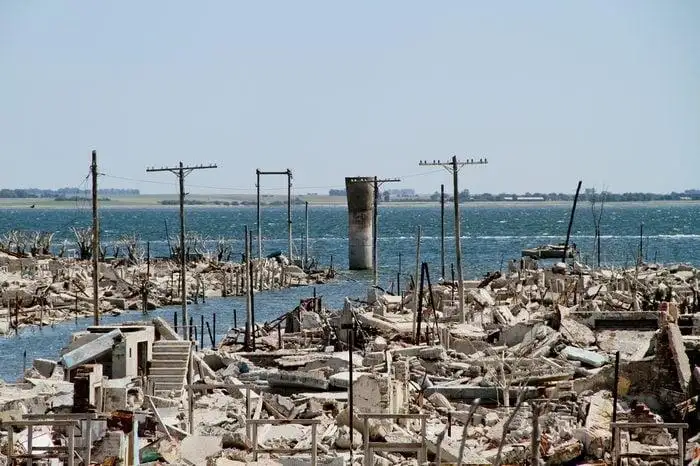
Agdam was devastated during the conflict between Armenia and Azerbaijan. Tens of thousands fled, leaving ruined buildings across one of the world’s largest ghost cities.
 Via Reader’s Digest
Villa Epecuén was a lakeside resort town before flooding submerged it in 1985. Years later, receding water revealed its corroded ruins.
 Via Reader’s Digest
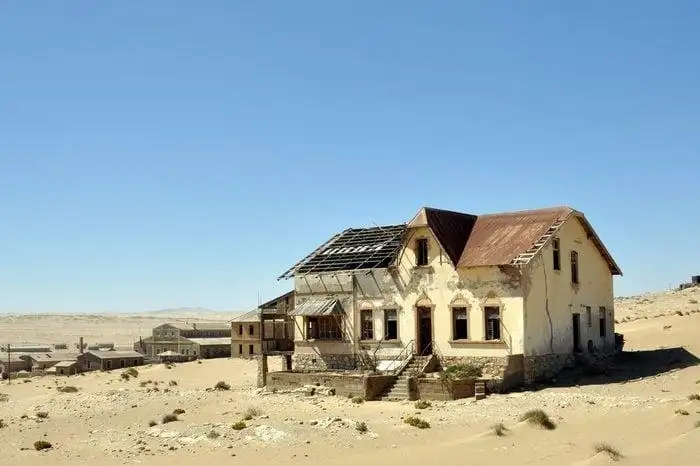
Kolmanskop grew rich from diamond mining in the desert. When diamonds ran out, residents left, and sand slowly filled the empty homes.
 Via Reader’s Digest
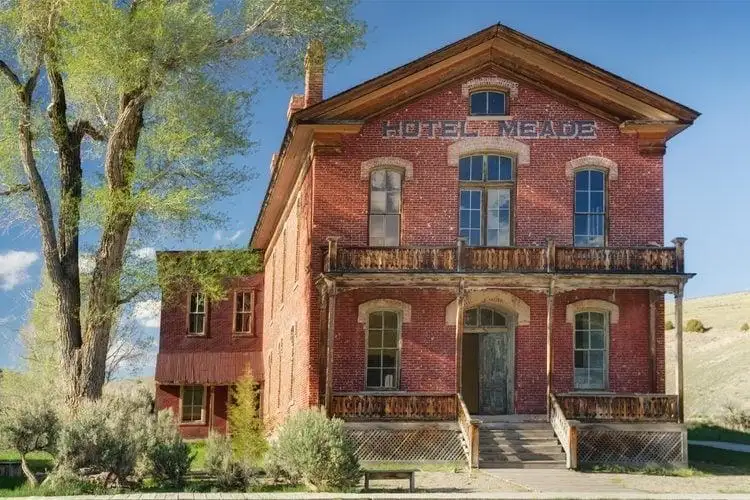
Bannack was a gold-rush town known for crime, vigilantes, and pure gold. When mining faded, the town became a preserved ghost town.
 Via Reader’s Digest
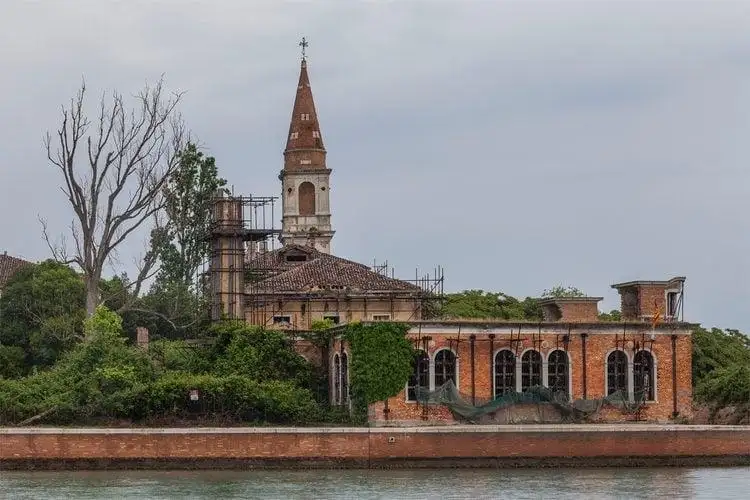
Poveglia served as a quarantine island and later held an asylum. Its dark past made it one of Italy’s most feared abandoned places.
 Via Reader’s Digest
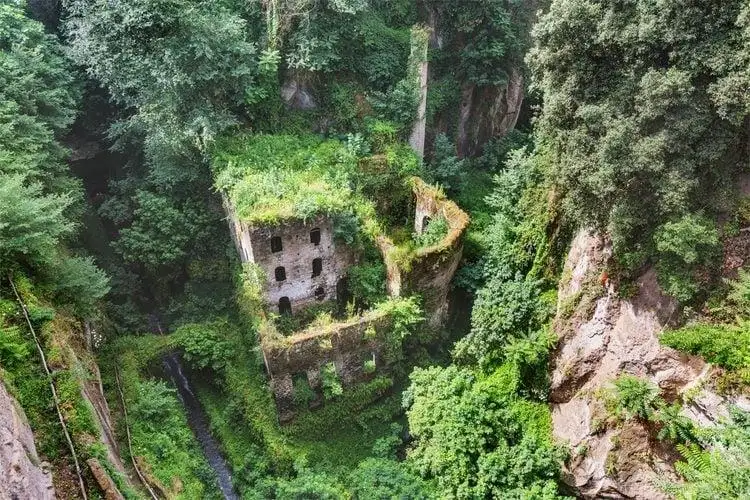
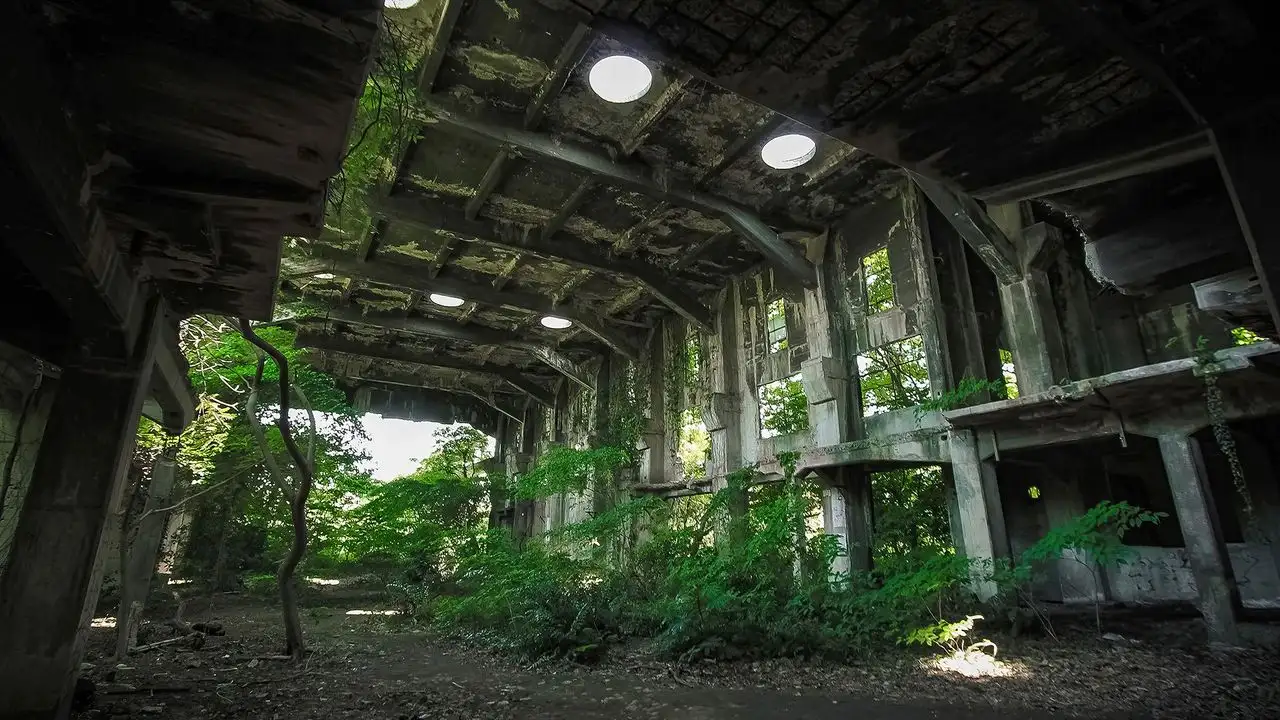
The Valley of the Mills in Sorrento holds old flour and saw mills. Humidity, changing industry, and isolation led to abandonment.
 Via BBC
Abandoned cities still matter because they warn people about fragile systems. A town needs more than buildings, roads, and businesses to survive. It needs safety, clean water, steady work, fair leadership, peace, strong planning, and respect for the land. When those things fail, even busy streets can become silent. These ghost towns may look frozen in the past, but their stories still speak clearly to the present. They remind people that growth should be balanced, communities should be protected, and warning signs should never be ignored.
More in UnassignedVia History
Each ghost town tells a different story. Centralia still burns underground. Pripyat carries the memory of a nuclear disaster. Oradour-sur-Glane stands as a memorial to wartime horror. Kolmanskop is slowly buried by desert sand. These abandoned places remind people that cities are never permanent without safety, resources, peace, and care.
Centralia, Pennsylvania
Via Reader’s Digest
Centralia became infamous after an underground coal fire began in 1962. Toxic gases and unstable ground forced most residents to leave, though a few stayed behind.
Pripyat, Ukraine
Via Reader’s Digest
Pripyat was evacuated after the 1986 Chornobyl nuclear disaster. Its empty schools, apartments, and amusement areas still show the sudden fear of radiation.
Isla de las Muñecas, México
Via Reader’s Digest
This eerie island is filled with hanging dolls placed by Don Julian Santana. Local legends connect the dolls to a drowned girl and restless spirits.
Okpo Land, South Korea
Via Reader’s Digest
Okpo Land closed after a fatal accident on a duck-themed ride in 1999. The owner disappeared, leaving the amusement park to decay.
Tawergha, Libya
Via Reader’s Digest
Tawergha was emptied during Libya’s civil conflict after residents were accused of supporting Gaddafi. Many homes remain damaged despite some families returning.
Bodie, California
Via Reader’s Digest
Bodie was a wild gold-mining town with saloons, crime, and fortune seekers. Fires and fading businesses turned it into a preserved ghost town.
Cahawba, Alabama
Via Reader’s Digest
Cahawba was Alabama’s first state capital, but floods and economic problems weakened it. Today, its ruins serve as an archaeological and historic site.
Pyramiden, Norway
Via Reader’s Digest
Pyramiden was a Soviet mining settlement in the Arctic. After coal profits fell and residents left in 1998, Lenin’s statue remained watching over the silence.
Tianducheng, China
Via Reader’s Digest
Tianducheng was built as a small Paris-style city with an Eiffel Tower replica. Few residents moved in, making it a strange modern ghost town.
Oradour-sur-Glane, France
Via Reader’s Digest
Oradour-sur-Glane was destroyed by Nazi forces in 1944. France preserved the ruined village as a memorial to the civilians killed there.
Fordlandia, Brazil
Via Reader’s Digest
Fordlandia was Henry Ford’s failed rubber town in the Amazon. Disease, poor planning, and worker unrest caused the project to collapse.
Salisbury Plain, United Kingdom
Via Reader’s Digest
Villages such as Imber were emptied during World War II for military training. Residents never returned, though visitors can sometimes tour the area.
Döllersheim, Austria
Via Reader’s Digest
Döllersheim was linked to Adolf Hitler’s family history. After Germany took Austria, villagers were removed, and the settlement was heavily damaged.
Six Flags New Orleans, Louisiana
Via Reader’s Digest
Six Flags New Orleans was flooded during Hurricane Katrina in 2005. The abandoned rides, signs, and buildings now form a chilling amusement park ruin.
Bulowville, Florida
Via Reader’s Digest
Bulowville was destroyed during the Second Seminole War. Its plantation ruins now reveal a painful history of slavery, conflict, and resistance.
Craco, Italy
Via Reader’s Digest
Craco survived for centuries before landslides and earthquakes made it unsafe. Its dramatic stone ruins later became a popular filming location.
Hashima Island, Japan
Via Reader’s Digest
Hashima Island was once packed with coal workers and families. After the mines closed in 1974, the island became an empty concrete shell.
Bokor Hill Station, Cambodia
Via Reader’s Digest
Bokor Hill Station was built as a colonial resort through forced labor. It was later abandoned again during Cambodia’s violent political unrest.
St. Mary’s College, Maryland
Via Reader’s Digest
Known as “Hell House,” the old St. Mary’s College ruins became linked to ghost stories after fire damage and abandonment.
Kowloon Walled City, Hong Kong
Via Reader’s Digest
Kowloon Walled City was once extremely crowded and filled with unlicensed businesses. It was demolished in the 1990s after residents were removed.
Agdam, Azerbaijan
Via Reader’s Digest
Agdam was devastated during the conflict between Armenia and Azerbaijan. Tens of thousands fled, leaving ruined buildings across one of the world’s largest ghost cities.
Villa Epecuén, Argentina
Via Reader’s Digest
Villa Epecuén was a lakeside resort town before flooding submerged it in 1985. Years later, receding water revealed its corroded ruins.
Kolmanskop, Namibia
Via Reader’s Digest
Kolmanskop grew rich from diamond mining in the desert. When diamonds ran out, residents left, and sand slowly filled the empty homes.
Bannack, Montana
Via Reader’s Digest
Bannack was a gold-rush town known for crime, vigilantes, and pure gold. When mining faded, the town became a preserved ghost town.
Poveglia, Italy
Via Reader’s Digest
Poveglia served as a quarantine island and later held an asylum. Its dark past made it one of Italy’s most feared abandoned places.
Valley of the Mills, Italy
Via Reader’s Digest
The Valley of the Mills in Sorrento holds old flour and saw mills. Humidity, changing industry, and isolation led to abandonment.
What Abandoned Cities Teach the World?
Ghost towns attract attention because they feel mysterious, quiet, and almost unreal, but their real value lies in the lessons they leave behind. These abandoned places show how communities can rise through mining, tourism, trade, industry, military power, or political importance, then fall when those foundations break. Centralia shows the long-term danger of hidden environmental damage, where an underground coal fire changed daily life forever. Villa Epecuén shows how flooding can erase a busy resort town and leave only corroded streets behind. Kolmanskop shows how wealth can disappear when natural resources run out, and people no longer have a reason to stay. Many abandoned places also carry painful human stories that should not be reduced to simple ghost tales. Oradour-sur-Glane, Tawergha, Agdam, and Bokor Hill Station are not just eerie ruins; they are reminders of war, forced removal, violence, colonial abuse, and deep suffering. Empty homes, broken schools, damaged churches, and silent roads hold memories of families who once lived ordinary lives there. These sites help people understand that history is not only found in museums, textbooks, or old photographs. It also remains in ruined walls, deserted streets, and places where people were forced to leave everything behind.Via BBC
Abandoned cities still matter because they warn people about fragile systems. A town needs more than buildings, roads, and businesses to survive. It needs safety, clean water, steady work, fair leadership, peace, strong planning, and respect for the land. When those things fail, even busy streets can become silent. These ghost towns may look frozen in the past, but their stories still speak clearly to the present. They remind people that growth should be balanced, communities should be protected, and warning signs should never be ignored.