Unassigned
Tick Bite Meat Allergy Causes First Case in New Jersey
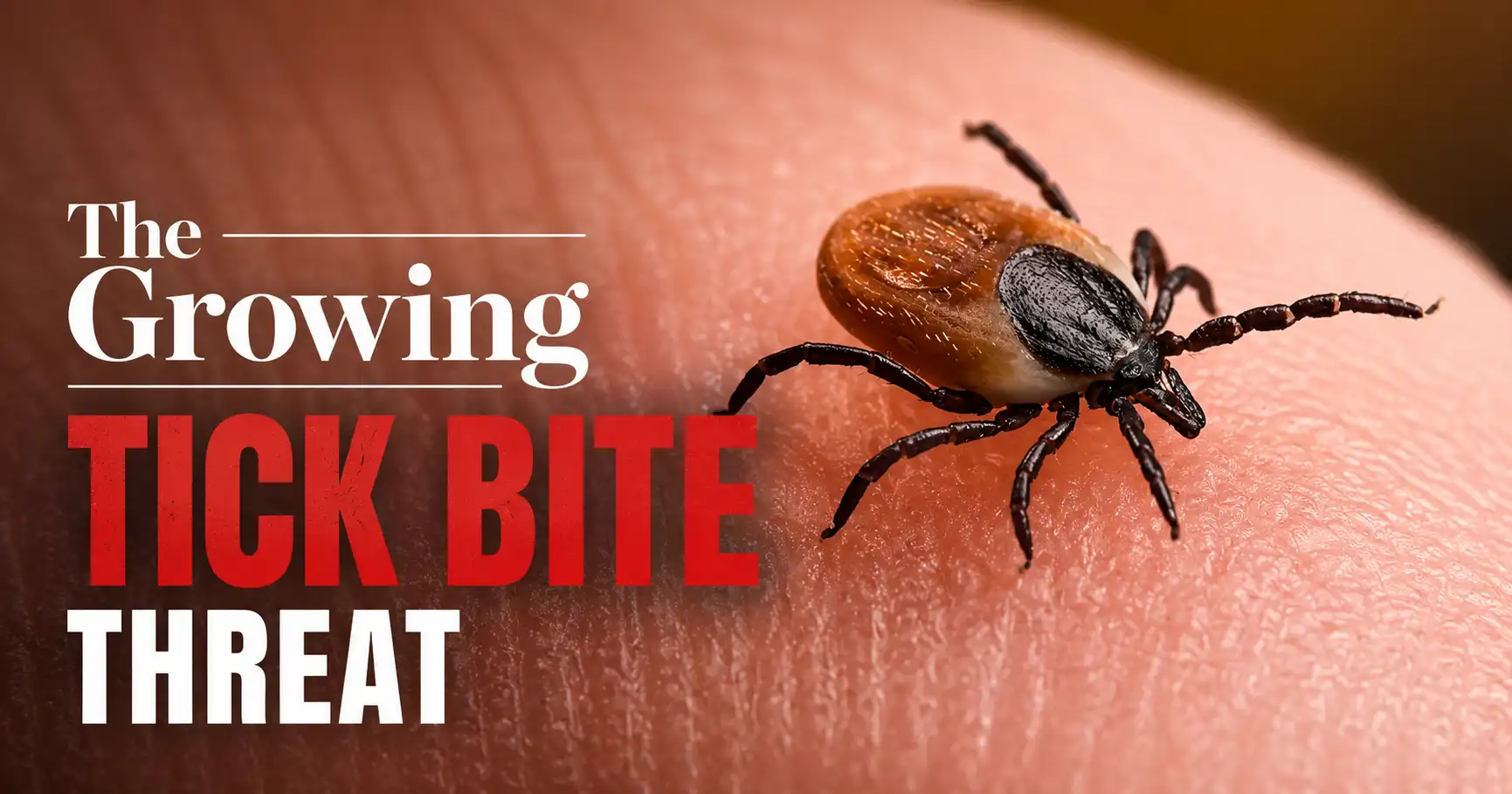
Tick-borne illnesses have become a growing concern in many parts of the United States, and a recent case has brought serious attention to a lesser-known condition. A man in New Jersey died after developing a severe meat allergy caused by a tick bite, marking the first documented fatality linked to this condition.
This rare allergy, known as alpha-gal syndrome, is triggered when the immune system reacts to a sugar molecule found in most mammals. The case highlights how something as small as a tick bite can lead to life-threatening consequences. Many individuals remain unaware of alpha-gal syndrome, which can delay diagnosis and treatment.
 Via The Independent
Medical experts have been raising awareness about the spread of ticks that carry this condition. These ticks are expanding their territory, increasing the risk for more people. This lack of awareness can make the condition even more dangerous, especially when symptoms are not immediately recognized as an allergic reaction.
The New Jersey case has prompted calls for better public education and medical awareness. Doctors emphasize the importance of recognizing unusual allergic symptoms, especially when they appear hours after eating certain foods. Understanding how this condition develops is key to preventing similar tragedies in the future.
 Via CNN
 Via East End Tick Control
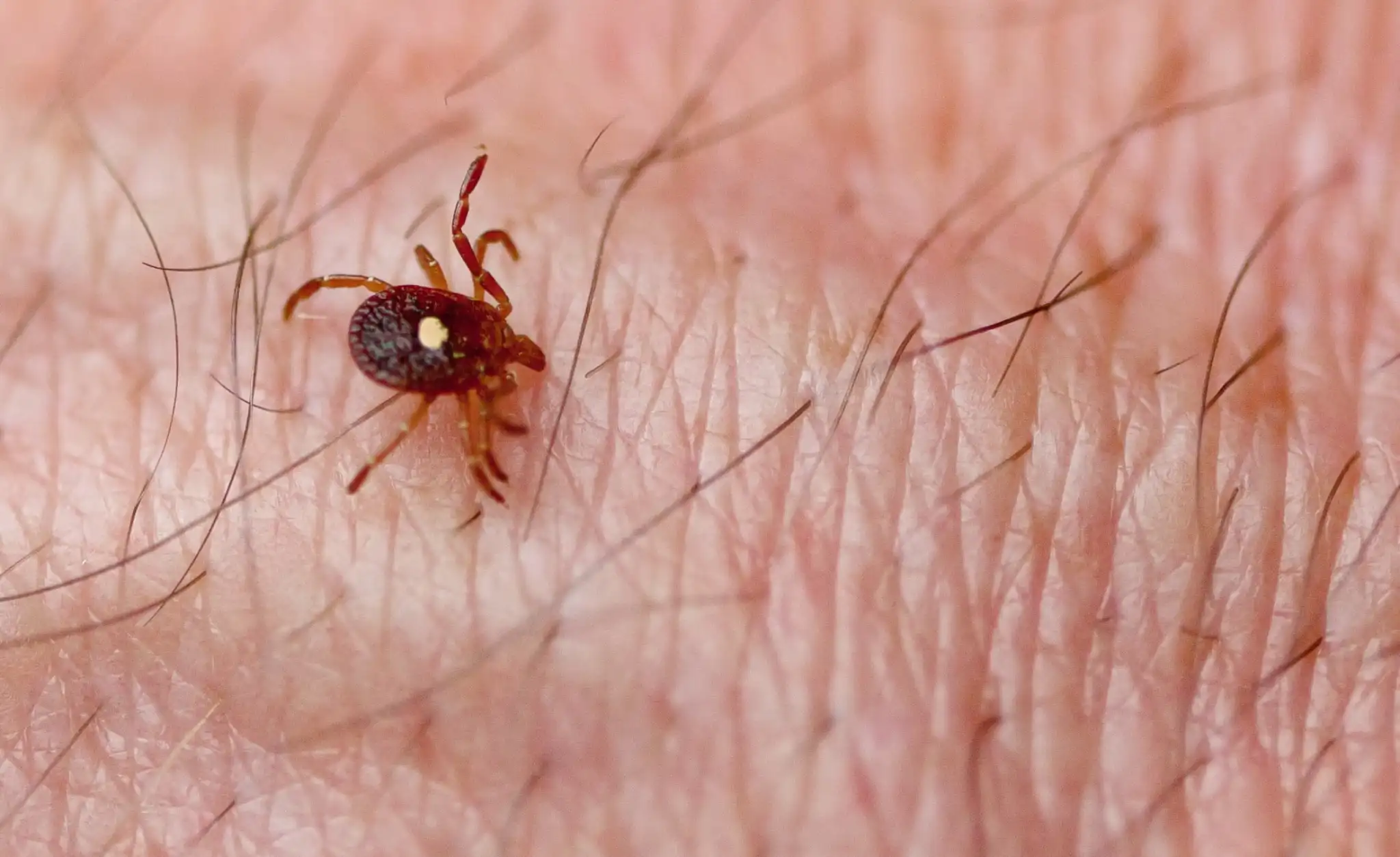
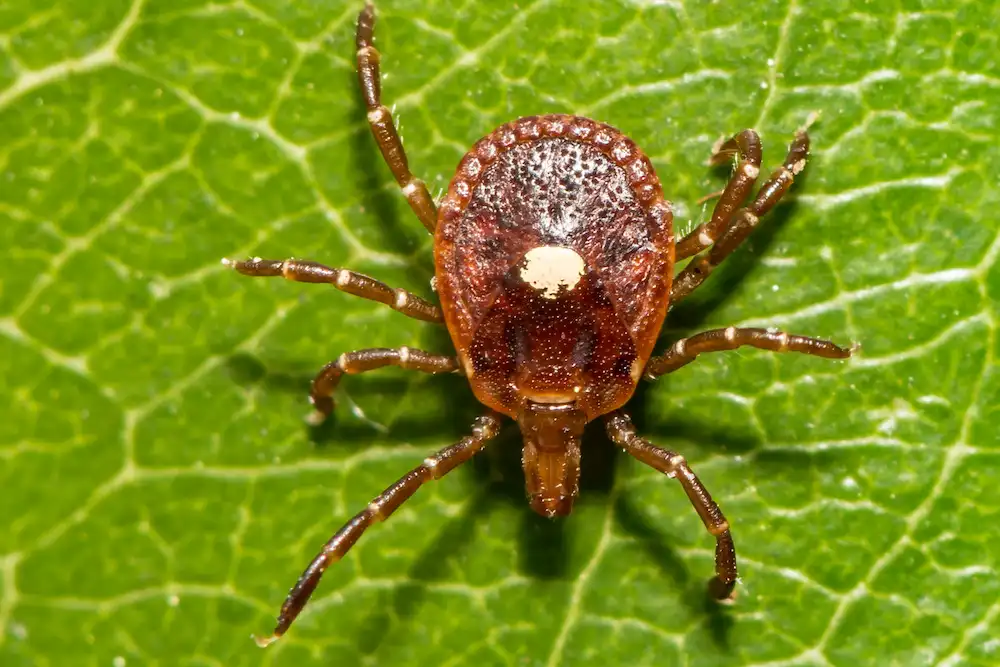
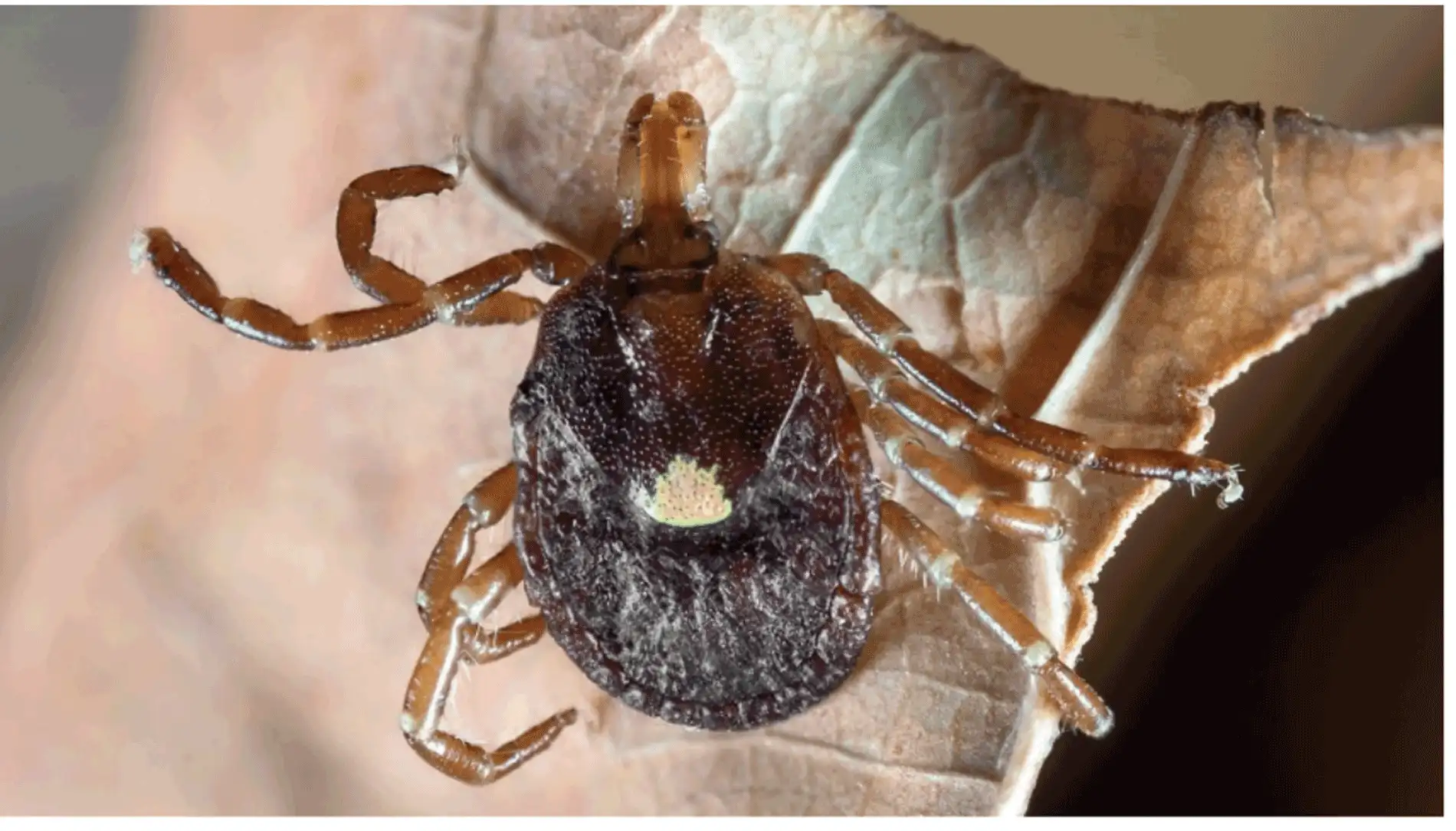
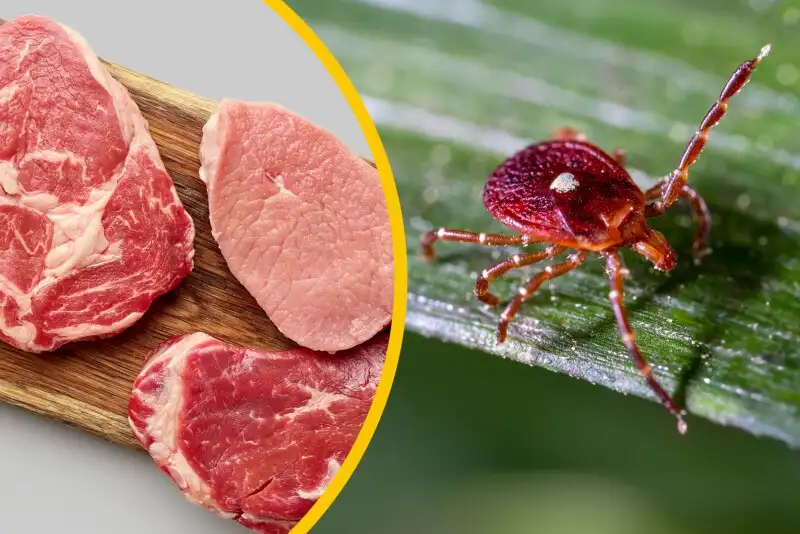
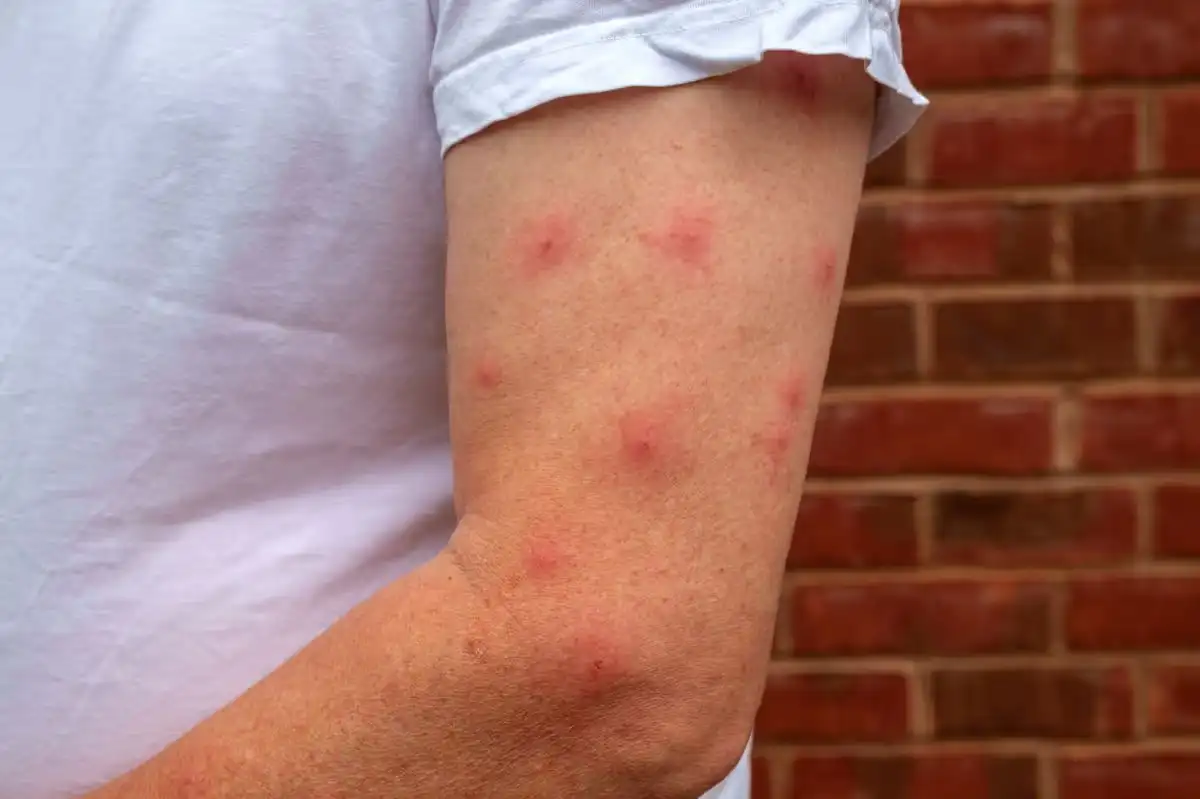
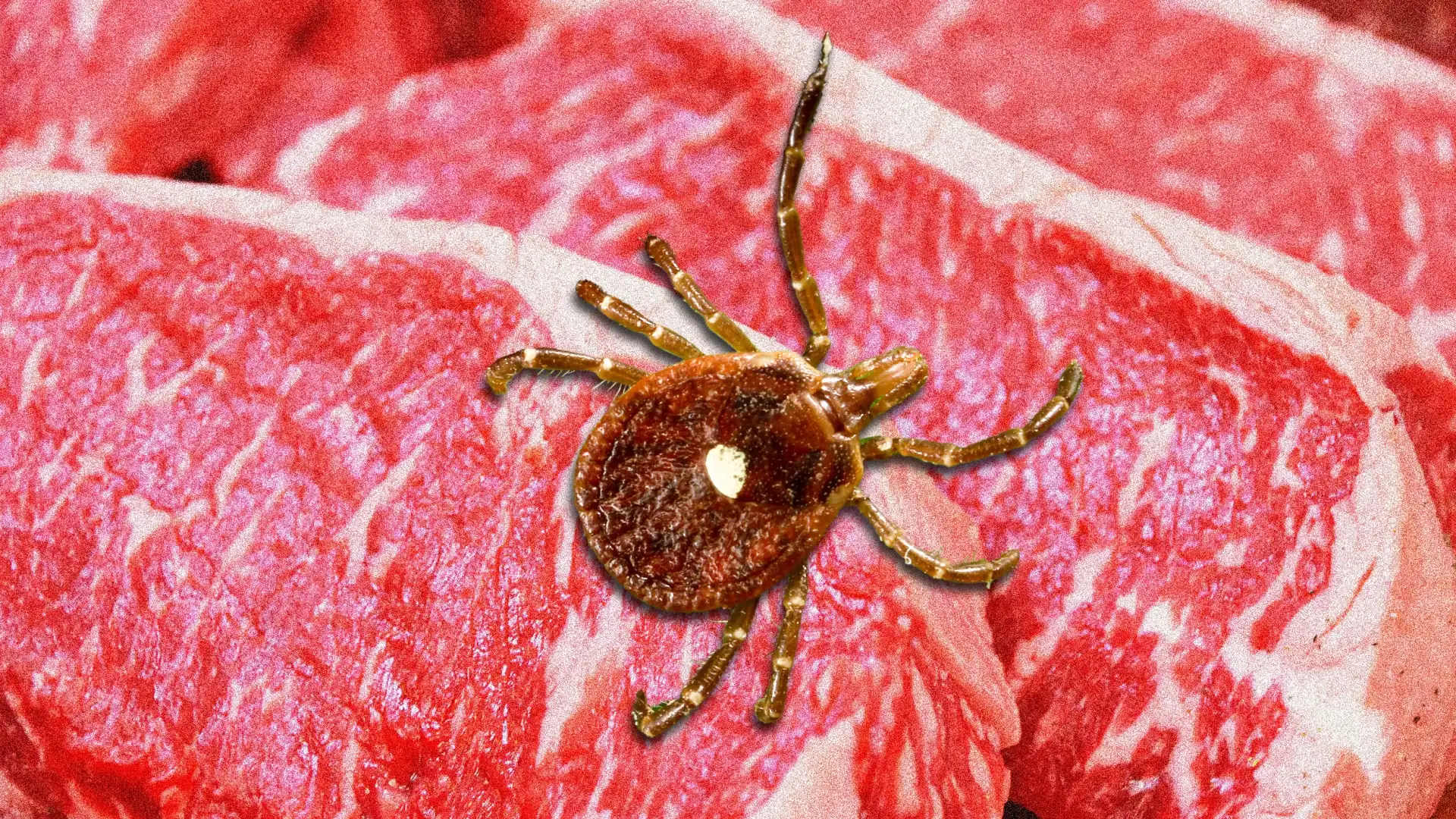
The condition begins when a person is bitten by certain ticks, especially the lone star tick in the United States. As a result, the next time the person consumes red meat or related products, the body reacts strongly, sometimes leading to severe allergic responses.
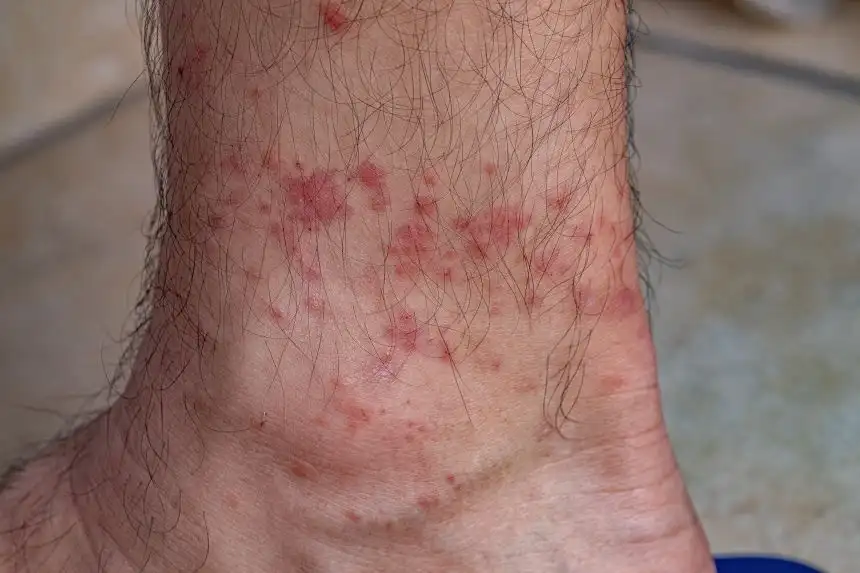
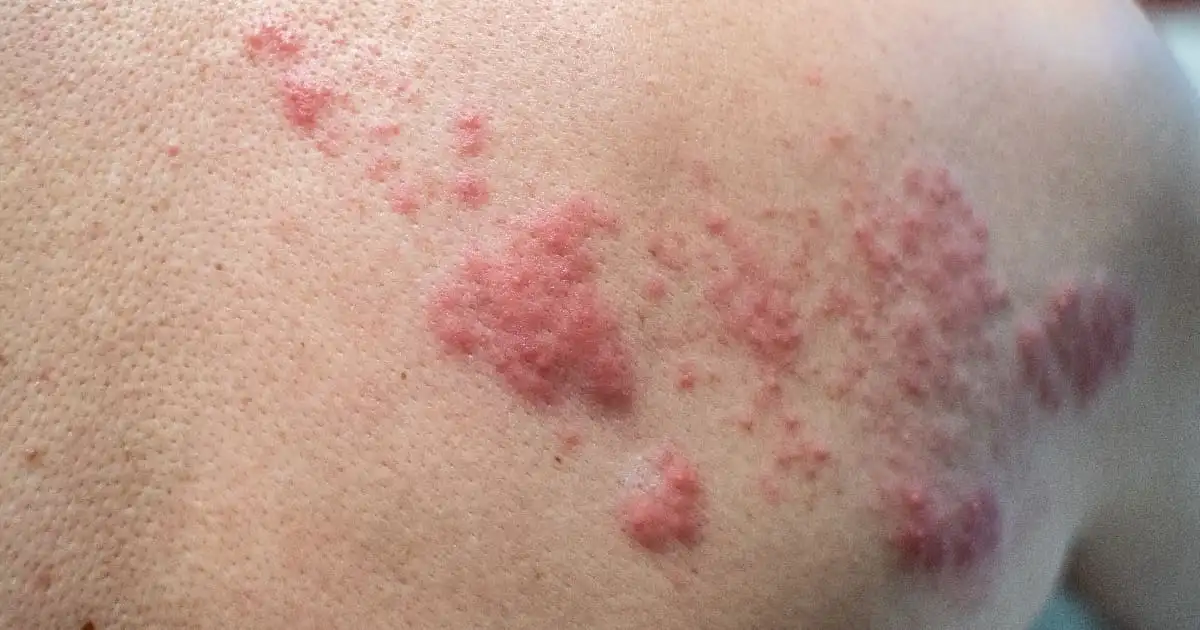
Symptoms of alpha-gal syndrome can vary widely. Some people experience mild reactions like hives or stomach discomfort, while others may develop severe symptoms such as difficulty breathing, dizziness, or a dangerous drop in blood pressure. In extreme cases, the reaction can progress to anaphylaxis, a life-threatening condition that requires immediate medical attention.
 Via Advanced Food
 Via ADA News
This case stood out because it demonstrated how alpha-gal syndrome can be fatal, even when symptoms are not immediately recognized. Experts believe that the condition may go undiagnosed in many cases, especially when symptoms are mistaken for other health issues. The case has encouraged researchers to look more closely at similar unexplained deaths.
 Via Medical Dialogues
In the New Jersey case, the man had previously experienced severe abdominal pain, vomiting, and diarrhea after eating red meat during a camping trip. These symptoms resolved on their own, leading him to believe it was a temporary issue. Without recognizing the warning signs, he continued consuming similar foods, which ultimately led to a fatal reaction.
Severe abdominal pain alone can be a sign of anaphylaxis in some cases of alpha-gal syndrome. However, this symptom is not widely recognized as part of an allergic reaction. This lack of awareness can delay treatment, increasing the risk of serious outcomes. Recognizing these unusual patterns is crucial for early diagnosis and prevention.
 Via America Nurse Journal
 Via New York State
Foods that do not contain alpha-gal, such as poultry, fish, eggs, and plant-based products, are generally safe for people with this allergy. However, individuals must remain cautious and carefully check food labels to avoid accidental exposure. Proper dietary adjustments can help reduce the risk of severe reactions.
 Via News Medical Net
Climate changes and environmental factors have also contributed to the expansion of tick habitats. Warmer temperatures and changes in land use have allowed ticks to move into new regions. This expansion has increased the number of reported cases of alpha-gal syndrome in areas where it was previously rare.
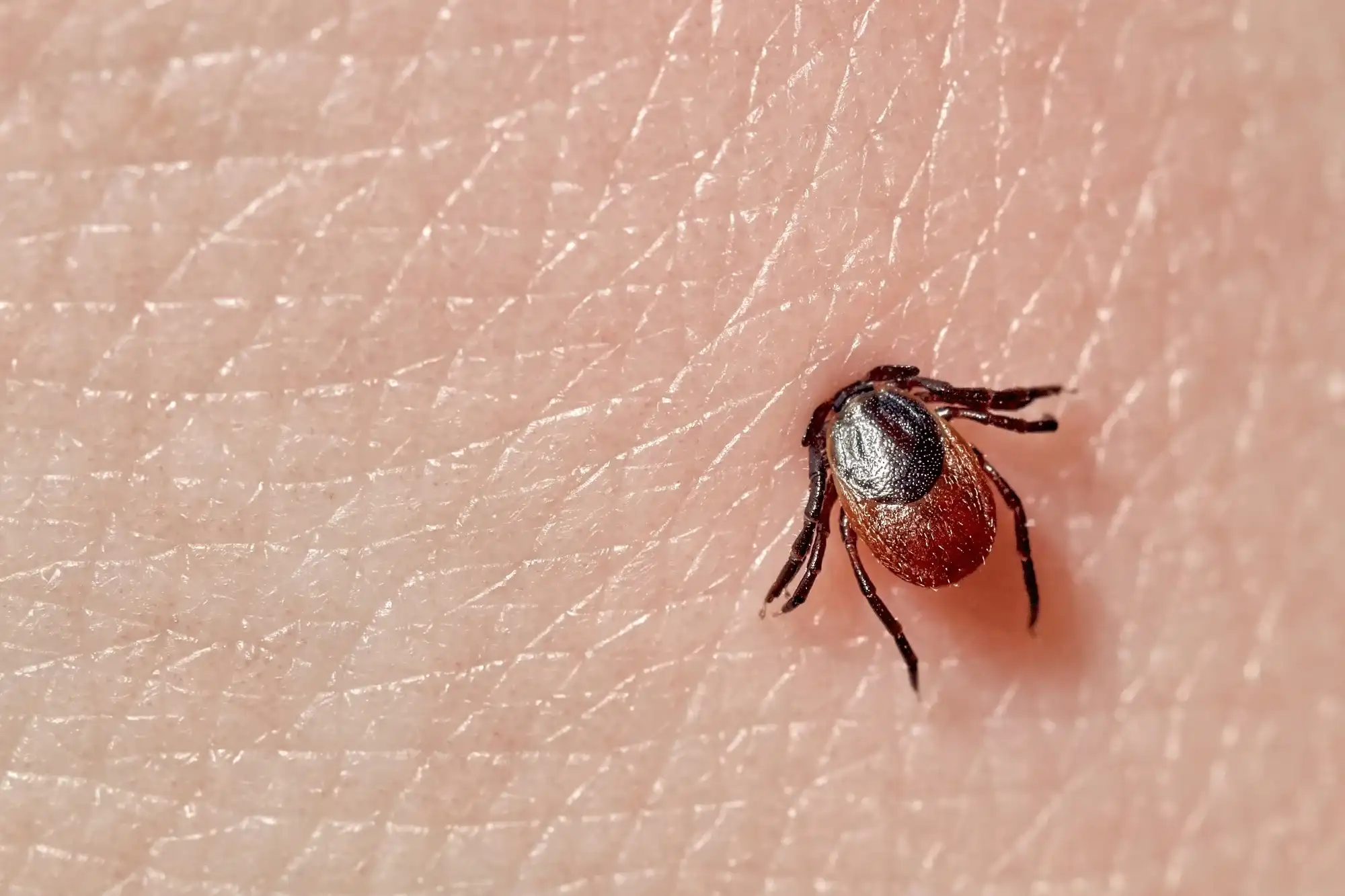
People who spend time outdoors, such as hikers, campers, and hunters, are at higher risk of tick bites. However, ticks can also be found in residential areas, making it important for everyone to take preventive measures. Understanding how ticks spread this condition can help reduce exposure and protect public health.
 Via Pork Business
 Via Gloucestershire Live
Public education plays a key role in improving diagnosis and prevention. Increasing awareness among both healthcare providers and the general public can help identify cases earlier and reduce the risk of complications. Early recognition is essential for managing the condition effectively.
 Via Project Lyme
Maintaining outdoor spaces by keeping grass trimmed and reducing areas where ticks thrive can help limit exposure. Pet owners should also protect their animals, as pets can carry ticks into the home. These preventive measures are especially important in areas where tick populations are high.
People who have already been diagnosed with alpha-gal syndrome must avoid foods that trigger reactions. Carrying emergency medication, such as an epinephrine injector, can help manage severe allergic reactions. Awareness and preparation are key to staying safe.
 Via Fast Company
 Via CDC
This case also underscores the importance of continued research into tick-borne diseases. A better understanding of how alpha-gal syndrome develops can lead to improved treatments and prevention strategies. Increased awareness can save lives and help people make informed decisions about their health.
More in UnassignedVia The Independent
Medical experts have been raising awareness about the spread of ticks that carry this condition. These ticks are expanding their territory, increasing the risk for more people. This lack of awareness can make the condition even more dangerous, especially when symptoms are not immediately recognized as an allergic reaction.
The New Jersey case has prompted calls for better public education and medical awareness. Doctors emphasize the importance of recognizing unusual allergic symptoms, especially when they appear hours after eating certain foods. Understanding how this condition develops is key to preventing similar tragedies in the future.
Via CNN
Understanding Alpha-Gal Syndrome and Its Causes
Alpha-gal syndrome is a unique type of food allergy that differs from typical reactions. It is caused by sensitivity to a sugar molecule called alpha-gal, which is found in red meat and other products derived from mammals. Unlike common food allergies that cause immediate symptoms, this condition often triggers delayed reactions, usually several hours after eating. During the bite, the tick introduces alpha-gal into the bloodstream through its saliva. This can make it difficult for people to connect their symptoms to what they ate. This exposure can cause the immune system to become overly sensitive to the sugar.Via East End Tick Control
The condition begins when a person is bitten by certain ticks, especially the lone star tick in the United States. As a result, the next time the person consumes red meat or related products, the body reacts strongly, sometimes leading to severe allergic responses.
Symptoms of alpha-gal syndrome can vary widely. Some people experience mild reactions like hives or stomach discomfort, while others may develop severe symptoms such as difficulty breathing, dizziness, or a dangerous drop in blood pressure. In extreme cases, the reaction can progress to anaphylaxis, a life-threatening condition that requires immediate medical attention.
Via Advanced Food
The Case That Shocked Medical Experts
The fatal case in New Jersey involved a 47-year-old man who experienced a sudden and severe allergic reaction after eating a hamburger. According to reports, the man collapsed about four hours after the meal, showing no immediate signs of distress earlier. Despite efforts to revive him, he was pronounced dead later that night. The delayed nature of the reaction made it difficult to identify the cause at first. Medical investigations initially labeled the incident as an unexplained death. However, further analysis revealed that the man had high levels of antibodies related to alpha-gal syndrome. His body also showed elevated levels of tryptase, a marker often linked to allergic reactions. These findings pointed toward a severe allergic response as the likely cause of death.
Via ADA News
This case stood out because it demonstrated how alpha-gal syndrome can be fatal, even when symptoms are not immediately recognized. Experts believe that the condition may go undiagnosed in many cases, especially when symptoms are mistaken for other health issues. The case has encouraged researchers to look more closely at similar unexplained deaths.
Hidden Symptoms and Delayed Reactions
One of the most challenging aspects of alpha-gal syndrome is its delayed reaction time. Unlike typical food allergies that cause symptoms within minutes, this condition can take several hours to appear. This delay often leads people to overlook the connection between their symptoms and the food they consumed earlier. As a result, many cases remain undiagnosed or misdiagnosed.Via Medical Dialogues
In the New Jersey case, the man had previously experienced severe abdominal pain, vomiting, and diarrhea after eating red meat during a camping trip. These symptoms resolved on their own, leading him to believe it was a temporary issue. Without recognizing the warning signs, he continued consuming similar foods, which ultimately led to a fatal reaction.
Severe abdominal pain alone can be a sign of anaphylaxis in some cases of alpha-gal syndrome. However, this symptom is not widely recognized as part of an allergic reaction. This lack of awareness can delay treatment, increasing the risk of serious outcomes. Recognizing these unusual patterns is crucial for early diagnosis and prevention.
Via America Nurse Journal
Foods That Trigger Alpha-Gal Reactions
Alpha-gal syndrome is primarily associated with red meat, including beef, pork, lamb, and venison. These foods contain high levels of the alpha-gal sugar, making them common triggers for allergic reactions. However, the condition is not limited to meat alone. Other products derived from mammals can also cause symptoms in sensitive individuals. Dairy products such as milk, cheese, and butter may contain enough alpha-gal to trigger reactions in some people. Processed foods that include gelatin, lard, or animal-based ingredients can also pose risks. This wide range of potential triggers makes managing the condition more challenging for those affected.Via New York State
Foods that do not contain alpha-gal, such as poultry, fish, eggs, and plant-based products, are generally safe for people with this allergy. However, individuals must remain cautious and carefully check food labels to avoid accidental exposure. Proper dietary adjustments can help reduce the risk of severe reactions.
The Role of Ticks and Environmental Changes
The spread of alpha-gal syndrome is closely linked to the growing population of ticks, particularly the lone star tick. These ticks are commonly found in areas with large populations of white-tailed deer, which serve as their primary hosts. As deer populations increase, so do the numbers of ticks, raising the risk of human exposure.Via News Medical Net
Climate changes and environmental factors have also contributed to the expansion of tick habitats. Warmer temperatures and changes in land use have allowed ticks to move into new regions. This expansion has increased the number of reported cases of alpha-gal syndrome in areas where it was previously rare.
People who spend time outdoors, such as hikers, campers, and hunters, are at higher risk of tick bites. However, ticks can also be found in residential areas, making it important for everyone to take preventive measures. Understanding how ticks spread this condition can help reduce exposure and protect public health.
Via Pork Business
Challenges in Diagnosis and Awareness
Diagnosing alpha-gal syndrome can be difficult due to its unusual symptoms and delayed reactions. Many healthcare providers may not immediately consider this condition when evaluating patients with allergic symptoms. This lack of awareness can lead to misdiagnosis or delayed treatment, increasing the risk of severe outcomes. Blood tests that detect antibodies to alpha-gal can help confirm the diagnosis. However, these tests are not always performed unless the condition is suspected. Patients who experience unexplained allergic reactions after eating red meat should seek medical evaluation and discuss the possibility of alpha-gal syndrome with their doctors.Via Gloucestershire Live
Public education plays a key role in improving diagnosis and prevention. Increasing awareness among both healthcare providers and the general public can help identify cases earlier and reduce the risk of complications. Early recognition is essential for managing the condition effectively.
Prevention and Safety Measures
Preventing tick bites is the most effective way to reduce the risk of developing alpha-gal syndrome. Simple steps such as wearing long clothing, using insect repellent, and checking for ticks after spending time outdoors can make a significant difference. Removing ticks promptly can also lower the chance of infection.
Via Project Lyme
Maintaining outdoor spaces by keeping grass trimmed and reducing areas where ticks thrive can help limit exposure. Pet owners should also protect their animals, as pets can carry ticks into the home. These preventive measures are especially important in areas where tick populations are high.
People who have already been diagnosed with alpha-gal syndrome must avoid foods that trigger reactions. Carrying emergency medication, such as an epinephrine injector, can help manage severe allergic reactions. Awareness and preparation are key to staying safe.
Via Fast Company
Why This Case Matters for Public Health
The fatal case in New Jersey serves as a warning about the potential dangers of alpha-gal syndrome. It highlights the need for better awareness, early diagnosis, and preventive measures. As tick populations continue to grow, more people may be at risk of developing this condition. Medical professionals stress the importance of recognizing unusual allergic symptoms, especially those that occur hours after eating. Understanding the connection between tick bites and food allergies can help prevent future cases. Public health efforts must focus on education and awareness to reduce the impact of this condition.Via CDC
This case also underscores the importance of continued research into tick-borne diseases. A better understanding of how alpha-gal syndrome develops can lead to improved treatments and prevention strategies. Increased awareness can save lives and help people make informed decisions about their health.