Unassigned
The Secret to Japan’s Crispiest Fried Food
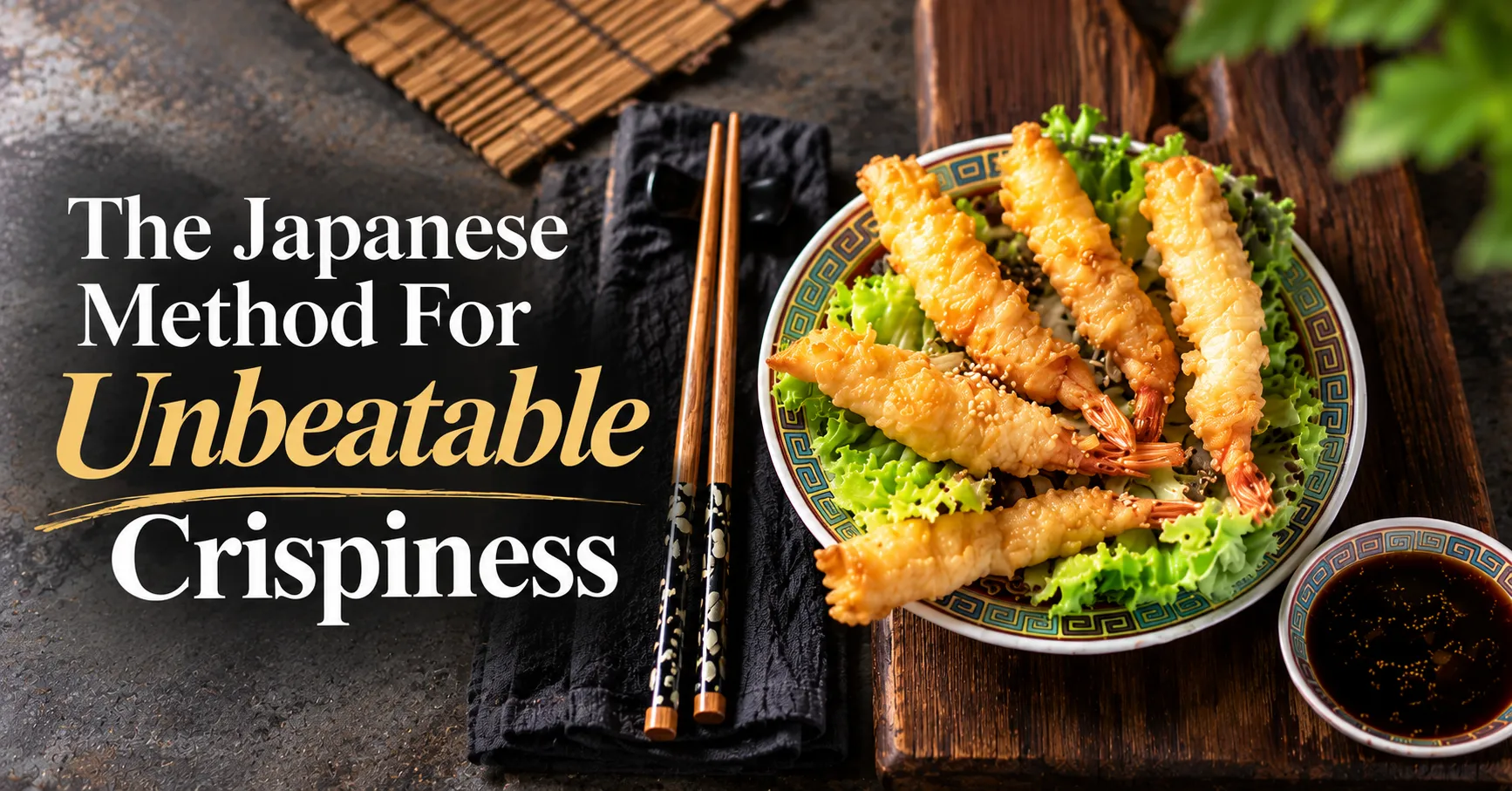
Japanese-style frying has earned worldwide admiration because it creates food that feels incredibly light while delivering a satisfying crispy texture. The cooking method focuses on enhancing the natural qualities of each ingredient instead of covering them with thick layers of batter or heavy coatings that overpower flavor.
Tempura stands out because every step is carefully controlled to produce a delicate crust with a tender interior. Professional chefs believe that perfect frying depends on preparation, ingredient quality, batter consistency, oil temperature, and proper timing rather than relying on extremely high heat alone.
 Via Takeout
The result is food that looks beautifully golden while remaining airy and crisp with every bite. Seafood and vegetables retain their freshness, moisture, and original taste, making Japanese frying one of the most refined and respected cooking techniques enjoyed across many different cultures today.
 Via Taste of Home
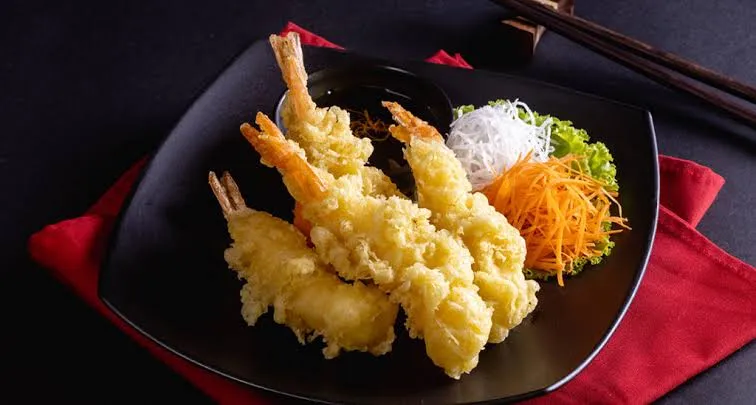
Japanese tempura follows a very different philosophy because it aims to protect the ingredient rather than hide it beneath heavy breading. The coating remains thin enough to preserve the natural appearance, texture, and taste while adding only a delicate layer of crispiness.
This approach creates food that feels lighter without sacrificing texture. Diners experience a pleasant crunch followed by tender vegetables or juicy seafood, making tempura an excellent example of how simple techniques can produce remarkable culinary results through careful attention to detail.
 Via Prima Flour
 Via Chowhund
Even the flour may be stored in a refrigerator or freezer before mixing. Keeping every ingredient cold creates ideal conditions for producing the signature airy crust that has made authentic Japanese tempura famous in restaurants and home kitchens around the world.
 Via CNN
Overmixing strengthens gluten, creating a thicker and chewier coating that works against the goal of producing delicate tempura. A lightly mixed batter remains softer and develops a crisp shell that feels almost weightless while still protecting the ingredient inside.
This simple technique may appear unusual to beginners, yet it remains one of the defining characteristics of traditional tempura preparation. Careful mixing helps maintain the batter's airy quality, allowing seafood and vegetables to develop an elegant crunch without becoming heavy or greasy.
 Via Kansas
 Via Scanning
Many chefs compare this process to creating a barrier that supports even cooking throughout the frying stage. The ingredient keeps its original flavor and moisture while the delicate exterior becomes wonderfully crisp, producing the balanced texture that defines authentic Japanese tempura.
 Via chowhound
Vegetables are often fried at slightly lower temperatures because they cook faster and contain different moisture levels than seafood. Shrimp, fish, and similar ingredients usually perform better in slightly hotter oil, allowing the coating to become golden while the inside stays tender and juicy.
Experienced chefs continuously observe how food behaves inside the fryer instead of depending only on a thermometer. Small adjustments to the temperature throughout the cooking process help create consistently light, crisp, and evenly cooked tempura that highlights the quality of every ingredient.
 Via CIA Foodies
 Via Source Eats
Food that remains under warming lights or sits too long before serving loses much of its signature texture. Even a short delay can reduce the airy crispness, which explains why professional chefs place so much importance on serving freshly fried tempura without unnecessary waiting.
 Via AOL
Some professionals mix a small amount of rice flour or baking powder into the batter to improve texture retention. These ingredients help the coating stay crisp without making it thick, preserving the delicate qualities that distinguish authentic Japanese tempura from many other frying styles.
Certain situations may also require techniques such as double frying or adding a small amount of sugar to encourage gentle caramelization. Every adjustment is carefully measured because the goal remains creating a light coating that enhances rather than hides the ingredient's natural flavor.
 Via Britannica
 Via Recipe30
Some chefs also prepare crab sticks, corn kernels, asparagus, lotus root, zucchini, and leafy greens using the same technique. Since the batter is intentionally thin, every ingredient keeps its distinctive flavor and texture while gaining an elegant layer of crispness that never feels excessive or overpowering.
 Via Taste
Ice-cold water should always be used when mixing the batter, and the ingredients should remain chilled until they enter the hot oil. Gentle mixing, small frying batches, and maintaining the correct oil temperature all contribute to creating the delicate texture associated with authentic Japanese-style frying.
Overcrowding the frying pan should always be avoided because it lowers the oil temperature and reduces crispness. Cooking only a few pieces at a time allows every ingredient to fry evenly, producing a thin golden coating that remains light, airy, and pleasantly crunchy from the first bite to the last.
 Via Pepper
 Via Yahoo
The enduring popularity of tempura proves that outstanding fried food depends on precision instead of complexity. Cold ingredients, gentle batter preparation, careful frying temperatures, and perfect timing work together to produce one of the lightest, crispiest, and most satisfying frying styles enjoyed in kitchens and restaurants around the world.
More in UnassignedVia Takeout
The result is food that looks beautifully golden while remaining airy and crisp with every bite. Seafood and vegetables retain their freshness, moisture, and original taste, making Japanese frying one of the most refined and respected cooking techniques enjoyed across many different cultures today.
What Makes Tempura Different From Other Frying Styles
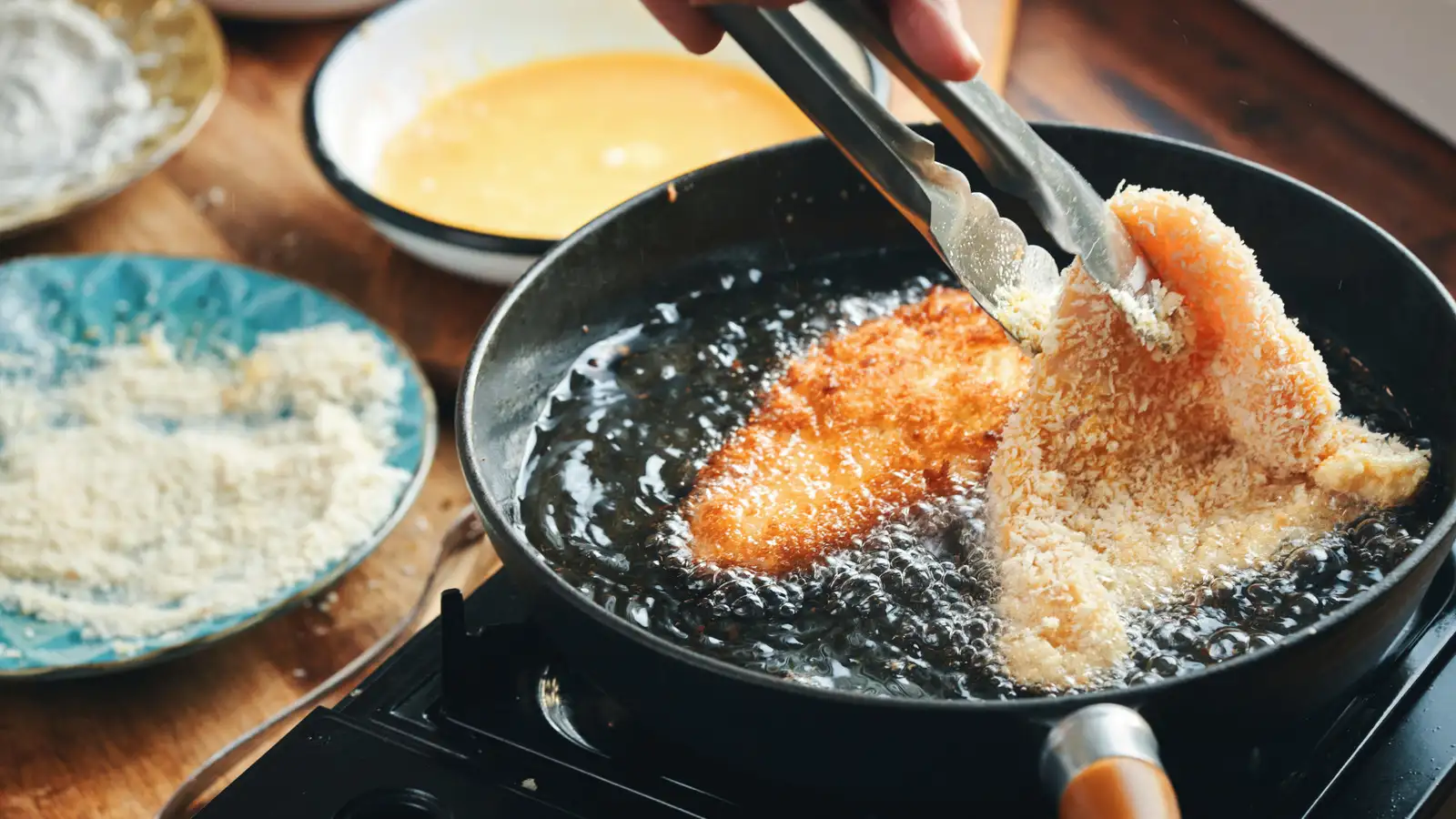
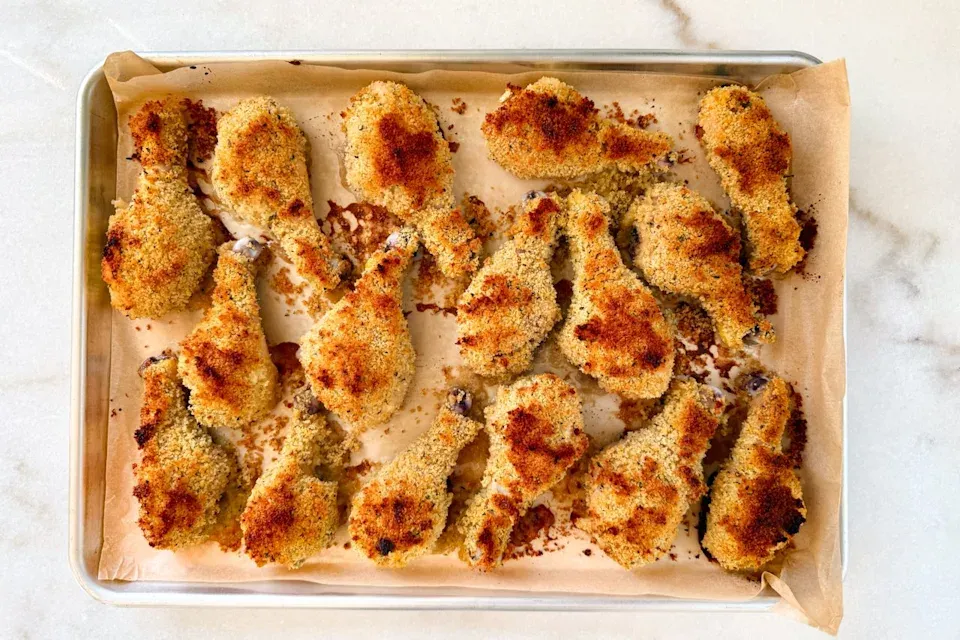
Every culture has developed unique frying traditions that reflect local ingredients and cooking preferences. British fish and chips often use a rich beer batter, while Southern fried chicken depends on seasoned flour coatings that create a thicker crust with bold flavor and satisfying crunch.Via Taste of Home
Japanese tempura follows a very different philosophy because it aims to protect the ingredient rather than hide it beneath heavy breading. The coating remains thin enough to preserve the natural appearance, texture, and taste while adding only a delicate layer of crispiness.
This approach creates food that feels lighter without sacrificing texture. Diners experience a pleasant crunch followed by tender vegetables or juicy seafood, making tempura an excellent example of how simple techniques can produce remarkable culinary results through careful attention to detail.
Via Prima Flour
Cold Batter Plays the Most Important Role
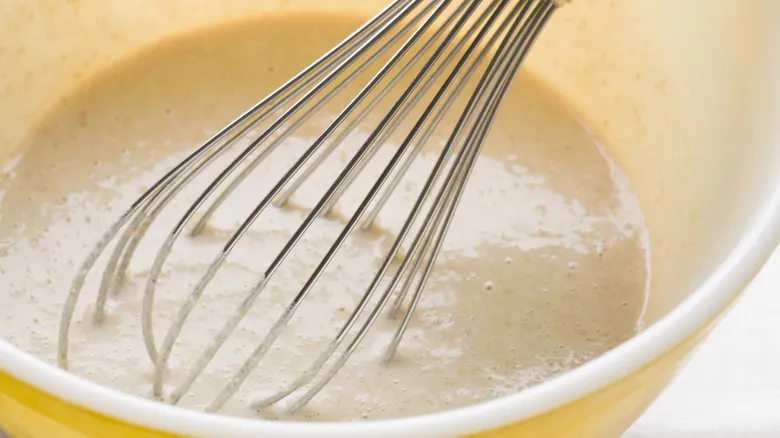
One of the biggest secrets behind exceptional tempura is preparing the batter with very cold ingredients. Professional chefs consistently emphasize that temperature directly affects texture because colder ingredients reduce gluten development, allowing the fried coating to remain crisp instead of becoming chewy or dense. Ice-cold water is commonly used when mixing tempura batter because it helps maintain the delicate consistency needed for perfect frying. Some chefs also prefer chilled sparkling water or club soda since the bubbles contribute additional lightness during the frying process.
Via Chowhund
Even the flour may be stored in a refrigerator or freezer before mixing. Keeping every ingredient cold creates ideal conditions for producing the signature airy crust that has made authentic Japanese tempura famous in restaurants and home kitchens around the world.
Gentle Mixing Keeps the Batter Light
Many cooking methods encourage thorough mixing until the batter becomes perfectly smooth, but tempura requires a completely different approach. Japanese chefs gently combine the ingredients only until everything comes together, leaving small lumps that actually improve the final texture after frying.Via CNN
Overmixing strengthens gluten, creating a thicker and chewier coating that works against the goal of producing delicate tempura. A lightly mixed batter remains softer and develops a crisp shell that feels almost weightless while still protecting the ingredient inside.
This simple technique may appear unusual to beginners, yet it remains one of the defining characteristics of traditional tempura preparation. Careful mixing helps maintain the batter's airy quality, allowing seafood and vegetables to develop an elegant crunch without becoming heavy or greasy.
Via Kansas
Preserving Natural Moisture During Frying
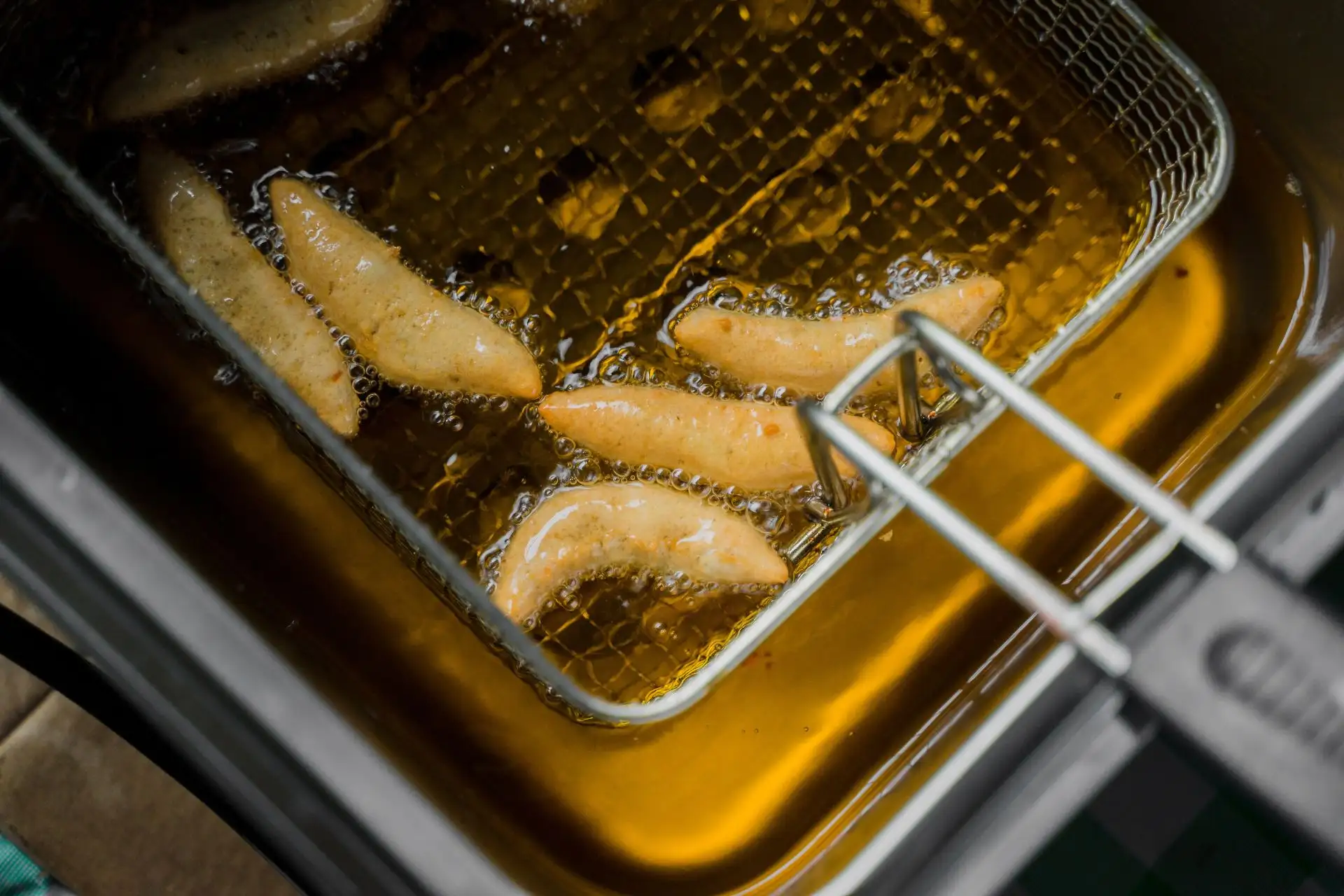
Japanese chefs believe that great frying should improve an ingredient without taking away its natural qualities. Instead of allowing moisture to escape during cooking, the thin batter forms a light protective layer that seals in juices while the outside develops an attractive golden and crispy texture. This gentle coating helps seafood remain tender, and vegetables stay pleasantly soft inside after frying. The crisp shell creates an enjoyable contrast without overwhelming the ingredient, allowing every bite to deliver freshness together with a satisfying crunch that feels clean rather than overly rich.Via Scanning
Many chefs compare this process to creating a barrier that supports even cooking throughout the frying stage. The ingredient keeps its original flavor and moisture while the delicate exterior becomes wonderfully crisp, producing the balanced texture that defines authentic Japanese tempura.
The Importance of Oil Temperature
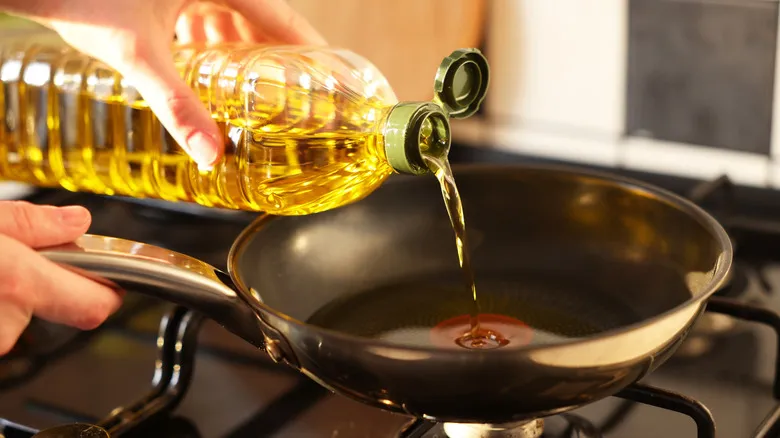
Oil temperature has a significant influence on the final quality of tempura because every ingredient reacts differently during frying. Maintaining the correct heat ensures that the coating becomes crisp quickly while preventing the batter from absorbing excess oil that could make the food feel heavy.
Via chowhound
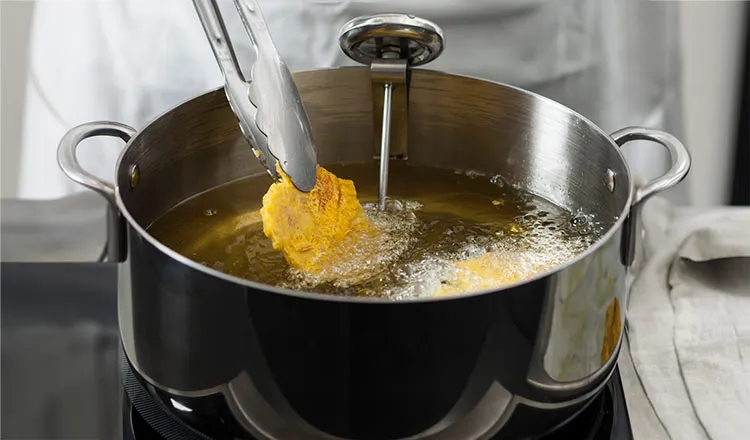
Vegetables are often fried at slightly lower temperatures because they cook faster and contain different moisture levels than seafood. Shrimp, fish, and similar ingredients usually perform better in slightly hotter oil, allowing the coating to become golden while the inside stays tender and juicy.
Experienced chefs continuously observe how food behaves inside the fryer instead of depending only on a thermometer. Small adjustments to the temperature throughout the cooking process help create consistently light, crisp, and evenly cooked tempura that highlights the quality of every ingredient.
Via CIA Foodies
Timing Is Just as Important as Technique
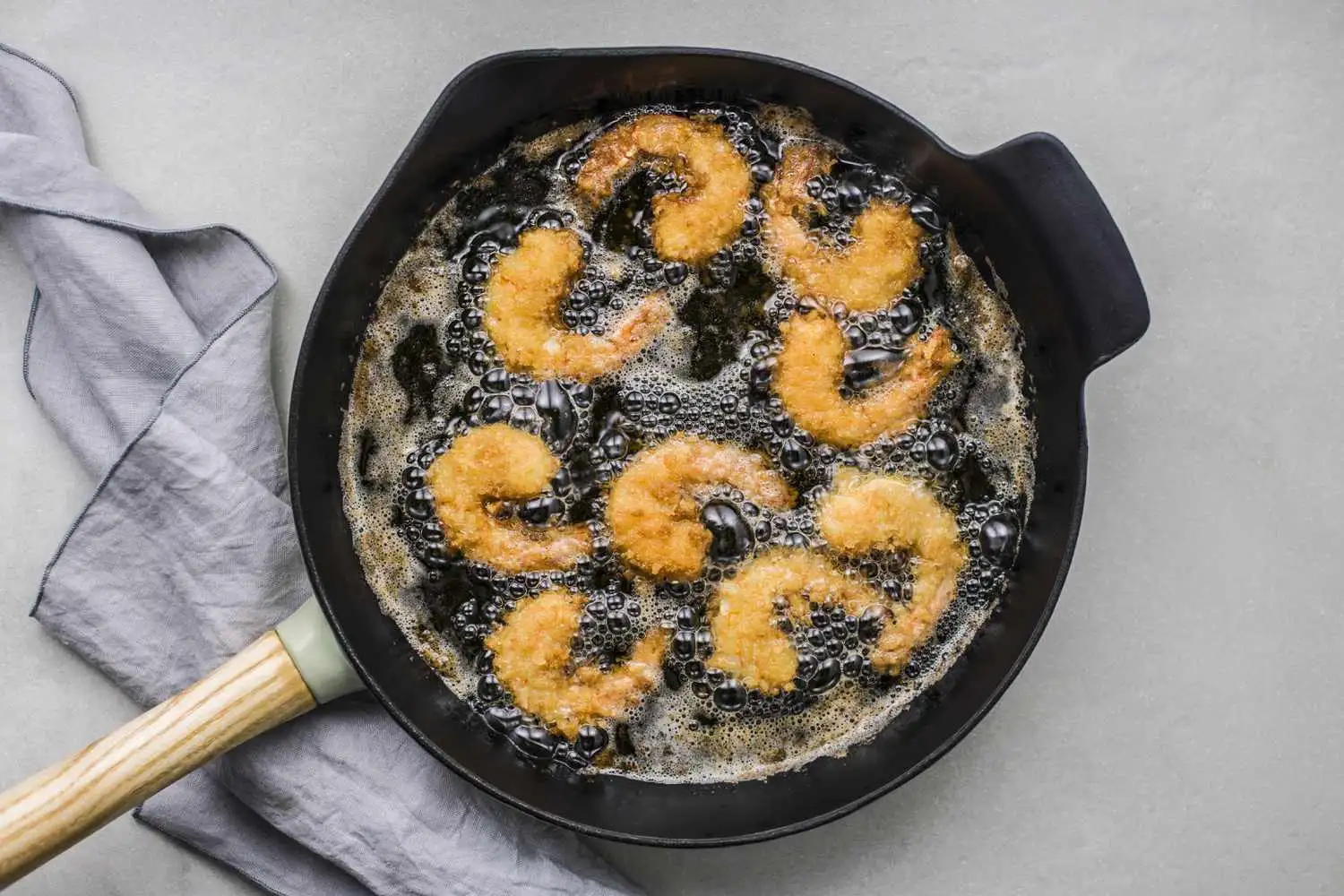
Perfect tempura is meant to be enjoyed almost immediately after leaving the hot oil because its delicate texture changes very quickly. The famous crispness begins to soften within minutes, making careful timing one of the most important parts of successful Japanese-style frying. Traditional tempura restaurants often serve each piece only seconds after it finishes cooking. This quick presentation allows diners to experience the remarkable contrast between the crispy outer layer and the moist interior before steam gradually softens the delicate coating.Via Source Eats
Food that remains under warming lights or sits too long before serving loses much of its signature texture. Even a short delay can reduce the airy crispness, which explains why professional chefs place so much importance on serving freshly fried tempura without unnecessary waiting.
Professional Adjustments for Better Results
Restaurant chefs often modify their tempura batter according to the serving environment while still respecting traditional preparation methods. Small adjustments help maintain crispness when food must remain fresh for slightly longer periods before reaching the customer or dining table.
Via AOL
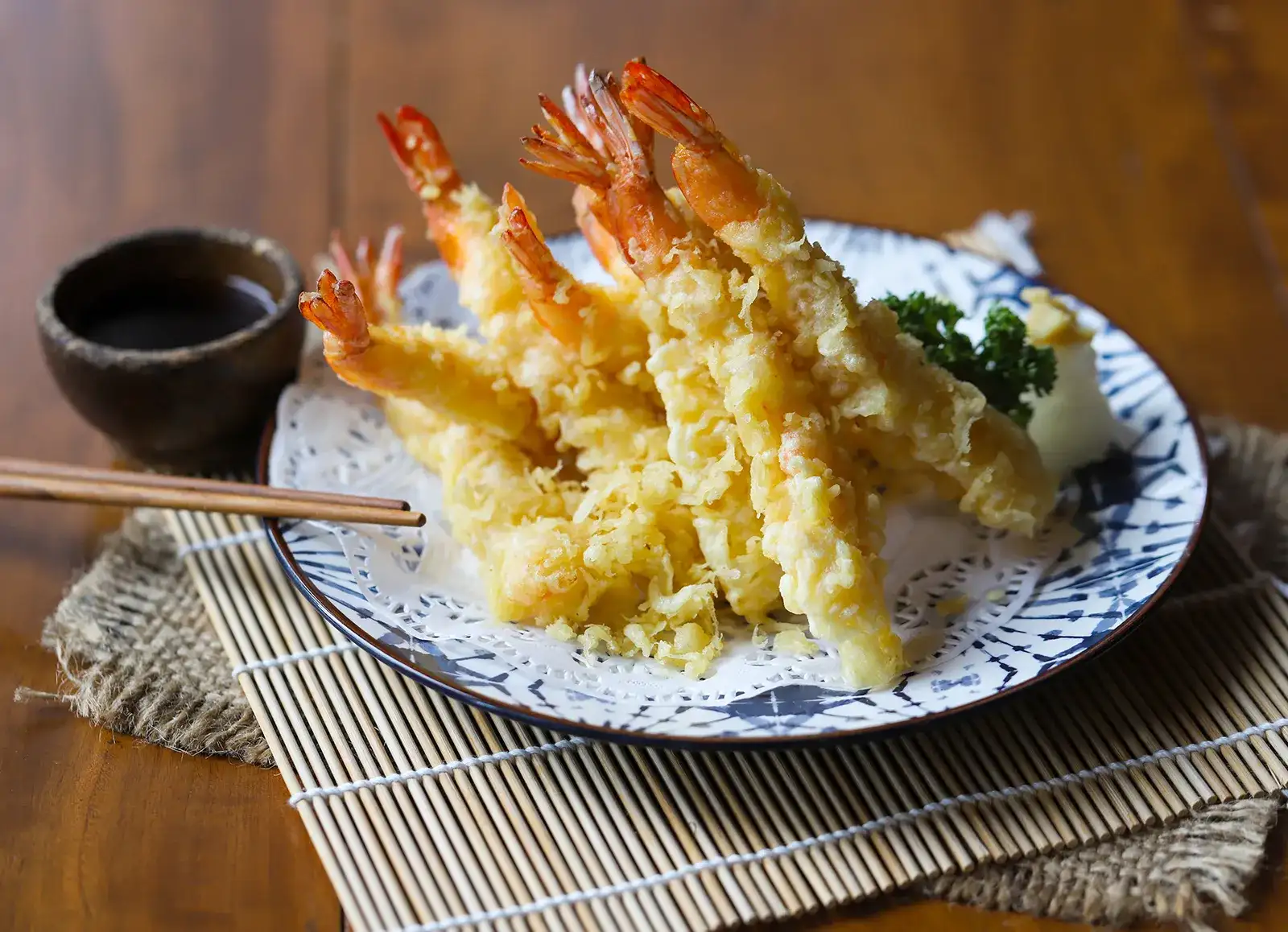
Some professionals mix a small amount of rice flour or baking powder into the batter to improve texture retention. These ingredients help the coating stay crisp without making it thick, preserving the delicate qualities that distinguish authentic Japanese tempura from many other frying styles.
Certain situations may also require techniques such as double frying or adding a small amount of sugar to encourage gentle caramelization. Every adjustment is carefully measured because the goal remains creating a light coating that enhances rather than hides the ingredient's natural flavor.
Via Britannica
The Best Ingredients for Perfect Tempura
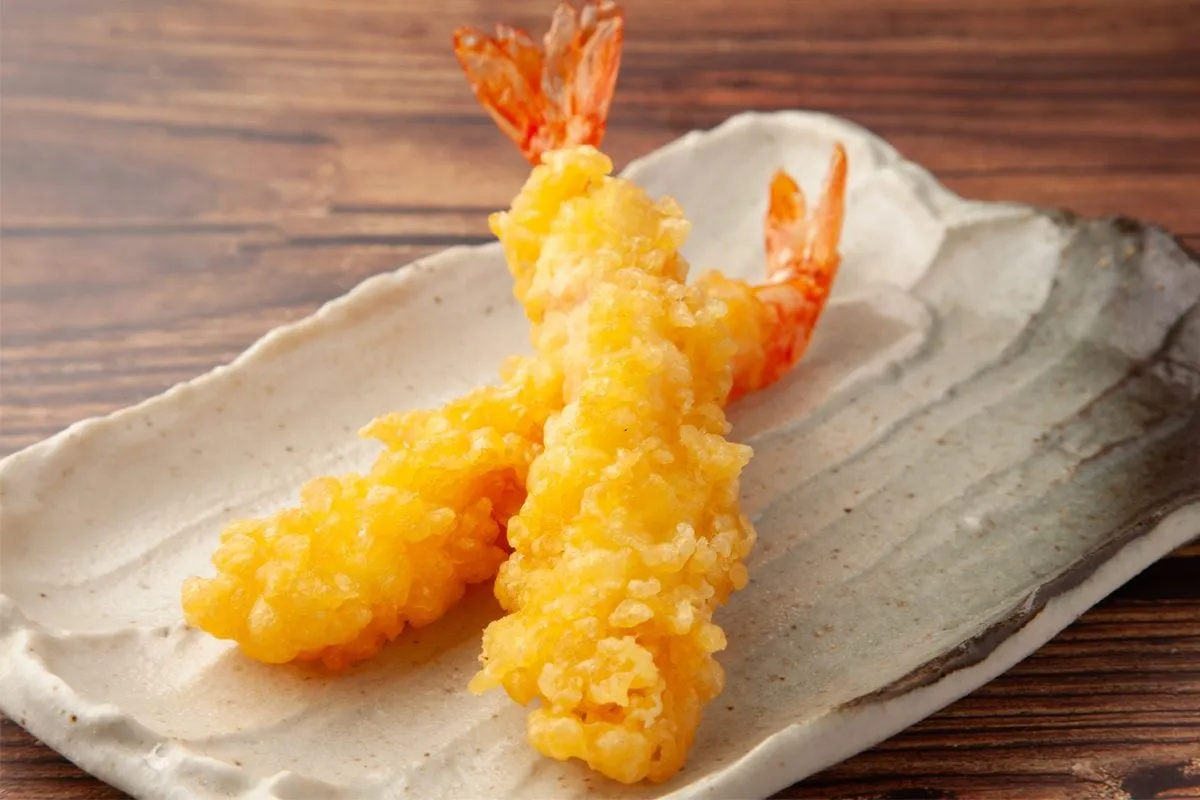
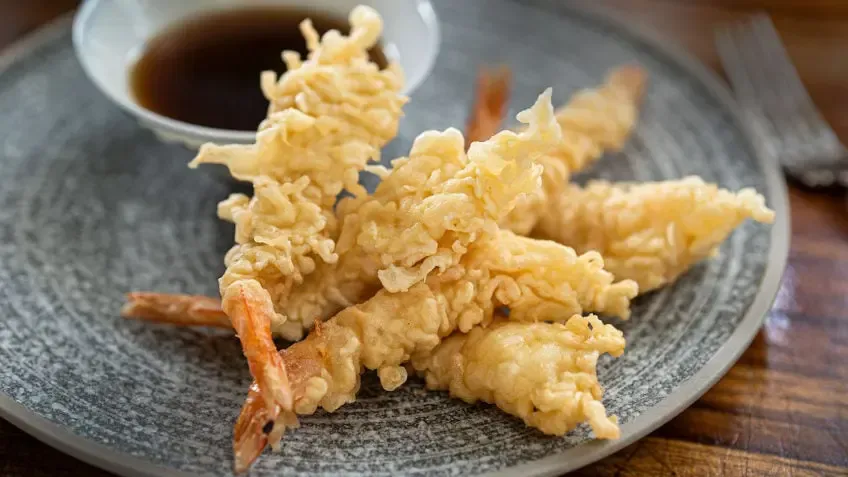
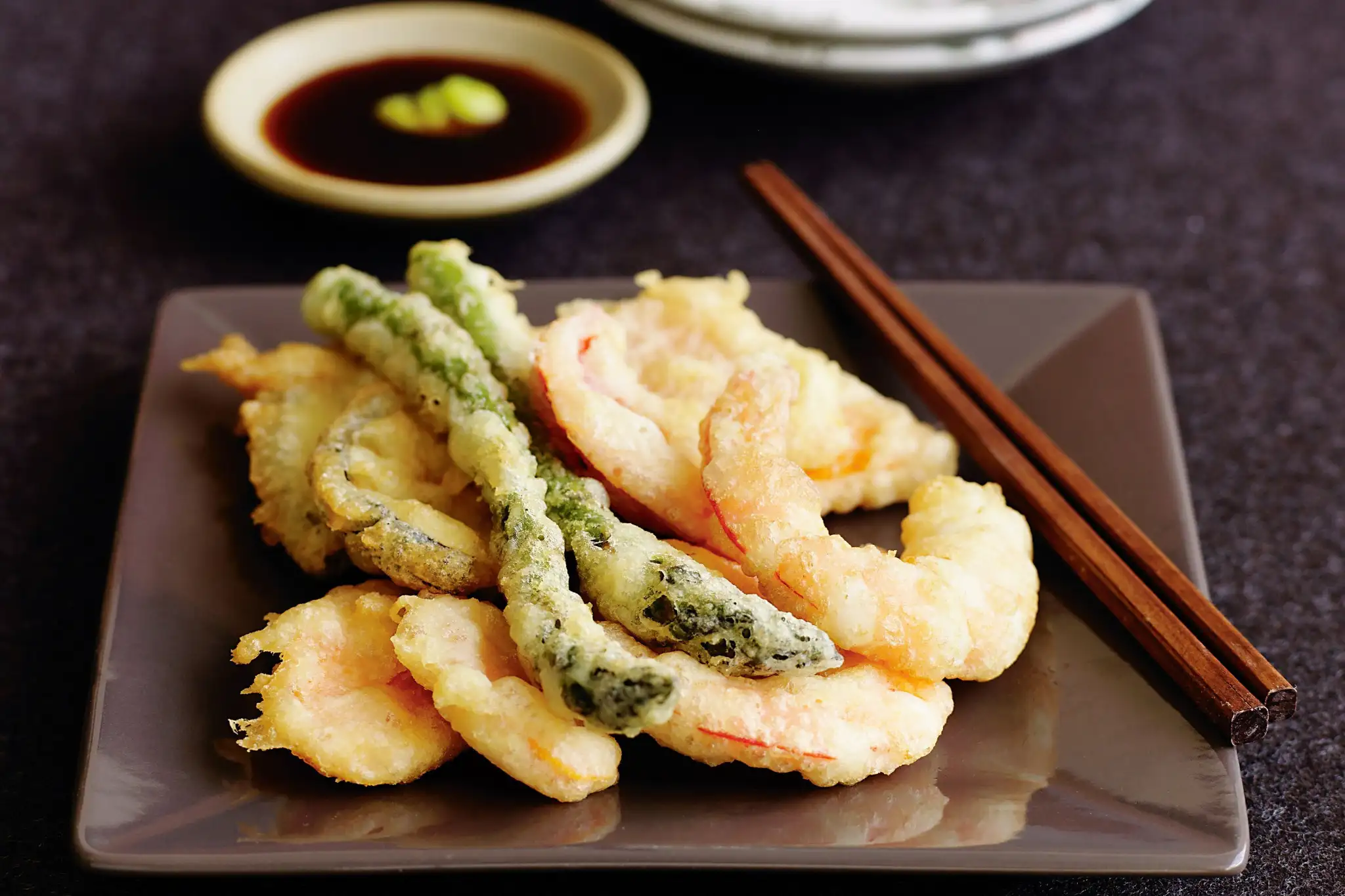
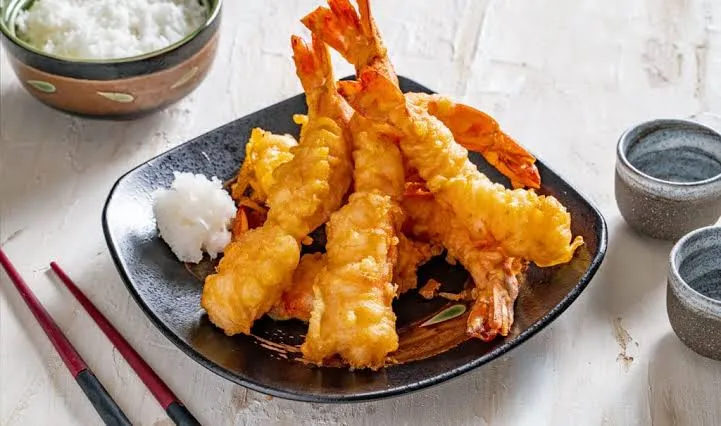
One of the greatest strengths of Japanese-style frying is its versatility because many different ingredients respond beautifully to the light batter. Shrimp remains the most recognizable choice, yet fish, squid, mushrooms, sweet potatoes, eggplant, green beans, broccoli, pumpkin, and seasonal vegetables also produce outstanding results when prepared correctly. Fresh ingredients always create the most satisfying texture because they contain natural moisture that remains protected during frying. Even delicate vegetables develop a crisp exterior while maintaining their original sweetness, making tempura an excellent way to enjoy seasonal produce without masking its natural qualities.
Via Recipe30
Some chefs also prepare crab sticks, corn kernels, asparagus, lotus root, zucchini, and leafy greens using the same technique. Since the batter is intentionally thin, every ingredient keeps its distinctive flavor and texture while gaining an elegant layer of crispness that never feels excessive or overpowering.
Simple Tips for Making Light Tempura at Home
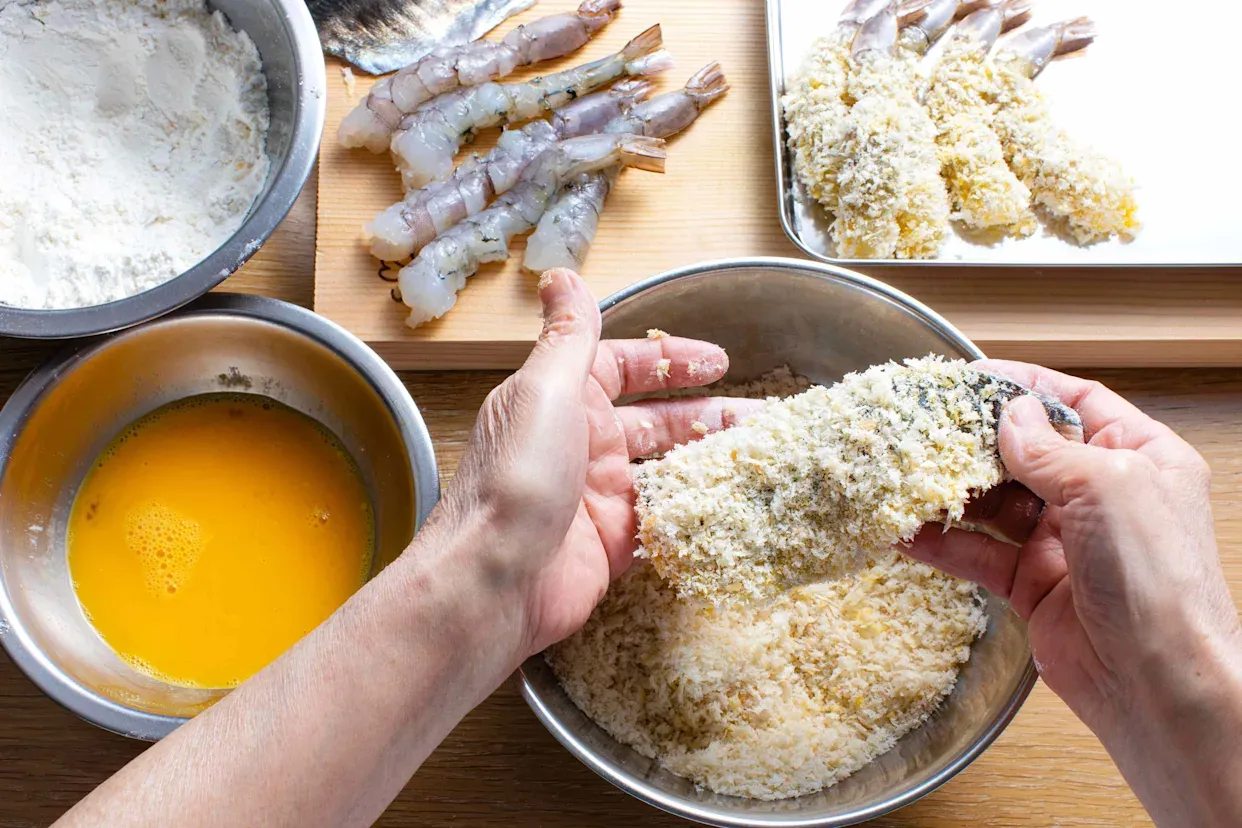
Preparing excellent tempura at home becomes much easier when a few important techniques are followed consistently from start to finish. Many professional chefs recommend beginning with a quality tempura flour mix because it simplifies preparation while helping beginners achieve dependable results during their first attempts.Via Taste
Ice-cold water should always be used when mixing the batter, and the ingredients should remain chilled until they enter the hot oil. Gentle mixing, small frying batches, and maintaining the correct oil temperature all contribute to creating the delicate texture associated with authentic Japanese-style frying.
Overcrowding the frying pan should always be avoided because it lowers the oil temperature and reduces crispness. Cooking only a few pieces at a time allows every ingredient to fry evenly, producing a thin golden coating that remains light, airy, and pleasantly crunchy from the first bite to the last.
Via Pepper
Why Japanese-Style Frying Continues to Impress Chefs
Japanese-style frying continues to earn praise from professional chefs because it combines simple ingredients with disciplined technique to create extraordinary results. Every stage, from preparing cold batter to controlling oil temperature and serving food immediately, contributes to the remarkable texture that defines authentic tempura. Rather than relying on thick coatings or strong seasonings, this cooking method celebrates balance by allowing seafood and vegetables to remain the true highlight of every serving. The delicate batter enhances natural flavor while preserving tenderness, freshness, and moisture beneath an exceptionally crisp outer layer.Via Yahoo
The enduring popularity of tempura proves that outstanding fried food depends on precision instead of complexity. Cold ingredients, gentle batter preparation, careful frying temperatures, and perfect timing work together to produce one of the lightest, crispiest, and most satisfying frying styles enjoyed in kitchens and restaurants around the world.