Unassigned
What a Etiquette Expert Would Never Do in a Hotel?
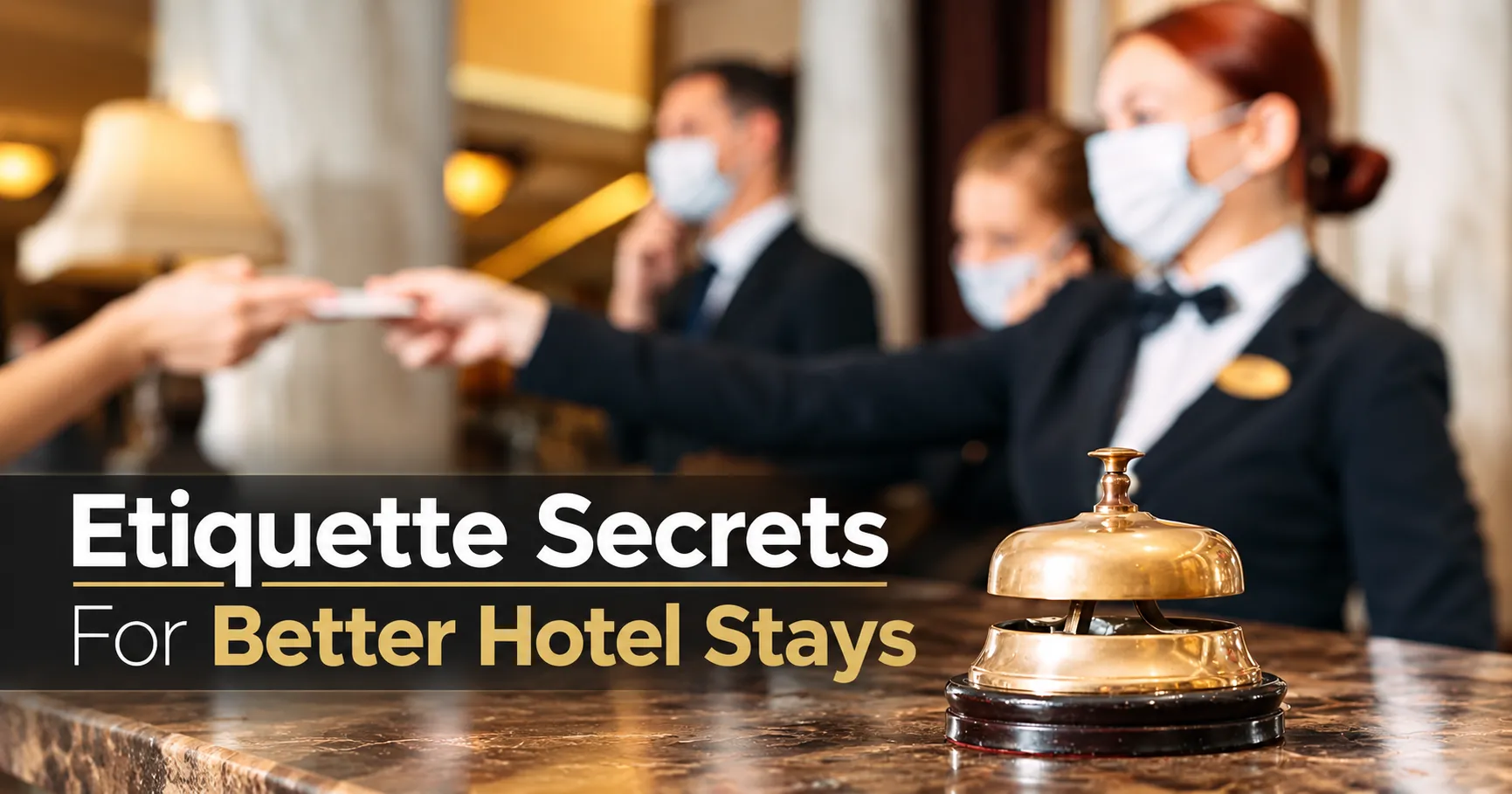
Hotels are designed to provide comfort, relaxation, and professional service while relying on mutual respect between guests and staff. Although travelers appreciate luxurious rooms, excellent dining, and convenient facilities, good manners remain essential to an enjoyable stay. Every interaction, from check-in to departure, helps create a positive atmosphere that benefits guests, employees, and everyone sharing the property.
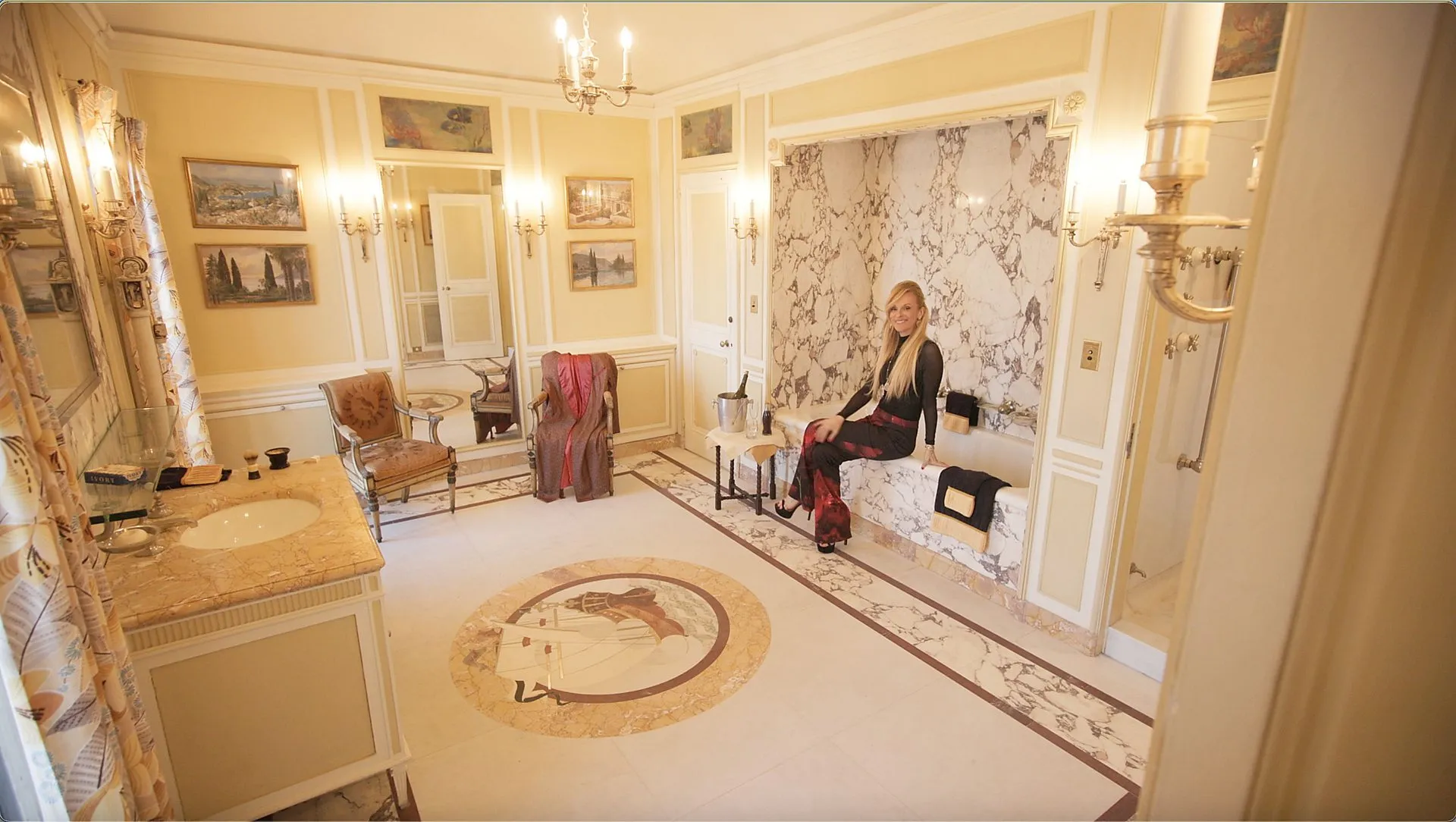
British etiquette expert William Hanson believes that hotel etiquette reflects a person's character more than many people realize. According to him, travelers often forget their everyday manners because they see hotels as commercial spaces where payment gives unlimited freedom. This attitude can lead to disrespectful behavior toward employees, unnecessary noise, untidy rooms, and poor treatment of shared spaces.
 Via BBC
Simple acts of courtesy create a better experience for everyone involved. Respectful communication, thoughtful behavior, and appreciation for hotel staff not only improve personal stays but also help maintain a welcoming environment for fellow guests. These timeless etiquette principles continue to be relevant whether staying in a budget hotel, a boutique property, or a luxury resort.
 Via Best Life
Respectful conduct also reflects appreciation for the work performed by hotel teams. Receptionists, housekeepers, concierge staff, restaurant employees, and maintenance workers all contribute to creating a comfortable experience. Politeness acknowledges their efforts and encourages positive interactions throughout the visit.
Modern travel often emphasizes convenience and luxury, but manners remain equally valuable. A traveler who treats others kindly leaves a lasting positive impression, while rude behavior can affect both employees and fellow guests long after checkout.
 Via TIME
 Via FinanceBuzz
Viewing hotel employees as service professionals rather than personal servants creates healthier relationships throughout the stay. Courtesy costs nothing, yet it significantly improves interactions between guests and staff while maintaining a welcoming atmosphere for everyone.
 Via Entrepreneurships, Startups
If a room has not been cleaned, towels are unsuitable, or another issue affects comfort, respectful communication provides the best solution. Speaking calmly and clearly allows staff to address the concern before it becomes a lasting disappointment.
Confidence and courtesy can exist together. Expressing concerns in a respectful manner demonstrates maturity rather than rudeness, making it easier for hotel employees to resolve issues quickly and professionally.
 Via Policy Options
 Via Cvent
Professional courtesy benefits both guests and hotel staff. A respectful attitude encourages positive interactions, reduces tension during busy periods, and helps create a welcoming atmosphere from the very first conversation, making the overall hospitality experience.
 Via FPG
William Hanson recommends using staff members' names whenever possible. Reading a name badge or remembering an introduction transforms an ordinary interaction into a more personal conversation, helping employees feel valued rather than overlooked.
Small gestures of recognition often leave lasting impressions. When people feel appreciated as individuals instead of simply performing a function, they are naturally more motivated to provide thoughtful and attentive service.
 Via NewBook
 Via TITECH
Respect should never be viewed as a strategy solely for receiving benefits. Genuine courtesy creates meaningful human connections, while any additional privileges naturally become welcome bonuses rather than expectations, reinforcing sincerity in how people treat one another.
 Via Magnific
Addressing concerns calmly allows hotel staff to investigate problems and provide timely solutions. Most hotels value immediate feedback because it allows them to improve the guest experience before checkout and ensure greater satisfaction.
Waiting until returning home to express dissatisfaction often limits practical solutions. Courteous communication during the stay is usually more effective than remaining silent and then sharing negative public criticism after the visit has already ended.
 Via Goaudits
 Via Igniting
Balanced reviews give future travelers a more accurate picture of the hotel while recognizing hardworking staff whose dedication and professionalism contribute greatly to positive, memorable, and enjoyable guest experiences throughout their stay.
 Via XHLUX
Not every hotel guest follows the same daily routine. Some work overnight shifts, recover from long international flights, or simply need uninterrupted sleep after busy days of sightseeing, conferences, or business meetings to feel fully rested and refreshed.
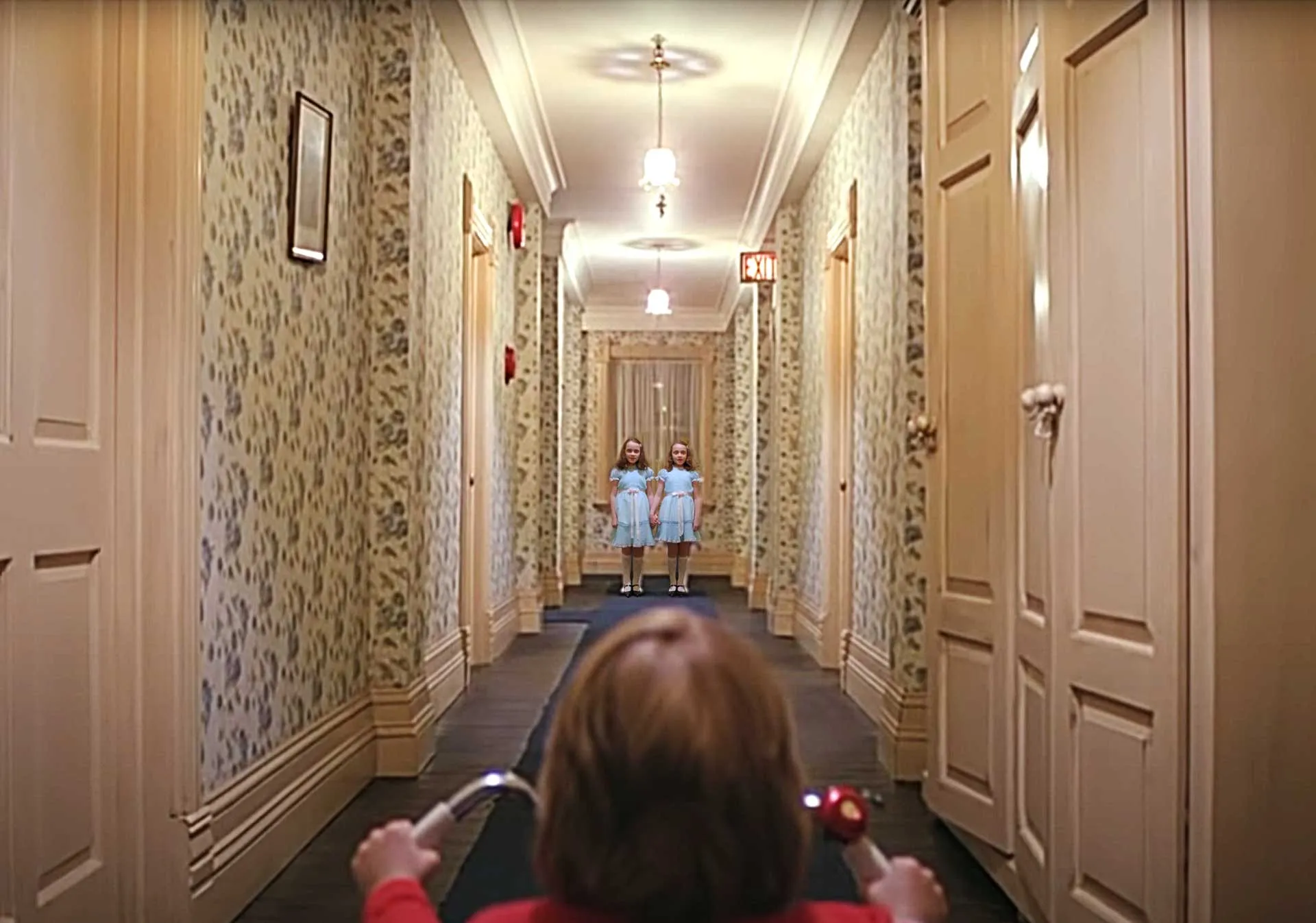
William Hanson compares hotel corridors to peaceful spaces that deserve calm and quiet. Respecting this shared environment shows consideration for fellow guests whose schedules, needs, and personal circumstances remain unknown behind their closed room doors.
 Via Cocif
 Via Hotelones
Many hotels now install refillable bathroom dispensers as part of sustainability efforts, reducing waste while discouraging unnecessary removal of toiletry containers. Respecting these policies supports responsible hospitality practices, helping reduce environmental impact and promote more sustainable hotel operations.
 Via Magnific
William Hanson believes these services exist to enhance the guest experience by providing comfort, convenience, and professional support throughout a stay. Requesting luggage assistance allows trained staff to carry out responsibilities that are part of their hospitality role.
Accepting available assistance should not be viewed as taking advantage of employees. Respectful requests, combined with genuine appreciation, acknowledge the value of hospitality services while allowing staff to perform their duties with professionalism and deliver the level of service guests expect.
 Via The Points Guy
 Via ADA Cosmetics
Hotels exist to provide comfort, rest, and memorable experiences. Travelers who combine kindness with consideration not only enjoy smoother interactions throughout their visits but also leave behind positive impressions that reflect the enduring value of genuine etiquette and respectful travel behavior.
More in UnassignedVia BBC
Simple acts of courtesy create a better experience for everyone involved. Respectful communication, thoughtful behavior, and appreciation for hotel staff not only improve personal stays but also help maintain a welcoming environment for fellow guests. These timeless etiquette principles continue to be relevant whether staying in a budget hotel, a boutique property, or a luxury resort.
Why Does Hotel Etiquette Still Matter?
Hotels welcome guests from different countries, cultures, and backgrounds every day. Since so many people share the same building, considerate behavior helps everyone enjoy their stay without unnecessary disturbances. Good etiquette creates harmony between visitors and hotel employees while making shared spaces more pleasant.Via Best Life
Respectful conduct also reflects appreciation for the work performed by hotel teams. Receptionists, housekeepers, concierge staff, restaurant employees, and maintenance workers all contribute to creating a comfortable experience. Politeness acknowledges their efforts and encourages positive interactions throughout the visit.
Modern travel often emphasizes convenience and luxury, but manners remain equally valuable. A traveler who treats others kindly leaves a lasting positive impression, while rude behavior can affect both employees and fellow guests long after checkout.
Via TIME
Why People Behave Differently in Hotels
Many travelers act differently once they enter a hotel because they feel that paying for accommodation gives them greater freedom than they would have at home. This commercial mindset sometimes leads people to ignore everyday standards of courtesy that they normally follow in familiar surroundings. William Hanson believes this attitude explains why some guests leave rooms in extremely poor condition or speak disrespectfully to staff members. Financial transactions may provide access to hotel services, but they never remove the responsibility to behave respectfully toward others.Via FinanceBuzz
Viewing hotel employees as service professionals rather than personal servants creates healthier relationships throughout the stay. Courtesy costs nothing, yet it significantly improves interactions between guests and staff while maintaining a welcoming atmosphere for everyone.
Politeness Should Never Mean Silence
Many British travelers have a reputation for being polite, yet Hanson points out that politeness should not prevent guests from raising genuine concerns. Ignoring problems during a stay only to write an angry review afterward rarely benefits either the guest or the hotel.
Via Entrepreneurships, Startups
If a room has not been cleaned, towels are unsuitable, or another issue affects comfort, respectful communication provides the best solution. Speaking calmly and clearly allows staff to address the concern before it becomes a lasting disappointment.
Confidence and courtesy can exist together. Expressing concerns in a respectful manner demonstrates maturity rather than rudeness, making it easier for hotel employees to resolve issues quickly and professionally.
Via Policy Options
Making a Positive First Impression at Check-In
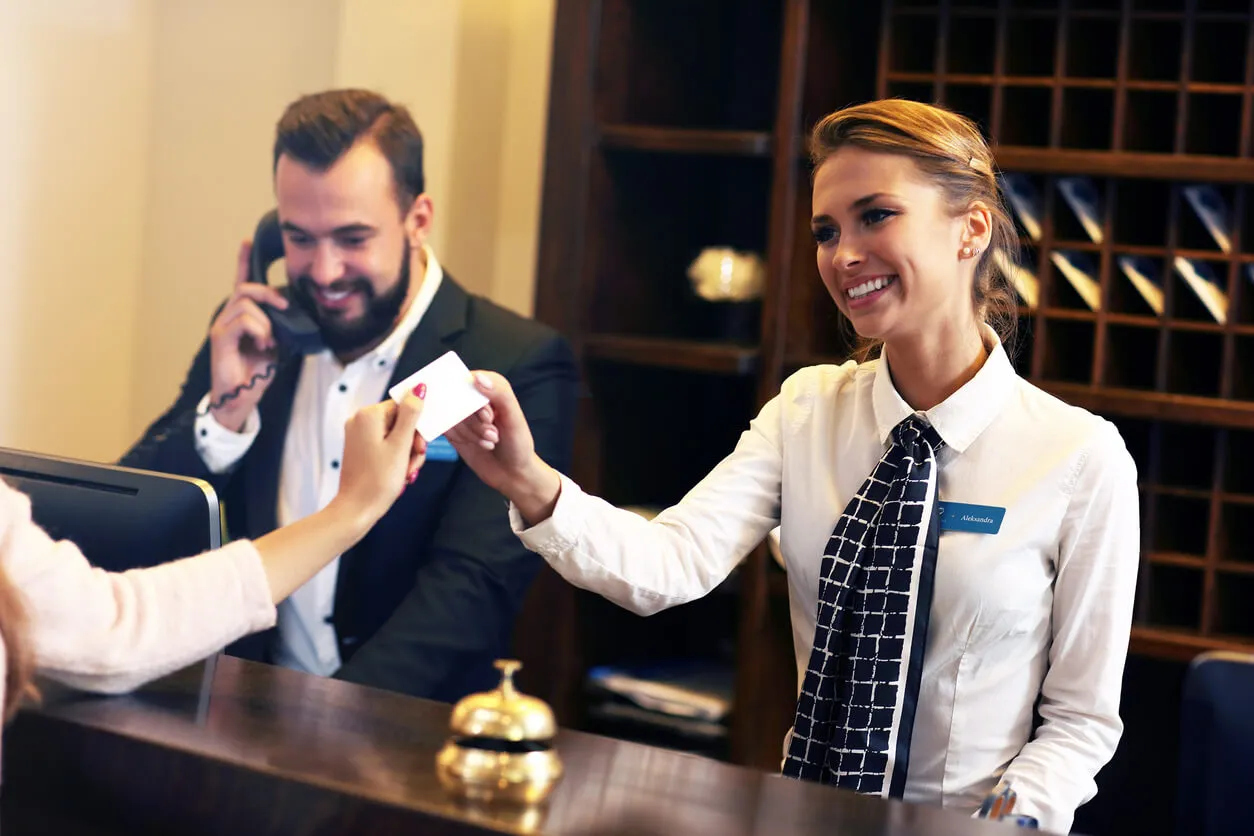
The check-in desk is often the first point of contact between guests and hotel staff. Friendly greetings, patience during busy periods, and polite conversation help establish a positive relationship from the beginning of the stay. Employees also form impressions of guests during these first moments. Someone who remains calm during unexpected delays is more likely to receive warm and attentive service than someone who reacts with frustration or impatience.Via Cvent
Professional courtesy benefits both guests and hotel staff. A respectful attitude encourages positive interactions, reduces tension during busy periods, and helps create a welcoming atmosphere from the very first conversation, making the overall hospitality experience.
Respecting Hotel Employees as Individuals
Hotel staff members perform demanding roles that often involve long hours and constant interaction with guests. Treating them with dignity acknowledges their hard work and reinforces mutual respect throughout the stay while improving overall guest experience and service quality standards.Via FPG
William Hanson recommends using staff members' names whenever possible. Reading a name badge or remembering an introduction transforms an ordinary interaction into a more personal conversation, helping employees feel valued rather than overlooked.
Small gestures of recognition often leave lasting impressions. When people feel appreciated as individuals instead of simply performing a function, they are naturally more motivated to provide thoughtful and attentive service.
Via NewBook
Better Service Begins with Better Manners
Many travelers hope for complimentary upgrades or additional hotel perks, yet few recognize that courteous behavior can positively influence their experience. While upgrades are never guaranteed, kindness often encourages staff to provide the best service available. Guests who smile, remain patient, and communicate respectfully create pleasant interactions that employees genuinely appreciate. Hospitality professionals often remember considerate guests because positive encounters stand out during busy workdays.Via TITECH
Respect should never be viewed as a strategy solely for receiving benefits. Genuine courtesy creates meaningful human connections, while any additional privileges naturally become welcome bonuses rather than expectations, reinforcing sincerity in how people treat one another.
The Importance of Speaking Up Politely
Problems occasionally occur even in the finest hotels. Maintenance issues, housekeeping delays, or booking misunderstandings are part of managing large hospitality operations that serve many guests every day, requiring efficient communication and prompt service recovery.
Via Magnific
Addressing concerns calmly allows hotel staff to investigate problems and provide timely solutions. Most hotels value immediate feedback because it allows them to improve the guest experience before checkout and ensure greater satisfaction.
Waiting until returning home to express dissatisfaction often limits practical solutions. Courteous communication during the stay is usually more effective than remaining silent and then sharing negative public criticism after the visit has already ended.
Via Goaudits
Writing Reviews with Balance and Fairness
Online reviews influence travel decisions worldwide, making honesty and fairness especially important for future guests. Many travelers quickly share disappointing experiences but often overlook exceptional service, professionalism, and thoughtful hospitality. William Hanson encourages travelers to write positive reviews when hotel employees exceed expectations. Outstanding breakfasts, attentive housekeeping, helpful concierge assistance, and exceptional customer care all deserve appreciation alongside constructive criticism.
Via Igniting
Balanced reviews give future travelers a more accurate picture of the hotel while recognizing hardworking staff whose dedication and professionalism contribute greatly to positive, memorable, and enjoyable guest experiences throughout their stay.
Keeping Hotel Corridors Peaceful
Hotel corridors connect dozens or even hundreds of guest rooms, making them shared spaces where quiet behavior is essential. Loud conversations, shouting, running, and slamming doors can disturb people attempting to rest at any hour, affecting comfort and overall guest satisfaction.Via XHLUX
Not every hotel guest follows the same daily routine. Some work overnight shifts, recover from long international flights, or simply need uninterrupted sleep after busy days of sightseeing, conferences, or business meetings to feel fully rested and refreshed.
William Hanson compares hotel corridors to peaceful spaces that deserve calm and quiet. Respecting this shared environment shows consideration for fellow guests whose schedules, needs, and personal circumstances remain unknown behind their closed room doors.
Via Cocif
Understanding the Difference Between Souvenirs and Theft
Hotels often provide complimentary amenities intended for guest convenience. Small items such as slippers, sewing kits, cotton pads, or disposable toiletries are generally designed for personal use and may usually be taken home, depending on the hotel's specific policies. Larger items such as towels, bathrobes, bedding, hair dryers, decorative pieces, and electronic equipment remain hotel property. Removing them without permission is considered theft rather than taking a harmless souvenir and may result in additional charges.Via Hotelones
Many hotels now install refillable bathroom dispensers as part of sustainability efforts, reducing waste while discouraging unnecessary removal of toiletry containers. Respecting these policies supports responsible hospitality practices, helping reduce environmental impact and promote more sustainable hotel operations.
Appreciating Concierge and Luggage Services
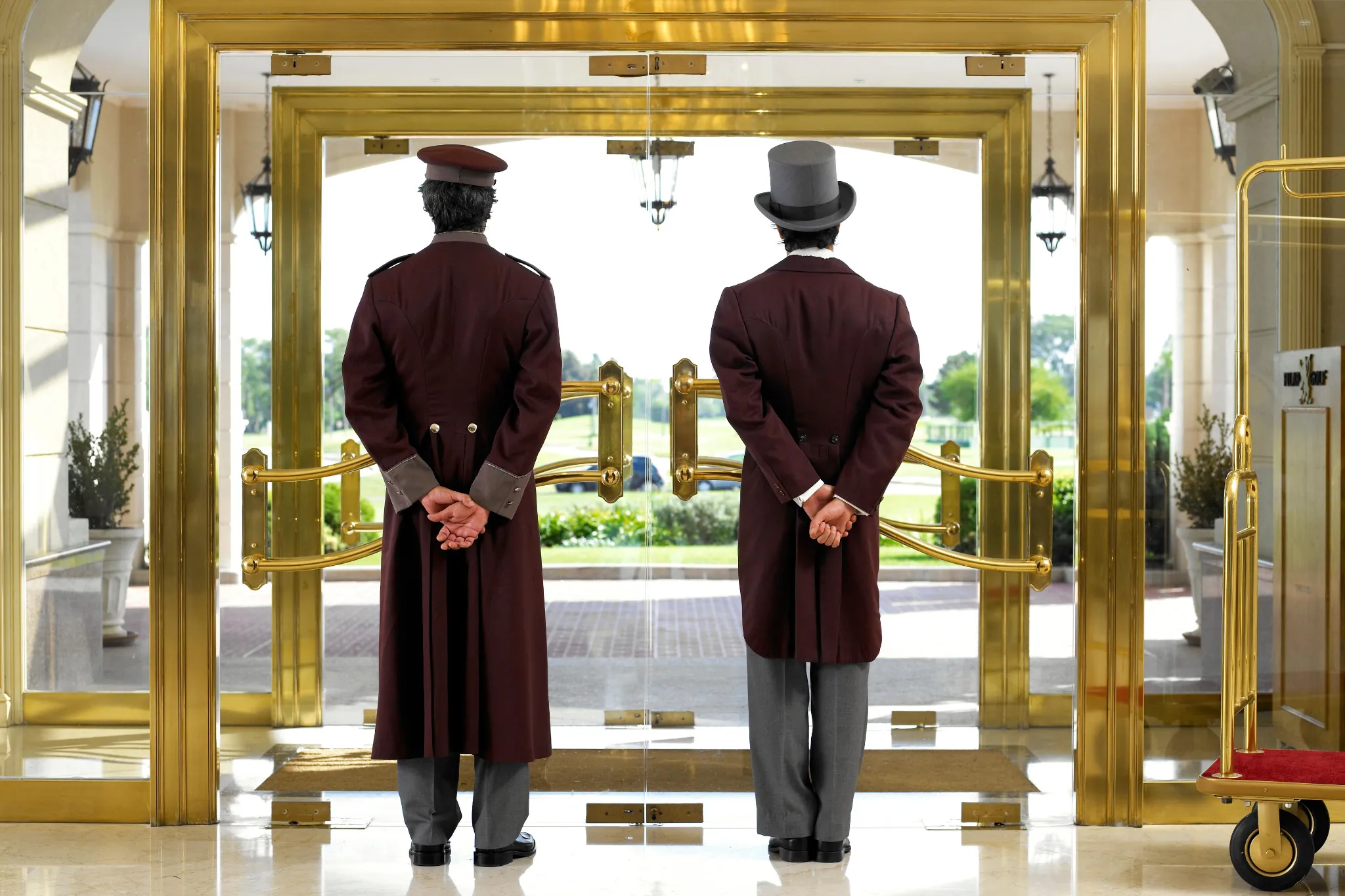
Luxury hotels often provide concierge, porter, or bell services to assist guests with luggage, making arrivals and departures more convenient. These services are designed to improve comfort and ensure a smooth hospitality experience from the moment guests enter the property.
Via Magnific
William Hanson believes these services exist to enhance the guest experience by providing comfort, convenience, and professional support throughout a stay. Requesting luggage assistance allows trained staff to carry out responsibilities that are part of their hospitality role.
Accepting available assistance should not be viewed as taking advantage of employees. Respectful requests, combined with genuine appreciation, acknowledge the value of hospitality services while allowing staff to perform their duties with professionalism and deliver the level of service guests expect.
Via The Points Guy
Creating Better Hotel Experiences Through Courtesy
Good hotel etiquette extends beyond following rules because it reflects respect for shared spaces and the people who make hospitality possible. Every courteous interaction contributes to a more comfortable environment where guests and staff alike benefit from mutual consideration. William Hanson's advice highlights that excellent manners require neither expensive accommodations nor formal training. Speaking politely, keeping noise to a minimum, respecting hotel property, thanking employees, and addressing concerns constructively represent simple habits that improve every stay.Via ADA Cosmetics
Hotels exist to provide comfort, rest, and memorable experiences. Travelers who combine kindness with consideration not only enjoy smoother interactions throughout their visits but also leave behind positive impressions that reflect the enduring value of genuine etiquette and respectful travel behavior.