Unassigned
Richest Men In U.S. History And Their Money Stories
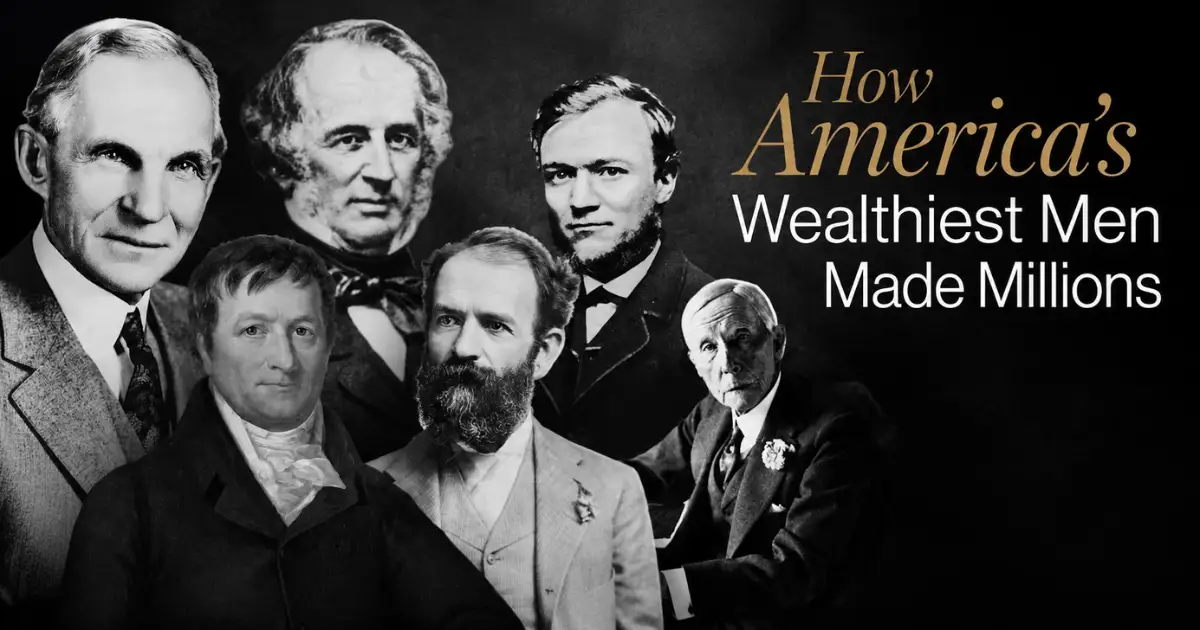
The United States became a powerful place for building personal wealth during a time of fast change. New machines, growing cities, open land, and expanding trade gave business-minded people many chances to grow. Some men used new ideas to build industries that changed daily life. Their stories show how money, power, risk, and opportunity shaped American history.
Many of these rich men lived before strong business rules existed. Antitrust laws, labor protections, and financial regulations were either weak or not yet created. This allowed bold business owners to move fast, buy rivals, control markets, and grow with fewer limits. Some created useful products and services, while others used harsh methods that hurt workers, investors, and smaller companies.
 Via History Snob
Their fortunes did more than make families wealthy. Their money helped build railroads, factories, libraries, universities, and new industries. Their business actions also created public anger over unfair markets and extreme inequality. Over time, their success pushed the country to create stronger laws so wealth and power could not stay unchecked forever.
 Via Thought Co
This trade helped him build one of the first great fortunes in America. Astor became even stronger when foreign fur companies were blocked from some U.S. territories. This gave his business a major advantage in the western frontier. His success showed how government support could help a business grow quickly.
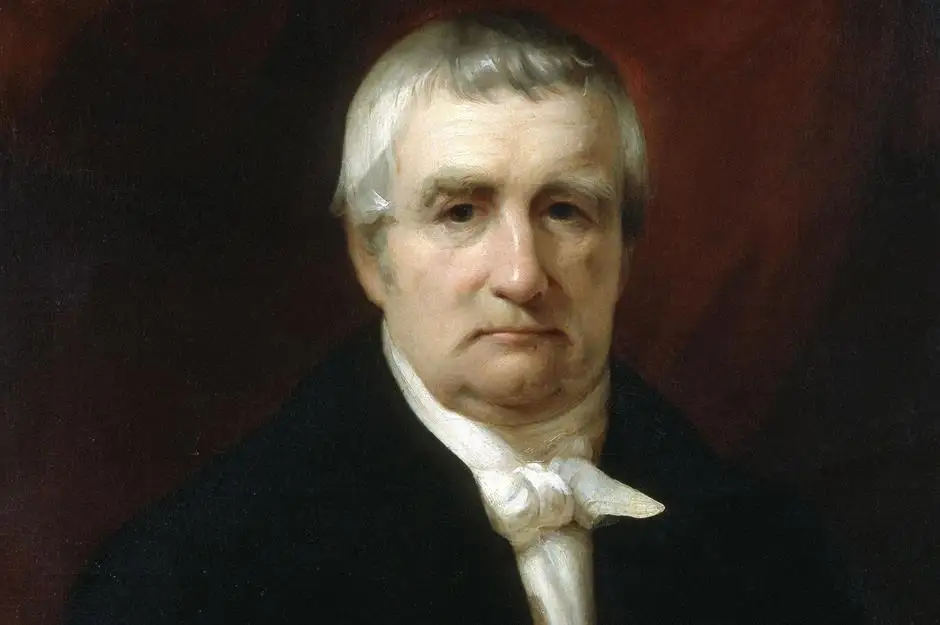
With fewer rivals in key areas, Astor gained more control over one of the most profitable trades of his time. His biggest move came when he used fur money to buy land in Manhattan. As New York City grew, that land became extremely valuable. Astor’s real estate holdings turned him into America’s first multimillionaire.
 Via Lone Money
After his de@th, part of Astor’s fortune was directed toward public causes that served ordinary people, not just wealthy families. One of his most important gifts was a $400,000 donation to create a free public library in Manhattan. That donation later became part of the foundation that helped form the New York Public Library, turning private wealth into a lasting public resource for education, reading, and community learning.
 Via History
During the California Gold Rush, Vanderbilt found another way to grow richer. He created a faster travel route to California by using steamships and an overland path through Nicaragua. This made travel easier for people chasing gold and gave Vanderbilt massive yearly profits. His shipping empire became one of the strongest businesses in America.
The success of this route brought Vanderbilt enormous profits. At the height of the Gold Rush, his transportation empire was reportedly earning around $1 million a year, an extraordinary amount of money for the mid-19th century. His ability to move large numbers of passengers safely and efficiently helped strengthen his reputation as one of America’s most capable entrepreneurs.
 Via Trainz
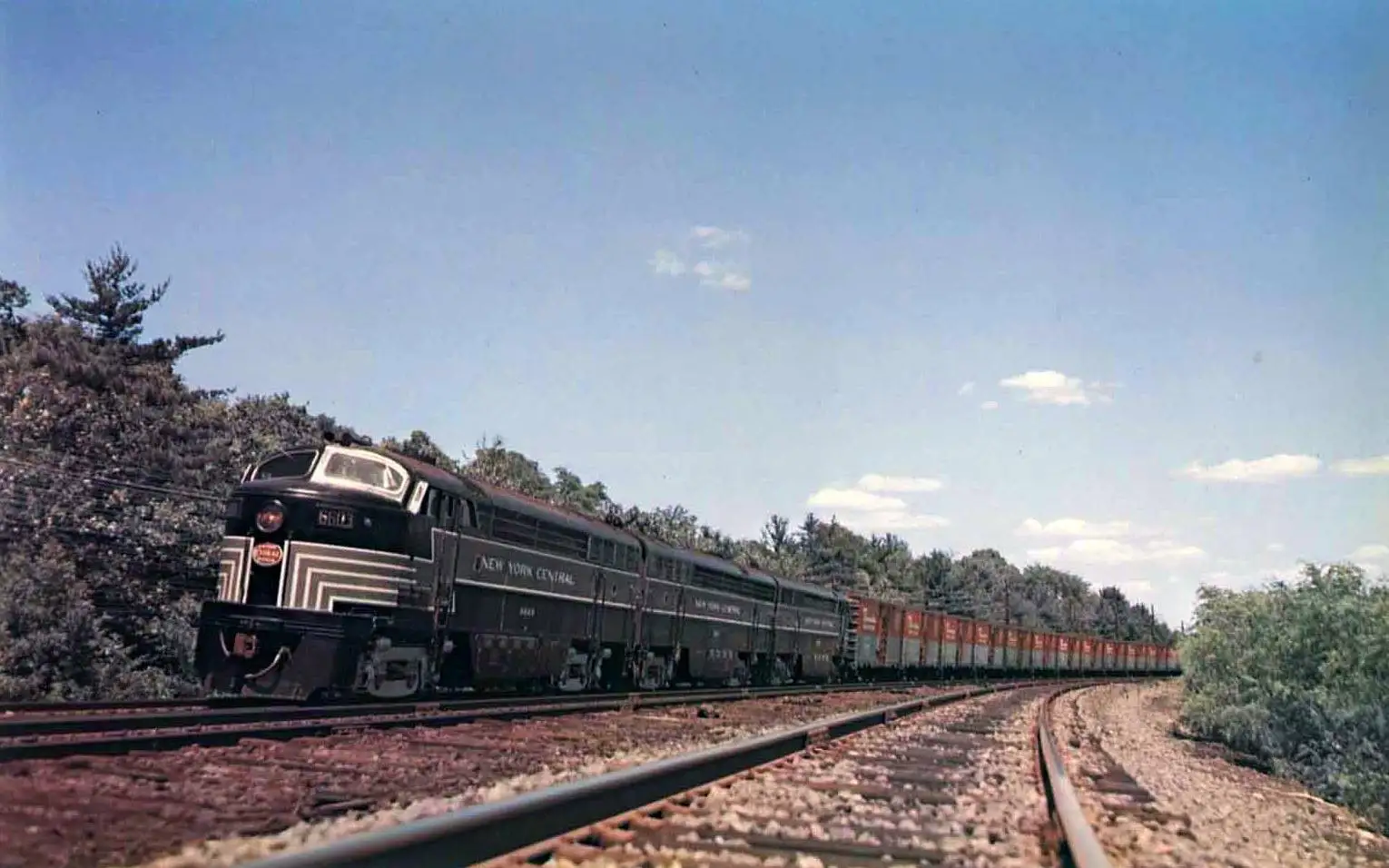
Vanderbilt later moved into railroads when trains began changing the country. Railroads lowered the cost of moving goods and people across long distances. Vanderbilt bought major rail lines and used the same ideas that worked in shipping: lower prices, strong service, and tough competition. His rail investments made him far richer before his de@th in 1877.
 Via American Rails
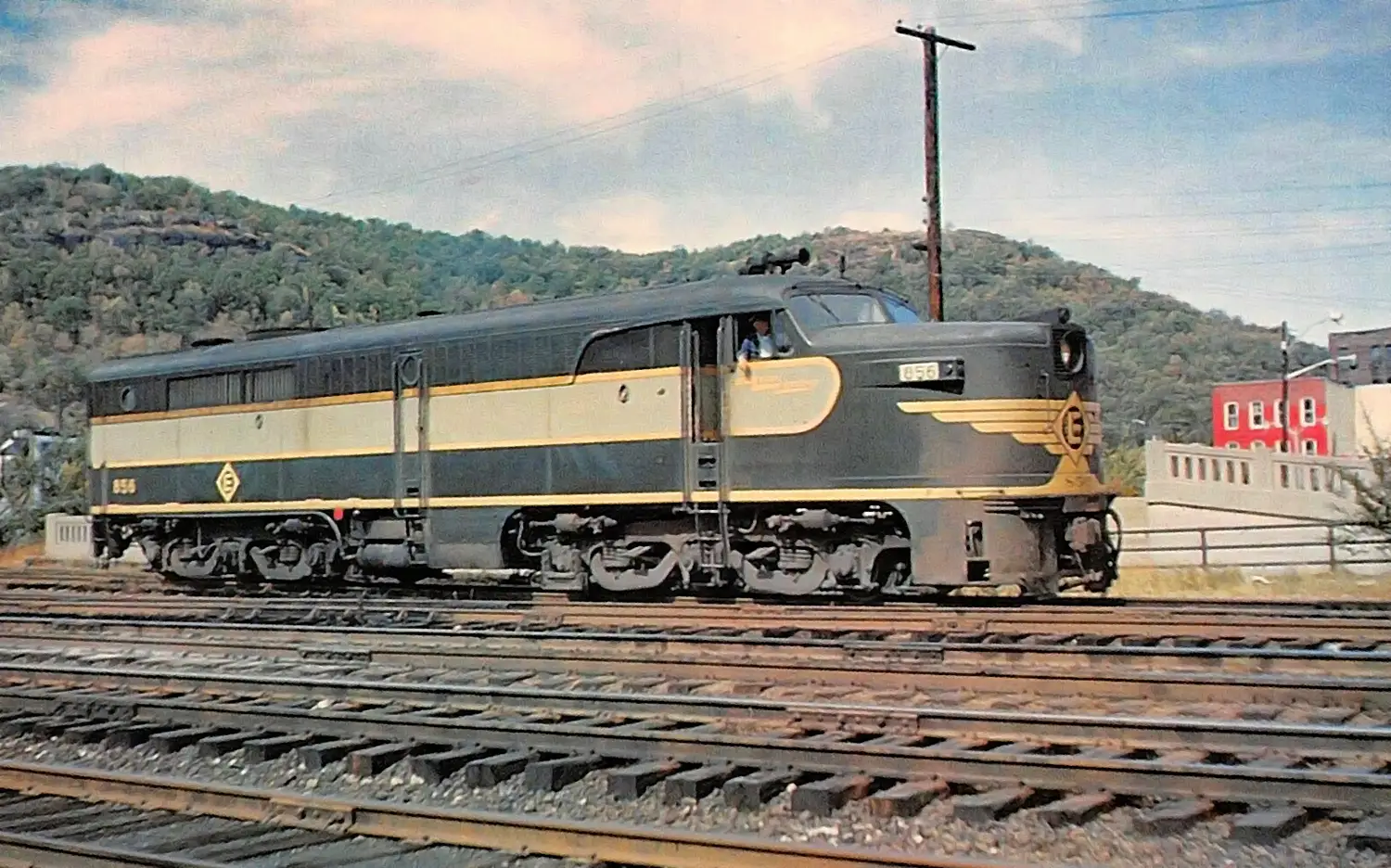
Gould became famous for his battle with Cornelius Vanderbilt over the Erie Railroad. Both men wanted control of the railway, and the fight involved courts, judges, and stock tricks. Gould issued large amounts of watered-down stock to gain power. This helped him win, but it caused serious losses for many regular investors.
Another major scandal came when Gould and Jim Fisk tried to control the gold market in 1869. Their plan caused panic when the government released gold from the Treasury to stop them. Many investors suffered heavy losses, while Gould managed to protect himself better than others. His story shows how weak financial rules allowed clever speculators to profit while ordinary people carried the damage.
 Via American Rails
 Via History
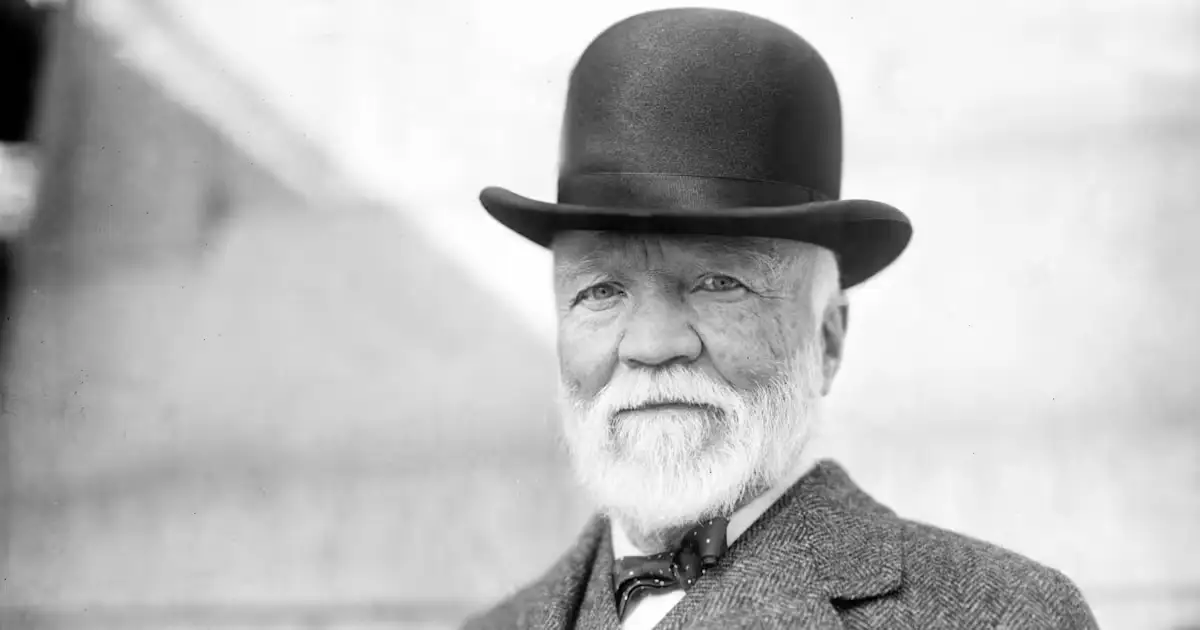
His legacy also carries serious controversy. Carnegie claimed to support workers, yet the Homestead Strike of 1892 became a violent clash between labor and management. After years of criticism, Carnegie focused heavily on giving away money. He donated about $350 million and funded more than 2,800 public libraries, making education a major part of his public legacy.
 Via LinkedIn
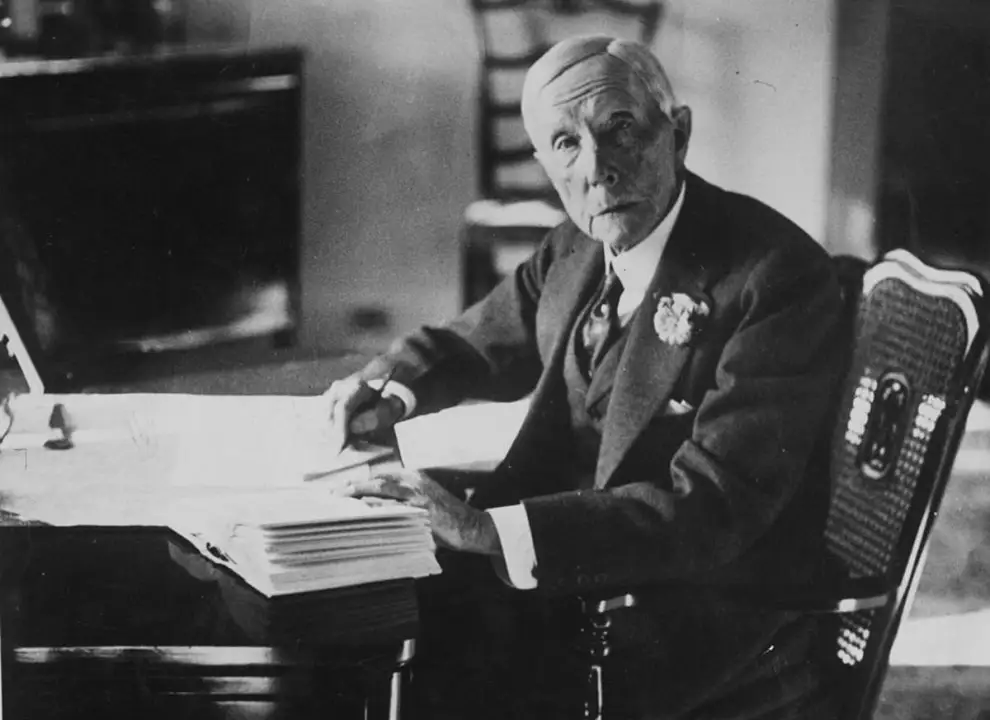
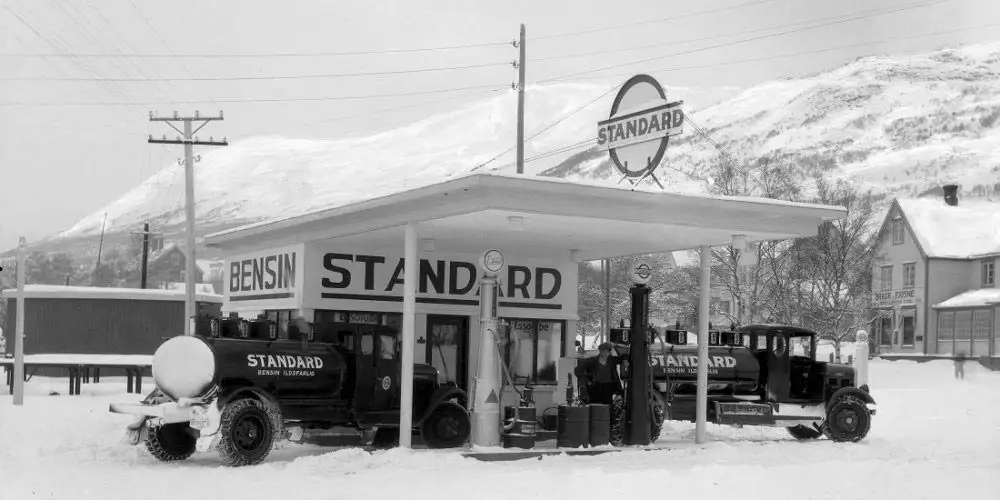
Standard Oil grew by using aggressive business methods. Rockefeller made secret deals with railroads that gave his company cheaper shipping rates. At the same time, rivals often faced higher costs, which made it hard for them to compete. Many smaller oil companies accepted buyout offers because Standard Oil had become too powerful to fight.
The U.S. Supreme Court ruled in 1911 that Standard Oil was an illegal monopoly. The company was broken into more than 30 smaller businesses. Rockefeller still gained because he owned major shares in those new companies. His case became a turning point in American business law and showed why stricter rules were needed to limit monopoly power.
 Via SciTechDaily
 Via Grunge
The automobile industry changed many other industries, too. Cars increased demand for steel, rubber, glass, roads, gas stations, and repair services. Ford became one of the richest and most important businessmen in U.S. history. His legacy is also damaged by his public antisemitism and his connection to n@zi Germany, which remains a dark part of his story.
 Via History Snob
Their stories also show the cost of unchecked power. Workers faced harsh conditions, small rivals were crushed, and investors sometimes lost fortunes through unfair financial games. These problems helped push America toward stronger laws, including antitrust rules and labor protections. Big wealth forced the country to ask how much power one business or person should hold.
The richest men in U.S. history left mixed legacies. Their work helped build industries, cities, schools, and public institutions. Their actions also exposed greed, inequality, and abuse inside fast-growing markets. Their fortunes remain important because they explain how America became wealthy, why business rules changed, and how money can shape a nation for generations.
 Via CBS Austin
 Via Celebrity Net Worth
Their achievements continue to be studied because they reveal both the opportunities and challenges of rapid economic growth. While they created jobs, industries, and infrastructure, they also exposed weaknesses in labor protections and market regulation.
More in UnassignedVia History Snob
Their fortunes did more than make families wealthy. Their money helped build railroads, factories, libraries, universities, and new industries. Their business actions also created public anger over unfair markets and extreme inequality. Over time, their success pushed the country to create stronger laws so wealth and power could not stay unchecked forever.
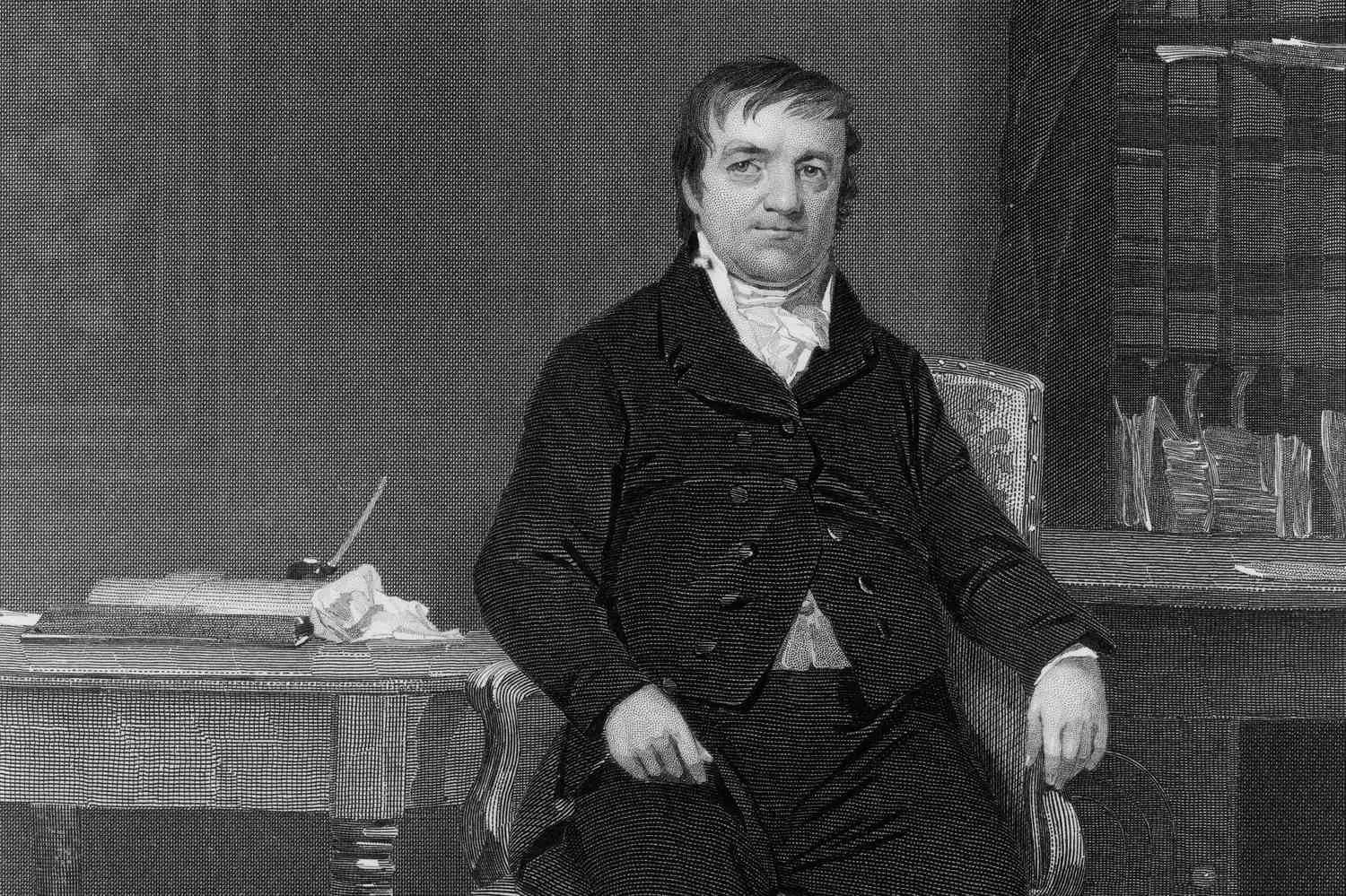
John Jacob Astor Turned Fur And Land Into Wealth
John Jacob Astor was born in Germany in 1763 and moved to the United States as a young man. He worked in several small jobs before finding success in the fur trade. Astor bought animal pelts from Native Americans and frontier trappers, then sold them in Europe and China.Via Thought Co
This trade helped him build one of the first great fortunes in America. Astor became even stronger when foreign fur companies were blocked from some U.S. territories. This gave his business a major advantage in the western frontier. His success showed how government support could help a business grow quickly.
With fewer rivals in key areas, Astor gained more control over one of the most profitable trades of his time. His biggest move came when he used fur money to buy land in Manhattan. As New York City grew, that land became extremely valuable. Astor’s real estate holdings turned him into America’s first multimillionaire.
Via Lone Money
After his de@th, part of Astor’s fortune was directed toward public causes that served ordinary people, not just wealthy families. One of his most important gifts was a $400,000 donation to create a free public library in Manhattan. That donation later became part of the foundation that helped form the New York Public Library, turning private wealth into a lasting public resource for education, reading, and community learning.
Cornelius Vanderbilt Built Power Through Transport
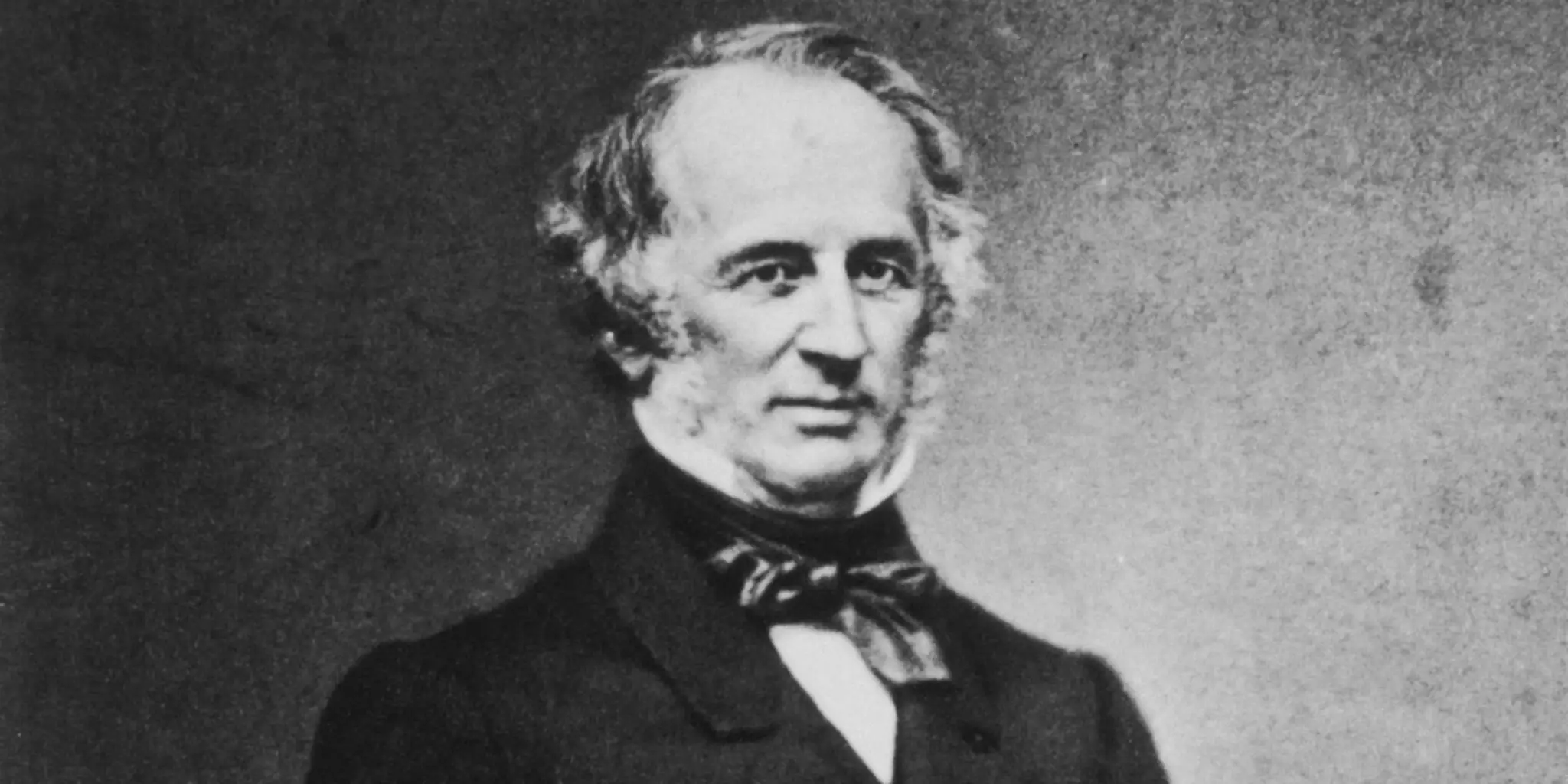
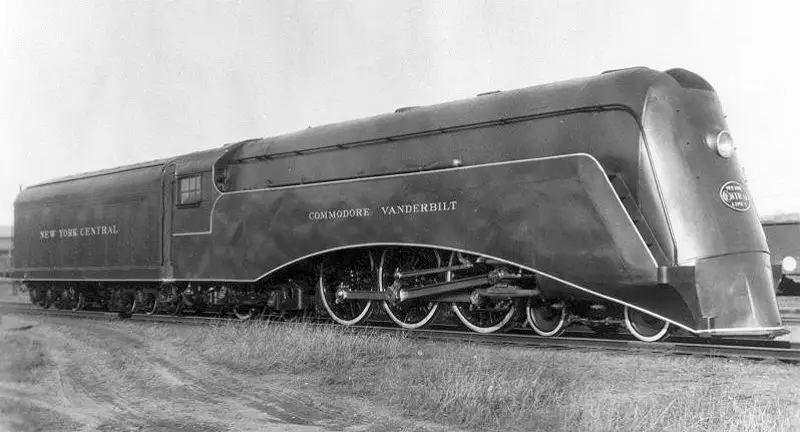
Cornelius Vanderbilt became famous as the “Commodore” because of his huge shipping business. He started with boats and ferry lines around New York, where trade and travel were growing fast. Vanderbilt understood that people wanted safe, cheaper, and more reliable transport. His sharp business style helped him beat many rivals in the shipping world.Via History
During the California Gold Rush, Vanderbilt found another way to grow richer. He created a faster travel route to California by using steamships and an overland path through Nicaragua. This made travel easier for people chasing gold and gave Vanderbilt massive yearly profits. His shipping empire became one of the strongest businesses in America.
The success of this route brought Vanderbilt enormous profits. At the height of the Gold Rush, his transportation empire was reportedly earning around $1 million a year, an extraordinary amount of money for the mid-19th century. His ability to move large numbers of passengers safely and efficiently helped strengthen his reputation as one of America’s most capable entrepreneurs.
Via Trainz
Vanderbilt later moved into railroads when trains began changing the country. Railroads lowered the cost of moving goods and people across long distances. Vanderbilt bought major rail lines and used the same ideas that worked in shipping: lower prices, strong service, and tough competition. His rail investments made him far richer before his de@th in 1877.
Jay Gould Made Money Through Wall Street Moves
Jay Gould became one of the most controversial rich men of the Gilded Age. He was not mainly known for building products or improving daily life. His fortune came from speculation, stock manipulation, and risky financial deals. Many people saw him as a symbol of Wall Street greed during a time when markets had few strong rules.Via American Rails
Gould became famous for his battle with Cornelius Vanderbilt over the Erie Railroad. Both men wanted control of the railway, and the fight involved courts, judges, and stock tricks. Gould issued large amounts of watered-down stock to gain power. This helped him win, but it caused serious losses for many regular investors.
Another major scandal came when Gould and Jim Fisk tried to control the gold market in 1869. Their plan caused panic when the government released gold from the Treasury to stop them. Many investors suffered heavy losses, while Gould managed to protect himself better than others. His story shows how weak financial rules allowed clever speculators to profit while ordinary people carried the damage.
Via American Rails
Andrew Carnegie Built A Steel Empire
Andrew Carnegie was born poor in Scotland and moved to Pittsburgh as a child. He worked in a cotton factory, then moved into telegraph and railroad jobs. Carnegie learned quickly and used every chance to study business, technology, and investing. His rise became one of the most famous rags-to-riches stories in American history. Carnegie followed the needs of the growing economy. When railroads needed bridges, he entered bridge building. When bridges needed iron, he moved into iron production. Later, demand for stronger steel pushed him to build large steel mills near Pittsburgh. His company helped turn the United States into the world’s leading steel producer.Via History
His legacy also carries serious controversy. Carnegie claimed to support workers, yet the Homestead Strike of 1892 became a violent clash between labor and management. After years of criticism, Carnegie focused heavily on giving away money. He donated about $350 million and funded more than 2,800 public libraries, making education a major part of his public legacy.
John D. Rockefeller Dominated The Oil Industry
John D. Rockefeller became America’s first billionaire through oil. In the 1860s, the oil business was unstable, dangerous, and full of small refineries. Rockefeller helped create Standard Oil in 1870 with his brother and partners. The company built strong refineries, bought rivals, and quickly became the leading force in American oil.
Via LinkedIn
Standard Oil grew by using aggressive business methods. Rockefeller made secret deals with railroads that gave his company cheaper shipping rates. At the same time, rivals often faced higher costs, which made it hard for them to compete. Many smaller oil companies accepted buyout offers because Standard Oil had become too powerful to fight.
The U.S. Supreme Court ruled in 1911 that Standard Oil was an illegal monopoly. The company was broken into more than 30 smaller businesses. Rockefeller still gained because he owned major shares in those new companies. His case became a turning point in American business law and showed why stricter rules were needed to limit monopoly power.
Via SciTechDaily
Henry Ford Made Cars Affordable For Millions
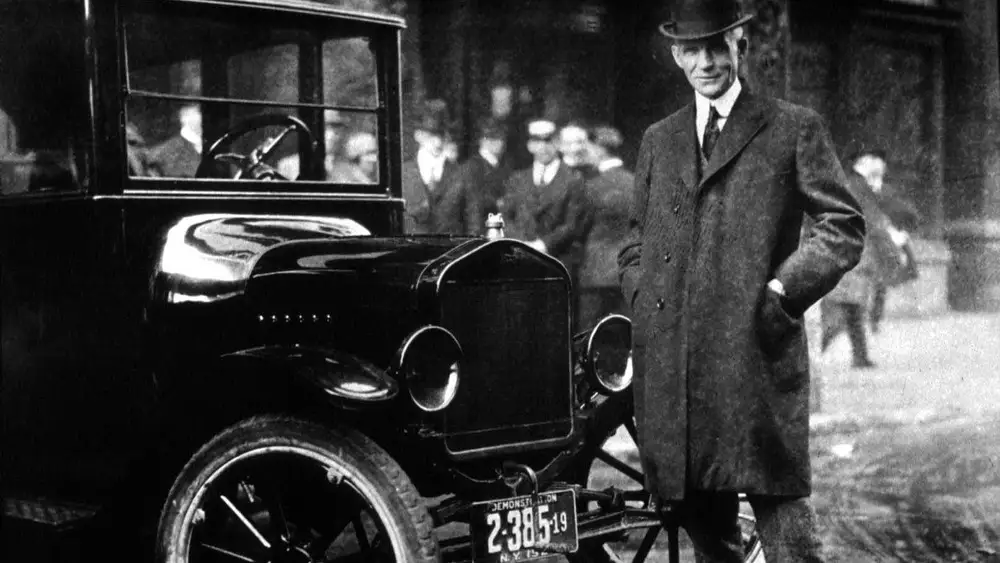
Henry Ford changed American life by making cars affordable for regular families. Before Ford, automobiles were mostly expensive products for wealthy people. Ford wanted to build a car that more people could buy and use every day. The Model T, introduced in 1908, became the symbol of that goal. Ford’s greatest business strength was mass production. His moving assembly line made car building faster and cheaper. As production improved, the price of the Model T dropped sharply. This allowed millions of people to own cars, travel farther, reach new jobs, and shop beyond their local neighborhoods.
Via Grunge
The automobile industry changed many other industries, too. Cars increased demand for steel, rubber, glass, roads, gas stations, and repair services. Ford became one of the richest and most important businessmen in U.S. history. His legacy is also damaged by his public antisemitism and his connection to n@zi Germany, which remains a dark part of his story.
How Their Fortunes Changed America
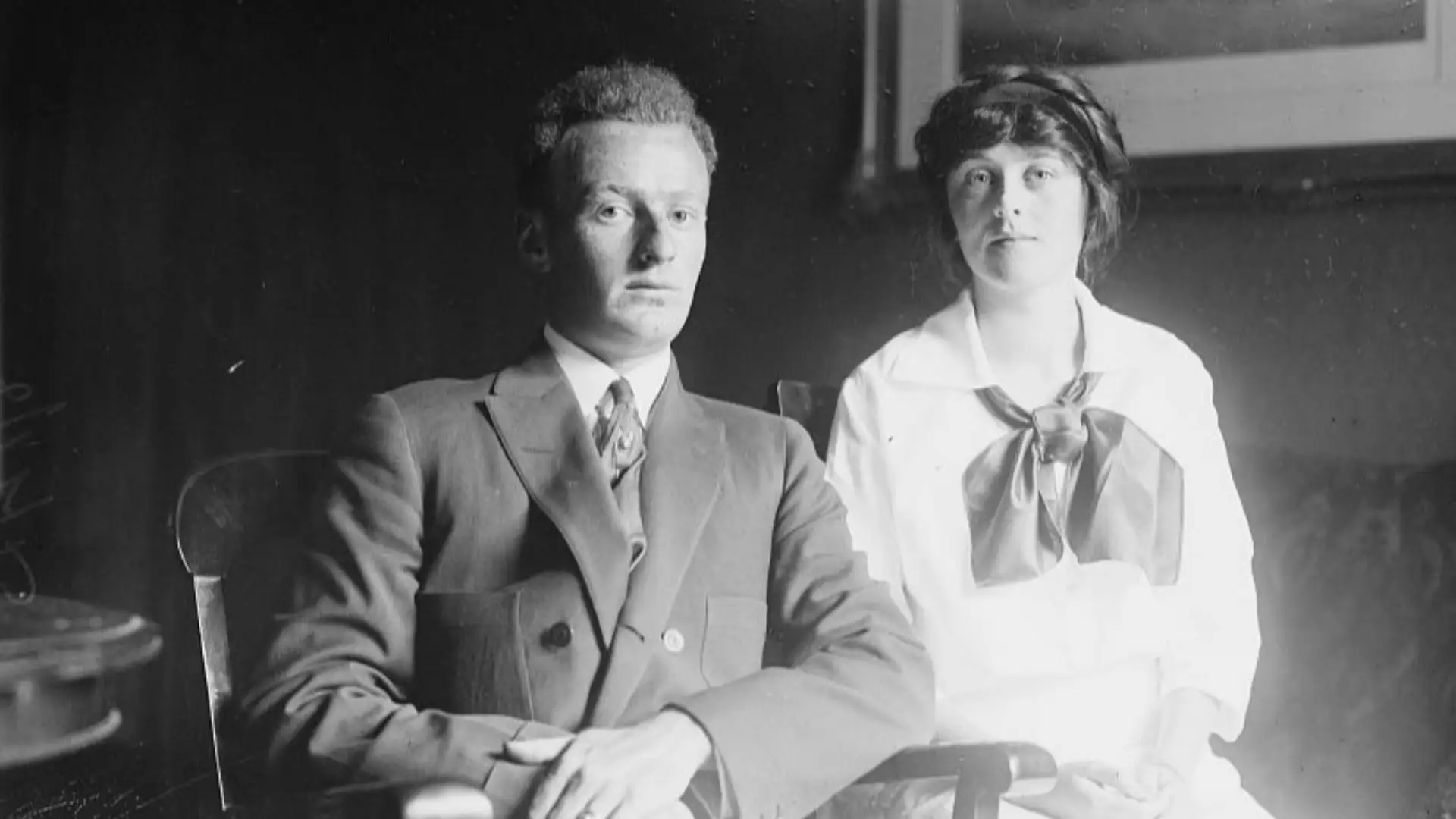
America’s richest historic businessmen shaped the country in powerful ways. Astor helped build a real estate dynasty, Vanderbilt changed transportation, Carnegie expanded steel, Rockefeller controlled oil, and Ford transformed travel. Their companies helped modern life grow faster, from railroads and cars to factories and public libraries.Via History Snob
Their stories also show the cost of unchecked power. Workers faced harsh conditions, small rivals were crushed, and investors sometimes lost fortunes through unfair financial games. These problems helped push America toward stronger laws, including antitrust rules and labor protections. Big wealth forced the country to ask how much power one business or person should hold.
The richest men in U.S. history left mixed legacies. Their work helped build industries, cities, schools, and public institutions. Their actions also exposed greed, inequality, and abuse inside fast-growing markets. Their fortunes remain important because they explain how America became wealthy, why business rules changed, and how money can shape a nation for generations.
Via CBS Austin
Lasting Impact Of America’s Early Business Titans
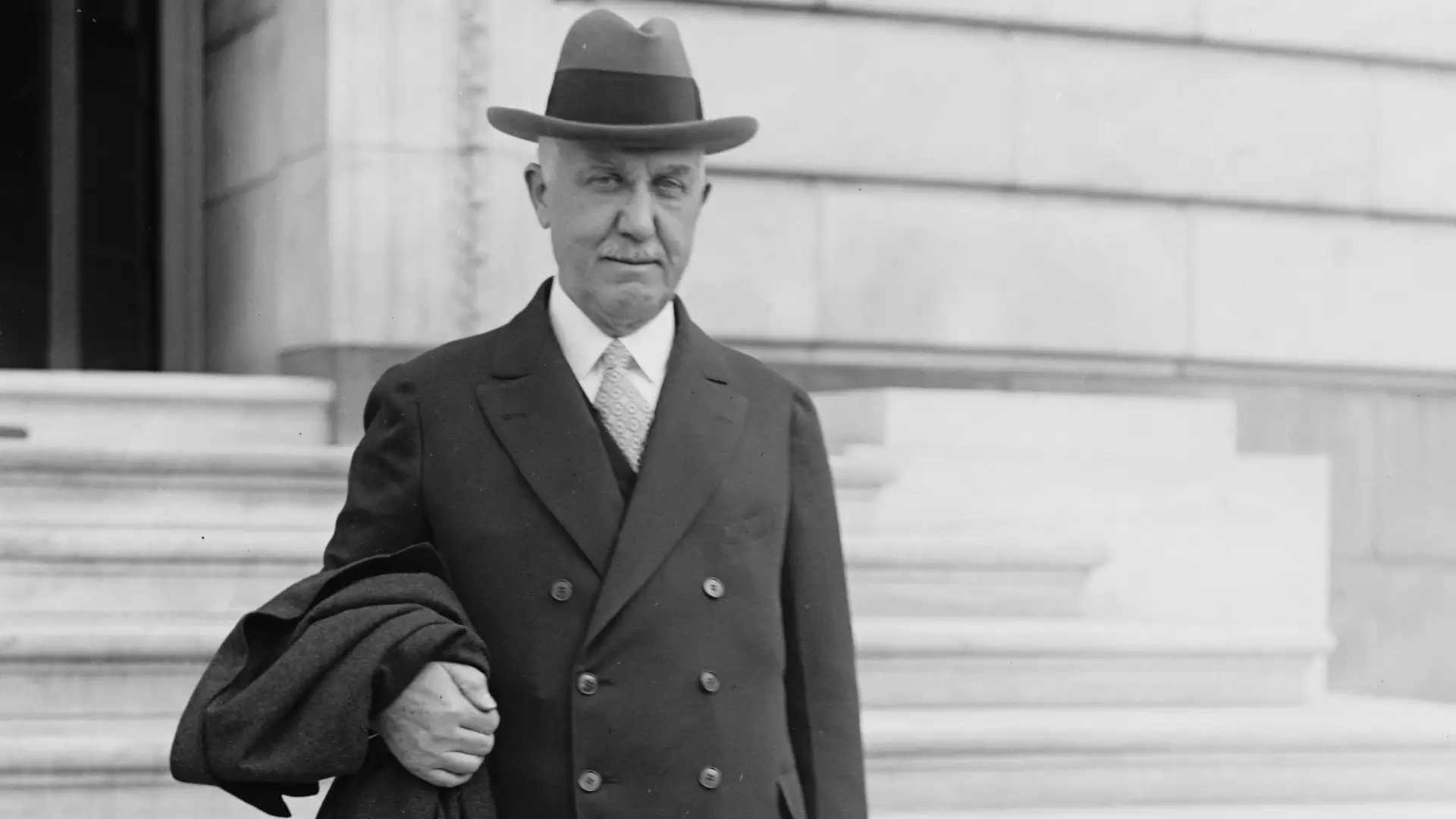
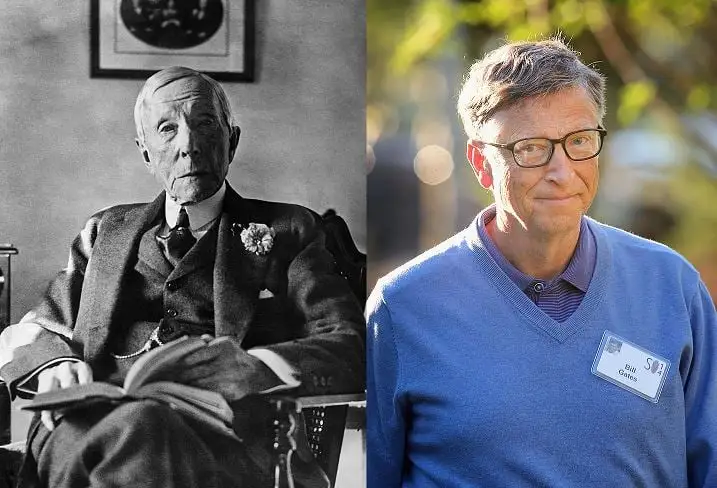
The fortunes built by Astor, Vanderbilt, Gould, Carnegie, Rockefeller, and Ford did more than make them wealthy. Their businesses helped shape the modern American economy by transforming transportation, manufacturing, energy production, and commerce. Railroads connected distant regions, steel supported rapid industrial growth, oil powered new technologies, and automobiles changed the way people lived and traveled. Many of these business leaders introduced ideas and methods that became standard practices across industries. Large-scale production, nationwide distribution networks, vertical integration, and aggressive business expansion all played important roles in their success.
Via Celebrity Net Worth
Their achievements continue to be studied because they reveal both the opportunities and challenges of rapid economic growth. While they created jobs, industries, and infrastructure, they also exposed weaknesses in labor protections and market regulation.