Unassigned
The Link Between Night Brushing and Heart Health

A large study of over 1,600 hospitalized adults found that brushing teeth before bed may protect heart health. Researchers divided participants by brushing habits, morning and night, only night, only morning, or not at all, and tracked heart events like attacks and strokes. Those who brushed at night had noticeably lower risks of heart problems and death compared to others.
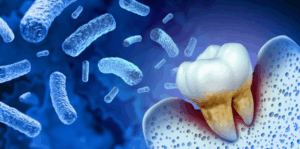
Experts believe this is because oral bacteria can enter the bloodstream if left unchecked overnight, causing inflammation that harms blood vessels and increases heart disease risk. Brushing before sleep removes these bacteria and leftover food, reducing infection and inflammation while the body rests.
 Via Sydney Holistic Dental Center
The study highlights how oral care affects more than just teeth and gums. It shows that a simple habit like brushing before bed can lower serious health risks with minimal effort. Keeping your mouth clean at night isn’t only about fresh breath; it may be one of the easiest ways to support long-term heart health.
 Via Shannon Stokes, DDS
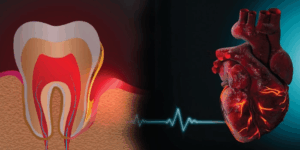
Once in the blood, bacteria travel to your heart and arteries. They stick to artery walls and cause plaque buildup. Plaque is not the same as tooth plaque; it is fatty stuff that narrows blood vessels. This leads to high blood pressure, heart attacks, and strokes. Scientists know chronic inflammation from infections like gum disease raises these risks. It is like a slow fire in your body that damages organs over time.
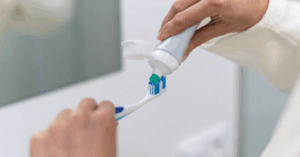
Brushing helps by scraping away bacteria and plaque from teeth. Toothpaste with fluoride strengthens teeth and kills germs. When you brush at night, you stop bacteria from multiplying during sleep. Saliva flow slows down when you sleep, so your mouth's natural defense is weaker. That is why nighttime brushing is key. It keeps bacteria levels low and reduces inflammation chances.
 Via Nursing in Practice
 Via The Dental Bond
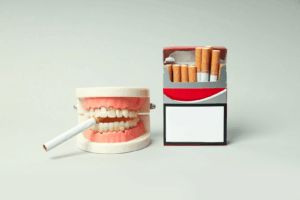
Smoking made things worse. Smokers who skipped night brushing had the highest risks. Smoking dries the mouth and helps bacteria grow. It also weakens gums. Non-smokers still benefited from brushing, but smokers needed it even more. The study highlights how small habits like brushing can fight big problems like heart disease.
 Via Dr.Alex Rubinov
Morning brushing cleans up overnight buildup, but it is too late to stop bacteria from entering your system. The study showed that morning-only people had worse heart outcomes. Their risks were closer to non-brushers. Night brushers had better survival rates. It is like locking your door at night to keep thieves out, not in the morning after they might have come.
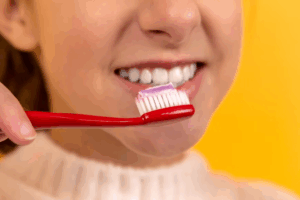
To make it work, brush for two minutes. Use a soft brush to avoid hurting gums. Angle it at 45 degrees to clean gum lines. Do not forget your tongue; bacteria hide there, too. Electric brushes can help if you have trouble reaching spots.
 Via OnlyMyHealth
 Via Dentist Northmead
Drink water to keep your mouth moist. Even non-smokers should watch out. Secondhand smoke can harm too. Good habits like brushing protect everyone. Combining no smoking with night brushing is a strong defense against heart problems.
 For pregnant women, good oral health prevents early births. Gum disease can trigger labor too soon. Strong teeth help you eat well. If teeth hurt, you might skip fruits and veggies. That leads to poor nutrition. Brushing keeps teeth strong for a balanced diet. It boosts confidence, too. A nice smile makes you feel good.
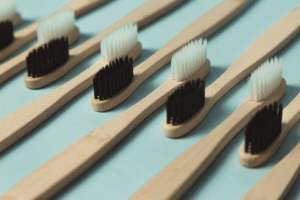 Kids need help until they can tie their shoes alone. Always store your toothbrush upright and let it air dry to prevent bacterial growth. Do not rinse right after. Let fluoride stay on teeth. Wait 30 minutes before eating or drinking. This strengthens enamel. Use gentle pressure and soft bristles to protect your gums from damage.
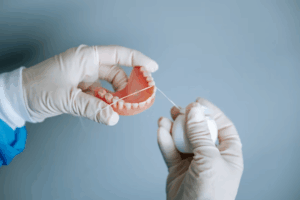 Do it once a day, best at night. It takes a minute. Water flossers help if regular flossing is hard. Clean gums reduce bleeding over time. Flossing lowers heart risks, too. Fewer bacteria mean less inflammation. Make it a habit to brush.
 Via Oral-B
Eat foods that help your mouth. Cheese and yogurt have calcium for strong teeth. Crunchy veggies like carrots clean teeth naturally. Apples scrub away plaque. Limit sugar. It feeds bacteria. Soda and candy cause acids. Drink water instead. It rinses food away. Green tea has compounds that kill germs. Nuts provide minerals. A good diet plus brushing keeps everything healthy.
 Via South China Morning Post
Bad teeth hurt sleep. Pain keeps you up. It stresses your body, raising heart risks. Poor oral health is linked to kidney issues. Bacteria can infect other organs. It weakens immunity. Feeling bad about your smile affects mental health. You might avoid social events. Good care improves life quality.
 Via Today’s Dental
Chew sugar-free gum after meals. It boosts saliva to clean teeth. Walk daily for heart health. Get checkups twice a year. Dentists spot problems early. Control stress; it can cause grinding teeth. Stay hydrated. Dry mouth breeds bacteria. These habits with brushing protect you fully.
Brushing at bedtime is simple but powerful. It fights bacteria, reduces inflammation, and lowers heart risks. The study shows real benefits. Add flossing, a good diet, and no smoking. Your mouth is the gate to your body. Keep it clean for better health. Start tonight. Your heart will thank you.
More in Unassigned
Via Sydney Holistic Dental Center
The study highlights how oral care affects more than just teeth and gums. It shows that a simple habit like brushing before bed can lower serious health risks with minimal effort. Keeping your mouth clean at night isn’t only about fresh breath; it may be one of the easiest ways to support long-term heart health.
Understanding the Science Behind Oral Bacteria and Inflammation
Oral bacteria are tiny living things in your mouth. Some are good, but many can harm you if they build up. When you eat, food sticks to your teeth and feeds these bacteria. They make acids that hurt your teeth and gums. But the real danger is when the gums get infected. This is called gum disease. Infected gums can bleed, letting bacteria enter your bloodstream.
Via Shannon Stokes, DDS
Once in the blood, bacteria travel to your heart and arteries. They stick to artery walls and cause plaque buildup. Plaque is not the same as tooth plaque; it is fatty stuff that narrows blood vessels. This leads to high blood pressure, heart attacks, and strokes. Scientists know chronic inflammation from infections like gum disease raises these risks. It is like a slow fire in your body that damages organs over time.
Brushing helps by scraping away bacteria and plaque from teeth. Toothpaste with fluoride strengthens teeth and kills germs. When you brush at night, you stop bacteria from multiplying during sleep. Saliva flow slows down when you sleep, so your mouth's natural defense is weaker. That is why nighttime brushing is key. It keeps bacteria levels low and reduces inflammation chances.
Via Nursing in Practice
Key Findings from the Bedtime Brushing Study
In the study, about 1,675 adults took part. They were all over 20 years old and in hospitals. Researchers asked about their brushing routines. The groups were: those who brushed morning and night, only night, only morning, or none. They followed these people to see who had heart issues or died. The best results came from the group that brushed only at night or both times. They had much lower risks than those who brushed only in the morning or not at all. For example, the risk of heart events was about 45 percent lower for night brushers compared to non-brushers. Morning-only brushers did not get the same protection. This shows timing matters a lot.
Via The Dental Bond
Smoking made things worse. Smokers who skipped night brushing had the highest risks. Smoking dries the mouth and helps bacteria grow. It also weakens gums. Non-smokers still benefited from brushing, but smokers needed it even more. The study highlights how small habits like brushing can fight big problems like heart disease.
Why Nighttime Brushing Beats Morning-Only Habits
You might think brushing once a day is enough, but when it counts. Mornings are for fresh breath after sleep. But nights are when bacteria have hours to grow unchecked. If you eat dinner or snacks, food remains feeds germs all night. Brushing before bed clears that out.
Via Dr.Alex Rubinov
Morning brushing cleans up overnight buildup, but it is too late to stop bacteria from entering your system. The study showed that morning-only people had worse heart outcomes. Their risks were closer to non-brushers. Night brushers had better survival rates. It is like locking your door at night to keep thieves out, not in the morning after they might have come.
To make it work, brush for two minutes. Use a soft brush to avoid hurting gums. Angle it at 45 degrees to clean gum lines. Do not forget your tongue; bacteria hide there, too. Electric brushes can help if you have trouble reaching spots.
Via OnlyMyHealth
The Role of Smoking in Oral and Heart Health
Smoking hurts your mouth and heart in many ways. It stains teeth and causes bad breath. Worse, it reduces blood flow to the gums, making them prone to infection. Smokers get gum disease more often. The chemicals in smoke weaken your immune system, so bacteria thrive. In the study, smokers who did not brush at night faced the worst risks. Their chances of heart events were much higher. Quitting smoking is hard, but it helps a lot. If you smoke, brush extra carefully. Use products for smokers, like special toothpaste.
Via Dentist Northmead
Drink water to keep your mouth moist. Even non-smokers should watch out. Secondhand smoke can harm too. Good habits like brushing protect everyone. Combining no smoking with night brushing is a strong defense against heart problems.
Beyond the Heart: Other Health Benefits of Good Oral Hygiene
Good oral care does more than help your heart. It fights diabetes. High blood sugar makes gum disease worse, and gum infections raise blood sugar. It is a cycle. Brushing breaks it by keeping the gums healthy. It also aids brain health. Bacteria from the mouth can reach the brain and link to Alzheimer's. Clean teeth mean less risk.
For pregnant women, good oral health prevents early births. Gum disease can trigger labor too soon. Strong teeth help you eat well. If teeth hurt, you might skip fruits and veggies. That leads to poor nutrition. Brushing keeps teeth strong for a balanced diet. It boosts confidence, too. A nice smile makes you feel good.
Tips for Effective Tooth Brushing
Brush twice a day, but focus on night. Use fluoride toothpaste. Wet your brush, add a pea-size amount. Brush gently in circles. Cover all sides: front, back, and top. Brush your tongue too; it removes bacteria and keeps your breath fresh. Change your brush every three months. Old ones do not clean well. If sick, change sooner to avoid germs.
Kids need help until they can tie their shoes alone. Always store your toothbrush upright and let it air dry to prevent bacterial growth. Do not rinse right after. Let fluoride stay on teeth. Wait 30 minutes before eating or drinking. This strengthens enamel. Use gentle pressure and soft bristles to protect your gums from damage.
The Importance of Flossing Daily
Flossing cleans between teeth where brushes miss. Bacteria hide there and cause cavities. Use 18 inches of floss. Wrap around fingers, slide gently between teeth. Curve into a C shape, rub up and down.
Do it once a day, best at night. It takes a minute. Water flossers help if regular flossing is hard. Clean gums reduce bleeding over time. Flossing lowers heart risks, too. Fewer bacteria mean less inflammation. Make it a habit to brush.
Using Mouthwash for Extra Protection
Mouthwash kills germs that brushing misses. Use after brushing. Swish for 30 seconds. Antiseptics fight bacteria. Fluoride strengthens teeth. Not all mouthwashes are the same. Avoid alcohol if it dries your mouth. Use as directed. It freshens breath and prevents plaque. Combined with brushing and flossing, it boosts oral health. Fewer germs equal better heart protection.
Via Oral-B
Eat foods that help your mouth. Cheese and yogurt have calcium for strong teeth. Crunchy veggies like carrots clean teeth naturally. Apples scrub away plaque. Limit sugar. It feeds bacteria. Soda and candy cause acids. Drink water instead. It rinses food away. Green tea has compounds that kill germs. Nuts provide minerals. A good diet plus brushing keeps everything healthy.
Signs of Poor Oral Health to Watch For
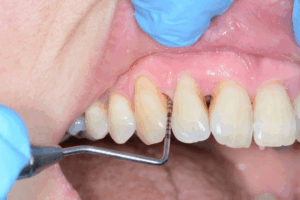
Bad breath that lasts is a sign. It means bacterial buildup. Bleeding gums when brushing show infection. Start. Sensitive teeth to hot or cold mean enamel wear. Swollen gums or loose teeth are serious. See a dentist. White spots on teeth are an early decay. Dark gums might mean disease. Check your mouth often.
Via South China Morning Post
Bad teeth hurt sleep. Pain keeps you up. It stresses your body, raising heart risks. Poor oral health is linked to kidney issues. Bacteria can infect other organs. It weakens immunity. Feeling bad about your smile affects mental health. You might avoid social events. Good care improves life quality.
Explore the Oral Health and Heart Disease Link
Set reminders on your phone. Put your brush where you see it. Make it fun with flavored paste. Brush with family. It encourages everyone. Track days, you brush. Reward yourself after a week. If tired, remember the benefits. It takes two minutes for big gains. Soon, it becomes automatic.
Via Today’s Dental
Chew sugar-free gum after meals. It boosts saliva to clean teeth. Walk daily for heart health. Get checkups twice a year. Dentists spot problems early. Control stress; it can cause grinding teeth. Stay hydrated. Dry mouth breeds bacteria. These habits with brushing protect you fully.
Brushing at bedtime is simple but powerful. It fights bacteria, reduces inflammation, and lowers heart risks. The study shows real benefits. Add flossing, a good diet, and no smoking. Your mouth is the gate to your body. Keep it clean for better health. Start tonight. Your heart will thank you.