Unassigned
Stem Cell Therapy Aims to Reverse Spinal Cord Paralysis

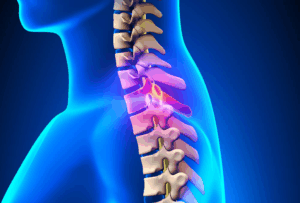
A big change is happening in how doctors treat people who can't move because of spinal cord damage. Scientists have started testing a new way to fix this problem using special cells from the body. This method grows nerve cells from a person's own stem cells and puts them right into the hurt part of the spine. It's like building a bridge over a broken road so signals can travel again.
 Via Cells4Life
Early tests on animals showed amazing results, with some getting back the ability to walk. Now, in 2025, the first tests on humans have begun. These are called Phase I trials, and they check if the treatment is safe. If it works, it could help millions who thought they would never walk again. This isn't just a dream; it's real science happening today.
This new approach comes after years of research. Doctors used to think spinal injuries were forever, but now they're using the body's own tools to heal itself. Stem cells are like blank slates that can turn into different types of cells, including nerves.
 Via Global Stem Cells
By taking them from the patient, growing them in a lab, and placing them in the spine, the hope is to regrow lost connections. The trials started in places like Australia and the United States, focusing on people with long-term injuries. Researchers are excited because this could open doors to fixing other body problems, like brain damage or lost limbs.
 Via Regional Medical Group
This leads to paralysis, where parts of the body can't move or feel anything. If the damage is high up in the neck, it might affect arms, legs, and even breathing. Lower injuries might just impact legs and walking. Not all spinal cord injuries are the same. Some are complete, meaning no feeling or movement below the hurt spot.
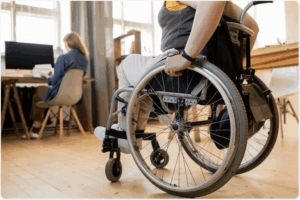
Others are incomplete, where some signals still get through. Right after the injury, swelling happens, which can make things worse. Over time, scar tissue forms, blocking any natural healing. Millions of people live with this every day, using wheelchairs or needing help with basic tasks. It's not just physical; it can cause pain, depression, and big life changes.
 Via UofL Health
Doctors check the injury level using letters like C for cervical or T for thoracic. Higher levels mean more of the body is affected. Kids and adults can get these injuries, but young adults in risky jobs or sports are most at risk. Prevention is key, like wearing seatbelts or helmets, but for those already hurt, new treatments offer hope.
 Via Johari Medtech
Devices like braces or electric stimulators can help some movement, but they don't fix the root problem. One big issue is that nerves in the spinal cord don't regrow easily like skin or bones do. Once damaged, they stay that way, leading to permanent loss. Pain meds and counseling help with side effects, but many people still face infections, pressure sores, or bowel problems.
The cost is high, too; lifelong care can run into millions of dollars. Research has tried things like electrical implants or robot suits to aid walking, but these are helpers, not cures. Some drugs aim to protect nerves, but results are limited. That's why stem cell therapy is so exciting; it targets the actual repair.
 Via News-Medical
 Via Westside Pain Specialists
The best part is using the patient's own cells to avoid rejection by the body. Stem cells have been used for blood diseases for years, but now they're moving to nerves. Research shows they can bridge gaps in damaged spines, helping signals flow again.
 Via Avid Sports Medicine
Next, surgeons open the spine and place the cells right at the injury site. It's like planting seeds in soil. The cells form a bridge, guiding new nerve growth. Some methods use scaffolds, like tiny supports, to hold the cells in place.
After surgery, patients do intense rehab to train the new connections. In other approaches, cells from the umbilical cord jelly are injected into the spinal fluid. This is less invasive and helps with chronic injuries. The goal is the same: regrow nerves and restore function.
 Via UCR News
 Via Science Pharma
Monkeys, closer to humans, also benefited. They gripped objects better and moved more freely. Side effects were rare, like mild infections, but overall, safe. These wins paved the way for human trials.
 Via The New York Times
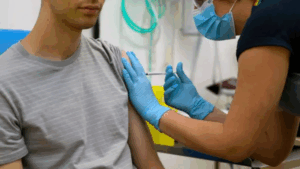
In the US, trials use neural stem cells derived from pluripotent sources. These are injected into the spine for both new and old injuries. Researchers monitor for issues like tumors or immune reactions. The trials are careful, starting with low doses. Patients are watched closely with scans and tests. By late 2025, if safe, they'll move to Phase II for effectiveness.
 Via Pfizer
Most side effects are from surgery, like pain or swelling, not the cells. Sensory gains, like feeling touch, happen first, then movement. While not everyone improves the same, the therapy seems tolerable. This builds confidence for wider use.
 Via Touro University Worldwide
Society gains from more active members. This isn't just for spines. Success here could lead to treatments for strokes, Alzheimer's, or Parkinson's by regrowing brain cells. It shows regenerative medicine's power, fixing bodies from within. Advances in growing organs or healing hearts might follow. Ethical talks ensure fair access and no harm.
 Via Nature
After Phase I, Phase II will test if it really works on more people. Phase III compares to standard care. By 2030, it might be approved if all goes well. Ongoing tweaks improve results. Research continues, combining with robots or drugs for better outcomes. Think of a young athlete hurt in a game. With this therapy, they might run again.
Or a parent who can play with kids. Real stories inspire. One patient felt their toes wiggle after months, small but huge. These tales show the human spirit and science teaming up. This therapy could end the idea that paralysis is forever. It's a step to a world where bodies heal fully. Stay tuned as trials progress. The future looks bright for those affected.
More in Unassigned
Via Cells4Life
Early tests on animals showed amazing results, with some getting back the ability to walk. Now, in 2025, the first tests on humans have begun. These are called Phase I trials, and they check if the treatment is safe. If it works, it could help millions who thought they would never walk again. This isn't just a dream; it's real science happening today.
This new approach comes after years of research. Doctors used to think spinal injuries were forever, but now they're using the body's own tools to heal itself. Stem cells are like blank slates that can turn into different types of cells, including nerves.
Via Global Stem Cells
By taking them from the patient, growing them in a lab, and placing them in the spine, the hope is to regrow lost connections. The trials started in places like Australia and the United States, focusing on people with long-term injuries. Researchers are excited because this could open doors to fixing other body problems, like brain damage or lost limbs.
Understanding Spinal Cord Injuries
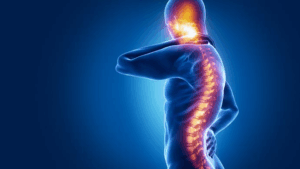
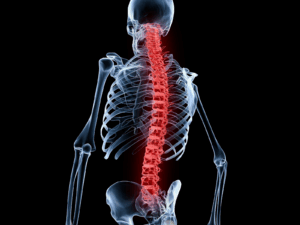
The spinal cord is like the main highway for messages between your brain and body. It's a bundle of nerves running down your back, protected by bones called vertebrae. When someone gets a spinal cord injury, it's often from a car crash, fall, or sports accident. The injury can crush or cut the nerves, stopping signals from getting through.
Via Regional Medical Group
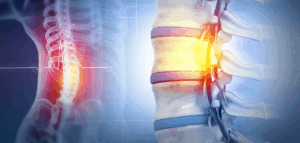
This leads to paralysis, where parts of the body can't move or feel anything. If the damage is high up in the neck, it might affect arms, legs, and even breathing. Lower injuries might just impact legs and walking. Not all spinal cord injuries are the same. Some are complete, meaning no feeling or movement below the hurt spot.
Others are incomplete, where some signals still get through. Right after the injury, swelling happens, which can make things worse. Over time, scar tissue forms, blocking any natural healing. Millions of people live with this every day, using wheelchairs or needing help with basic tasks. It's not just physical; it can cause pain, depression, and big life changes.
Via UofL Health
Doctors check the injury level using letters like C for cervical or T for thoracic. Higher levels mean more of the body is affected. Kids and adults can get these injuries, but young adults in risky jobs or sports are most at risk. Prevention is key, like wearing seatbelts or helmets, but for those already hurt, new treatments offer hope.
Current Challenges in Treating Paralysis
Today, treating spinal cord injuries focuses on stopping more damage and helping people adapt. Right after an accident, doctors use drugs to reduce swelling and surgery to fix broken bones around the spine. Then comes rehab, with physical therapy to keep muscles strong and teach new ways to do things.
Via Johari Medtech
Devices like braces or electric stimulators can help some movement, but they don't fix the root problem. One big issue is that nerves in the spinal cord don't regrow easily like skin or bones do. Once damaged, they stay that way, leading to permanent loss. Pain meds and counseling help with side effects, but many people still face infections, pressure sores, or bowel problems.
The cost is high, too; lifelong care can run into millions of dollars. Research has tried things like electrical implants or robot suits to aid walking, but these are helpers, not cures. Some drugs aim to protect nerves, but results are limited. That's why stem cell therapy is so exciting; it targets the actual repair.
Via News-Medical
The Power of Stem Cells
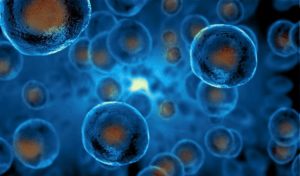
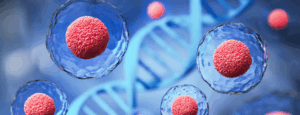
Stem cells are special because they can become almost any cell in the body. There are different types, like embryonic ones from early development or adult ones from places like bone marrow. For spinal treatments, doctors often use mesenchymal stem cells from umbilical cord tissue or neural stem cells that turn into brain and nerve parts. These cells can divide and make more of themselves or change into needed types. In the lab, scientists guide them to become nerve cells. They also release helpful chemicals that reduce swelling and encourage healing.
Via Westside Pain Specialists
The best part is using the patient's own cells to avoid rejection by the body. Stem cells have been used for blood diseases for years, but now they're moving to nerves. Research shows they can bridge gaps in damaged spines, helping signals flow again.
How the New Therapy Works
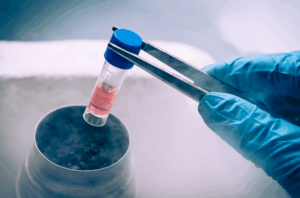
The process starts with taking stem cells from the patient. In some trials, they come from the nose, where special cells called olfactory ensheathing cells live. These help smell nerves regrow naturally. Doctors remove a small bit, grow the cells in a lab, and prepare them for transplant.
Via Avid Sports Medicine
Next, surgeons open the spine and place the cells right at the injury site. It's like planting seeds in soil. The cells form a bridge, guiding new nerve growth. Some methods use scaffolds, like tiny supports, to hold the cells in place.
After surgery, patients do intense rehab to train the new connections. In other approaches, cells from the umbilical cord jelly are injected into the spinal fluid. This is less invasive and helps with chronic injuries. The goal is the same: regrow nerves and restore function.
Via UCR News
Success in Animal Studies
Before human tests, scientists tried this on animals like rats and dogs. In one study, rats with cut spinal cords got stem cell transplants. Many regained the ability to walk on a treadmill or climb stairs. The cells not only survived but also connected with existing nerves. Dogs with natural injuries showed big improvements, too. Some who couldn't walk started standing and taking steps after treatment. Scans showed less scar tissue and more nerve activity. These results lasted months or years, proving the therapy could be long-term.
Via Science Pharma
Monkeys, closer to humans, also benefited. They gripped objects better and moved more freely. Side effects were rare, like mild infections, but overall, safe. These wins paved the way for human trials.
Launching Human Trials in 2025
This year marked a milestone with Phase I trials starting worldwide. In Australia, a team at Griffith University began the first-ever test using nose cells for chronic injuries. They aim to enroll a small group to check safety over the months.
Via The New York Times
In the US, trials use neural stem cells derived from pluripotent sources. These are injected into the spine for both new and old injuries. Researchers monitor for issues like tumors or immune reactions. The trials are careful, starting with low doses. Patients are watched closely with scans and tests. By late 2025, if safe, they'll move to Phase II for effectiveness.
Safety and Early Results
So far, early data looks good. In one case, a man paralyzed for years stood on his own after getting neural stem cells. He felt more in his legs, too. No major problems reported. Common checks include blood tests and MRIs to spot issues early.
Via Pfizer
Most side effects are from surgery, like pain or swelling, not the cells. Sensory gains, like feeling touch, happen first, then movement. While not everyone improves the same, the therapy seems tolerable. This builds confidence for wider use.
Potential Benefits for Patients
Imagine walking again after years in a chair. That's the dream. This therapy could restore independence, letting people work, play, or hug loved ones without help. Beyond movement, it might ease pain or improve bladder control. Quality of life jumps up. For families, it means less caregiving stress. Economically, it could save money on long-term care.
Via Touro University Worldwide
Society gains from more active members. This isn't just for spines. Success here could lead to treatments for strokes, Alzheimer's, or Parkinson's by regrowing brain cells. It shows regenerative medicine's power, fixing bodies from within. Advances in growing organs or healing hearts might follow. Ethical talks ensure fair access and no harm.
Discover the Stem Cell Therapy That Could Reverse Paralysis
No treatment is perfect. Risks include infection from surgery or cells growing wrong, like tumors. Immune rejection is low with own cells, but is monitored. Ethically, consent is key, especially for desperate patients. Trials must be fair, not exploiting hope. Costs might limit access at first, raising fairness questions. Regulations help keep it safe.
Via Nature
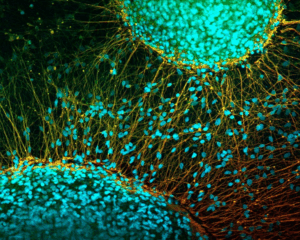
After Phase I, Phase II will test if it really works on more people. Phase III compares to standard care. By 2030, it might be approved if all goes well. Ongoing tweaks improve results. Research continues, combining with robots or drugs for better outcomes. Think of a young athlete hurt in a game. With this therapy, they might run again.
Or a parent who can play with kids. Real stories inspire. One patient felt their toes wiggle after months, small but huge. These tales show the human spirit and science teaming up. This therapy could end the idea that paralysis is forever. It's a step to a world where bodies heal fully. Stay tuned as trials progress. The future looks bright for those affected.