Unassigned
Scientists Rethink Alzheimer's as a Non-Brain Disease

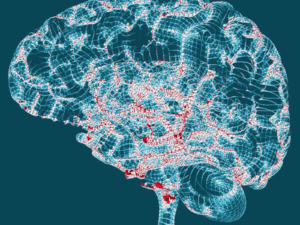
For many years, doctors and scientists have thought Alzheimer's disease starts and stays in the brain. They focused on sticky clumps called amyloid plaques and twisted proteins known as tau tangles that harm brain cells. However, new research suggests that this view may be incorrect.
A growing number of studies point to Alzheimer's as a whole-body problem, not just a brain issue. This means the trouble could begin in places like the liver or through the blood, then spread to the brain. If true, this could change how people spot and treat the disease.
 Via SciTechDaily
Teams from places like UC San Diego and other labs around the world are behind this shift in thinking. Their work shows that toxic proteins might travel from outside the brain and cause damage there. This idea is exciting because it explains why old treatments keep failing and opens doors to new ones.
 Via SciTechDaily
Doctors have tried drugs to clear these plaques or stop the tangles, but most don't work well. For over 100 years, since the disease was first described, the focus has stayed inside the skull. Scans show brain shrinkage and damage in areas for memory and decision-making. But why do some people get these buildups and others don't?
 Via Burjeel Hospital
The brain becomes the victim, not the starting point. This theory also looks at the blood-brain barrier, a shield that protects the brain from harmful substances in the blood. If this barrier weakens, bad proteins sneak in more easily.
Other body parts, like the gut or kidneys, might play roles too. For example, the liver makes some amyloid proteins normally, but in some people, it makes too much or the wrong kind. This overload travels through the blood and builds up in the brain over time.
 Via OHSU
 Via Rise for Animals
These animal tests show that problems outside the brain can directly harm it. They also hint at why some people might get the disease after blood transfusions or organ transplants. While not perfect matches for humans, these findings build a strong case for looking beyond the brain.
 Via University of Alberta
Studies found that in many cases, liver or kidney issues show up years ahead of brain symptoms. For instance, the liver helps clear out extra amyloid from the blood. If it doesn't work right, amyloid builds up and heads to the brain. High cholesterol or fatty liver, common in older adults, might make this worse.
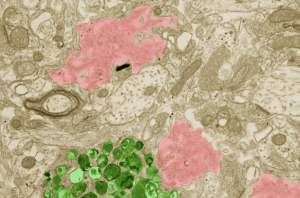 Via Science
This fits the systemic idea, where body-wide issues team up against the brain. For example, diabetes often harms the kidneys and raises Alzheimer's odds. High blood sugar damages blood vessels, including those in the kidneys and brain. Better kidney care, like controlling blood pressure, might protect against memory loss.
 Via ASU News
Studies show people with Alzheimer's genes have leakier barriers, letting more amyloid in. Blood tests now spot these proteins early, years before symptoms. This could mean screening for risk through simple blood draws, not pricey brain scans. The idea explains why heart health matters for the brain; clogged arteries might slow clearance or boost inflammation, aiding the disease.
 Via AARP
The microbiome, trillions of gut microbes, affects inflammation. Bad gut health lets toxins leak into the blood, then to the brain. Studies show Alzheimer's patients often have imbalanced gut bacteria. Eating fiber-rich foods or taking probiotics might help by calming inflammation. This connects Alzheimer's to diseases like arthritis or infections, where ongoing swelling plays a part.
 Via MOST Policy Initiative
These involve liver fat and poor insulin use, fitting the systemic view. Heart disease shares factors like high cholesterol, which the liver handles. Even sleep apnea, where breathing stops at night, ties in by causing body stress and inflammation. Addressing these whole-body issues early could prevent Alzheimer's. Lifestyle changes like exercise help multiple systems at once.
 Via The Independent
The new theory explains this: if the problem starts outside, clearing brain plaques is like mopping a flood without fixing the leak. Toxic proteins keep coming from the blood. Drugs might work better if they block production in the liver or strengthen the blood-brain barrier. This shift could end the string of failures and lead to real progress.
 Via Technology Networks
Gut health gets attention; probiotics or fecal transplants might balance microbes and cut inflammation. Whole-body approaches like meditation reduce stress, which worsens inflammation. Researchers test antibodies that grab amyloid in the blood before it reaches the brain. These ideas promise better outcomes than brain-only fixes.
 Via The New York Times
Plus, genes like APOE4 mainly affect brain risk. But evidence grows, and old drugs' poor results weaken their case. The 27% slowdown from lecanemab shows people need more targets. Debates push science forward, testing ideas rigorously.
 Via Alzheimer’s Research UK
But the brain disease label stuck. Now, re-examining old cases supports the systemic idea. It's like a puzzle where pieces fit better with a wider view. This "Copernican moment" shifts the center from brain to body, much like realizing Earth orbits the sun.
 Via DVC Stem
Society benefits as fewer people suffer from memory loss. Research funding might shift to systemic studies. Families get hope that it's not just inevitable brain decay. Challenges remain, like proving causes in humans. But the path looks promising.
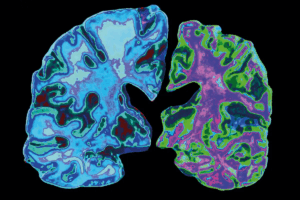 Via New Scientist
It explains drug failures and points to new hopes. While skeptics debate, progress continues. Simple steps, like a better diet and exercise, might shield us. This groundbreaking shift could turn the tide against a tough disease.
More in Unassigned
Via SciTechDaily
Teams from places like UC San Diego and other labs around the world are behind this shift in thinking. Their work shows that toxic proteins might travel from outside the brain and cause damage there. This idea is exciting because it explains why old treatments keep failing and opens doors to new ones.
The Old Way of Seeing Alzheimer's
In the past, experts saw Alzheimer's as a brain-only disease. It affects memory, thinking, and daily life, mostly in older people. The main suspects were amyloid beta proteins that build up into plaques between brain cells. These plaques block signals and kill neurons. Then there are tau proteins that tangle inside cells, making them die off.
Via SciTechDaily
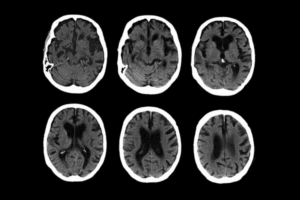
Doctors have tried drugs to clear these plaques or stop the tangles, but most don't work well. For over 100 years, since the disease was first described, the focus has stayed inside the skull. Scans show brain shrinkage and damage in areas for memory and decision-making. But why do some people get these buildups and others don't?
What the New Theory Says
The bombshell idea is that Alzheimer's might not start in the brain at all. Instead, it could be a systemic disease, meaning it involves the whole body. Toxic proteins like amyloid beta might come from organs outside the brain, such as the liver. These proteins then enter the bloodstream and cross into the brain, where they cause trouble.
Via Burjeel Hospital
The brain becomes the victim, not the starting point. This theory also looks at the blood-brain barrier, a shield that protects the brain from harmful substances in the blood. If this barrier weakens, bad proteins sneak in more easily.
Other body parts, like the gut or kidneys, might play roles too. For example, the liver makes some amyloid proteins normally, but in some people, it makes too much or the wrong kind. This overload travels through the blood and builds up in the brain over time.
Via OHSU
Evidence from Animal Studies
Scientists have tested this idea in animals, and the results are eye-opening. In one key experiment, researchers took blood from mice with high amyloid levels in their liver and gave it to healthy mice. The healthy ones started showing brain changes like those in Alzheimer's. This suggests the disease can spread through the blood. Another study used mice joined together so their blood mixed, called parabiosis. When one mouse had liver-made amyloid, the other got brain plaques without making it itself.
Via Rise for Animals
These animal tests show that problems outside the brain can directly harm it. They also hint at why some people might get the disease after blood transfusions or organ transplants. While not perfect matches for humans, these findings build a strong case for looking beyond the brain.
Liver's Role in the Puzzle
The liver stands out as a big player in this new view. It's the body's main filter, cleaning blood and making proteins. Research shows the liver produces amyloid beta, the same protein that forms brain plaques. In people with Alzheimer's, liver function often slips before memory problems start.
Via University of Alberta
Studies found that in many cases, liver or kidney issues show up years ahead of brain symptoms. For instance, the liver helps clear out extra amyloid from the blood. If it doesn't work right, amyloid builds up and heads to the brain. High cholesterol or fatty liver, common in older adults, might make this worse.
Kidneys and Clearance Problems
Kidneys also help clear toxic proteins from the blood. They filter waste and keep things balanced. In Alzheimer's, poor kidney function might let amyloid stick around longer in the bloodstream. Research links chronic kidney disease to higher dementia risk. When kidneys falter, they can't remove amyloid well, so it travels to the brain.
Via Science
This fits the systemic idea, where body-wide issues team up against the brain. For example, diabetes often harms the kidneys and raises Alzheimer's odds. High blood sugar damages blood vessels, including those in the kidneys and brain. Better kidney care, like controlling blood pressure, might protect against memory loss.
Bloodstream as the Highway
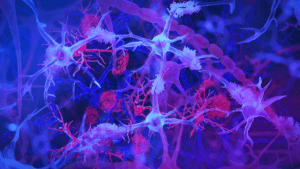
Think of the bloodstream as a highway carrying goods around the body. In this theory, it transports toxic proteins from the liver or other spots to the brain. Normally, the blood-brain barrier acts like a toll gate, blocking bad stuff. But aging, inflammation, or genes can weaken this barrier.
Via ASU News
Studies show people with Alzheimer's genes have leakier barriers, letting more amyloid in. Blood tests now spot these proteins early, years before symptoms. This could mean screening for risk through simple blood draws, not pricey brain scans. The idea explains why heart health matters for the brain; clogged arteries might slow clearance or boost inflammation, aiding the disease.
Links to Inflammation Everywhere
Inflammation is the body's way to fight injury or germs, but too much hurts. New research ties systemic inflammation, body-wide swelling, to Alzheimer's. Immune cells outside the brain, like macrophages, get overactive and stir up trouble. They release signals that cross into the brain and spark plaque buildup. Gut bacteria might add to this.
Via AARP
The microbiome, trillions of gut microbes, affects inflammation. Bad gut health lets toxins leak into the blood, then to the brain. Studies show Alzheimer's patients often have imbalanced gut bacteria. Eating fiber-rich foods or taking probiotics might help by calming inflammation. This connects Alzheimer's to diseases like arthritis or infections, where ongoing swelling plays a part.
Connection to Other Health Issues
Alzheimer's doesn't happen alone; it links to many body problems. Diabetes is a big one; some call Alzheimer's "type 3 diabetes" because brain cells resist insulin, like in type 2 diabetes. High blood sugar damages vessels and boosts amyloid. Obesity and metabolic syndrome raise risks, too.
Via MOST Policy Initiative
These involve liver fat and poor insulin use, fitting the systemic view. Heart disease shares factors like high cholesterol, which the liver handles. Even sleep apnea, where breathing stops at night, ties in by causing body stress and inflammation. Addressing these whole-body issues early could prevent Alzheimer's. Lifestyle changes like exercise help multiple systems at once.
Why Brain-Focused Drugs Fail
Over 99% of Alzheimer's drug trials have flopped, a shocking number. Most target brain plaques or tangles directly. For example, lecanemab, a recent drug, clears amyloid but only slows decline by about 27%. That's better than nothing, but not a cure.
Via The Independent
The new theory explains this: if the problem starts outside, clearing brain plaques is like mopping a flood without fixing the leak. Toxic proteins keep coming from the blood. Drugs might work better if they block production in the liver or strengthen the blood-brain barrier. This shift could end the string of failures and lead to real progress.
Potential New Treatments
If Alzheimer's is systemic, treatments change. Focus on liver support with diets low in fat and sugar. Exercise boosts liver and kidney function, clearing toxins. Drugs for cholesterol or diabetes might help too. Blood filters, like dialysis for kidneys, could remove amyloid from circulation. Early blood tests predict risk, allowing prevention.
Via Technology Networks
Gut health gets attention; probiotics or fecal transplants might balance microbes and cut inflammation. Whole-body approaches like meditation reduce stress, which worsens inflammation. Researchers test antibodies that grab amyloid in the blood before it reaches the brain. These ideas promise better outcomes than brain-only fixes.
What Skeptics Say
Not everyone buys the new theory. Traditional experts stick to the brain-centered view, calling this too radical. They say amyloid in the brain is still key, and body links are side effects, not causes. Some studies show mixed results on the liver's role. Critics point out that animal tests don't always match humans.
Via The New York Times
Plus, genes like APOE4 mainly affect brain risk. But evidence grows, and old drugs' poor results weaken their case. The 27% slowdown from lecanemab shows people need more targets. Debates push science forward, testing ideas rigorously.
Historical Clues Overlooked
Looking back, hints existed for years. The first known Alzheimer's patient, Auguste Deter, in 1901, had liver problems noted in records. Doctors ignored this, focusing on her brain. Early autopsies sometimes found amyloid in organs, not just brains.
Via Alzheimer’s Research UK
But the brain disease label stuck. Now, re-examining old cases supports the systemic idea. It's like a puzzle where pieces fit better with a wider view. This "Copernican moment" shifts the center from brain to body, much like realizing Earth orbits the sun.
Future Implications for Everyone
If proven, this theory revolutionizes dementia care. Prevention starts young with healthy habits for the liver, kidneys, and gut. Doctors screen blood for risks in midlife. Treatments become personalized, fixing what's wrong in each person's body.
Via DVC Stem
Society benefits as fewer people suffer from memory loss. Research funding might shift to systemic studies. Families get hope that it's not just inevitable brain decay. Challenges remain, like proving causes in humans. But the path looks promising.
Discover the New Theory Challenging Alzheimer's Origins
Alzheimer's affects millions, stealing memories and independence. The old brain-only story left gaps. Now, seeing it as a body-wide issue fills them. From liver proteins to bloodstream travel, evidence builds.
Via New Scientist
It explains drug failures and points to new hopes. While skeptics debate, progress continues. Simple steps, like a better diet and exercise, might shield us. This groundbreaking shift could turn the tide against a tough disease.