Unassigned
Scientists Discover Natural Method to Reverse Cancer Cells

Cancer treatment has always been a tough battle for doctors and patients alike. Traditional methods like chemotherapy and radiation often hurt healthy cells as much as the cancerous ones. This causes side effects such as hair loss, nausea, and extreme tiredness that make recovery hard. But scientists at KAIST have changed the game with a new therapy that reprograms cancer cells back to normal without killing them.
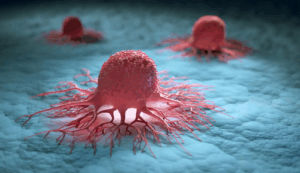
This reversible cancer therapy, led by Professor Kwang-Hyun Cho, focuses on fixing the genetic mistakes that turn cells cancerous. Instead of destroying tumors, it flips molecular switches to restore normal cell behavior. Early tests on colon cancer show tumors stopping growth while healthy tissues stay safe. This approach could mean fewer side effects and less chance of cancer returning.
 Via SciTechDaily
The excitement comes from its precision and gentleness. Patients might avoid the harsh poisons of chemo and get back to normal life faster. As research moves forward, it promises a shift from destructive to restorative medicine. This breakthrough offers real hope for better cancer care worldwide.
 Via Medthority
Scientists use small molecules or gene-editing techniques to enter cancer cells and activate the right pathways. These tools bind to specific gene networks, turning off harmful signals and turning on healthy ones. The process is reversible, meaning it can be stopped or adjusted if needed, which adds a layer of safety. Cells gradually shift from chaotic tumor behavior to orderly normal function.
This reprogramming doesn't just halt growth; it makes cells respond to the body's natural controls again. Tumors shrink as cells differentiate properly and stop invading nearby tissues. The therapy's design ensures it spares healthy cells, reducing widespread damage. It's like rewriting a corrupted computer file to make it work as intended.
 Via USC Viterbi
 Via Onco Daily
Beyond cancer, digital twins could personalize treatments by modeling a patient's unique tumor. Doctors might simulate therapies on your virtual twin to choose the best option. KAIST's success shows how computing bridges biology gaps, leading to smarter, faster innovations. It's a game-changer for precision medicine.
 Via Drug Topics
Animal studies used mice with implanted colon tumors to test real-body effects. After treatment, tumors halted growth and even shrank as cells reverted to normal. Healthy intestines remained untouched, unlike with chemo, which often causes gut damage. Survival rates improved, and cancer markers in the blood dropped significantly.
These results highlight the therapy's selectivity and safety. No major side effects appeared in animals, suggesting potential for human use. Researchers monitored long-term changes to ensure cells stayed healthy without relapsing. Success in colon models builds a strong case for expanding to clinical trials.
 Via GI Specialists of Georgia
 Via Everglades University
Cost and ease of use might also improve. Chemo requires hospital machines and long stays, while this could involve simple injections or pills. Digital twins lower development costs, potentially making it more affordable. Overall, it enhances quality of life, letting patients stay active and hopeful.
 Via Newsweek
Safety concerns include unintended changes in reprogrammed cells. Long-term monitoring in advanced animal models checks for new issues. The reversible nature allows quick reversal if problems arise, adding control. Regulatory bodies will demand extensive data before human approval.
Adapting to other cancers, like breast or lung, requires remapping gene networks with digital twins. Each cancer type has unique glitches, but the core method applies broadly. KAIST plans multi-cancer studies and partnerships for faster progress. Ethical issues like fair access in low-income areas must be addressed, too.
 Via Technology Networks
 Via BrainFacts
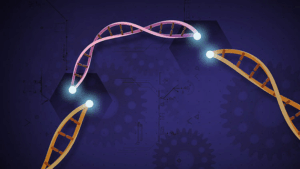
Understanding these networks reveals cancer's vulnerabilities. By hitting master regulators, one therapy can cascade fixes through many genes. This efficiency sets it apart from drugs targeting single proteins. Ongoing studies deepen this knowledge for refined applications.
 Via RepuGen
Global reach could save lives in high-burden areas like colon cancer hotspots. It's empowerment through science. Quality of life soars with quicker returns to work and hobbies. Supportive care shifts from managing pain to enhancing wellness. This therapy redefines cancer as a fixable condition, not a war.
 Via News24
Collaborative research hubs form, blending expertise for holistic advances. Society gains from reduced healthcare burdens and healthier populations. Prevention strategies incorporate early reprogramming signals. It's a paradigm shift toward proactive, personalized health. Ethical considerations will also shape this medical revolution.
As reprogramming and AI-driven biology advance, questions about safety, access, and long-term effects become crucial. Who controls genetic data and how treatments are distributed will define equity in future healthcare. Regulatory frameworks must evolve to balance innovation with responsibility, ensuring breakthroughs remain safe and available to all.
 Via MedPage Today
 Via New Scientist
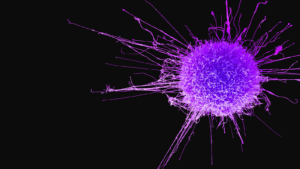
Scientists must also address concerns about affordability and global access once treatments prove effective. Without fair distribution, breakthroughs risk benefiting only a privileged few. Collaboration between regulators, healthcare providers, and communities will ensure that once these therapies reach the market, they do so responsibly, balancing innovation with compassion and equity in medical progress.
 Via Interesting Engineering
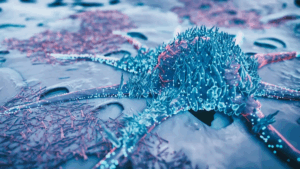
Hope turns tangible, one cell at a time. It also marks a shift in how society perceives healing itself. Instead of waging war on disease, this approach focuses on restoration and balance, helping the body remember how to function as it should.
Such thinking blurs the line between treatment and regeneration, offering a vision of medicine rooted in compassion rather than combat. It encourages viewing patients not as battlegrounds but as ecosystems capable of recovery, redefining what it truly means to heal from within.
More in Unassigned
Via SciTechDaily
The excitement comes from its precision and gentleness. Patients might avoid the harsh poisons of chemo and get back to normal life faster. As research moves forward, it promises a shift from destructive to restorative medicine. This breakthrough offers real hope for better cancer care worldwide.
How Reversible Therapy Works
At the heart of this therapy is targeting genetic regulators that control a cell's identity. Every cell in the body has the same DNA, but follows different instructions to become skin, muscle, or organ cells. Cancer disrupts these instructions, causing uncontrolled growth and ignoring body signals. The KAIST method identifies and corrects these faulty regulators using targeted tools.
Via Medthority
Scientists use small molecules or gene-editing techniques to enter cancer cells and activate the right pathways. These tools bind to specific gene networks, turning off harmful signals and turning on healthy ones. The process is reversible, meaning it can be stopped or adjusted if needed, which adds a layer of safety. Cells gradually shift from chaotic tumor behavior to orderly normal function.
This reprogramming doesn't just halt growth; it makes cells respond to the body's natural controls again. Tumors shrink as cells differentiate properly and stop invading nearby tissues. The therapy's design ensures it spares healthy cells, reducing widespread damage. It's like rewriting a corrupted computer file to make it work as intended.
Via USC Viterbi
The Role of Digital Twins in Discovery
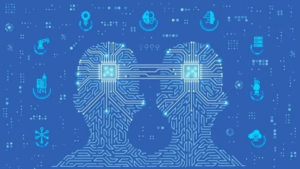
Digital twins are virtual copies of real cancer cells built on powerful computers. KAIST researchers created one to simulate gene interactions inside tumors without risking real lives. By inputting data from patient samples, the model runs countless scenarios to map out complex gene networks. This reveals key points where small changes can fix the entire system. The digital twin speeds up discovery by predicting therapy outcomes before lab tests. For colon cancer, it pinpointed genes driving abnormal growth and tested ways to block them virtually. Results matched real-world experiments, validating the approach with high accuracy. This tool cuts down on trial-and-error, saving time and resources in drug development.
Via Onco Daily
Beyond cancer, digital twins could personalize treatments by modeling a patient's unique tumor. Doctors might simulate therapies on your virtual twin to choose the best option. KAIST's success shows how computing bridges biology gaps, leading to smarter, faster innovations. It's a game-changer for precision medicine.
Testing on Colon Cancer Models
Colon cancer was chosen for initial tests because its genetic networks are well-understood. In lab dishes with human colon cancer cells, the therapy stopped wild division and restored normal structures. Treated cells formed organized layers like healthy gut tissue instead of messy clumps. This proved the reprogramming works at the cellular level.
Via Drug Topics
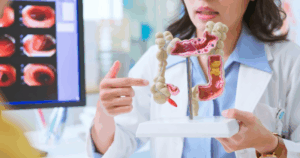
Animal studies used mice with implanted colon tumors to test real-body effects. After treatment, tumors halted growth and even shrank as cells reverted to normal. Healthy intestines remained untouched, unlike with chemo, which often causes gut damage. Survival rates improved, and cancer markers in the blood dropped significantly.
These results highlight the therapy's selectivity and safety. No major side effects appeared in animals, suggesting potential for human use. Researchers monitored long-term changes to ensure cells stayed healthy without relapsing. Success in colon models builds a strong case for expanding to clinical trials.
Via GI Specialists of Georgia
Benefits Over Traditional Treatments
Traditional treatments like chemo and radiation kill all fast-growing cells, hitting hair, blood, and gut alongside cancer. This leads to severe side effects that weaken patients during the fight. Reversible therapy avoids this by reprogramming only faulty cells, leaving healthy ones alone. Patients could skip nausea, infections, and fatigue for a smoother recovery. Another big plus is lower relapse risk. Destroying cells can leave hidden survivors that return stronger and resistant to drugs. Reprogrammed cells integrate back into normal tissue, reducing comeback chances. This restorative method treats the root cause, not just symptoms, for lasting results.
Via Everglades University
Cost and ease of use might also improve. Chemo requires hospital machines and long stays, while this could involve simple injections or pills. Digital twins lower development costs, potentially making it more affordable. Overall, it enhances quality of life, letting patients stay active and hopeful.
Challenges and Future Adaptations
Delivering reprogramming agents to deep tumor sites is a key challenge. Cancer cells hide in hard-to-reach areas, so scientists are developing nanoparticles as carriers. These tiny vehicles target tumors precisely, releasing tools only where needed. Testing these delivery systems ensures minimal off-target effects.
Via Newsweek
Safety concerns include unintended changes in reprogrammed cells. Long-term monitoring in advanced animal models checks for new issues. The reversible nature allows quick reversal if problems arise, adding control. Regulatory bodies will demand extensive data before human approval.
Adapting to other cancers, like breast or lung, requires remapping gene networks with digital twins. Each cancer type has unique glitches, but the core method applies broadly. KAIST plans multi-cancer studies and partnerships for faster progress. Ethical issues like fair access in low-income areas must be addressed, too.
Via Technology Networks
The Science Behind Gene Regulators
Genes act as blueprints, but regulators like transcription factors decide which parts get read. In healthy cells, these factors guide proper development and maintenance. Cancer flips them wrong, silencing protectors and boosting growth signals. KAIST therapy targets these factors to restore balance. Pathways for cell death or specialization get reactivated through precise tweaks. Epigenetic changes, tags on DNA that control access, are also adjusted without altering the code itself. This gentle editing mimics natural processes, making it compatible with body functions. Stem cell research inspired this, reversing dedifferentiation.
Via BrainFacts
Understanding these networks reveals cancer's vulnerabilities. By hitting master regulators, one therapy can cascade fixes through many genes. This efficiency sets it apart from drugs targeting single proteins. Ongoing studies deepen this knowledge for refined applications.
Potential Impact on Patients
For patients, this means diagnosis without despair, a path to gentle healing. Outpatient treatments with monitoring apps could track progress in real-time. Families see strength preserved, not drained, during therapy. Emotional toll lightens as side effects fade. Survivors benefit from fewer long-term harms like heart damage or cognitive fog. Precision tailoring to tumor genetics ensures better matches.
Via RepuGen
Global reach could save lives in high-burden areas like colon cancer hotspots. It's empowerment through science. Quality of life soars with quicker returns to work and hobbies. Supportive care shifts from managing pain to enhancing wellness. This therapy redefines cancer as a fixable condition, not a war.
Broader Implications for Medicine
Reprogramming extends beyond cancer to diseases like diabetes, resetting faulty cells. Digital twins could simulate organ failures for tailored fixes. AI integration accelerates discoveries across fields, from neurology to autoimmunity. Biotech evolves with this cell-centric view, prioritizing restoration over removal. New drugs might emerge for aging or genetic disorders.
Via News24
Collaborative research hubs form, blending expertise for holistic advances. Society gains from reduced healthcare burdens and healthier populations. Prevention strategies incorporate early reprogramming signals. It's a paradigm shift toward proactive, personalized health. Ethical considerations will also shape this medical revolution.
As reprogramming and AI-driven biology advance, questions about safety, access, and long-term effects become crucial. Who controls genetic data and how treatments are distributed will define equity in future healthcare. Regulatory frameworks must evolve to balance innovation with responsibility, ensuring breakthroughs remain safe and available to all.
Via MedPage Today
Steps Toward Clinical Use
Next phases refine delivery and dosing in larger animal groups. Phase-one human trials focus on safety in small volunteer cohorts. Monitoring for efficacy follows in phase two, comparing to standards. Phase three pits it against chemo in bigger trials for approval data. Partnerships with pharma firms scale production and distribution. Funding from grants and investors fuels momentum. Public education builds support and trial recruitment. Regulatory navigation ensures swift, safe rollout. Success hinges on data transparency and adaptive strategies. Ethical oversight is equally vital as research progresses toward clinical use. Clear consent processes, independent review boards, and long-term monitoring protect participants and maintain trust.
Via New Scientist
Scientists must also address concerns about affordability and global access once treatments prove effective. Without fair distribution, breakthroughs risk benefiting only a privileged few. Collaboration between regulators, healthcare providers, and communities will ensure that once these therapies reach the market, they do so responsibly, balancing innovation with compassion and equity in medical progress.
Discover the "Cancer Undo Button" That Reverses Tumors
Cancer cells are misguided, not evil; therapy guides them home. Flipping switches restores innate health, forgiving biological errors. Patients reclaim narratives from fear to renewal. This reset embodies medicine's future: harmonious with nature. As KAIST advances, it inspires global innovation.
Via Interesting Engineering
Hope turns tangible, one cell at a time. It also marks a shift in how society perceives healing itself. Instead of waging war on disease, this approach focuses on restoration and balance, helping the body remember how to function as it should.
Such thinking blurs the line between treatment and regeneration, offering a vision of medicine rooted in compassion rather than combat. It encourages viewing patients not as battlegrounds but as ecosystems capable of recovery, redefining what it truly means to heal from within.