Unassigned
Scientists Discover a New Human Organ - Interstitium

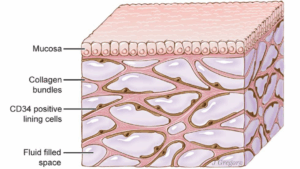
For centuries, scientists believed every organ in the human body was known, until the discovery of the interstitium, a hidden, fluid-filled network that changes how you understand anatomy. Found throughout the body’s connective tissues, the interstitium acts like a sponge made of collagen and elastin fibers. It cushions organs, muscles, and blood vessels, protecting them from shock and pressure.
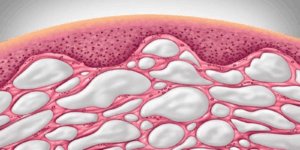
This vast system stretches across the body, carrying nutrients and waste through slow-moving interstitial fluid. It remained undiscovered because traditional microscopes drained tissue fluids, collapsing its spongy structure and making it appear solid. New imaging techniques in 2018 revealed the interstitium’s true form when researchers studying bile ducts noticed open, liquid-filled spaces.
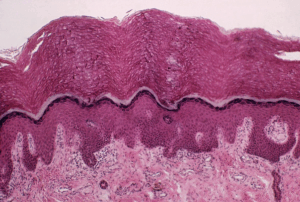 Via Live Science
Beyond physical support, the interstitium might also play a major role in disease spread. Scientists think it could act as a transport highway for immune cells, and possibly cancer, helping explain rapid tumor metastasis. This finding urges medicine to rethink anatomy and explore new ways to diagnose and treat illness, proving the human body still hides remarkable secrets.
 Via Wikipedia
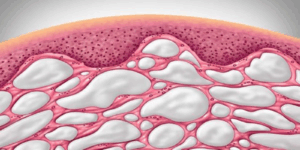
This structure looks like a lattice or honeycomb under advanced microscopes. The spaces range from microscopic to visible with special probes. In the skin, they help it stretch without tearing. In the lungs, they allow expansion during breathing. Around arteries, they prevent kinks from sudden moves. Every part of the body has some form of this network, though density varies.
Scientists estimate the interstitium holds about one-fifth of the body's total fluid volume. That's roughly 10 to 12 liters for an average adult. This makes it one of the largest "organs" by volume, rivaling the skin or liver. Yet it weighs almost nothing because it's mostly water-based.
 Via A Healthier Michigan
The fluid flows gently, driven by pressure from heartbeats and muscle squeezes. It drains into lymph vessels, which carry it back to the bloodstream. This cycle keeps tissues hydrated and removes debris. Without it, swelling or dryness would occur quickly.
 Via The Scientist
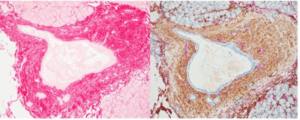
Staining techniques highlighted solids, ignoring gaps. Modern tools changed everything. Confocal laser endomicroscopy lets doctors view tissues inside living patients. A tiny probe shines light and captures reflections in real time. During a routine gut exam, researchers saw unusual patterns in the bile duct wall.
Fluid-filled compartments moved with probes, proving they were real. Follow-up studies used frozen sections and 3D imaging to confirm. Tissues kept moist and retained open spaces. Computer models simulated how drying flattens the mesh. This explained centuries of error.
 Via Scientific American
 Via IBTimes India
Athletes benefit most. Runners' feet absorb shocks through the foot interstitium. Without it, bones would crack more easily. Aging weakens elastin, making tissues stiffer and injury-prone. Hydration keeps this network flexible and responsive, allowing the body to recover faster after strain. Regular movement also helps circulate interstitial fluid, maintaining tissue health and resilience.
 Via Fraser Dental
Chronic inflammation links to fibrosis. Scar tissue replaces flexible mesh with rigid collagen. This happens in the lungs after smoking or in the liver from alcohol. New therapies target this. Drugs could reduce fluid buildup in heart failure. Anti-fibrotic agents might restore springiness in scarred organs.
 Via MDPI
In breast cancer, cells enter the skin interstitium, causing dimpling. In gut cancers, they invade the abdominal layers rapidly. Imaging now tracks this. Fluorescent dyes highlight spaces in animal models. Tumors near dense interstitium grow faster.
Blocking channels could stop the spread. Experimental gels fill spaces temporarily. Nanoparticles deliver chemo directly into the fluid. Early detection improves. Biopsy samples the interstitial fluid for tumor markers. Changes appear before lumps form.
 Via A Healthier Michigan
 Via Birmingham Gastroenterology
Recent studies suggest the interstitium may also play a role in nutrient absorption and toxin removal. It acts as a buffer zone, moderating how substances pass between blood vessels and organs. When this balance falters, waste can accumulate, leading to fatigue or swelling. Maintaining a healthy interstitial flow supports smoother digestion and better hydration across the entire system.
 Via Medical News Today
Wrinkles form as support sags. Dehydration shrinks spaces, thinning skin. Cosmetics target this. Hyaluronic acid injections plump the interstitium. Creams boost collagen production. Sun damage accelerates loss. UV rays stiffen fibers, reduce fluid retention. Hydration helps internally. Drinking water maintains volume. Exercise pumps fluid through movement.
 Via The Conversation
Stretching expands capacity gently. Arteries pulse with each beat. Interstitium cushions walls from rupture. In hypertension, pressure damages fibers. Aneurysms form weak spots. Veins rely on it for valve support. Varicose veins occur when the mesh weakens. Cardio workouts improve flow. Muscles squeeze fluid back to the heart.
 Via ThoughtCo
New probes image the interstitium live. Endoscopes with lasers scan during surgery. Ultrasound detects fluid buildup. MRI maps density changes. Biomarkers in fluid predict disease. Proteins signal early cancer or infection. Drug delivery improves. Nanoparticles enter spaces, releasing medicine slowly. Wound healing accelerates.
Gels mimic interstitium, speeding repair. Regenerative medicine grows scaffolds. Stem cells seeded in a mesh form organs. Clinical trials test blockers for metastasis. Results are promising in mice. Bioengineers design wearable sensors.
 Via News-Medical
 Via New Atlas
Science remains humble, reminding people that discovery never ends and knowledge is always unfolding. Each breakthrough reveals another wonder beneath the surface, and the interstitium shows that even the ordinary can conceal the extraordinary.
 Via Scientific American
Fascia, related tissue, gains attention. It connects the interstitium widely. The microbiome in spaces influences health. Bacteria live in fluid. Pain pathways trace through the mesh. Chronic pain treatments target it. Athletic performance links to interstitium efficiency. Training optimizes bounce. Researchers now see the interstitium as more than a structure; it’s a communication network.
Signals pass through its fluid channels faster than through blood alone, helping tissues coordinate repair and immune defense. This dynamic exchange means stress, emotion, and even hydration can subtly alter its function. Studying how the interstitium reacts in real time could reshape recovery science, showing how internal balance truly begins at the microscopic level.
More in Unassigned
Via Live Science
Beyond physical support, the interstitium might also play a major role in disease spread. Scientists think it could act as a transport highway for immune cells, and possibly cancer, helping explain rapid tumor metastasis. This finding urges medicine to rethink anatomy and explore new ways to diagnose and treat illness, proving the human body still hides remarkable secrets.
What Exactly Is the Interstitium Made Of?
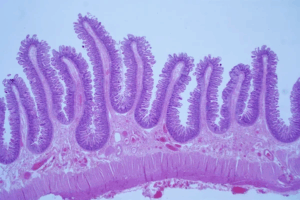
The interstitium consists of tiny, interconnected spaces filled with fluid. These spaces sit within connective tissues that hold the body together. Collagen bundles form strong walls, while elastin adds flexibility. The fluid inside is similar to the liquid part of blood, but thinner and clearer. It contains proteins, salts, and cells that float freely.
Via Wikipedia
This structure looks like a lattice or honeycomb under advanced microscopes. The spaces range from microscopic to visible with special probes. In the skin, they help it stretch without tearing. In the lungs, they allow expansion during breathing. Around arteries, they prevent kinks from sudden moves. Every part of the body has some form of this network, though density varies.
Scientists estimate the interstitium holds about one-fifth of the body's total fluid volume. That's roughly 10 to 12 liters for an average adult. This makes it one of the largest "organs" by volume, rivaling the skin or liver. Yet it weighs almost nothing because it's mostly water-based.
Via A Healthier Michigan
The fluid flows gently, driven by pressure from heartbeats and muscle squeezes. It drains into lymph vessels, which carry it back to the bloodstream. This cycle keeps tissues hydrated and removes debris. Without it, swelling or dryness would occur quickly.
How Was the Interstitium Hidden for So Long?
Old preparation methods for tissue samples caused the oversight. Doctors slice thin sections, fix them with chemicals, and dry them on slides. Fluids evaporate, and spaces collapse flat. What looked like solid walls was actually a crushed sponge. Early anatomists like Vesalius in the 1500s drew detailed maps but missed fluid layers. Microscopes from the 1800s showed cells and fibers, but not live dynamics.
Via The Scientist
Staining techniques highlighted solids, ignoring gaps. Modern tools changed everything. Confocal laser endomicroscopy lets doctors view tissues inside living patients. A tiny probe shines light and captures reflections in real time. During a routine gut exam, researchers saw unusual patterns in the bile duct wall.
Fluid-filled compartments moved with probes, proving they were real. Follow-up studies used frozen sections and 3D imaging to confirm. Tissues kept moist and retained open spaces. Computer models simulated how drying flattens the mesh. This explained centuries of error.
Via Scientific American
The Interstitium as a Shock Absorber
Daily life puts stress on the body. Walking jars knees, breathing expands chests, hearts pump against pressure. The interstitium cushions these forces. In the skin, it acts like bubble wrap. Collagen springs back after stretch, and fluid redistributes impact. This prevents bruises from minor bumps. Under organs, it forms slippery layers. The gut slides smoothly during digestion without sticking. Lungs glide against the chest walls with each breath. In joints, similar spaces reduce friction. Synovial fluid in the knees is related but distinct. Interstitium surrounds tendons, easing pulls.
Via IBTimes India
Athletes benefit most. Runners' feet absorb shocks through the foot interstitium. Without it, bones would crack more easily. Aging weakens elastin, making tissues stiffer and injury-prone. Hydration keeps this network flexible and responsive, allowing the body to recover faster after strain. Regular movement also helps circulate interstitial fluid, maintaining tissue health and resilience.
Role in the Immune System and Inflammation
The interstitium teems with immune cells. Dendritic cells patrol spaces, scanning for invaders. They carry antigens to lymph nodes faster through fluid paths. During infection, fluid volume increases. This causes swelling, or edema, as more white cells rush in. The network expands to accommodate traffic.
Via Fraser Dental
Chronic inflammation links to fibrosis. Scar tissue replaces flexible mesh with rigid collagen. This happens in the lungs after smoking or in the liver from alcohol. New therapies target this. Drugs could reduce fluid buildup in heart failure. Anti-fibrotic agents might restore springiness in scarred organs.
Connection to Cancer Spread
Cancer metastasis puzzles doctors. Cells break from tumors and travel to distant sites. Blood and lymph were known routes, but not all spread fits. Interstitium offers another path. Fluid channels connect directly between tissues. Cancer cells squeeze through gaps, hitch rides on the flow.
Via MDPI
In breast cancer, cells enter the skin interstitium, causing dimpling. In gut cancers, they invade the abdominal layers rapidly. Imaging now tracks this. Fluorescent dyes highlight spaces in animal models. Tumors near dense interstitium grow faster.
Blocking channels could stop the spread. Experimental gels fill spaces temporarily. Nanoparticles deliver chemo directly into the fluid. Early detection improves. Biopsy samples the interstitial fluid for tumor markers. Changes appear before lumps form.
Via A Healthier Michigan
The Network in Digestive and Urinary Systems
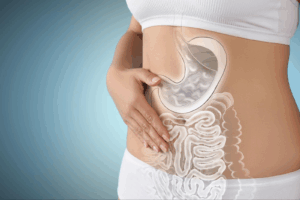
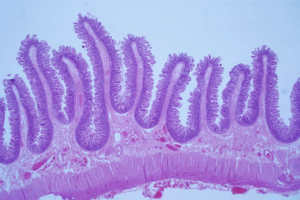
Gut walls contain thick interstitium. It separates muscle layers, allowing peristalsis. In diseases like Crohn's, inflammation swells spaces. This narrows the passages, causing pain. Kidneys filter blood into the interstitium first. Fluid balance regulates urine output. Bladder interstitium expands with filling. Interstitial cystitis inflames it, causing urgent pain. Diet affects health. Fiber prevents constipation by keeping fluid moving. Salt excess pulls water out, stiffening tissues.
Via Birmingham Gastroenterology
Recent studies suggest the interstitium may also play a role in nutrient absorption and toxin removal. It acts as a buffer zone, moderating how substances pass between blood vessels and organs. When this balance falters, waste can accumulate, leading to fatigue or swelling. Maintaining a healthy interstitial flow supports smoother digestion and better hydration across the entire system.
Interstitium in Skin and Aging
Skin has three layers: epidermis, dermis, and subcutaneous. Interstitium lives in the dermis and below. Young skin bounces back from pinches. Fluid and elastin provide snap. With age, fluid leaks, and collagen breaks.
Via Medical News Today
Wrinkles form as support sags. Dehydration shrinks spaces, thinning skin. Cosmetics target this. Hyaluronic acid injections plump the interstitium. Creams boost collagen production. Sun damage accelerates loss. UV rays stiffen fibers, reduce fluid retention. Hydration helps internally. Drinking water maintains volume. Exercise pumps fluid through movement.
Breathing and the Lungs' Hidden Sponge
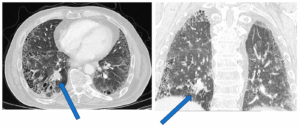
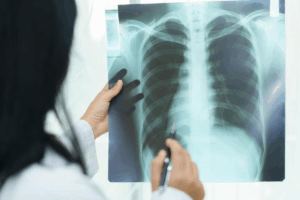
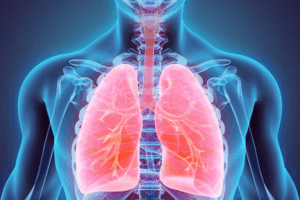
Lungs hold delicate air sacs. Interstitium surrounds them, preventing collapse. During exercise, spaces open wider for oxygen exchange. In pneumonia, fluid fills the lungs, impairing breathing. Pulmonary fibrosis scars the interstitium. Lungs stiffen, shortening life. Yoga and deep breathing may strengthen the mesh.
Via The Conversation
Stretching expands capacity gently. Arteries pulse with each beat. Interstitium cushions walls from rupture. In hypertension, pressure damages fibers. Aneurysms form weak spots. Veins rely on it for valve support. Varicose veins occur when the mesh weakens. Cardio workouts improve flow. Muscles squeeze fluid back to the heart.
Brain and Nervous System Links
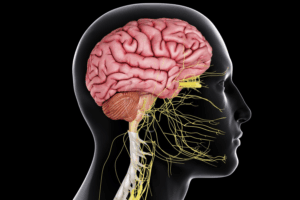
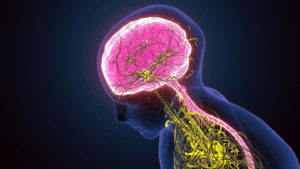
The brain has less interstitium but a glymphatic system analog. Fluid clears waste during sleep. The spinal cord is surrounded by protective layers. Injury swells spaces, compressing nerves. Migraines may involve fluid shifts. Pressure changes trigger pain.
Via ThoughtCo
New probes image the interstitium live. Endoscopes with lasers scan during surgery. Ultrasound detects fluid buildup. MRI maps density changes. Biomarkers in fluid predict disease. Proteins signal early cancer or infection. Drug delivery improves. Nanoparticles enter spaces, releasing medicine slowly. Wound healing accelerates.
Gels mimic interstitium, speeding repair. Regenerative medicine grows scaffolds. Stem cells seeded in a mesh form organs. Clinical trials test blockers for metastasis. Results are promising in mice. Bioengineers design wearable sensors.
Via News-Medical
Everyday Implications for Health
They track fluid shifts as early health signals. Stay hydrated, water keeps these hidden spaces full and tissues flexible. Move often, activity circulates fluid, preventing stagnation. Eat balanced meals, nutrients fortify collagen and preserve elastin. Avoid toxins like smoking or heavy alcohol; both weaken the body’s fibers. Sleep deeply; nighttime is when the mesh repairs itself. Medical understanding evolves; textbooks now teach dynamic anatomy, not static charts. Doctors reevaluate symptoms, seeing swelling as an interstitial signal rather than a side effect. Patients gain power through awareness. Knowing the body’s hidden layers fosters prevention and respect for its design.
Via New Atlas
Science remains humble, reminding people that discovery never ends and knowledge is always unfolding. Each breakthrough reveals another wonder beneath the surface, and the interstitium shows that even the ordinary can conceal the extraordinary.
Explore the Newly Found Human Organ - Interstitium
Nature hides complexity in plain view. Simple tools miss details of live imaging catches. Collaboration key. Endoscopists, pathologists, and engineers teamed up. Curiosity drives progress. Routine procedure sparked a revolution. The body is resilient yet fragile. Protect the sponge, protect the whole.
Via Scientific American
Fascia, related tissue, gains attention. It connects the interstitium widely. The microbiome in spaces influences health. Bacteria live in fluid. Pain pathways trace through the mesh. Chronic pain treatments target it. Athletic performance links to interstitium efficiency. Training optimizes bounce. Researchers now see the interstitium as more than a structure; it’s a communication network.
Signals pass through its fluid channels faster than through blood alone, helping tissues coordinate repair and immune defense. This dynamic exchange means stress, emotion, and even hydration can subtly alter its function. Studying how the interstitium reacts in real time could reshape recovery science, showing how internal balance truly begins at the microscopic level.