Unassigned
Scientists Baffled by Humpback Whale Rescues

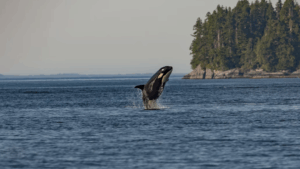
Humpback whales are known for their huge size and beautiful songs, but they have a secret side that surprises scientists. These giant sea creatures sometimes act like underwater heroes. They swim in to stop orcas from hunting other animals. Orcas are also called killer whales, and they are strong predators. The humpbacks seem to rescue seals, sea lions, and even fish from these attacks.
This happens all over the world, in different oceans. No one knows exactly why they do it. It looks like they get no reward, like food or safety. It's just something they choose to do. This behavior makes people think about how smart and kind animals can be. Scientists have seen this more than 100 times. Each time, a humpback whale shows up during an orca hunt.
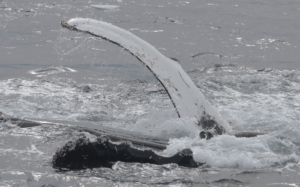
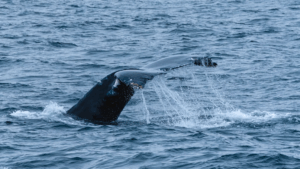 Sometimes, it lifts the hunted animal out of the water on its back or flippers. This gives the smaller creature a chance to escape. It's like the humpback is saying, "Not today!" to the orcas. People who study whales are puzzled. Is it instinct? Is it empathy? Or is it something else?
 Male whales sing complex tunes that can last for hours. These songs might help them find mates or talk to each other over long distances. Humpbacks live in all major oceans. They migrate every year, swimming thousands of miles between feeding grounds and breeding areas. In summer, they eat a lot in cold waters near the poles. Their food is mostly krill and small fish. They use a trick called bubble-net feeding.
A group of whales blows bubbles in a circle to trap fish, then they swim up with their mouths open to eat them. In winter, they go to warmer waters to have babies. Baby humpbacks, called calves, are about 15 feet long at birth. Mothers protect their calves fiercely because dangers lurk in the sea. These whales are smart. They work together in groups sometimes.
 They also play, jumping out of the water in breaches or slapping the surface with their tails. This intelligence might explain their heroic acts. But humpbacks face threats too. Ships can hit them, fishing nets can trap them, and pollution harms their home. Once, people hunted them almost to extinction. Now, laws protect them, and their numbers are growing in some places.
 There are different types of orcas. Some eat fish, like salmon. Others hunt mammals, like seals or even other whales. The mammal-eaters are the ones that clash with humpbacks. These orcas work as a team. They might ram a seal off ice or chase a sea lion until it's tired. Orcas can swim up to 30 miles per hour. They use echoes to find prey, like sonar. In some places, orcas attack humpback calves.
That's why humpbacks don't like them. Orcas are found in every ocean, from cold Arctic waters to warm tropics. They are apex predators, meaning nothing hunts them. But humpbacks sometimes stand up to them. This changes the usual rules of the sea. Orcas might avoid areas with many humpbacks because of this.
 Via National Geographic
This scared the orcas away. The gray whales escaped. In Alaska, humpbacks have saved sea lions from orca pods. They circle the orcas and charge at them. Sometimes, humpbacks travel miles when they hear distress calls. These calls might be from the hunted animals or even from the orcas themselves.
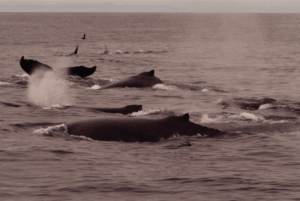
In the Pacific Ocean, humpbacks have rescued sunfish, which are big, flat fish. Orcas like to play with them before eating. But a humpback might swim in and lift the sunfish on its back. This breaks up the hunt. These stories come from boat tours, scientists, and videos.
 Via Baleins en direct
 Via A-Z Animals
In some cases, humpbacks lift the prey out of harm's way. They roll over and let the animal rest on their flipper or back. This keeps it above water, away from orcas. The rescue can last minutes or hours. Humpbacks stay until the orcas leave. They might get scratches from orca teeth, but they keep going. This shows bravery, even if it's just instinct.
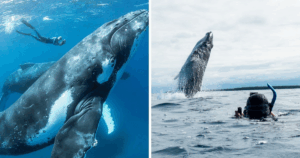 Via Snuggle Upworthy
Not every humpback does this. But many have scars from past orca attacks. About half of humpbacks show rake marks from orca teeth. This means they might remember bad experiences. When humpbacks step in, orcas often give up.
In many cases, the hunt stops, and the prey gets away. This behavior isn't new, but people notice it more now. With drones and phones, people record videos. Whale-watching tours see it too. As whale numbers grow after hunting bans, you might see more rescues.
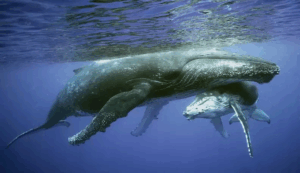 Via The Dodo
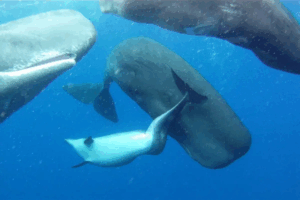 Via New Scientist
It might be altruism. That's when animals help others without gain. In nature, birds warn others about predators. Fish clean bigger fish for food, but this is different. Humpbacks get no food or mates from rescuing. They might do it because it feels right. Or perhaps it's to show strength in their group. Some say it's anti-bullying. Humpbacks act when they see unfair fights.
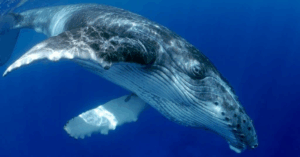 Via A-Z Animals
For conservation, it's good news. Protected whales mean more heroes. But climate change melts ice, changing homes. Warmer waters might bring more orca-humpback meetings. You need to watch this. Other animals do similar things. Dolphins save swimmers from sharks. Elephants help hurt friends. It reminds everyone that nature has kindness.
 Via National Geographic
While researchers debate small things, these giants show big actions. Next time you see the ocean, think of the dramas below. Humpbacks teach people about courage and care. They are true underwater superheroes.
More in Unassigned
Sometimes, it lifts the hunted animal out of the water on its back or flippers. This gives the smaller creature a chance to escape. It's like the humpback is saying, "Not today!" to the orcas. People who study whales are puzzled. Is it instinct? Is it empathy? Or is it something else?
What Makes Humpback Whales Special
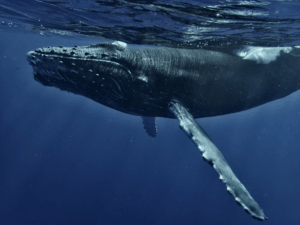
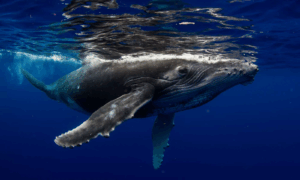
Humpback whales are one of the biggest animals in the ocean. They can grow up to 50 feet long and weigh as much as 40 tons. That's like the weight of 10 elephants! Their bodies are dark gray or black on top, with white patches underneath. They have long flippers that look like wings, which help them swim fast and turn quickly. These flippers can be up to 15 feet long. Humpbacks are famous for their songs.
Male whales sing complex tunes that can last for hours. These songs might help them find mates or talk to each other over long distances. Humpbacks live in all major oceans. They migrate every year, swimming thousands of miles between feeding grounds and breeding areas. In summer, they eat a lot in cold waters near the poles. Their food is mostly krill and small fish. They use a trick called bubble-net feeding.
A group of whales blows bubbles in a circle to trap fish, then they swim up with their mouths open to eat them. In winter, they go to warmer waters to have babies. Baby humpbacks, called calves, are about 15 feet long at birth. Mothers protect their calves fiercely because dangers lurk in the sea. These whales are smart. They work together in groups sometimes.
They also play, jumping out of the water in breaches or slapping the surface with their tails. This intelligence might explain their heroic acts. But humpbacks face threats too. Ships can hit them, fishing nets can trap them, and pollution harms their home. Once, people hunted them almost to extinction. Now, laws protect them, and their numbers are growing in some places.
Orcas - The Ocean's Top Hunters
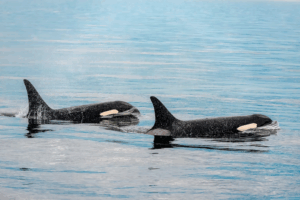
Orcas are the bad guys in this story, but they are just doing what nature tells them. They are not true whales; they are the largest dolphins. Orcas can be 30 feet long and weigh 10 tons. Their black and white colors make them easy to spot. They have sharp teeth for catching prey. Orcas live in pods, which are family groups. They hunt together, using smart plans to catch food.
There are different types of orcas. Some eat fish, like salmon. Others hunt mammals, like seals or even other whales. The mammal-eaters are the ones that clash with humpbacks. These orcas work as a team. They might ram a seal off ice or chase a sea lion until it's tired. Orcas can swim up to 30 miles per hour. They use echoes to find prey, like sonar. In some places, orcas attack humpback calves.
That's why humpbacks don't like them. Orcas are found in every ocean, from cold Arctic waters to warm tropics. They are apex predators, meaning nothing hunts them. But humpbacks sometimes stand up to them. This changes the usual rules of the sea. Orcas might avoid areas with many humpbacks because of this.
Real-Life Rescue Stories
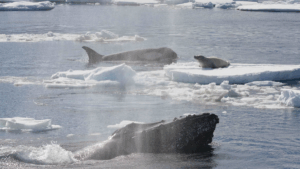
One famous rescue happened in Antarctica in 2009. A group of orcas was trying to knock a Weddell seal off a piece of floating ice. They swam fast to make waves that washed the seal into the water. Just then, two humpback whales arrived. One whale flipped over and put the seal on its belly. It used a flipper to keep the seal safe. It swam to another ice floe and let the seal slide off. The orcas gave up and left. A scientist named Robert Pitman saw this and was amazed. Another story comes from Monterey Bay in California. Orcas were chasing a gray whale calf and its mother. Humpbacks showed up and started slapping the water with their tails. They bellowed loud sounds.
Via National Geographic
This scared the orcas away. The gray whales escaped. In Alaska, humpbacks have saved sea lions from orca pods. They circle the orcas and charge at them. Sometimes, humpbacks travel miles when they hear distress calls. These calls might be from the hunted animals or even from the orcas themselves.
In the Pacific Ocean, humpbacks have rescued sunfish, which are big, flat fish. Orcas like to play with them before eating. But a humpback might swim in and lift the sunfish on its back. This breaks up the hunt. These stories come from boat tours, scientists, and videos.
Via Baleins en direct
How Humpbacks Pull Off the Saves
Humpbacks use their size and strength to rescue others. They are bigger than orcas, so they can intimidate them. One way is body-blocking. The humpback swims between the orcas and their prey. It acts like a wall. Another method is charging. The whale rushes at the orcas with speed. This can scatter the pod. Tail slapping is common. Humpbacks lift their tails high and smack the water. This makes loud noises and big splashes. It confuses the orcas. Fin swinging does the same. Humpbacks also blow bubbles or make trumpet sounds. These might signal danger or call other humpbacks for help.
Via A-Z Animals
In some cases, humpbacks lift the prey out of harm's way. They roll over and let the animal rest on their flipper or back. This keeps it above water, away from orcas. The rescue can last minutes or hours. Humpbacks stay until the orcas leave. They might get scratches from orca teeth, but they keep going. This shows bravery, even if it's just instinct.
How Often Does This Happen?
Scientists have counted over 115 cases where humpbacks interfere with orca hunts. Most of these, about 90 percent, involve saving animals that are not humpbacks. Like seals, sea lions, porpoises, and even other whales. These reports come from all over the world. From Antarctica to the North Pacific.
Via Snuggle Upworthy
Not every humpback does this. But many have scars from past orca attacks. About half of humpbacks show rake marks from orca teeth. This means they might remember bad experiences. When humpbacks step in, orcas often give up.
In many cases, the hunt stops, and the prey gets away. This behavior isn't new, but people notice it more now. With drones and phones, people record videos. Whale-watching tours see it too. As whale numbers grow after hunting bans, you might see more rescues.
Via The Dodo
Theories - Why Risk It All?
No one knows for sure why humpbacks do this. One idea is a misdirected instinct. Humpbacks protect their own calves from orcas. Calves make cries when in danger. Maybe humpbacks hear similar sounds from other animals and react the same way. It's like helping by mistake, but it still saves lives. Another theory is empathy. Whales are smart and social. They might feel bad for the hunted animals. Like how humans help strangers. Some scientists think humpbacks hate orcas. By stopping hunts, they make orcas weaker or teach them to stay away. This could protect future humpback calves.
Via New Scientist
It might be altruism. That's when animals help others without gain. In nature, birds warn others about predators. Fish clean bigger fish for food, but this is different. Humpbacks get no food or mates from rescuing. They might do it because it feels right. Or perhaps it's to show strength in their group. Some say it's anti-bullying. Humpbacks act when they see unfair fights.
What This Means for the Ocean
This behavior changes how researchers see the sea. It's not just eat or be eaten. Animals can work together across species. Humpbacks might help balance the ecosystem. If they stop some orca hunts, it affects food chains. More seals survive, which eat more fish. It shows whales are complex. They have cultures, like songs that change over time. This rescue habit might be learned, passed to young whales. If so, it's like tradition.
Via A-Z Animals
For conservation, it's good news. Protected whales mean more heroes. But climate change melts ice, changing homes. Warmer waters might bring more orca-humpback meetings. You need to watch this. Other animals do similar things. Dolphins save swimmers from sharks. Elephants help hurt friends. It reminds everyone that nature has kindness.
Explore Why Humpback Whales Save Other Species
Humpback whales are more than singers and jumpers. They are guardians of the sea. Swimming fast to stop orcas, they save lives for no clear reason. Is it heart or habit? Science keeps looking.
Via National Geographic
While researchers debate small things, these giants show big actions. Next time you see the ocean, think of the dramas below. Humpbacks teach people about courage and care. They are true underwater superheroes.