Unassigned
Robotic Surgeries - How Close Are We to AI-Powered Plastic Surgery?

The integration of robotics into the field of surgery has transformed many specialties, including cosmetic and plastic surgery. While the idea of a robot performing a facelift independently still lies in the realm of science fiction, robotic systems are increasingly assisting surgeons in ways that enhance both precision and outcomes. Their role, though currently limited to support, is growing rapidly as technology advances.
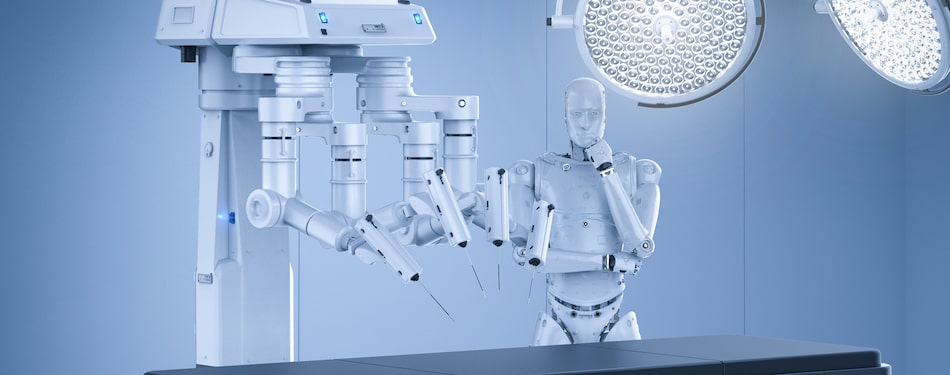
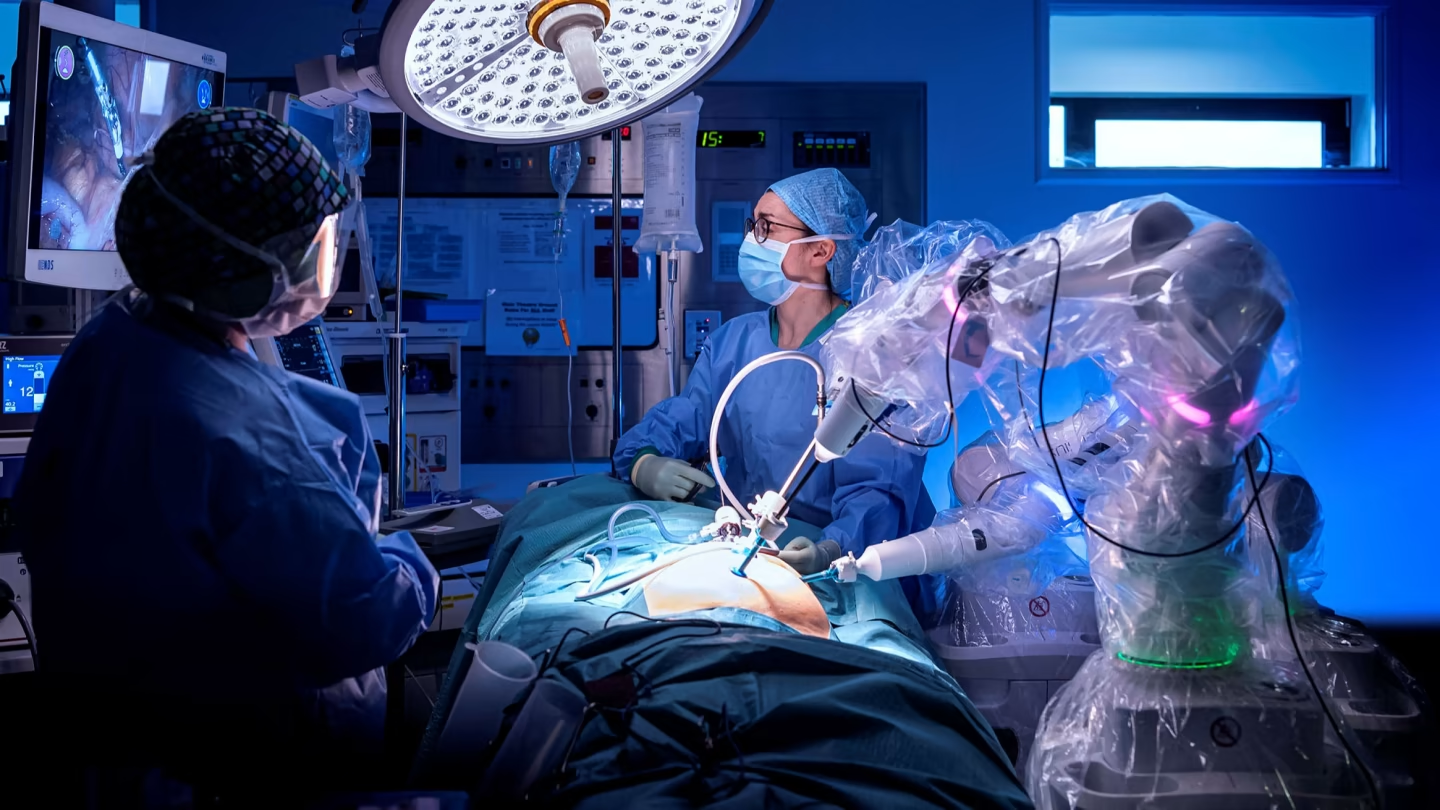
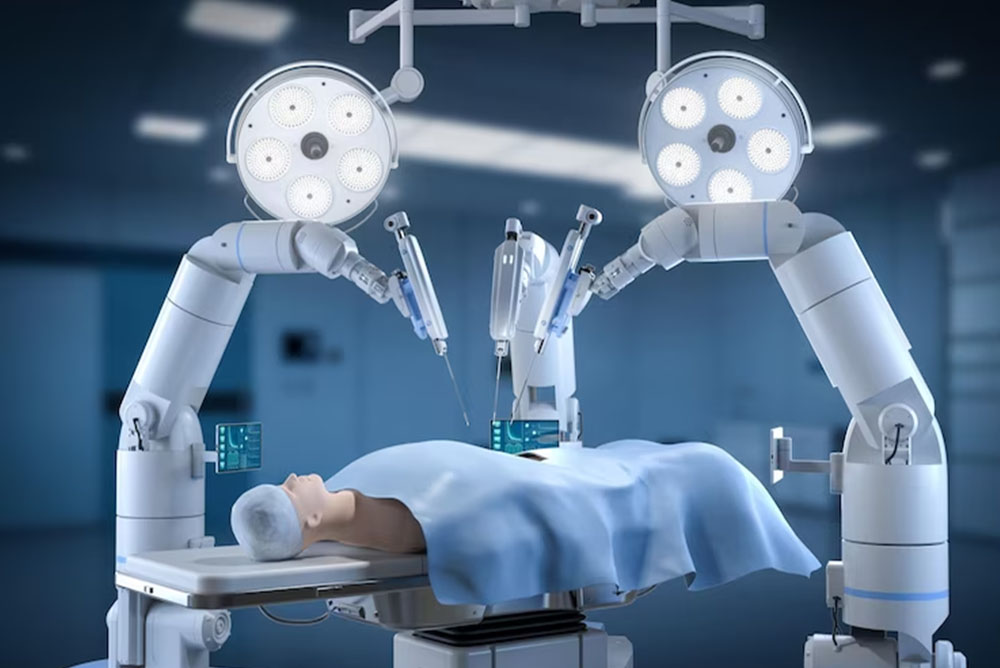
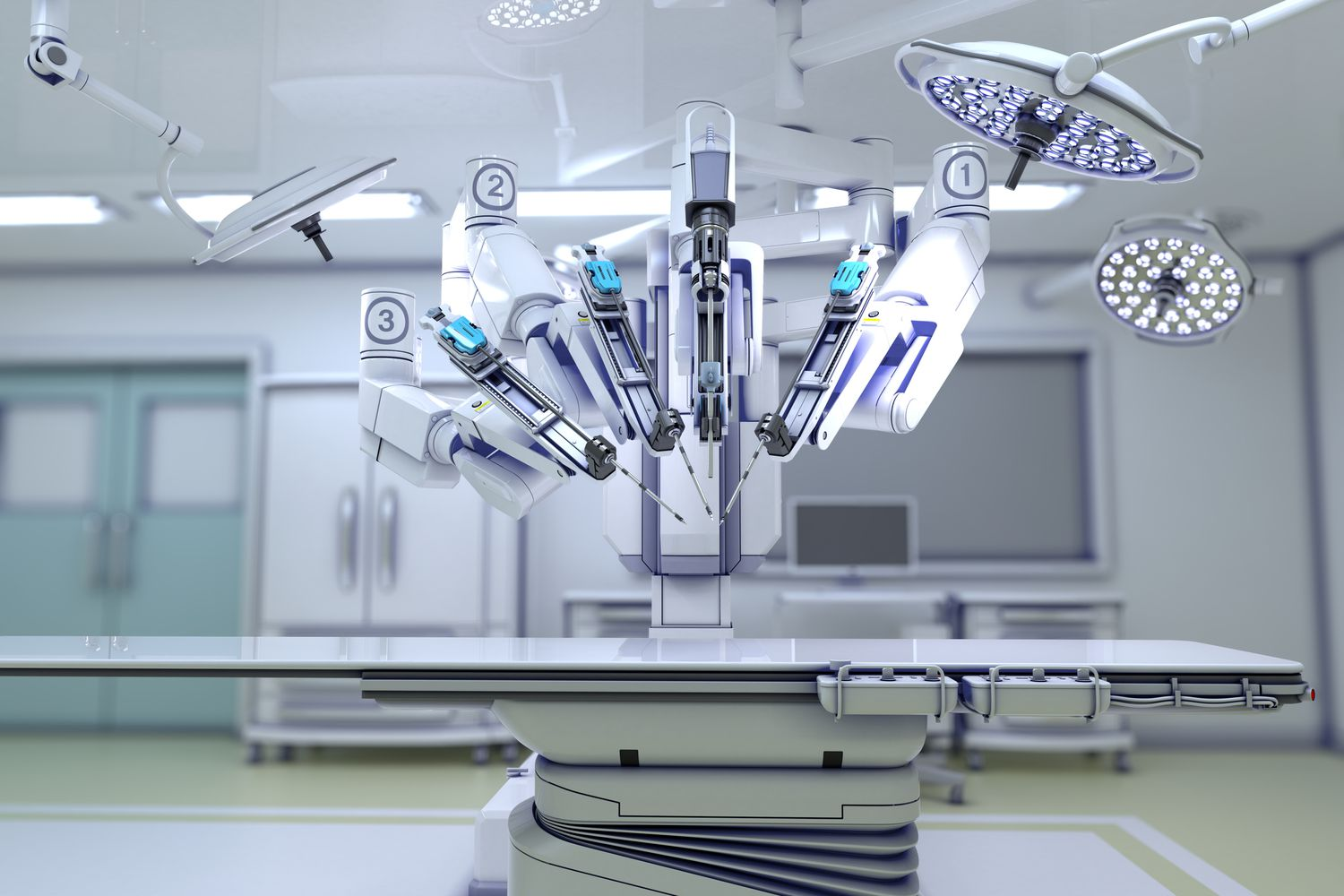
In procedures that demand accuracy and delicacy, such as facelifts, robots are proving valuable. Tools like the Da Vinci Surgical System provide unparalleled control and visualization, enabling surgeons to perform complex tasks with increased precision. These robotic systems enable movements that are both refined and stable, often surpassing the capabilities of the human hand alone.
 Via Cosmetic Town
Despite this progress, robots are not autonomous agents in the operating room. They serve as extensions of the surgeon's skill, augmenting their ability to carry out delicate procedures. The surgeon remains in full control, guiding the robotic instruments throughout the surgery.
 Via Financial Times
The minimally invasive capabilities of robotic tools are another crucial advantage. Smaller incisions not only reduce visible scarring but also minimize trauma to surrounding tissues. This contributes to faster healing and shorter recovery times, a factor that is especially appealing to individuals seeking cosmetic enhancements.
A noteworthy application of robotic assistance is seen in rhinoplasty, or nose reshaping surgery. Surgeons have begun using robotic systems to navigate the nasal structure with increased precision, reducing the risk of complications. In addition to rhinoplasty, robotic technology is also being explored in procedures such as liposuction and hair transplantation.
 Via The Hollywood Reporter
Although these surgeries still require a human surgeon to make critical decisions and perform the majority of tasks, the integration of robotics has brought a level of consistency and finesse that traditional techniques sometimes lack. In this way, robotic support acts as a bridge between manual surgery and future innovations.
 Via Global Health Trip
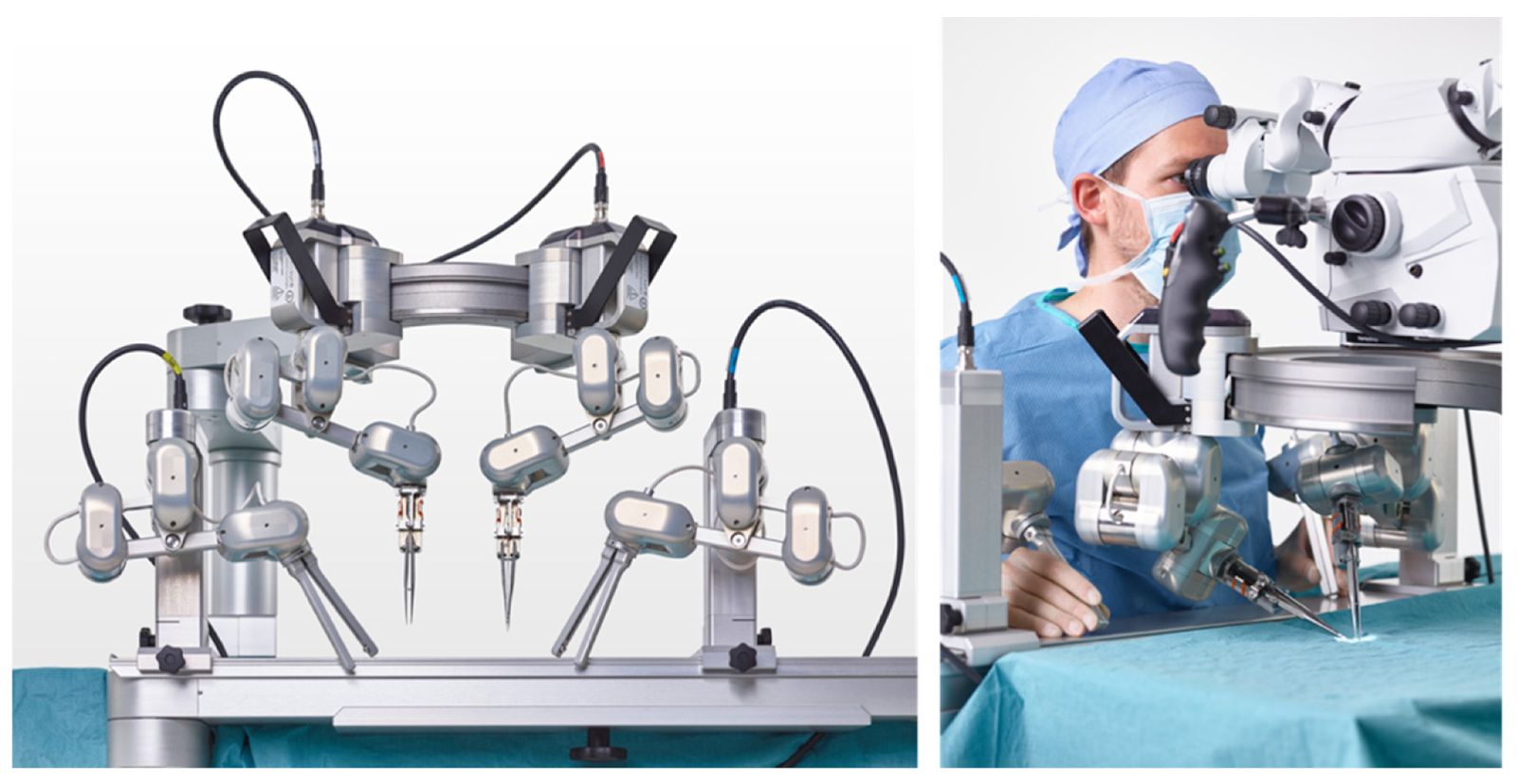
Robotic instruments also offer a degree of movement and rotation that surpasses human hand capabilities. These features allow surgeons to operate through narrower spaces with more controlled motion, reducing the risk of damaging critical facial nerves or blood vessels during a facelift.
This combination of enhanced vision and dexterity reduces variability in outcomes. As a result, patients undergoing robotic-assisted procedures may experience better symmetry and fewer complications. These advantages are key drivers in the growing interest in robotic involvement in cosmetic surgery.
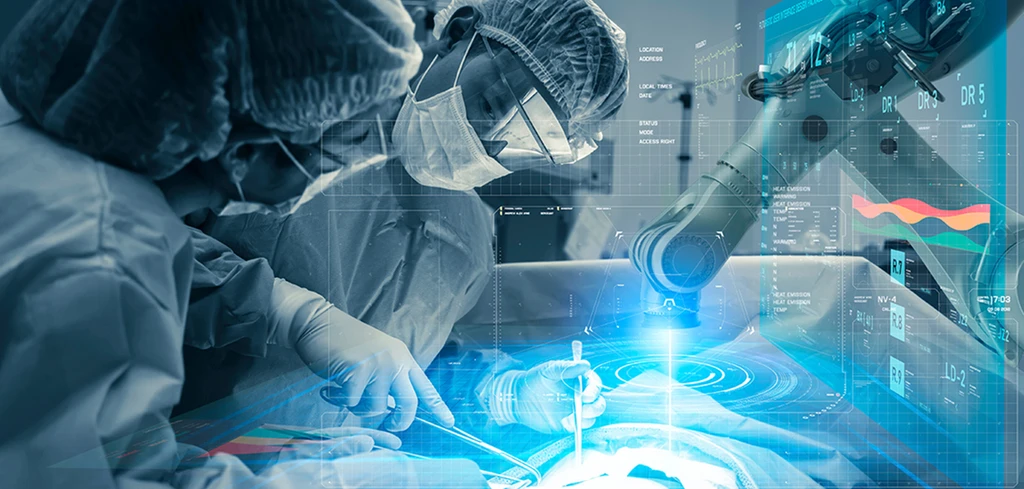 Via Lux Hospital
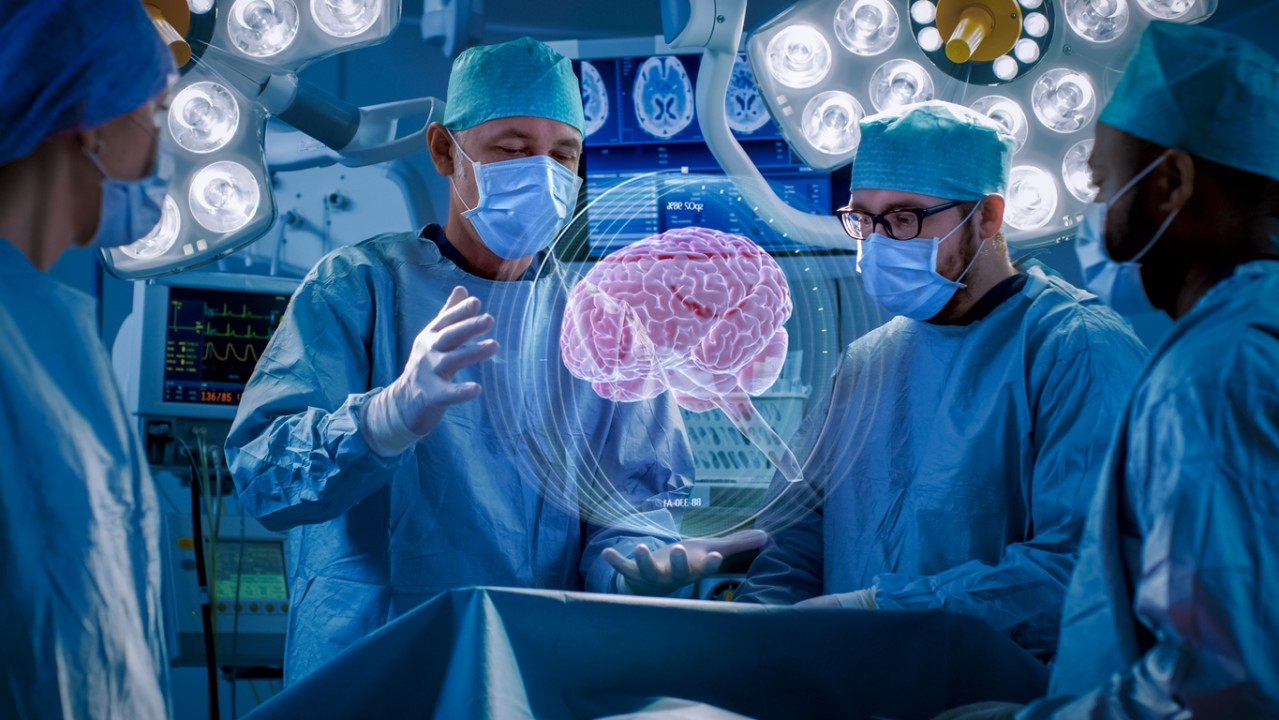 Via LinkedIn
The ability to simulate various outcomes also contributes to setting more realistic expectations. This reduces the likelihood of dissatisfaction post-surgery and allows for more personalized treatment planning. In the context of facelifts, where subtle changes can have a major impact, this level of foresight is especially valuable.
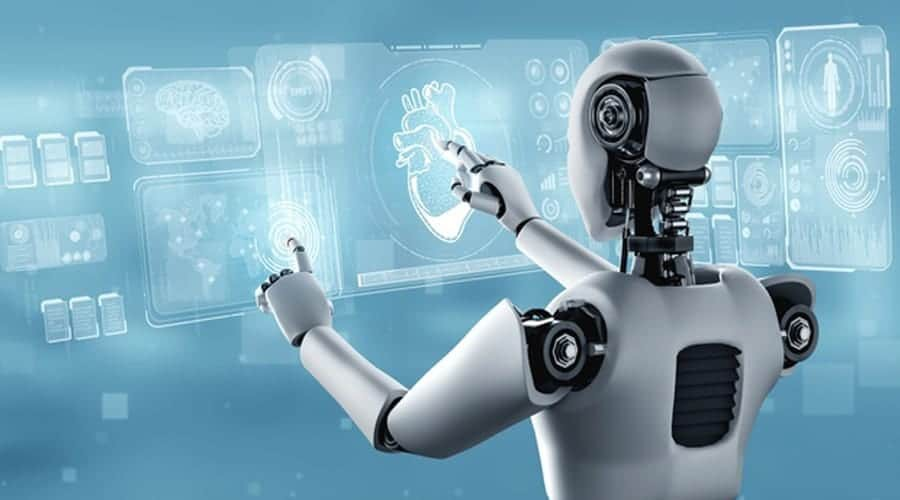 Via RobotShop Community
One likely direction is the development of compact and versatile robotic systems specifically designed for cosmetic procedures. These systems could be optimized for the unique demands of facial surgeries, allowing for greater precision in skin lifting, tissue repositioning, and muscle tightening. With these enhancements, facelifts could become less invasive and more accessible.
Integration with AI will further streamline both the planning and surgical phases. Combining real-time data analytics with robotic precision may lead to new techniques that improve both safety and effectiveness. The long-term vision includes robots that can respond to changes in tissue dynamics or adjust technique mid-procedure based on live feedback, though such capabilities remain theoretical for now.
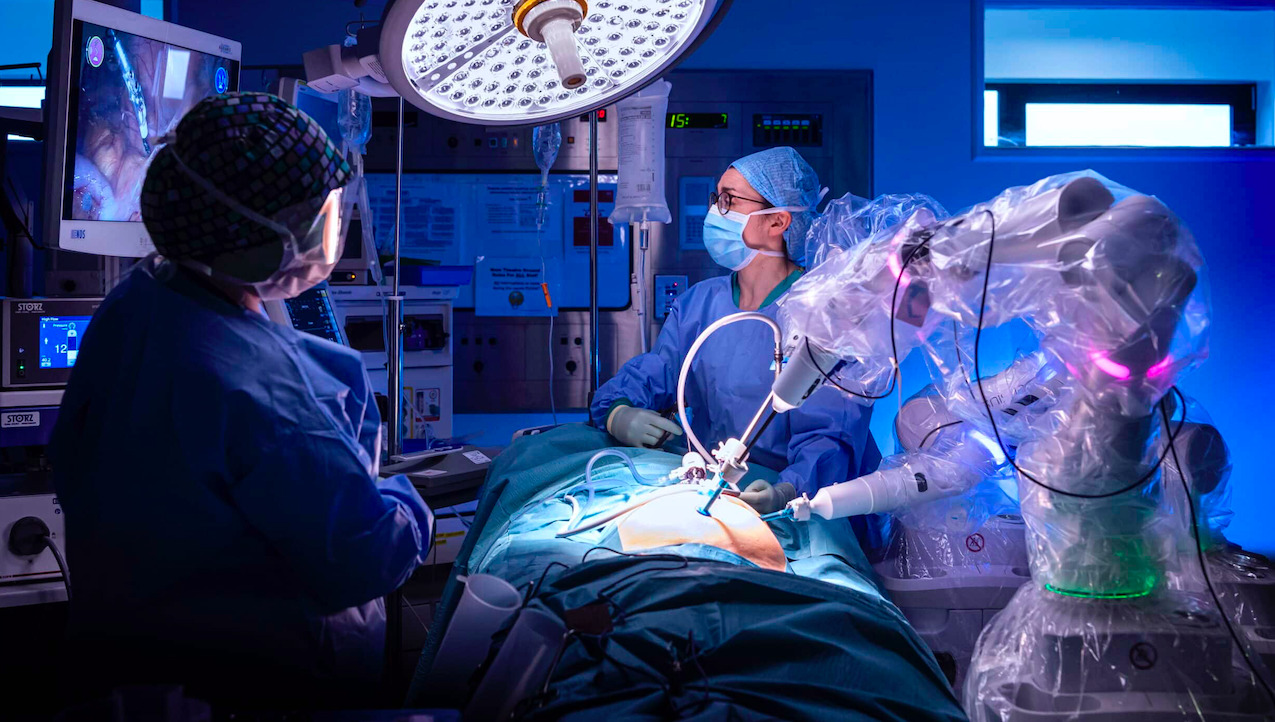 Via Personalize My Medicine
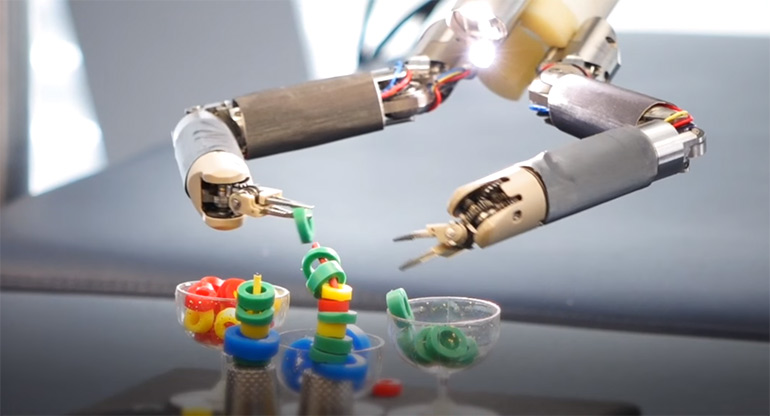 Via The Robot Report
Surgeons must undergo specialized training to operate robotic systems effectively. It takes a lot of learning to become proficient with robotic devices, and even seasoned surgeons have to become used to a new interface. Until training becomes more widespread and streamlined, the adoption of robotic systems will remain gradual.
There are regulatory hurdles to consider. Approval for new surgical techniques and devices involves extensive testing and compliance with health standards. Cosmetic procedures, being elective, are under particular scrutiny, making it more difficult for new technologies to gain traction.
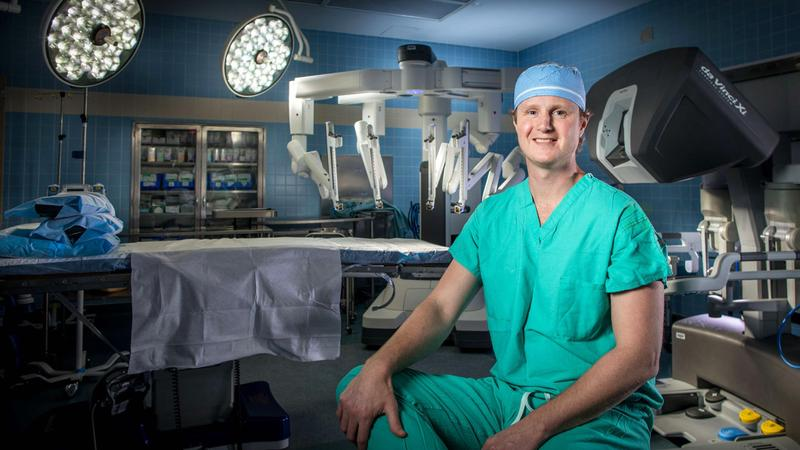 Via Perfusion
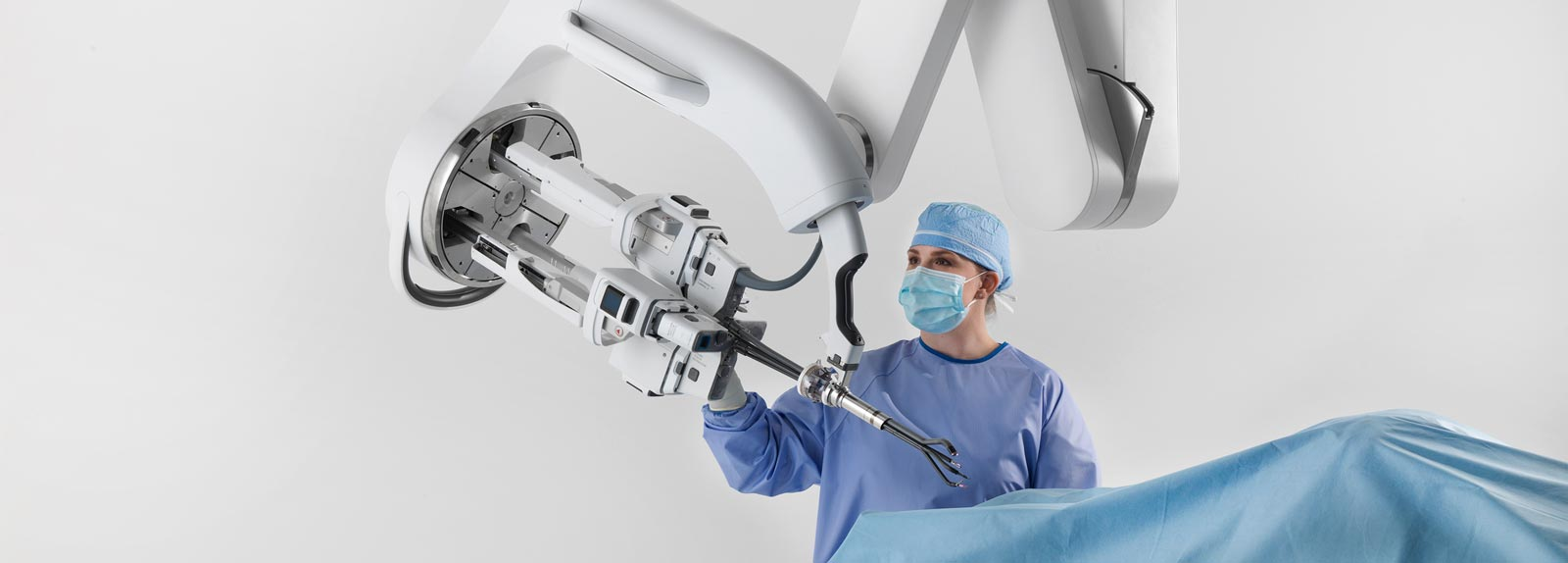 Via MedStar Health
As technology matures, patient education will play a crucial role in the successful adoption of robotic tools in aesthetic surgery. Understanding that robots act under human control and are not performing surgeries independently is key to addressing fears and misconceptions.
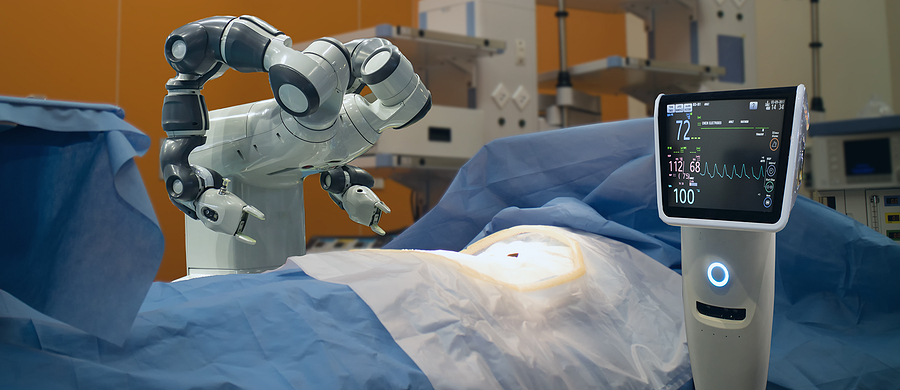 Via Dr. Soliman Fakeeh Hospital
Future advances in machine learning, miniaturization, and sensor technology could eventually bring the world closer to semi-autonomous or even fully automated surgical procedures. But such developments will require not only technological breakthroughs but also ethical oversight, regulatory approval, and broad professional acceptance.
The collaboration between human surgeons and robotic systems will continue to evolve. This partnership holds the potential to make facelifts safer, more effective, and more personalized, aligning with the broader goals of cosmetic surgery.
 Via Polhemus
As the capabilities of robotic systems expand, their role may extend beyond the operating room. AI-driven tools could assist with pre-surgical consultations, offering data-backed assessments of risks, benefits, and personalized outcomes. These systems might help patients and surgeons make more informed decisions by simulating realistic results based on individual anatomy and medical history.
The integration of real-time feedback mechanisms, such as force sensors and adaptive imaging, could enhance the responsiveness of robotic tools during surgery. These innovations may one day narrow the gap between human intuition and machine precision, making each facelift not only more accurate but also more attuned to subtle aesthetic goals.
 Via Verywell Health
The immediate future of cosmetic surgery will rely on the synergy between the two, merging the judgment of experienced surgeons with the precision of advanced robotics. In this evolving landscape, the promise of AI-driven plastic surgery is not one of replacement but of remarkable enhancement.
More in Unassigned
Via Cosmetic Town
Despite this progress, robots are not autonomous agents in the operating room. They serve as extensions of the surgeon's skill, augmenting their ability to carry out delicate procedures. The surgeon remains in full control, guiding the robotic instruments throughout the surgery.
Current Applications of Robotic Assistance in Cosmetic Surgery
In the present landscape of aesthetic surgery, robots are primarily functioning as precision tools rather than independent surgical operators. Their ability to improve accuracy and dexterity makes them ideal for procedures that require meticulous adjustments. Facelifts, which involve tightening and repositioning facial tissues, can benefit significantly from the precise control offered by robotic systems.
Via Financial Times
The minimally invasive capabilities of robotic tools are another crucial advantage. Smaller incisions not only reduce visible scarring but also minimize trauma to surrounding tissues. This contributes to faster healing and shorter recovery times, a factor that is especially appealing to individuals seeking cosmetic enhancements.
A noteworthy application of robotic assistance is seen in rhinoplasty, or nose reshaping surgery. Surgeons have begun using robotic systems to navigate the nasal structure with increased precision, reducing the risk of complications. In addition to rhinoplasty, robotic technology is also being explored in procedures such as liposuction and hair transplantation.
Via The Hollywood Reporter
Although these surgeries still require a human surgeon to make critical decisions and perform the majority of tasks, the integration of robotics has brought a level of consistency and finesse that traditional techniques sometimes lack. In this way, robotic support acts as a bridge between manual surgery and future innovations.
The Importance of Enhanced Visualization and Precision
One of the most transformative features of robotic surgical systems is their advanced imaging capabilities. Systems like the Da Vinci offer surgeons a three-dimensional, high-definition view of the surgical field. This level of visualization is critical in facial surgeries where millimeter-level precision can influence the overall outcome.
Via Global Health Trip
Robotic instruments also offer a degree of movement and rotation that surpasses human hand capabilities. These features allow surgeons to operate through narrower spaces with more controlled motion, reducing the risk of damaging critical facial nerves or blood vessels during a facelift.
This combination of enhanced vision and dexterity reduces variability in outcomes. As a result, patients undergoing robotic-assisted procedures may experience better symmetry and fewer complications. These advantages are key drivers in the growing interest in robotic involvement in cosmetic surgery.
Via Lux Hospital
Role of AI in Pre-Surgical Planning and Visualization
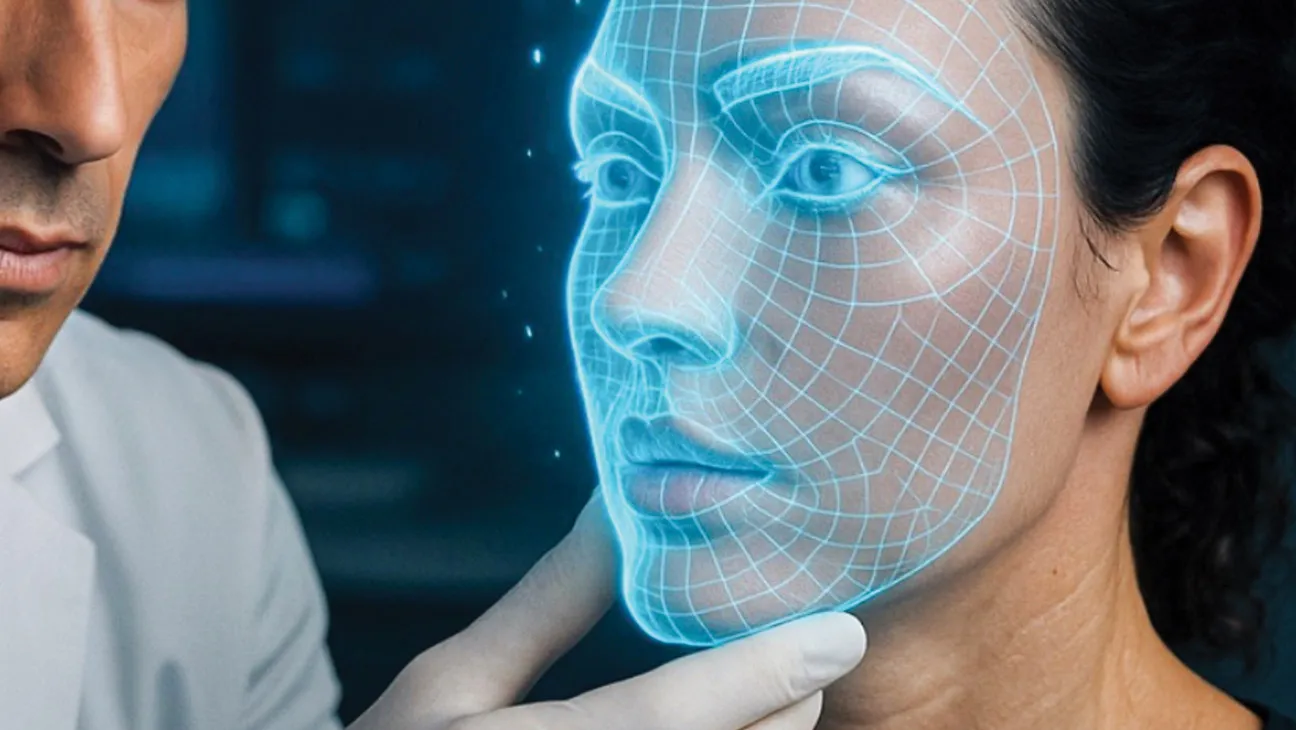
Artificial intelligence is also beginning to leave its mark on the cosmetic surgery field, particularly in pre-operative planning. AI software can now generate 3D models of a patient’s face, offering simulations of possible outcomes based on different surgical approaches. This helps patients visualize what they might look like after surgery, improving communication between surgeon and patient. These predictive models rely on detailed imaging and data analysis to map facial structures. When used alongside robotic tools, they provide a comprehensive planning-to-execution workflow. While AI currently does not make decisions or perform any hands-on surgery, its role in optimizing the preparation phase cannot be understated.
Via LinkedIn
The ability to simulate various outcomes also contributes to setting more realistic expectations. This reduces the likelihood of dissatisfaction post-surgery and allows for more personalized treatment planning. In the context of facelifts, where subtle changes can have a major impact, this level of foresight is especially valuable.
What the Future Holds for Robotic Cosmetic Surgery
As robotic technologies continue to evolve, their role in aesthetic surgery is poised to expand significantly. Although full automation remains a long-term possibility, the short-term future will likely see an increase in robotic assistance across more cosmetic procedures, including facelifts. With improvements in design and functionality, robotic systems are becoming smaller, more affordable, and easier to integrate into surgical practices.
Via RobotShop Community
One likely direction is the development of compact and versatile robotic systems specifically designed for cosmetic procedures. These systems could be optimized for the unique demands of facial surgeries, allowing for greater precision in skin lifting, tissue repositioning, and muscle tightening. With these enhancements, facelifts could become less invasive and more accessible.
Integration with AI will further streamline both the planning and surgical phases. Combining real-time data analytics with robotic precision may lead to new techniques that improve both safety and effectiveness. The long-term vision includes robots that can respond to changes in tissue dynamics or adjust technique mid-procedure based on live feedback, though such capabilities remain theoretical for now.
Via Personalize My Medicine
Challenges Limiting Full Robotic Autonomy in Surgery
Despite the growing enthusiasm for robotic systems, several barriers remain before robots can take on more independent roles in cosmetic surgery. One of the primary obstacles is cost. Robotic systems such as the Da Vinci are expensive to acquire and maintain, making them less accessible for many private cosmetic clinics. This cost factor often outweighs the benefits, especially in elective surgeries where affordability influences patient decisions. Another concern is the lack of tactile feedback. Unlike human hands, current robotic systems cannot feel variations in tissue resistance, texture, or elasticity. This absence of sensory input can make certain procedures more difficult and potentially limit the precision of facial surgeries like facelifts.
Via The Robot Report
Surgeons must undergo specialized training to operate robotic systems effectively. It takes a lot of learning to become proficient with robotic devices, and even seasoned surgeons have to become used to a new interface. Until training becomes more widespread and streamlined, the adoption of robotic systems will remain gradual.
There are regulatory hurdles to consider. Approval for new surgical techniques and devices involves extensive testing and compliance with health standards. Cosmetic procedures, being elective, are under particular scrutiny, making it more difficult for new technologies to gain traction.
Via Perfusion
Balancing Innovation with Patient Expectations
The integration of robotics and AI into cosmetic surgery offers exciting possibilities but also demands a careful balance between innovation and patient safety. For now, robotic systems enhance, rather than replace, the skills of a trained plastic surgeon. This collaborative approach ensures that human expertise remains central while leveraging technology for improved precision and outcomes. Patient expectations also shape how quickly robotic facelifts can become mainstream. While some are eager to embrace new technologies, others may remain cautious about the role of machines in procedures that impact their appearance. Transparency about the capabilities and limitations of robotic systems is essential for building trust.
Via MedStar Health
As technology matures, patient education will play a crucial role in the successful adoption of robotic tools in aesthetic surgery. Understanding that robots act under human control and are not performing surgeries independently is key to addressing fears and misconceptions.
Looking Ahead -The Path to AI-Driven Surgery
The concept of a completely self-sufficient robot doing a facelift is still a ways off. For now, robots serve as instruments of enhanced precision, operating under the command of skilled human surgeons. However, the trend is clear: robotics and AI are reshaping the landscape of cosmetic surgery step by step.
Via Dr. Soliman Fakeeh Hospital
Future advances in machine learning, miniaturization, and sensor technology could eventually bring the world closer to semi-autonomous or even fully automated surgical procedures. But such developments will require not only technological breakthroughs but also ethical oversight, regulatory approval, and broad professional acceptance.
The collaboration between human surgeons and robotic systems will continue to evolve. This partnership holds the potential to make facelifts safer, more effective, and more personalized, aligning with the broader goals of cosmetic surgery.
Via Polhemus
As the capabilities of robotic systems expand, their role may extend beyond the operating room. AI-driven tools could assist with pre-surgical consultations, offering data-backed assessments of risks, benefits, and personalized outcomes. These systems might help patients and surgeons make more informed decisions by simulating realistic results based on individual anatomy and medical history.
The integration of real-time feedback mechanisms, such as force sensors and adaptive imaging, could enhance the responsiveness of robotic tools during surgery. These innovations may one day narrow the gap between human intuition and machine precision, making each facelift not only more accurate but also more attuned to subtle aesthetic goals.
Via Verywell Health
Discover Why Robotic Surgeons May Soon Join the OR
Robotic facelifts, in their current form, remain a combination of human expertise and machine assistance. While robots do not perform these procedures independently, they play an increasingly important role in enhancing precision, reducing invasiveness, and improving overall outcomes. From pre-surgical planning to real-time assistance during surgery, technology is becoming an indispensable part of aesthetic medicine. As innovations continue to unfold, the line between human and machine roles may gradually shift.
The immediate future of cosmetic surgery will rely on the synergy between the two, merging the judgment of experienced surgeons with the precision of advanced robotics. In this evolving landscape, the promise of AI-driven plastic surgery is not one of replacement but of remarkable enhancement.