Unassigned
Robot Fish Uses Algae to Print Live Coral

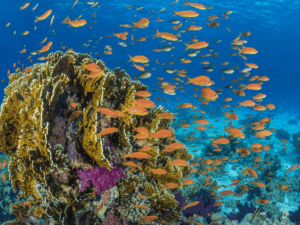
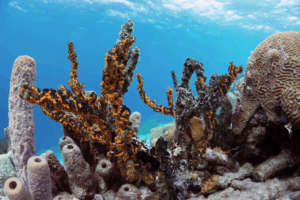
Coral reefs are like underwater cities full of life. They cover less than one percent of the ocean floor but support about a quarter of all marine animals. These colorful structures provide homes for fish, protect coastlines from storms, and even help make medicines. But today, coral reefs are in big trouble. Rising ocean temperatures cause coral bleaching, where corals lose their color and can die.
 Via Next Nature Network
Pollution, overfishing, and ocean acidification add to the problems. In Australia, the Great Barrier Reef, the world's largest coral system, has suffered multiple bleaching events in recent years. Scientists say you could lose most reefs by 2050 if things don't change. That's why people are turning to new tools, like robots, to help save them.
 Via NOAA Fisheries
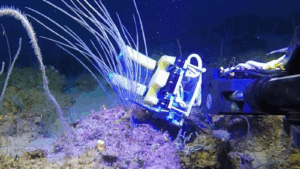
These machines help monitor reefs, kill harmful pests, and even grow new coral. By using robots, you can scale up restoration efforts to match the size of the problem. This blend of technology and nature gives hope for bringing reefs back to health.
 Via Next Nature Network
The robot spots these starfish with its cameras and injects them with a safe substance that kills them without harming other sea life. RangerBot can work in all weather and stay underwater for up to eight hours. It maps reefs, checks water quality, and watches for bleaching.
In tests on the Great Barrier Reef, it has been shown that it can cover more ground than human divers. The robot uses artificial intelligence to learn and get better at its tasks. It's low-cost, so groups can use many of them at once. This makes it a game-changer for large reefs like Australia's. Researchers hope to improve it to handle more jobs, like collecting data on fish populations.
 Via WIRED
 Via Genspark
This helps repopulate areas hit by bleaching or storms. Early results showed new corals starting to grow weeks later. The robot can cover bigger areas faster than boats or divers, making restoration more efficient. Future versions might carry even more larvae or work with other robots.
 Via Bloomberg
Attached to a machine called CHARM, it picks up and moves baby corals between tanks safely. The robotic hand uses air pressure to grip without squeezing too hard. It can lift different sizes of corals and even brush off algae. Developed with the Beyond Coral Foundation, it automates what used to be all manual work.
In tests on Magnetic Island, it transferred corals without damage. This speeds up farming, allowing scientists to produce thousands more corals. The tech could go to aquariums worldwide, helping scale up efforts. It's a big step in making reef restoration faster and cheaper.
 Via New Scientist
 Via VoxelMatters
The tiles are eco-friendly and break down naturally if needed. 3D printing lets scientists copy complex reef shapes that nature took years to build. It's faster than waiting for reefs to recover on their own. Tests show marine life thriving on these printed reefs within months.
 Via Smithsonian Magazine
In Australia and elsewhere, similar soft robots explore deep areas. A new design from China mimics deep-sea snailfish and can go over 10,000 meters down. These robots have cameras and sensors to record sounds, temperatures, and animal behavior.
They blend in so fish don't swim away. For reef work, they monitor health without noise from propellers. Future soft robots might carry tools to fix small damages. Powered by batteries now, researchers are looking at bio-inspired energy, like using ocean waves.
 Via Forbes
 Via Homepage
These breakthroughs could transform restoration from a reactive effort into a continuous, self-sustaining process. Imagine fleets of eco-bots roaming reefs, powered by sunlight and repairing coral as naturally as fish clean algae. They’d monitor water chemistry, seed larvae, and respond instantly to bleaching events.
 Via Popular Science
In Australia, programs like the Reef Restoration and Adaptation Program bring teams together. They test robots in real conditions and improve them. International groups share ideas, speeding up progress. Education helps, too; teaching kids about reefs builds support for tech solutions. Future research aims to make ocean robots more self-sufficient.
Scientists are developing AI that learns from each mission, adapting to shifting coral conditions without constant human input. Energy harvesting from waves or sunlight could keep these bots running for months. With smarter design and renewable power, the next generation of reef robots may work tirelessly, guarding and rebuilding marine ecosystems even in the planet’s most remote waters.
 Via Smithsonian Magazine
 Via National Geographic
Some prototypes even mimic natural organisms, like jellyfish-inspired bots that move gently among coral without harm. These innovations make restoration efforts more sustainable and align technology with the rhythms of marine life.
More in Unassigned
Via Next Nature Network
Pollution, overfishing, and ocean acidification add to the problems. In Australia, the Great Barrier Reef, the world's largest coral system, has suffered multiple bleaching events in recent years. Scientists say you could lose most reefs by 2050 if things don't change. That's why people are turning to new tools, like robots, to help save them.
Why Robots Are Needed for Reef Restoration
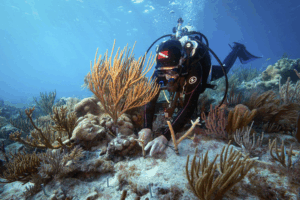
Fixing damaged reefs by hand is hard work. Divers can only cover small areas, and it's dangerous and slow. Robots can work longer, go deeper, and do tasks that humans can't easily do. They use cameras, sensors, and smart tech to spot problems and fix them. In Australia, researchers from universities and government groups are leading the way.
Via NOAA Fisheries
These machines help monitor reefs, kill harmful pests, and even grow new coral. By using robots, you can scale up restoration efforts to match the size of the problem. This blend of technology and nature gives hope for bringing reefs back to health.
RangerBot - The Autonomous Reef Protector
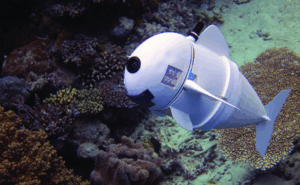
One of the stars in reef robotics is RangerBot, developed by Queensland University of Technology (QUT) in Australia. This small robot, about the size of a briefcase, is like an underwater drone. It swims on its own using computer vision to see and navigate. RangerBot's main job is to protect reefs from crown-of-thorns starfish, which eat coral and can destroy large areas.
Via Next Nature Network
The robot spots these starfish with its cameras and injects them with a safe substance that kills them without harming other sea life. RangerBot can work in all weather and stay underwater for up to eight hours. It maps reefs, checks water quality, and watches for bleaching.
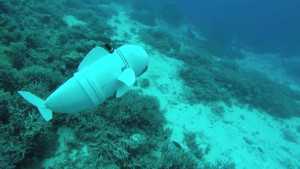
In tests on the Great Barrier Reef, it has been shown that it can cover more ground than human divers. The robot uses artificial intelligence to learn and get better at its tasks. It's low-cost, so groups can use many of them at once. This makes it a game-changer for large reefs like Australia's. Researchers hope to improve it to handle more jobs, like collecting data on fish populations.
Via WIRED
LarvalBot - Bringing New Life to Damaged Areas
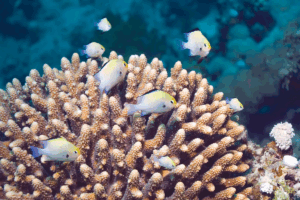
Another clever robot is LarvalBot, also from Australian scientists. This underwater machine delivers baby corals, called larvae, to damaged parts of the reef. Coral larvae are tiny and look like specks, but they can grow into new colonies. LarvalBot carries hundreds of thousands of these larvae in special containers. It swims to targeted spots and releases them gently, like planting seeds in a garden. In 2018, LarvalBot made history by delivering coral babies to the Great Barrier Reef for the first time. Scientists collect eggs and sperm from healthy corals during spawning events, grow them into larvae in labs, and load them onto the robot. Using GPS and sensors, LarvalBot finds the right places and spreads the larvae evenly.
Via Genspark
This helps repopulate areas hit by bleaching or storms. Early results showed new corals starting to grow weeks later. The robot can cover bigger areas faster than boats or divers, making restoration more efficient. Future versions might carry even more larvae or work with other robots.
The Robotic Hand - Growing Corals in Labs
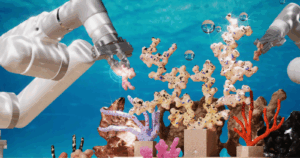
Growing corals in tanks before planting them on reefs is key to restoration. But handling tiny baby corals is tricky and time-consuming. That's where a new robotic hand from Australia's CSIRO comes in. This soft gripper acts like a gentle human hand. It's made from 3D-printed rubber and plastic to handle saltwater without rusting.
Via Bloomberg
Attached to a machine called CHARM, it picks up and moves baby corals between tanks safely. The robotic hand uses air pressure to grip without squeezing too hard. It can lift different sizes of corals and even brush off algae. Developed with the Beyond Coral Foundation, it automates what used to be all manual work.
In tests on Magnetic Island, it transferred corals without damage. This speeds up farming, allowing scientists to produce thousands more corals. The tech could go to aquariums worldwide, helping scale up efforts. It's a big step in making reef restoration faster and cheaper.
Via New Scientist
3D Printing - Building Artificial Homes for Coral
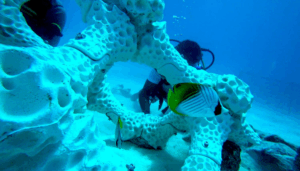
3D printing isn't just for toys anymore; it's helping rebuild reefs. In Australia, groups use printers to make structures that mimic real coral shapes. These artificial bases give new corals a place to attach and grow. Made from safe materials like ceramic or concrete, they attract fish and other sea life right away. One project uses Modular Artificial Reef Structures (MARS). These are printed blocks sunk into the ocean. Fish move in quickly, and corals can settle on them. In the Maldives and Australia, these structures have revived dead areas. Another company, Archireef, prints terracotta tiles with a 95 percent survival rate for corals.
Via VoxelMatters
The tiles are eco-friendly and break down naturally if needed. 3D printing lets scientists copy complex reef shapes that nature took years to build. It's faster than waiting for reefs to recover on their own. Tests show marine life thriving on these printed reefs within months.
Soft Robotic Fish - Blending In with Marine Life
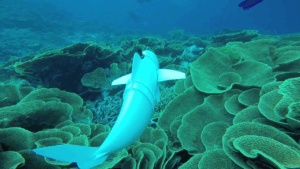
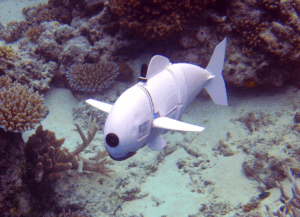
To study reefs without disturbing them, scientists need quiet, fish-like robots. Soft robotic fish are made from flexible materials that let them swim naturally. One example is SoFi, from MIT, which has swum in real oceans like Fiji's reefs. It uses a tail that wags like a real fish and can dive to 18 meters.
Via Smithsonian Magazine
In Australia and elsewhere, similar soft robots explore deep areas. A new design from China mimics deep-sea snailfish and can go over 10,000 meters down. These robots have cameras and sensors to record sounds, temperatures, and animal behavior.
They blend in so fish don't swim away. For reef work, they monitor health without noise from propellers. Future soft robots might carry tools to fix small damages. Powered by batteries now, researchers are looking at bio-inspired energy, like using ocean waves.
Via Forbes
Emerging Tech - Algae Power and Bio-Printing
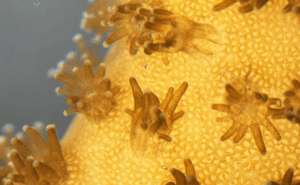
Looking ahead, scientists dream of robots like the one in viral stories, a fish-bot powered by sunlight and algae. While not fully real yet, parts of this idea exist. Algae can make energy through photosynthesis, and some labs test it in devices. Soft bodies with algae cells could let robots run forever on sunlight. Bio-printing is another exciting area. Printers use "ink" with living cells to make tissues. For reefs, this could mean printing live coral layers. Australian researchers have already 3D printed structures; adding live ink is the next step. Sensors would spot damage, and the robot would print fixes on site. Early tests show promise, with new corals growing on printed bases. Combining algae power with printing could create self-healing robots that act like part of the ecosystem.
Via Homepage
These breakthroughs could transform restoration from a reactive effort into a continuous, self-sustaining process. Imagine fleets of eco-bots roaming reefs, powered by sunlight and repairing coral as naturally as fish clean algae. They’d monitor water chemistry, seed larvae, and respond instantly to bleaching events.
Challenges and the Road Ahead
Robots aren't perfect. They cost money to build and need skilled people to run them. Saltwater can damage parts, and batteries limit time underwater. AI must get better at spotting issues accurately. Plus, robots fix symptoms but not root causes like climate change. Global efforts are still needed to cut pollution and warming.
Via Popular Science
In Australia, programs like the Reef Restoration and Adaptation Program bring teams together. They test robots in real conditions and improve them. International groups share ideas, speeding up progress. Education helps, too; teaching kids about reefs builds support for tech solutions. Future research aims to make ocean robots more self-sufficient.
Scientists are developing AI that learns from each mission, adapting to shifting coral conditions without constant human input. Energy harvesting from waves or sunlight could keep these bots running for months. With smarter design and renewable power, the next generation of reef robots may work tirelessly, guarding and rebuilding marine ecosystems even in the planet’s most remote waters.
Via Smithsonian Magazine
Explore the Algae-Powered Coral Healing Robot
Robots like RangerBot, LarvalBot, and soft fish show that technology can help nature heal. Australia's Great Barrier Reef serves as a testing ground. These machines monitor, protect, and restore, giving corals a fighting chance. As tech advances, you might see solar-powered bots printing new reefs. But success needs everyone, governments, scientists, and you. Simple actions like reducing plastic use help. Together, you can keep oceans vibrant for generations. The blend of innovation and care lights the way to healthier seas. New materials are also reshaping marine robotics. Engineers now design biodegradable components that dissolve safely after use, reducing ocean waste.
Via National Geographic
Some prototypes even mimic natural organisms, like jellyfish-inspired bots that move gently among coral without harm. These innovations make restoration efforts more sustainable and align technology with the rhythms of marine life.