Unassigned
Medieval Fashion Trends Rising in Modern Style
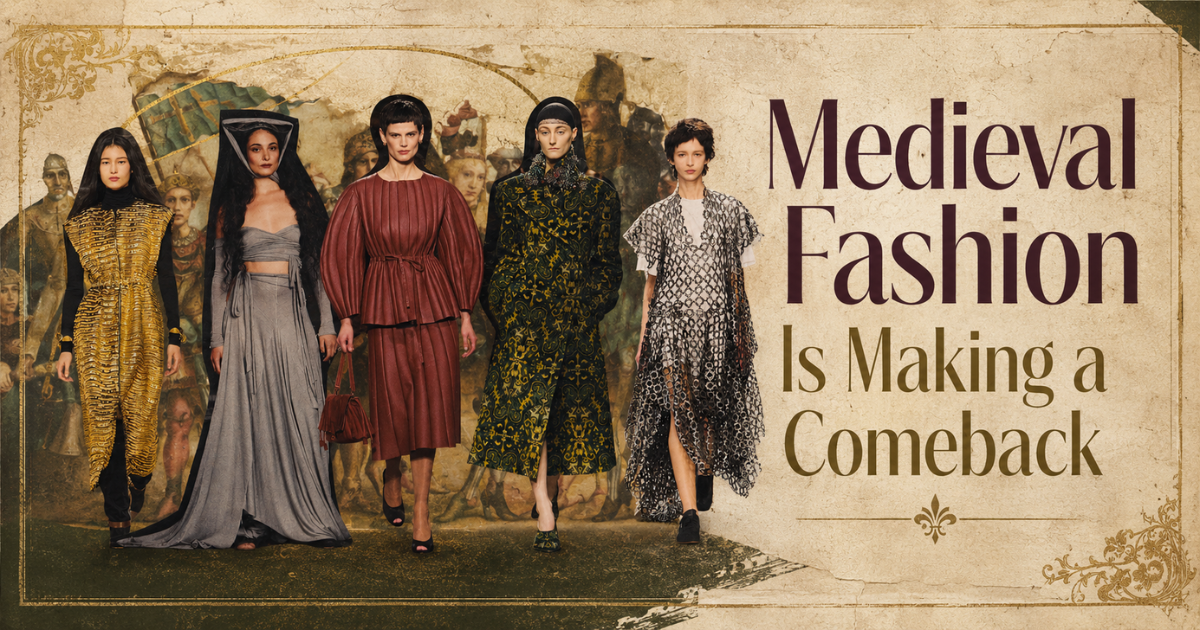
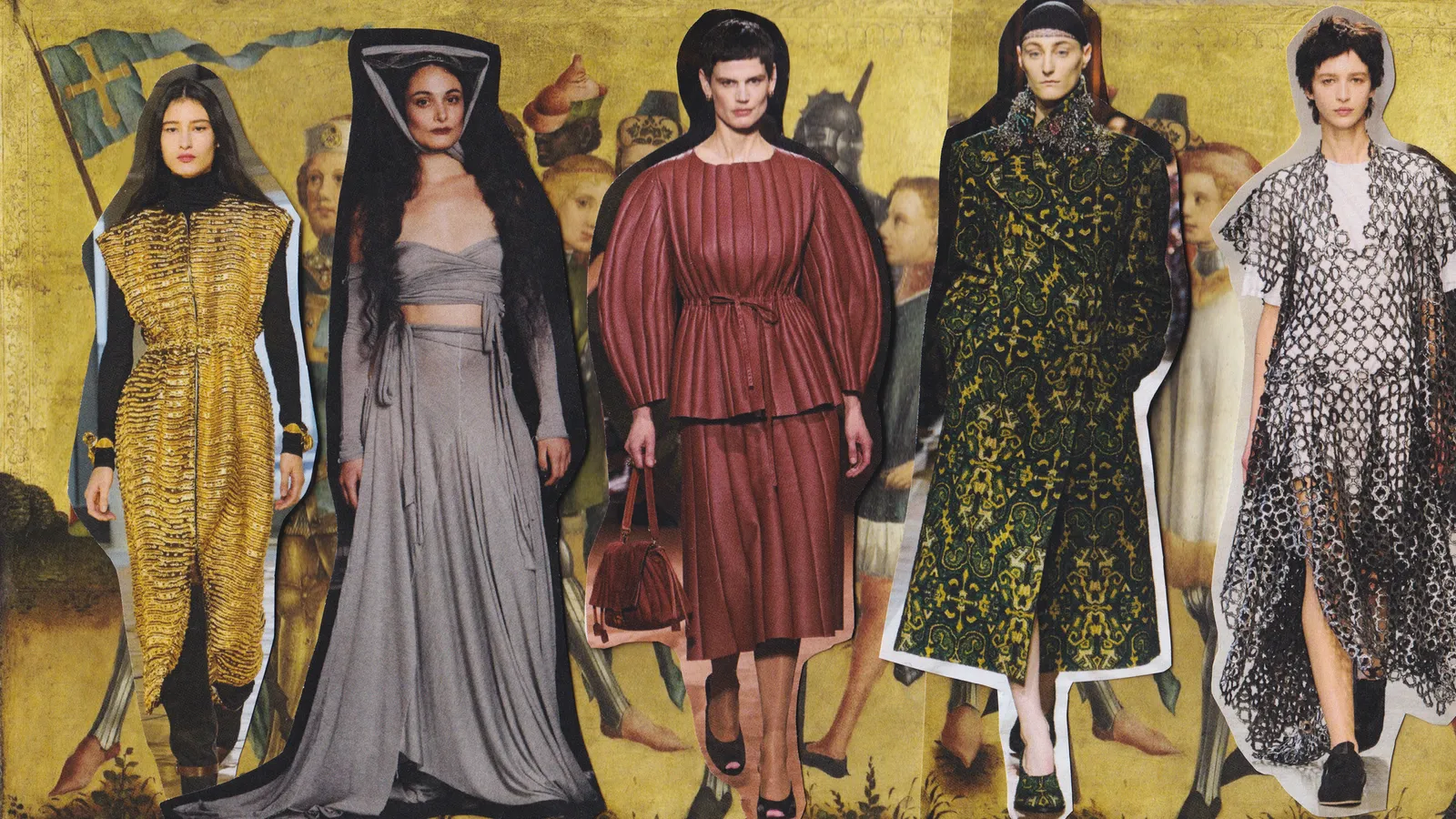
Fashion trends often reflect the mood of the times. A noticeable shift toward medieval-inspired clothing has taken hold across runways, social media, and street style. Designers are drawing ideas from centuries-old garments, bringing back elements once associated with knights, royalty, and historic courts.
Cultural shifts play a major role in this revival. Times of uncertainty tend to influence fashion in unexpected ways. Medieval aesthetics offer a sense of structure and protection, which many people find appealing during periods of change. These designs provide more than visual impact. They create a feeling of strength and individuality that stands out in a world filled with fast-moving trends.
 Via Vogue
Digital platforms have accelerated this movement. Social media users are embracing “weird medieval” looks, sharing outfit ideas that mix old-world inspiration with contemporary styling. This growing interest has helped push the trend beyond high fashion, making it more accessible to everyday wardrobes. As a result, medieval fashion is no longer limited to history books or costume events.
 Via Refinery29
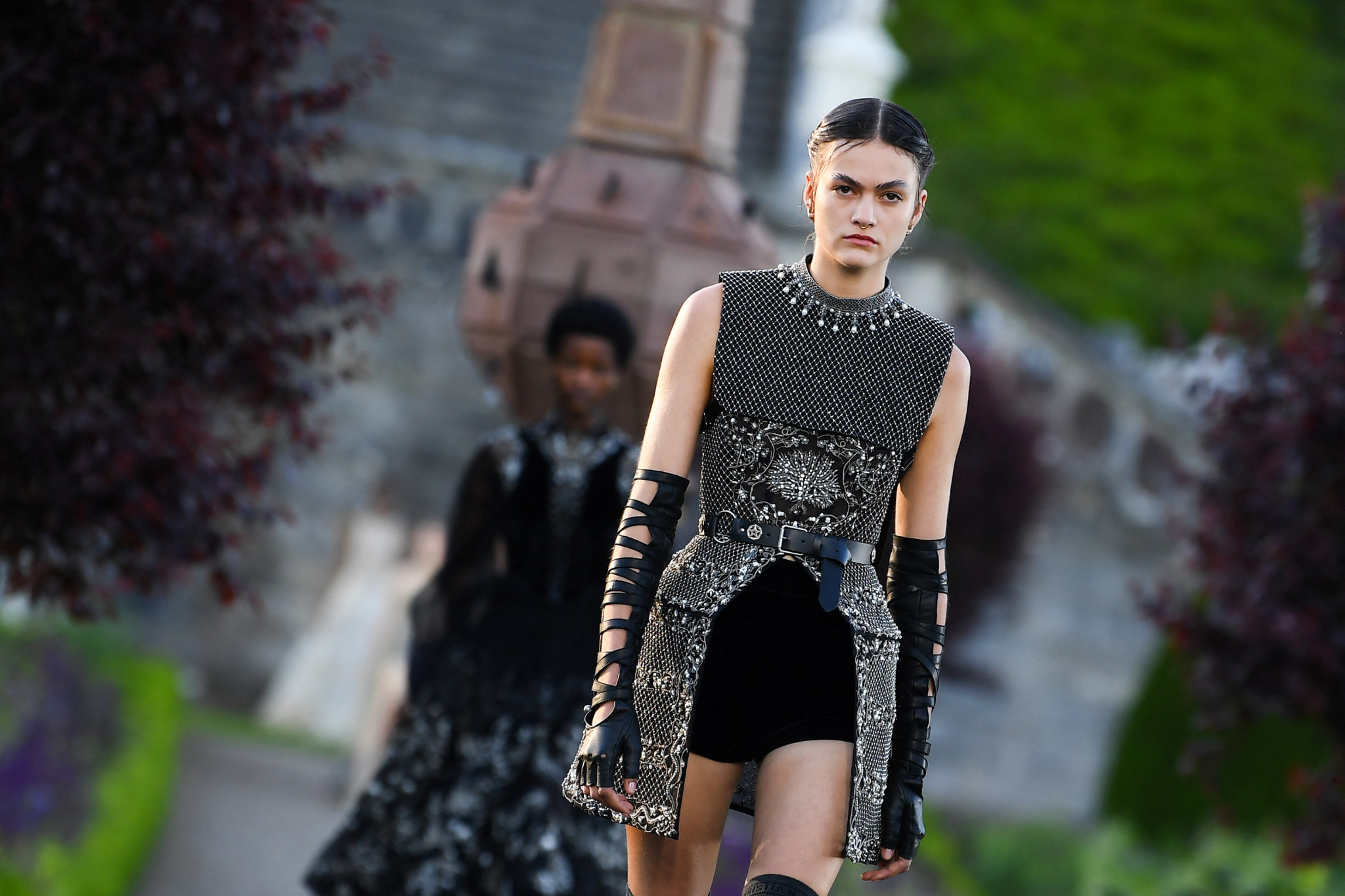
Fashion shows set in historic locations further enhance the theme. Presentations in castles or ancient courtyards create a strong connection between clothing and its inspiration. These settings add depth to the collections, helping audiences understand the story behind each piece. This storytelling element has made medieval fashion more engaging and memorable.
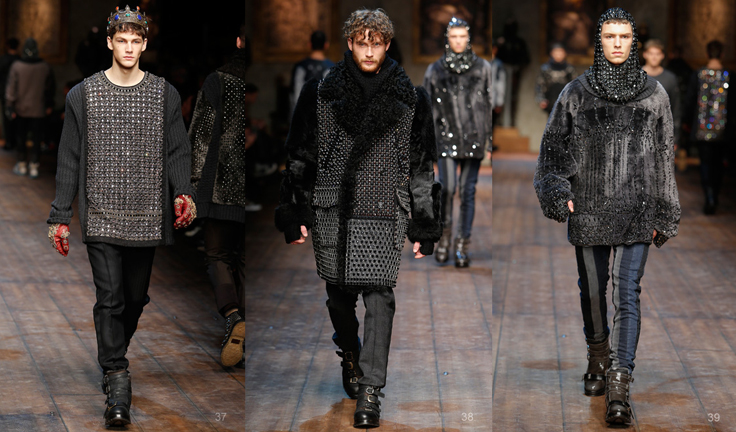
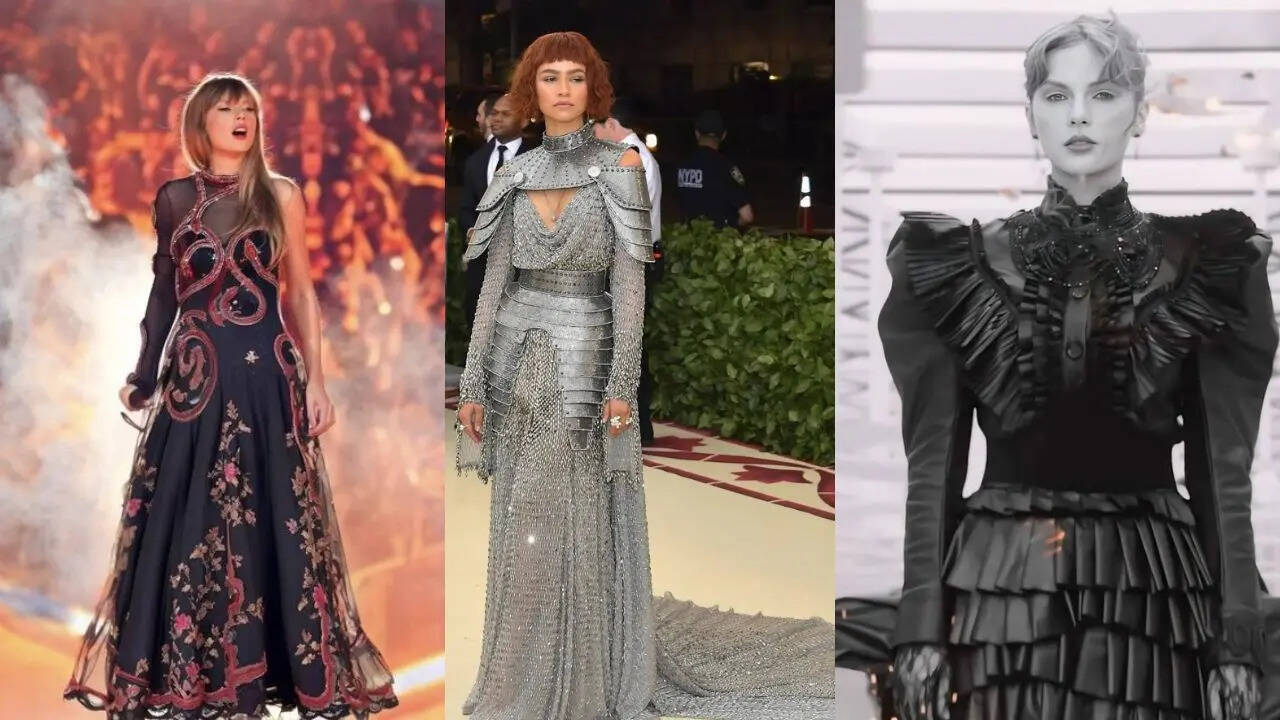
Designers often reinterpret historical elements rather than copying them directly. Chain mail textures may appear as metallic fabrics, while corsets are redesigned for comfort and versatility. Flowing gowns and structured bodices reflect a balance between past and present. This creative approach allows medieval fashion to feel relevant instead of outdated.
 Via Byrdie
 Via W Magazine
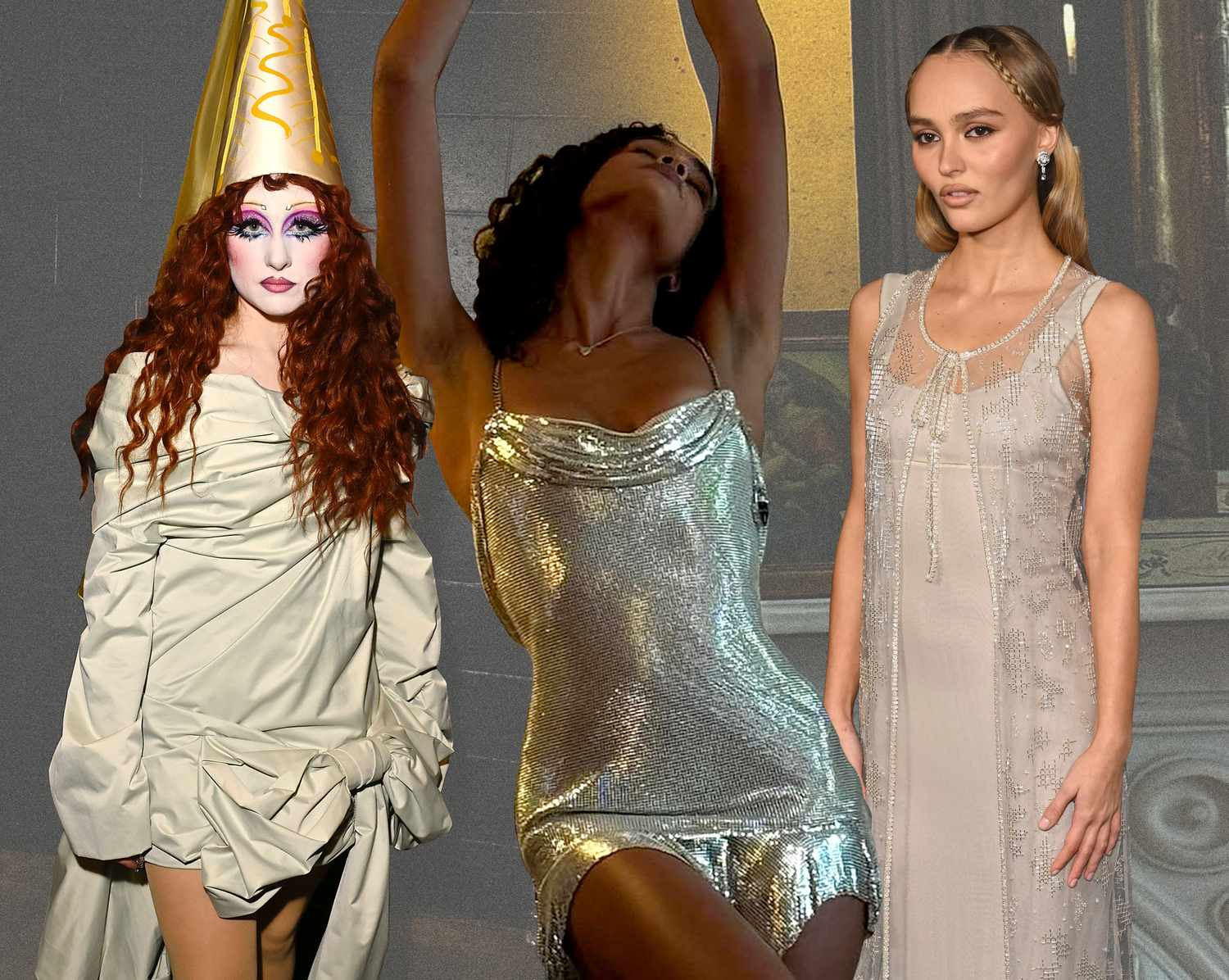
Viral videos showcasing medieval beauty trends and language have also contributed to the movement. Discussions about historical grooming habits or unusual fashion choices spark curiosity and engagement. This increased interest has turned medieval aesthetics into a cultural conversation rather than just a fashion trend.
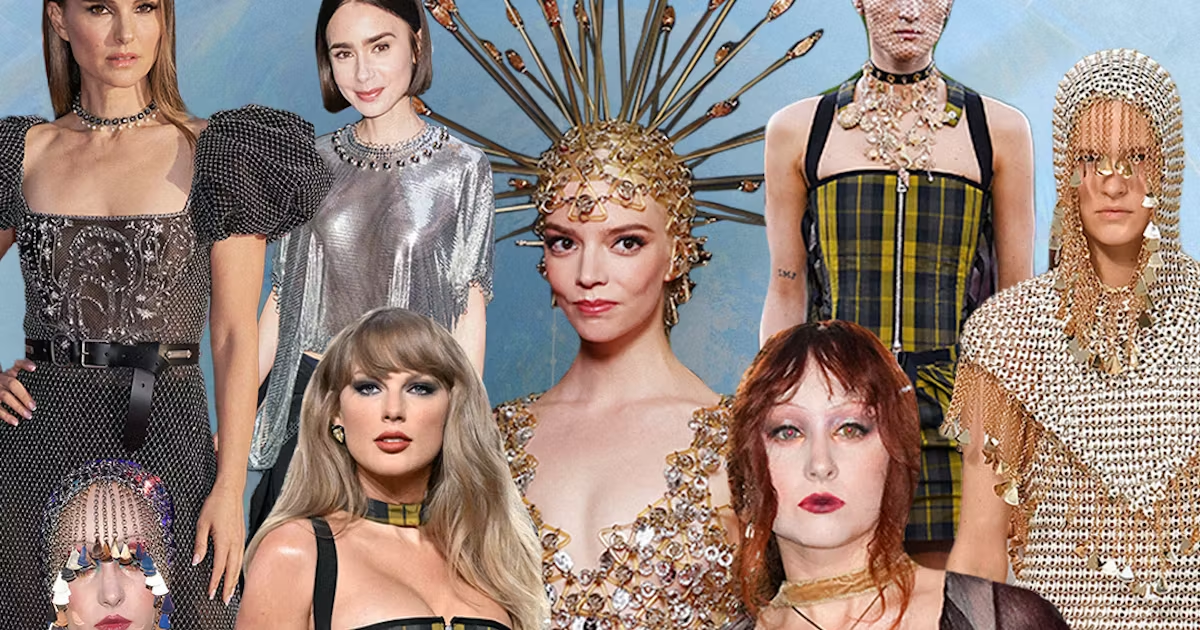
Content creators are sharing outfit ideas that include flowing dresses, layered tunics, and bold accessories. These looks often mix materials such as metal, lace, and wool to create contrast and texture. The result is a style that feels both nostalgic and experimental. This combination has helped attract a wide audience, especially younger users looking for something different.
 Via ELLE
 Via Historical Oasis
Femininity also takes on a new dimension within this style. Medieval-inspired designs often combine strength with elegance. Flowing fabrics, intricate details, and structured shapes create a balance that feels both powerful and graceful. This duality appeals to those seeking fashion that reflects complexity and individuality.
The concept of armor plays a significant role in this symbolism. While modern clothing does not provide physical protection, it can offer emotional comfort. Heavy fabrics and layered designs create a sense of security that resonates with people facing uncertain times. This connection between clothing and emotion makes the trend more meaningful.
 Via Battle Merchant
 Via Battle Merchant
This shift also reflects a broader movement toward slow fashion. Consumers are seeking quality over quantity, choosing items that last longer and carry meaning. Medieval-inspired designs fit well within this approach, as they emphasize durability and attention to detail.
Hand embroidery, weaving, and tailoring techniques add depth to modern pieces. These elements create a sense of authenticity that mass-produced clothing often lacks. People are becoming more aware of the value of craftsmanship, leading to increased demand for unique and well-made garments.
 Via Peculiarseamstress
 Via i-D
Accessories also contribute to the overall aesthetic. Items such as belts, gloves, and headpieces add character and enhance the medieval theme. These details help complete the look, making it more immersive and distinctive.
Texture adds depth and dimension to outfits. Combining soft and structured materials creates contrast that makes each piece more visually interesting. This approach allows for creative expression while maintaining a connection to historical inspiration.
 Via I’m Firenze Digest
 Via Byride
Cultural influences also play a role. Films, television series, and fantasy genres have kept medieval imagery alive in popular culture. This exposure has made the style more familiar and appealing to a wider audience, helping it transition into everyday fashion.
The dramatic nature of medieval style also appeals to those seeking self-expression. Bold silhouettes and unique details allow individuals to stand out in a crowded fashion landscape. This desire for individuality has driven the popularity of the trend across different platforms.
 Via Style Analytics
 Via Pinterest
Accessories provide an easy entry point into the trend. Adding a statement belt, metallic jewelry, or a flowing scarf can introduce medieval elements without overwhelming the outfit. These small changes can make a significant impact on overall style.
Layering is another effective technique. Combining different textures and lengths adds depth while maintaining comfort. This approach allows for flexibility, making it easier to adapt the trend to different settings and occasions. Heavy fabrics and dramatic accessories are appearing in modern collections with fresh interpretations.
 Via Pinterest
 Via Fair Field
Creative expression will remain at the center of the trend. As more people embrace individuality, medieval fashion offers a unique way to stand out. Its blend of history, fantasy, and modern design ensures that it will continue to inspire and evolve.
Sustainability may also shape the future of this movement. The emphasis on craftsmanship and durable materials aligns with growing awareness of environmental issues. This connection could strengthen the appeal of medieval-inspired fashion in the coming years.
Via Style Analytics
 Via Refinery29
Shifts in perspective have made unusual styles more acceptable. What was once considered strange is now celebrated as creative and bold. This change has allowed medieval fashion to move from a niche interest to a mainstream trend, reaching a wider audience.
More in UnassignedVia Vogue
Digital platforms have accelerated this movement. Social media users are embracing “weird medieval” looks, sharing outfit ideas that mix old-world inspiration with contemporary styling. This growing interest has helped push the trend beyond high fashion, making it more accessible to everyday wardrobes. As a result, medieval fashion is no longer limited to history books or costume events.
Runway Influence and Designer Inspiration
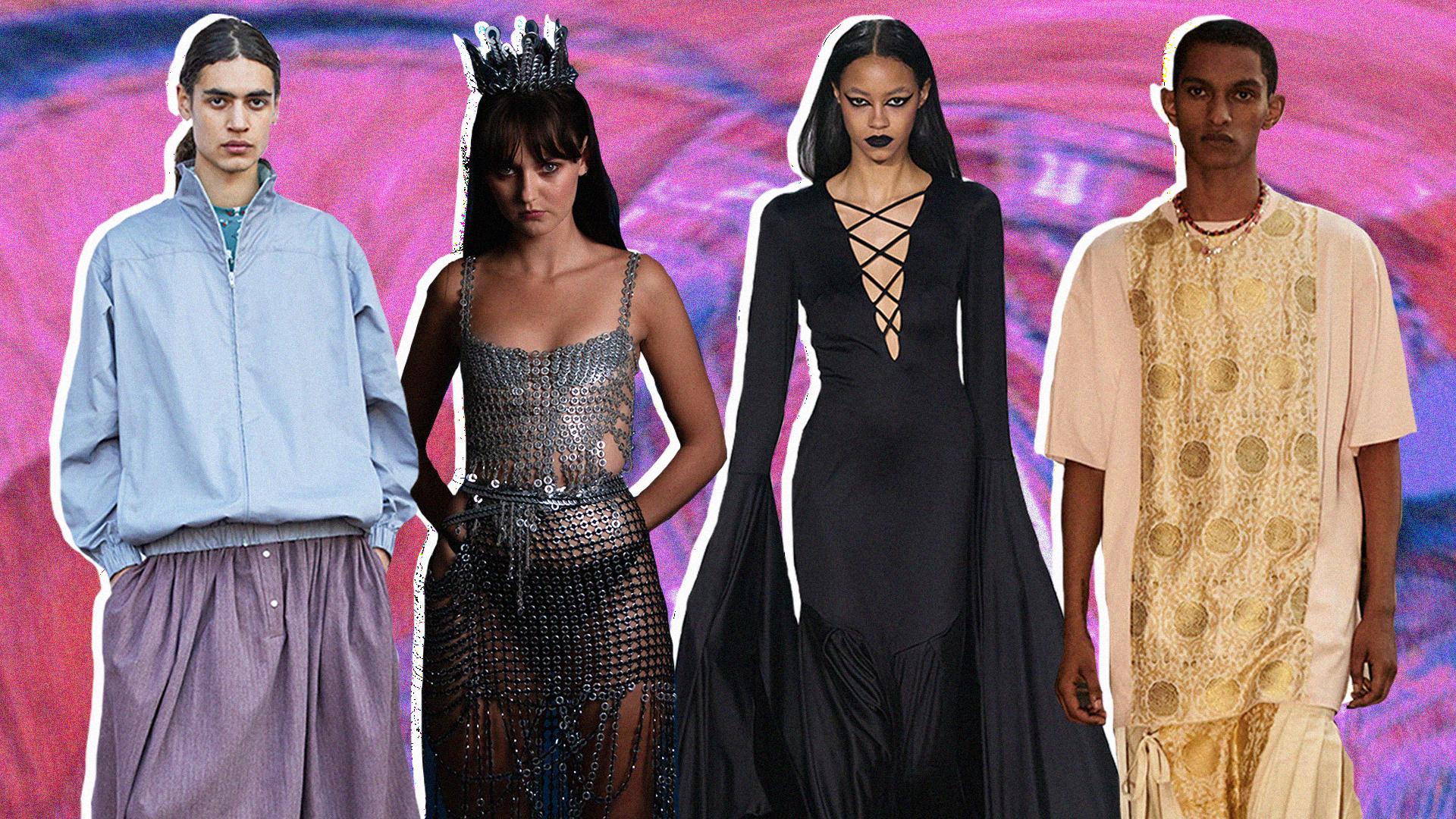
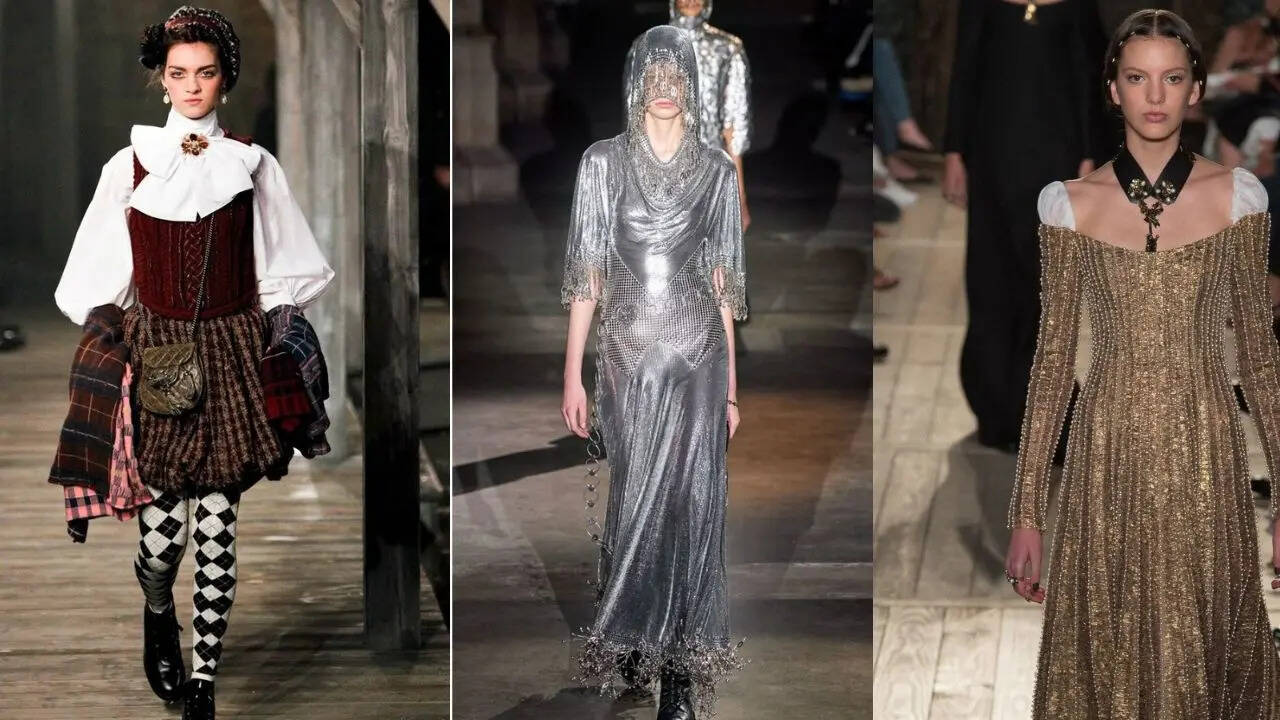
High-fashion designers have played a key role in bringing medieval style back into focus. Collections inspired by gothic architecture, armor-like textures, and historical tailoring have gained attention on global runways. Structured silhouettes, dramatic draping, and layered fabrics reflect the craftsmanship of earlier centuries while still feeling modern and wearable.Via Refinery29
Fashion shows set in historic locations further enhance the theme. Presentations in castles or ancient courtyards create a strong connection between clothing and its inspiration. These settings add depth to the collections, helping audiences understand the story behind each piece. This storytelling element has made medieval fashion more engaging and memorable.
Designers often reinterpret historical elements rather than copying them directly. Chain mail textures may appear as metallic fabrics, while corsets are redesigned for comfort and versatility. Flowing gowns and structured bodices reflect a balance between past and present. This creative approach allows medieval fashion to feel relevant instead of outdated.
Via Byrdie
Social Media and the “Weirdeval” Aesthetic
Online communities have embraced medieval-inspired fashion with enthusiasm. The term “weirdeval” has emerged to describe a playful, unconventional take on historical style. This trend blends fantasy, history, and personal expression into unique outfits that stand out from mainstream fashion.Via W Magazine
Viral videos showcasing medieval beauty trends and language have also contributed to the movement. Discussions about historical grooming habits or unusual fashion choices spark curiosity and engagement. This increased interest has turned medieval aesthetics into a cultural conversation rather than just a fashion trend.
Content creators are sharing outfit ideas that include flowing dresses, layered tunics, and bold accessories. These looks often mix materials such as metal, lace, and wool to create contrast and texture. The result is a style that feels both nostalgic and experimental. This combination has helped attract a wide audience, especially younger users looking for something different.
Via ELLE
Symbolism Behind Medieval Fashion
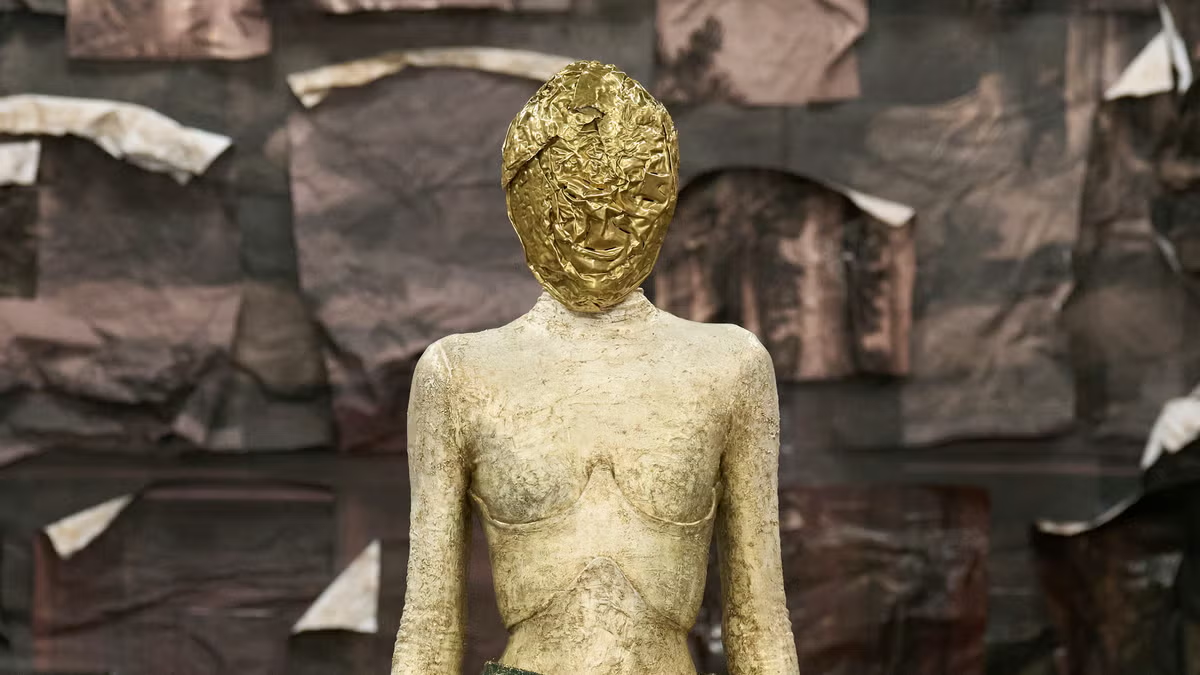
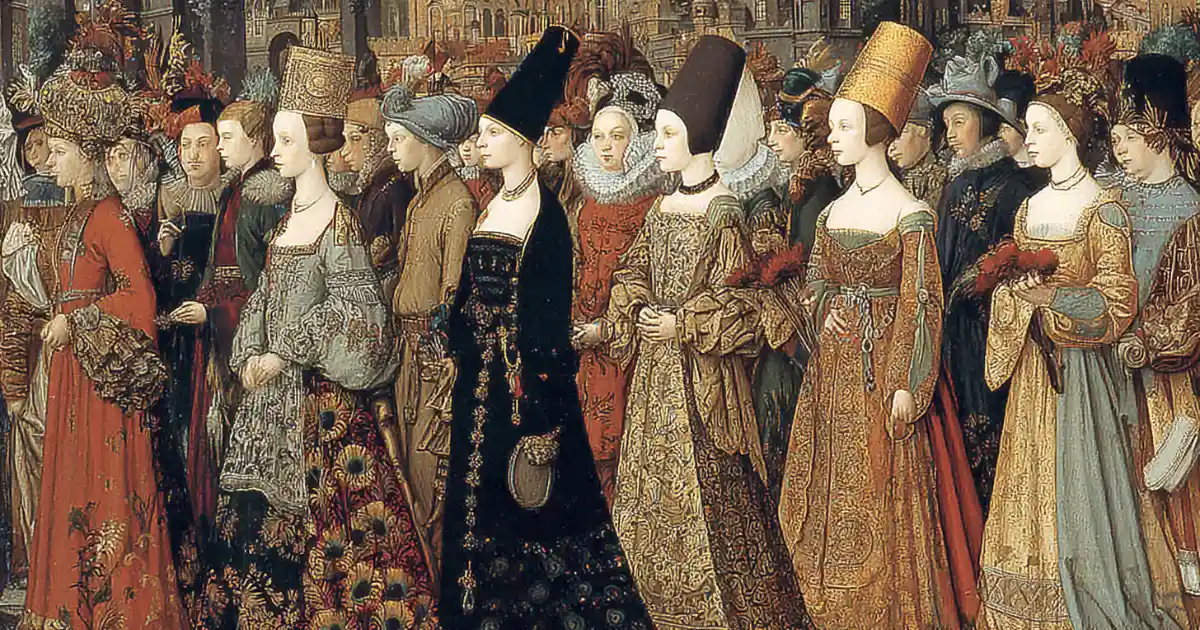
Medieval fashion carries a deeper meaning beyond its visual appeal. Clothing from that era often represented status, protection, and identity. Modern interpretations continue to reflect these themes, offering a sense of empowerment through design. Structured garments and bold silhouettes can create a feeling of confidence and control.Via Historical Oasis
Femininity also takes on a new dimension within this style. Medieval-inspired designs often combine strength with elegance. Flowing fabrics, intricate details, and structured shapes create a balance that feels both powerful and graceful. This duality appeals to those seeking fashion that reflects complexity and individuality.
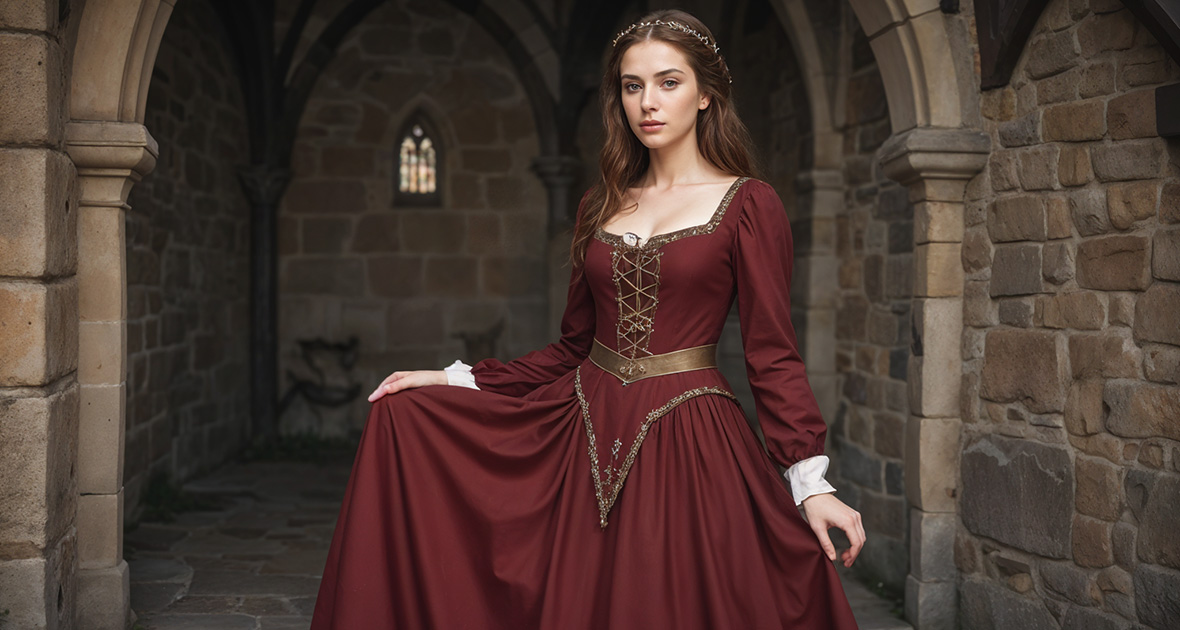
The concept of armor plays a significant role in this symbolism. While modern clothing does not provide physical protection, it can offer emotional comfort. Heavy fabrics and layered designs create a sense of security that resonates with people facing uncertain times. This connection between clothing and emotion makes the trend more meaningful.
Via Battle Merchant
Influence of Historical Craftsmanship
Interest in medieval fashion has sparked renewed appreciation for traditional craftsmanship. Many garments from that era were handmade using detailed techniques that required skill and patience. Modern designers are revisiting these methods, incorporating them into contemporary collections.Via Battle Merchant
This shift also reflects a broader movement toward slow fashion. Consumers are seeking quality over quantity, choosing items that last longer and carry meaning. Medieval-inspired designs fit well within this approach, as they emphasize durability and attention to detail.
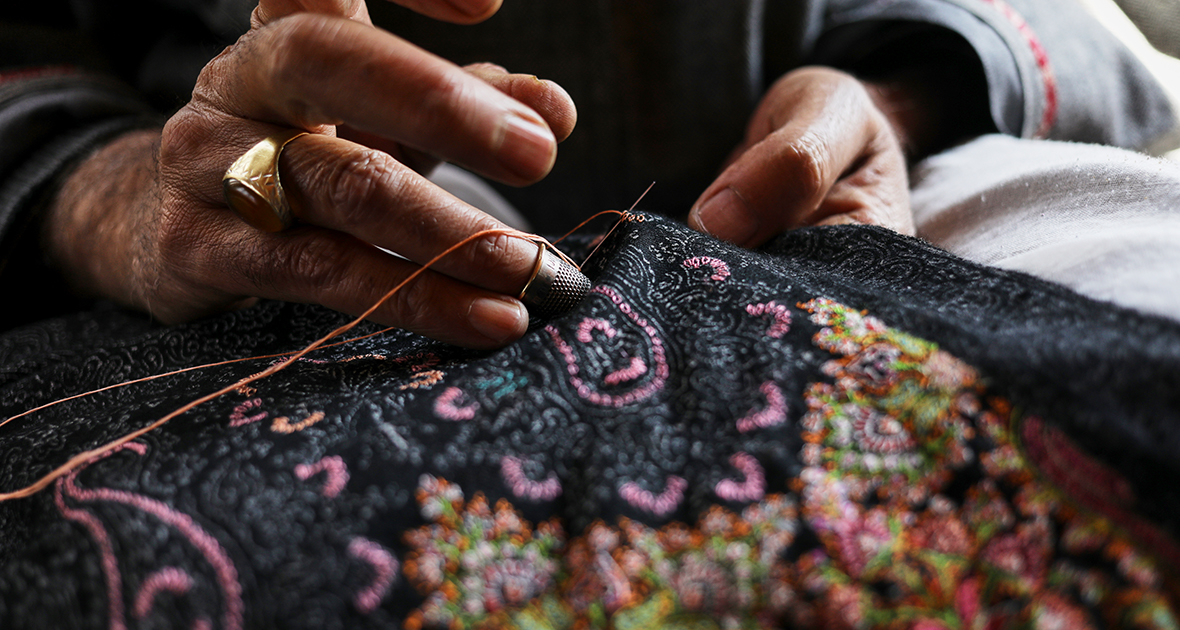
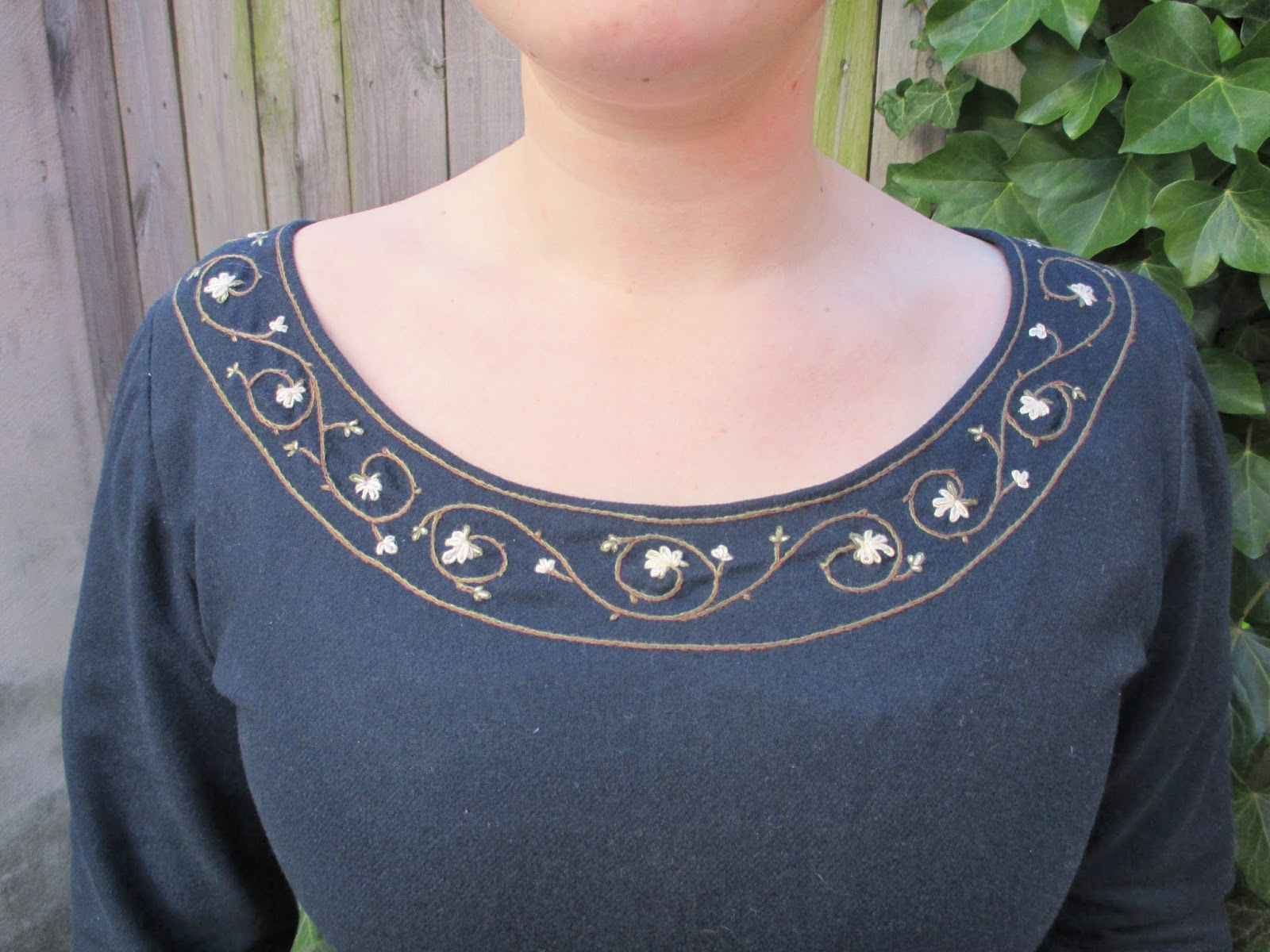
Hand embroidery, weaving, and tailoring techniques add depth to modern pieces. These elements create a sense of authenticity that mass-produced clothing often lacks. People are becoming more aware of the value of craftsmanship, leading to increased demand for unique and well-made garments.
Via Peculiarseamstress
The Role of Textures and Materials
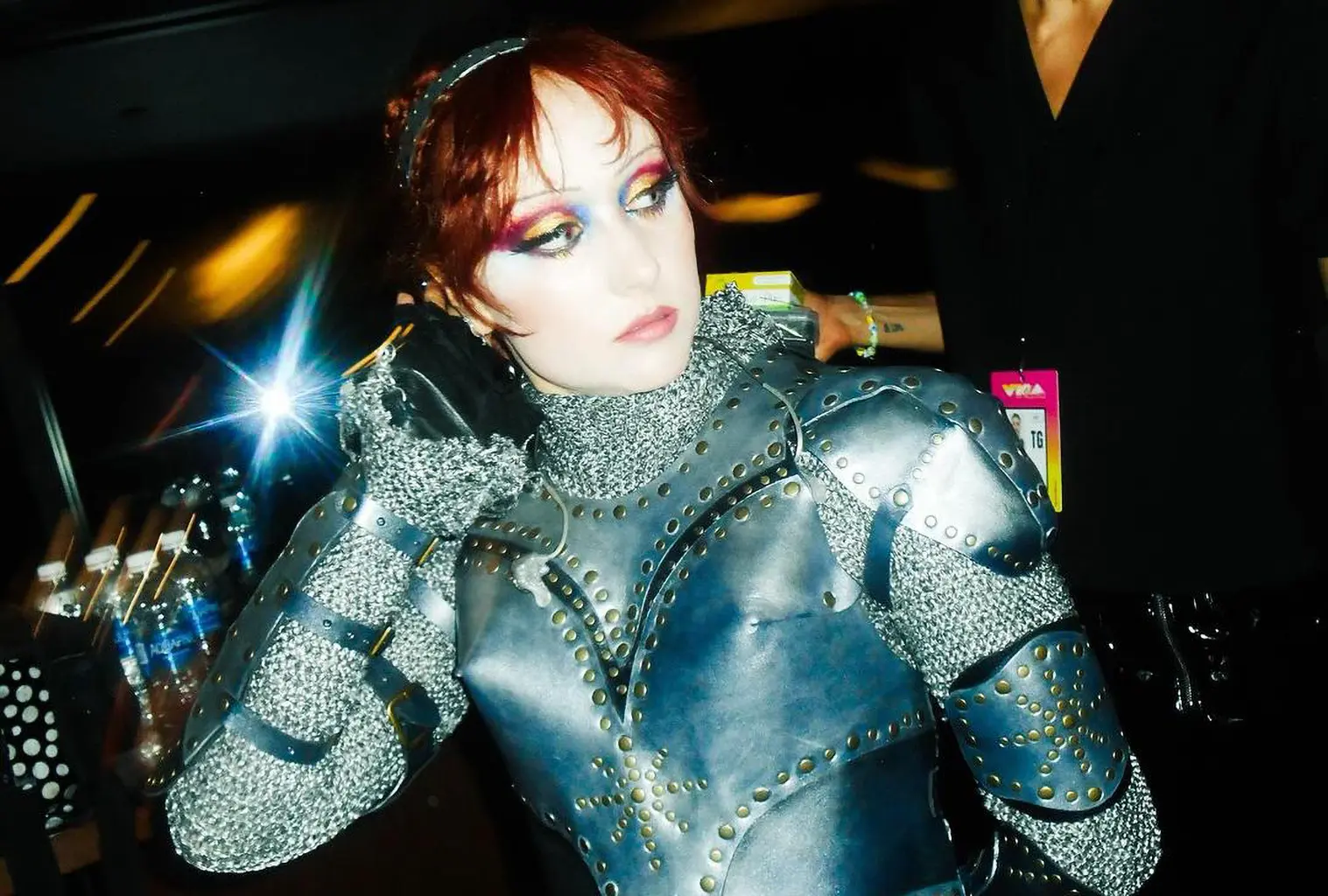
Materials play a crucial role in defining medieval-inspired fashion. Designers are experimenting with textures such as velvet, leather, wool, and metallic fabrics. These materials create a rich, layered look that reflects historical clothing while still feeling modern.Via i-D
Accessories also contribute to the overall aesthetic. Items such as belts, gloves, and headpieces add character and enhance the medieval theme. These details help complete the look, making it more immersive and distinctive.
Texture adds depth and dimension to outfits. Combining soft and structured materials creates contrast that makes each piece more visually interesting. This approach allows for creative expression while maintaining a connection to historical inspiration.
Via I’m Firenze Digest
Why Medieval Fashion Feels Relevant Today
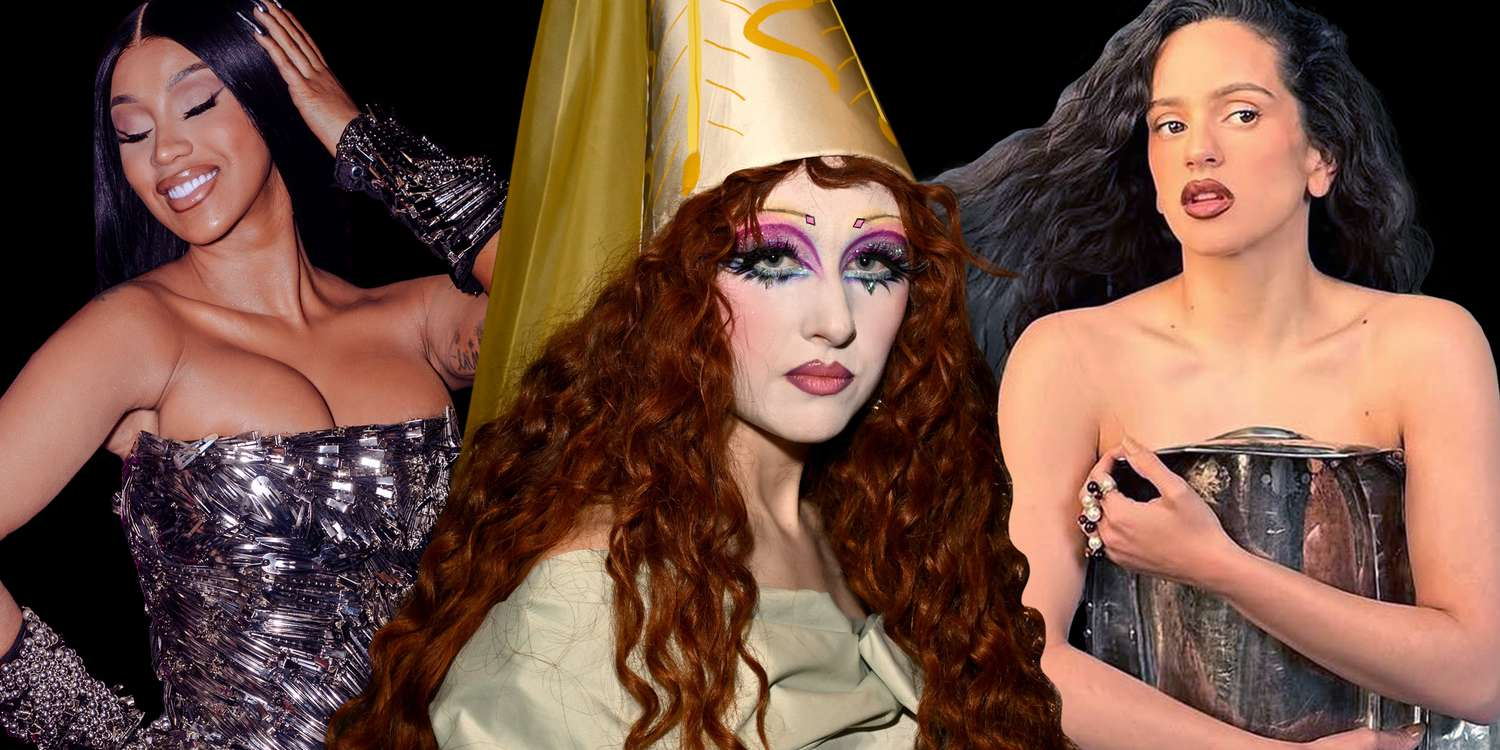
Modern society is experiencing rapid change, which often leads to a search for stability and meaning. Medieval fashion offers a connection to the past, providing a sense of continuity in uncertain times. This connection makes the trend feel both comforting and inspiring.Via Byride
Cultural influences also play a role. Films, television series, and fantasy genres have kept medieval imagery alive in popular culture. This exposure has made the style more familiar and appealing to a wider audience, helping it transition into everyday fashion.
The dramatic nature of medieval style also appeals to those seeking self-expression. Bold silhouettes and unique details allow individuals to stand out in a crowded fashion landscape. This desire for individuality has driven the popularity of the trend across different platforms.
Via Style Analytics
Mixing Medieval Elements with Modern Style
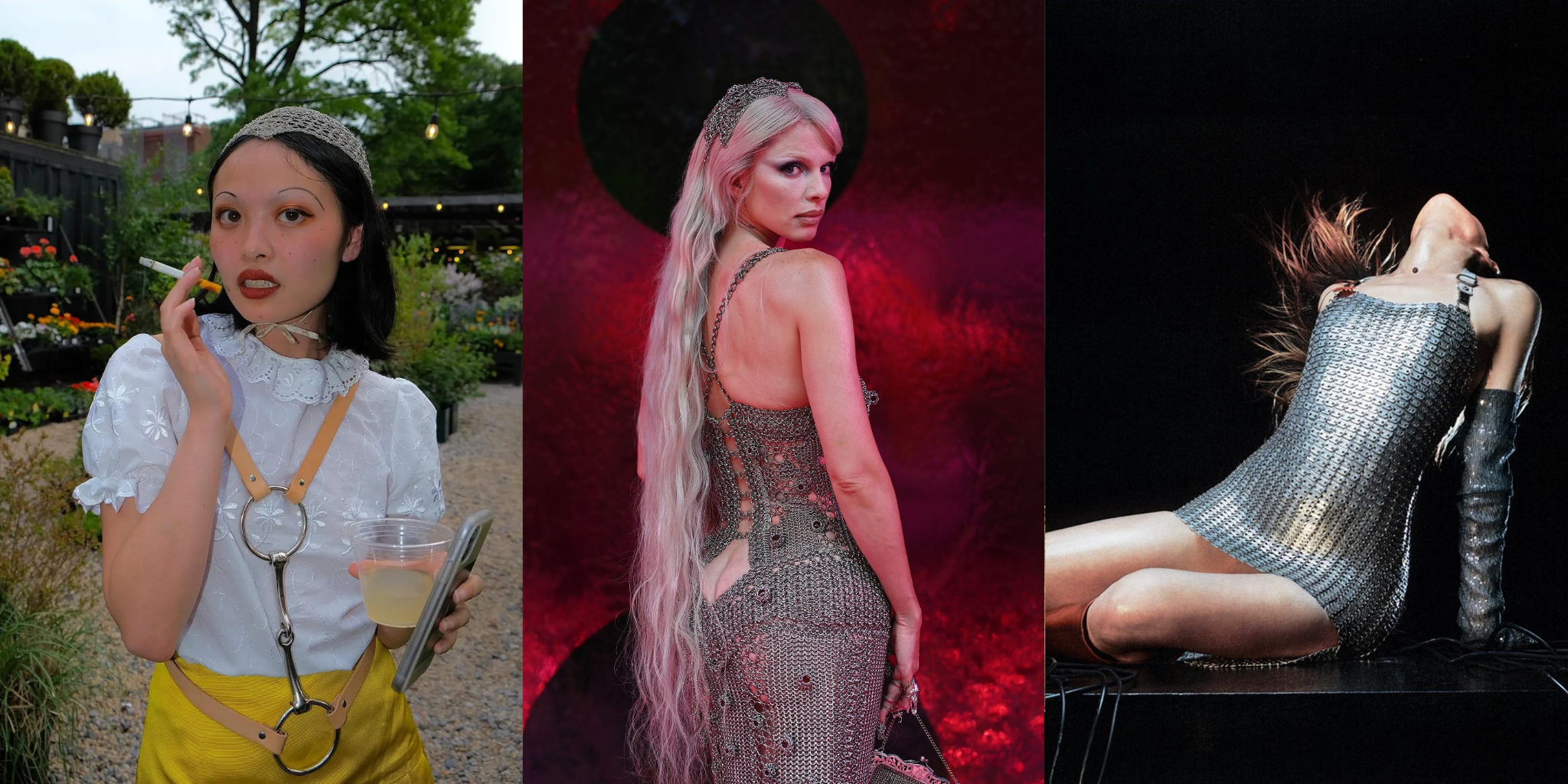
Adapting medieval fashion for daily wear requires balance. Incorporating one or two elements can create a stylish look without feeling like a costume. For example, pairing a structured corset-style top with modern trousers can create a unique yet wearable outfit.Via Pinterest
Accessories provide an easy entry point into the trend. Adding a statement belt, metallic jewelry, or a flowing scarf can introduce medieval elements without overwhelming the outfit. These small changes can make a significant impact on overall style.
Layering is another effective technique. Combining different textures and lengths adds depth while maintaining comfort. This approach allows for flexibility, making it easier to adapt the trend to different settings and occasions. Heavy fabrics and dramatic accessories are appearing in modern collections with fresh interpretations.
Via Pinterest
The Future of Medieval-Inspired Fashion
Fashion trends continue to evolve, but the influence of medieval style shows no signs of fading. Designers are likely to keep exploring historical themes, finding new ways to reinterpret them for modern audiences. This ongoing experimentation will keep the trend fresh and relevant.Via Fair Field
Creative expression will remain at the center of the trend. As more people embrace individuality, medieval fashion offers a unique way to stand out. Its blend of history, fantasy, and modern design ensures that it will continue to inspire and evolve.
Sustainability may also shape the future of this movement. The emphasis on craftsmanship and durable materials aligns with growing awareness of environmental issues. This connection could strengthen the appeal of medieval-inspired fashion in the coming years.
Via Style Analytics
Changing Perspectives on Fashion and Identity
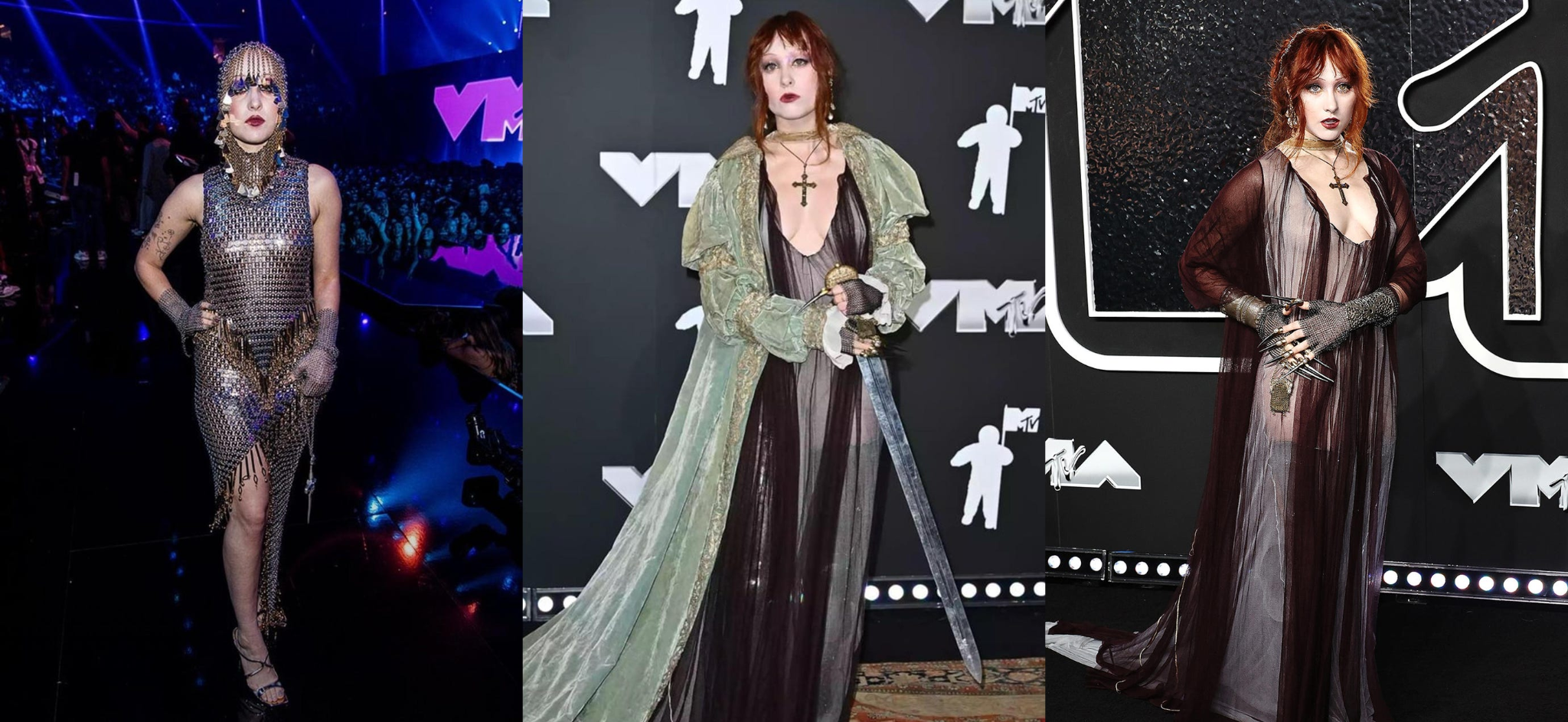
Fashion serves as a form of self-expression, and medieval-inspired styles provide new ways to explore identity. These designs challenge traditional ideas of beauty and style, encouraging people to experiment with different looks. This openness has helped broaden the definition of modern fashion. The trend also highlights the importance of storytelling in clothing. Each piece can reflect history, culture, and personal meaning. This deeper connection makes fashion more than just appearance. It becomes a way to communicate values and experiences.Via Refinery29
Shifts in perspective have made unusual styles more acceptable. What was once considered strange is now celebrated as creative and bold. This change has allowed medieval fashion to move from a niche interest to a mainstream trend, reaching a wider audience.