Unassigned
Rescued Albino Orangutan Gets Forest Sanctuary

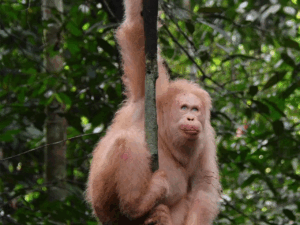
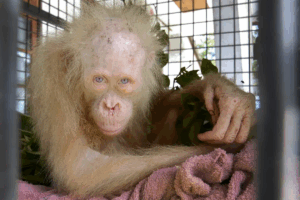
In the dense rainforests of Borneo, a strange tip arrived in 2017. Villagers in the Kapuas district whispered about a white orangutan kept in a small cage. This was no ordinary ape. Her fur shone like fresh snow, and her eyes glowed a bright blue. The Borneo Orangutan Survival Foundation, or BOS, heard the news and acted fast. They knew this could be a once-in-a-lifetime find.
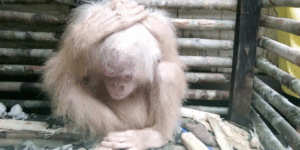
The team rushed to the village. There, in a dark corner, they found her. The young orangutan looked weak and scared. She huddled in a tiny space, far from the trees she needed. Poachers had captured her as a baby, planning to sell her as a pet.
 Via Smithsonian Magazine
Her rare looks made her valuable to the wrong people. But BOS rescuers saw her true worth. They gently moved her to safety and drove her to the Nyaru Menteng rehabilitation center. This place helps hurt and orphaned orangutans heal and learn to live free again.
 Via Time Magazine
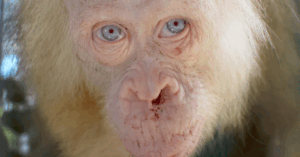
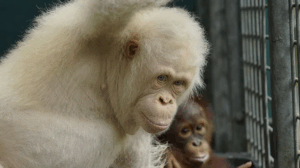
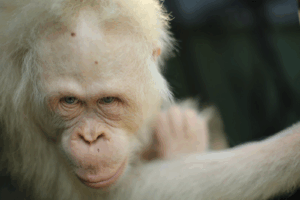
Her blue eyes came from the lack of color, too. After careful study, experts confirmed it. She was the first albino orangutan ever recorded in history. They chose the name Alba for her. It comes from a Latin word meaning "white." The name felt perfect, like a soft blanket matching her fur. Alba was about five years old when rescued. She weighed less than a healthy orangutan her age.
 Via The Guardian
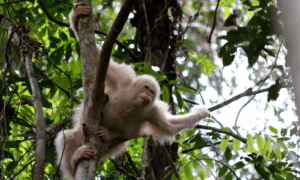
In the wild, orangutans rely on sharp senses to find food and stay safe. Alba needed extra help to build those skills. The BOS team created a plan just for her. They kept her in shaded areas to protect her skin. Special food boosted her strength. Trainers taught her to climb and forage, starting slow and building up. Alba learned to swing from ropes and find fruits like a pro.
 Via ANTARA Foto
Alba made friends slowly. Her white fur scared some orangutans at first. But soon, they played together. She loved nest-building, weaving leaves into cozy beds high in trees. Vets checked her often. They treated worm infections from her captive days. Her blue eyes needed shade glasses during sunny lessons. Alba adapted well, showing everyone that differences don't stop success.
 Via BBC
Monitors watched her 24/7 via cameras. They tracked health, behavior, and skills. Alba's vision improved with training. She spotted food from afar. Her hearing stayed weak, but she used sight and smell more. The team taught avoidance of humans. Alba learned to hide when strangers approached.
Global experts joined the plan. Scientists studied her genes to understand albinism in apes. Results showed it's rare but possible. Alba became a symbol for endangered species. Her story highlighted Borneo's threats: logging, palm oil farms, and fires destroy homes for orangutans.
 Via The Dodo
 Via BOS Australia
Alba stepped out, paused, then climbed the nearest tree. Her white fur gleamed against green leaves. She looked free at last. Cheers erupted from the team. But work continued. Drones and trackers monitored her moves. Rangers hiked daily to check nests and health.
 Via Daily Mail
But nature accepted her. She foraged alone, mostly. Orangutans are solitary. Her weaker senses posed challenges. Once, she missed a snake's hiss but climbed away fast. Data showed success. Alba gained weight and strength. Her skin stayed healthy with natural shade. Blue eyes scanned the canopy sharply. Rangers left fruits during the dry seasons to help.
 Via New York Post
Alba's fame brings tourists who fund protection. Signs warn against capturing wildlife. Challenges persist. Forest fires from farming threaten habitats. Climate change alters fruit seasons. Alba adapts, but help is needed. BOS plants trees to restore areas.
 Via Reddit
Laws strengthen because of cases like hers. Alba proves rehabilitation works. Over 500 orangutans released by BOS succeed in the wild. She highlights albinism in nature. Other albino animals face similar fates. Protection for all rare creatures grows from her example.
 Via Sumatran Orangutan Society
Alba's park, TNBBBR, spans over 800,000 hectares. It shelters tigers, gibbons, and more. Eco-tourism brings jobs without harm. Alba teaches belonging. Differences make you special, not outcasts. In a jungle or a society, everyone fits. Her blue eyes remind people to see beauty in uniqueness. Conservation needs action. Simple choices help: buy sustainable products, donate, spread the word.
 Via Blue Ant Media
Fires from palm oil farms creep closer each year. BOS fights back with fire teams and reforestation projects, planting thousands of native trees to restore its food supply and shade. The Borneo Orangutan Survival Foundation keeps growing. New rescue centers open across the island. Smart tech helps: AI tracks movements, and drones guard the skies from poachers. Alba’s story inspires everywhere.
Schools start conservation programs in her name. Artists draw her face; books tell her tale. She shows the world that one small ape can change hearts. From a scared captive to a free jungle queen, Alba proves strength in difference. Her white fur in green leaves reminds us: every life matters. With care, her kind can thrive.
 Via YouTube
 Via The Sydney Morning Herald
Alba belongs in the forest canopy, not confined behind bars. Her survival is more than an animal success story; it is a declaration of the wild’s right to exist freely. Swing high, Alba, your resilience lights the path forward, reminding humanity that protecting the wild is, in truth, protecting itself.
More in Unassigned
Via Smithsonian Magazine
Her rare looks made her valuable to the wrong people. But BOS rescuers saw her true worth. They gently moved her to safety and drove her to the Nyaru Menteng rehabilitation center. This place helps hurt and orphaned orangutans heal and learn to live free again.
A Name That Fits Her Light
At the center, vets checked her health right away. They noticed her pale skin and fur right off. Most orangutans have reddish-brown coats that blend into the leaves. But this one was different in every way. Tests showed she had albinism, a condition that stops the body from making color pigment.
Via Time Magazine
Her blue eyes came from the lack of color, too. After careful study, experts confirmed it. She was the first albino orangutan ever recorded in history. They chose the name Alba for her. It comes from a Latin word meaning "white." The name felt perfect, like a soft blanket matching her fur. Alba was about five years old when rescued. She weighed less than a healthy orangutan her age.
The Challenges of Being Rare
Albinism brought big problems for Alba. Her light fur offered no camouflage in the green jungle. Predators could spot her easily. Poachers might hunt her for her unique looks. Even the sun burned her skin without protection from dark pigment. Vets worried about her eyes and ears, too. Albinism often weakens vision and hearing. Bright light hurt her eyes, and she struggled to hear distant sounds.
Via The Guardian
In the wild, orangutans rely on sharp senses to find food and stay safe. Alba needed extra help to build those skills. The BOS team created a plan just for her. They kept her in shaded areas to protect her skin. Special food boosted her strength. Trainers taught her to climb and forage, starting slow and building up. Alba learned to swing from ropes and find fruits like a pro.
Life at the Rehabilitation Center
Nyaru Menteng became Alba's new home. The center sits in Central Kalimantan, surrounded by protected forest. Hundreds of orangutans live there, healing from human harm. Alba joined the "forest school" with other young apes. Teachers hung tires, vines, and branches for play. This built muscles and confidence.
Via ANTARA Foto
Alba made friends slowly. Her white fur scared some orangutans at first. But soon, they played together. She loved nest-building, weaving leaves into cozy beds high in trees. Vets checked her often. They treated worm infections from her captive days. Her blue eyes needed shade glasses during sunny lessons. Alba adapted well, showing everyone that differences don't stop success.
Training for Freedom
Years passed with careful steps. By 2018, Alba grew stronger. She climbed tall platforms without fear. Her foraging skills sharpened, she cracked open fruits and termite mounds like experts. BOS built a special island for practice. Safe from poachers, it mimicked real jungle life. Alba explored with other orangutans, learning social rules.
Via BBC
Monitors watched her 24/7 via cameras. They tracked health, behavior, and skills. Alba's vision improved with training. She spotted food from afar. Her hearing stayed weak, but she used sight and smell more. The team taught avoidance of humans. Alba learned to hide when strangers approached.
Global experts joined the plan. Scientists studied her genes to understand albinism in apes. Results showed it's rare but possible. Alba became a symbol for endangered species. Her story highlighted Borneo's threats: logging, palm oil farms, and fires destroy homes for orangutans.
Via The Dodo
The Big Decision and Release
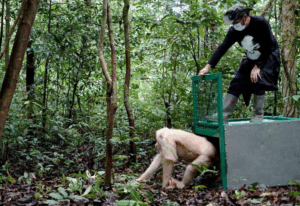
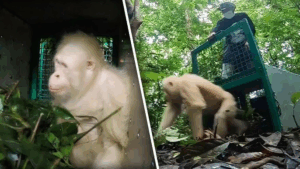
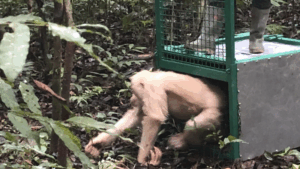
In late 2018, BOS announced the plan. Alba would return to the wild in 2019. They chose Bukit Baka Bukit Raya National Park, or TNBBBR. This vast area has thick forests and few people. Rangers patrol to stop illegal hunting. A monitoring team would follow Alba post-release. Preparations intensified. Helicopters carried her crate to the park. Vets sedated her gently for the trip. On December 18, 2019, the moment arrived. Rangers opened the door in a quiet clearing.
Via BOS Australia
Alba stepped out, paused, then climbed the nearest tree. Her white fur gleamed against green leaves. She looked free at last. Cheers erupted from the team. But work continued. Drones and trackers monitored her moves. Rangers hiked daily to check nests and health.
Life in the Wild Canopy
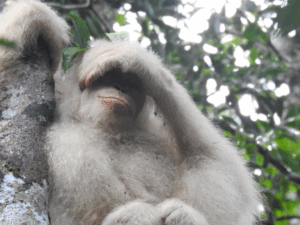
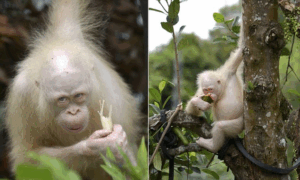
Alba thrived in TNBBBR. She swung through branches with ease. Fruits like figs and durians became her meals. She built nests high up, safe from ground dangers. Her pale fur stood out, but the park's protection helped. Rangers scared away threats. Months in, Alba explored farther. She met wild orangutans. At first, they stared at her odd color.
Via Daily Mail
But nature accepted her. She foraged alone, mostly. Orangutans are solitary. Her weaker senses posed challenges. Once, she missed a snake's hiss but climbed away fast. Data showed success. Alba gained weight and strength. Her skin stayed healthy with natural shade. Blue eyes scanned the canopy sharply. Rangers left fruits during the dry seasons to help.
Ongoing Protection and Monitoring
Safety remains key for Alba. Poachers still lurk in Borneo. Her rarity makes her a target. BOS installed hidden cameras and GPS collars. These tracks without disturbing her. Teams visit weekly, using binoculars from afar. Education spreads too. Local villages learn about conservation. Kids visit centers to see rescued apes.
Via New York Post
Alba's fame brings tourists who fund protection. Signs warn against capturing wildlife. Challenges persist. Forest fires from farming threaten habitats. Climate change alters fruit seasons. Alba adapts, but help is needed. BOS plants trees to restore areas.
Alba as a Symbol of Hope
Alba represents more than rarity. She shows human impact and the power to fix it. From a cramped cage to vast trees, her journey inspires. Millions follow updates on social media. Documentaries share her tale worldwide. Her story fights illegal trade. Pet orangutans suffer like she did.
Via Reddit
Laws strengthen because of cases like hers. Alba proves rehabilitation works. Over 500 orangutans released by BOS succeed in the wild. She highlights albinism in nature. Other albino animals face similar fates. Protection for all rare creatures grows from her example.
The Broader Fight for Orangutans
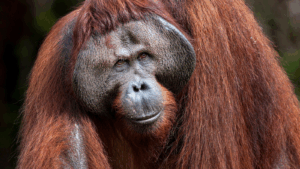
Orangutans face extinction. Borneo and Sumatra hold the last wild ones. Habitat loss kills thousands yearly. Palm oil plantations clear forests fast. Mining and roads fragment homes. BOS fights back. They rescue, rehabilitate, and release. They reforest lands, too. Partnerships with governments enforce laws. Community programs teach sustainable farming.
Via Sumatran Orangutan Society
Alba's park, TNBBBR, spans over 800,000 hectares. It shelters tigers, gibbons, and more. Eco-tourism brings jobs without harm. Alba teaches belonging. Differences make you special, not outcasts. In a jungle or a society, everyone fits. Her blue eyes remind people to see beauty in uniqueness. Conservation needs action. Simple choices help: buy sustainable products, donate, spread the word.
The Future for Alba and Her Kind
The years ahead bring hope and risk for Alba. Rangers will watch her forever. If she mates, her babies might inherit albinism, creating more rare white orangutans. Protection would grow to keep them safe, too. Climate change adds new threats. Hotter seasons and shifting rains make fruit scarce, testing Alba’s foraging skills.
Via Blue Ant Media
Fires from palm oil farms creep closer each year. BOS fights back with fire teams and reforestation projects, planting thousands of native trees to restore its food supply and shade. The Borneo Orangutan Survival Foundation keeps growing. New rescue centers open across the island. Smart tech helps: AI tracks movements, and drones guard the skies from poachers. Alba’s story inspires everywhere.
Schools start conservation programs in her name. Artists draw her face; books tell her tale. She shows the world that one small ape can change hearts. From a scared captive to a free jungle queen, Alba proves strength in difference. Her white fur in green leaves reminds us: every life matters. With care, her kind can thrive.
Via YouTube
Explore the Rescue of the Albino Orangutan
In a world that constantly races ahead, Alba reminds you to pause and breathe. She represents the quiet strength of nature and the fragile balance that sustains life. Jungles are not just distant green spaces; they are the lungs of the planet, offering oxygen, medicine, and stability. Each tree lost, each creature displaced, echoes through the web of existence. Alba’s story urges humans to value what cannot be replaced. Her rescue was a triumph of compassion and cooperation. Villagers raised the alarm, experts devised a careful plan, and donors provided the resources needed to save her. It was a rare moment of unity, proof that collective effort can restore hope even in a fractured world.
Via The Sydney Morning Herald
Alba belongs in the forest canopy, not confined behind bars. Her survival is more than an animal success story; it is a declaration of the wild’s right to exist freely. Swing high, Alba, your resilience lights the path forward, reminding humanity that protecting the wild is, in truth, protecting itself.