Unassigned
Rare White Killer Whale Spotted in Japanese Waters

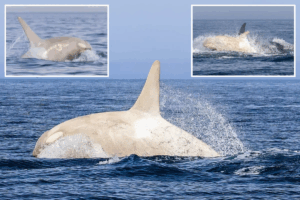
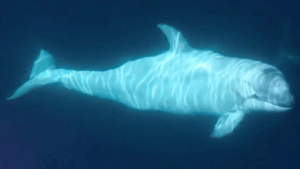
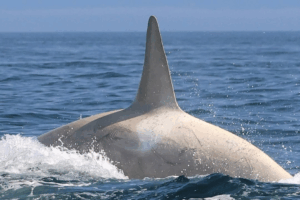
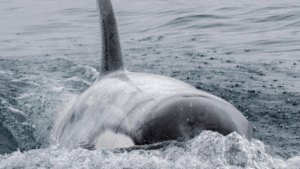
Imagine spotting something so rare it feels like a dream. That's what happened when a white killer whale was caught on camera near Japan's Hokkaido island. This ghostly creature, with its pale skin, stood out against the deep blue ocean. It was filmed by a dedicated photographer named Noriyuki Hayakawa, who had been searching for orcas for 15 years. His patience paid off in a big way.
The video quickly went viral, captivating people around the world. Killer whales, or orcas, are usually black and white, so seeing one that's mostly white is like finding a hidden treasure in the sea. This sighting reminds people how diverse and surprising nature can be. It happened in the chilly waters off Rausu, a town on Hokkaido's Shiretoko Peninsula. Tour boats in the area first noticed the unusual whale and alerted Hayakawa's group.
 Via New York Post
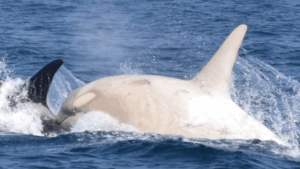
They rushed over and managed to capture stunning footage of the white orca swimming with its pod. The whale appeared healthy and active, diving and surfacing like any other orca. Experts believe this is one of only a handful of such sightings ever recorded. The event sparked interest in marine life and encouraged more people to learn about these magnificent animals.
 Via 9News
This makes the whale pale but not completely without color. Leucism happens because of a mutation in the genes that control melanin, the substance that gives color to skin and hair. It's rare in wild animals because it can make them stand out to predators or affect their ability to blend in.
For orcas, their normal black and white pattern helps with camouflage in the ocean. A white orca might have trouble hiding from prey or staying safe. However, this one was swimming with a group, which likely helps protect it.
 Via Wild Side Hawaii
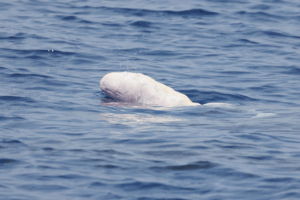
Scientists study leucism to understand how genes work in animals. It's seen in many species, like birds, deer, and snakes, but in marine mammals like orcas, it's especially uncommon. This sighting provides valuable data for researchers interested in animal genetics and ocean biodiversity.
 Via Ocean Safaris
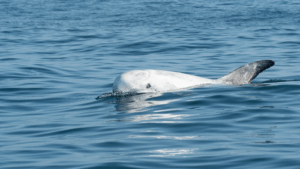
Animals with leucism might have patches of color or normal eye color. Their skin can look white or faded, but they don't have the same health issues as albino animals. In the wild, both conditions are rare because they can make survival harder. Predators might spot them easily, or they could struggle to find mates.
For orcas, which rely on group hunting, a different color might not be as big a problem if the pod accepts them. Studies show that leucistic animals can live long lives if they adapt well. The white orca off Hokkaido seemed to fit right in with its family group. Understanding these differences helps people appreciate the variety in nature. It also highlights how important it is to protect habitats where such unique animals live.
 Via Live Science
 Via New Scientist
Each sighting helps scientists learn more about how these conditions affect their lives. For example, Iceberg has been seen hunting successfully with his pod, proving that color doesn't always hinder survival. Frosty, being younger, gives hope that more white orcas might appear in the future. These stories inspire whale watchers and researchers to keep looking for unusual animals in the ocean.
 Via Mares
Despite his unusual appearance, Iceberg seems healthy and participates in hunts. He uses the same techniques as other orcas, like herding fish or seals. Researchers believe his pod's support helps him thrive. Sightings of icebergs highlight the remote areas where orcas live, far from human activity. This orca has become a symbol of ocean mysteries and the need for more study in far-off waters.
 Via Reddit
Videos and photos show Frosty playing and swimming alongside family members. Being young, Frosty learns hunting skills from the group. Experts watch to see if the color affects growth or behavior. So far, Frosty appears energetic and well-integrated. This orca reminds people that rare traits can appear in any population, even in busy coastal areas.
 Via National Geographic
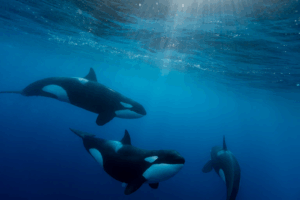
Their black and white coloring helps them blend into the water from above and below. Orcas have sharp teeth, up to 4 inches long, perfect for catching prey. They live in all oceans, from cold Arctic waters to warm tropics. Orcas can dive deep, up to 1,000 feet, and hold their breath for 15 minutes.
 Via A-Z Animals
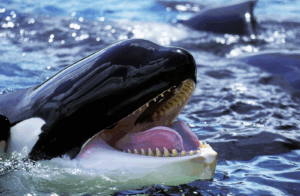
Orcas are fast swimmers, reaching speeds of 34 miles per hour. Their strength allows them to take down large prey. In some areas, orcas have been seen flipping sharks upside down to stun them. This role is crucial for healthy oceans.
 Via New Scientist
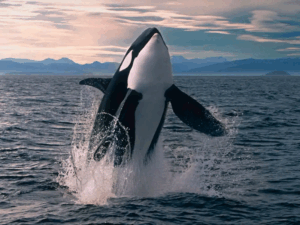
They stay together for life, with sons and daughters remaining close to their moms. This social bond helps them survive. Pods share food after a hunt, showing cooperation. Different pods might not mix, even if they live nearby. This structure is similar to human families, with traditions passed down.
 Via Business Insider
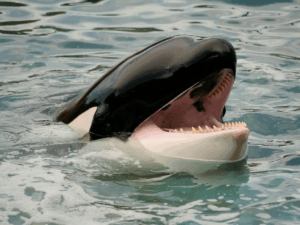
This cultural knowledge shows high intelligence. Orcas also play, spy-hop to look above water, or breach by jumping out. Their brains have parts for emotions and problem-solving. Studies show they recognize themselves in mirrors, a sign of self-awareness.
 Via PetaPixel
Sightings have increased with better tourism. In 2024, a pod got trapped in ice but escaped. The white orca sighting adds to Hokkaido's appeal for nature lovers. Local communities promote eco-tourism to protect these animals.
 Via Los Angeles Times
Scientists hope for more white orca sightings to study genetics. Drones and tags track movements. Research in Hokkaido could reveal more about local pods. With technology, you learn without disturbing them. This knowledge aids conservation. The ocean holds many secrets, and orcas are key to unlocking them.
More in Unassigned
Via New York Post
They rushed over and managed to capture stunning footage of the white orca swimming with its pod. The whale appeared healthy and active, diving and surfacing like any other orca. Experts believe this is one of only a handful of such sightings ever recorded. The event sparked interest in marine life and encouraged more people to learn about these magnificent animals.
Understanding Leucism - The Cause of the White Color
The white color of this orca comes from a condition called leucism. Leucism is a genetic trait that reduces the pigment in an animal's skin, fur, or feathers. Unlike albinism, which removes all pigment and often results in pink eyes, leucism allows some color to remain, especially in the eyes. In this case, the orca's eyes looked dark, confirming it was leucistic rather than albino.
Via 9News
This makes the whale pale but not completely without color. Leucism happens because of a mutation in the genes that control melanin, the substance that gives color to skin and hair. It's rare in wild animals because it can make them stand out to predators or affect their ability to blend in.
For orcas, their normal black and white pattern helps with camouflage in the ocean. A white orca might have trouble hiding from prey or staying safe. However, this one was swimming with a group, which likely helps protect it.
Via Wild Side Hawaii
Scientists study leucism to understand how genes work in animals. It's seen in many species, like birds, deer, and snakes, but in marine mammals like orcas, it's especially uncommon. This sighting provides valuable data for researchers interested in animal genetics and ocean biodiversity.
Difference Between Leucism and Albinism
Many people mix up leucism and albinism, but they are different. Albinism is a complete lack of melanin, making animals pure white with red or pink eyes because blood vessels show through. This can cause vision problems and make them sensitive to sunlight. Leucism, on the other hand, is only a partial loss of pigment.
Via Ocean Safaris
Animals with leucism might have patches of color or normal eye color. Their skin can look white or faded, but they don't have the same health issues as albino animals. In the wild, both conditions are rare because they can make survival harder. Predators might spot them easily, or they could struggle to find mates.
For orcas, which rely on group hunting, a different color might not be as big a problem if the pod accepts them. Studies show that leucistic animals can live long lives if they adapt well. The white orca off Hokkaido seemed to fit right in with its family group. Understanding these differences helps people appreciate the variety in nature. It also highlights how important it is to protect habitats where such unique animals live.
Via Live Science
Famous White Orcas from Around the World
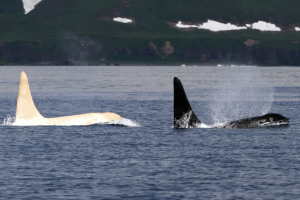
The Hokkaido white orca isn't the only one of its kind. There are a few famous white killer whales that have captured attention over the years. One is Iceberg, a mature male spotted off Russia's coast in 2010. The icebergs are all white and travel in a pod in the North Pacific. Researchers think he's leucistic too. Another well-known one is Frosty, a young calf seen off California's coast. Frosty has a pale, almost grayish tint and is part of a group called the California transients. This orca was first noticed as a baby and has been tracked since then. There's also Chimo, a white orca that lived in captivity in the 1970s, but she had health issues and died young. These rare whales show that leucism can occur in different orca populations worldwide.
Via New Scientist
Each sighting helps scientists learn more about how these conditions affect their lives. For example, Iceberg has been seen hunting successfully with his pod, proving that color doesn't always hinder survival. Frosty, being younger, gives hope that more white orcas might appear in the future. These stories inspire whale watchers and researchers to keep looking for unusual animals in the ocean.
Iceberg - The Russian White Orca
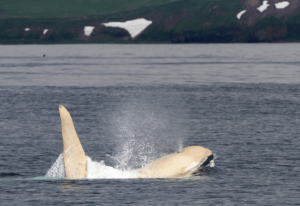
Iceberg is perhaps the most famous white orca. Discovered near the Kamchatka Peninsula in Russia, he made headlines as the first adult white killer whale photographed in the wild. Estimated to be over 20 years old now. Iceberg swims with a family pod of about 13 orcas. His white color makes him easy to spot, and scientists have followed him for years.
Via Mares
Despite his unusual appearance, Iceberg seems healthy and participates in hunts. He uses the same techniques as other orcas, like herding fish or seals. Researchers believe his pod's support helps him thrive. Sightings of icebergs highlight the remote areas where orcas live, far from human activity. This orca has become a symbol of ocean mysteries and the need for more study in far-off waters.
Frosty - California's Pale Calf
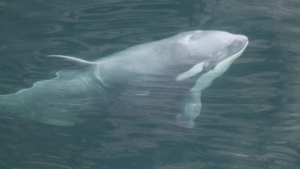
Frosty is a younger white orca, first seen in 2019 off Monterey Bay, California. At around 4 years old, during later sightings, Frosty has a lighter color due to leucism. This calf travels with a pod that hunts marine mammals like seals and sea lions. Whale watchers love spotting Frosty because of its unique look.
Via Reddit
Videos and photos show Frosty playing and swimming alongside family members. Being young, Frosty learns hunting skills from the group. Experts watch to see if the color affects growth or behavior. So far, Frosty appears energetic and well-integrated. This orca reminds people that rare traits can appear in any population, even in busy coastal areas.
The Biology of Killer Whales
Killer whales are fascinating creatures. They are the largest members of the dolphin family, not whales at all. Adult males can grow up to 30 feet long and weigh over 10 tons. Females are a bit smaller, around 23 feet. Orcas have a sleek body with a tall dorsal fin, which can be up to 6 feet high in males.
Via National Geographic
Their black and white coloring helps them blend into the water from above and below. Orcas have sharp teeth, up to 4 inches long, perfect for catching prey. They live in all oceans, from cold Arctic waters to warm tropics. Orcas can dive deep, up to 1,000 feet, and hold their breath for 15 minutes.
Orcas as Top Predators
Orcas sit at the top of the ocean food chain. They eat a variety of foods, depending on where they live. Some groups focus on fish like salmon, while others hunt seals, sharks, or even other whales. This makes them apex predators, keeping the ecosystem balanced. For example, by eating seals, they help control populations that might overeat fish.
Via A-Z Animals
Orcas are fast swimmers, reaching speeds of 34 miles per hour. Their strength allows them to take down large prey. In some areas, orcas have been seen flipping sharks upside down to stun them. This role is crucial for healthy oceans.
Social Structure and Family Pods
Orcas live in tight-knit groups called pods, which are like big families. Pods can have 5 to 50 members, led by older females. These matriarchs teach younger ones how to hunt and navigate. Pods have their own dialects of clicks and whistles for communication.
Via New Scientist
They stay together for life, with sons and daughters remaining close to their moms. This social bond helps them survive. Pods share food after a hunt, showing cooperation. Different pods might not mix, even if they live nearby. This structure is similar to human families, with traditions passed down.
Hunting Techniques and Intelligence
Orcas are smart hunters. They work as a team to catch food. In Norway, pods herd herring into tight balls and slap them with their tails to stun them. In Antarctica, they create waves to knock seals off ice floes. Each pod has unique methods, learned from elders.
Via Business Insider
This cultural knowledge shows high intelligence. Orcas also play, spy-hop to look above water, or breach by jumping out. Their brains have parts for emotions and problem-solving. Studies show they recognize themselves in mirrors, a sign of self-awareness.
Orcas in Japanese Waters
Around Japan, especially near Hokkaido, orcas are seasonal visitors. The cold waters attract them for food, like minke whales and fish. In Rausu, whale-watching tours spot pods in summer. Japanese orcas might be transients, eating mammals.
Via PetaPixel
Sightings have increased with better tourism. In 2024, a pod got trapped in ice but escaped. The white orca sighting adds to Hokkaido's appeal for nature lovers. Local communities promote eco-tourism to protect these animals.
Explore the Rare Sighting of a White Orca
The video of the white orca spread fast online. Millions viewed it, sparking talks about nature's surprises. It boosted interest in whale watching and science. Photographers like Hayakawa inspire others to explore. This event shows how one sighting can connect people to the environment.
Via Los Angeles Times
Scientists hope for more white orca sightings to study genetics. Drones and tags track movements. Research in Hokkaido could reveal more about local pods. With technology, you learn without disturbing them. This knowledge aids conservation. The ocean holds many secrets, and orcas are key to unlocking them.