Unassigned
New mRNA Shot Reprograms Immune Cells to Fight Cancer

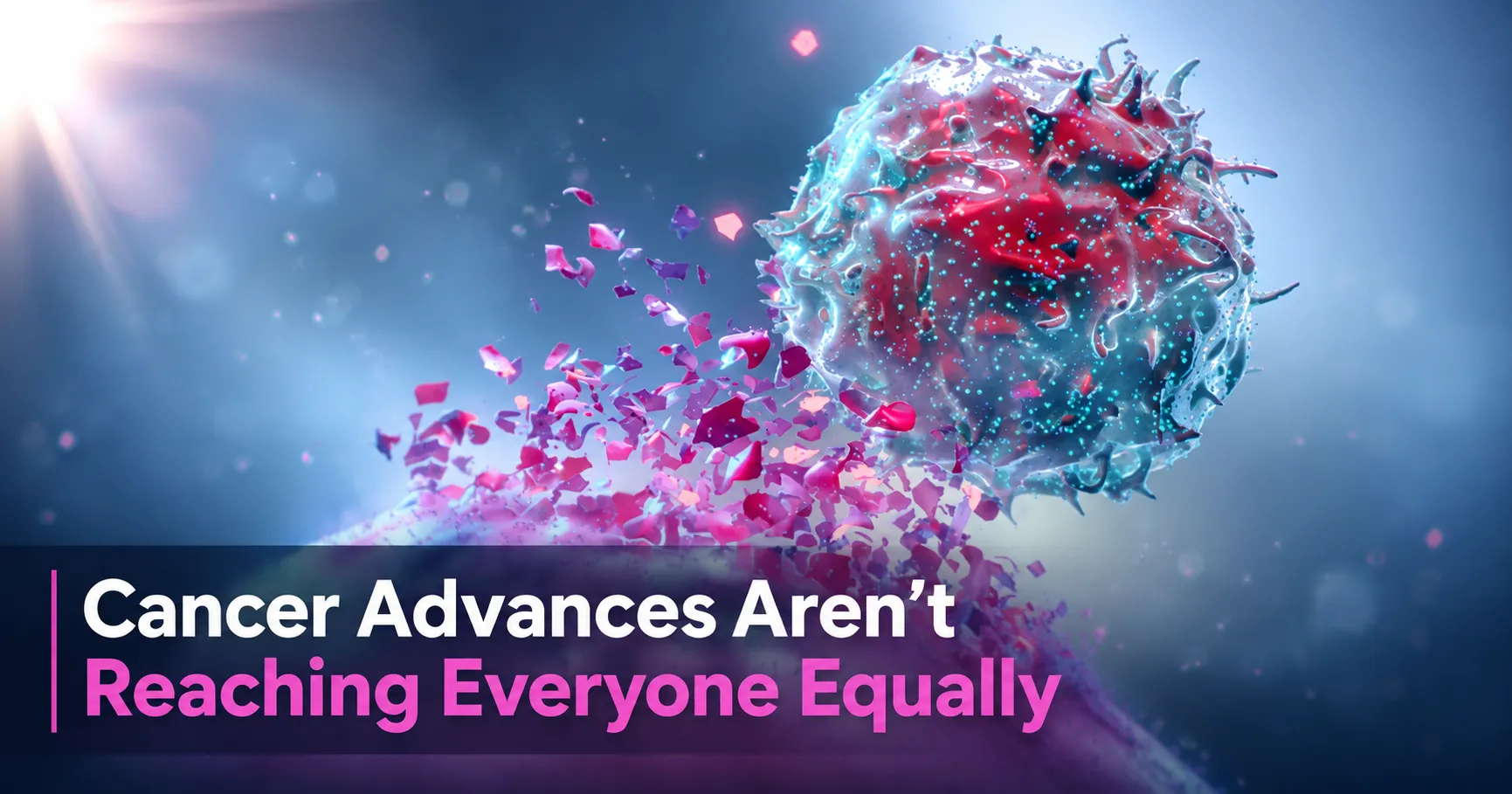
A new way to fight cancer has just been revealed, and it could change how professionals treat this disease forever. Scientists have created an mRNA shot that turns the body's own T cells into special cancer-killing cells right inside the bloodstream. This is called in vivo CAR T-cell therapy. Unlike older methods, it does not need to take cells out of the body or change them in a lab.
Instead, it uses a simple injection, much like the ones used for COVID-19 vaccines. This breakthrough promises to make treatment faster, safer, and cheaper for millions of people. It works by sending genetic instructions to immune cells, helping them spot and destroy cancer. Early tests in animals show great results, and human trials are on the way. This could be a big step forward in medicine.
 Via UF Health
The idea comes from years of research on how to use the body's immune system against cancer. Immunotherapy has already saved many lives, but this new approach takes it to the next level. By reprogramming cells inside the body, it avoids many problems of traditional treatments. Researchers are excited because it could also help with other illnesses, like autoimmune diseases.
 Via Biotherapy International
These can work, but they often harm healthy cells too, causing side effects like hair loss or weakness. Immunotherapy is a newer type of treatment that uses the body's own defense system to attack cancer. The immune system has cells like T cells that normally fight infections. In immunotherapy, these cells are trained to see cancer as an enemy.
One popular form is checkpoint inhibitors, which remove brakes on the immune system so it can work harder. Another is vaccines that teach the body to recognize cancer cells. These methods have helped many patients, especially those with skin or lung cancer. However, not everyone responds well, and some cancers hide from the immune system.
 Via North Houston Cancer Clinics
This is where advanced therapies like CAR T cells come in. They make the immune system stronger and more targeted. By focusing on specific proteins in cancer cells, they can wipe out tumors that other treatments miss. The new mRNA shot builds on this idea, making it easier to use immunotherapy for more people.
 Via Methodology
In normal cases, T cells might not notice cancer because it looks too much like healthy tissue. The CAR changes that by targeting unique markers on cancer, like CD19, which is common on blood cancers such as leukemia and lymphoma. When CAR T cells meet these markers, they multiply and attack.
This creates a strong response that can clear out the disease. Scientists first developed CAR T cells over a decade ago, and they have been approved for use in some countries since 2017. They have cured people who had no other options. But making them has been tricky until now.
 Via Akadeum Live Sciences
 Via UCSF Health
This process has worked for blood cancers, with success rates up to 40% in some cases. Patients who were very sick have gone into remission. However, it takes time and special equipment, which not every hospital has.
 Via Technology Networks
Second, it is invasive. Taking out cells and putting them back in can be hard on the body. Patients might need to stay in the hospital for weeks. There are risks like infections from the weakened immune system or strong side effects, such as fever and low blood pressure from cytokine storms.
Third, it is slow. Waiting for cells to be made can be too long for patients with fast-growing cancer. Also, it works best for blood cancers but not as well for solid tumors, like those in the breast or brain, because the cells have trouble getting inside the tumor.
 Via News-Medical
 Via Gavi, The Vaccine Alliance
This is similar to how COVID-19 vaccines work, where mRNA teaches cells to make a spike protein to fight the virus. Here, it teaches T cells to target cancer markers like CD19. The changes are temporary because mRNA does not alter DNA, so the effects last weeks or months but can be boosted with more shots.
 Via AZoNano
For example, in animal studies, they bind to T cells but not other types. This makes the treatment precise and reduces side effects. The technology comes from vaccine research and has been tested in millions of people. It is scalable, meaning it can be made in large batches, unlike custom lab-modified cells. This could lower costs a lot.
 Via Britannica
After several doses, tumors shrank or disappeared in most mice. In one study, 75% of treated mice had no tumors left after 60 days. The therapy also cleared abnormal B cells, which are linked to some cancers and autoimmune issues. Effects lasted at least a month, and mice could get up to 18 doses without problems. This shows the method is repeatable and effective for ongoing control.
 Via Technology Networks
Companies are planning trials for conditions like rheumatoid arthritis. This could mean fewer drugs with side effects and better control of symptoms. This is the start of precision medicine, where treatments fit each person's needs. By making CAR T cells in the body, you can adjust doses and targets easily.
It could combine with other therapies for better results. Imagine shots for many diseases, made quickly and affordably. This could save lives worldwide and reduce healthcare costs. Research continues to improve it for more cancers and illnesses.
 Via Global Autoimmune Institute
 Via Interesting Engineering
This mRNA shot is a game-changer for cancer and more. It turns the body into a factory for fighting cells, skipping old limits. With good animal results and trials ahead, hope is high. It shows how science can bring new tools to beat tough diseases. As you move forward, this could mean healthier lives for many.
More in Unassigned
Via UF Health
The idea comes from years of research on how to use the body's immune system against cancer. Immunotherapy has already saved many lives, but this new approach takes it to the next level. By reprogramming cells inside the body, it avoids many problems of traditional treatments. Researchers are excited because it could also help with other illnesses, like autoimmune diseases.
Understanding Cancer and Immunotherapy
Cancer happens when cells in the body grow out of control and form tumors or spread through the blood. It can affect any part of the body, from the skin to the bones. Each year, millions of people get diagnosed with cancer, and finding better treatments is a top goal for doctors. Traditional ways to fight cancer include surgery, chemotherapy, and radiation.
Via Biotherapy International
These can work, but they often harm healthy cells too, causing side effects like hair loss or weakness. Immunotherapy is a newer type of treatment that uses the body's own defense system to attack cancer. The immune system has cells like T cells that normally fight infections. In immunotherapy, these cells are trained to see cancer as an enemy.
One popular form is checkpoint inhibitors, which remove brakes on the immune system so it can work harder. Another is vaccines that teach the body to recognize cancer cells. These methods have helped many patients, especially those with skin or lung cancer. However, not everyone responds well, and some cancers hide from the immune system.
Via North Houston Cancer Clinics
This is where advanced therapies like CAR T cells come in. They make the immune system stronger and more targeted. By focusing on specific proteins in cancer cells, they can wipe out tumors that other treatments miss. The new mRNA shot builds on this idea, making it easier to use immunotherapy for more people.
What Are CAR T Cells?
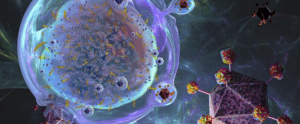
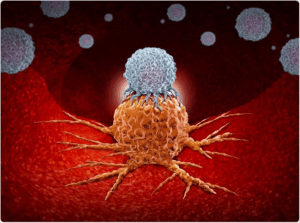
CAR T cells are special immune cells designed to hunt down cancer. CAR stands for chimeric antigen receptor. This is a man-made protein added to T cells, which are white blood cells that fight threats. The CAR acts like a guide, helping T cells find and stick to cancer cells. Once attached, the T cells release chemicals that kill the bad cells.
Via Methodology
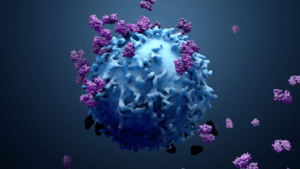
In normal cases, T cells might not notice cancer because it looks too much like healthy tissue. The CAR changes that by targeting unique markers on cancer, like CD19, which is common on blood cancers such as leukemia and lymphoma. When CAR T cells meet these markers, they multiply and attack.
This creates a strong response that can clear out the disease. Scientists first developed CAR T cells over a decade ago, and they have been approved for use in some countries since 2017. They have cured people who had no other options. But making them has been tricky until now.
Via Akadeum Live Sciences
The Traditional CAR T-Cell Therapy Process
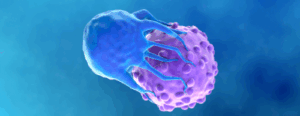
In the old way of doing CAR T-cell therapy, doctors start by drawing blood from the patient. They separate the T cells using a machine. These cells are then sent to a lab where experts add the CAR gene using viruses or other tools. This changes the DNA of the T cells so they can make the receptor forever. After about two to three weeks, the modified cells are grown in large numbers. The patient often gets chemotherapy first to make space for the new cells by weakening their immune system. Then, the CAR T cells are put back into the body through an IV drip. Over time, they find and destroy cancer.
Via UCSF Health
This process has worked for blood cancers, with success rates up to 40% in some cases. Patients who were very sick have gone into remission. However, it takes time and special equipment, which not every hospital has.
Limitations of Traditional Methods
Traditional CAR T-cell therapy has big drawbacks. First, it is very expensive, costing hundreds of thousands of dollars per person. This is because of the lab work and is custom-made for each patient. Not everyone can afford it or get access to the right centers.
Via Technology Networks
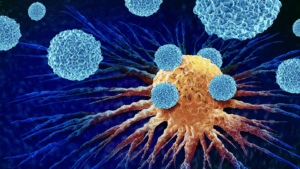
Second, it is invasive. Taking out cells and putting them back in can be hard on the body. Patients might need to stay in the hospital for weeks. There are risks like infections from the weakened immune system or strong side effects, such as fever and low blood pressure from cytokine storms.
Third, it is slow. Waiting for cells to be made can be too long for patients with fast-growing cancer. Also, it works best for blood cancers but not as well for solid tumors, like those in the breast or brain, because the cells have trouble getting inside the tumor.
Via News-Medical
The New mRNA Shot - How It Works
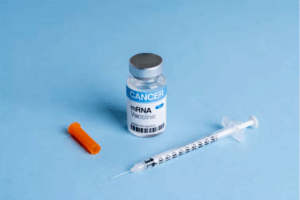
The revolutionary mRNA shot uses messenger RNA, a molecule that carries instructions from genes to make proteins. In this case, the mRNA tells T cells how to build the CAR receptor. It is packed into tiny fat bubbles called lipid nanoparticles. These protect the mRNA and help it get into cells. When injected into the bloodstream, the nanoparticles find T cells. They have special tags, like antibodies, that stick to proteins on T cells, such as CD5. Once inside, the mRNA is released and starts working in hours. The T cells then make the CAR and become cancer fighters without leaving the body.
Via Gavi, The Vaccine Alliance
This is similar to how COVID-19 vaccines work, where mRNA teaches cells to make a spike protein to fight the virus. Here, it teaches T cells to target cancer markers like CD19. The changes are temporary because mRNA does not alter DNA, so the effects last weeks or months but can be boosted with more shots.
Lipid Nanoparticles - The Delivery System
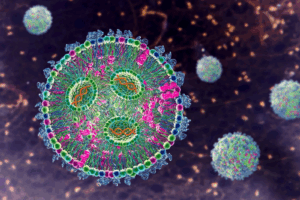
Lipid nanoparticles are key to this therapy. They are like tiny delivery trucks made of fats that dissolve in the body. Scientists design them to carry mRNA safely through the blood without breaking down too soon. These particles can be targeted to specific cells by adding molecules on their surface.
Via AZoNano
For example, in animal studies, they bind to T cells but not other types. This makes the treatment precise and reduces side effects. The technology comes from vaccine research and has been tested in millions of people. It is scalable, meaning it can be made in large batches, unlike custom lab-modified cells. This could lower costs a lot.
Animal Trials and Results
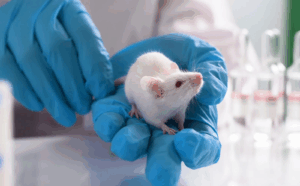
In tests on mice with B-cell lymphoma, the mRNA shot worked well. Researchers injected the nanoparticles, and within a day, some T cells turned into CAR T cells. They tracked this using PET scans, seeing the cells move to tumors.
Via Britannica
After several doses, tumors shrank or disappeared in most mice. In one study, 75% of treated mice had no tumors left after 60 days. The therapy also cleared abnormal B cells, which are linked to some cancers and autoimmune issues. Effects lasted at least a month, and mice could get up to 18 doses without problems. This shows the method is repeatable and effective for ongoing control.
Potential for Autoimmune Diseases
This therapy could help autoimmune diseases like lupus, where the immune system attacks the body. In lupus, abnormal B cells cause harm. The mRNA shot could reprogram T cells to target these bad cells. In animal models, it cleared out faulty B cells without hurting the whole immune system.
Via Technology Networks
Companies are planning trials for conditions like rheumatoid arthritis. This could mean fewer drugs with side effects and better control of symptoms. This is the start of precision medicine, where treatments fit each person's needs. By making CAR T cells in the body, you can adjust doses and targets easily.
It could combine with other therapies for better results. Imagine shots for many diseases, made quickly and affordably. This could save lives worldwide and reduce healthcare costs. Research continues to improve it for more cancers and illnesses.
Via Global Autoimmune Institute
Discover the mRNA Shot That Makes the Body Fight Cancer Itself.
There are still hurdles. Making sure the shot reaches enough T cells is key. For solid tumors, cells need help getting past barriers. Long-term effects in humans are unknown. Costs must stay low, and regulations must be ensured. Access in poor countries is important. Scientists are working on these to make them ready for everyone.
Via Interesting Engineering
This mRNA shot is a game-changer for cancer and more. It turns the body into a factory for fighting cells, skipping old limits. With good animal results and trials ahead, hope is high. It shows how science can bring new tools to beat tough diseases. As you move forward, this could mean healthier lives for many.