Unassigned
New Male Birth Control Shot Effective for Up to 2 Years

For decades, men have had limited birth control options, mainly condoms or vasectomy, leaving a major gap for methods that are simple, reversible, and long-lasting. Women, meanwhile, have shouldered most of the responsibility through pills, patches, and devices that can cause side effects. An innovation called ADAM may change this balance.
It’s a non-hormonal injection that prevents pregnancy for up to two years without surgery. Designed to be reversible and convenient, it could give men greater control over family planning while reducing the burden on women. Progress in male contraception has been slow. Since the introduction of the female birth control pill in the 1950s, efforts to create a male equivalent have faced challenges.
 Via Yahoo
Non-hormonal methods were tested too, but few reached practical use. ADAM is different because it physically blocks sperm flow rather than altering hormones. This natural, low-risk approach could make it more appealing to men seeking reliability without daily upkeep or lasting effects. If successful, ADAM could revolutionize contraception and finally bring equality to reproductive responsibility.
 Via TechCrunch
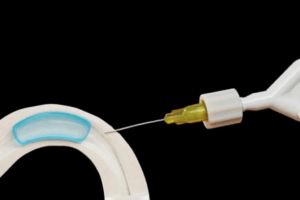
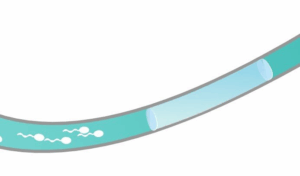
By blocking this tube, sperm can't get out during ejaculation, which means no pregnancy risk. The best part is that it's designed to break down on its own after about two years, so fertility comes back naturally. The procedure to get ADAM is quick and simple. A doctor uses a small needle to inject the gel right into the vas deferens.
It's done in an office setting, much like getting a shot, and doesn't require cutting or stitches. Patients can go home the same day and resume normal activities soon after. No general anesthesia is needed, just a local numbing agent to make it comfortable. This makes it far less invasive than a vasectomy, where the tube is cut and sealed. ADAM's design focuses on being user-friendly, so more men might consider it as an option.
 Via Medical Xpress
 Via MEDizzy Journal
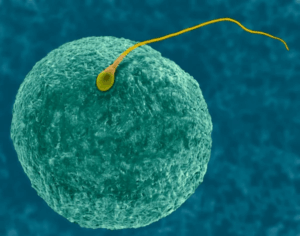
Scientists tested many versions to find one that blocks sperm effectively while being safe. Unlike hormonal methods that change testosterone levels or stop sperm production, ADAM doesn't interfere with hormones at all. Men keep their normal energy, mood, and sex drive. Ejaculation still happens, but without sperm in the semen. This physical method avoids many problems seen in other contraceptives, making it a fresh idea in the field.
 Via NBC News
Participants had follow-up visits to track any changes, and the gel held up well without breaking down too soon. Side effects were minimal in these trials. Some men reported mild soreness at the injection site, like after a vaccine, but it went away quickly. There were no reports of serious issues like infections or long-term pain.
Blood tests and health checks confirmed that hormone levels stayed normal, and fertility returned as expected after the gel degraded. These early findings are encouraging, but larger trials are needed to confirm the results with more people. Researchers are now planning bigger studies to include diverse groups, ensuring it works for men of different ages and backgrounds.
 Via MIT Technology Review
 Via Greatist
ADAM also promotes better reproductive health discussions. Men might feel more empowered to talk about family planning with partners or doctors. In the long run, this could lead to fewer unplanned pregnancies and more planned families, benefiting society as a whole.
 Via Seven Oaks Women's Center
Hormonal methods for men, still in testing, involve regular shots or gels that lower sperm count but can cause acne, weight changes, or reduced libido. ADAM bridges these gaps. It's as reliable as a vasectomy without the permanence, and non-hormonal like condoms, but longer-lasting.
Cost-wise, while not yet priced, it could be affordable compared to ongoing condom buys or women's birth control prescriptions. Environmentally, fewer disposables like condoms mean less waste. Overall, ADAM offers a middle ground that's been missing in male contraception.
 Via Every Body Texas
 Via Science News
Partners might need reassurance, too. Education will be key to address myths, like thinking it affects manhood or performance, it doesn't. As with any new medical advance, patience is needed while more data comes in.
 Via SpermCheck
This tech draws from other medical uses, like drug delivery systems or wound dressings, proving its safety track record. Research teams collaborated across fields, biology, materials science, and urology, to perfect it.
 Via Daily Express
Public health experts see potential for better equity. Studies show that when men are involved, contraceptive use rises. ADAM could encourage that involvement without the barriers of current methods. It also aligns with trends toward personalized medicine, where treatments fit individual lifestyles.
 Via Scientific American
Global interest is growing, with potential partnerships for distribution. If successful, ADAM could spark more research into male options, like oral non-hormonal pills. The goal is a range of choices, so everyone finds what works best.
 Via The New York Times
Economically, fewer unplanned kids means more workforce stability. Environmentally, sustainable families help conserve resources. Challenges include cultural acceptance; some societies might resist male involvement, but awareness campaigns can help.
 Via Self
ADAM represents progress toward fairer contraception. No more limited choices for men, just a simple, effective injection. As trials advance, it could become a standard option, easing burdens and empowering choices. The era of balanced birth control is on the horizon, starting with one breakthrough gel.
More in Unassigned
Via Yahoo
Non-hormonal methods were tested too, but few reached practical use. ADAM is different because it physically blocks sperm flow rather than altering hormones. This natural, low-risk approach could make it more appealing to men seeking reliability without daily upkeep or lasting effects. If successful, ADAM could revolutionize contraception and finally bring equality to reproductive responsibility.
What Exactly Is ADAM?
ADAM is a new type of male birth control made by a company called Contraline. It's not a pill or a device; it's an injectable gel that acts like a temporary plug. The gel is called a hydrogel, which is a soft, water-based material that can be safely put into the body. This gel goes into the vas deferens, the small tube that carries sperm from the testicles to mix with semen.
Via TechCrunch
By blocking this tube, sperm can't get out during ejaculation, which means no pregnancy risk. The best part is that it's designed to break down on its own after about two years, so fertility comes back naturally. The procedure to get ADAM is quick and simple. A doctor uses a small needle to inject the gel right into the vas deferens.
It's done in an office setting, much like getting a shot, and doesn't require cutting or stitches. Patients can go home the same day and resume normal activities soon after. No general anesthesia is needed, just a local numbing agent to make it comfortable. This makes it far less invasive than a vasectomy, where the tube is cut and sealed. ADAM's design focuses on being user-friendly, so more men might consider it as an option.
Via Medical Xpress
How ADAM Works Inside the Body
To understand ADAM, think of the male reproductive system like a pipeline. Sperm are made in the testicles and travel through the vas deferens to join semen. ADAM's hydrogel fills a section of this tube, creating a barrier that sperm can't pass. The gel is thick enough to stay in place but flexible so it doesn't cause discomfort. Over time, the body's natural processes break down the hydrogel, bit by bit, until it's gone. This degradation happens slowly, lasting up to 24 months, giving long-term protection without needing follow-up visits. What makes the hydrogel special is its biocompatibility. That means it's made from materials that the body accepts without strong reactions.
Via MEDizzy Journal
Scientists tested many versions to find one that blocks sperm effectively while being safe. Unlike hormonal methods that change testosterone levels or stop sperm production, ADAM doesn't interfere with hormones at all. Men keep their normal energy, mood, and sex drive. Ejaculation still happens, but without sperm in the semen. This physical method avoids many problems seen in other contraceptives, making it a fresh idea in the field.
Early Clinical Trials and Results
Testing for ADAM started with small groups to check safety and effectiveness. In one key study, 25 men received the injection and were monitored for two years. Doctors checked their semen samples regularly, and the results showed no detectable sperm during that time. This means the gel worked as planned, blocking sperm completely.
Via NBC News
Participants had follow-up visits to track any changes, and the gel held up well without breaking down too soon. Side effects were minimal in these trials. Some men reported mild soreness at the injection site, like after a vaccine, but it went away quickly. There were no reports of serious issues like infections or long-term pain.
Blood tests and health checks confirmed that hormone levels stayed normal, and fertility returned as expected after the gel degraded. These early findings are encouraging, but larger trials are needed to confirm the results with more people. Researchers are now planning bigger studies to include diverse groups, ensuring it works for men of different ages and backgrounds.
Via MIT Technology Review
Benefits of ADAM for Men and Couples
One big advantage of ADAM is its convenience. Unlike condoms, which can interrupt the moment, or daily pills that are easy to forget, ADAM requires just one visit every two years. This set-it-and-forget-it style fits busy lives. For couples, it shares the responsibility more evenly. Women often deal with side effects from their birth control, like headaches or irregular periods. ADAM lets men step up without those hormonal downsides, potentially improving relationship dynamics. Another benefit is reversibility. If a man decides he wants kids sooner, he doesn't need another procedure; the gel just wears off. This is a huge plus over vasectomy, where reversal surgery is possible but not always successful and can be expensive.
Via Greatist
ADAM also promotes better reproductive health discussions. Men might feel more empowered to talk about family planning with partners or doctors. In the long run, this could lead to fewer unplanned pregnancies and more planned families, benefiting society as a whole.
Comparing ADAM to Traditional Methods
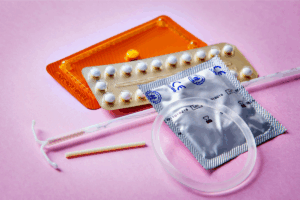
Condoms are the most common male option, effective when used correctly, but they can fail due to breakage or improper use. They're also not ideal for long-term relationships where spontaneity matters. Vasectomy is over 99% effective but permanent, scaring off many men who aren't done having kids.
Via Seven Oaks Women's Center
Hormonal methods for men, still in testing, involve regular shots or gels that lower sperm count but can cause acne, weight changes, or reduced libido. ADAM bridges these gaps. It's as reliable as a vasectomy without the permanence, and non-hormonal like condoms, but longer-lasting.
Cost-wise, while not yet priced, it could be affordable compared to ongoing condom buys or women's birth control prescriptions. Environmentally, fewer disposables like condoms mean less waste. Overall, ADAM offers a middle ground that's been missing in male contraception.
Via Every Body Texas
Potential Challenges and Side Effects
While promising, ADAM isn't perfect. The injection might cause temporary swelling or bruising, though rare in trials. Some men could have allergic reactions to the gel, but materials are chosen to minimize this. Long-term effects need more study, as two years is the current limit, but extensions might be possible in future versions. Access could be an issue if it's not covered by insurance or available everywhere. Psychologically, some men might worry about fertility returning on time, but trials show it does.
Via Science News
Partners might need reassurance, too. Education will be key to address myths, like thinking it affects manhood or performance, it doesn't. As with any new medical advance, patience is needed while more data comes in.
The Science Behind the Hydrogel
The hydrogel in ADAM is a marvel of modern biotech. It's engineered to be porous enough for fluids but not sperm, which are larger. Enzymes in the body gradually break it down, a process called biodegradation. Scientists fine-tuned the formula using computer models and lab tests before human trials.
Via SpermCheck
This tech draws from other medical uses, like drug delivery systems or wound dressings, proving its safety track record. Research teams collaborated across fields, biology, materials science, and urology, to perfect it.
ADAM's Impact on Reproductive Health
Shifting contraception options can change how you view family planning. With ADAM, men gain autonomy, reducing pressure on women. This might lower rates of unintended pregnancies, which affect education, careers, and finances. In developing countries, where access to birth control varies, a simple injection could make a big difference if scaled up.
Via Daily Express
Public health experts see potential for better equity. Studies show that when men are involved, contraceptive use rises. ADAM could encourage that involvement without the barriers of current methods. It also aligns with trends toward personalized medicine, where treatments fit individual lifestyles.
Future Developments and Larger Trials
ADAM is in early stages, but the path ahead looks bright. Next come phase 2 and 3 trials with hundreds of participants to confirm safety and efficacy. Regulatory bodies like the FDA will review data for approval, possibly by the late 2020s. Contraline is working on variations, like longer-lasting gels or easier delivery methods.
Via Scientific American
Global interest is growing, with potential partnerships for distribution. If successful, ADAM could spark more research into male options, like oral non-hormonal pills. The goal is a range of choices, so everyone finds what works best.
Societal Shifts from New Contraceptives
Introducing ADAM could reshape norms around gender and responsibility. Historically, birth control has been seen as women's domain, but this changes that narrative. Couples might discuss options more openly, leading to stronger bonds. Education programs could include ADAM in sex ed, teaching young people about shared roles.
Via The New York Times
Economically, fewer unplanned kids means more workforce stability. Environmentally, sustainable families help conserve resources. Challenges include cultural acceptance; some societies might resist male involvement, but awareness campaigns can help.
Discover the 2-Year Male Birth Control Shot Breakthrough.
If ADAM gets approved, men should talk to doctors about suitability. Factors like age, health, and family plans matter. Clinics will need training for the procedure. Insurance coverage will be crucial for wide adoption. In the meantime, current options remain important. But ADAM signals hope for innovation, reminding you that science can solve old problems in new ways.
Via Self
ADAM represents progress toward fairer contraception. No more limited choices for men, just a simple, effective injection. As trials advance, it could become a standard option, easing burdens and empowering choices. The era of balanced birth control is on the horizon, starting with one breakthrough gel.