Unassigned
Meet the Shark Born in the 17th Century

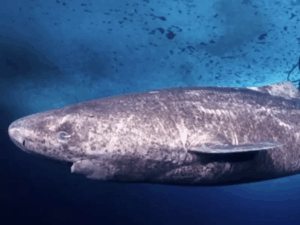
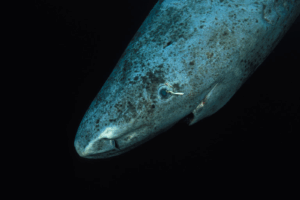
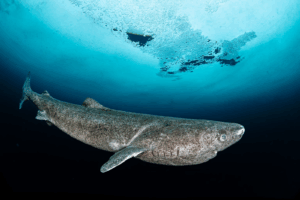
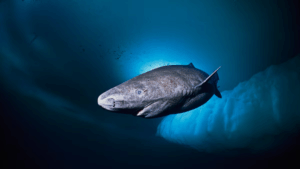
The Greenland shark holds the title of the longest-living vertebrate on Earth. One female specimen, studied by scientists, was estimated to be over 400 years old. She likely hatched around 1620, during the same era when William Shakespeare was writing his final plays and the Mayflower sailed to America.
This shark swam through history while empires rose and fell, surviving events that shaped the modern world. Her age challenges everything you thought you knew about how long animals can live. Researchers discovered her age using radiocarbon dating of the eye lens, a method that tracks atomic changes over centuries.
 Via Business Insider
The findings astonished biologists, revealing that Greenland sharks grow only about one centimeter per year. Their slow metabolism, icy Arctic habitat, and minimal predation contribute to this extreme longevity. Each scar on her skin tells a silent story of centuries beneath the ice, a living time capsule gliding through the depths of history.
 Via New Scientist
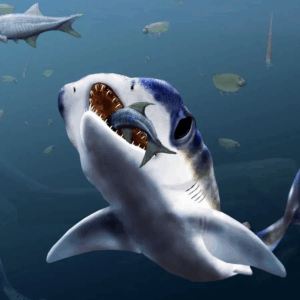
The oldest shark in the study was between 272 and 512 years old, with the best guess at about 392 years. This makes her older than the United States itself. The findings shook the scientific community and highlighted how much mystery still hides in the ocean depths.
 Via PBS
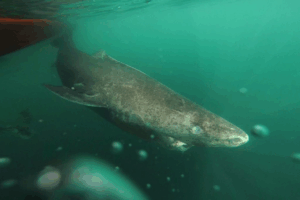
Humans grow quickly and age faster in comparison. These sharks teach that speed isn't always a survival advantage. Most animals reach adulthood in a few years, but Greenland sharks wait until they're about 150 years old to mate. That's like a human waiting until age 1,500.
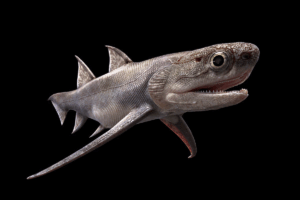
Females carry pups for up to 16 years, one of the longest pregnancies in the animal kingdom. This delayed maturity means populations grow slowly, making them vulnerable to threats like overfishing. Every shark lost represents generations of potential offspring wiped out.
 Via Evening Standard
 Via Scientific American
Scavenging plays a big role; they've been found with polar bear remains in their stomachs. Their teeth are sharp in the lower jaw for gripping and blunt in the upper for crushing. Slow swimmers, they ambush prey rather than chase it. This opportunistic feeding style suits their low-energy lifestyle perfectly.
 Via Parasite Eats World
Yet, vision isn't crucial in the pitch-black depths. They rely on smell, detecting scents from miles away, and a keen sense of electroreception to hunt. The parasites don't shorten their lives; if anything, the sharks outlast the invaders by centuries.
 Via Live Science
Low metabolic rates mean less oxidative stress, a major factor in aging for other animals. Studying these mechanisms could unlock new ways to extend human health spans. Mating happens rarely and mysteriously in the deep. Females give birth to about 10 pups at a time, each already three feet long.
No one has witnessed the process in the wild. Pups must fend for themselves immediately, facing high risks in their early years. Slow reproduction keeps population numbers low, estimated at fewer than 10,000 mature individuals. Conservation efforts focus on protecting these ancient breeders before it's too late.
 Via A-Z Animals
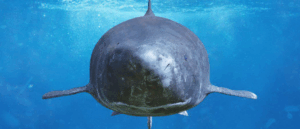 Via A-Z Animals
Tortoises like Jonathan, born around 1832, come close but fall short. What sets sharks apart is their cold-blooded nature, with no warm blood to fuel rapid aging. Their DNA repair systems work overtime, fixing errors that accumulate in faster-living species. These comparisons reveal patterns in extreme longevity across the animal kingdom.
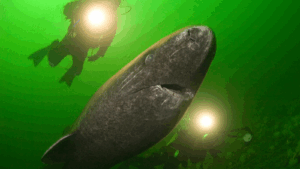 Via Live Science
This environmental factor explains why deep-sea creatures often outlive surface dwellers. Greenland shark meat is toxic to most predators due to high levels of trimethylamine oxide, or TMAO. This compound helps maintain protein structure under pressure but breaks down into a foul-smelling substance when the shark dies.
Inuit communities ferment the meat in a dish called hákarl to make it edible. The toxicity deters enemies, allowing sharks to reach old age without much predation. Even polar bears avoid them unless desperate.
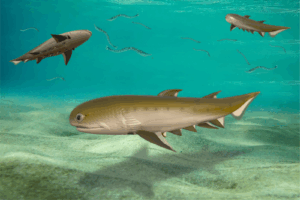 Via Phys
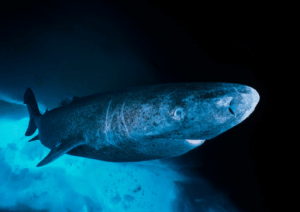 Via CNN
Proteins like lamin help stabilize cell nuclei, preventing cancer common in long-lived animals. Ongoing research sequences their genome to compare with shorter-lived sharks, hunting for the fountain of youth in their code.
 Via National Geographic
The IUCN lists Greenland sharks as near threatened. Bycatch reduction devices on fishing gear help release them alive. Norway and Canada enforce quotas in their waters. Public awareness grows through documentaries and articles. Citizen science apps allow divers and fishers to report sightings. Protecting one shark safeguards centuries of evolutionary history embedded in its tissues.
 Via National Geographic
Some claim Greenland sharks are immortal; they're not. They eventually die, though rarely observed. Stories of sharks from the 1500s are exaggerations; radiocarbon gives the real timeline. They're not aggressive man-eaters; attacks are unheard of. Slow speed makes them gentle giants of the deep, more scavenger than hunter. Their biology also redefines resilience.
Living in near-freezing darkness, they thrive where few species can survive. Their organs endure immense pressure, yet function flawlessly for centuries. Understanding this durability could unlock secrets for human medicine, slowing cell decay, improving longevity, or enhancing tissue repair. But their greatest lesson may be philosophical: that endurance is not about strength or speed, but balance, moving slowly enough to outlast time itself.
 Via BBC
 Via National Geographic
Her existence humbles us, showing nature's capacity for endurance. Protecting her means preserving a link to the past and hope for sustainable futures. Next birthday, think of her, still swimming strong after 400 candles.
More in Unassigned
Via Business Insider
The findings astonished biologists, revealing that Greenland sharks grow only about one centimeter per year. Their slow metabolism, icy Arctic habitat, and minimal predation contribute to this extreme longevity. Each scar on her skin tells a silent story of centuries beneath the ice, a living time capsule gliding through the depths of history.
How Scientists Discovered Her Age
Researchers used a clever method called radiocarbon dating on the shark's eye lenses. These lenses form in layers, like tree rings, and hold clues from the past. By analyzing carbon isotopes from nuclear bomb tests in the 1950s and 1960s, the team pinpointed her birth year with impressive accuracy.
Via New Scientist
The oldest shark in the study was between 272 and 512 years old, with the best guess at about 392 years. This makes her older than the United States itself. The findings shook the scientific community and highlighted how much mystery still hides in the ocean depths.
Slow Growth - The Key to Longevity
Greenland sharks grow at a snail's pace, just one centimeter per year. A full-grown adult might reach 21 feet long, but it takes centuries to get there. This slow growth ties directly to their extended lives. In cold waters, their bodies conserve energy, repairing damage over decades instead of rushing through life stages.
Via PBS
Humans grow quickly and age faster in comparison. These sharks teach that speed isn't always a survival advantage. Most animals reach adulthood in a few years, but Greenland sharks wait until they're about 150 years old to mate. That's like a human waiting until age 1,500.
Females carry pups for up to 16 years, one of the longest pregnancies in the animal kingdom. This delayed maturity means populations grow slowly, making them vulnerable to threats like overfishing. Every shark lost represents generations of potential offspring wiped out.
Via Evening Standard
Habitat in the Freezing Deep Sea
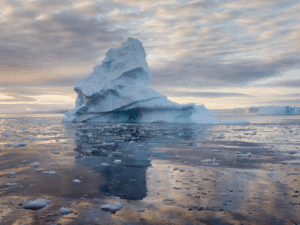
These sharks call the North Atlantic and Arctic Oceans home, diving to depths of over 7,000 feet. Water temperatures hover near freezing, around 29 to 39 degrees Fahrenheit. The extreme cold slows their metabolism to a crawl, reducing wear and tear on their bodies. Pressure at these depths would crush most creatures, but Greenland sharks thrive there. They avoid sunlight and surface predators, living in a world of eternal darkness and silence. Greenland sharks eat whatever they encounter in the abyss. Their menu includes fish, squid, seals, and even reindeer or horses that fall through the ice.
Via Scientific American
Scavenging plays a big role; they've been found with polar bear remains in their stomachs. Their teeth are sharp in the lower jaw for gripping and blunt in the upper for crushing. Slow swimmers, they ambush prey rather than chase it. This opportunistic feeding style suits their low-energy lifestyle perfectly.
The Parasite That Steals Their Sight
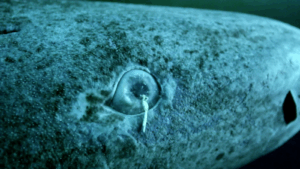
A tiny copepod parasite called Ommatokoita elongata attaches to the shark's corneas, feeding on eye tissue and causing blindness. Most adult Greenland sharks carry these hitchhikers, turning their eyes cloudy white.
Via Parasite Eats World
Yet, vision isn't crucial in the pitch-black depths. They rely on smell, detecting scents from miles away, and a keen sense of electroreception to hunt. The parasites don't shorten their lives; if anything, the sharks outlast the invaders by centuries.
Secrets of Their Slow Heartbeat
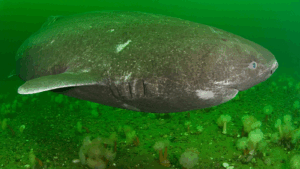
A Greenland shark's heart beats just six times per minute at rest. Compare that to a human's 60 to 100 beats. This sluggish rhythm conserves oxygen in cold, low-oxygen waters. Their blood carries special proteins that prevent freezing, acting like natural antifreeze.
Via Live Science
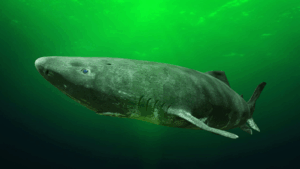
Low metabolic rates mean less oxidative stress, a major factor in aging for other animals. Studying these mechanisms could unlock new ways to extend human health spans. Mating happens rarely and mysteriously in the deep. Females give birth to about 10 pups at a time, each already three feet long.
No one has witnessed the process in the wild. Pups must fend for themselves immediately, facing high risks in their early years. Slow reproduction keeps population numbers low, estimated at fewer than 10,000 mature individuals. Conservation efforts focus on protecting these ancient breeders before it's too late.
Via A-Z Animals
Threats from Human Activities
Fishing bycatch poses the biggest danger. Greenland sharks get tangled in nets meant for other species. Their liver oil was once harvested for industrial uses, decimating numbers in the past. Climate change warms Arctic waters, potentially speeding up their metabolism and shortening lives. Pollution, including plastics and chemicals, reaches even the deepest trenches. International regulations now limit targeted fishing, but enforcement remains challenging in remote oceans. Bowhead whales live over 200 years, and some clams exceed 500. But Greenland sharks top the vertebrate list.
Via A-Z Animals
Tortoises like Jonathan, born around 1832, come close but fall short. What sets sharks apart is their cold-blooded nature, with no warm blood to fuel rapid aging. Their DNA repair systems work overtime, fixing errors that accumulate in faster-living species. These comparisons reveal patterns in extreme longevity across the animal kingdom.
The Role of Cold Temperatures
Arctic chill is a superpower for these sharks. Enzymes function slowly, reducing cellular damage. In warmer waters, the same species might age faster. Experiments on shorter-lived fish show that lowering the temperature extends life. Greenland sharks evolved in ice ages, adapting to conditions that preserve their bodies like natural refrigerators.
Via Live Science
This environmental factor explains why deep-sea creatures often outlive surface dwellers. Greenland shark meat is toxic to most predators due to high levels of trimethylamine oxide, or TMAO. This compound helps maintain protein structure under pressure but breaks down into a foul-smelling substance when the shark dies.
Inuit communities ferment the meat in a dish called hákarl to make it edible. The toxicity deters enemies, allowing sharks to reach old age without much predation. Even polar bears avoid them unless desperate.
Via Phys
Tracking Movements with Technology
Scientists tag Greenland sharks with satellite trackers to map their migrations. They travel thousands of miles, from Greenland to Canada and beyond. Some dive deep during the day and rise slightly at night, following prey. Data shows they prefer temperatures below 41 degrees Fahrenheit. These studies reveal how climate shifts could disrupt their ranges, pushing them into unfamiliar waters with unknown consequences. DNA from ancient sharks shows low mutation rates. Genes linked to repair and stability are highly active. Unlike humans, where errors pile up over decades, these sharks maintain genomic integrity for centuries.
Via CNN
Proteins like lamin help stabilize cell nuclei, preventing cancer common in long-lived animals. Ongoing research sequences their genome to compare with shorter-lived sharks, hunting for the fountain of youth in their code.
Historical Encounters with Humans
Fishermen have pulled up Greenland sharks for centuries, often as bycatch in cod or halibut lines. Old logs describe "sleeper sharks" that barely moved when hooked. In the 1800s, their livers fueled lamps in Europe. Indigenous Arctic peoples respected them but rarely ate the meat without preparation. Modern sightings are rare due to their depth preference, adding to their mythical status among sailors.
Via National Geographic
The IUCN lists Greenland sharks as near threatened. Bycatch reduction devices on fishing gear help release them alive. Norway and Canada enforce quotas in their waters. Public awareness grows through documentaries and articles. Citizen science apps allow divers and fishers to report sightings. Protecting one shark safeguards centuries of evolutionary history embedded in its tissues.
What They Teach About Aging
Greenland sharks flip the script on biology textbooks. They prove that vertebrates can defy rapid aging through slow living. Human centenarians share traits like low inflammation, but sharks take it to extremes. Potential applications include drugs mimicking their antifreeze proteins or metabolism regulators. Ethically, you must study without harming these rarities.
Via National Geographic
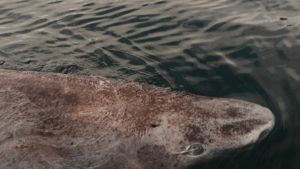
Some claim Greenland sharks are immortal; they're not. They eventually die, though rarely observed. Stories of sharks from the 1500s are exaggerations; radiocarbon gives the real timeline. They're not aggressive man-eaters; attacks are unheard of. Slow speed makes them gentle giants of the deep, more scavenger than hunter. Their biology also redefines resilience.
Living in near-freezing darkness, they thrive where few species can survive. Their organs endure immense pressure, yet function flawlessly for centuries. Understanding this durability could unlock secrets for human medicine, slowing cell decay, improving longevity, or enhancing tissue repair. But their greatest lesson may be philosophical: that endurance is not about strength or speed, but balance, moving slowly enough to outlast time itself.
Via BBC
Explore the 400-Year-Old Living Greenland Shark
Submarines and ROVs venture deeper, uncovering more about these elders. Future tech like environmental DNA sampling could track populations without capture. Climate models predict Arctic changes, urging proactive protection. Every discovery reminds people that the ocean holds answers to life's biggest questions, hidden in plain sight under ice. Beyond science, the Greenland shark symbolizes resilience. She endured plagues, wars, and industrial revolutions while humans barely manage 80 years.
Via National Geographic
Her existence humbles us, showing nature's capacity for endurance. Protecting her means preserving a link to the past and hope for sustainable futures. Next birthday, think of her, still swimming strong after 400 candles.