Unassigned
How “Hamnet” Changes the Way We See Grief

The story of Hamnet has connected deeply with audiences because it presents grief as a powerful human experience rather than a simple moment of sadness. The emotional journey of the characters highlights how losing someone loved can transform relationships, personal identity, and the way people understand love.
The film adaptation of Maggie O’Farrell’s novel brings attention to the private struggles behind one of history’s most recognized writers. Through the fictionalized portrayal of William Shakespeare’s family, the story examines how personal tragedy can influence creativity, memory, and emotional expression.
 Via The Cornell Daily
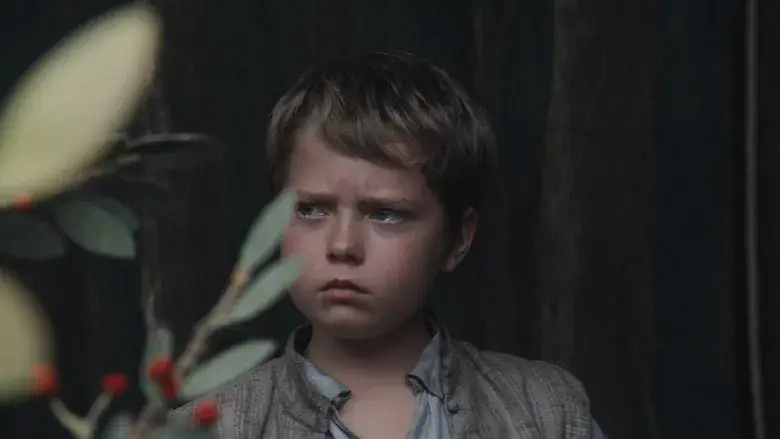
At its heart, Hamnet focuses on the pain of losing a child and the different ways people respond to unbearable sorrow. The story encourages viewers to think about grief beyond traditional expectations and recognize that everyone processes loss through their own unique emotional path.
 Via TMDB
The relationship between Shakespeare and his wife Agnes becomes central to understanding the story’s emotional conflict. While both characters experience the same heartbreak, they express their suffering in different ways, creating distance between two people who once shared a strong connection.
Agnes’s grief is shown through her constant connection to memories of her son and her struggle to continue daily life. Her pain reflects the deep bond between parent and child while showing how loss can reshape the way someone views home, family, and the future.
 Via BioGraphy
 Via The Conversation
The story also challenges historical views that have often overlooked Agnes’s importance. By focusing on her perspective, Hamnet gives recognition to the emotional experiences of people whose lives have traditionally remained in the background of famous historical narratives.
 Via Plymouth Art
Shakespeare’s response appears quieter and more controlled, causing Agnes to question whether he truly understands the depth of their shared loss. His actions reveal the difficulty many people face when their internal emotions do not match the way others expect grief to appear.
The story raises important questions about emotional expression and whether visible sadness is the only way to prove love. Hamnet suggests that grief can exist through silence, work, memory, and creative expression just as deeply as through tears and open mourning.
 Via The Observer
 Via Exalted Filmpho
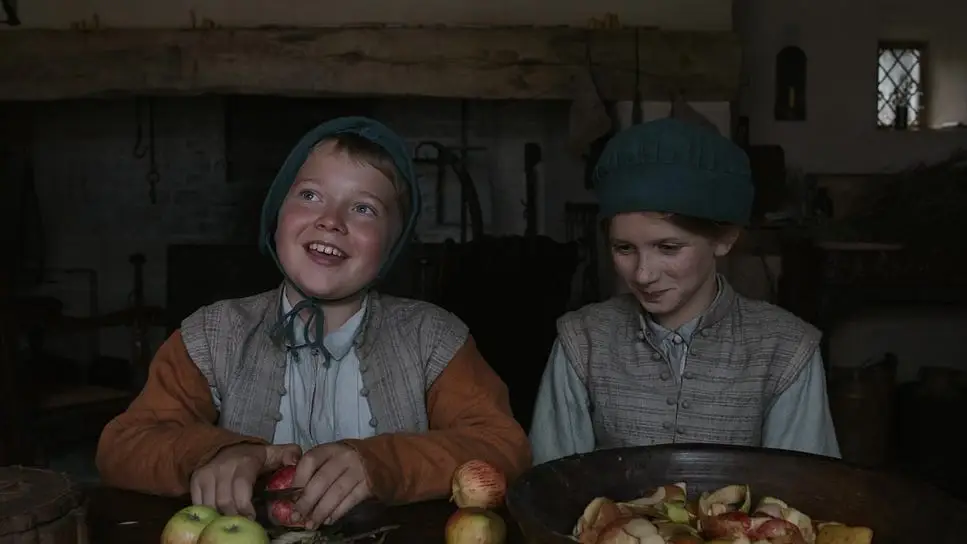
By presenting a man experiencing profound personal loss, Hamnet encourages audiences to reconsider traditional ideas about masculinity. The story suggests that vulnerability, sadness, and emotional honesty are natural parts of being human rather than signs of failure or weakness.
 Via The Independent
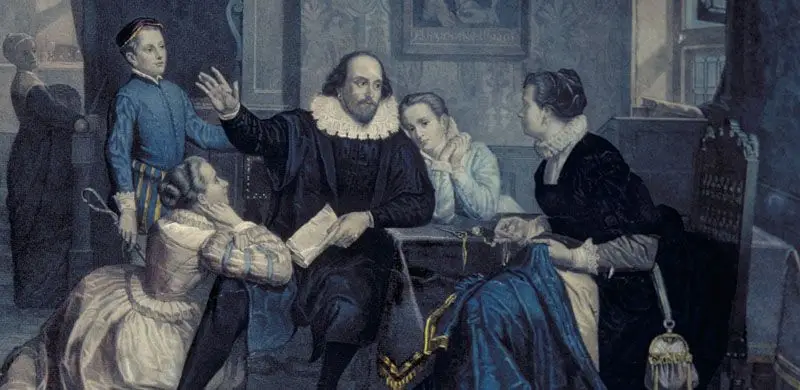
Literature from earlier centuries reveals that public expressions of sadness among men were sometimes judged differently from similar emotions shown by women. These expectations created pressure for men to hide their feelings even when experiencing significant personal suffering.
Hamnet reflects this historical tension by showing how Shakespeare struggles between personal heartbreak and social expectations. His response demonstrates the complicated reality faced by many people who feel deeply but express their emotions in ways others may not immediately recognize.
 Via Sky history
 Via People
Through this connection, Hamnet presents creativity as another way people communicate emotions they cannot always express directly. Shakespeare’s writing becomes a method of transforming personal pain into something meaningful that can continue affecting audiences across generations.
 Via CC Magazine
Shakespeare’s transformation of grief into literature demonstrates how painful experiences can inspire powerful forms of communication. The creation of Hamlet represents more than a dramatic story because it carries emotions connected to love, loss, memory, and human suffering.
The film suggests that creativity does not remove grief but gives it a different form. Through storytelling, music, writing, and other artistic expressions, people can preserve memories and create connections that allow emotional experiences to continue beyond moments of personal hardship.
 Via Medium
 Via Hollywood Reporter
The story’s lasting impact comes from its honest portrayal of complicated emotions. Instead of presenting grief as a simple process with a clear ending, Hamnet shows how memories and love continue influencing people long after a painful event has changed their lives.
 Via The Asian Cut
The characters demonstrate that grief can appear in many forms, including silence, creativity, anger, reflection, and moments of deep sadness. These different responses show that there is no single correct way to experience loss or recover from emotional suffering.
By challenging old expectations about how people should behave during difficult moments, Hamnet creates a broader understanding of human emotions. The story reminds viewers that compassion and openness can exist alongside strength, responsibility, and personal determination.
 Via London Threat
 Via Aol
Hamnet’s message continues to stand out because it recognizes that grief is not a weakness but a reflection of love. The story shows that emotional experiences can shape relationships, inspire creativity, and leave lasting impressions that remain meaningful for generations.
More in UnassignedVia The Cornell Daily
At its heart, Hamnet focuses on the pain of losing a child and the different ways people respond to unbearable sorrow. The story encourages viewers to think about grief beyond traditional expectations and recognize that everyone processes loss through their own unique emotional path.
A Family Changed by Unimaginable Loss
Hamnet follows the devastating impact of losing an 11-year-old son during a time when illness could suddenly change the future of an entire family. The tragedy affects each family member differently, revealing the complicated emotions that appear after experiencing deep personal loss.
Via TMDB
The relationship between Shakespeare and his wife Agnes becomes central to understanding the story’s emotional conflict. While both characters experience the same heartbreak, they express their suffering in different ways, creating distance between two people who once shared a strong connection.
Agnes’s grief is shown through her constant connection to memories of her son and her struggle to continue daily life. Her pain reflects the deep bond between parent and child while showing how loss can reshape the way someone views home, family, and the future.
Via BioGraphy
Agnes Becomes the Heart of the Story
One important aspect of Hamnet is the way it places Agnes at the center of a story often associated with Shakespeare. Rather than presenting her only as the wife of a famous writer, the film highlights her emotions, strength, and personal experience as a grieving mother. Agnes is portrayed as someone deeply connected to her children through care, attention, and understanding. Her relationship with Hamnet demonstrates the intensity of parental love and shows how losing a child can leave a lasting emotional impact that cannot easily be overcome.Via The Conversation
The story also challenges historical views that have often overlooked Agnes’s importance. By focusing on her perspective, Hamnet gives recognition to the emotional experiences of people whose lives have traditionally remained in the background of famous historical narratives.
Different Ways People Experience Grief
Grief does not appear in the same form for everyone, and Hamnet presents this idea through the contrasting reactions of its characters. Agnes and Shakespeare both suffer from the same heartbreaking event, yet their methods of coping create misunderstanding and emotional separation.Via Plymouth Art
Shakespeare’s response appears quieter and more controlled, causing Agnes to question whether he truly understands the depth of their shared loss. His actions reveal the difficulty many people face when their internal emotions do not match the way others expect grief to appear.
The story raises important questions about emotional expression and whether visible sadness is the only way to prove love. Hamnet suggests that grief can exist through silence, work, memory, and creative expression just as deeply as through tears and open mourning.
Via The Observer
The Connection Between Masculinity and Emotional Expression
Hamnet raises important questions about how society views emotional expression, especially when it comes to men and grief. Throughout history, many cultures have encouraged men to appear strong and controlled during difficult moments, creating expectations that often limit how they openly process pain. The story challenges the belief that showing sadness represents weakness. Shakespeare’s struggle demonstrates that grief can exist even when it is hidden from others, proving that emotional strength does not always appear through silence, distance, or complete control over feelings.
Via Exalted Filmpho
By presenting a man experiencing profound personal loss, Hamnet encourages audiences to reconsider traditional ideas about masculinity. The story suggests that vulnerability, sadness, and emotional honesty are natural parts of being human rather than signs of failure or weakness.
Historical Views of Male Grief in Society
Ideas about grief and masculinity have changed throughout different periods of history. During Shakespeare’s lifetime, men were often expected to maintain composure and avoid emotional displays that could be interpreted as a lack of strength or authority.Via The Independent
Literature from earlier centuries reveals that public expressions of sadness among men were sometimes judged differently from similar emotions shown by women. These expectations created pressure for men to hide their feelings even when experiencing significant personal suffering.
Hamnet reflects this historical tension by showing how Shakespeare struggles between personal heartbreak and social expectations. His response demonstrates the complicated reality faced by many people who feel deeply but express their emotions in ways others may not immediately recognize.
Via Sky history
The Relationship Between Hamnet and Shakespeare’s Hamlet
The connection between Hamnet and Shakespeare’s famous tragedy Hamlet creates one of the story’s most powerful themes. The film suggests that personal loss may have influenced the creation of one of literature’s most emotional characters, linking private sorrow with artistic expression. Hamlet is remembered as a character who openly struggles with grief after losing his father. His sadness, confusion, and emotional conflict make him one of Shakespeare’s most complex creations and reflect the difficult process of confronting overwhelming loss.Via People
Through this connection, Hamnet presents creativity as another way people communicate emotions they cannot always express directly. Shakespeare’s writing becomes a method of transforming personal pain into something meaningful that can continue affecting audiences across generations.
How Art Can Become a Language for Grief
Art has long provided people with a way to express emotions that are difficult to describe through ordinary conversation. Hamnet highlights this idea by showing how personal tragedy can influence creative work and allow hidden feelings to become visible.
Via CC Magazine
Shakespeare’s transformation of grief into literature demonstrates how painful experiences can inspire powerful forms of communication. The creation of Hamlet represents more than a dramatic story because it carries emotions connected to love, loss, memory, and human suffering.
The film suggests that creativity does not remove grief but gives it a different form. Through storytelling, music, writing, and other artistic expressions, people can preserve memories and create connections that allow emotional experiences to continue beyond moments of personal hardship.
Via Medium
Why Hamnet Continues to Resonate With Modern Audiences
Hamnet remains meaningful because its themes extend beyond a specific historical period and connect with universal human experiences. The story focuses on love, family, loss, and emotional healing, making it understandable for audiences regardless of their background, age, or personal circumstances. The pain experienced by the characters reflects emotions that many people recognize in their own lives. Although the setting belongs to another time, the feelings surrounding grief, relationships, and the search for comfort remain familiar throughout different generations.Via Hollywood Reporter
The story’s lasting impact comes from its honest portrayal of complicated emotions. Instead of presenting grief as a simple process with a clear ending, Hamnet shows how memories and love continue influencing people long after a painful event has changed their lives.
Challenging Traditional Ideas About Strength and Sadness
Hamnet encourages audiences to rethink the connection between strength and emotional control. Many people have been taught that strength means hiding pain, but the story presents another perspective where accepting emotions can also represent courage and resilience.Via The Asian Cut
The characters demonstrate that grief can appear in many forms, including silence, creativity, anger, reflection, and moments of deep sadness. These different responses show that there is no single correct way to experience loss or recover from emotional suffering.
By challenging old expectations about how people should behave during difficult moments, Hamnet creates a broader understanding of human emotions. The story reminds viewers that compassion and openness can exist alongside strength, responsibility, and personal determination.
Via London Threat
The Lasting Legacy of Hamnet’s Message
The emotional power of Hamnet comes from its ability to connect historical storytelling with timeless questions about human nature. The story examines how people remember loved ones, carry emotional wounds, and discover ways to continue living after experiencing tragedy. Through its portrayal of Shakespeare’s family, the film presents grief as something deeply personal while also showing its wider connection to society. It encourages conversations about emotional expression, relationships, and the different ways people find meaning after loss.Via Aol
Hamnet’s message continues to stand out because it recognizes that grief is not a weakness but a reflection of love. The story shows that emotional experiences can shape relationships, inspire creativity, and leave lasting impressions that remain meaningful for generations.