Unassigned
“Young Sheldon” Origins Real-Life Inspiration from Parsons' Family
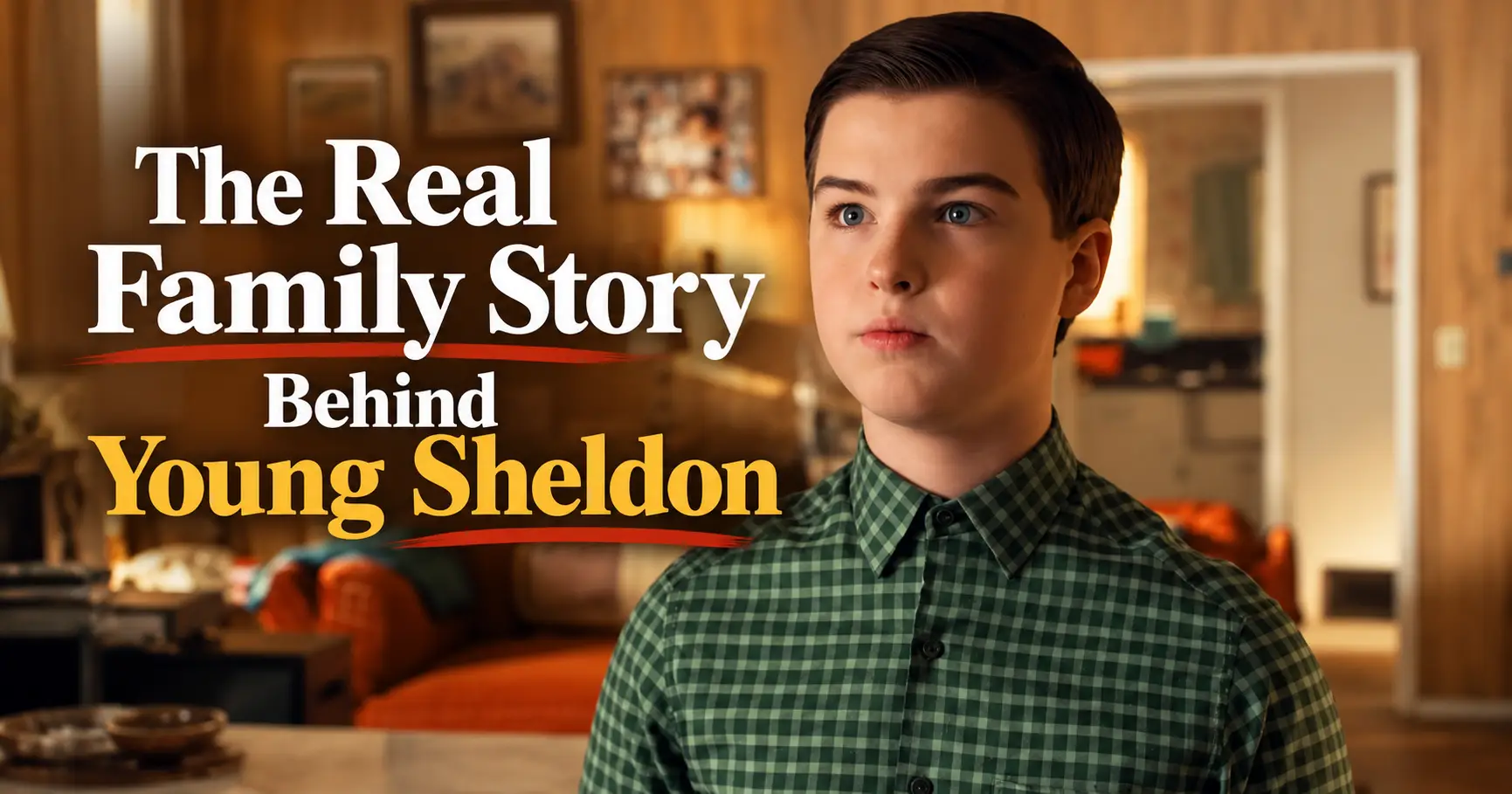
Young Sheldon brought fans into the early life of the brilliant but socially awkward Sheldon Cooper. The show served as a prequel to the popular series The Big Bang Theory. It followed young Sheldon as he grew up in a small Texas town with his family. Viewers watched him navigate school, friendships, and family life while dealing with his extraordinary intelligence. The sitcom mixed humor with heartfelt moments and became a major success during its run from 2017 to 2024.
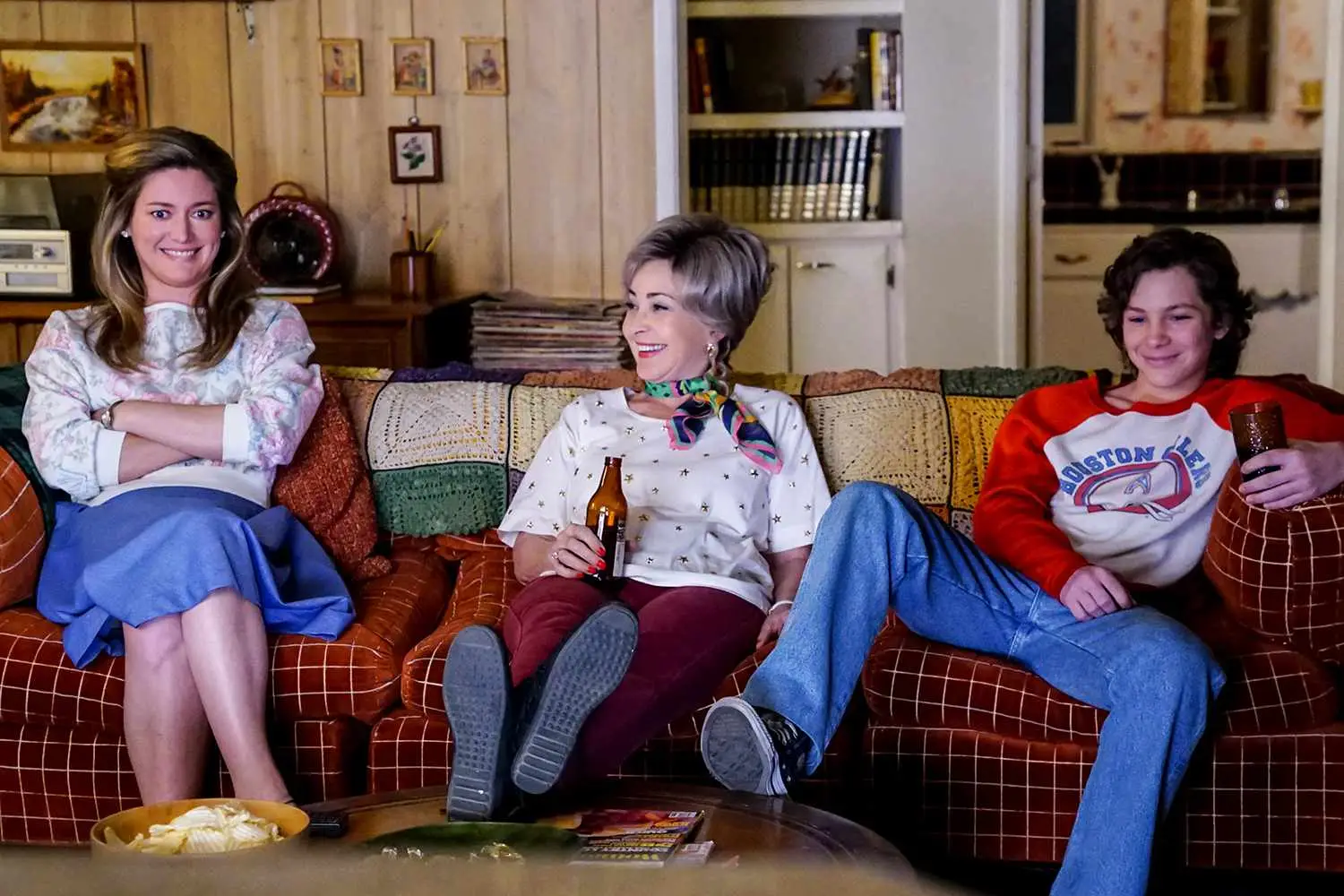
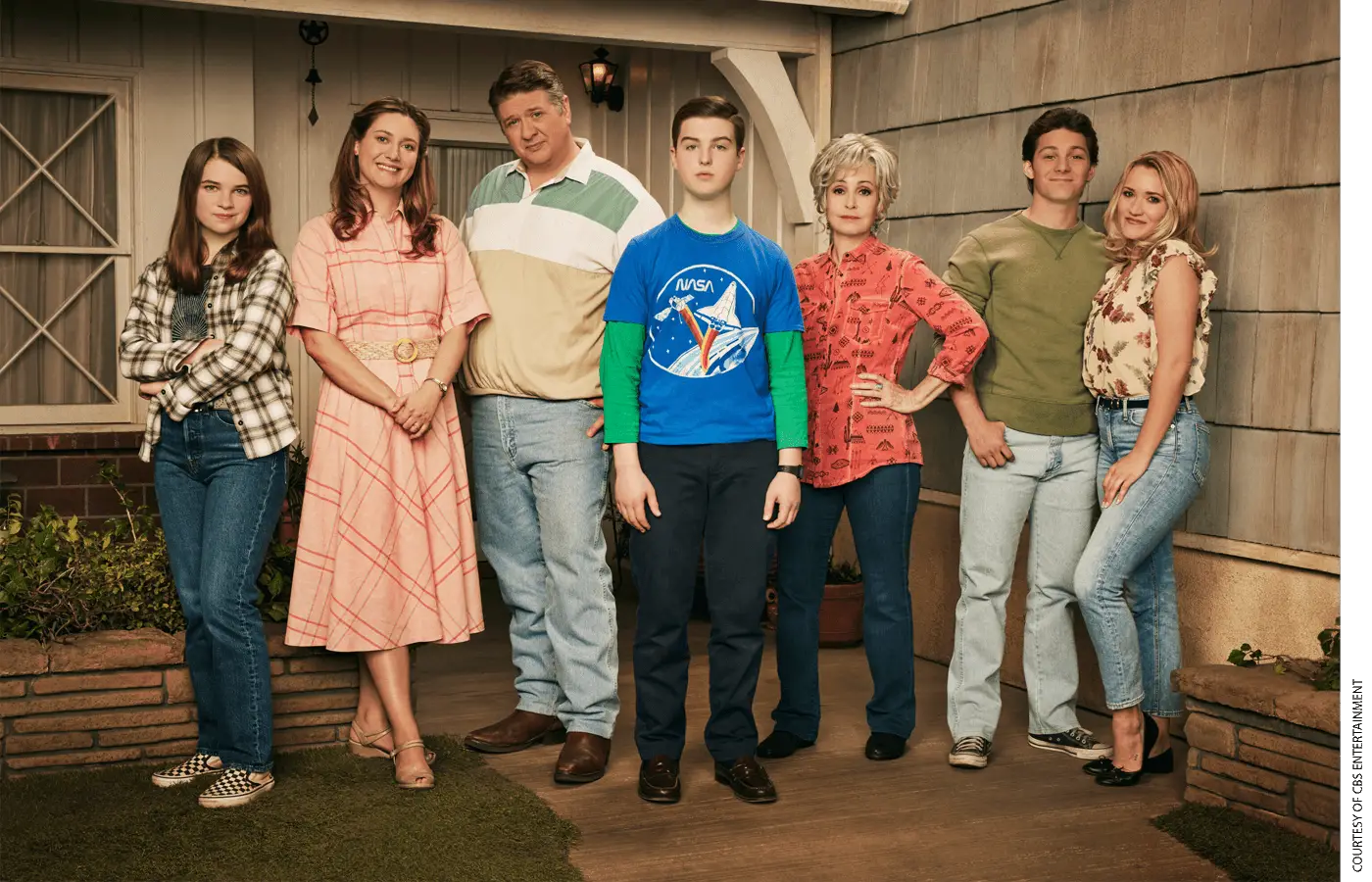
The series starred young actor Iain Armitage in the lead role. He captured the essence of Sheldon with impressive skill for his age. Supporting cast members included Zoe Perry as Sheldon's mother Mary and Lance Barber as his father George. Montana Jordan played older brother Georgie, while Raegan Revord portrayed twin sister Missy. Annie Potts appeared as the lively grandmother Meemaw. Together, they created a believable family dynamic that resonated with audiences across seven seasons.
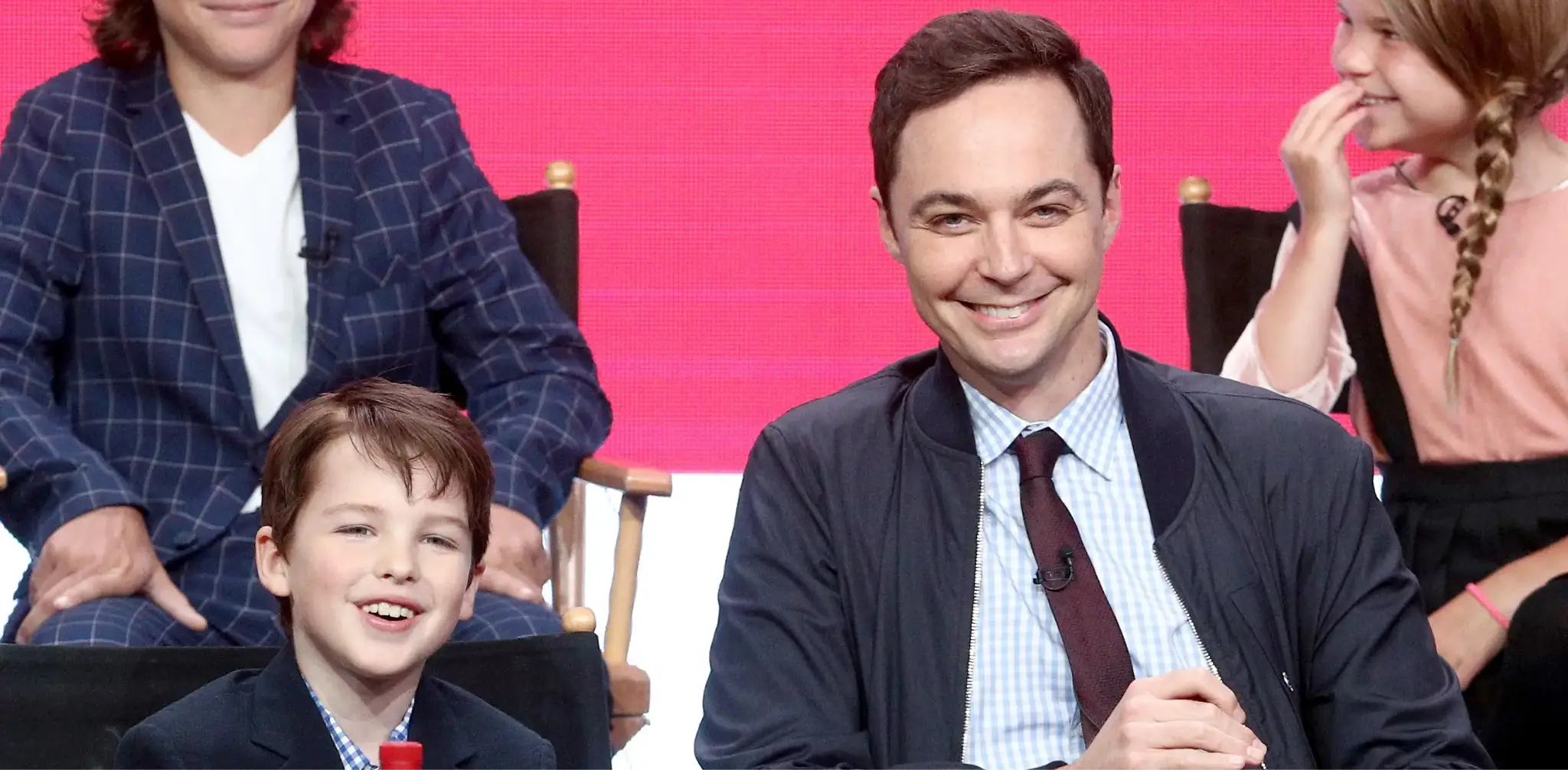 Via Distractify
The show's appeal came from its blend of comedy and real emotional depth. People saw parts of their own family experiences reflected in the stories. Young Sheldon explored themes like fitting in, dealing with loss, and pursuing dreams. These elements made the series more than just laughs. It offered lessons about acceptance and personal growth that stayed with viewers long after episodes ended.
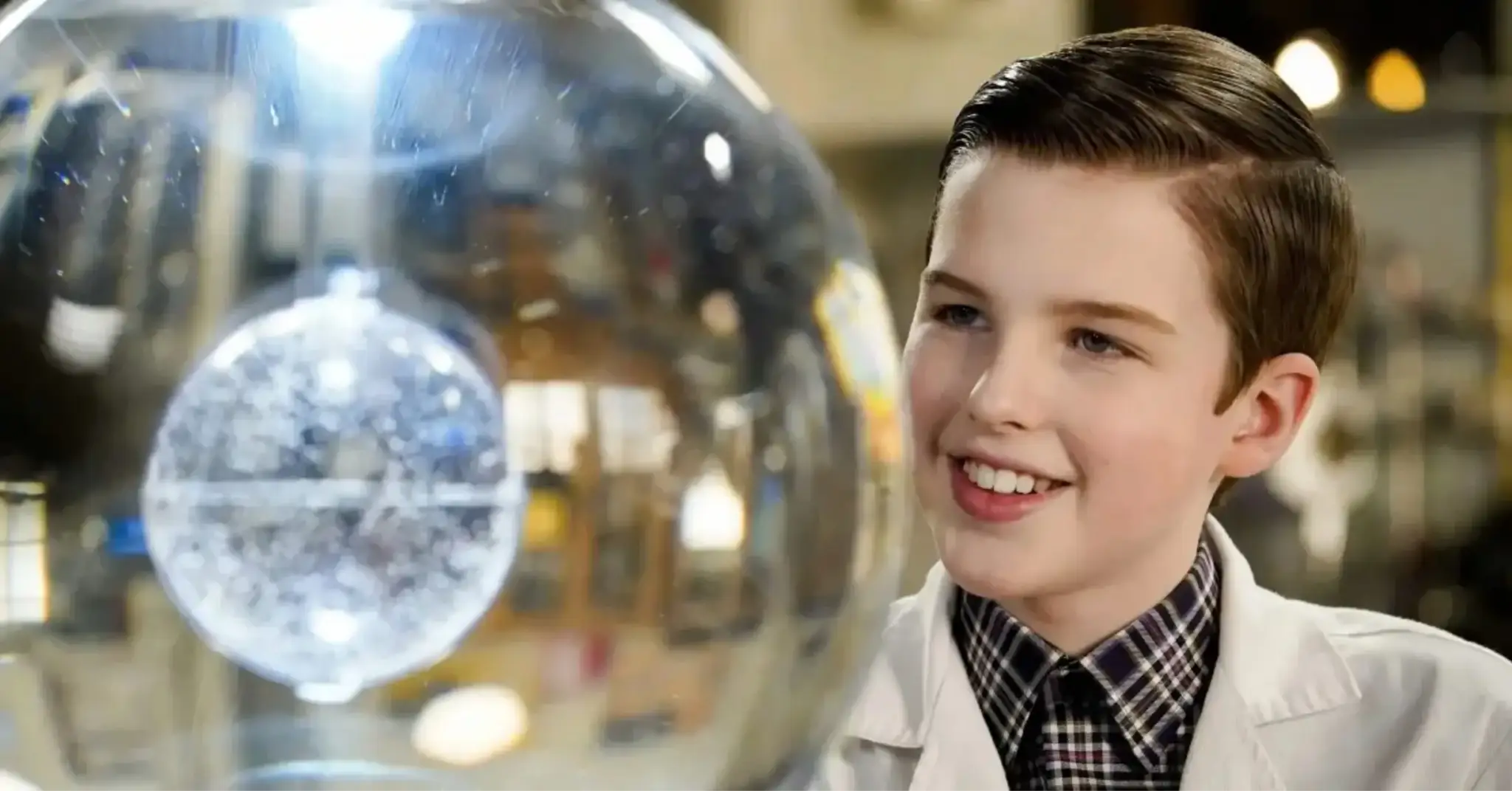 Via Distractify
The series ran for seven seasons and concluded in May 2024. It provided viewers with a deeper look at the character first introduced by Jim Parsons in The Big Bang Theory. Creators developed the show to reveal how Sheldon became the person fans knew from the original series. The single-camera format allowed for richer storytelling and emotional moments that resonated with families and comedy lovers alike.
Young Sheldon stood out for its blend of comedy and touching family moments. The program highlighted themes of intelligence, acceptance, and personal growth. Fans appreciated the way it portrayed the ups and downs of raising a child who sees the world differently. This approach helped the show build a strong following during its successful run on television.
 Via People
 Via The Hollywood Reporter
The development process moved forward smoothly once the core idea took shape. Writers used elements from Sheldon's mentions of his past in the original show to build episodes. This connection between the two series created continuity that pleased longtime viewers. The result was a prequel that felt both fresh and familiar to audiences.
 Via Looper
Parsons' sister, Julie, first pointed out similarities between her son and the Sheldon character. She shared her thoughts publicly before the show even began development. Michael grew up during the years Young Sheldon aired and reached his teenage years by the time the series ended. The family maintained close bonds throughout this period.
Parsons has continued to share special moments with Michael over the years. They have attended public events together, including award ceremonies. These family connections highlight the personal roots behind the popular sitcom. Michael's influence helped shape the initial vision that brought the show to life.
 Via SlashFilm
 Via Education Next
The series balanced humor with serious moments that many families could relate to. Characters faced challenges like fitting in, dealing with expectations, and pursuing dreams. The thoughtful writing allowed the program to connect with people across different ages and backgrounds while staying true to the source material from the parent show.
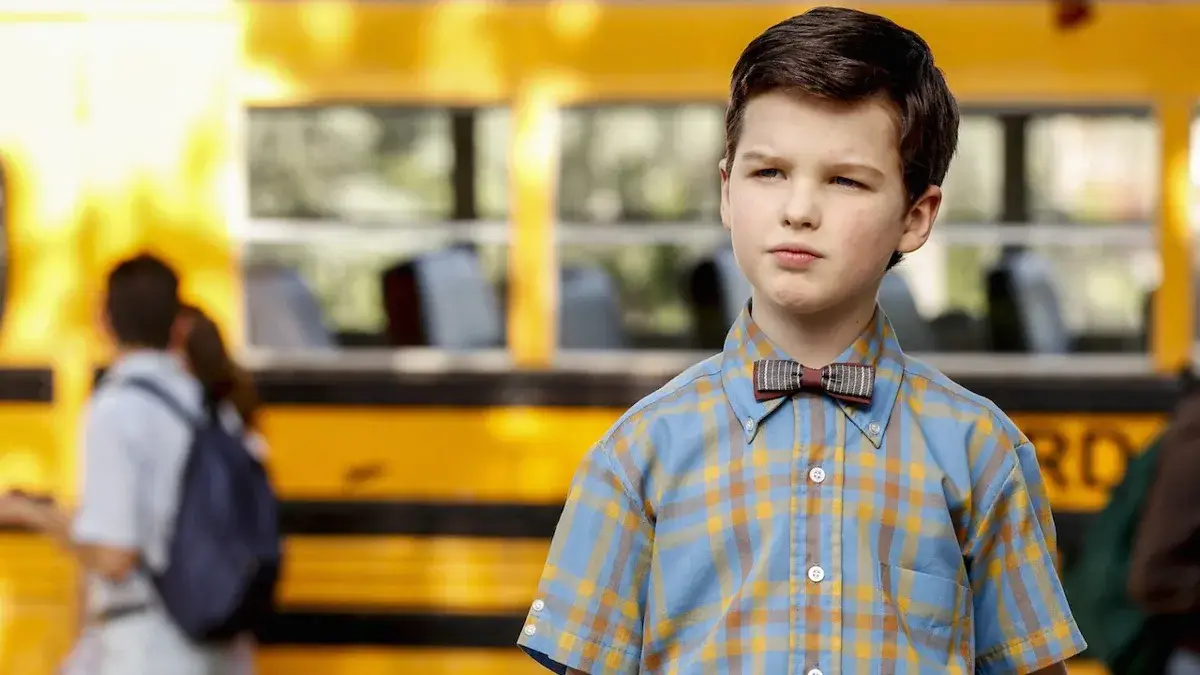 Zoe Perry portrayed Mary Cooper with warmth and strength, while Lance Barber played George Cooper Sr. as a dedicated father and coach. Montana Jordan appeared as the older brother Georgie, and Raegan Revord took on the role of twin sister Missy. Annie Potts completed the family picture as the lively grandmother Connie, known as Meemaw. Each performer added unique qualities that enriched the stories.
The actors created memorable portrayals that felt consistent with the versions seen in The Big Bang Theory. Their chemistry helped make the Cooper household come alive for viewers. This careful casting contributed greatly to the show's appeal and long-term success across multiple seasons.
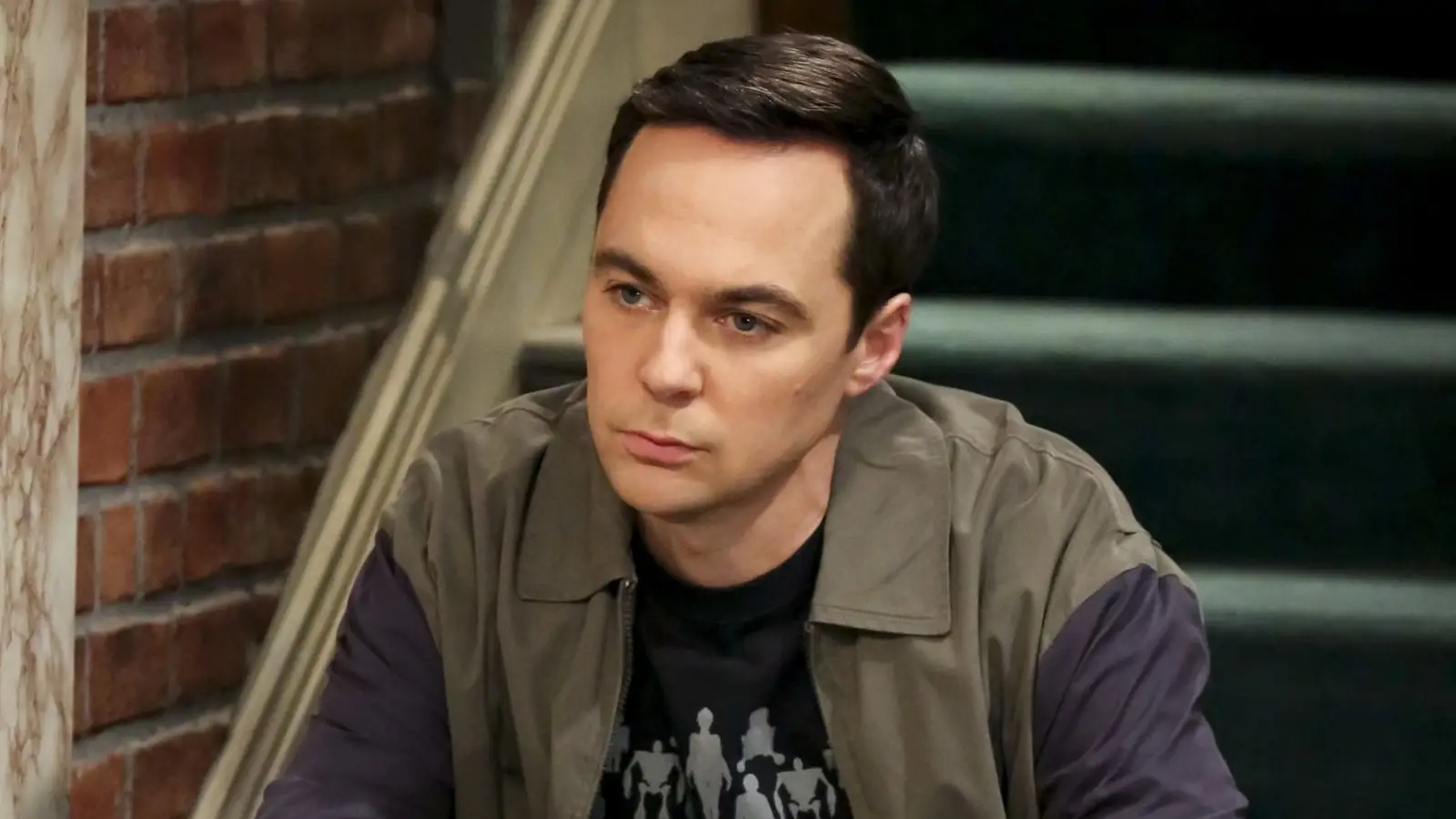 Via Looper
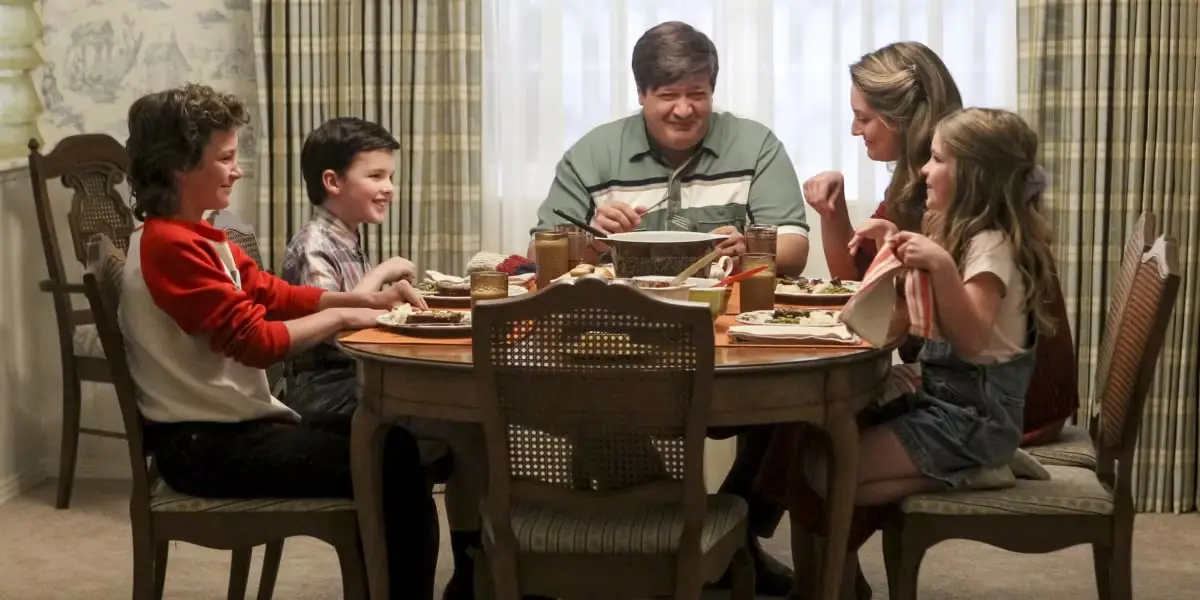 Via ScreenRant
The show portrayed Texas life with authentic details about school, church, and community activities. These settings grounded the stories in a specific cultural context that added richness. Families watching together often found opportunities to discuss topics like intelligence, individuality, and acceptance after episodes aired.
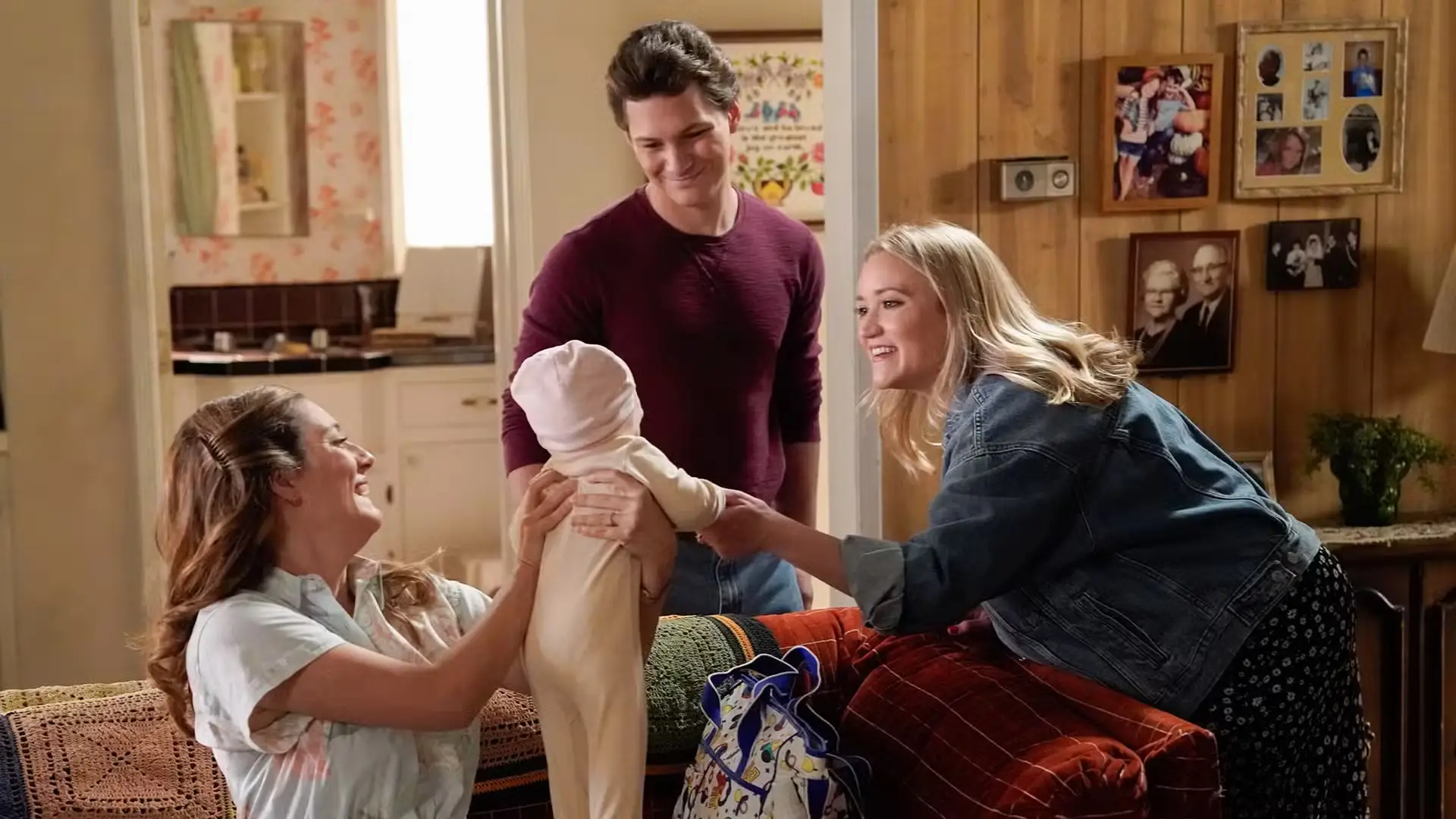 Via Movie Web
Writers drew from existing Big Bang Theory references while adding new layers to the characters. They developed storylines that showed Sheldon's growth over time and explored family relationships in meaningful ways. Production teams paid attention to details like the Texas setting, period-appropriate elements, and realistic school environments. These efforts created an authentic world that viewers could easily enter.
The collaborative process between creators, actors, and crew resulted in a polished final product. Everyone involved shared a commitment to honoring the heart of the original idea. This dedication translated into seven seasons of quality entertainment that maintained high standards throughout its run. The behind-the-scenes work proved essential to the show's long-term success and emotional impact.
 Via AddWeek
 Via Fox News
People continue to discover the series through streaming platforms even after the final episode. The show introduced many new viewers to the world of The Big Bang Theory while giving longtime fans additional context about their favorite character. Its influence appears in discussions about gifted education and family communication.
 Via Soaps
The creative team, inspired by a single family moment, built something that entertained millions. This origin story reminds creators everywhere that personal observations can lead to widely loved entertainment. Audiences remember Young Sheldon as a program that combined clever writing with heartfelt performances to create lasting television memories.
More in UnassignedVia Distractify
The show's appeal came from its blend of comedy and real emotional depth. People saw parts of their own family experiences reflected in the stories. Young Sheldon explored themes like fitting in, dealing with loss, and pursuing dreams. These elements made the series more than just laughs. It offered lessons about acceptance and personal growth that stayed with viewers long after episodes ended.
The Origins of Young Sheldon
Young Sheldon premiered in 2017 as a prequel to the popular series The Big Bang Theory. The show followed the childhood of Sheldon Cooper, a brilliant young boy growing up in a small Texas town. It starred Iain Armitage in the lead role and explored Sheldon's early life, family dynamics, and unique challenges. Audiences quickly connected with the heartfelt stories and humor that captured the essence of a gifted child navigating everyday situations.Via Distractify
The series ran for seven seasons and concluded in May 2024. It provided viewers with a deeper look at the character first introduced by Jim Parsons in The Big Bang Theory. Creators developed the show to reveal how Sheldon became the person fans knew from the original series. The single-camera format allowed for richer storytelling and emotional moments that resonated with families and comedy lovers alike.
Young Sheldon stood out for its blend of comedy and touching family moments. The program highlighted themes of intelligence, acceptance, and personal growth. Fans appreciated the way it portrayed the ups and downs of raising a child who sees the world differently. This approach helped the show build a strong following during its successful run on television.
Via People
Inspiration from Real Life
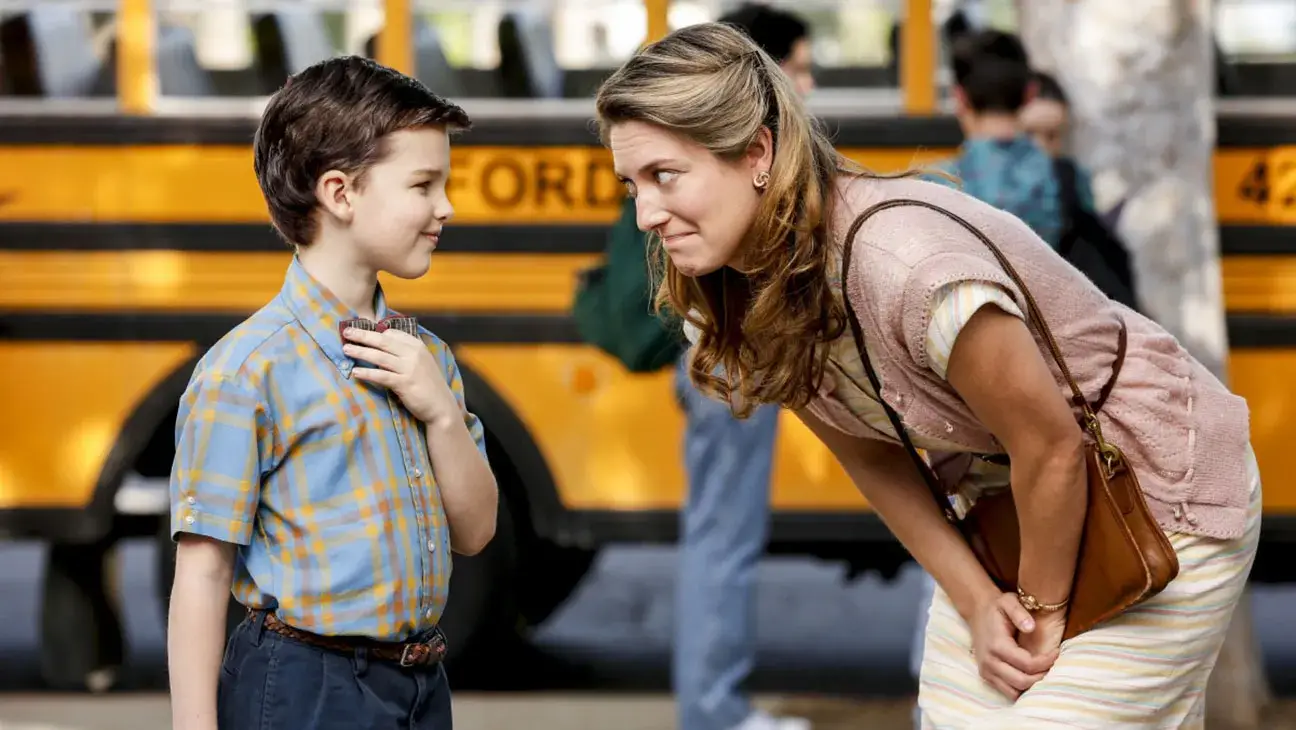
Jim Parsons drew from his own family experiences while searching for new ideas during his time on The Big Bang Theory. He spent time with relatives in Texas and noticed standout qualities in his young nephew. This observation sparked thoughts about creating a story centered on a child genius. Parsons saw potential in turning these real moments into engaging television content. Parsons recorded a video of his nephew and shared it with Chuck Lorre, a co-creator of The Big Bang Theory. He suggested that a show about a young brilliant boy could make an excellent project. Lorre and other team members responded positively to the concept. They recognized how the established backstory of Sheldon Cooper could serve as a strong foundation for the new series.Via The Hollywood Reporter
The development process moved forward smoothly once the core idea took shape. Writers used elements from Sheldon's mentions of his past in the original show to build episodes. This connection between the two series created continuity that pleased longtime viewers. The result was a prequel that felt both fresh and familiar to audiences.
Jim Parsons’ Nephew Michael
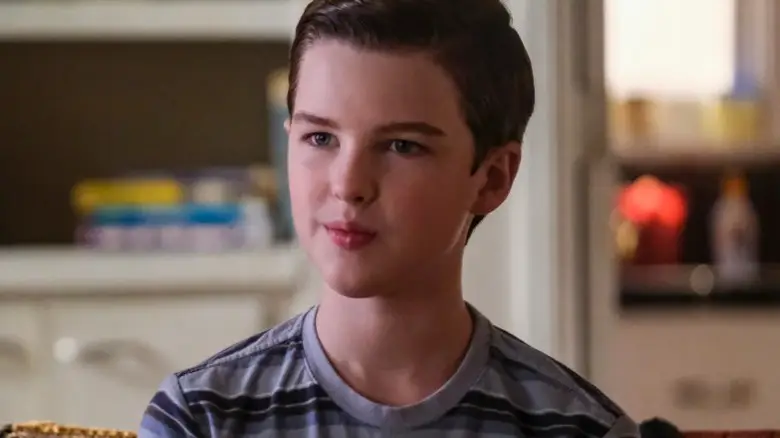
Michael, the nephew of Jim Parsons, stood out as an exceptionally smart child in his family. At around ten years old, he displayed remarkable intelligence that made people wonder about his abilities. Parsons noted how Michael differed from others in the family, though not exactly like the fictional Sheldon. This real-life observation planted the seed for the television series.
Via Looper
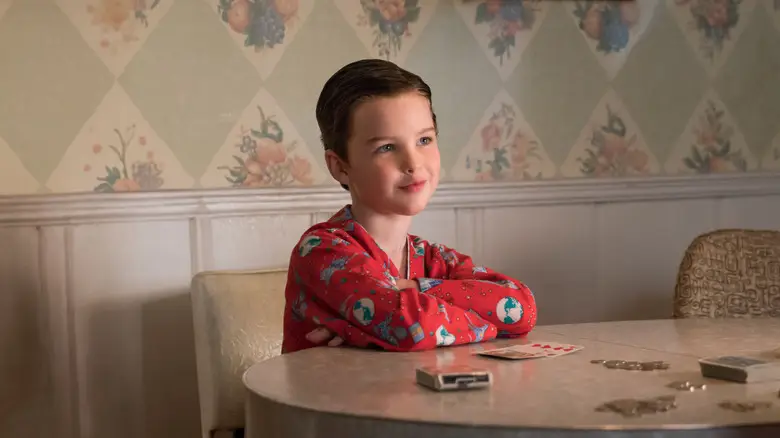
Parsons' sister, Julie, first pointed out similarities between her son and the Sheldon character. She shared her thoughts publicly before the show even began development. Michael grew up during the years Young Sheldon aired and reached his teenage years by the time the series ended. The family maintained close bonds throughout this period.
Parsons has continued to share special moments with Michael over the years. They have attended public events together, including award ceremonies. These family connections highlight the personal roots behind the popular sitcom. Michael's influence helped shape the initial vision that brought the show to life.
Via SlashFilm
Real Events That Shaped the Show
The Young Sheldon stories built upon details Sheldon shared about his childhood in The Big Bang Theory. Writers examined years of dialogue from the original series to create authentic episodes. They expanded on topics such as family relationships, school experiences, and personal milestones. This foundation gave the prequel a sense of genuine history. Viewers saw explorations of important life events, including the loss of Sheldon's father and his deep passion for science. The show also revealed the origins of Sheldon's famous catchphrase "Bazinga." These elements came from established character background and added emotional depth to the narrative. Audiences gained new insights into why Sheldon developed certain traits.Via Education Next
The series balanced humor with serious moments that many families could relate to. Characters faced challenges like fitting in, dealing with expectations, and pursuing dreams. The thoughtful writing allowed the program to connect with people across different ages and backgrounds while staying true to the source material from the parent show.
Character Development and Casting
Iain Armitage brought youthful energy and intelligence to the role of young Sheldon Cooper. His performance captured the curiosity and direct nature of the character believably. The young actor worked alongside a talented ensemble cast that helped establish the Cooper family dynamic on screen.
Zoe Perry portrayed Mary Cooper with warmth and strength, while Lance Barber played George Cooper Sr. as a dedicated father and coach. Montana Jordan appeared as the older brother Georgie, and Raegan Revord took on the role of twin sister Missy. Annie Potts completed the family picture as the lively grandmother Connie, known as Meemaw. Each performer added unique qualities that enriched the stories.
The actors created memorable portrayals that felt consistent with the versions seen in The Big Bang Theory. Their chemistry helped make the Cooper household come alive for viewers. This careful casting contributed greatly to the show's appeal and long-term success across multiple seasons.
Via Looper
Family Life and Challenges in Young Sheldon
The Cooper family dealt with everyday situations that tested their patience and love. Sheldon often struggled to connect with peers and sometimes clashed with authority figures at school. His family worked hard to support his needs while managing their own lives and responsibilities. These storylines showed the real difficulties that come with raising an extraordinary child. Support from grandparents and siblings played important roles in many episodes. Meemaw offered wisdom and humor, while Georgie and Missy navigated their positions as siblings to a gifted brother. The parents balanced protection with the need to let Sheldon experience growth. Such dynamics made the characters relatable despite their unique circumstances.Via ScreenRant
The show portrayed Texas life with authentic details about school, church, and community activities. These settings grounded the stories in a specific cultural context that added richness. Families watching together often found opportunities to discuss topics like intelligence, individuality, and acceptance after episodes aired.
Behind the Scenes Development Process
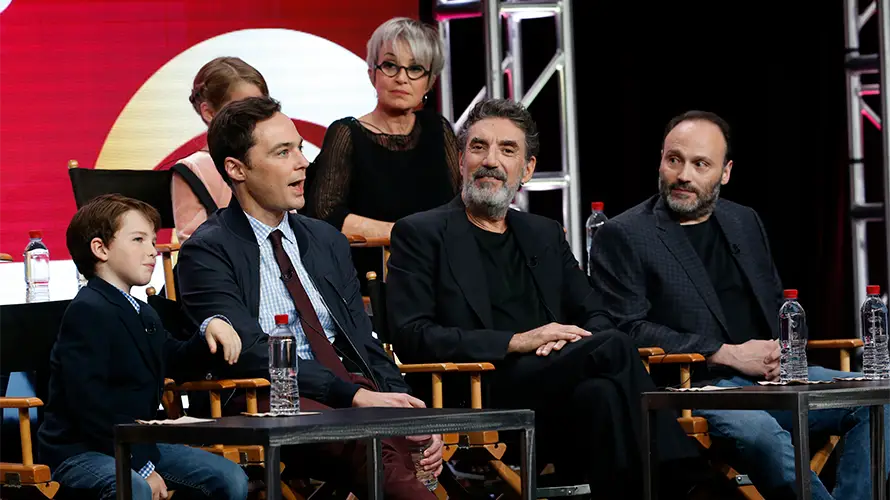
Chuck Lorre and Steven Molaro worked closely with Jim Parsons to shape the vision for Young Sheldon. They took the initial spark from Parsons' family video and built a complete series around it. The team focused on creating a show that felt warm and genuine rather than overly focused on genius stereotypes. This careful planning helped establish the tone that made the series stand out from other comedies.Via Movie Web
Writers drew from existing Big Bang Theory references while adding new layers to the characters. They developed storylines that showed Sheldon's growth over time and explored family relationships in meaningful ways. Production teams paid attention to details like the Texas setting, period-appropriate elements, and realistic school environments. These efforts created an authentic world that viewers could easily enter.
The collaborative process between creators, actors, and crew resulted in a polished final product. Everyone involved shared a commitment to honoring the heart of the original idea. This dedication translated into seven seasons of quality entertainment that maintained high standards throughout its run. The behind-the-scenes work proved essential to the show's long-term success and emotional impact.
Via AddWeek
The Lasting Impact of the Series
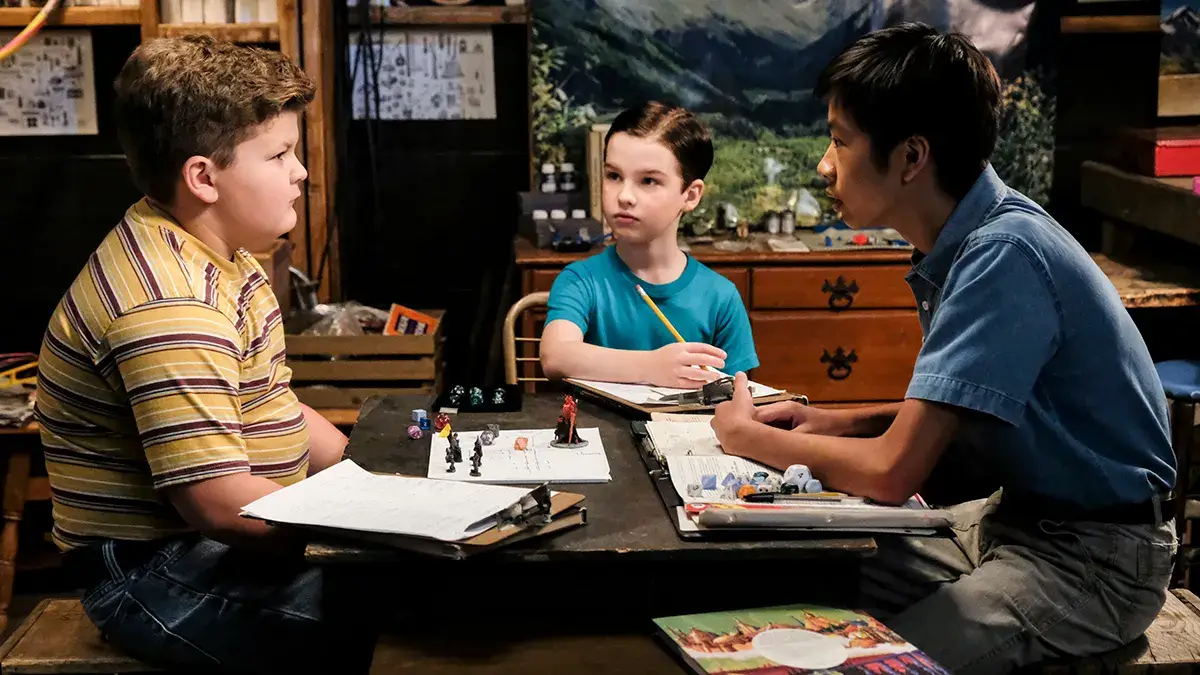
Young Sheldon left a positive mark on television by delivering consistent entertainment and meaningful messages. The program demonstrated that stories about smart children could succeed when combined with strong family elements and humor. Its popularity proved that audiences enjoy content that explores both challenges and joys of growing up differently.Via Fox News
People continue to discover the series through streaming platforms even after the final episode. The show introduced many new viewers to the world of The Big Bang Theory while giving longtime fans additional context about their favorite character. Its influence appears in discussions about gifted education and family communication.
Via Soaps
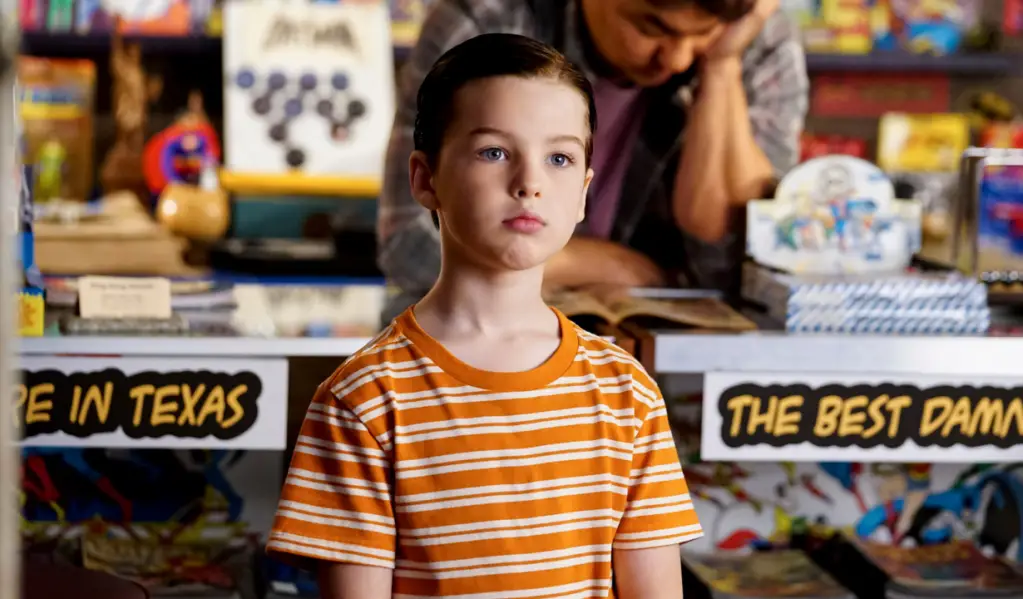
The creative team, inspired by a single family moment, built something that entertained millions. This origin story reminds creators everywhere that personal observations can lead to widely loved entertainment. Audiences remember Young Sheldon as a program that combined clever writing with heartfelt performances to create lasting television memories.