Unassigned
Locals Use Sheep to Create Google Street View

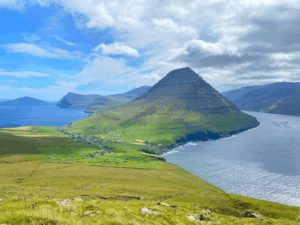
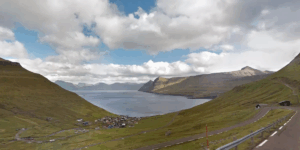
In 2016, the Faroe Islands, an isolated North Atlantic archipelago, faced a digital gap when Google Street View ignored them. Locals wanted their stunning cliffs, green hills, and small villages to be visible online. Durita Dahl Andreassen from Visit Faroe Islands came up with a creative fix: use sheep to map the islands. With about 80,000 sheep roaming the land, more than the human population, her idea fit perfectly.
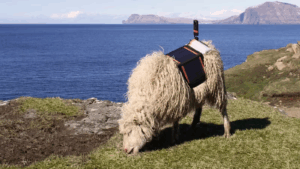
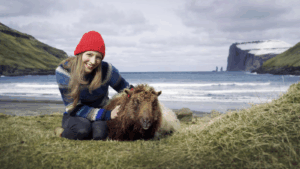
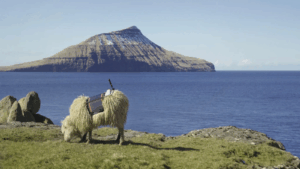
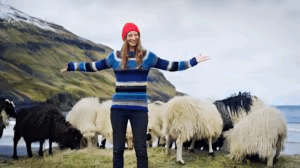
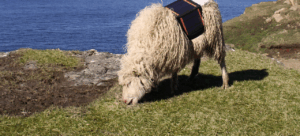
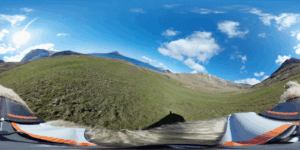
Working with farmers and tech experts, she designed solar-powered cameras that attached to sheep harnesses, allowing the animals to record 360-degree footage as they wandered. The project, called Sheep View 360, launched in July 2016 and quickly gained global attention. The videos offered unique ground-level views of the islands’ rugged beauty, from crashing waves to narrow country roads.
 Via The Washington Post
Beyond its charm, Sheep View highlighted local creativity and how small communities can use innovation to gain visibility in the digital age. The success even prompted Google to officially include the Faroe Islands on Street View, proof that imagination and determination can connect even the most remote corners of the world.
 Via The Independent
Sheep moved in ways cars never could. Google cars drive on roads, but Faroese roads are few. Many paths are hiking trails or sheep tracks. The woolly photographers went off-road. They climbed steep slopes and reached remote spots. One sheep wandered near a waterfall, capturing misty rainbows. Another grazed by ancient stone houses. The views felt real and alive. No human could follow that path without effort.
The project used five sheep at first. They named them for fun. The team shared updates on social media. Photos of camera-clad sheep spread fast. People loved the cute factor. But it was more than funny. It showed real places. Tourists started asking about visits. The Faroe Islands gained notice. News outlets picked up the story. Videos went viral on YouTube and Facebook.
 Via Skift
 Via Hopping Feet
The islands face challenges. Young people leave for jobs in Denmark. Harsh weather isolates them. Promoting tourism brings money and pride. Sheep View told a story. It said, "We are creative and tough." It mixed old traditions, sheep herding, with new tech. Faroese people have herded sheep for centuries. Now, sheep helped herd attention.
 Via CNET
The media loved the charm. BBC, CNN, and The Guardian ran stories. They called it "genius" and "adorable." Interviews with Durita aired worldwide. She explained the goal: get Google to notice. The petition on the website gathered signatures. Over 100,000 people signed to support Street View for the Faroes.
Not everyone took it seriously at first. Some thought it was a joke. But the footage proved otherwise. High-quality views silenced doubts. Tour companies noticed. Bookings rose. Hotels filled up. The islands' airport saw more flights. Sheep View turned a problem into an opportunity.
 Via The Independent
 Via NewsBytes
They walked virtual paths to Gásadalur village and its famous waterfall. Sheep views mixed with car and hiker shots. The full map went live. Durita called it a win for everyone. Google praised the creativity. They featured Sheep View in blogs. It showed how users drive change. The company updated its tools based on feedback. Solar-powered ideas inspired others.
 Via AFPS
They kept wandering. The team saved the best footage. It lives on the Visit Faroe Islands site. The project cost little. Cameras and harnesses were the main expense. Volunteers did the work. Grants from tourism boards helped. It proved big impact needs a small budget with big ideas.
 Via Business Insider
The island's balanced growth. They limit visitors in fragile spots. Rules protect nature. Sheep View raised awareness. People learned to respect the land. Young Faroese stayed home. Tech jobs emerged. Mapping skills transferred. Schools taught the story. Kids learned innovation.
 Via The Washington Post
Third, storytelling matters. Cute sheep grabbed eyes. Beauty kept them. Share your place proudly. Fourth, digital tools empower small voices. Social media leveled the field. One idea reached billions. Fifth, partnership wins. Sheep started, Google finished. Collaboration beats alone.
 Via Google Blog
These show tech for all. Not just big companies. Communities lead. Now, the Faroe Islands shine online. Street View covers most spots. Updates add new paths. Tourists explore virtually first, then visit. Durita leads more projects. She promotes sustainable travel.
Sheep View lives in museums. Exhibits show harnesses. The islands host festivals. Sheep shearing events draw crowds. Digital tours mix with real ones. Nature stays the star. Puffins, whales, northern lights. Sheep still outnumber people. They graze unaware of fame.
 Via The World Economic Forum
 Via Psychology Today
Villages in Africa, Asia, and South America began exploring similar crowd-sourced mapping projects using bikes, drones, or even donkeys. The Faroe Islands proved that innovation doesn’t require massive budgets, just local knowledge and creativity. By blending technology with tradition, they showed how storytelling and visibility can empower small nations to shape their own digital identity.
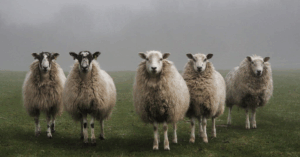 Via A-Z Animals
It reminds us: innovation hides in everyday things. A sheep, a camera, a dream. Together, they change the view. The Faroe Islands welcome the world now. Log on, spin the view. Thank a sheep. Their hoofprints mark the digital path. Beauty unfolds in 360 degrees, forever captured by unlikely heroes.
More in Unassigned
Via The Washington Post
Beyond its charm, Sheep View highlighted local creativity and how small communities can use innovation to gain visibility in the digital age. The success even prompted Google to officially include the Faroe Islands on Street View, proof that imagination and determination can connect even the most remote corners of the world.
How Sheep View Worked
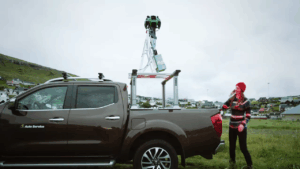
The technology behind Sheep View was simple but smart. Each camera had a GPS tracker. This let the team know where the sheep went. The solar panels charged during the day, even on cloudy Faroese days. The cameras snapped photos every few seconds. They stitched these into panoramic views. Back at the office, Durita and her team uploaded the images to a website. People could click and drag to look around, just like Google Street View.
Via The Independent
Sheep moved in ways cars never could. Google cars drive on roads, but Faroese roads are few. Many paths are hiking trails or sheep tracks. The woolly photographers went off-road. They climbed steep slopes and reached remote spots. One sheep wandered near a waterfall, capturing misty rainbows. Another grazed by ancient stone houses. The views felt real and alive. No human could follow that path without effort.
The project used five sheep at first. They named them for fun. The team shared updates on social media. Photos of camera-clad sheep spread fast. People loved the cute factor. But it was more than funny. It showed real places. Tourists started asking about visits. The Faroe Islands gained notice. News outlets picked up the story. Videos went viral on YouTube and Facebook.
Via Skift
Why the Faroe Islands Needed This
The Faroe Islands are part of Denmark but run their own affairs. They lie halfway between Scotland and Iceland. Winds whip the land, and rain falls often. Yet the scenery stuns visitors. Puffins nest on cliffs. Lakes sit in volcano craters. Villages hug the fjords with colorful roofs. Fishing has always been the main job. Tourism grows slowly. Before Sheep View, few maps showed the details. Google Street View covers cities and highways worldwide. It helps plan trips and explore from home. Without it, the Faroes seemed blank. Search for a village, and you get satellite blobs, not streets. Locals wanted better. They paid taxes and used Google tools. Why ignore them? Durita wrote to Google but got no reply at first. Sheep View was their way to shout, "Look at us!"
Via Hopping Feet
The islands face challenges. Young people leave for jobs in Denmark. Harsh weather isolates them. Promoting tourism brings money and pride. Sheep View told a story. It said, "We are creative and tough." It mixed old traditions, sheep herding, with new tech. Faroese people have herded sheep for centuries. Now, sheep helped herd attention.
The Viral Spread and Global Reaction
Sheep View exploded online. Within days, millions saw the images. Hashtags like #SheepView360 trended. People shared sheep selfies with cameras. Memes popped up. One showed a sheep saying, "Google forgot us, so we DIY." Celebrities retweeted. Travel bloggers wrote about it. The project got free publicity worth millions.
Via CNET
The media loved the charm. BBC, CNN, and The Guardian ran stories. They called it "genius" and "adorable." Interviews with Durita aired worldwide. She explained the goal: get Google to notice. The petition on the website gathered signatures. Over 100,000 people signed to support Street View for the Faroes.
Not everyone took it seriously at first. Some thought it was a joke. But the footage proved otherwise. High-quality views silenced doubts. Tour companies noticed. Bookings rose. Hotels filled up. The islands' airport saw more flights. Sheep View turned a problem into an opportunity.
Via The Independent
Google's Response and Partnership
Google could have ignored the stunt. Instead, they reached out. In 2017, a team from Google visited. They met Durita and the locals. Google brought its own Street View car. But roads cover only part of the islands. Many areas need hiking. Google loaned Trekker backpacks, cameras for people to carry. Locals volunteered. They hiked with the gear. Sheep had started it, humans finished. Google trained them on the tools. Together, they mapped villages, harbors, and trails. Sheep View data helped plan routes. The blend worked perfectly. By 2018, official Street View had launched for the Faroe Islands. Users zoomed into Tórshavn, the capital.
Via NewsBytes
They walked virtual paths to Gásadalur village and its famous waterfall. Sheep views mixed with car and hiker shots. The full map went live. Durita called it a win for everyone. Google praised the creativity. They featured Sheep View in blogs. It showed how users drive change. The company updated its tools based on feedback. Solar-powered ideas inspired others.
Life of the Sheep Photographers
The sheep stars lived normal lives. After filming, the harnesses came off. They grazed freely. No harm came to them. Vets checked health. The project followed animal rules. Farmers rotated sheep to avoid tiredness. Some sheep became famous. One named "Google" after the company. Tourists asked to see them. But sheep do not pose.
Via AFPS
They kept wandering. The team saved the best footage. It lives on the Visit Faroe Islands site. The project cost little. Cameras and harnesses were the main expense. Volunteers did the work. Grants from tourism boards helped. It proved big impact needs a small budget with big ideas.
Impact on Tourism and Economy
Tourism boomed after Sheep View. Visitor numbers jumped 20% in a year. People wanted the real experience. They hiked where sheep filmed. Guides told the story. Sheep View signs marked spots. Hotels and restaurants grew. Local crafts sold more. Wool products are tied to the project. "Sheep View Scarf" became a souvenir. Jobs opened in guiding and tech.
Via Business Insider
The island's balanced growth. They limit visitors in fragile spots. Rules protect nature. Sheep View raised awareness. People learned to respect the land. Young Faroese stayed home. Tech jobs emerged. Mapping skills transferred. Schools taught the story. Kids learned innovation.
Lessons in Creativity and Activism
Sheep View teaches big lessons. First, think differently. When doors close, find windows, or sheep paths. Locals did not wait. They acted. Second, use what you have. Sheep are everywhere. Turn strengths into tools. Any community can do this.
Via The Washington Post
Third, storytelling matters. Cute sheep grabbed eyes. Beauty kept them. Share your place proudly. Fourth, digital tools empower small voices. Social media leveled the field. One idea reached billions. Fifth, partnership wins. Sheep started, Google finished. Collaboration beats alone.
Similar Projects Around the World
Sheep View inspired others. In Scotland, goats mapped hills. In Norway, reindeer carried cameras. Cities used dogs for parks. All fill map gaps. In Kenya, camels captured the desert. In Australia, kangaroos tried but hopped too fast. Fun fails teach too.
Via Google Blog
These show tech for all. Not just big companies. Communities lead. Now, the Faroe Islands shine online. Street View covers most spots. Updates add new paths. Tourists explore virtually first, then visit. Durita leads more projects. She promotes sustainable travel.
Sheep View lives in museums. Exhibits show harnesses. The islands host festivals. Sheep shearing events draw crowds. Digital tours mix with real ones. Nature stays the star. Puffins, whales, northern lights. Sheep still outnumber people. They graze unaware of fame.
Via The World Economic Forum
Why Sheep View Matters Long-Term
In a connected world, being seen counts. Maps guide choices. Missing means forgotten. Sheep View fixed that. It fights isolation. Remote places matter. Culture, language, and traditions deserve space. It boosts pride. The Faroese say, "We did this." Confidence grows. It sparks change. Google now seeks user input. More places get covered. Weather-tested gear. Rain and wind are constant. Solar worked anyway. Sheep behavior varied. Some stood still, others ran. Editing fixed it. Data upload was slow. The Internet is spotty. The team drove to better spots. Critics said gimmick. Results proved value. Sheep View also inspired other communities facing digital neglect.
Via Psychology Today
Villages in Africa, Asia, and South America began exploring similar crowd-sourced mapping projects using bikes, drones, or even donkeys. The Faroe Islands proved that innovation doesn’t require massive budgets, just local knowledge and creativity. By blending technology with tradition, they showed how storytelling and visibility can empower small nations to shape their own digital identity.
Explore the Story Behind "Sheep View 360"
Tech improves. Lighter cameras. Better batteries. Drones help, too, but animals reach tight spots. Ethics guide use. No stress on animals. Short sessions. Education ties in. Kids map schools with pets. Sheep View 360 is more than a map. It is a tale of heart and hustle. From forgotten islands to a global icon. Sheep led the way. Humans followed.
Via A-Z Animals
It reminds us: innovation hides in everyday things. A sheep, a camera, a dream. Together, they change the view. The Faroe Islands welcome the world now. Log on, spin the view. Thank a sheep. Their hoofprints mark the digital path. Beauty unfolds in 360 degrees, forever captured by unlikely heroes.