Lifestyle / Travel
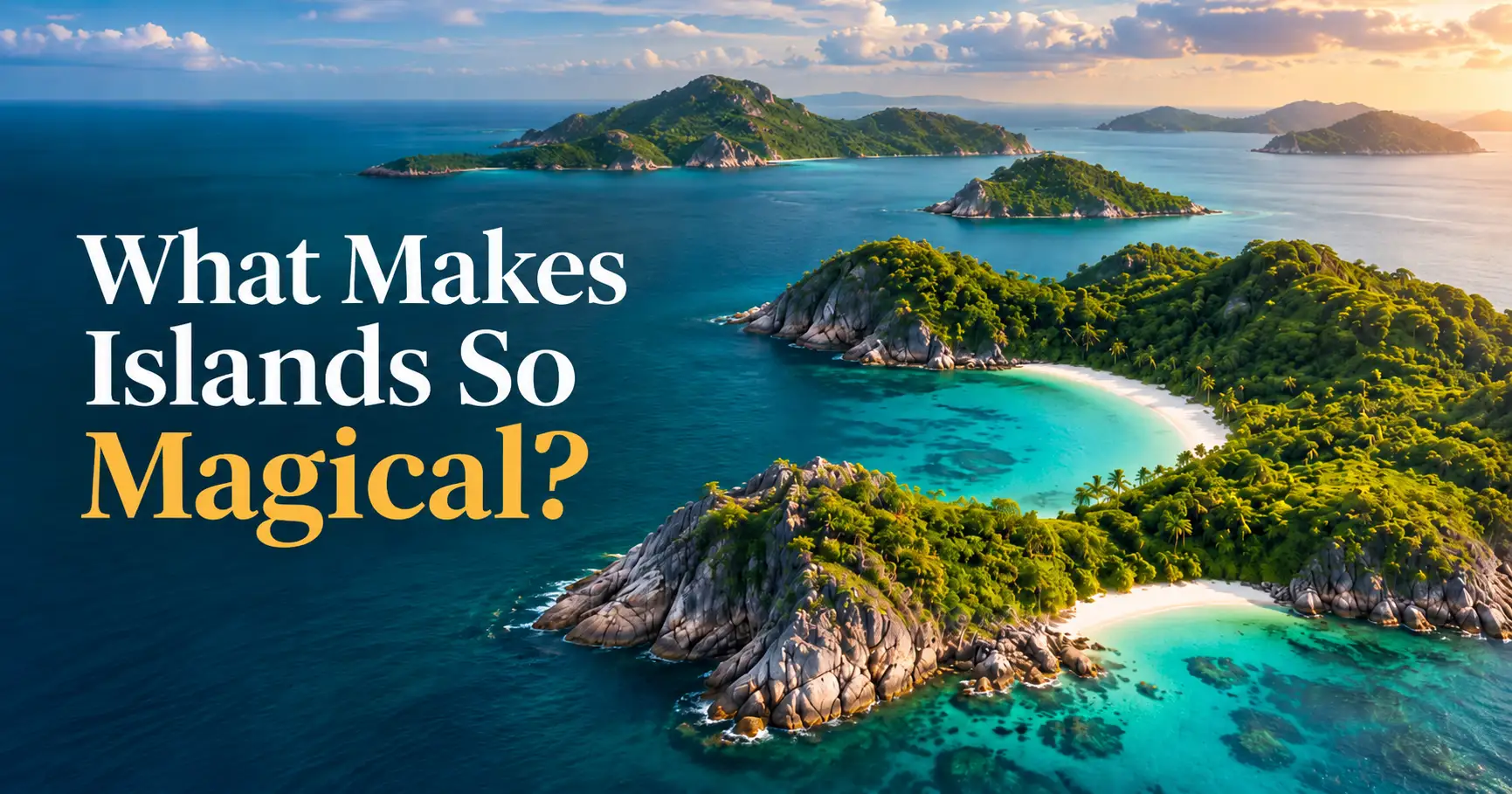
What Makes Islands So Fascinating
Islands have long captured people's imagination because each one offers a different landscape, culture, and way of life. Some feature peaceful tropical beaches surrounded by clear blue waters, while others are shaped by icy coastlines, rugged cliffs, or volcanic mountains, creating unforgettable scenery.
Unlike many mainland destinations, islands often develop strong identities over centuries of relative isolation. Their traditions, local customs, and daily routines evolve naturally, creating communities that proudly preserve their heritage even as the modern world becomes increasingly connected.
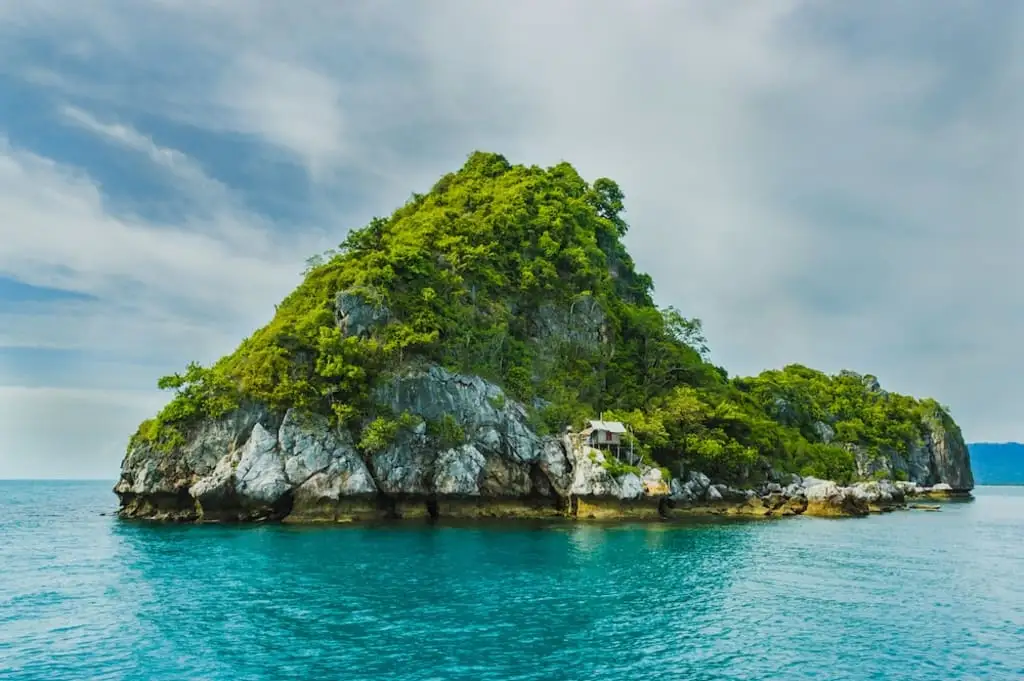
Via Vocal Media
This combination of natural beauty and cultural individuality makes islands appealing to travelers seeking experiences beyond famous landmarks. Every island tells its own story through its people, history, language, and environment, making each visit feel different from the last.
Isolation Shaped Distinct Cultures
For centuries, reaching many islands required long and difficult sea voyages, making regular contact with other regions uncommon. Because travel was limited, communities developed customs, beliefs, and lifestyles that reflected local conditions rather than outside influences from distant places.
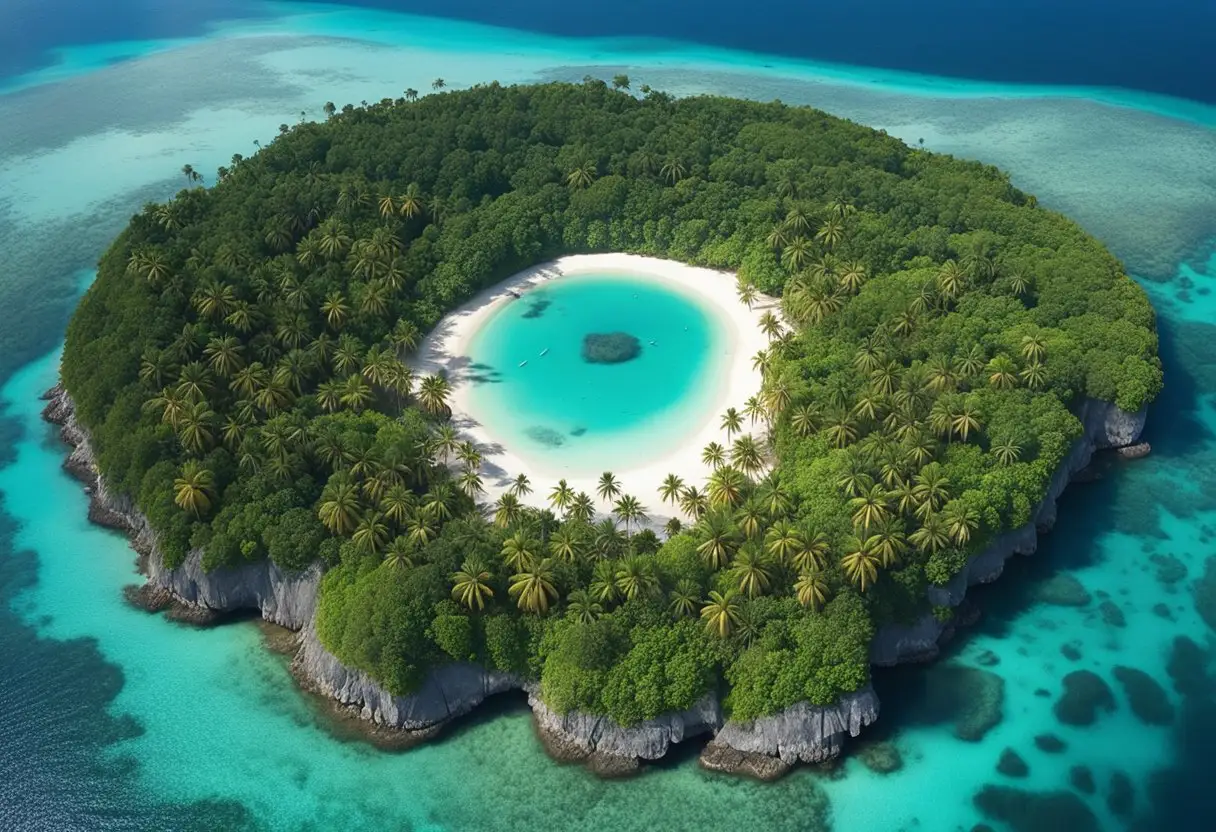
Via Connolly Cove
Generations passed down songs, celebrations, artistic traditions, and practical knowledge that became part of everyday life. These cultural practices remained strong because island societies often depended on shared experiences and close relationships to preserve their identity through changing times.
Although modern transportation and digital communication have made islands more accessible, many communities continue to protect their cultural heritage. Visitors frequently notice that local traditions remain deeply respected, offering a meaningful connection between the past and present.
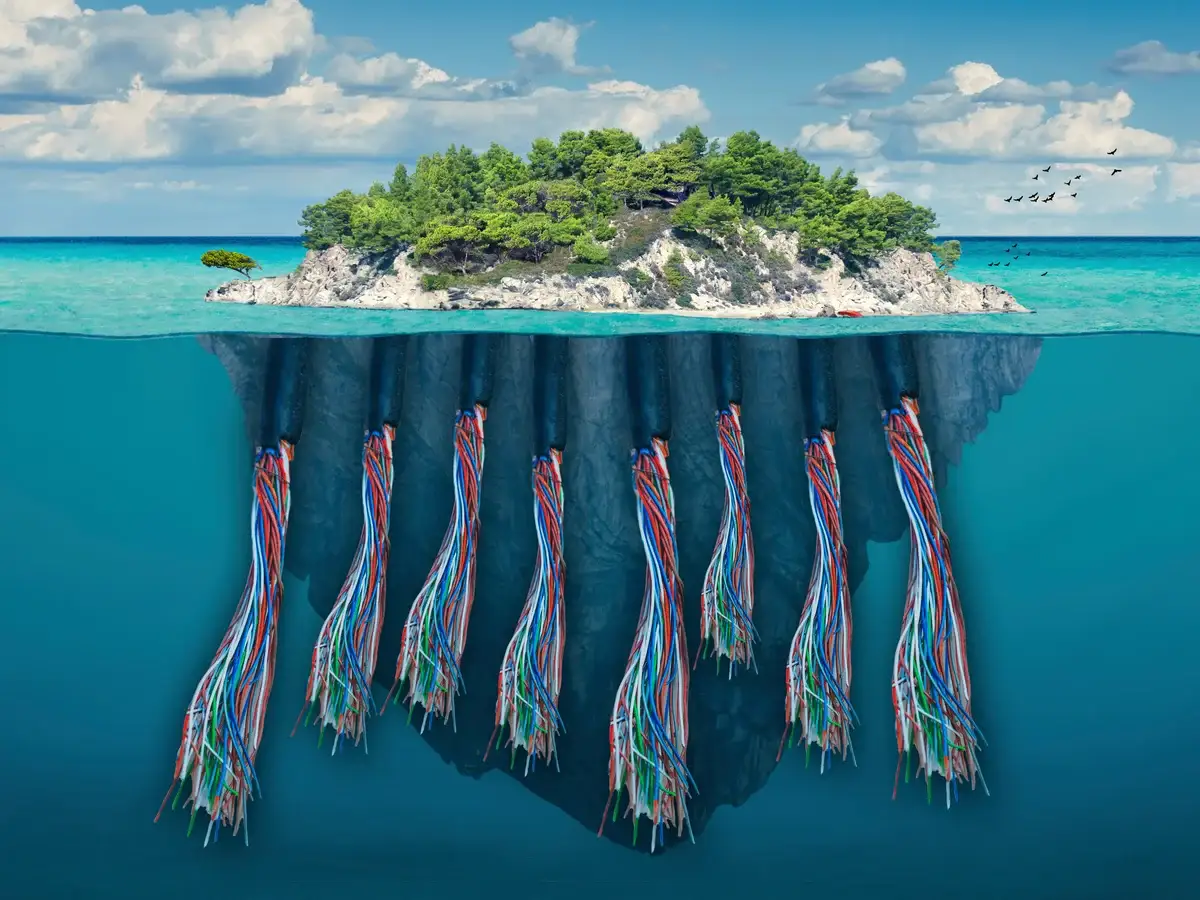
Via The Guardian
Languages Found Nowhere Else
Language plays an important role in defining the identity of any community, and islands often preserve unique forms of speech. Small populations living apart from larger societies sometimes develop dialects or languages that cannot be heard anywhere else in the world.
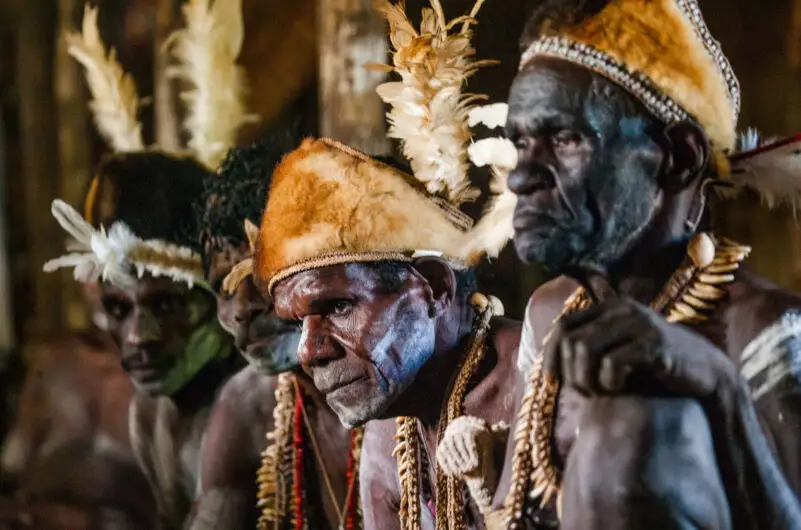
Greenland provides an excellent example of this remarkable linguistic diversity. Despite having a relatively small population, different regions maintain distinct dialects that developed over many centuries as communities lived far apart and communication remained limited by geography and climate.
Via eTranslation Service
Residents continue working to preserve these traditional languages because they represent much more than communication. Every dialect carries history, stories, cultural knowledge, and a strong sense of belonging that reflects the experiences of generations who called the island home.
Greenland's Cultural Identity Endures
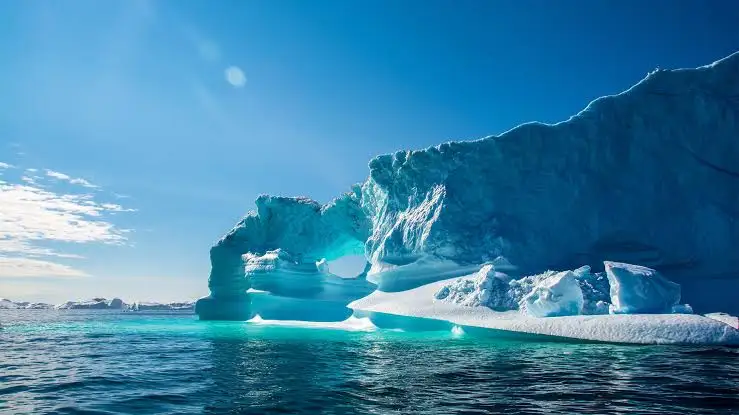
Greenland, the world's largest island, is covered by vast glaciers and dramatic Arctic landscapes that have influenced daily life for countless generations. Before modern transportation became available, many settlements could only be reached by boat, kayak, dog sled, or seasonal travel routes.
Via LUXlife Magazine
These natural conditions encouraged communities to develop independently, allowing regional dialects and cultural traditions to remain distinct. While many people today speak the most widely used Greenlandic language, smaller communities continue to protect their local speech and customs with great dedication.
Efforts to preserve these traditions demonstrate the importance of cultural identity in island life. Even as education, technology, and transportation continue improving, local communities recognize that language and heritage remain valuable connections to their history and future.
Via Bbic Travel
Cape Verde's Islands Developed Their Own Voices
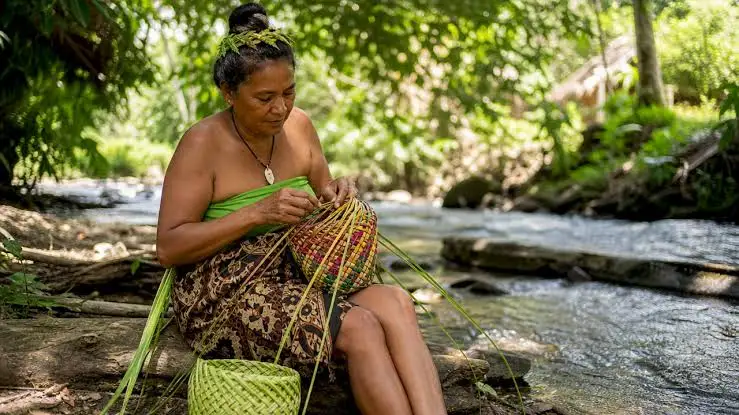
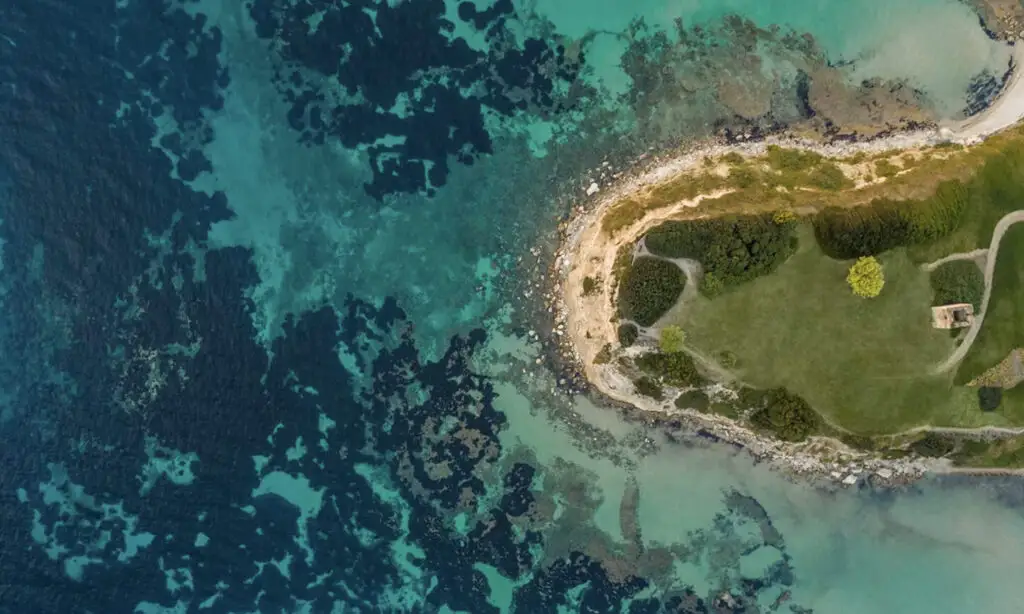
Cape Verde, an island nation located off the western coast of Africa, consists of ten volcanic islands that have developed rich cultural traditions over many generations. Influences from African communities and Portuguese history blend together, creating a unique identity that differs from neighboring mainland regions.
Although the islands belong to one country, the considerable distance between the northern and southern groups has allowed language and pronunciation to develop differently. Local dialects became so distinct over time that people from separate islands sometimes find everyday conversations difficult to understand.
Via Lagoon Resort
Portuguese continues to provide a shared language for official communication and national events, while local dialects remain an important part of everyday life. This balance allows Cape Verde to celebrate regional diversity while maintaining a strong sense of national unity across the archipelago.
The Remarkable Whistled Language of La Gomera
The Canary Island of La Gomera is famous for preserving one of the world's most unusual forms of communication. Steep valleys, towering cliffs, and rugged landscapes once made ordinary conversations impossible across long distances, encouraging local shepherds to develop an extraordinary solution.

Via DW News
Instead of shouting from one hillside to another, people communicated through carefully controlled whistles that could travel much farther than normal speech. This remarkable system allowed important messages to cross deep ravines, helping communities stay connected despite the island's challenging geography.
Today, this traditional whistled language remains a treasured part of the island's cultural heritage. Schools continue teaching it to younger generations, while international recognition has helped protect this rare communication method as an important symbol of the island's history and identity.
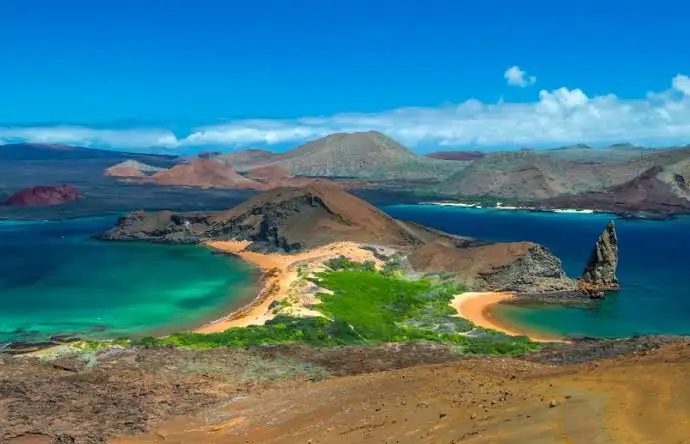
Island Festivals Bring Communities Together
Festivals hold a special place in island culture because they celebrate history, community, music, and shared traditions that have been passed through generations. Across many island nations, annual celebrations create opportunities for families, neighbors, and visitors to gather in joyful and meaningful ways.
Throughout the Caribbean, colorful festivals feature lively parades, traditional costumes, rhythmic music, and energetic dancing that fill entire streets with excitement. Every celebration reflects local history, blending cultural influences that have shaped island societies over hundreds of years.
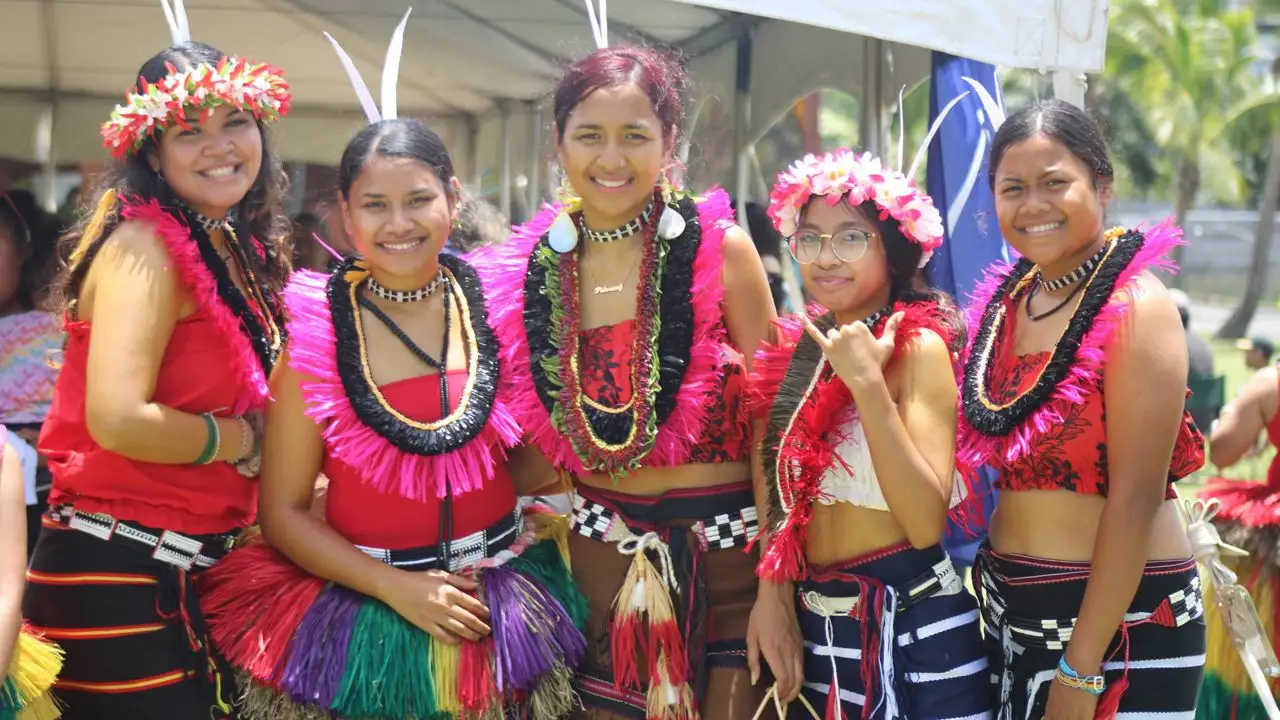
Via Spectrum News
These festivals represent much more than entertainment because they strengthen community bonds and preserve important customs. Local residents proudly share their heritage through performances, food, storytelling, and artistic expression, ensuring valuable traditions remain alive for future generations.
Traditional Dances Preserve Island Heritage
Dance has always been an important way for island communities to express identity, celebrate achievements, and honor their ancestors. Across the islands of the South Pacific, traditional performances continue to reflect values such as courage, respect, unity, and cultural pride through carefully practiced movements.
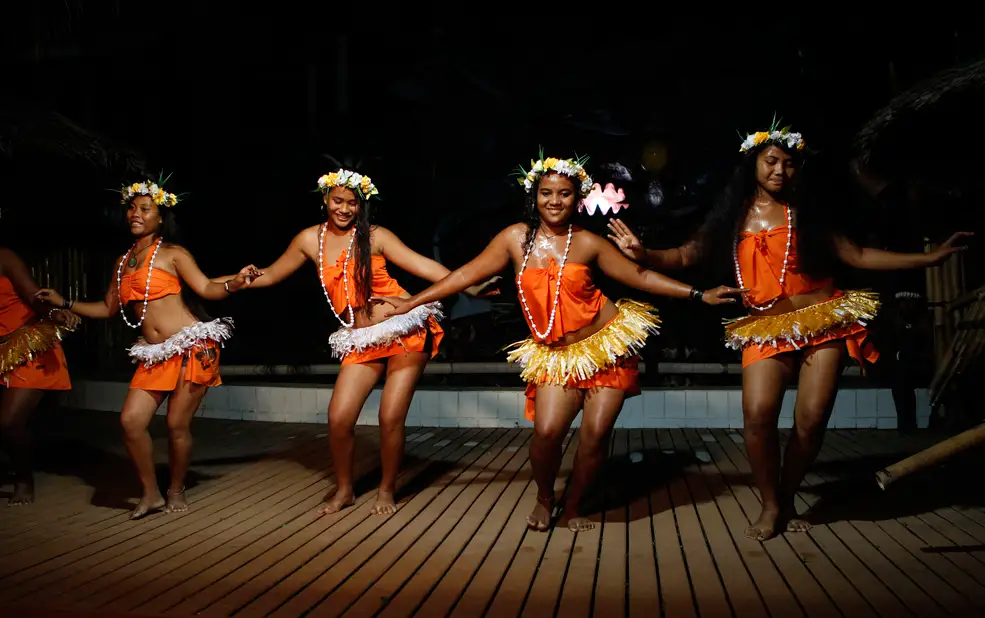
Via The Week
One of the best-known examples is the haka, performed by the Māori people of New Zealand. Similar ceremonial dances also exist throughout Polynesian islands, including Tonga and Samoa, where rhythmic movements, chanting, and coordinated actions carry deep cultural significance.
Although many performances are now presented during sporting events, festivals, and cultural gatherings, their historical meaning remains respected. Each dance connects modern communities with traditions that once inspired warriors, strengthened families, and celebrated important moments throughout island history.
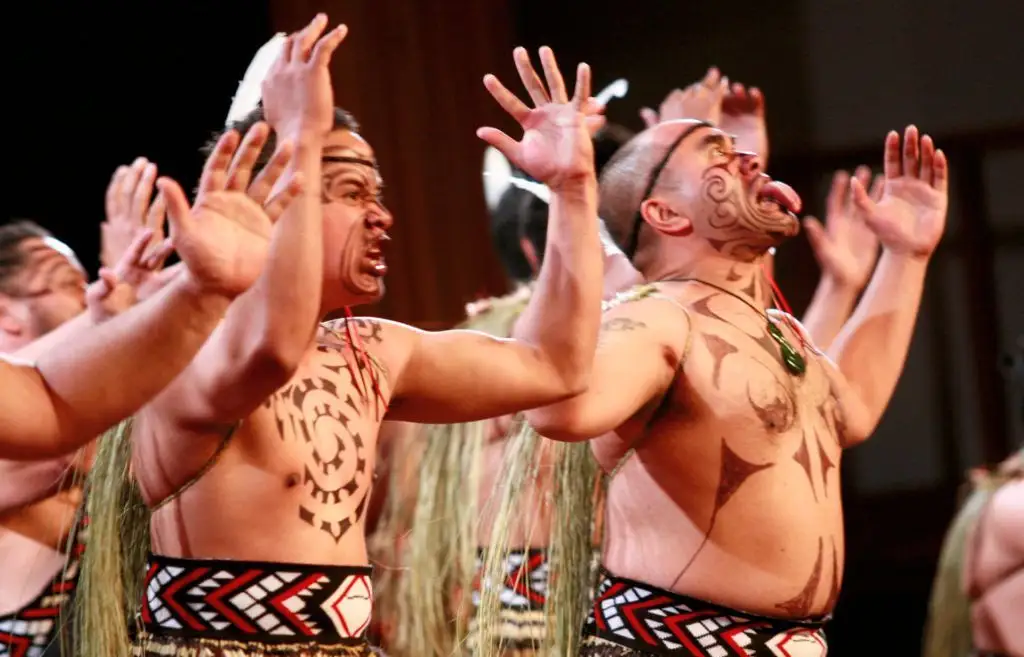
Via NZ Pocket
Fiji's Strong Village Life Keeps Traditions Alive
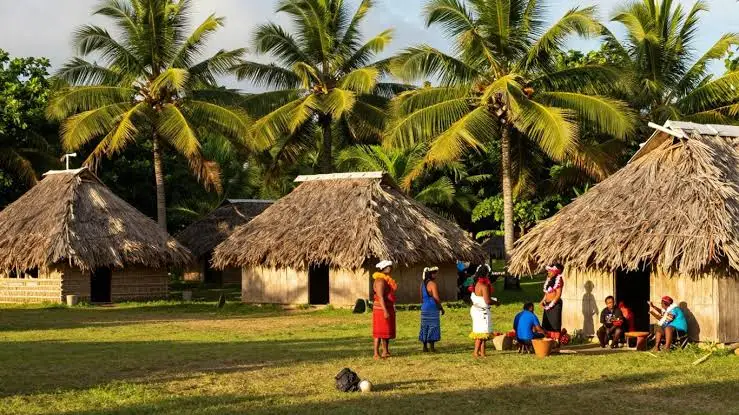
Fiji, an archipelago of more than three hundred islands in the South Pacific, is widely admired for its breathtaking beaches and welcoming atmosphere. Beyond its natural beauty, the country is equally respected for preserving traditional village life, where cultural values continue shaping everyday routines and community relationships.
Many Fijian families live in closely connected villages where cooperation remains an important part of daily life. Neighbors regularly share responsibilities, organize community meetings, and work together to complete tasks that benefit everyone, creating a strong sense of belonging across every generation.
Via Why Travel
Children grow up learning the importance of respect, teamwork, and caring for others by watching older family members. These traditions help preserve cultural identity while encouraging younger generations to appreciate customs that have guided island communities for centuries despite social and technological changes.
Hospitality Makes Island Experiences Unforgettable
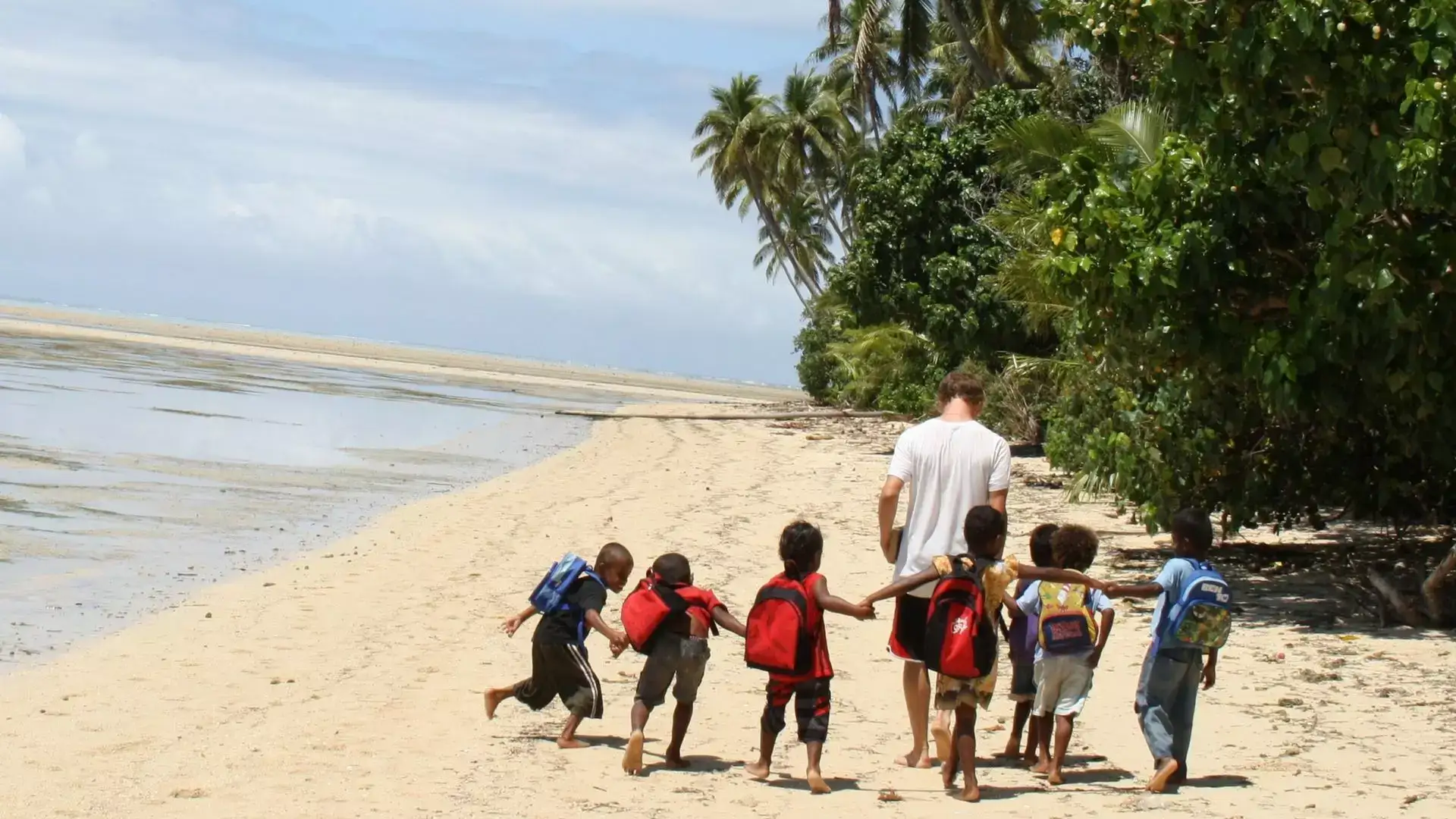
One of the most memorable qualities shared by many islands is the genuine kindness shown by local communities. Visitors are often welcomed with warm smiles, sincere conversations, and generous hospitality that create meaningful experiences extending far beyond sightseeing or relaxing on beautiful beaches.
Via Think Pacific
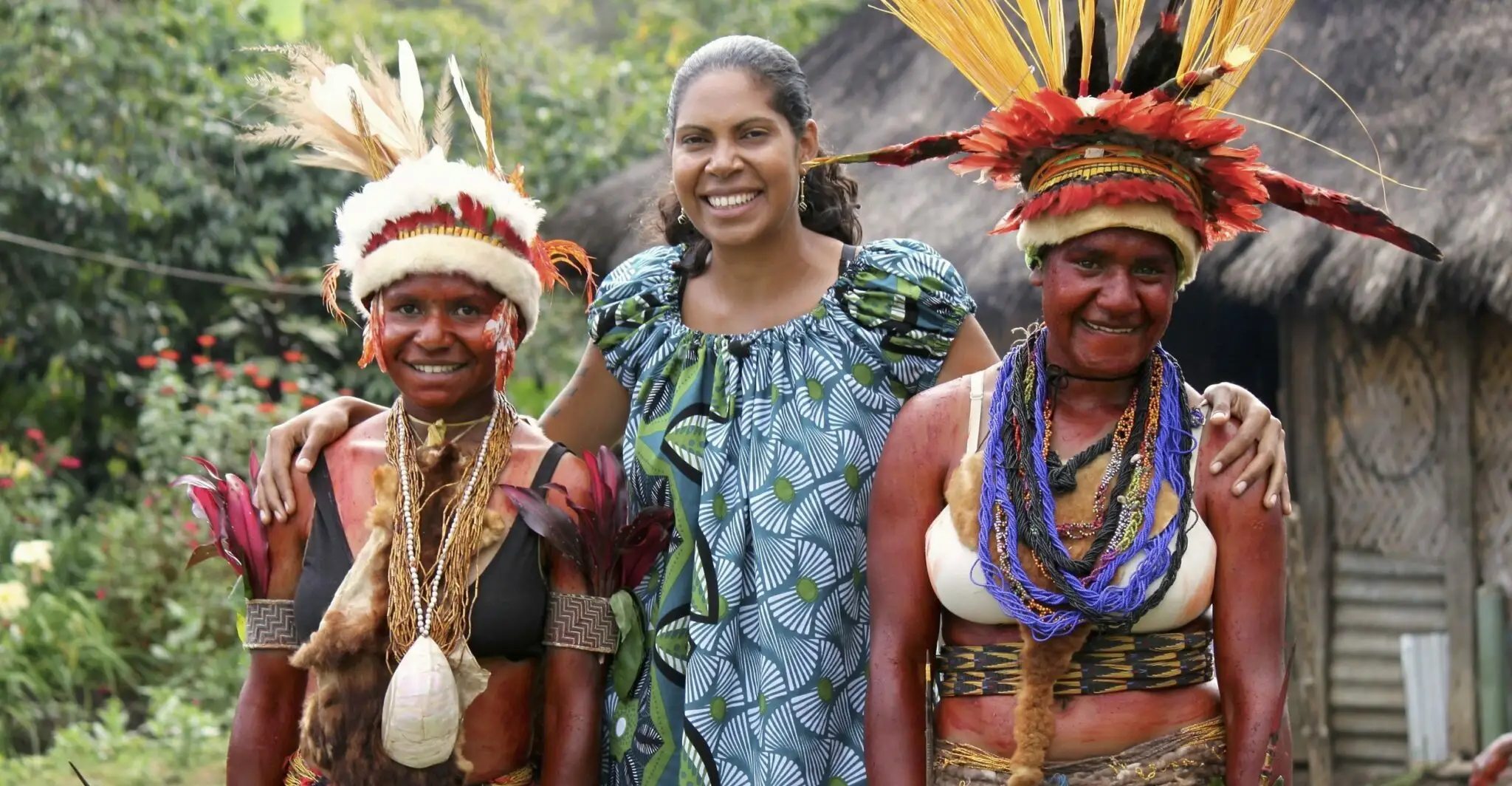
Island cultures frequently place great importance on family, friendship, and mutual respect, making guests feel comfortable from the moment they arrive. Whether sharing traditional meals, celebrating local festivals, or explaining cultural customs, residents proudly introduce visitors to the traditions that define their communities.
These personal connections often become the most treasured memories of an island journey. Natural landscapes certainly leave lasting impressions, but the warmth, generosity, and authenticity of local people often inspire travelers to return and continue discovering the character of island life.
Via Agracology Fund
Why Islands Continue Captivating the World
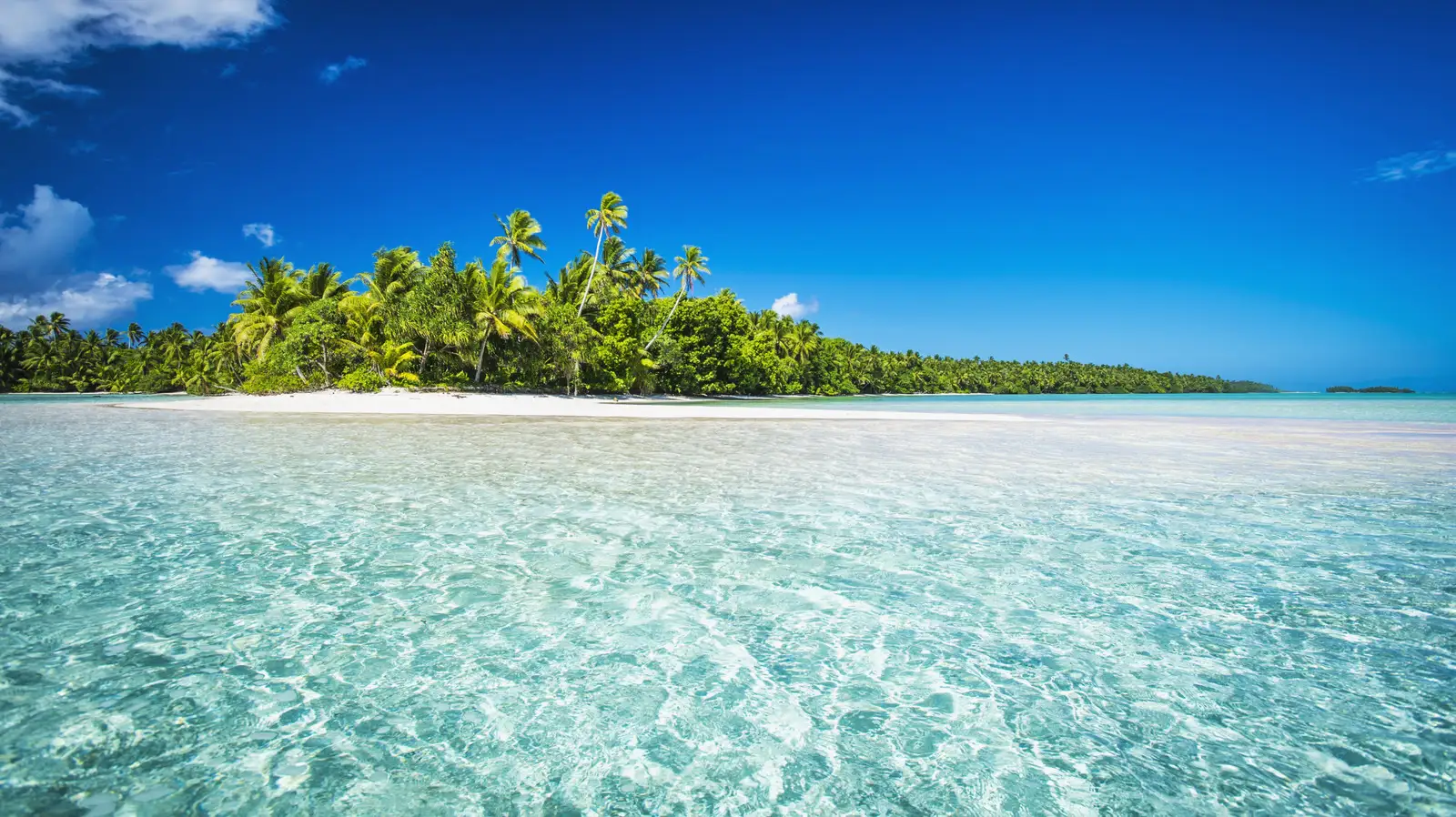
Every island offers a distinctive combination of landscapes, history, language, and traditions that cannot easily be found elsewhere. Centuries of geographic separation have allowed communities to preserve customs that reflect local environments while developing identities that remain remarkably unique in today's interconnected world.
From Greenland's carefully protected dialects to Cape Verde's regional speech, from La Gomera's remarkable whistled language to Fiji's enduring village traditions, islands demonstrate how culture flourishes when communities value their heritage and continue passing important knowledge from one generation to the next.
Via Islands
The lasting fascination with islands comes from more than their scenic coastlines or crystal-clear waters. Their true appeal lies in the people, stories, celebrations, languages, and traditions that continue thriving across oceans, reminding the world that every island possesses a character and history unlike any other destination.