Unassigned
Japan Cuts Wildlife Collisions by 45% with Sound

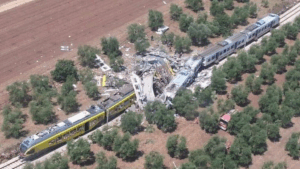
Wildlife getting hit by trains is a big problem around the world. Animals like deer, elephants, and bears often cross tracks without knowing the danger. This leads to many deaths each year. For example, in India, more than 200 elephants have died from train crashes in the last 30 years. In North America, trains kill large animals like moose and grizzly bears, hurting their populations.
 Via LinkedIn
These accidents also cause train delays and can be risky for people on board. Trains move fast and quietly, so animals don't always hear them coming soon enough. In places with lots of wildlife, like forests or rural areas, this issue is worse. People are looking for ways to stop these crashes without harming nature.
 Via The Revelator
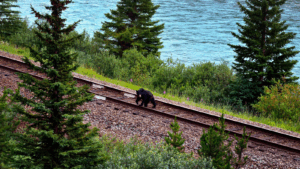
Bears in Canada are drawn to grains spilled from freight trains. These habits make collisions more likely. Trains can be hard for animals to detect. Studies show that some trains are not loud enough for wildlife to hear from far away. This means animals might freeze or not run on time. Understanding why animals go there helps in finding good fixes.
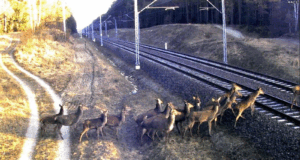
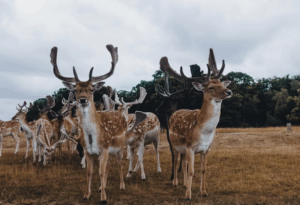 Dogs are natural enemies of deer, so the barks scare them away. This happens when trains are coming or in areas where deer show up a lot. The idea came from the Railway Technical Research Institute. They tested it and found it works well. It's not high-tech gadgets; just recordings of animal noises played at the right time.
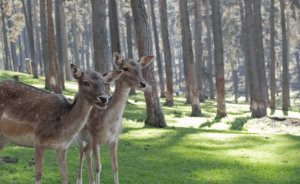 This combo grabs attention and then scares them. Researchers watched deer behavior to pick these sounds. It's like speaking the animals' language. This method is kind because it doesn't hurt anyone. No fences or chemicals are needed. It shows how knowing animal habits can solve problems.
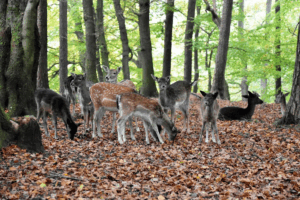 With speakers on slow maintenance trains or fixed spots, deer stay away more. This saves animal lives and keeps trains on time. Passengers are safer, too. The success has made other countries think about trying similar things. It's proof that small changes can have big impacts.
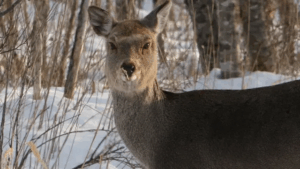 Via BBC
In Japan, they use it on rural tracks where money for big projects is limited. This makes it good for places with tight budgets. It's also green because it doesn't change the land much. Animals can still move around freely, just not on tracks. This balance helps both people and wildlife.
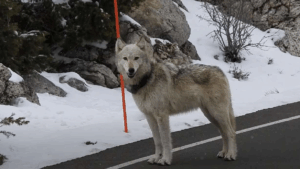 Via KSL News
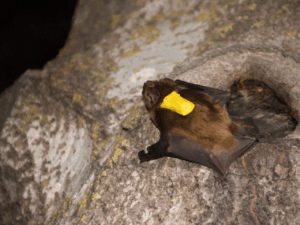
For sea animals, like porpoises, special devices make noises to keep them from fishing nets or boat areas. These acoustic tools warn without harm. In wind farms, ultrasonic sounds deter bats from turbines. Bats hear high pitches and stay away, cutting deaths by a lot. These examples show that sounds can work for many animals.
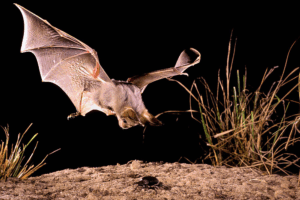 Via Science
Tests show this reduces bat deaths by up to 50 percent. It's important because bats help control bugs. These methods are growing in use. They need to be tuned right so animals don't get used to them. Changing sounds sometimes keeps it effective.
In oceans, sounds protect whales and seals. Ships can hit whales, but warning beeps make them swim away. For seals eating fish at farms, acoustic deterrents play predator noises like killer whale calls. This stops seals without hurting them. But too much noise can bother sea life, so it's used carefully. Studies check if animals get stressed.
 Via Smithsonian Magazine
 Via BBC
In some regions, smart fences use motion or heat signals to trigger warnings or lights that scare wildlife away. Countries like India and Sweden are testing underpasses and overpasses designed for animal crossings. These solutions not only save wildlife but also reduce accidents, proving that technology and planning can coexist with nature.
 Via FINE Engineering
Sounds are kind and smart. They use what animals already know. No need to trap or move wildlife. It's better than old ways like hunting problem animals. Sounds respect nature's balance. They can be turned on only when needed, saving energy. This makes them fit for modern conservation. As cities grow, these tools help humans and animals share space.
 Via Live Science
Researchers watch for that. Overall, the pros outweigh the cons when used right. Another challenge is balancing human activity with wildlife needs. In busy ports or rail zones, too much artificial noise can mask natural communication between animals.
This confusion may disrupt breeding or migration patterns. Scientists are experimenting with quieter, targeted deterrents that only activate when sensors detect movement. Such precision helps reduce unnecessary sound exposure while keeping both people and wildlife safe.
 Via Cherrp
 Via Roundglass Sustain
Future conservation efforts might blend these systems with satellite data, adjusting playback automatically as animals migrate. By syncing technology with natural behavior, scientists hope to guide wildlife safely without disturbing their habitats.
 Via International Traveller
Saving wildlife with sounds is real and growing. From Japan's trains to ocean protectors, it works. It's cheap, safe, and smart. More places should try it. Coexistence is possible with creativity. Nature and progress can go together.
More in Unassigned
Via LinkedIn
These accidents also cause train delays and can be risky for people on board. Trains move fast and quietly, so animals don't always hear them coming soon enough. In places with lots of wildlife, like forests or rural areas, this issue is worse. People are looking for ways to stop these crashes without harming nature.
Why Animals Go on Train Tracks
Animals don't wander onto tracks by accident. They have reasons. Deer in Japan lick the iron rails because they need minerals for their health. In other places, animals use tracks as paths because they're clear and easy to walk on. Elephants in Asia follow old migration routes that now have railways crossing them.
Via The Revelator
Bears in Canada are drawn to grains spilled from freight trains. These habits make collisions more likely. Trains can be hard for animals to detect. Studies show that some trains are not loud enough for wildlife to hear from far away. This means animals might freeze or not run on time. Understanding why animals go there helps in finding good fixes.
Japan's Smart Sound Idea
In Japan, experts came up with a simple but clever way to keep deer safe from trains. They use sounds that deer understand. Trains or speakers along the tracks play a short deer snort first. This sound warns deer that something is wrong, like how they alert each other in the wild. Then, it plays dog barks for a bit longer.
Dogs are natural enemies of deer, so the barks scare them away. This happens when trains are coming or in areas where deer show up a lot. The idea came from the Railway Technical Research Institute. They tested it and found it works well. It's not high-tech gadgets; just recordings of animal noises played at the right time.
How the Sounds Work on Animals
Animals react to sounds based on what they mean in nature. A deer's snort is like a danger signal in their group. When deer hear it, they stop and look around. Adding dog barks makes them think a predator is near, so they run off the tracks. The timing is key: three seconds of snort, then 20 seconds of bark.
This combo grabs attention and then scares them. Researchers watched deer behavior to pick these sounds. It's like speaking the animals' language. This method is kind because it doesn't hurt anyone. No fences or chemicals are needed. It shows how knowing animal habits can solve problems.
Results from Japan's Tests
The sound system in Japan has made a big difference. In areas where they tried it, deer-train crashes dropped by almost half. That's about 45 percent fewer accidents. Tests happened on lines like the one in mountainous regions where deer are common. Before, trains hit deer often, causing stops and cleanups.
With speakers on slow maintenance trains or fixed spots, deer stay away more. This saves animal lives and keeps trains on time. Passengers are safer, too. The success has made other countries think about trying similar things. It's proof that small changes can have big impacts.
Cost and Ease of Using Sounds
One great thing about this approach is that it's cheap and easy. Setting up speakers costs less than building long fences. Fences can be expensive and block animal paths. Sounds are non-stop and work day or night. They don't need much upkeep.
Via BBC
In Japan, they use it on rural tracks where money for big projects is limited. This makes it good for places with tight budgets. It's also green because it doesn't change the land much. Animals can still move around freely, just not on tracks. This balance helps both people and wildlife.
Similar Sound Tricks Worldwide
Other countries use sounds to protect animals, too. In the United States, some areas play wolf howls to scare elk away from roads and tracks. Elk fear wolves, so they move off. In Europe, they test alarm calls for birds near airports to stop crashes with planes.
Via KSL News
For sea animals, like porpoises, special devices make noises to keep them from fishing nets or boat areas. These acoustic tools warn without harm. In wind farms, ultrasonic sounds deter bats from turbines. Bats hear high pitches and stay away, cutting deaths by a lot. These examples show that sounds can work for many animals.
Sounds for Birds and Bats
Birds often hit windows or power lines. Sounds help here, too. Some farms use sonic devices that play distress calls to chase birds from crops without poison. For bats, which use echoes to fly, high-frequency noises jam their senses near dangers like wind blades.
Via Science
Tests show this reduces bat deaths by up to 50 percent. It's important because bats help control bugs. These methods are growing in use. They need to be tuned right so animals don't get used to them. Changing sounds sometimes keeps it effective.
In oceans, sounds protect whales and seals. Ships can hit whales, but warning beeps make them swim away. For seals eating fish at farms, acoustic deterrents play predator noises like killer whale calls. This stops seals without hurting them. But too much noise can bother sea life, so it's used carefully. Studies check if animals get stressed.
Via Smithsonian Magazine
Train Collisions Around the Globe
Train hits happen everywhere. In Europe, deer and boars are common victims. Data from Poland shows many wild animal crashes each year. In Canada, trains kill grizzlies drawn to food on tracks. Africa has issues with elephants and lions. Numbers are hard to count, but estimates say thousands of animals die yearly worldwide. This affects rare species the most. For people, it costs money in repairs and delays. Finding ways to prevent it is key to conservation. New prevention methods are emerging worldwide. Thermal cameras and radar sensors can now detect animals near tracks, alerting train operators in time.
Via BBC
In some regions, smart fences use motion or heat signals to trigger warnings or lights that scare wildlife away. Countries like India and Sweden are testing underpasses and overpasses designed for animal crossings. These solutions not only save wildlife but also reduce accidents, proving that technology and planning can coexist with nature.
Other Ways to Stop Train Hits
Besides sounds, there are more fixes. Fences keep animals off tracks, but need gaps for crossing. Overpasses or underpasses let wildlife go over or under safely. These work well but cost a lot. Lights and reflectors scare animals at night. In India, they use early warning systems with sensors that spot elephants and alert train drivers. Combining methods is best. Sounds can add to these for better results.
Via FINE Engineering
Sounds are kind and smart. They use what animals already know. No need to trap or move wildlife. It's better than old ways like hunting problem animals. Sounds respect nature's balance. They can be turned on only when needed, saving energy. This makes them fit for modern conservation. As cities grow, these tools help humans and animals share space.
Challenges with Sound Deterrents
Not everything is perfect. Animals might get used to sounds over time, like ignoring a false alarm. To fix this, change the noises or timing. The weather can affect how far sounds travel. In noisy areas, it might not work well. Testing is needed for each place. For some animals, sounds could stress them out.
Via Live Science
Researchers watch for that. Overall, the pros outweigh the cons when used right. Another challenge is balancing human activity with wildlife needs. In busy ports or rail zones, too much artificial noise can mask natural communication between animals.
This confusion may disrupt breeding or migration patterns. Scientists are experimenting with quieter, targeted deterrents that only activate when sensors detect movement. Such precision helps reduce unnecessary sound exposure while keeping both people and wildlife safe.
Via Cherrp
Future Ideas for Sound Conservation
Tech can make sounds better. Apps could control speakers from phones. AI might pick the best noise for each animal. Drones could play sounds in hard-to-reach spots. More research on animal hearing will help. As the climate changes, animals move to new areas, so adaptable tools like sounds are useful. Countries can share ideas to improve. This could save more species. Some researchers are exploring the use of underwater and airborne sound maps to track animal responses in real time. These maps help pinpoint when and where sound cues work best, avoiding overstimulation.
Via Roundglass Sustain
Future conservation efforts might blend these systems with satellite data, adjusting playback automatically as animals migrate. By syncing technology with natural behavior, scientists hope to guide wildlife safely without disturbing their habitats.
Explore Japan's Ingenious Wildlife Deterrent
Japan's deer sound system teaches people a lot. Simple ideas can solve big problems. It shows empathy for animals leads to wins for all. Innovation doesn't need to be fancy. By studying nature, you find answers. This story inspires more kind solutions.
Via International Traveller
Saving wildlife with sounds is real and growing. From Japan's trains to ocean protectors, it works. It's cheap, safe, and smart. More places should try it. Coexistence is possible with creativity. Nature and progress can go together.