Unassigned
How Your Brain Builds the Path to Your Goals

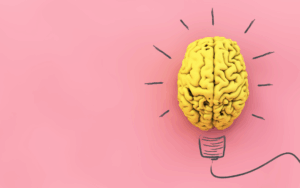
Your brain is like a skilled builder that creates paths to your dreams. It does not work by magic or luck. Instead, it uses real science to turn ideas into actions. Cognitive neuroscientist Elliot Berkman has studied how this happens inside our heads.
He found that for any goal to stick, your brain needs two key parts: a strong emotional reason and a clear, simple plan. When these come together, your brain starts wiring itself to make the goal happen. This process turns big wishes into everyday habits.
 Via Braintrust Growth
It makes success feel automatic. It's important to explore how your brain does this step by step. You will learn ways to use this knowledge for your own goals, whether they are about health, work, or personal growth.
 Via Life Architekture
But if you picture crossing the finish line and feeling proud, or imagine better health for your family, that changes everything. These feelings release chemicals like dopamine in your brain. Dopamine is a natural booster that makes you want to act. This emotional pull is not fluffy advice. It is backed by how our brains evolved. Long ago, humans needed strong reasons to hunt or gather food.
The same system works today for modern goals. When a goal connects to your values, like helping others or proving your strength, your brain sees it as important. It prioritizes that path over distractions. Studies on brain scans show that emotionally charged goals light up areas linked to planning and effort.
 Via Progress-Focussed
 Via Turbo Inventory
These tiny wins release more dopamine, keeping you hooked. Your brain starts to see the goal as doable. Over time, it creates habits that run on autopilot. Science shows that clear plans reduce stress in the brain's decision-making parts. This leaves more energy for action. Without a roadmap, even emotional goals fade because the brain gets overwhelmed.
 Via The Soul Garden
This wiring makes progress feel natural. Your body and mind align. You might wake up excited to follow your plan. Berkman’s research shows this in brain imaging. People with strong emotional reasons and simple plans have thicker pathways in goal-related areas. These paths make you resilient. Setbacks do not derail you because the brain has a built-in guide. Over weeks or months, the goal feels like part of who you are.
 Via LinkedIn
To build this, make your goal vivid. Close your eyes and imagine the result. Feel the happiness or peace. For a career goal, picture the pride in your work or the freedom it brings. Link it to your core hopes. This is not daydreaming. It trains your brain to value the outcome. Each small step then feels rewarding because it moves you closer. Science from motivation studies confirms this. People who visualize emotional wins stick to plans longer.
 Via The Disciplined Rebel
Phase one might be research. Phase two, daily practice. Each phase has 3-5 steps. This keeps your brain from overload. Tools like checklists or apps can help track progress. Seeing checkmarks gives instant rewards. Berkman advises reviewing your plan weekly. Adjust if needed, but keep it clear. This habit strengthens neural paths. Your brain learns to trust the process.
 Via Medium
Think of it as programming. Input the emotional code and the step-by-step instructions. Your brain runs the program daily. It filters out distractions and highlights opportunities. You start noticing ways to advance that you missed before. This is the reticular activating system at work, a brain filter that spots goal-related clues. With strong wiring, manifestation feels effortless. Goals pull you instead of you pushing them.
 Via Emeritus
Procrastination hits when steps feel too big. Starting small fixes this. Ignoring progress is another trap. Celebrate wins to boost dopamine. Finally, negative self-talk erodes paths. Replace it with kind reminders of your why. Berkman notes that consistent small actions beat perfect big ones. Avoid these pitfalls, and your brain stays on track.
 Via BBC
Or a student aiming for college. Emotion: pride in breaking family cycles. Plan: study 30 minutes nightly, review notes weekly. Pathways form through daily wins. Exams feel manageable. These stories show the process works for anyone. Your brain does not care about the goal's size. It follows the same rules.
 Via Dr. Jim Collins
Track streaks to see growth. Apps or journals work. Missing a day? Do not quit, restart gently. Berkman says flexibility keeps paths strong. Over 66 days on average, habits solidify. Your brain rewires for the long haul. Goals become lifestyle, not tasks.
 Via Bhatia Psychology Group
Repeated goal success changes your brain forever. It builds self-efficacy, belief in your abilities. Pathways for one goal help others. You become a natural achiever. Aging brains benefit, too. Challenging goals keep plasticity high, reducing decline. Berkman's studies link purposeful goals to better mental health. Less depression, more joy. Your brain thrives on this process.
 Via The Conscious Vibe
In the end, your brain is your greatest ally. Feed it emotion and clarity, and it constructs the road to any goal. No more forcing change. Let science guide you. Manifestation becomes reality through wired paths. You achieve what you feel and plan. The power is inside your head, waiting to build.
More in Unassigned
Via Braintrust Growth
It makes success feel automatic. It's important to explore how your brain does this step by step. You will learn ways to use this knowledge for your own goals, whether they are about health, work, or personal growth.
Why Emotions Fuel Your Goals
Emotions are the spark that lights up your brain's motivation system. Without a deep feeling tied to your goal, it stays just a thought on a list. Berkman explains that your brain loves rewards that feel good inside. Think about wanting to run a marathon. If the only reason is "I should exercise," your brain might ignore it.
Via Life Architekture
But if you picture crossing the finish line and feeling proud, or imagine better health for your family, that changes everything. These feelings release chemicals like dopamine in your brain. Dopamine is a natural booster that makes you want to act. This emotional pull is not fluffy advice. It is backed by how our brains evolved. Long ago, humans needed strong reasons to hunt or gather food.
The same system works today for modern goals. When a goal connects to your values, like helping others or proving your strength, your brain sees it as important. It prioritizes that path over distractions. Studies on brain scans show that emotionally charged goals light up areas linked to planning and effort.
Via Progress-Focussed
The Role of a Clear Roadmap
A strong why is half the battle, but your brain also needs a how. This means a plan that is broken into small, easy steps. Big goals can scare the brain because they look too hard. Imagine trying to climb a huge mountain without a trail map. You might give up fast. But if the path has clear markers, like rest stops every mile, your mind stays calm and focused. Berkman calls this a "roadmap" because it guides your brain like a GPS. When steps are simple, your brain can picture success. This builds confidence. For example, if your goal is to learn guitar, do not start with "play like a pro." Instead, plan: Day 1, hold the guitar for 10 minutes. Day 2, learn one chord.
Via Turbo Inventory
These tiny wins release more dopamine, keeping you hooked. Your brain starts to see the goal as doable. Over time, it creates habits that run on autopilot. Science shows that clear plans reduce stress in the brain's decision-making parts. This leaves more energy for action. Without a roadmap, even emotional goals fade because the brain gets overwhelmed.
How Neural Pathways Form
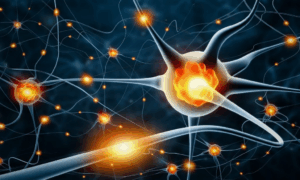
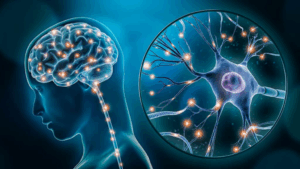
Your brain is plastic, meaning it can change and grow new connections. These are called neural pathways. They are like trails in a forest that get stronger with use. When you combine emotion and a clear plan, your brain starts building these paths toward your goal. It happens through repetition and reward. Every time you take a step on your roadmap and feel that emotional boost, neurons fire together. Neurons are brain cells that send signals. When they fire often in the same pattern, they wire together. This is the saying "neurons that fire together, wire together." For a fitness goal, each workout strengthens the path between "feel good" emotions and "exercise" actions. Soon, your brain craves the activity. It becomes a habit, not a chore.
Via The Soul Garden
This wiring makes progress feel natural. Your body and mind align. You might wake up excited to follow your plan. Berkman’s research shows this in brain imaging. People with strong emotional reasons and simple plans have thicker pathways in goal-related areas. These paths make you resilient. Setbacks do not derail you because the brain has a built-in guide. Over weeks or months, the goal feels like part of who you are.
The Power of Emotional Rewards
Rewards are not just about prizes. In your brain, emotional rewards are the strongest. They come from inside, like a sense of accomplishment or connection. Berkman points out that goals without these feel empty. Your brain's reward center, called the nucleus accumbens, activates more for personal meaning than for money or fame.
Via LinkedIn
To build this, make your goal vivid. Close your eyes and imagine the result. Feel the happiness or peace. For a career goal, picture the pride in your work or the freedom it brings. Link it to your core hopes. This is not daydreaming. It trains your brain to value the outcome. Each small step then feels rewarding because it moves you closer. Science from motivation studies confirms this. People who visualize emotional wins stick to plans longer.
Breaking Down Goals into Steps
Simplicity is key to your roadmap. Complicated plans confuse the brain and trigger avoidance. Start by writing your big goal. Then, ask: What is the smallest action I can take today? Make it so easy that you cannot fail. To save money, begin with $1 a day. For writing a book, start with one sentence. Use a method called chunking. Break the goal into phases.
Via The Disciplined Rebel
Phase one might be research. Phase two, daily practice. Each phase has 3-5 steps. This keeps your brain from overload. Tools like checklists or apps can help track progress. Seeing checkmarks gives instant rewards. Berkman advises reviewing your plan weekly. Adjust if needed, but keep it clear. This habit strengthens neural paths. Your brain learns to trust the process.
Why Manifestation Works with Brain Science
People talk about manifestation as thinking positively to attract success. But real manifestation is brain science in action. It is not wishing on stars. It is aligning emotion, plan, and repetition to rewire your mind. Berkman’s work shows that when you do this, your brain manifests the path itself.
Via Medium
Think of it as programming. Input the emotional code and the step-by-step instructions. Your brain runs the program daily. It filters out distractions and highlights opportunities. You start noticing ways to advance that you missed before. This is the reticular activating system at work, a brain filter that spots goal-related clues. With strong wiring, manifestation feels effortless. Goals pull you instead of you pushing them.
Common Mistakes That Block Pathways
Even with good intentions, mistakes can weaken your brain's paths. One big error is skipping the emotional part. Goals like "lose weight" without a why fizzle out. Another is vague plans. Saying "exercise more" is too fuzzy. Your brain needs specifics, like "walk 20 minutes after dinner."
Via Emeritus
Procrastination hits when steps feel too big. Starting small fixes this. Ignoring progress is another trap. Celebrate wins to boost dopamine. Finally, negative self-talk erodes paths. Replace it with kind reminders of your why. Berkman notes that consistent small actions beat perfect big ones. Avoid these pitfalls, and your brain stays on track.
Real-Life Examples of Brain-Built Success
Consider someone quitting smoking. The emotional reason: breathing easier for their kids. The plan: replace cigarettes with gum, one craving at a time. Over months, neural paths shift from addiction to freedom. The brain now links stress relief to healthy habits.
Via BBC
Or a student aiming for college. Emotion: pride in breaking family cycles. Plan: study 30 minutes nightly, review notes weekly. Pathways form through daily wins. Exams feel manageable. These stories show the process works for anyone. Your brain does not care about the goal's size. It follows the same rules.
Building Habits That Last
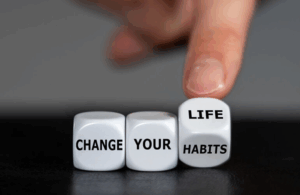
Habits are superhighways in your brain. Once formed, they run with little effort. To turn goals into habits, stack new actions on old ones. After brushing teeth, meditate for two minutes. This cues your brain automatically.
Via Dr. Jim Collins
Track streaks to see growth. Apps or journals work. Missing a day? Do not quit, restart gently. Berkman says flexibility keeps paths strong. Over 66 days on average, habits solidify. Your brain rewires for the long haul. Goals become lifestyle, not tasks.
Overcoming Obstacles with Brain Tricks
Setbacks happen. Your brain might resist change at first. Use if-then plans: If tired, then walk instead of running. This prepares neural paths for bumps. Mindfulness helps too. It calms the brain's fear center, making steps easier. Breathe deeply when doubt hits. Remind yourself of the emotional why. These tricks strengthen pathways during tough times. Progress continues.
Via Bhatia Psychology Group
Repeated goal success changes your brain forever. It builds self-efficacy, belief in your abilities. Pathways for one goal help others. You become a natural achiever. Aging brains benefit, too. Challenging goals keep plasticity high, reducing decline. Berkman's studies link purposeful goals to better mental health. Less depression, more joy. Your brain thrives on this process.
Explore the Neuroscience of Manifesting Goals
Start today. Pick one goal. Find the deep emotion. Write three small steps. Act the first. Feel the reward. Repeat. Share with friends for accountability. Their support boosts your brain's social rewards. Track monthly. Watch paths grow. Your brain is ready; give it the tools.
Via The Conscious Vibe
In the end, your brain is your greatest ally. Feed it emotion and clarity, and it constructs the road to any goal. No more forcing change. Let science guide you. Manifestation becomes reality through wired paths. You achieve what you feel and plan. The power is inside your head, waiting to build.