Unassigned
How Public Demand Made Sweden Cage-Free

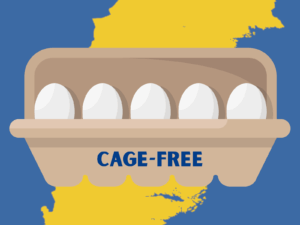
Sweden achieved a world-first milestone in 2025 by ensuring every single egg-laying hen lives cage-free across the entire country. This historic shift means no hen is confined to any type of cage, whether old battery cages or newer enriched ones. A strict government law did not force the change, but grew from years of public demand and teamwork.
 Via Green Queen Media
Shoppers, animal welfare groups, and retailers worked together, step by step, over decades to make this happen. Since 2008, more than 17 million hens have been freed from cages, improving their daily lives. This success shows how everyday choices in grocery stores can reshape farming for the better. Sweden now stands as a proud example of ethical food production that other nations can follow.
 Via ESDAW
Early animal lovers saw the suffering and began raising concerns in the 1970s through letters and small protests. They shared stories of weak bones and sore feet to wake people up to the issue. These first voices laid the groundwork for bigger changes that would come later in the fight against cages.
 Via ESDAW
Egg cartons started carrying clear labels in the 1990s to show if eggs came from caged hens, barn systems, or free-range farms. Shoppers could make informed choices and support kinder options with their money. This labeling system helped build awareness and slowly shifted buying habits across the country.
 Via Vocal Media
The groups created a city ranking system that scored places on how animal-friendly their public food purchases were. Every Swedish city responded by banning cage eggs from schools, hospitals, and government offices. Their consistent efforts kept the cage issue in the news and pushed progress forward year after year.
 Via Green Queen Media
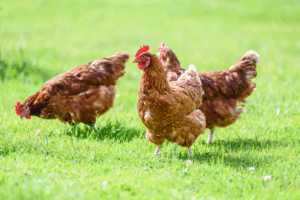
Social media posts showed happy hens roaming in barns, which spread quickly and inspired more buyers. Surveys revealed that most people cared deeply about animal treatment and were willing to pay extra. This strong consumer demand sent a clear message to farmers that cage-free was the future of eggs.
 Via The Poultry Site
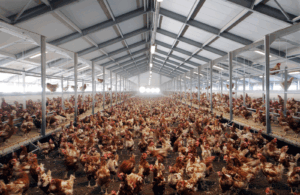
Chains like Coop, Willys, and Lidl followed with public promises to go fully cage-free within a few years. Bakeries and restaurants began using only liquid eggs from barn systems in their products. The retail shift happened faster than laws could require and set a new standard for the industry.
 Via Alltech
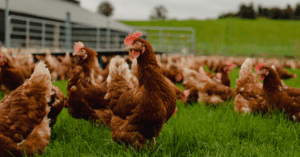
Wholesalers who supply restaurants and hotels completed the change in 2025, with Martin & Servera as the final one. Every egg sold in Sweden now comes from hens that can walk, perch, and nest freely. The entire supply chain from farm to table reflects the nation’s commitment to kindness.
 Via Organic Consumers Association
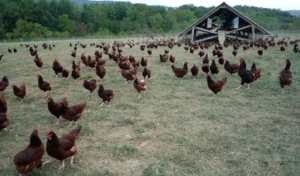
Some farms added secure outdoor runs where hens could feel grass, peck for bugs, and enjoy sunshine. Mobile coops protected birds from the weather while letting them explore safely. These modern setups cost more to build but provide lasting homes that improve health.
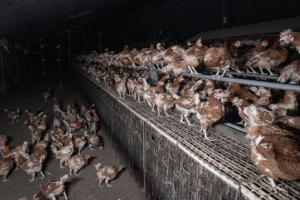 Via Animal Justice Project
Soft nest boxes give private laying spots where hens can turn and settle comfortably each morning. Lights follow sunrise and sunset patterns to keep natural body rhythms steady. Workers check water and feed to make sure every bird stays happy and healthy.
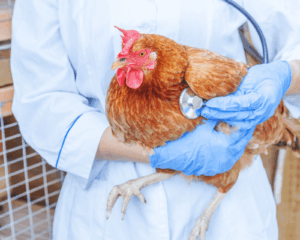 Via ECOnourish
Veterinarians make regular visits to monitor beak condition, feather quality, and overall wellness. Quick treatment stops small issues from spreading through the barn. Healthy hens produce safer, higher-quality eggs for families to enjoy.
 Via Poultry World
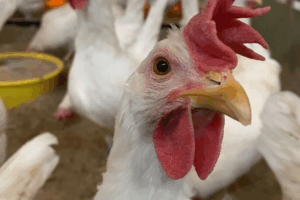
Government programs offered grants to cover training costs and new equipment purchases. Experienced farmers mentored newcomers and shared practical tips from daily life. Knowledge spread quickly, making the switch easier for every farm in Sweden.
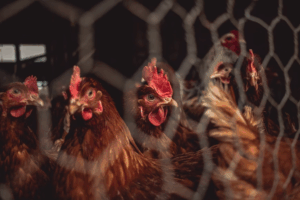 Better planning and larger flocks lowered long-term costs for feed and labor over time. Sales remained strong as people trusted the Swedish cage-free label completely. Kind eggs became an everyday choice rather than a luxury item.
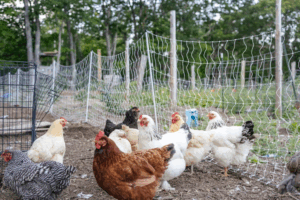 Dim red lights at night help the flock sleep without disturbance from sudden shadows. Clean nipple drinkers provide fresh water that hens can access easily. Simple design choices create a peaceful home where birds thrive together.
 Automated collectors gather eggs gently to avoid cracks and keep them clean. Packing centers sort by size and check quality before sealing cartons. Every egg meets strict Swedish standards for freshness and safety.
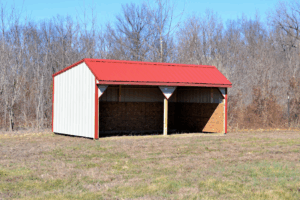 Via Raber Storage Barns
Feed mills expanded to mix special diets with added vitamins for barn hens. Truck drivers deliver eggs fresh from farms to stores every day. The cage-free system created steady jobs that support families and communities.
 Farmers attend international trade fairs to share their stories and sign new deals. Buyers ask detailed questions about costs, timelines, and hen care standards. Sweden’s model helps spread kindness beyond its own borders.
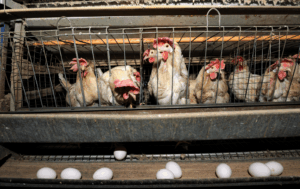 Via The Humane League
Talks include support packages for any farm still finishing the switch. A legal ban would remove any chance of cages returning if demand shifts. Sweden aims to make its leadership in welfare unbreakable by rule.
 Via Animal Welfare Association
Kids bring home stories and ask parents to buy eggs with the best labels. Young voices grow into future shoppers who expect kindness as standard. Education plants deep roots for lasting change in farming.
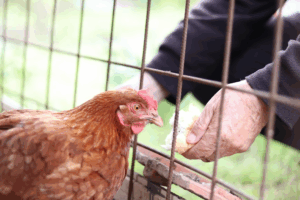 This victory sets a shining standard for animal welfare that will inspire generations. The future of farming looks bright, kind, and full of hope across the globe. Sweden’s story reminds everyone that real change starts with shared compassion.
More in Unassigned
Via Green Queen Media
Shoppers, animal welfare groups, and retailers worked together, step by step, over decades to make this happen. Since 2008, more than 17 million hens have been freed from cages, improving their daily lives. This success shows how everyday choices in grocery stores can reshape farming for the better. Sweden now stands as a proud example of ethical food production that other nations can follow.
The Early Days of Cage Problems
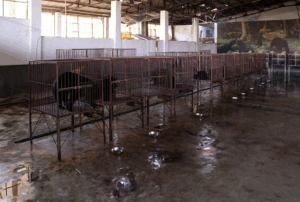
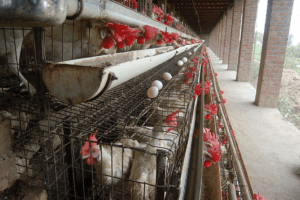
Battery cages arrived in Sweden during the 1960s as a way to produce cheap eggs in large numbers quickly. Each hen was given a space smaller than a standard sheet of paper, with bare wire floors and no room to turn around. Birds could not stretch their wings, perch, or show any natural behaviors, leading to pain and stress.
Via ESDAW
Early animal lovers saw the suffering and began raising concerns in the 1970s through letters and small protests. They shared stories of weak bones and sore feet to wake people up to the issue. These first voices laid the groundwork for bigger changes that would come later in the fight against cages.
First Steps Toward Better Rules
Sweden passed an important animal welfare law in 1988 that aimed to phase out the worst battery cages within ten years. Farmers were required to add nest boxes, perches, and scratch areas if they kept any cages at all. The goal was to let hens act more like chickens, even in limited spaces.
Via ESDAW
Egg cartons started carrying clear labels in the 1990s to show if eggs came from caged hens, barn systems, or free-range farms. Shoppers could make informed choices and support kinder options with their money. This labeling system helped build awareness and slowly shifted buying habits across the country.
Rise of Animal Welfare Groups
Organizations like Project 1882 were formed specifically to end cages through research, campaigns, and public pressure. They published detailed reports on hen suffering and shared heartbreaking photos with the media. Thousands of citizens signed petitions calling for complete freedom for egg-laying birds.
Via Vocal Media
The groups created a city ranking system that scored places on how animal-friendly their public food purchases were. Every Swedish city responded by banning cage eggs from schools, hospitals, and government offices. Their consistent efforts kept the cage issue in the news and pushed progress forward year after year.
How Shoppers Changed the Market
Swedish families learned about cage conditions through television programs, school lessons, and online videos. Many decided to switch to cage-free eggs even when they cost a little more at the store. Parents taught children to read egg codes and pick the ones with the best welfare standards.
Via Green Queen Media
Social media posts showed happy hens roaming in barns, which spread quickly and inspired more buyers. Surveys revealed that most people cared deeply about animal treatment and were willing to pay extra. This strong consumer demand sent a clear message to farmers that cage-free was the future of eggs.
Stores Take the Lead
The grocery chain Hemköp made history in 2008 by becoming the first major retailer to stop selling eggs from caged hens. They put up signs explaining the decision and displayed pictures of hens in open barns. Other stores watched sales and saw that customers rewarded the kind choice with loyalty.
Via The Poultry Site
Chains like Coop, Willys, and Lidl followed with public promises to go fully cage-free within a few years. Bakeries and restaurants began using only liquid eggs from barn systems in their products. The retail shift happened faster than laws could require and set a new standard for the industry.
Big Chains Make Final Pledges
ICA, Sweden’s largest grocery network, announced its full switch to cage-free eggs in 2021 after long talks with farmers. The company helped fund new barn construction to ensure enough supply for shoppers. Clear timelines and support made the transition smooth for everyone involved.
Via Alltech
Wholesalers who supply restaurants and hotels completed the change in 2025, with Martin & Servera as the final one. Every egg sold in Sweden now comes from hens that can walk, perch, and nest freely. The entire supply chain from farm to table reflects the nation’s commitment to kindness.
Building New Homes for Hens
Farmers tore down old cage buildings and built wide indoor barns with natural light and fresh air flow. Hens received deep straw bedding, high perches, and private nest boxes with soft curtains. Space rules ensured each bird had room to flap its wings and move without crowding.
Via Organic Consumers Association
Some farms added secure outdoor runs where hens could feel grass, peck for bugs, and enjoy sunshine. Mobile coops protected birds from the weather while letting them explore safely. These modern setups cost more to build but provide lasting homes that improve health.
Daily Life in Cage-Free Barns
Hens start the day scratching through litter for hidden food treats and socializing with the flock. They climb onto perches at dusk to rest high above the ground in safety. Dust baths in sand areas help them clean feathers and relax naturally.
Via Animal Justice Project
Soft nest boxes give private laying spots where hens can turn and settle comfortably each morning. Lights follow sunrise and sunset patterns to keep natural body rhythms steady. Workers check water and feed to make sure every bird stays happy and healthy.
Health Wins for Hens
Walking and wing-flapping in open spaces build stronger bones and muscles for cage-free hens. Fewer birds suffer from pressure sores or trapped feathers compared to wire cage floors. Lower stress levels mean stronger immune systems and fewer illnesses in the flock.
Via ECOnourish
Veterinarians make regular visits to monitor beak condition, feather quality, and overall wellness. Quick treatment stops small issues from spreading through the barn. Healthy hens produce safer, higher-quality eggs for families to enjoy.
Training Farmers for New Ways
Agricultural schools added courses on managing large barn systems without any cages at all. Farmers attended workshops to learn about space needs, lighting, and flock behavior. Young people entered the field excited to work with modern, kind farming methods.
Via Poultry World
Government programs offered grants to cover training costs and new equipment purchases. Experienced farmers mentored newcomers and shared practical tips from daily life. Knowledge spread quickly, making the switch easier for every farm in Sweden.
Cost Questions and Answers
Building bigger barns and providing extra bedding raised egg prices slightly in the beginning. Most shoppers accepted the small increase because they valued their welfare highly. Stores ran promotions to help families try cage-free eggs without worry.
Better planning and larger flocks lowered long-term costs for feed and labor over time. Sales remained strong as people trusted the Swedish cage-free label completely. Kind eggs became an everyday choice rather than a luxury item.
Keeping Hens Safe from Harm
Barn layouts include hiding corners and visual barriers to reduce pecking and stress fights. Extra protein and fiber in feed keep hens full and calm throughout the day. Workers walk through multiple times daily to spot any signs of trouble early.
Dim red lights at night help the flock sleep without disturbance from sudden shadows. Clean nipple drinkers provide fresh water that hens can access easily. Simple design choices create a peaceful home where birds thrive together.
Egg Quality and Taste
Cage-free hens often produce eggs with deeper yellow yolks from varied natural diets. Some birds eat greens and insects when they go outside on good days. Blind taste tests show many people prefer the richer flavor of these eggs.
Automated collectors gather eggs gently to avoid cracks and keep them clean. Packing centers sort by size and check quality before sealing cartons. Every egg meets strict Swedish standards for freshness and safety.
Jobs in the New Egg World
Open barns need more daily workers for feeding, cleaning, and health checks than cages do. New roles include technicians who monitor air systems and camera feeds. Local companies hire builders to construct modern farm buildings across the country.
Via Raber Storage Barns
Feed mills expanded to mix special diets with added vitamins for barn hens. Truck drivers deliver eggs fresh from farms to stores every day. The cage-free system created steady jobs that support families and communities.
Export Dreams for Swedish Eggs
Other countries hear about Sweden’s success and want to buy cage-free eggs for their markets. Clean barns and strict welfare rules build a trusted brand name worldwide. Ships load cartons for nearby nations that value ethical food sources.
Farmers attend international trade fairs to share their stories and sign new deals. Buyers ask detailed questions about costs, timelines, and hen care standards. Sweden’s model helps spread kindness beyond its own borders.
Calls for a Forever Ban
Animal groups push lawmakers to pass a permanent law banning all cages for hens. Farmers support the idea of protecting their investments in new barns. Public polls show strong backing for locking in the cage-free standard forever.
Via The Humane League
Talks include support packages for any farm still finishing the switch. A legal ban would remove any chance of cages returning if demand shifts. Sweden aims to make its leadership in welfare unbreakable by rule.
Teaching Kids About Kind Farms
Schools show short videos of hens dust-bathing and perching in real barns. Field trips let children feed birds and collect warm eggs gently. Teachers explain how food choices affect animal lives every day.
Via Animal Welfare Association
Kids bring home stories and ask parents to buy eggs with the best labels. Young voices grow into future shoppers who expect kindness as standard. Education plants deep roots for lasting change in farming.
Explore Sweden's Cage-Free Farming Success
Sweden stands alone as the first nation with zero cages for any egg-laying hen anywhere. Millions of birds now enjoy space to walk, perch, nest, and simply be chickens. The milestone belongs to every citizen who spoke up and shopped wisely.
This victory sets a shining standard for animal welfare that will inspire generations. The future of farming looks bright, kind, and full of hope across the globe. Sweden’s story reminds everyone that real change starts with shared compassion.